
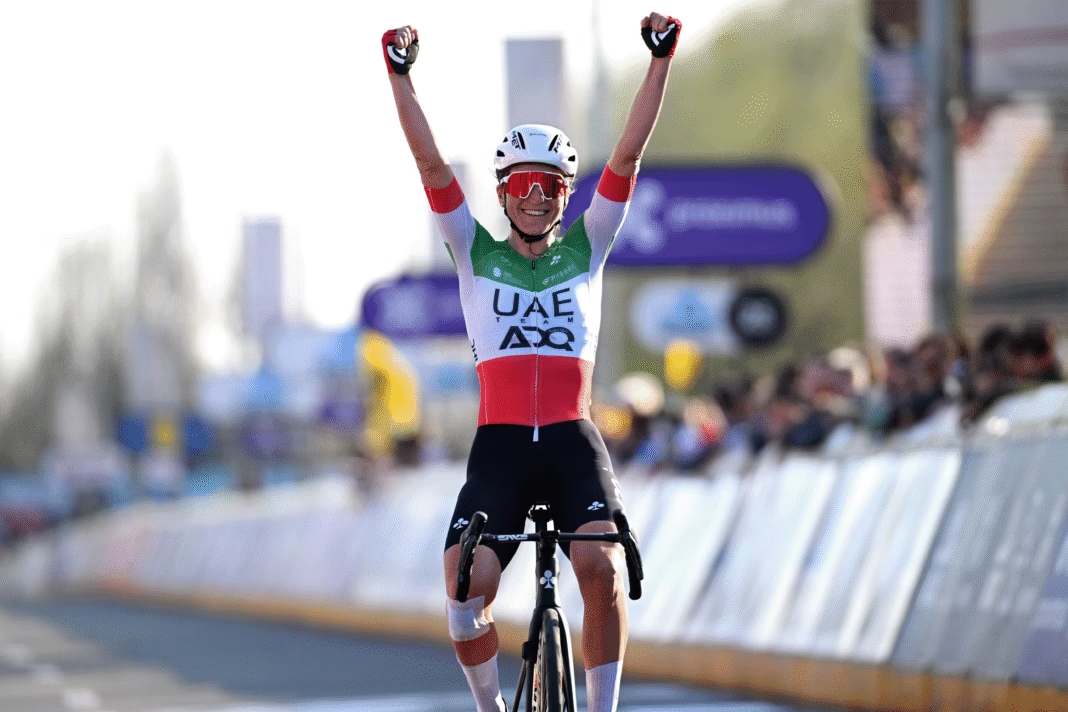
Brabantse Pijl Women is still a relatively young race, but it has grown quickly into an important part of the women’s spring calendar. It sits in a very useful space between the cobbled Classics and the Ardennes races, which gives it a distinctive feel. It is not flat enough for the pure sprinters, but it is not a full climbers’ race either. Instead, it has become a natural test for puncheurs, aggressive all-rounders and riders who can handle repeated short climbs at high speed.
That position on the calendar is a large part of why the race matters now. Brabantse Pijl Women often feels like the point where the spring begins to shift. The heavy cobbled pressure starts to fade, and the focus moves towards hilly one-day racing. For readers following that transition on ProCyclingUK, it sits naturally alongside pieces such as the beginner’s guide to La Flèche Wallonne Femmes 2026 and the wider Ardennes coverage.
How Brabantse Pijl Women began
The race was first held in 2016, when Marianne Vos won the inaugural edition. At that point it was run as the Pajot Hills Classic rather than under the Brabantse Pijl name. Even so, that opening edition mattered because it immediately gave the event a high-profile winner and helped establish it as more than a minor addition to the calendar.
A further change came in 2018, when the event was renamed Brabantse Pijl Dames Gooik. That move aligned the women’s race more closely with the established men’s Brabantse Pijl, even though the women still had their own finish location in Gooik rather than the later Overijse finish.
The route change that helped define the race
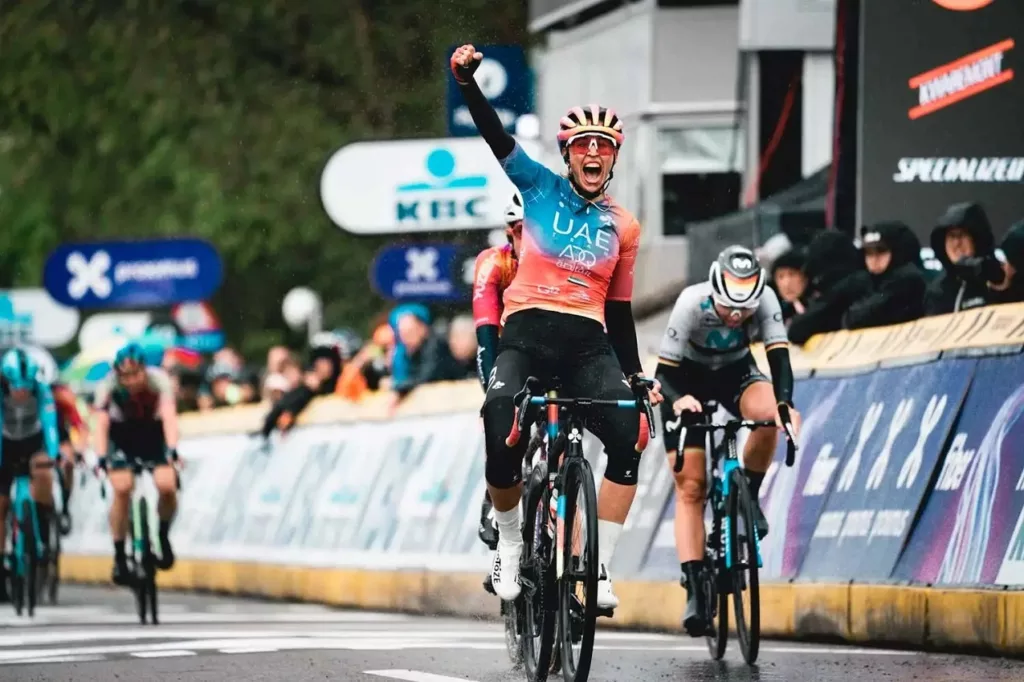
The next major development came in 2022. From that season, the women’s race moved onto the same overall finishing terrain as the men’s event and began finishing in Overijse. That change sharpened the race’s identity considerably, because it brought the women onto the short, steep climbs and repetitive late-race efforts that now define Brabantse Pijl far more clearly.
That matters because route identity is a major part of how a race builds prestige. Before that point, Brabantse Pijl Women was still finding its place. Since the move to Overijse, it has felt much more recognisable as a genuine bridge between the Flemish Classics and the Ardennes races.
For readers looking at how race design shapes these spring events, this history also links naturally with ProCyclingUK’s beginner’s guide to Men’s Flèche Wallonne 2026 and the broader spring Classics archive.
How the race has grown in status
The race’s sporting status has risen steadily as well. It began as a UCI 1.2 event in 2016 and 2017, stepped up to 1.1 level from 2018 to 2021, and then moved again to the UCI Women’s ProSeries from 2022 onwards.
That progression tells its own story. Brabantse Pijl Women has not simply stayed on the calendar. It has grown in stature, become more visible, and earned a stronger place within the structure of the women’s spring. In practical terms, that has helped it attract stronger fields and given the result more weight.
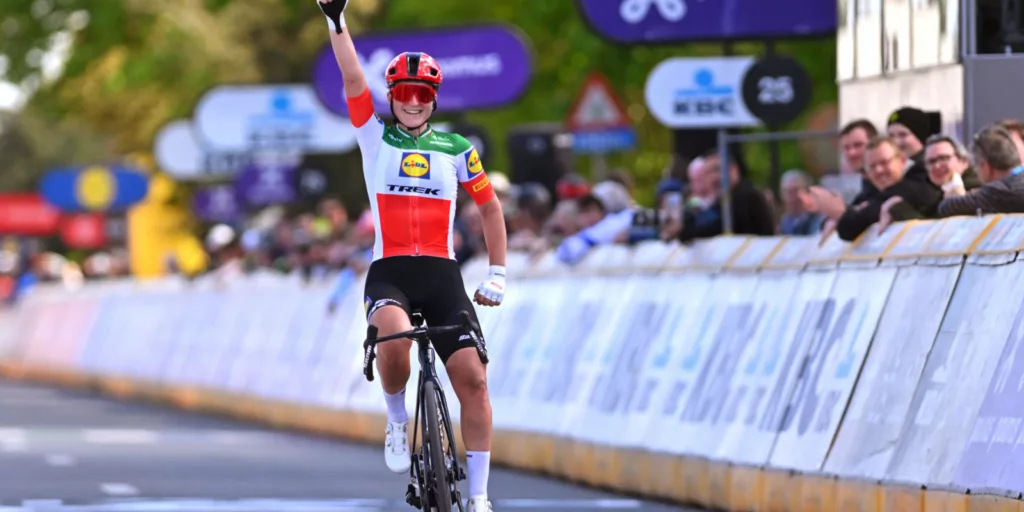 Photo Credit: Getty
The kind of rider who usually wins
The winners’ list gives a good sense of the rider profile the race tends to suit. Marianne Vos won the first edition. Since then, riders such as Marta Bastianelli, Grace Brown, Ruth Winder, Demi Vollering, Silvia Persico and Elisa Longo Borghini have all added their names to the roll of honour.
That is not a random collection of winners. Brabantse Pijl Women usually rewards riders who can handle repeated short climbs, position themselves well in a tense finale, and still produce either a sharp attack or a strong sprint from a reduced group. It is not a race for one-dimensional specialists. It tends to favour riders with punch, tactical awareness and resilience.
That is also why Brabantse Pijl Women makes sense as a companion race for newer fans alongside pieces like ProCyclingUK’s best women’s cycling races in 2026 for new fans and the women’s cycling history, races, riders and teams hub.
Elisa Longo Borghini’s place in the race’s history
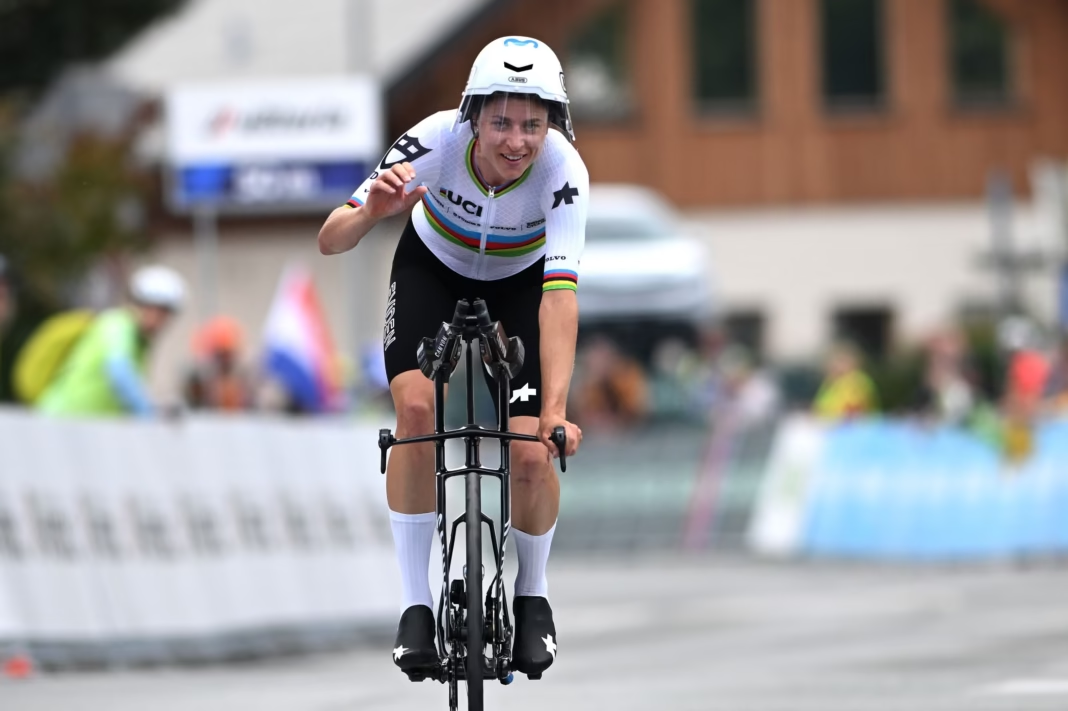
The most important recent chapter came in 2025, when Elisa Longo Borghini won Brabantse Pijl Women for the second year in a row. That made her the first rider to win the race twice, and the first to become a genuine repeat champion of the event.
That matters because young races often take time to build recognisable historical markers. Longo Borghini’s back-to-back wins gave Brabantse Pijl Women one of those markers. They also reinforced the broader pattern of the race itself, because her victories came from exactly the sort of strength, punch and tactical aggression that the event so often rewards.
-
 Photo Credit: Getty

Why Brabantse Pijl Women matters now
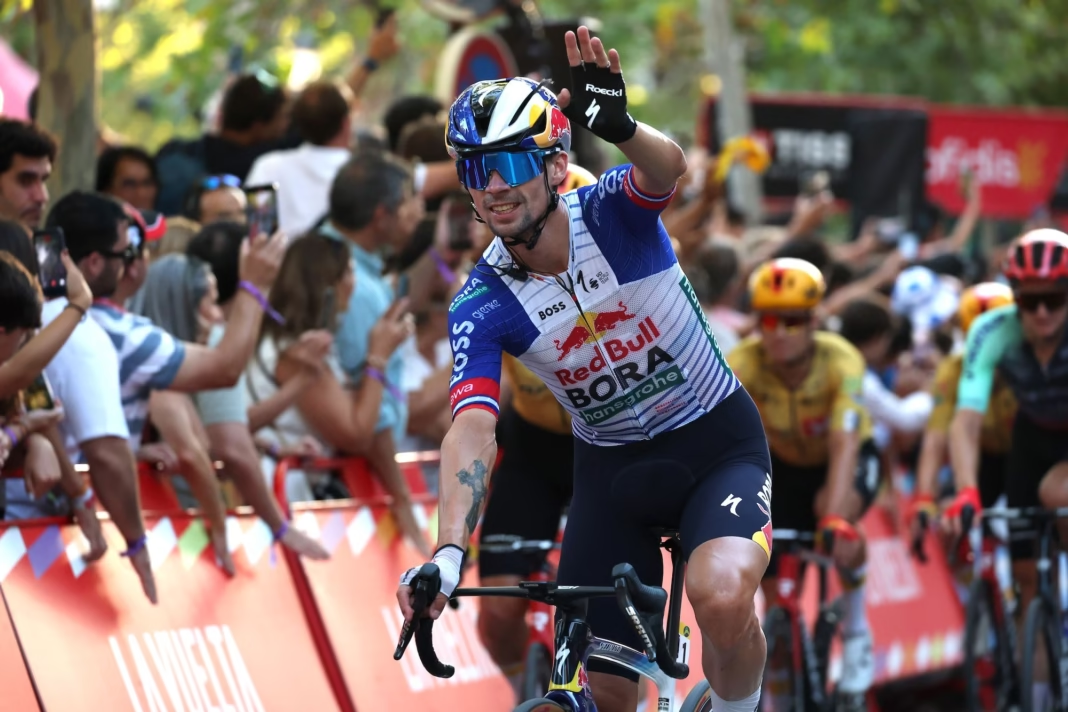
Brabantse Pijl Women may not have the century-old history of some of the biggest men’s Classics, but it has developed quickly into a meaningful part of the women’s spring. It now has a clear route identity, a rising level of status, and a winners’ list that already says a lot about the type of rider needed to succeed there.
That is really the essence of its history so far. First run in 2016, shaped by a name change, strengthened by a route shift, and elevated by its move into the Women’s ProSeries, Brabantse Pijl Women has become one of the clearest transition races of the season. It marks the point where the spring leaves one set of demands behind and begins asking slightly different questions of the peloton.

