
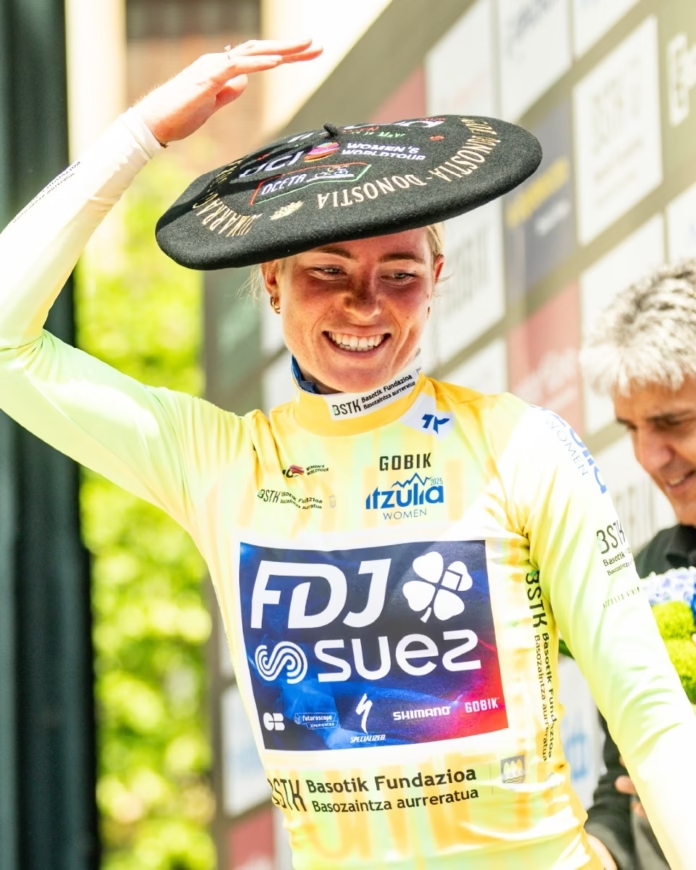
Itzulia Women 2026 is a three-day UCI Women’s WorldTour stage race in the Basque Country, running from Friday 15th May to Sunday 17th May. This year’s edition again spans all three Basque provinces and is organised under the same Itzulia banner as the men’s race, but with its own distinct place in the women’s calendar.
What makes Itzulia Women stand out is that it tends to feel harder than its short length suggests. Three stages may not sound like much, but Basque racing rarely gives riders an easy rhythm. The 2026 stage list is Zumarraga to Agurain, Ugao-Miraballes to Igorre, and Donostia to Donostia, which points to a race that should build towards a decisive final day again.
For readers building out the wider Spanish stage-race picture, this sits naturally alongside ProCyclingUK’s Beginner’s guide to La Vuelta Femenina 2026 and the broader Women’s cycling history, races, riders and teams hub.
 Photo Credit: Naikefotosport
What is Itzulia Women?
Itzulia Women is the women’s version of the famous Basque stage race, held over three days rather than a full week. It is part of the UCI Women’s WorldTour, which means it sits at the highest level of women’s road racing and attracts many of the biggest teams and riders in the sport.
Although still a relatively young race, it already feels established. It has kept the same three-stage format since launch, which has helped give it a recognisable identity very quickly.
When is Itzulia Women 2026?
Itzulia Women 2026 takes place from Friday 15th May to Sunday 17th May.
That places it in an important part of the season. La Vuelta Femenina comes earlier in May, and Vuelta a Burgos Feminas follows soon after, so Itzulia Women sits in the middle of a key Spanish block of stage racing.
Where is Itzulia Women raced?
The race is held in the Basque Country in northern Spain. The 2026 edition passes through all three Basque regions before finishing in Gipuzkoa, which is a useful shorthand for what makes the race feel so rooted in place.
That location is a large part of the event’s appeal. Basque racing usually means short climbs, twisting roads, aggressive racing and very little time to settle. Even when stages do not look mountainous in the Alpine sense, they can still be selective because the terrain keeps changing. That is one reason Itzulia Women often produces more action than its three-day format might suggest.

What are the stages in Itzulia Women 2026?
The 2026 route lists three stages:
- Stage 1: Zumarraga – Agurain
- Stage 2: Ugao-Miraballes – Igorre
- Stage 3: Donostia – Donostia
Even without every profile detail in front of you, the structure already tells you a lot. The Donostia finish has become the race’s best-known closing stage, and it follows the same route used in recent years and the same route as the women’s Clásica San Sebastián, with Jaizkibel and the Murgil wall as key defining features.
Which stage is most likely to decide the race?
Stage 3 is the obvious place to look first. The Donostia to Donostia finale has already built a reputation as the decisive day, and the route again points towards Jaizkibel shaping tactics and Murgil acting as the final judge of the stage and possibly the overall winner.
That does not mean the first two stages are irrelevant. A three-day race leaves very little room to recover from mistakes. Time gaps, bonus seconds, splits and positioning all matter more when there are only three chances to shape the general classification. But if you are new to Itzulia Women and want the simplest answer, the final Donostia stage is usually where the race acquires its clearest identity.
For more on that side of Basque racing, this also pairs well with ProCyclingUK’s Beginner’s guide to Donostia San Sebastián Women if you want a clearer sense of the terrain and race style around that finale.
What kind of riders usually do well at Itzulia Women?
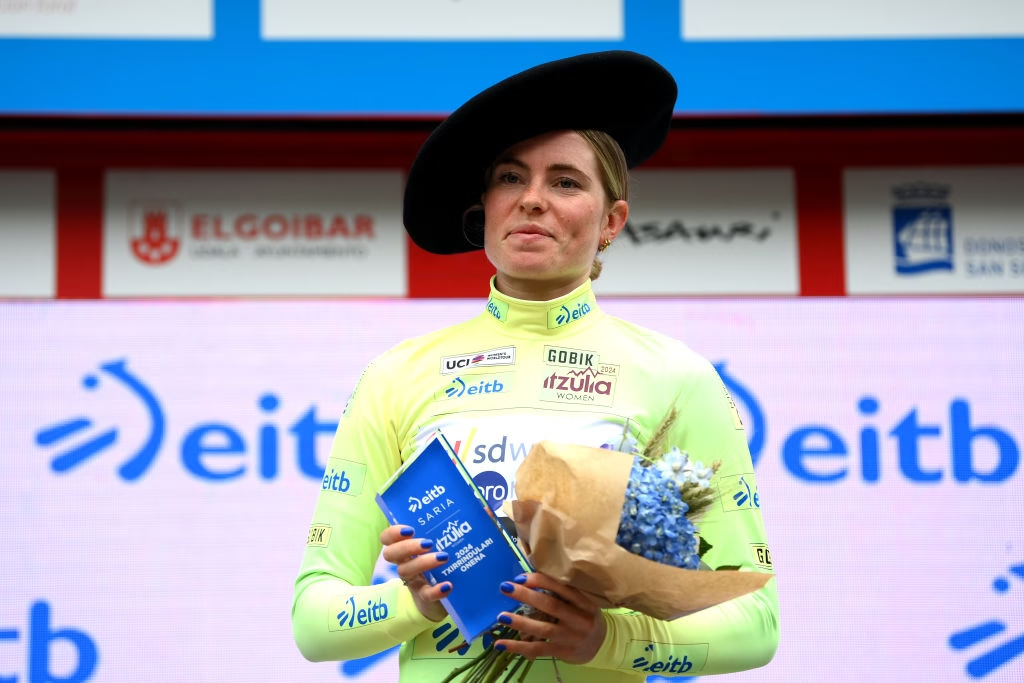
Itzulia Women usually rewards strong climbers and puncheurs rather than pure sprinters. The race’s short format and Basque terrain make it hard for flat-out sprint specialists to dominate the event, especially when the final day includes climbs such as Jaizkibel and the steep Murgil ramp.
The winners back that up. Demi Vollering won the inaugural 2022 edition by taking all three stages and the GC, and she won again in 2025 after a solo move on the final stage around Donostia. That gives a good sense of the rider profile the race tends to reward.
Why is Itzulia Women important?
Itzulia Women matters because it gives the women’s calendar a high-level Basque stage race with a clear identity. It is short, sharp and tactically rich, and it sits in a valuable part of the season between other major Spanish events. As a Women’s WorldTour race, it also carries real sporting weight for teams and riders targeting the biggest results of the year.
It also reflects the wider growth of women’s racing in Spain. Having La Vuelta Femenina, Itzulia Women and Vuelta a Burgos Feminas all in the same month creates a strong sequence of stage-race opportunities and gives the spring calendar more depth than it had a few years ago.
What should new viewers watch for?
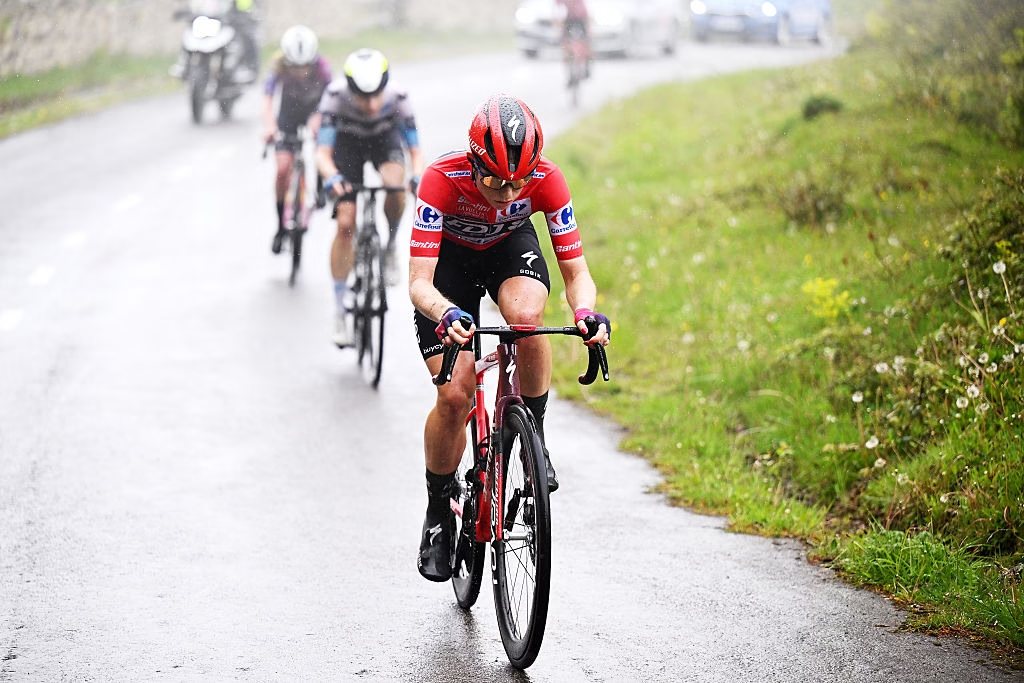
The easiest way to enjoy Itzulia Women is to watch for three things. First, how quickly the field is reduced, because Basque roads often make races selective earlier than expected. Second, who still has teammates late in the stage, because support matters even more in a short race where there is little time to repair a bad day. Third, what happens on the final Donostia stage, where the best climbers and punchiest GC riders usually try to settle the race outright.
If you are completely new to the event, it also helps to think of Itzulia Women as a compact stage race with Classic-style aggression. It does not have the scale of a Grand Tour, but it often has the same intensity of decision-making packed into a much shorter window.
-
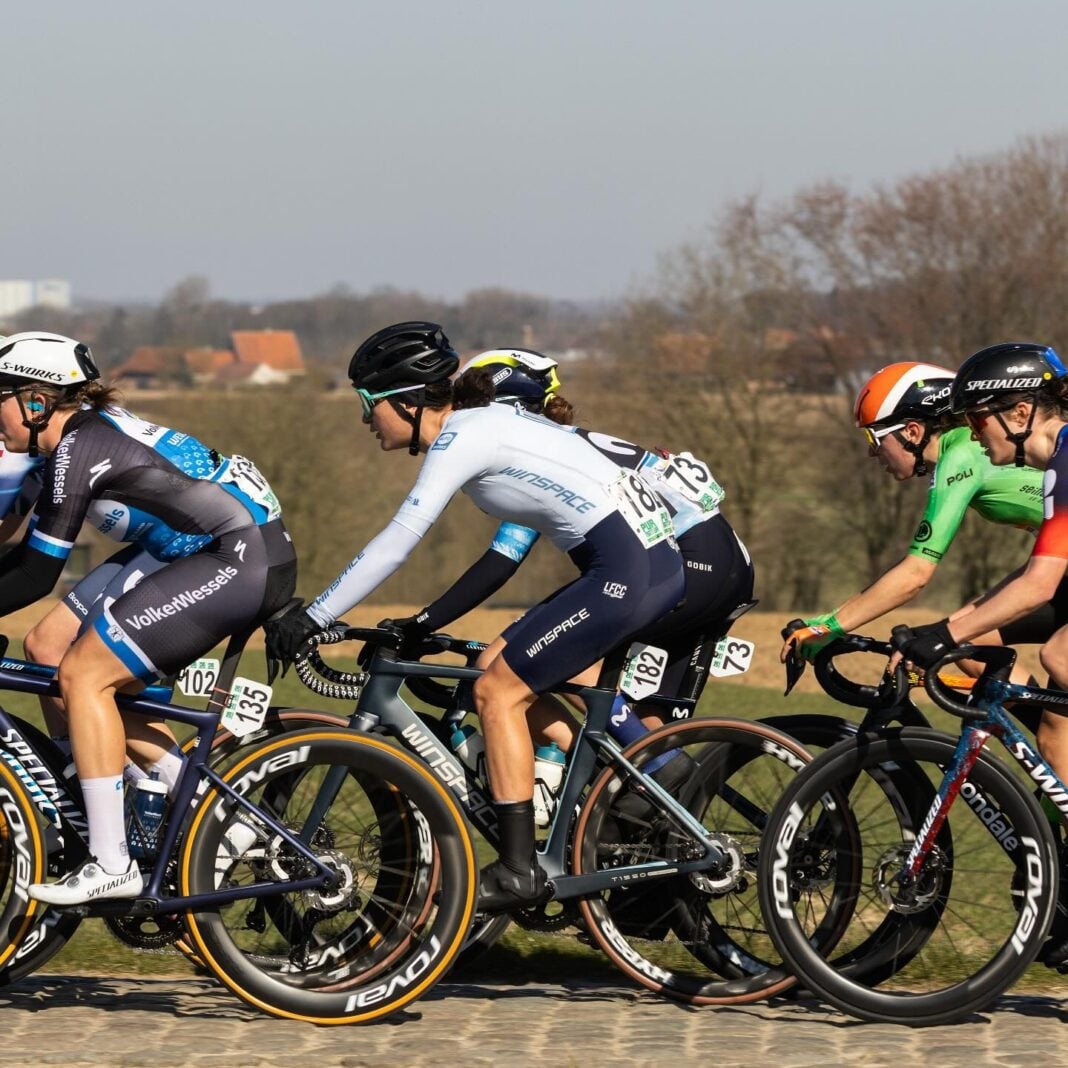
 Photo Credit: quentinphotographiebe
 -
 Photo Credit: Getty


Why Itzulia Women is worth watching
Itzulia Women is worth watching because it wastes very little time. Three days, Basque roads and WorldTour-level riders usually produce a race that feels active from the start and decisive by the finish. It is one of those events where the format and the terrain work well together.
For newer fans, it is also an accessible race to understand. There are only three stages, the final day has a clearly recognisable sting in the tail, and the overall contenders are usually visible before long. That makes Itzulia Women 2026 a good entry point into the Spanish stage-race block, even if you are only just starting to follow the women’s calendar.
For related reading, this also fits naturally with ProCyclingUK’s Beginner’s guide to La Vuelta Femenina 2026, A brief history of the Tour de France Femmes and the wider Women’s cycling history, races, riders and teams hub.

