Liège-Bastogne-Liège Femmes 2026 is the race that closes the women’s Ardennes block and, in many ways, asks the clearest question of the whole week. By the time the peloton reaches this point, there is nowhere to hide. The sprinters have usually been thinned out, the pure punchers have already shown themselves at Flèche Wallonne, and what remains is a race for riders who can climb repeatedly, recover quickly and still make the right decision deep into a hard day.
That is why Liège-Bastogne-Liège Femmes holds such a strong place on the calendar. It does not rely on one iconic finishing wall in the same way as La Flèche Wallonne Femmes, and it is not quite as open to opportunism as Amstel Gold Race Women can sometimes be. Instead, it tends to reward depth, patience and climbing strength across a long, attritional run-in.
For 2026, the race takes place on Sunday 26th April and covers 156km from Bastogne to Liège. It is the 10th edition of Liège-Bastogne-Liège Femmes, which underlines how quickly the event has become one of the major prizes in women’s one-day racing.
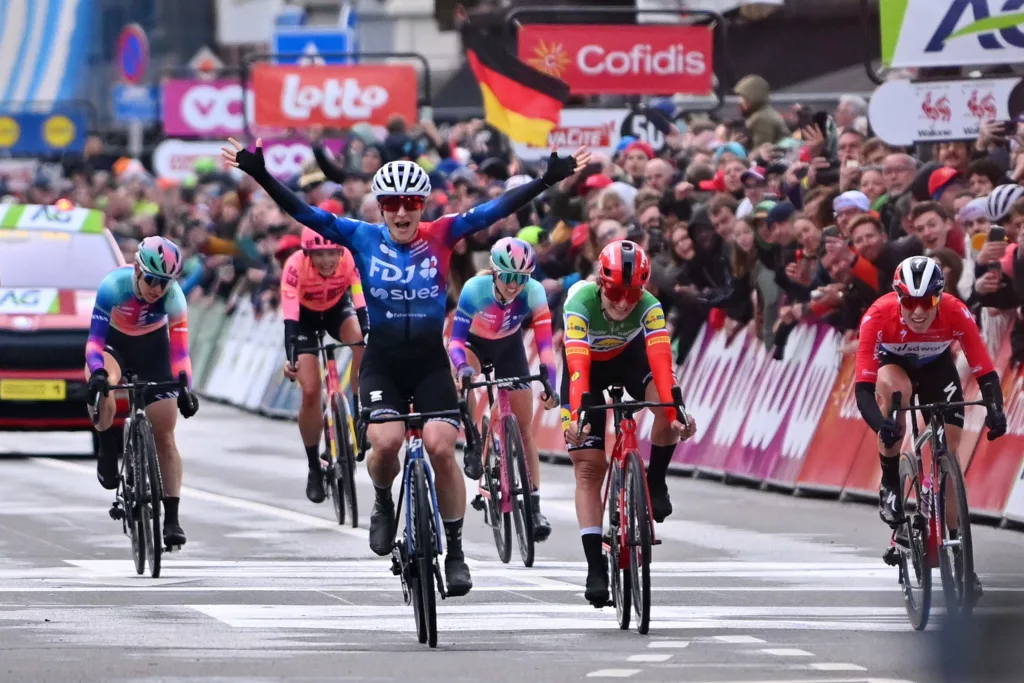
What is Liège-Bastogne-Liège Femmes?
Liège-Bastogne-Liège Femmes is the women’s version of La Doyenne, the oldest of cycling’s Monuments. The men’s race has the deeper history, but the women’s event has established itself quickly as one of the biggest and hardest one-day races of the season.
It sits at the end of the women’s Ardennes week, following Amstel Gold Race Women and La Flèche Wallonne Femmes. That matters because the race usually rewards riders who can handle repeated climbing efforts rather than one explosive move alone. It is a test of endurance as much as punch, and that is a major reason it has become such a respected win.
Why does this race matter so much?
Some races are prestigious because they are old. Others become important because of how they shape a season. Liège-Bastogne-Liège Femmes manages both, even within a shorter history than some of the men’s Monuments.
It is the closing race of the women’s spring Classics block and often the point where the best all-round climbers and hilly one-day specialists are most clearly separated from the rest. A rider can win Amstel through timing or Flèche through a perfect final climb, but Liège usually demands more complete control of the day.
That is also why the winners’ list carries real weight. Recent editions have shown again and again that this race becomes selective and tactical by the finish. It is rarely won by accident, and almost never by a rider who has simply hidden all day and found one late sprint.
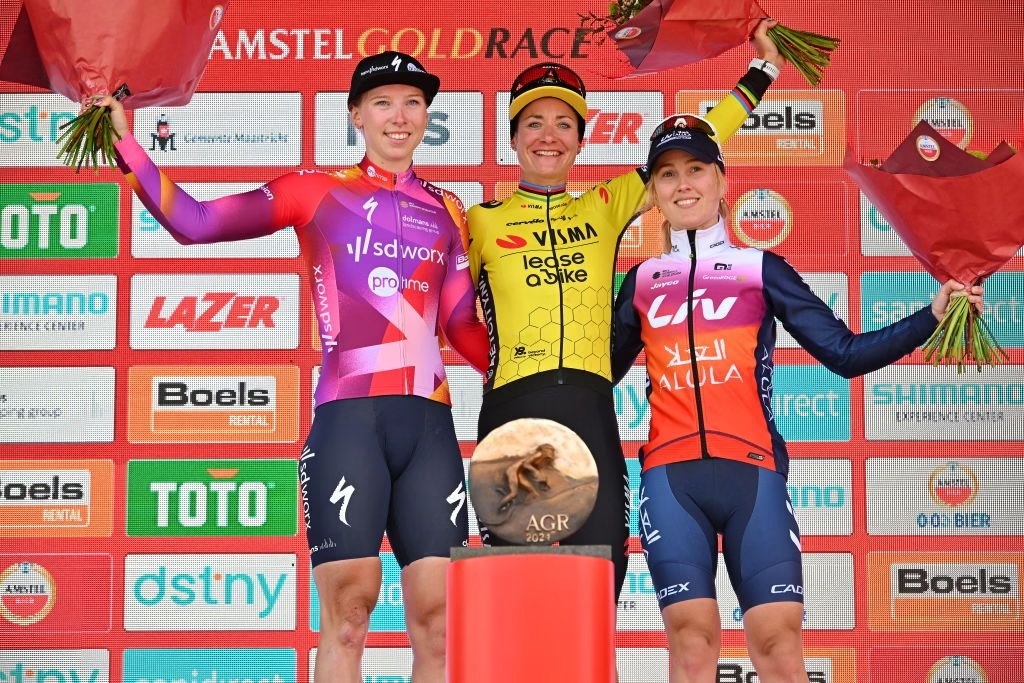
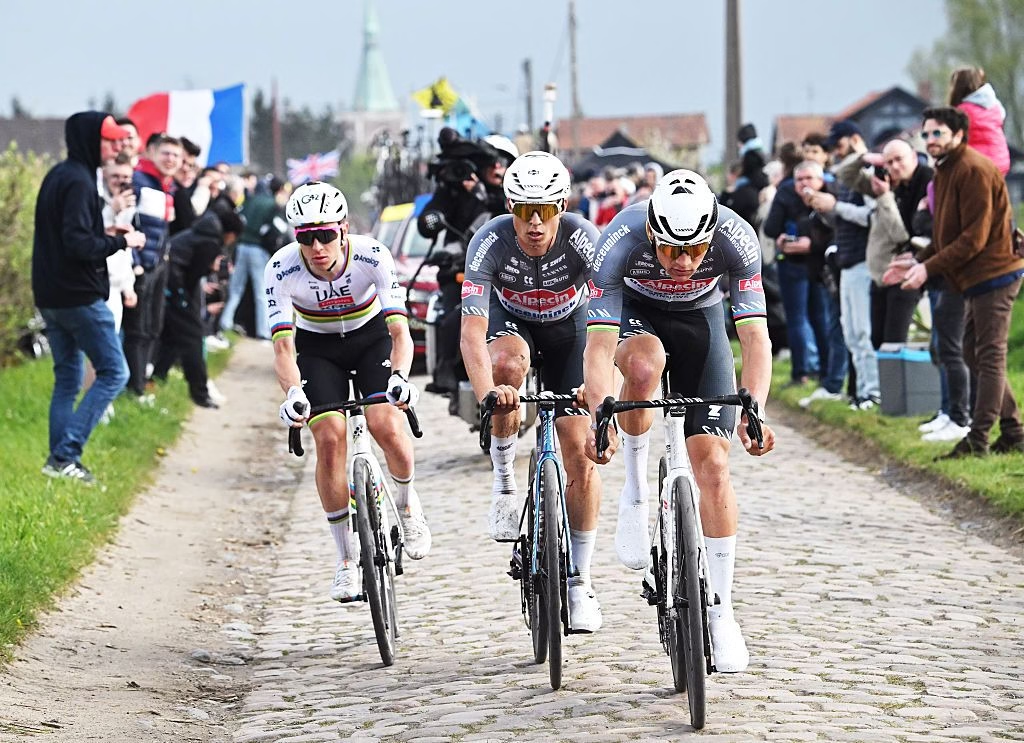
What is the route like in 2026?
The 2026 route runs from Bastogne to Liège over 156km and includes ten climbs. It is a longer and more mature version of the race than in its earliest editions, and that suits the event well. Liège-Bastogne-Liège Femmes is at its best when the route gives the strongest riders time to separate themselves properly rather than relying on one late flashpoint.
This is not a race of endless flat transition before one decisive finale. Instead, it gradually tightens. The route builds pressure and fatigue through the second half, with the key Ardennes sequence arriving closer and closer together.
One detail worth noting this year is that the women do not tackle Côte de Saint-Roch, which appears in the men’s race. Instead, Col de Haussire opens the climbing before the route settles into its more recognisable shape. From there, the course moves towards the climbs that define the finale.
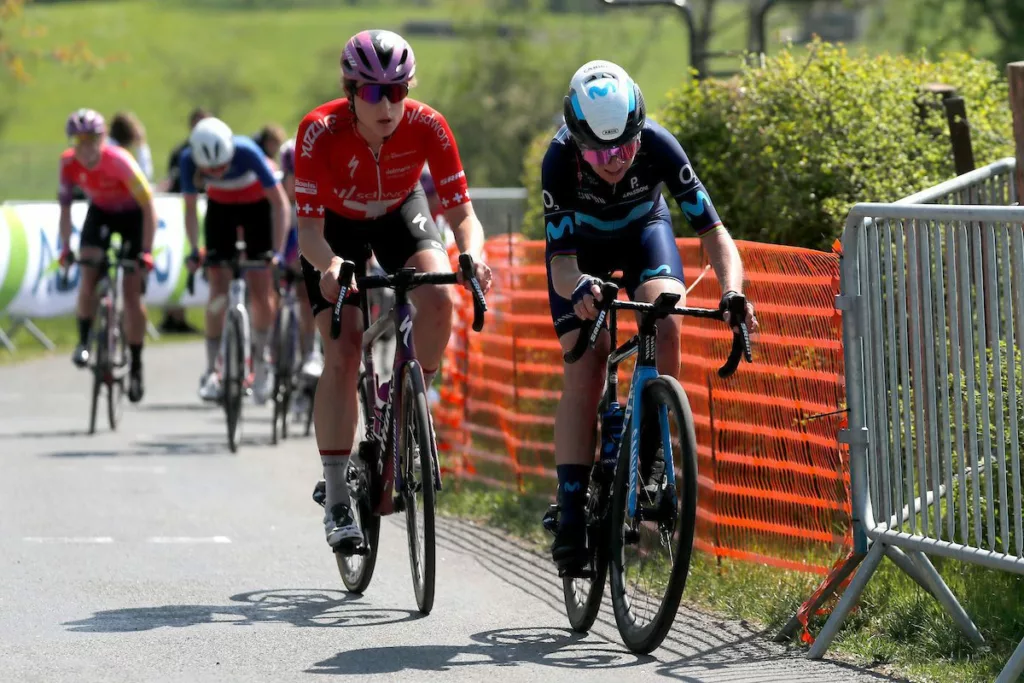
Which climbs matter most?
The 2026 route is built around these ten climbs:
- Col de Haussire
- Côte de Wanne
- Côte de Stockeu
- Côte de Haute-Levée
- Col du Rosier
- Col du Maquisard
- Côte de Desnié
- Côte de La Redoute
- Côte des Forges
- Côte de la Roche-aux-Faucons
Those ten climbs are the backbone of the race, but not all of them carry the same weight. Haussire opens the climbing. Wanne, Stockeu and Haute-Levée begin to wear the field down. Rosier is longer and more draining. Maquisard and Desnié soften the legs further. Then the race reaches the section that really defines Liège-Bastogne-Liège Femmes, La Redoute, Forges and Roche-aux-Faucons.
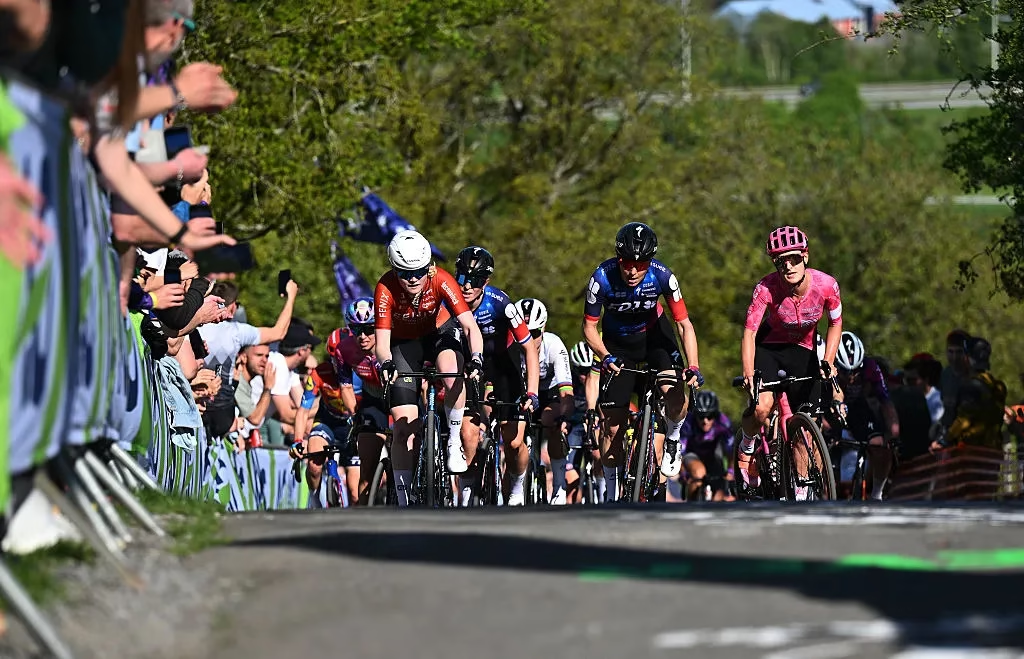
La Redoute is the climb most fans recognise first. It is steep, famous and perfectly placed to expose any rider who is already suffering. But it does not always decide the race on its own. Riders still need to carry that effort beyond it.
Forges continues the pressure, and then Roche-aux-Faucons, which comes later, is often where the final decisive selection is made. If a rider is going to win this race with an attack rather than in a sprint from a small group, Roche-aux-Faucons is one of the likeliest launchpads.
How does Liège-Bastogne-Liège Femmes usually get won?
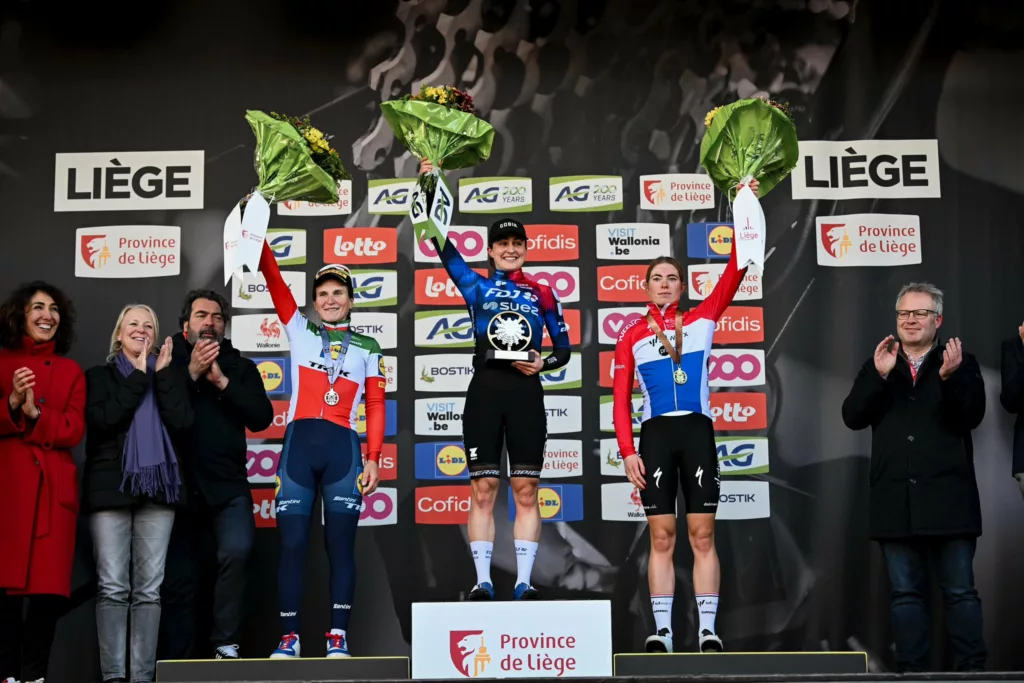
There are a few broad patterns, but almost all of them involve a small front group rather than a full bunch sprint.
Sometimes one rider proves strongest on the final climbs and gets clear before the run-in to Liège. Sometimes a very small elite group forms over Roche-aux-Faucons and stays away. Occasionally, the race comes down to a sprint between three to six riders who have survived the decisive selection together.
What rarely happens is a large-group finish. This is not that kind of race. The repeated climbing and cumulative fatigue usually cut the field down too much for that.
That makes positioning and patience especially important. A rider does not need to attack first on every climb. In fact, over-committing too early can be the quickest way to lose. The strongest Liège riders are usually those who can absorb the race for as long as possible, then make one decisive move when everyone else is already close to their limit.
What sort of rider wins here?
Liège-Bastogne-Liège Femmes is built for puncheur-climbers and all-rounders with a very strong engine.
A pure sprinter will usually find it too hard. A pure climber may not always get a selective enough race to ride everyone off the wheel. The ideal winner is often a rider who can handle repeated short-to-medium climbs, descend well, position aggressively and still finish strongly after 150km of hard racing.
That is why the race often suits the same riders who can shine across the Ardennes, especially those with a little more endurance and tactical patience than Flèche Wallonne alone demands. It also makes this race a natural companion piece to wider spring explainers such as the women’s cycling history, races, riders and teams hub and your broader Ardennes coverage.
Where is the race most likely to break apart?
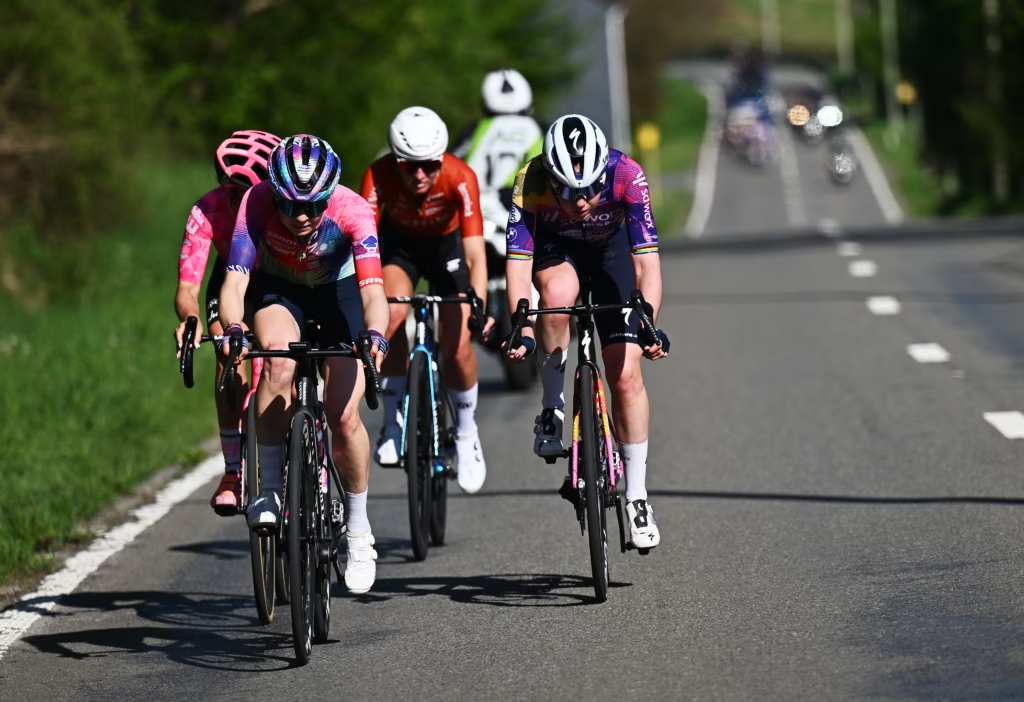
The middle section matters because it creates fatigue, but the race is most likely to truly split on the final trio of climbs.
La Redoute often starts the serious damage. Riders who are already under pressure there can be eliminated from contention very quickly. Forges makes it harder for anyone distanced to return. Roche-aux-Faucons is the last real launching point and often the place where any remaining hesitation disappears.
Even after the final climb, the race is not automatically over. The run-in to Liège still requires composure. A solo rider needs enough left to hold the gap. A small group needs enough cohesion to stay clear. A stronger finisher needs to avoid towing rivals to the line. That final balance between climbing strength and tactical judgement is a major part of what makes Liège-Bastogne-Liège Femmes such a good race.
How does it fit into the wider spring?
This is the final major one-day race of the women’s spring before the calendar shifts more fully towards stage racing. It comes after the cobbled Classics and after the first two Ardennes races, so by this point the season already has shape.
That gives Liège-Bastogne-Liège Femmes an extra layer of meaning. It is not only a prestigious race in itself. It also acts as a verdict on the spring campaigns of many of the best riders in the world. A win here can turn a strong spring into an outstanding one.
For that reason, this guide also sits neatly alongside pieces such as your Paris-Roubaix Femmes 2026 route and cobbled sectors guide and the Demi Vollering 2026 season guide, as the season moves from raw cobbled force towards repeated climbing and tactical endurance.
Why should new fans watch it?
For newer viewers, Liège-Bastogne-Liège Femmes is one of the easiest races to understand once the route begins to tighten. The logic becomes clear. The climbs keep coming, the field gets smaller, and the strongest riders gradually reveal themselves.
At the same time, it is tactically rich enough to stay interesting. This is not just a watts contest. Timing matters. Team support matters. Knowing when not to attack matters. That mix of physical selection and tactical tension makes it one of the best races on the calendar for understanding how elite one-day racing really works.
What should you watch for in the finale?
When the race reaches La Redoute, watch less for who attacks first and more for who still looks comfortable. That is often the better clue.
Then on Roche-aux-Faucons, pay attention to who is still willing to close gaps personally. Riders who are forced to respond with repeated accelerations there often pay for it before Liège. If a small group forms over the top, the race can still hinge on cooperation, hesitation or one late move.
That is the essence of Liège-Bastogne-Liège Femmes. It is hard enough to reward the strongest riders, but subtle enough that the strongest rider does not always win in the simplest way.
A race that crowns the best Ardennes rider
Liège-Bastogne-Liège Femmes 2026 is the final exam of the spring hilly Classics. At 156km from Bastogne to Liège, with ten climbs and the familiar late pressure of La Redoute, Forges and Roche-aux-Faucons, it is built to expose weakness and reward control.
For that reason alone, it remains one of the most important races on the women’s calendar. It does not just ask who is fastest or who can produce the sharpest single effort. It asks who can still make winning decisions after a long day of climbing, pressure and fatigue. That is why winning Liège-Bastogne-Liège Femmes still means so much.