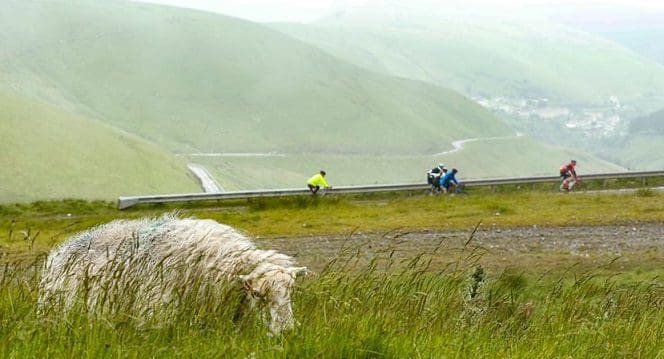
Winter cycling presents unique challenges, but with the right preparation and technique, you can safely enjoy riding through snow and icy conditions. Whether you’re commuting or training through the colder months, this guide covers everything you need to know about cycling in winter weather.
Understanding the Dangers: Black Ice vs Snow
Black ice is the biggest threat to winter cyclists – far more dangerous than snow itself. While snow is visible and manageable even on road bikes, black ice is nearly transparent and extremely slippery. At speed, it can cause crashes before you realise what’s happened.
The most hazardous spots to watch for:
- Bridges and areas beneath overpasses
- Road gutters where water collects and freezes
- Drain covers and surrounding areas
- Ungritted roads with regular water accumulation
When riding in icy conditions, stick to the centre of the lane where it’s safer – this positioning is both legal and recommended by cycling safety experts.
Here’s a counterintuitive tip: busier roads are often safer in freezing conditions. Vehicle traffic and exhaust heat help melt ice, making main routes more rideable than quiet country lanes. Don’t let cars push you to the edge either – the middle of the lane is your safest position in icy conditions, and you have every right to be there.
Best Tyres for Cycling in Snow
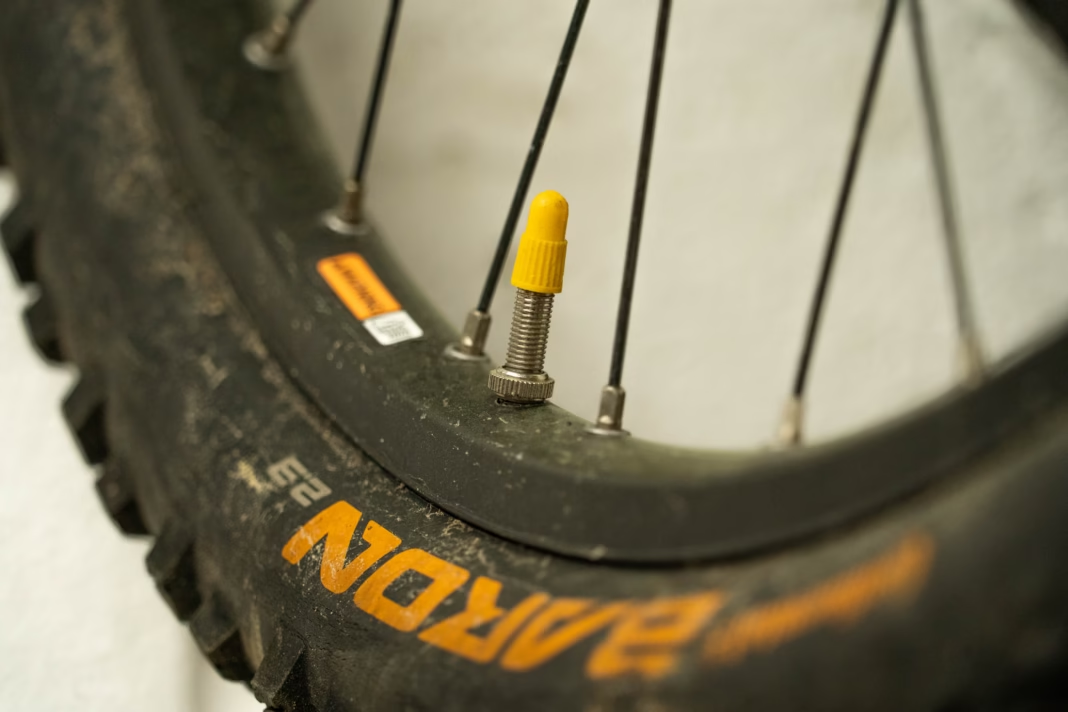
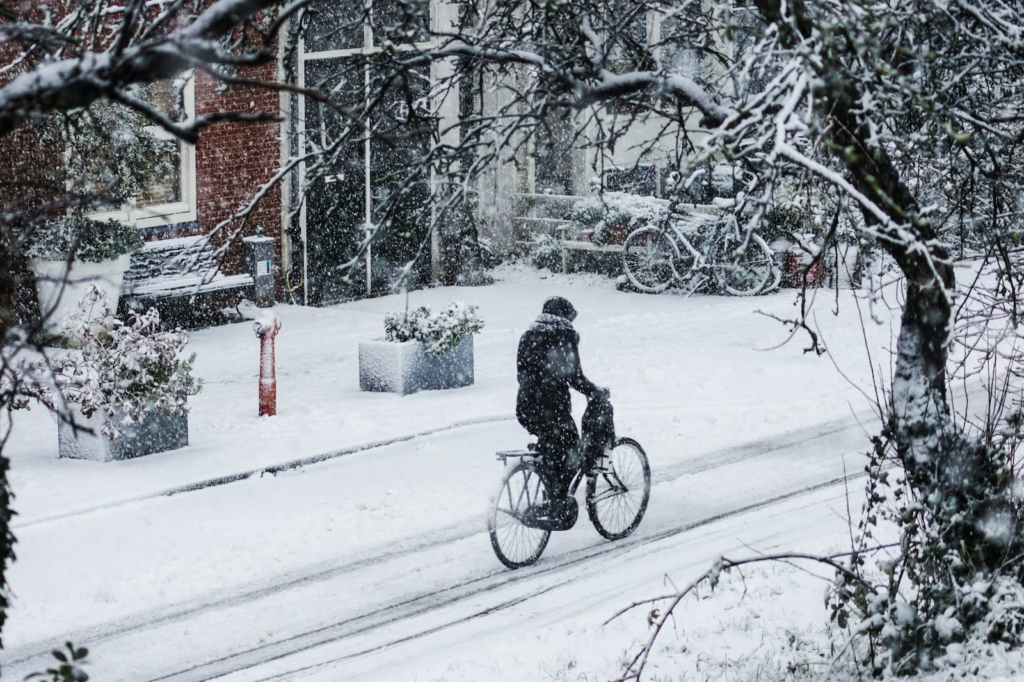
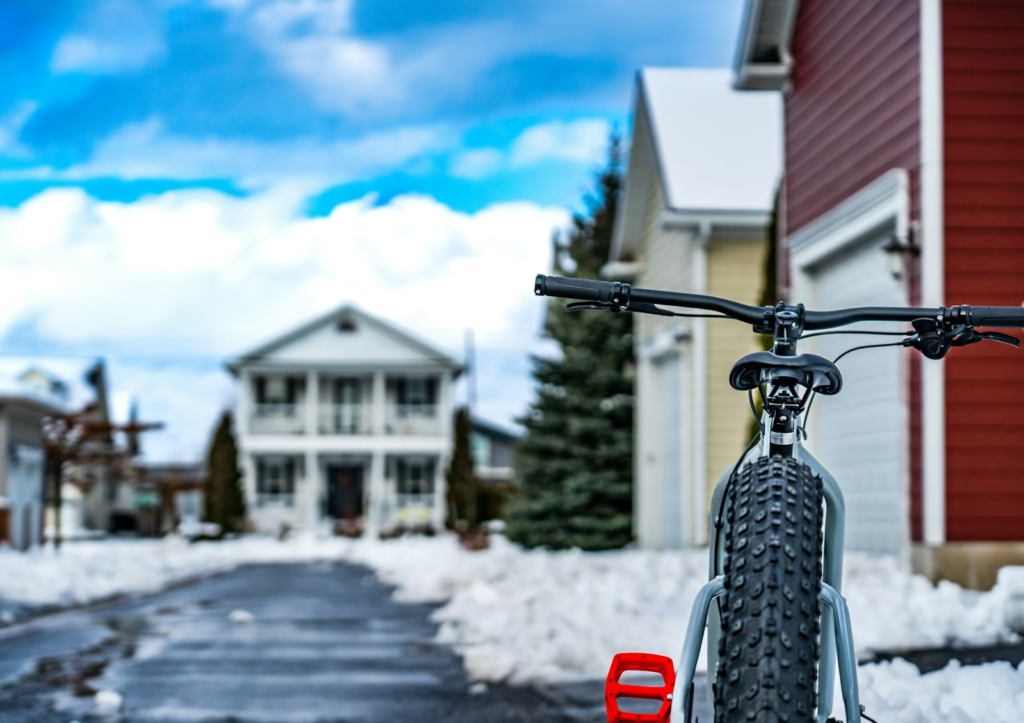
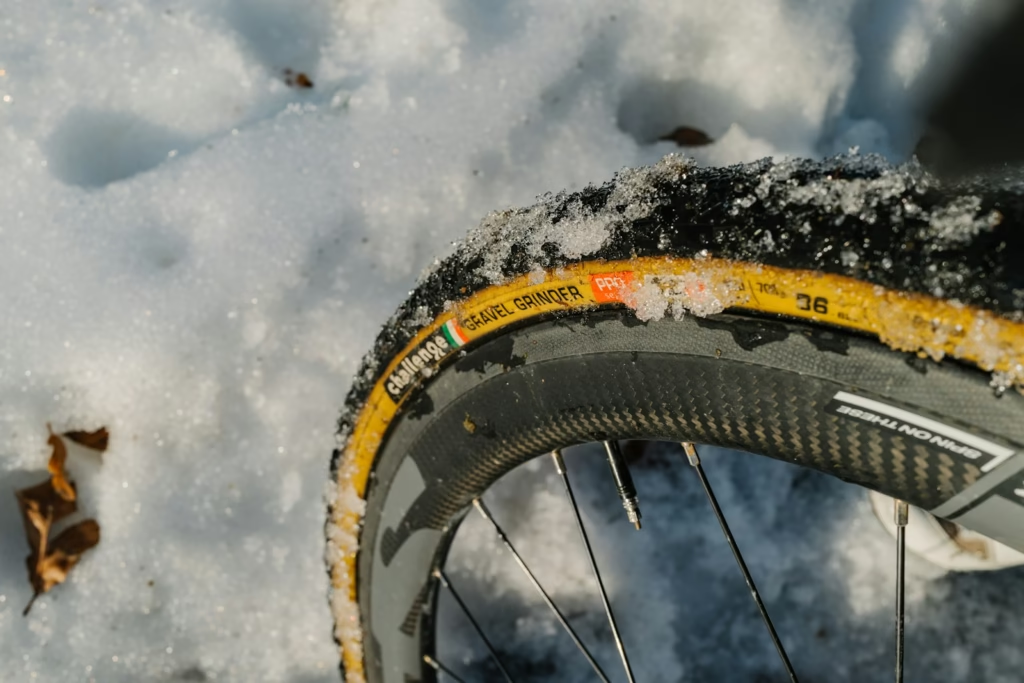
Wider tyres are essential for winter cycling grip. Just as lowering tyre pressure in wet conditions increases your contact patch with the road, the same principle applies on ice and snow. Fit the widest tyres your bike can accommodate and consider dropping the pressure slightly for increased surface contact.
Beyond width, choose tyres with good puncture protection. Changing tubes with frozen fingers in sub-zero temperatures is an experience you’ll want to avoid. If you ride frequently in winter conditions, dedicated winter tyres with added grip patterns can make a significant difference to both safety and confidence.
Why Gravel Bikes Excel in Winter Conditions
If there was ever a time for that gravel bike to earn its keep, winter is it. The relaxed geometry, disc brakes, and fat tyres (typically 35-45mm) make them perfectly suited for snow riding. The upright riding position offers better visibility and control, whilst disc brakes provide consistent stopping power in wet and icy conditions.
When snow falls, heading off-road on trails often provides better grip and more enjoyable riding than sticking to potentially icy tarmac. You’ll find adequate grip available and get to explore pristine winter landscapes. Just remember to inform someone of your planned route before winter off-road rides – safety first.
Essential Winter Cycling Clothing and Gear
Proper layering is critical for safe winter cycling, but it’s a delicate balance. Getting too cold impairs both performance and safety, as peripheral blood vessels constrict to preserve core heat, reducing oxygen flow to your muscles. However, overdressing causes excessive sweating that leads to rapid chilling when that moisture cools against your skin.
Your essential winter cycling layers:
- Base layer: Merino wool or polyester for moisture wicking
- Middle layer: Insulating jersey with air gaps for warmth
- Outer layer: Windproof jacket to block cold air
- Hands and feet: Quality winter gloves and overshoes are non-negotiable
The key is creating air gaps between each layer – between your base layer and jersey, then again between jersey and jacket. This allows moisture to escape whilst retaining warmth. Clear-lensed glasses prevent watering eyes in freezing conditions, which is crucial for maintaining visibility.
Don’t neglect your extremities. Quality winter gloves and overshoes aren’t luxuries – they’re essential for maintaining concentration and bike control. When you can’t feel your fingers or toes, your ability to brake safely and control the bike diminishes significantly.
Visibility becomes even more critical in winter conditions. Ensure you have front and rear lights (even during daytime), and consider reflective clothing for snow and low-light conditions. In snow flurries, other road users need all the help they can to spot you.
Cycling Technique for Snow and Ice
Your riding style needs to adapt to winter conditions. The most important change? Relax your grip on the handlebars. Tension causes rigidity, which reduces bike control and balance. It’s tempting to grip hard when you’re cold and nervous, but this actually makes you more vulnerable to losing control.
Instead, maintain a loose hold on the bars with relaxed shoulders, keeping most weight over the rear wheel with smooth pedalling. If you catch yourself gripping too hard, shake out your hands periodically to release tension and restore proper control.
Braking technique requires a complete rethink in icy conditions. Prioritise your rear brake over the front brake, which can easily cause the front wheel to slide out from under you. Apply brakes progressively with gentle pressure – think feather touch rather than grabbing hard. There’s absolutely no shame in employing a feet-down stop if you feel yourself losing traction.
Post-Ride Bike Maintenance in Winter
Road salt and grit damage bike components rapidly. Whilst council gritting helps prevent ice formation and keeps you upright during your ride, those salt crystals act like abrasive sandpaper on your drivetrain and frame.
Your post-winter ride routine:
- Thoroughly wash your bike after every snowy or salty ride
- Dry the frame and components completely
- Apply fresh lubricant to the chain and moving parts
- Check for any salt build-up in hidden areas like the bottom bracket
Think of it as thanking your bike for getting you home safely, whilst preparing it for tomorrow’s adventure. This maintenance routine protects your investment and ensures reliable performance throughout winter.
Is Winter Cycling Worth It?
Winter cycling requires respect, preparation, and adjusted expectations. The conditions demand more attention, better equipment, and modified technique compared to summer riding. But master these skills and you’ll discover that snow-dusted rides offer some of cycling’s most magical experiences.
There’s something special about being out in a transformed landscape whilst others stay indoors. The quiet roads, the crunch of fresh snow, the sense of achievement – these make winter cycling uniquely rewarding. Just ensure you’ve earned that hot coffee, warm shower, and perhaps a mince pie when you get home.
Before heading out in snow or ice:
- Check weather and road conditions
- Ensure your lights are charged and functioning
- Plan routes avoiding known ice-prone areas
- Inform someone of your route and expected return time
- Double-check your tyre pressure and tread
With proper preparation, winter cycling can be both safe and thoroughly enjoyable.