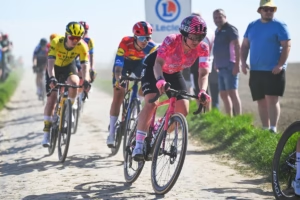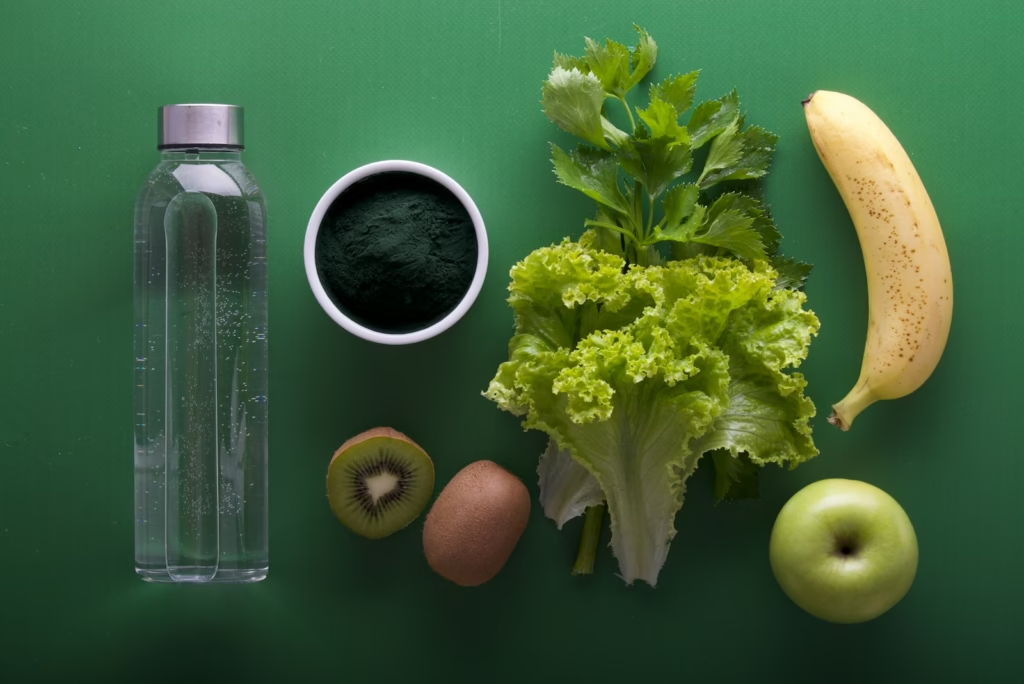
Good fuelling turns an ordinary ride into a strong, controlled and enjoyable one. For beginners, nutrition often feels confusing because advice ranges from scientific jargon to stories of riders surviving on nothing but coffee and stubbornness. The truth is simpler. You do not need fancy products or strict regimes. You need timing, consistency and an understanding of what your body uses as energy during a ride.
Why fuelling matters more than you think
Cycling burns energy steadily and predictably. Even at an easy pace, your body uses glycogen, the stored carbohydrate in your muscles. You only have enough for roughly 60 to 90 minutes of riding. After that, your body struggles to maintain output unless you top up regularly.
Beginners often ride well for the first hour, then suddenly feel heavy, sluggish or irritable. This is not poor fitness. It is under-fuelling. When you fuel consistently, energy stays stable, and the ride feels smoother.
Good fuelling also improves recovery. A body that finishes a ride with energy still available repairs faster and feels fresher the next day.
Fuel before you even get on the bike
Think of your pre-ride meal as the foundation. You do not need to overthink it. A simple carbohydrate-based breakfast eaten one to two hours before riding works well.
Good options include:
- Porridge with fruit
- Toast with peanut butter or jam
- A banana and yoghurt
- A small bowl of cereal
The goal is to start the ride with full glycogen stores but without feeling heavy. Avoid large, fatty or high-protein meals right before riding; they slow digestion.
For early morning rides, even half a banana or a slice of toast is enough to get you started.

What to eat on the bike
Riders often underestimate how early they should begin eating. Waiting until you feel hungry is too late. Start fuelling about 30 to 40 minutes into the ride if you plan to be out for more than an hour.
Stick to simple, easy-to-digest foods:
- Bananas
- Cereal bars
- Dried fruit
- Jam sandwiches
- Energy chews or gels if you prefer convenience
You do not need sports nutrition products. They are useful but not essential. The only goal is to give your body steady carbohydrate so you avoid dipping into the danger zone where energy fades abruptly.
A beginner-friendly guideline:
- One small snack every 30 to 40 minutes
- More frequent bites on hills or longer rides
The aim is continuous topping up, not a large intake all at once.

Hydration: the easiest win for new cyclists
Hydration is often overlooked, yet it can transform a ride. Drink steadily throughout rather than gulping occasionally. Even mild dehydration reduces performance and makes rides feel harder.
A simple rule:
- One bottle per hour in normal conditions
- More on hot days or hilly routes
For rides under 90 minutes, water is fine. For longer rides or warm weather, consider adding electrolytes. They help maintain fluid balance and prevent cramping, especially if you sweat heavily.
Beginners sometimes mistake thirst for hunger, so drinking regularly also helps manage appetite on the bike.
Fuelling for longer rides
As your rides stretch past two hours, nutrition becomes more structured. You will need more carbohydrates and must stay ahead of energy dips.
A format that works for most riders:
- Eat every 30 minutes
- Alternate between solid food and quicker-release items like fruit or chews
- Sip water often, even if you do not feel thirsty
If you plan to tackle a first 60 km or 100 km ride, practise fuelling on shorter days so the routine becomes automatic.
Remember: the goal is not to feel full. It is to stay even.
Recovery: the part beginners forget
Fuelling does not stop when the ride ends. What you eat in the first hour afterwards helps replenish glycogen and repair muscle. A balanced meal works perfectly, but if you finish far from home, a simple snack is enough until you can eat properly.
Aim for:
- Carbohydrates for energy replacement
- Protein for repair
- Hydration for fluid balance
This could be a sandwich, yoghurt and fruit, or a bowl of pasta when you get home. You do not need special shakes unless you prefer them.
The faster you refuel, the better you feel the next day.
Common mistakes beginners make
Fuelling is simple, but these missteps are common:
- Eating too little, too late
- Relying only on water during long rides
- Trying new foods at the wrong time
- Skipping post-ride meals
- Underestimating the impact of heat on hydration
Avoid these and you remove the biggest barriers to steady progress.
A simple fuelling guide to follow
Below is an easy reference you can use for any ride:
| Ride Duration | What to Eat | How Often | Hydration |
|---|---|---|---|
| Under 60 minutes | Nothing needed mid-ride | Not required | Sip water |
| 60 to 90 minutes | Light snack such as a bar or banana | At the 40-minute mark | One bottle per hour |
| 90 to 150 minutes | Bars, fruit, chews, simple carbs | Every 30 to 40 minutes | Water or electrolytes |
| 150 minutes or more | Mix of solid food and rapid carbs | Every 25 to 30 minutes | Two bottles per hour if hot |
Final thoughts
Fuelling is not about precision or science. It is about understanding what your body needs to perform comfortably. Once you learn to eat early, drink regularly and refuel after the ride, your energy levels improve, recovery accelerates and long rides become far more enjoyable.
For beginners, good nutrition is not just support. It is an easy, powerful way to unlock better performance without riding harder. With these habits in place, you will feel stronger, steadier and ready for whatever rides come next.