When you think of cycling, you probably don’t imagine dogs being a part of that hobby or mode of transport. Yet with around 40% of UK households owning a dog according to the 2024 Dogs Trust National Dog Survey, there’s inevitably a significant crossover between dog owners and cyclists. For those of us juggling both passions, incorporating our four-legged friends into our rides has become an increasingly popular way to exercise both ourselves and our pets.
If you’re active on social media, you’ve likely seen professional cyclists like Demi Vollering and Alexey Vermeulen taking their dogs for rides in backpacks, or perhaps even spotted the feline Sigrid being chauffeured around London in her basket. These images might have sparked a thought: could I take my own dog cycling?
While it might sound like a considerable hassle initially, there are actually numerous ways to get your dog involved in your cycling adventures. Whether you’re looking to kill two birds with one stone by exercising both you and your pet simultaneously, seeking an alternative to driving for short trips, or simply wanting to share your favourite hobby with your furry companion, there are options to suit almost every dog and cycling style.
We’ve gathered insights from cyclists with extensive experience in virtually all methods of getting your hound to enjoy life on two wheels. Here’s everything you need to know about cycling with your dog in the UK.

Bikejoring: For High-Energy Working Breeds
If you’ve not heard of bikejoring, you’re in for a treat. This dog sport originated in Norway but has seen massive growth in popularity across the UK in recent years, with competitions now taking place nationwide. The premise is beautifully simple: you attach your dog to your off-road bike via a specialised lead system and let them run in front, pulling you along trails and fire roads.
Bikejoring requires some specific kit, particularly if you’re planning to enter competitions. You’ll need a proper pulling harness designed not to obstruct your dog’s movement or breathing when they’re working hard. A bungee lead is essential to absorb shock and prevent jarring, and ideally, you’ll want an antenna that mounts to your bars or head tube. This antenna extends the lead over your front wheel, preventing it from catching in the spokes when your dog runs with slack in the line.
This activity is excellent for your dog’s mental stimulation as well as physical exercise. They’ll need to learn specific commands and directional cues to keep you both upright and moving safely along the trail. Bigger, leaner, more energetic breeds such as pointers, huskies, and various working dogs are particularly well-suited to bikejoring. The sport mirrors the mushing traditions these breeds were originally developed for, giving them an outlet for their natural pulling instincts.
The added bonus is that bikejoring absolutely exhausts your dog. After a good session, both you and your four-legged companion can enjoy a well-deserved nap. Bikejoring works best on fire roads and less technical tracks, though some experienced trail dogs can navigate more challenging mountain bike routes, running alongside or behind you and choosing their own lines down descents.
Cargo Bikes: Maximum Comfort for Larger Dogs
The most expensive option on this list, unless you’ve already invested in one for other purposes, is a cargo bike. Specifically, a front-loader with a bucket compartment is ideal for canine passengers. Whilst you could probably configure a rear-loading cargo bike to accommodate a dog or two, having them within your sight provides considerably more peace of mind.
This isn’t a revolutionary new idea either. Several manufacturers have recognised the demand for dog-friendly cargo bikes, though as with any major purchase, it’s worth researching thoroughly before committing. For those already using cargo bikes for family transport, adding your dog to occasional trips can be a natural extension of your bike’s utility.
Front-loading cargo bikes allow your dog to sit comfortably whilst you maintain full visibility of their behaviour and wellbeing. They’re particularly useful for older dogs who can no longer manage long walks, dogs recovering from injury, or simply for trips where you need to transport your pet without using a car. The electric assist options available on modern cargo bikes make hauling even substantial dogs relatively effortless, though they do represent a significant financial investment.

Dog Backpacks: Surprisingly Practical
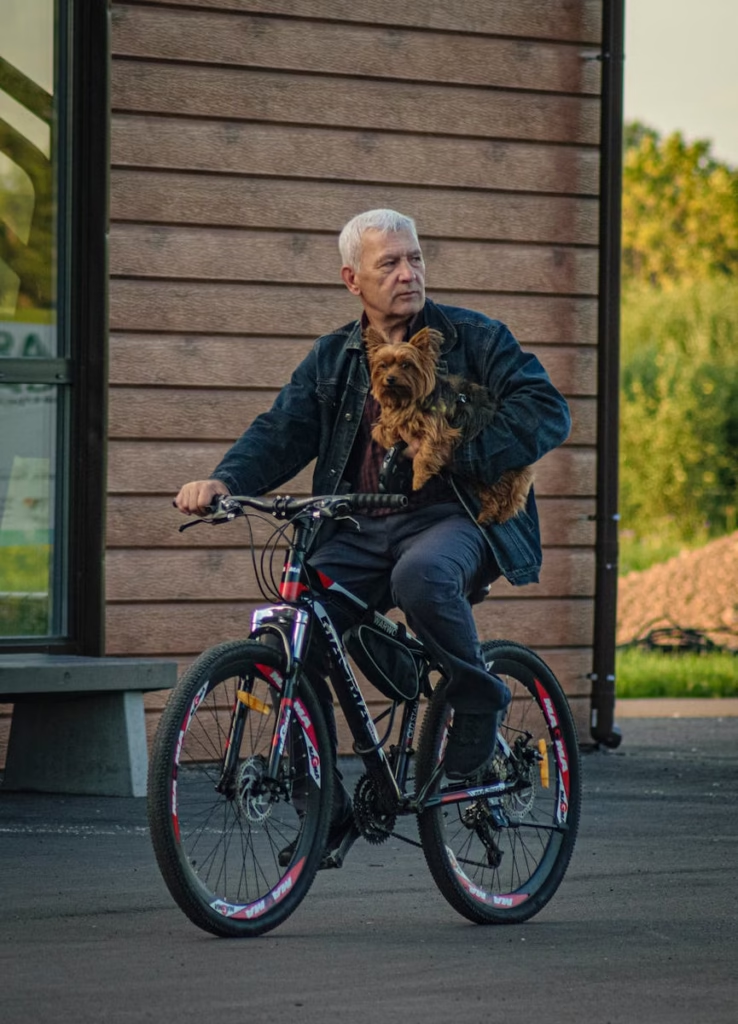
This might sound ridiculous to some. A dog, in a backpack? It’s the sort of thing that makes traditional dog owners roll their eyes. However, as someone who has used several dog-specific backpacks and even coaxed puppies into regular hiking backpacks, these are genuinely excellent inventions for smaller breeds and puppies.
If you start training your dog early enough, backpacks become one of the quickest methods to use. When selecting a dog backpack, ensure it’s rated for your dog’s weight and that they’ll fit comfortably for the duration of your ride. Size and weight capacity are critical considerations here.
For longer rides, frequent stops are essential. A good rule of thumb is stopping every half hour to let your dog stretch their legs, have a wee, and generally decompress from being confined. The best backpack designs incorporate a built-in harness with arm holes (or rather, leg holes) for your pooch. Your dog essentially sits upright in the bag, so having somewhere to rest their front legs takes pressure off their backside and makes the experience far more comfortable.
Getting your dog accustomed to the backpack might seem impossible initially, but you’d be surprised how quickly they associate it with exciting adventures. Most dogs genuinely enjoy having the wind in their ears and the elevated vantage point, though as with all these methods, individual preferences vary enormously.
Dog backpacks work particularly well for gravel riding and off-road adventures where a basket might prove impractical, giving you the freedom to tackle more challenging terrain whilst keeping your smaller companion safe and secure.
Bike Trailers: Versatile but Require Acclimatisation
Second in expense to buying an entire cargo bike is investing in a trailer. Several brands manufacture dog-specific trailers, with Burley and Thule being the most prominent names. However, you don’t necessarily need something explicitly marketed for dogs, though be prepared for the inevitable ‘dog tax’ premium on pet-specific products.
Different dogs have vastly different preferences when it comes to trailers. Some prefer to be fully enclosed, feeling safe and protected from the elements. Others insist on keeping their heads out in the wind, monitoring your pedalling technique and providing motivational barking when you’re slacking. Dogs can provide excellent motivation, though their encouragement sometimes manifests as threatening to leap into traffic if you don’t pick up the pace.
Like everything else on this list, gradual acclimatisation is crucial before embarking on proper rides. One dog might adore the trailer, sitting contentedly with ears flapping in the breeze, whilst their housemate might absolutely detest it and attempt to claw their way to freedom. Not every dog will enjoy trailer travel, even if they’re perfectly happy in backpacks or baskets.
Trailers can cost several hundred pounds, so trying before buying is highly recommended. If borrowing isn’t possible, secondhand options provide a more economical way to test whether a trailer suits your bike, your storage situation, and critically, your dog’s temperament. Consider what bike you’ll be using with the trailer, as thru-axles and quick-release skewers require different fittings for the trailer hitch. Additionally, trailers significantly impact your bike’s handling and turning circle, requiring adjustment to your riding style.
For cyclists who regularly tackle longer road rides, a trailer allows you to bring your dog along without compromising your training, as they’re comfortably seated rather than requiring you to moderate your pace.

Baskets: The Traditional Approach
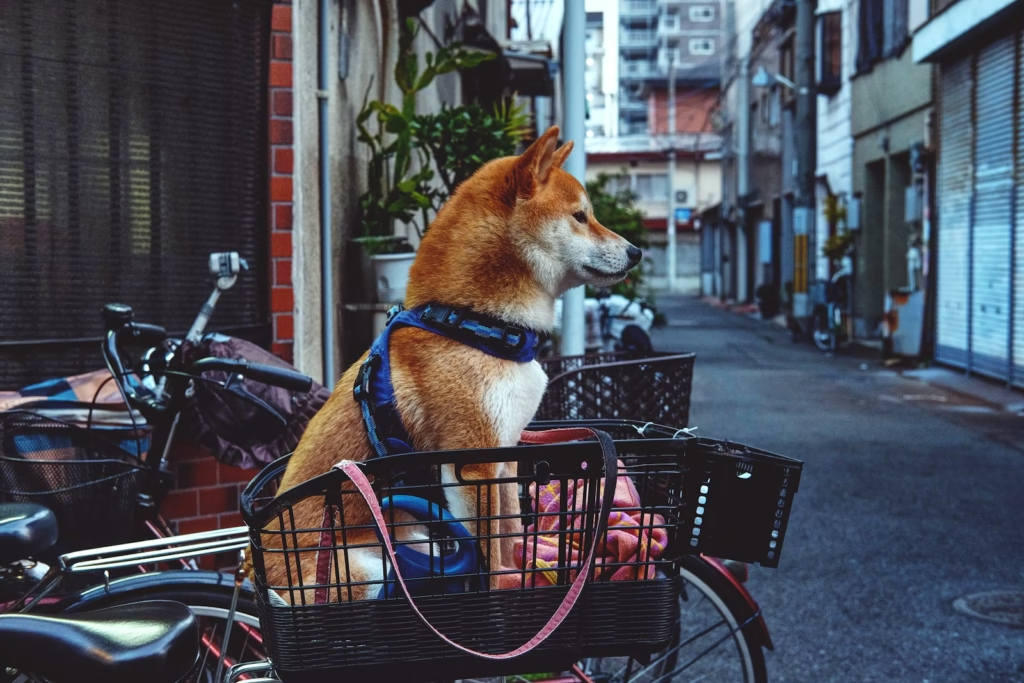
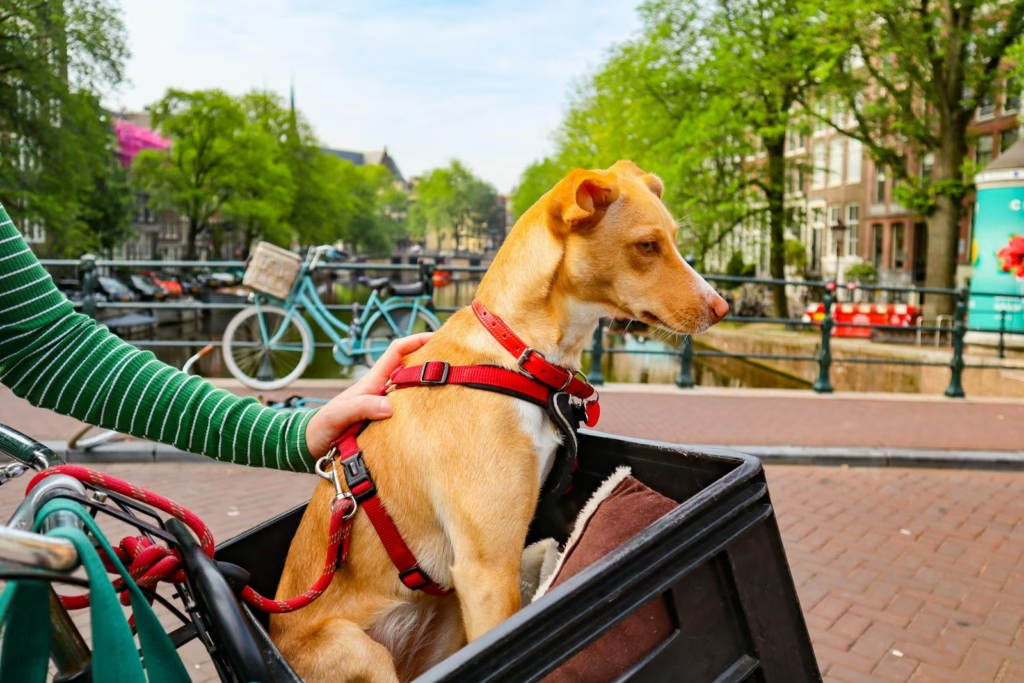
Perhaps the most traditional method of transporting your furry friend remains the humble basket. The beauty of baskets lies in their compatibility. Many bikes can accommodate them directly, or you can purchase handlebar attachments and aftermarket kits to make them fit. They’re refreshingly straightforward to use as well. Simply place your pooch in the basket, perhaps tether them securely with a breathable cover for safety, and off you go.
The limitation is that most baskets come with weight restrictions. If your dog exceeds about 10kg, a basket probably isn’t viable. Even at 9 or 10kg, that’s substantial weight positioned over your front or rear wheel, requiring adjustment to your balance and handling, particularly when setting off or stopping. There’s definitely a learning curve to avoid tipping over.
Baskets represent a relatively inexpensive method to trial, making them ideal if you have a puppy or a smaller breed. They work particularly well for urban cycling and short trips around town where you’re travelling at moderate speeds and stopping frequently.
Essential Considerations Before You Start
Your Dog’s Temperament Matters Most
Your dog might simply not enjoy bike riding. Just as parents sometimes discover their children grow up supporting Newcastle United despite their best efforts, you cannot choose your dog’s personality or interests. Some dogs find travelling in trailers genuinely uncomfortable or stressful. Rather than forcing the issue, it’s worth trying alternative methods. One cyclist’s collie might despise trailers but love backpacks, providing excellent strength training by lugging 15kg around.
Building positive associations takes time. Don’t rush the process, especially when introducing bags or enclosed spaces. Abundant praise, high-value treats, and proceeding at your dog’s pace are fundamental to creating good experiences. Patience during this training phase pays dividends later.
Weather Considerations
Temperature extremes affect dogs just as they do humans. Too hot or too cold can be dangerous for your canine companion. Adhere to recommended guidelines about exercising dogs in different weather conditions. You know your dog best and understand what they’re comfortable with. The goal is ensuring riding together remains a positive experience, not pushing through discomfort because you’re determined to hit your training targets.
Route Planning
Is your intended route genuinely dog-friendly? Will you encounter situations that make your dog nervous or overly excited? Strategic route planning makes an enormous difference. If your dog goes absolutely berserk around footballs, perhaps avoid cycling past the local football pitch. Choose routes that set both you and your dog up for success rather than courting disaster.
Safety Equipment
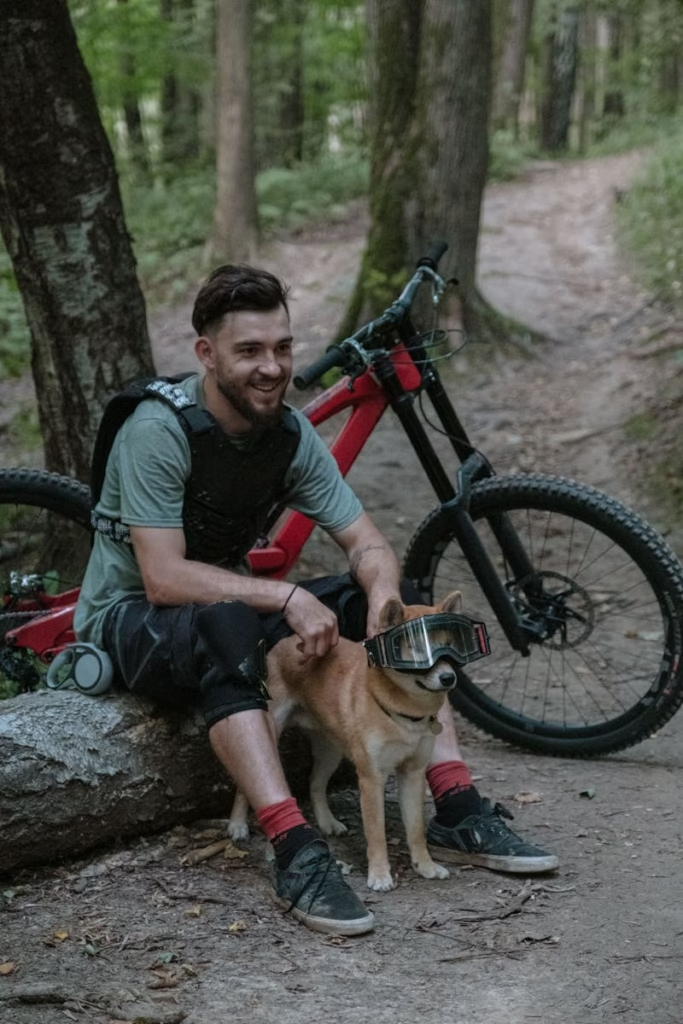
If you’re heading off-road where overhanging branches might pose a risk, consider investing in dog goggles (affectionately known as “doggles”). Depending on your chosen transportation method, ensure your dog is properly secured and comfortable throughout the journey. A loose dog in a basket or trailer creates serious safety risks.
For those venturing onto mountain bike trails, additional considerations around protective equipment and secure fastening become even more critical given the technical terrain and higher speeds involved.
The Ultimate Question
Will incorporating your dog into your cycling make your life easier or more fulfilling? If the answer is yes, you’re doing it right. Cycling with your dog should enhance both your lives, providing shared adventures and quality time together. If it becomes a source of stress or forces uncomfortable compromises on either party, it might not be the right fit.
Getting Started: Building Positive Associations
Regardless of which method you choose, the key to success lies in a gradual, positive introduction. Start with the equipment stationary, allowing your dog to investigate and become familiar with it. Use treats and praise liberally. Once they’re comfortable with the gear itself, practice very short journeys around your garden or quiet street before venturing further.
Some dogs take to cycling immediately, whilst others require weeks or even months of patient conditioning. There’s no shame in discovering that your dog simply isn’t interested. Not every activity suits every dog, and that’s perfectly fine. The goal is finding shared experiences you both genuinely enjoy, not forcing your dog into uncomfortable situations because you’re determined to make it work.
For those lucky enough to have cycling-enthusiastic dogs, the rewards are substantial. Shared adventures, regular exercise, and the simple joy of having your best friend alongside you on rides create memories that last a lifetime. Whether you’re bikejoring across moorland, cruising through town with your terrier in a basket, or tackling gravel trails with your spaniel in a backpack, cycling with your dog opens up entirely new dimensions to both hobbies.
The UK’s growing community of dog-cycling enthusiasts proves that with the right approach, equipment, and patience, our canine companions can become excellent riding partners. Just remember to prioritise their comfort and safety above all else, and you’ll both reap the benefits of this rewarding combination.