
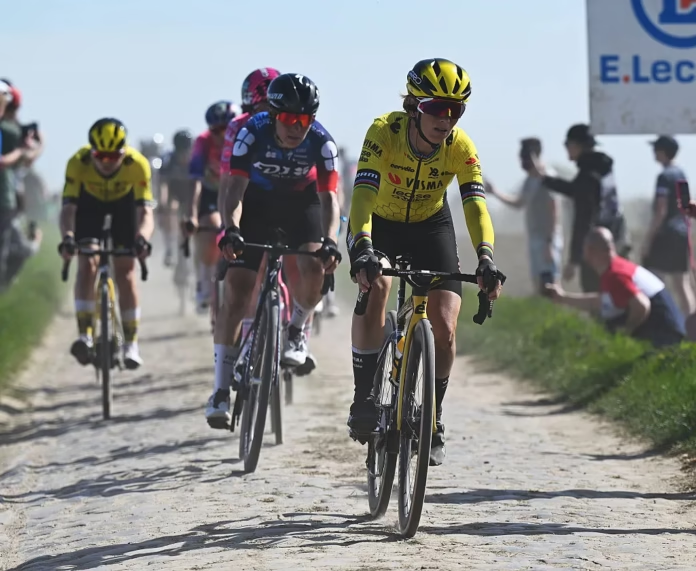
Women’s cycling tactics make far more sense once you stop looking only at the rider who wins and start watching what her teammates are doing long before the final move. Most races are not decided by one rider being strongest in isolation. They are decided by a team creating the right race shape, either by controlling the pace, protecting a leader, keeping multiple cards in play, or forcing rivals into bad decisions. Paris-Roubaix Femmes offered a strong example. Franziska Koch won from a three-rider move ahead of Marianne Vos and Pauline Ferrand-Prévot, but much of the intrigue sat in how Team Visma | Lease a Bike had two elite options in the decisive phase, while Koch still judged the finale better and finished it off.
That is the first important point. Team tactics in women’s cycling are not only about one designated leader. They are about pressure and choice. When a team has one obvious leader, the race is easier for rivals to read. When it has two or three realistic winners, the race becomes much harder to control. At Milano-Sanremo Women this spring, SD Worx-Protime did not need the race to unfold in only one way. Lotte Kopecky could survive a selective finish, Lorena Wiebes gave them another dangerous option behind, and that flexibility shaped the finale before Kopecky then won on Via Roma from a small front group.
For readers building out the wider spring picture, this sits naturally alongside ProCyclingUK’s Pauline Ferrand-Prévot 2026 season guide, What Tour of Flanders Women 2026 means for the season and the broader Women’s cycling history, races, riders and teams hub.
-
 Photo Credit: quentinphotographiebe
 -
 Photo Credit: Getty
The basic building blocks of team tactics
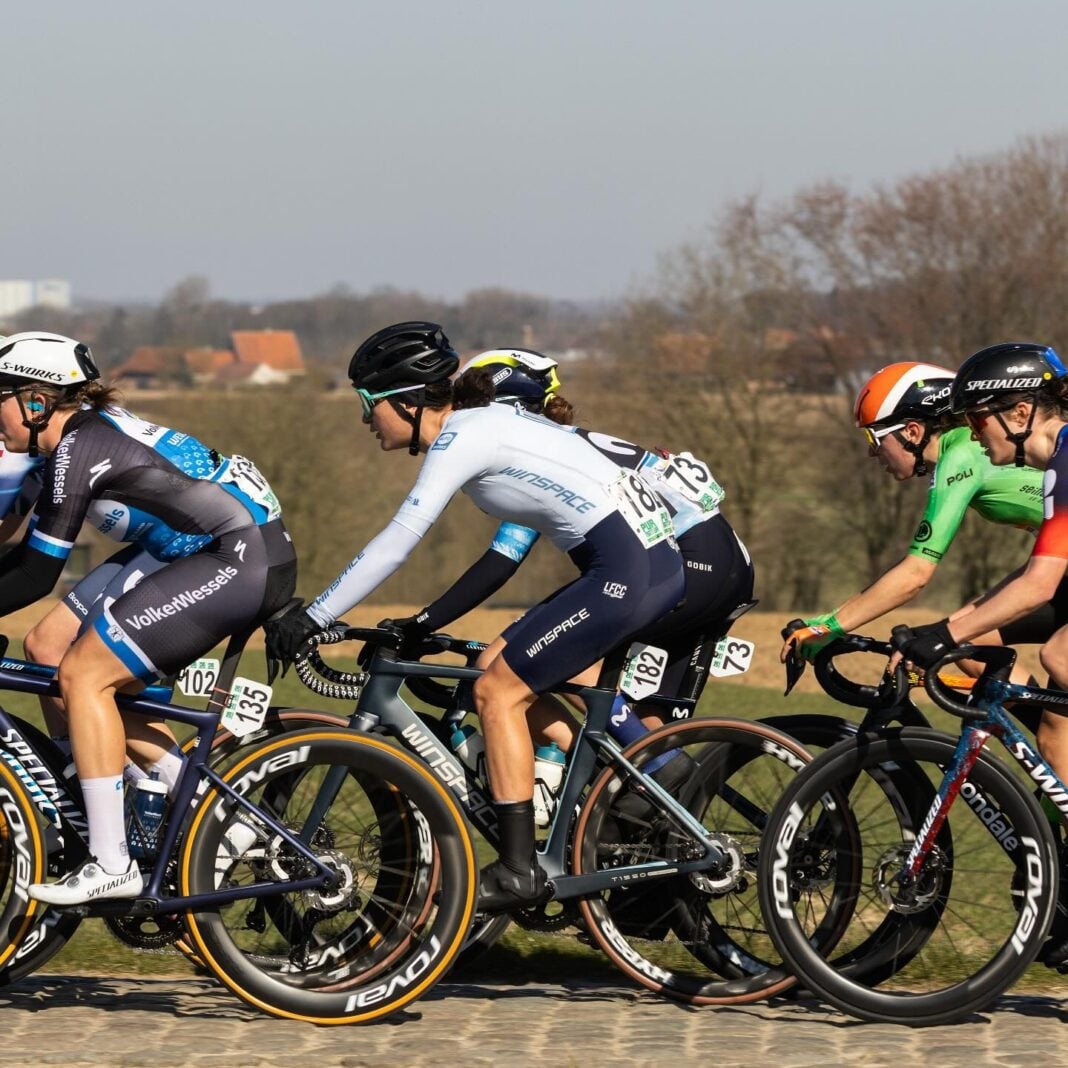
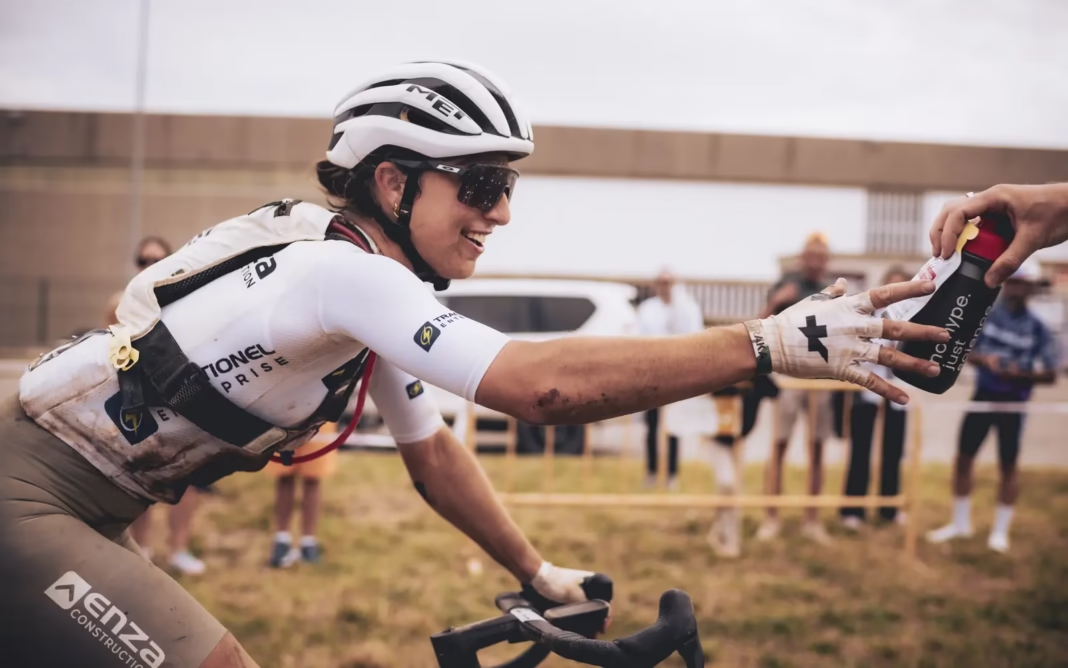
Most women’s cycling tactics come down to a few recurring jobs. One rider protects the leader before the decisive point. That can mean keeping her near the front, fetching bottles, moving her up before a cobbled sector, or making sure she does not waste energy in the wind. Another rider helps control the race, usually by pacing on the front to keep a breakaway within reach or to stop attacks from getting too much freedom.
Then there is the attacking card. This is often where races become more interesting. A team sends one rider up the road not necessarily because she is the best finisher, but because her move forces other teams to chase. If rivals chase, the leader behind gets a free ride. If they do not, the attacking rider may suddenly become the winning move. Finally, there is the last helper, the rider whose job is to deliver the leader into the key climb, cobbled sector or sprint in the best possible position.
Those roles are not fixed. They change as the race changes. A domestique early in the day may become a genuine option late on if she survives farther than expected. That fluidity is one of the reasons women’s races can become tactically rich very quickly.
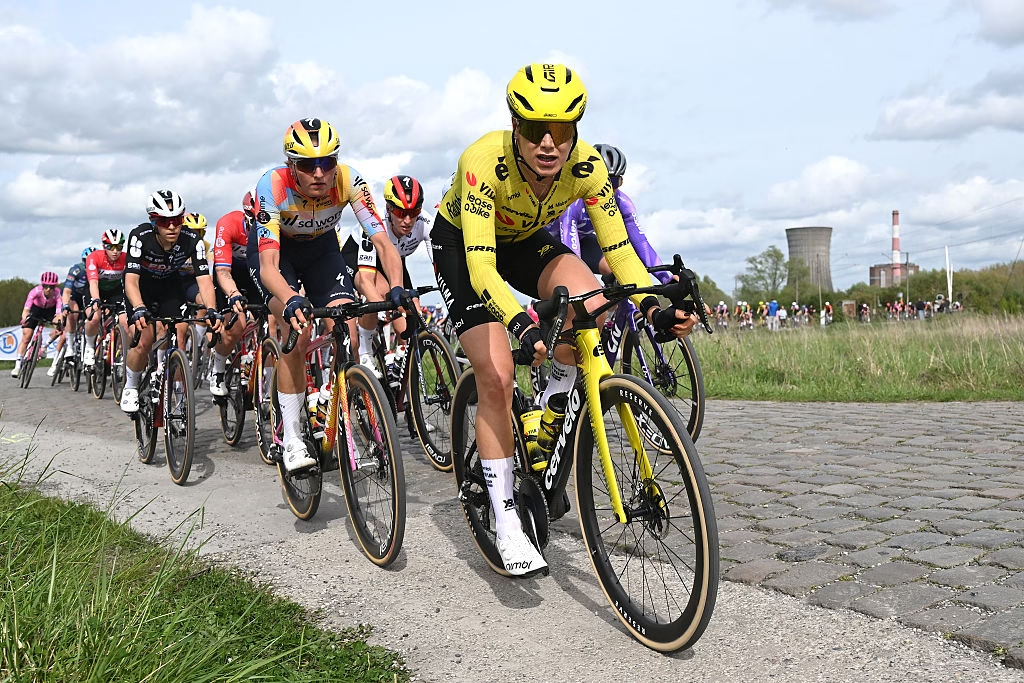 Photo Credit: Getty
Why multiple cards matter more than people think
Commentators often say that a team has multiple cards to play. The real value is that it gives a team tactical freedom.
At Paris-Roubaix Femmes, Team Visma | Lease a Bike had Ferrand-Prévot and Vos deep in the decisive phase. In theory, that should have given them more control over the final move because one rider could attack while the other contributed less, or one could sit on while the other forced the pace. Even with that advantage, Koch still won, which is part of why the result stood out so much. The tactical position was strong, but the final read of the race was better from Koch.
Tour of Flanders Women showed the same principle in a different form. Demi Vollering’s solo win did not begin only with her attack on the Oude Kwaremont. It was set up by FDJ United-Suez using Franziska Koch, Elise Chabbey and Célia Gery to keep pressure on the race and reduce the support around rival leaders. By the time Vollering attacked, the race was already shaped in her favour.
This is one of the easiest tactical cues for new viewers. If one team still has two or three riders near the front when most other teams are already down to one, that team is usually in the strongest position, even before the winning move happens.
How teams control a race
Control does not always mean one team riding at the front all day. Sometimes it does, especially on flatter routes or in likely bunch sprints. Scheldeprijs Women this week was a simple example. Fenix-Premier Tech helped shape the run-in and then delivered Charlotte Kool with a strong lead-out from Millie Couzens and Mylène De Zoete before Kool won the reduced sprint.
That is the clearest kind of control. A team decides the race should end in a sprint, keeps attacks manageable, and spends riders to make sure that outcome happens.
But control can also be selective rather than conservative. At Tour of Flanders Women, FDJ United-Suez did not control the race to preserve a group finish. They controlled it by making it harder, using riders before the decisive climb so Vollering could attack from a more favourable position.
So when you see a team on the front, the right question is not just are they controlling. The better question is what kind of race are they trying to create.
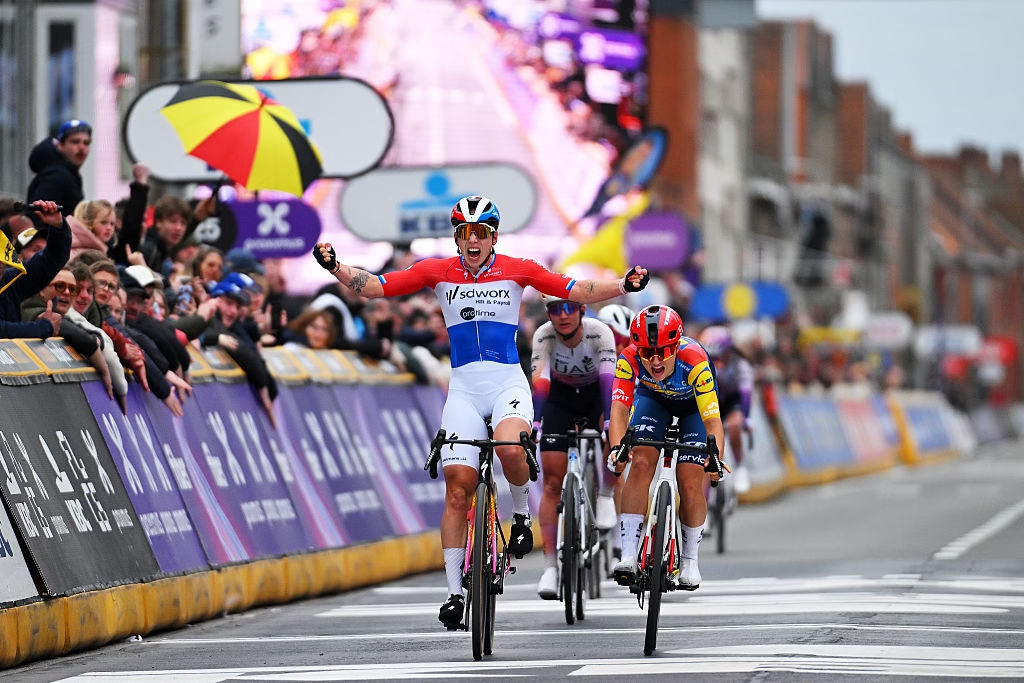 Photo Credit: Getty
Why teammates attack even when they are not the favourite
This can look confusing at first. A team has the strongest climber or sprinter in the race, yet another teammate attacks first. Usually, that is not random. It is pressure.
If the attacking rider is strong enough to be dangerous, other teams must chase. That burns their helpers and leaves the leader fresher behind. If nobody chases, the attacker may simply win. This matters especially in races with climbs or cobbles, because rival teams cannot always organise a clean pursuit once the group is reduced.
That is one reason Paris-Roubaix Femmes often produces such interesting racing. The 2026 route became tougher again, with more cobbles and new sectors, which increased the chances of fragmentation and made it harder for teams to keep full structure into the finale. On terrain like that, an attacking teammate becomes even more valuable because the chase behind is rarely neat.
Lead-outs are tactics too
People often think of tactics as attacks and chases, but sprint organisation is just as tactical.
A lead-out is not simply one rider towing another. It is a chain of decisions about when to move up, whose wheel to follow, when to commit, and how early is too early. At Scheldeprijs Women, Kool’s win was not only about being the fastest rider left. It was about Fenix-Premier Tech executing the run-in well enough that she could launch her sprint cleanly.
The same applies in flat or reduced bunch finishes across women’s cycling. A great sprinter without teammates can still win, but a great sprinter with one or two calm, well-drilled teammates is far more dangerous.
Why protecting the leader starts long before the finale
One of the least obvious tactical jobs is also one of the most important, saving the leader’s energy.
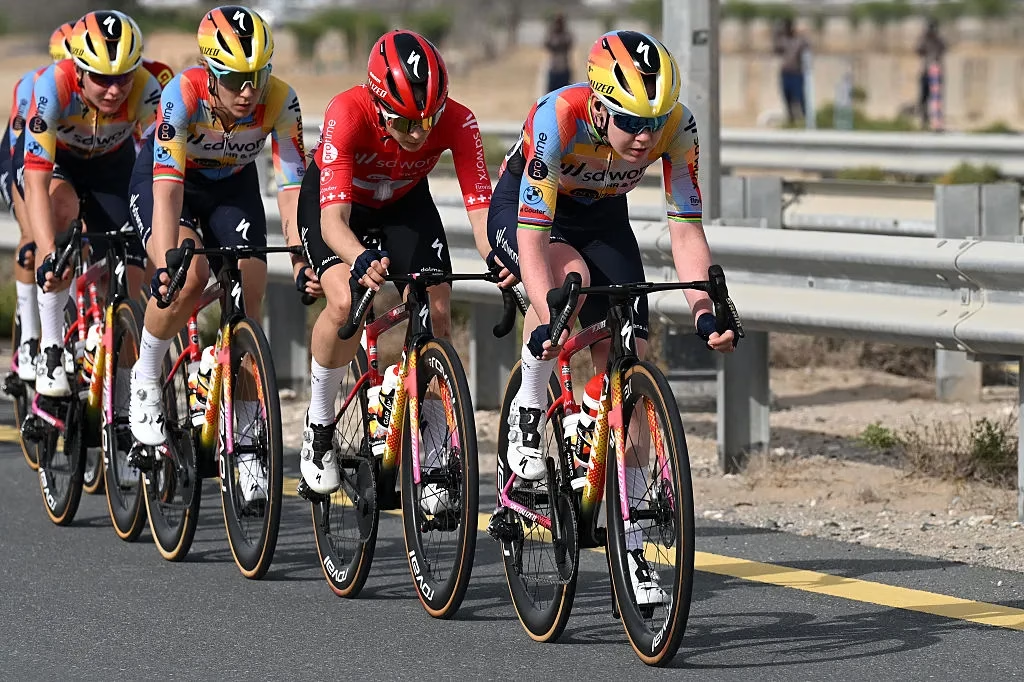
That can mean sheltering her from the wind, moving her up before narrow roads, guiding her into cobbled sectors near the front, or making sure she does not have to chase every move herself. These actions are easy to miss on television because they happen before the decisive attack, but they are often why the decisive attack is possible at all.
On the cobbles this matters even more. Riders who start a sector too far back can get caught behind splits or crashes without doing anything wrong. On hilly routes, starting a climb five wheels farther forward can be the difference between following the winning move and never seeing it. That is why team support is so valuable even in races that look individual at the finish.
The strongest rider does not always have the strongest tactic
This is one of the reasons cycling stays interesting. Tactics do not replace strength, but they shape how strength is used.
At Paris-Roubaix Femmes, Team Visma | Lease a Bike had the stronger numerical position in the final move, yet Koch still won because she judged the small-group finish better.
At Tour of Flanders Women, Vollering had both the best legs and the best race shape created around her, which is why the decisive move felt so definitive once it came.
At Milano-Sanremo Women, Kopecky benefited from team flexibility and then still had to finish the job herself on Via Roma.
That is probably the clearest way to think about team tactics in women’s cycling. Teams create possibilities. Riders still have to turn them into results.

A more advanced tactical explainer using team-specific case studies from this spring
The next layer is understanding that different teams try to win in different ways, often based on roster shape rather than ideology.
FDJ United-Suez this spring have looked strongest when they can make the race selective before the final winning move. Their Tour of Flanders Women performance was a textbook example. Koch, Chabbey and Gery did not just support Vollering in a vague sense. They made the race narrower, reduced the rival support around Kopecky and Ferrand-Prévot, and turned the Kwaremont into a launchpad rather than merely the final climb. That is a very specific tactical model: harden the race, isolate rivals, then let the leader attack from superiority rather than from parity.
SD Worx-Protime often race from a different tactical position because their biggest strength is usually range. At Milano-Sanremo Women, Kopecky’s victory came from a team structure that did not need to panic when the race became selective. With Wiebes still a threat behind, SD Worx-Protime could let the finale stay fluid, knowing rivals were under pressure to commit more clearly than they were. That is another important tactical model: carry two outcomes deep enough that other teams have to reveal their intentions first.
-
Photo Credit: quentinphotographiebe
-
Photo Credit: Getty
Team Visma | Lease a Bike’s spring has shown the strengths and limits of double leadership in another way. At Paris-Roubaix Femmes, having Ferrand-Prévot and Vos gave them more tactical options in the final selection, but that did not automatically convert into control. This is where advanced tactics become interesting. Multiple cards are only useful if the race situation suits them. In a three-rider finish, the advantage can disappear quickly if the non-Visma rider is willing to keep the move alive and then trust her own sprint judgement, which is exactly what Koch did.
Fenix-Premier Tech have shown yet another model. At Scheldeprijs Women, they did not win by making the whole race harder from distance. They won by reading the likely outcome correctly, keeping enough structure into the final laps, and then executing the lead-out better than the others after the late crash reduced the sprint field. That is a cleaner, more situational tactical model: preserve order, survive the disruption, then be best organised in the decisive final minute.
There is also a negative case study worth noticing. At Tour of Flanders Women, SD Worx-Protime lost Lorena Wiebes on the Koppenberg, which changed Kopecky’s support structure late in the race. The loss of one rider did not just reduce manpower. It reduced tactical ambiguity. From that point on, rivals could read the race more easily because Kopecky had fewer layers around her. That is a useful reminder that tactics are not only what teams choose, but also what they are still able to do once the race removes options from them.
What to watch for next time
The easiest signs are simple. Watch which team still has numbers near the front late in the race. Watch who is chasing and who is sitting on. Watch for an attacking teammate ahead of a better-known leader behind. Watch who guides the favourite into the key climb, sector or final corner. And in a sprint, watch the last kilometre almost as closely as the final 150 metres.
Once you start looking for those details, women’s cycling becomes much easier to read. The tactics are not hidden. They are just spread across the race rather than saved for the finish.

