

Rachael Neylan never had the easy arc. She was not a teenage prodigy with a scholarship trail already white-lined in front of her, nor a rider who arrived with the loudest palmarès and a roomful of expectation. Her career was built the harder way, through mileage, patience and the slow accumulation of trust in her own legs. In a sport that rewards sharp timing and hard temperament, Neylan made a living from persistence. She also made herself useful in almost every kind of race terrain, from the punchy roads that suit a late attack to the long, grinding days where nothing is given away.
For Australian women’s cycling, that matters. Neylan belonged to a generation that had to force open doors rather than simply walk through them, and she did so with a rider’s instinct for reading a race and a professional’s refusal to be hurried. Her best days came later than many expected, but when they came they were substantial. She was a national champion, a World Championships silver medallist, and a long-serving presence in elite women’s racing across Europe and beyond. In the wider story of the women’s peloton, she is one of the riders who helped shape the more modern, more durable version of the sport – a racer who could survive, adapt and still deliver when the road tilted into something selective.
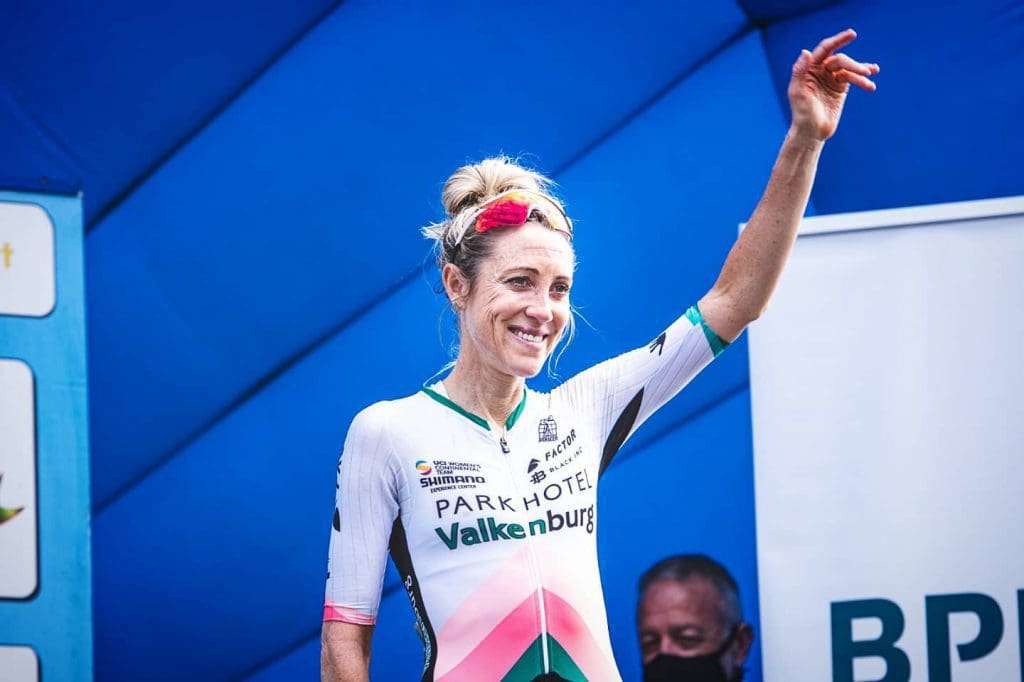
A career built the hard way
Neylan came through Australian cycling in a period when travel, funding and race opportunities still demanded near-constant improvisation. The pathway to Europe was not straightforward, and nothing about her early career suggests comfort. She worked across disciplines and environments, developing the kind of physical resilience that often separates riders who can survive in the professional peloton from those who can truly influence it.
By the time she settled into the European calendar, she had already become the sort of rider directors value: attentive, tactically clean, and able to take instruction without losing instinct. That combination kept her in the mix for years. She raced for a range of strong teams, including some of the better-organised outfits in the women’s peloton, and was often employed in support roles where the work was less visible than the results. Yet there was always a sense that her best opportunities would arrive in the right race, on the right day, if the pace, weather and terrain aligned.
Finding the right roads
Neylan was never a pure sprinter and not a rider who needed savage Alpine gradients to make a race hard. She was better on moveable terrain: rolling roads, exposed circuits, the kind of World Championships course where positioning, timing and endurance all matter in equal measure. That made her particularly suited to one-day racing, where the details of wind direction, the last climb and the way the bunch hesitates can decide whether a result becomes visible or disappears into the peloton.
The results that defined her
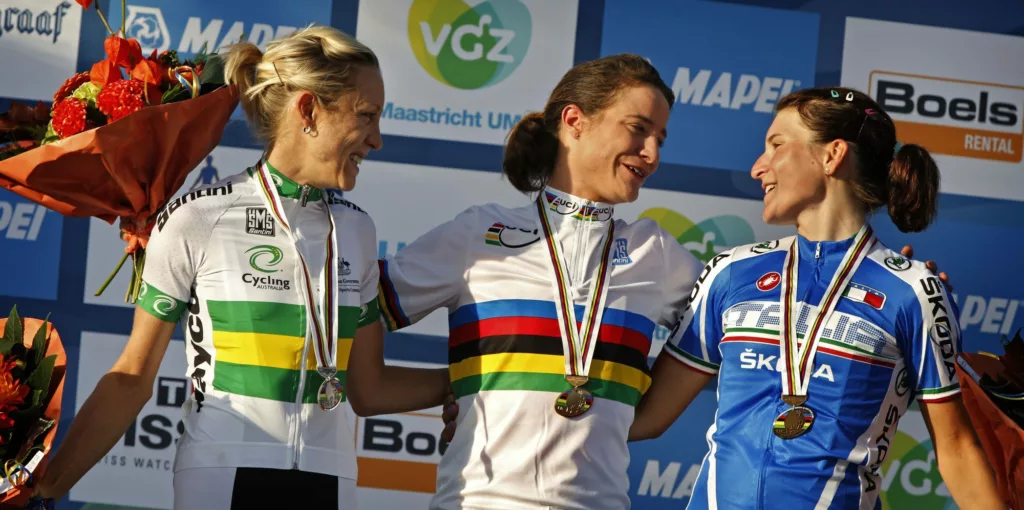
Her biggest result, and the one that gives her a permanent place in the sport’s record books, came at the 2017 UCI Road World Championships in Bergen when she took silver in the women’s road race. It was the sort of performance that requires more than form. It requires judgment, nerve and the willingness to keep believing that a long race can still bend your way. In a field full of aggressive, accomplished riders, Neylan finished behind only a stronger finisher on the day and ahead of the many names who had arrived with greater expectation. It was a breakthrough built on years of work rather than a sudden emergence from nowhere.
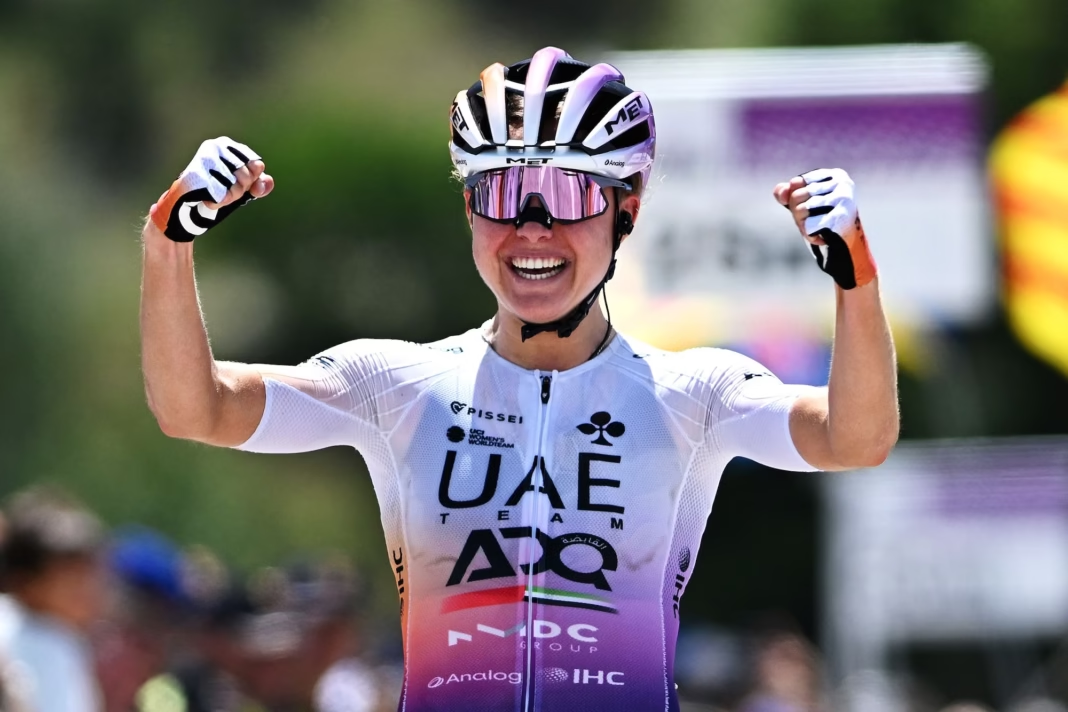
She was also an Australian road race champion, winning the national title in 2017. National championships can be deceptive from the outside. They are often raced on familiar roads but never in a familiar way. Team loyalties splinter, shape matters, and the race becomes a test of who can manage the geography and uncertainty. Neylan got that day right, and the green-and-gold jersey confirmed that she was more than a support rider waiting for an occasional opportunity.
Beyond those headline results, she produced a long series of solid performances across Spring Classics and stage races, the sort of outcomes that matter because they keep a rider in contention, keep her visible to selectors and teams, and keep the work of a career anchored in something tangible. In the women’s game, that consistency is not background noise. It is the structure.
World Championship silver in Bergen
The 2017 Worlds road race remains the obvious landmark. Bergen’s course was selective without being brutal, a route with enough climb to thin the field and enough road to reward tactical patience. Neylan rode with that patience. She did not look frantic, did not waste position, and stayed alive deep into the decisive phase. When the race opened up, she had both the strength and the composure to take advantage. Silver at a World Championship is never accidental.
Australian national champion
That same year, she carried her best form home and turned it into the national title. There is something about winning on Australian roads that suits players like Neylan, riders who understand heat, wind and long stretches of empty tarmac. The national jersey hardens a career. It also places a rider into the history of the domestic scene, where the names are remembered by those who followed the races closely and by younger riders looking for a precedent.
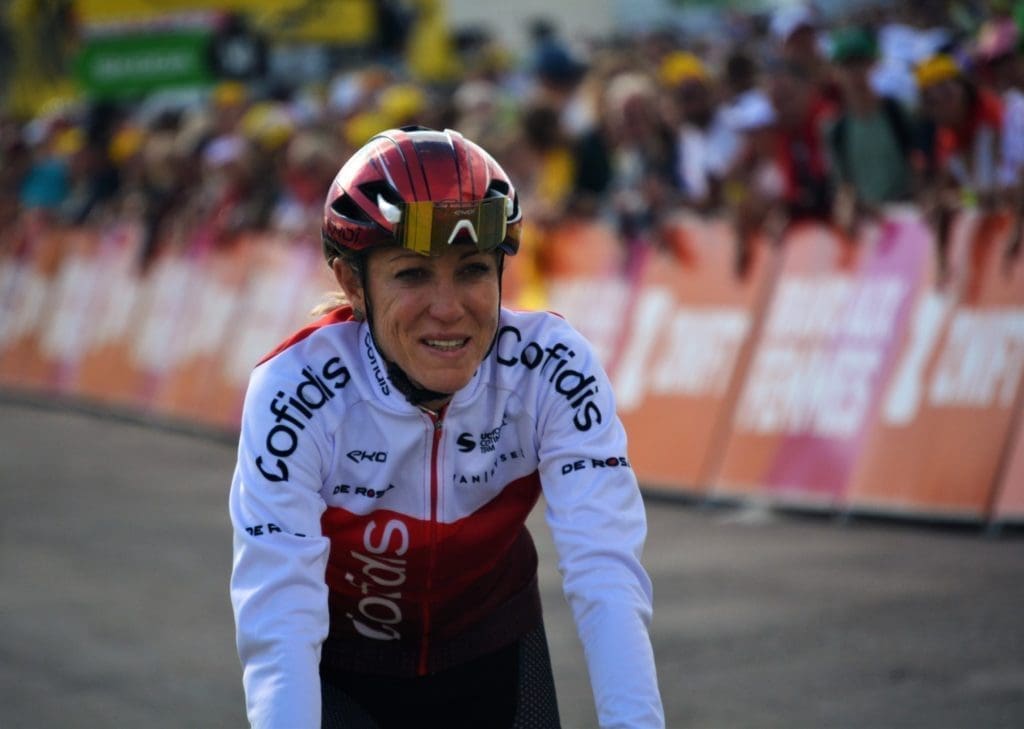
Why Rachael Neylan matters in cycling history
Neylan’s importance is not only in the results themselves, though those are strong enough. It is in what her career says about the development of women’s cycling across the 2010s. She was part of the era that moved the sport towards greater professionalism without losing the old requirement for self-reliance. Riders like Neylan bridged Australian talent and European necessity. They made the leap abroad, learned the rhythms of the biggest races, and stuck around long enough to make their passports as significant as their bikes.
She is also worth noting because her career was not built on a single standout ability. Many riders are defined by one terrain or one race type. Neylan’s value came from range, endurance and race literacy. That made her an unusually durable presence in a peloton that can be unforgiving towards anyone who arrives with only one way of winning. For readers looking through the wider women’s cycling history hub, she is a good example of how careers are often made: not by one huge jump, but by staying in the sport long enough for your best version to appear.
Teams, temperament and the craft of endurance
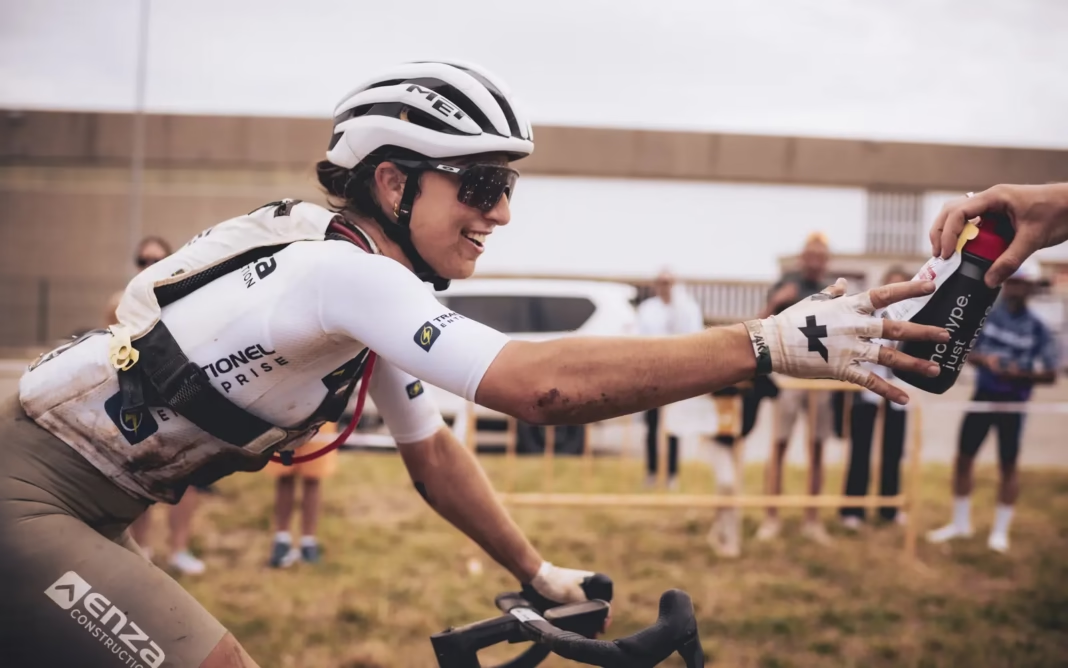
Across her professional years, Neylan moved through the structures that define a modern road career: trade teams, national duty, and the constant adaptation required by a calendar that stretches from Europe to Australia and back again. She was respected for being straightforward, mentally sturdy and dependable. That matters in a sport where team-mates need riders who do the work early, keep the race calm, and still have something left if the road becomes selective after 140 kilometres.
Her temperament seems to have matched that of her racing. Patient, low drama, consolidated by experience. There is a toughness in riders like that which does not always show on camera. It appears in the way they keep turning up after quiet results, after crashes, after months spent working for others, until one day the race stays open just long enough.
-
 Photo Credit: quentinphotographiebe
 -
 Photo Credit: Getty
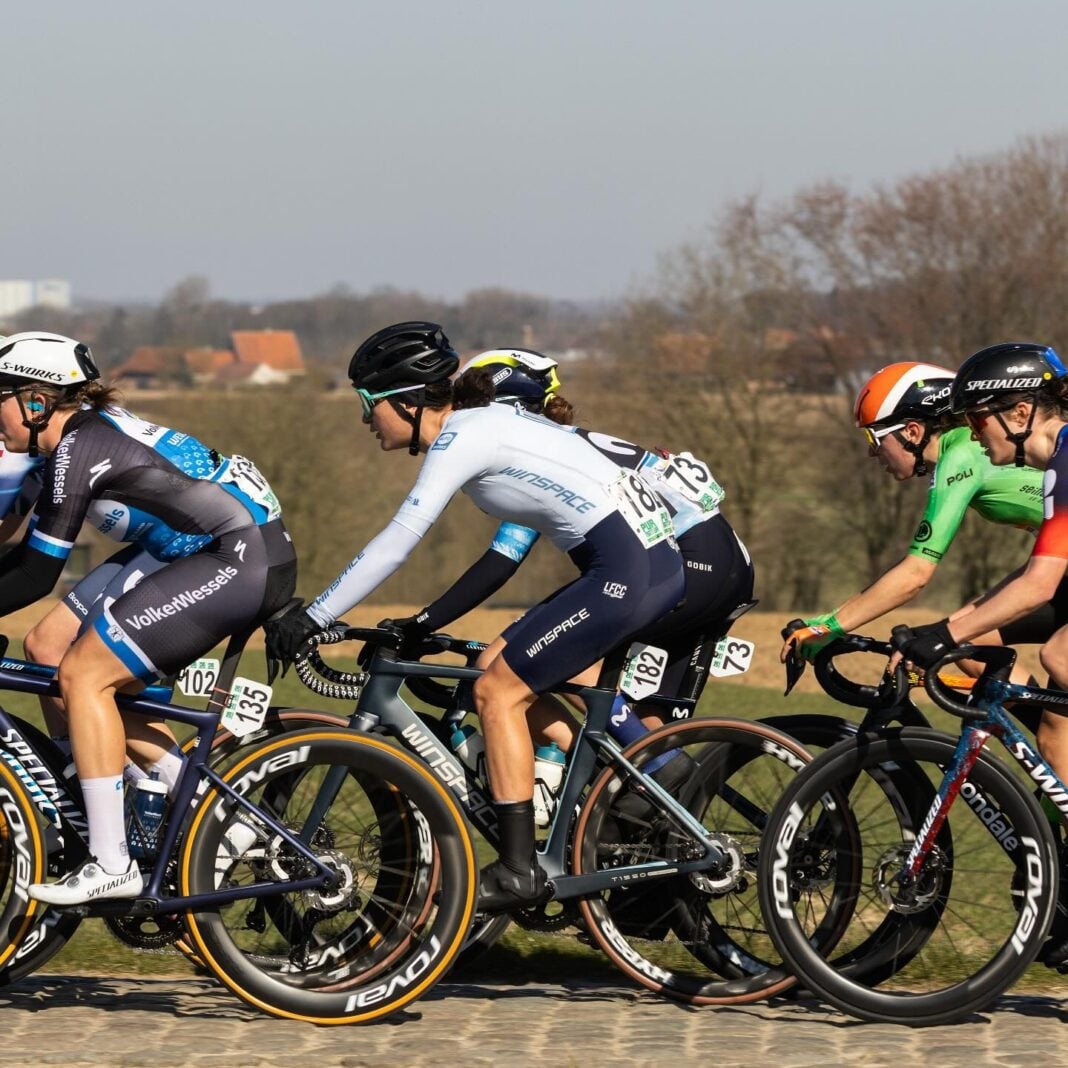
What she is doing now
Since retiring from full-time racing, Neylan has remained involved in the sport and broader cycling conversation, using the perspective of an experienced professional to contribute beyond the bunch. Like many riders of her generation, she has carried the habits of an elite career into life after racing: structure, resilience and a practical understanding of how the sport really operates. She has also become part of the ongoing effort to support and reflect women’s cycling from the inside rather than simply observing it from the margins.
That post-career role suits her. Neylan was never just a results sheet. She was a rider who understood process, who knew what it meant to spend years building towards a day that might last a few critical minutes, and who now has the authority that comes from having done that work in public.
A rider worth remembering
Rachael Neylan’s story is valuable because it is honest about how elite cycling often works. Not everyone is accelerated. Not everyone is obvious. Some careers are assembled from discipline, travel, setbacks and opportunism, with the standout results arriving only when the rider has already paid enough dues to recognise the shape of the day. Neylan’s biggest performances were not lucky interruptions to a modest career. They were the natural consequence of persistence.
That is why she deserves her place in Australian cycling history and in the broader record of the women’s peloton. She represents the rider who keeps arriving, keeps improving, and eventually makes the road reward her.

