Chain waxing has moved well beyond time-trial obsessives. Road, gravel and even everyday riders now use wax because it can keep a drivetrain cleaner, reduce friction and slow abrasive wear when the system is prepared and maintained properly.
The trade-off is setup. A waxed chain works best when the original grease and old oil have been removed thoroughly, and hot-melt systems require more preparation than simply dripping conventional lube onto a chain.
What is a waxed bike chain?
Instead of using an oil-based lubricant, the chain is coated with a wax-based lubricant. With hot waxing, a completely clean chain is immersed in melted wax so lubricant reaches the rollers and internal surfaces. Drip-on wax products aim for a similar dry finish without requiring a wax pot for every application.
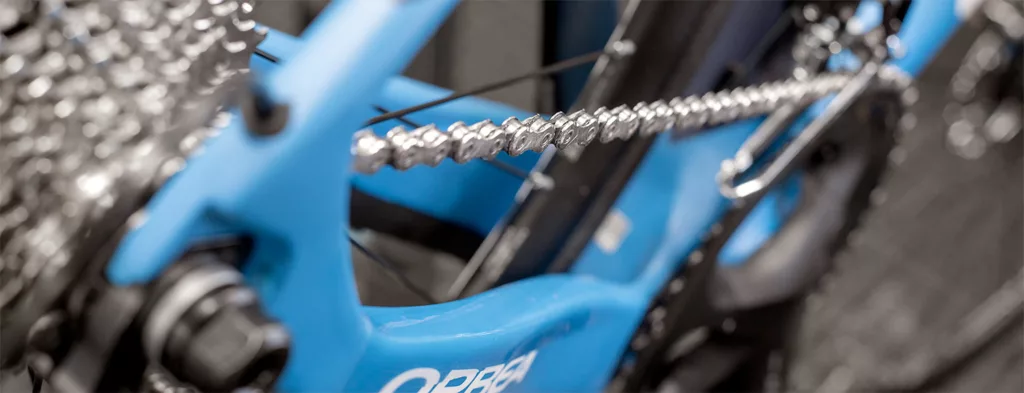
Why waxed chains stay cleaner
A traditional wet lubricant remains tacky and can collect road dust, grit and drivetrain contamination. Wax dries much harder, so less abrasive dirt sticks to the outside of the chain.
That is the everyday advantage most riders notice first. A properly waxed chain is much less likely to leave black oil on your hands, clothes or car when the bike has to be handled.
Does chain waxing save watts?
It can. High-quality wax systems consistently perform well in independent drivetrain-friction testing because they reduce contamination and can create a low-friction interface inside the chain.
The exact saving depends on the chain, wax, contamination and the lubricant you are comparing it with. For most riders, lower wear and a cleaner drivetrain are more meaningful benefits than chasing a precise watt figure.
Can waxing make chains and cassettes last longer?
Potentially, yes. Grit mixed into oily lubricant creates an abrasive paste that wears chains, chainrings and cassette teeth. Keeping contamination out of that interface reduces one of the main causes of drivetrain wear.
That does not make wax maintenance-free. A chain ridden through prolonged rain or filthy winter roads still needs attention, and ignoring a noisy dry chain will undo much of the benefit.
Hot wax vs drip wax
| Method | Advantages | Drawbacks |
|---|---|---|
| Hot-melt wax | Very clean, efficient and thorough internal coating | Needs a stripped chain, heating equipment and more initial work |
| Drip wax | Easier top-ups and simpler everyday use | Needs drying time and works best on a properly cleaned chain |
| Oil-based lube | Fast and simple to apply | Can attract more contamination and become messy |
The most important step is stripping the chain
Wax will not perform properly on top of factory grease or old oil. A new chain therefore needs to be stripped before its first wax application, while a used chain must be thoroughly degreased and cleaned.
Dedicated chain-preparation products now make this much easier than the old process of repeated baths in aggressive solvents. Whatever method you use, the goal is the same: bare, contamination-free metal before the wax goes on.
How often does a waxed chain need attention?
There is no universal mileage because weather and contamination matter enormously. Dry road riding can allow long intervals between full hot-wax applications, especially if a compatible drip wax is used between them. Wet rides shorten that interval substantially.
Listen to the drivetrain. A waxed chain becoming noticeably noisy is a useful sign that it needs topping up or rewaxing rather than something to ignore until a fixed mileage arrives.
Current chain-wax options
SILCA Secret Chain Blend remains one of the best-known hot-melt systems. SILCA pairs it with Super Secret drip wax so the chain can be topped up between full immersions. Check current SILCA chain-wax availability on Amazon UK.
Muc-Off now has both chain-wax cleaning products and performance wax lubricants. ProCyclingUK has separately reviewed the Muc-Off Dark Energy Chain Wax, including how it behaves in dry conditions and UK weather.
Browse Muc-Off’s current chain-care range.
Is chain wax good in wet weather?
Wax can work in the wet, but prolonged rain is where the convenience gap to conventional wet lube becomes most obvious. Water and road contamination can shorten lubricant life, and the chain may need drying and reapplication after a soaked ride.
For riders spending an entire winter on salted and filthy roads, the maintenance routine matters more than the theoretical efficiency of the lubricant. Some choose wax year-round; others use it mainly in cleaner conditions.
Do you need multiple chains?
No, but rotating two or three chains makes hot waxing much easier. Several clean chains can be waxed in the same session, then swapped as needed rather than heating the wax pot every few rides.
Is chain waxing worth it?
For riders who value a clean drivetrain and are prepared to do the initial preparation, yes. The process is front-loaded: stripping the chain and establishing the system takes effort, but normal maintenance can become straightforward once the routine is established.
If you want the fastest possible five-minute chain-care routine, a conventional drip lubricant remains simpler. If you dislike oily black drivetrains and regularly replace expensive chains and cassettes, wax becomes much easier to justify.
-
 Photo Credit: Luc Claessen/ISPA
 -
 Photo Credit: Unsplash / Chris Linnett