

The Tour Féminin International des Pyrénées takes another step forward in 2026, with a three-day route that brings the race into the UCI Women’s ProSeries and gives it a clear identity as one of the most demanding short stage races on the calendar. Running from Friday, 12th June to Sunday, 14th June, the race moves from the Basque coast to Jurançon via the high Pyrenees, with the Col du Tourmalet sitting at the centre of the route.
This is not a long race, but it is a concentrated one. Across three stages, the organisers have built a course that should reward complete riders, climbing depth and resilience. The opening stage offers the sprinters and puncheurs a route into the race, stage 2 brings the decisive mountain test over the Tourmalet, and the final day from Nay to Jurançon gives attackers one last chance to reshape the general classification.
Tour Féminin International des Pyrénées 2026 route overview
The 2026 edition is built around three stages:
- Friday, 12th June: Stage 1, Saint-Jean-de-Luz to Mourenx, around 120km
- Saturday, 13th June: Stage 2, Arrens-Marsous to Bagnères-de-Bigorre, around 94km, via the Col du Tourmalet
- Sunday, 14th June: Stage 3, Nay to Jurançon, 114km
The shape of the race is simple but effective. The first day begins by the Atlantic in Saint-Jean-de-Luz and heads inland towards Mourenx. It gives the peloton time to settle, but the rolling terrain of the Pyrénées-Atlantiques means it should not be treated as an entirely straightforward sprint stage.
Stage 2 is the obvious centrepiece. A short mountain day over the Tourmalet gives the climbers a major platform and should create the largest time gaps of the race. Even with a descent and run-in to Bagnères-de-Bigorre after the summit, the Tourmalet is long and hard enough to split the race apart.
The final stage from Nay to Jurançon keeps the race in Béarn and offers a punchy finish to the weekend. At 114km, it is long enough to be difficult after the Tourmalet, and the terrain around Jurançon is rarely flat. If the general classification is still close, this is the sort of final day where an aggressive team can still unsettle the race.
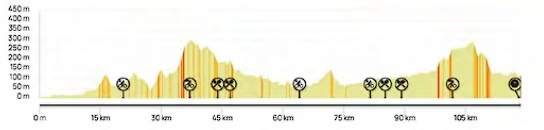
Stage 1: Saint-Jean-de-Luz to Mourenx
The race opens on the Basque coast, with Saint-Jean-de-Luz providing a scenic but potentially nervous starting point. Coastal openings can often look gentle on paper, yet the combination of wind, road furniture, positioning battles and early-race freshness can make them harder to control than expected.
The route then heads towards Mourenx, moving inland from the coast and into terrain that should encourage a mix of sprinters, classics-style riders and breakaway hopefuls. This is the most accessible stage of the race, but accessible does not mean flat or predictable. The Pyrénées-Atlantiques rarely offer a completely rhythm-based day, and the roads between the Basque coast and Béarn can gradually wear down a peloton.
For the general classification contenders, the priority will be staying safe. Nobody should win the race outright here, but riders can certainly lose time through poor positioning, late splits or crashes. Teams with sprint ambitions will see this as their best chance of the weekend, especially if the faster finishers can handle repeated changes in terrain.
The finale in Mourenx could suit a reduced sprint if the race has been selective enough in the final hour. A full bunch sprint is possible, but the opening day of a short stage race often brings restless racing, particularly when teams know the Tourmalet will dominate the following day. A strong breakaway may try to take advantage of that tension, while GC teams may be reluctant to burn too many domestiques before stage 2.
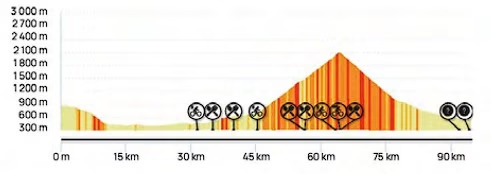
Stage 2: Arrens-Marsous to Bagnères-de-Bigorre
Stage 2 is the queen stage and the point around which the whole 2026 Tour Féminin International des Pyrénées is likely to turn. The route starts in Arrens-Marsous and heads towards Bagnères-de-Bigorre via the Col du Tourmalet, giving the race one of the most famous climbs in European cycling.
The Tourmalet changes the level of the event immediately. It is not just a climb with a famous name, it is a sustained mountain effort where pacing, team support and climbing efficiency all become decisive. On a short stage of around 94km, there is less time for the race to drift. The approach should be intense, the fight for position before the climb should be serious, and once the road rises properly, the peloton may thin quickly.
The key tactical question is whether teams wait for the upper slopes or try to harden the stage before the Tourmalet itself. In a three-day race, there is little room for conservative racing if a rider needs to gain time. A team with several climbers could use the lower slopes to isolate rivals, while a solo leader may prefer a steadier tempo before attacking closer to the summit.
Because the finish comes in Bagnères-de-Bigorre rather than on the summit, descending also becomes important. A rider who crests the Tourmalet with a small gap will still need to commit on the way down. A small group over the top could also become tactically awkward, especially if it contains riders from different teams with different general classification interests.
This stage should define the podium picture. The strongest climbers have to take their chance here, because the final day is more difficult to control than it is to dominate. A rider who can climb with the best and descend confidently could put the race almost out of reach before the finale.
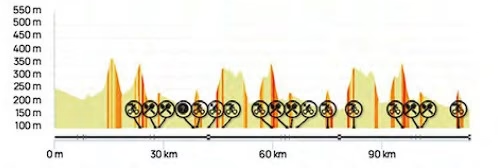
Stage 3: Nay to Jurançon
The final stage from Nay to Jurançon brings the race back into the rolling roads of Béarn. At 114km, it is not a huge stage by distance, but it comes the day after the Tourmalet and should feel much harder than the numbers alone suggest.
This is the kind of final day that can punish hesitation. If the race leader has a comfortable advantage, the stage may become a battle between breakaway riders and teams chasing a final victory. If the margins are still tight, however, the terrain around Jurançon gives attackers room to test the yellow jersey.
Jurançon is known more widely for its vineyards than its cycling history, but as a finish location it makes sense for this race. The roads are constantly changing, with short rises, twisting sections and enough uneven terrain to make the finale difficult to manage. A flat, controlled run-in would favour the strongest sprint train. This finish should be more open.
The biggest opportunity may come from riders sitting just outside the top placings. A pure climber who lost time in the descent on stage 2, a puncheur who survived the Tourmalet better than expected, or a team with multiple riders still close on GC could all use the final stage to apply pressure. The race may not be won here if the Tourmalet has already created large gaps, but it can certainly still be rearranged.
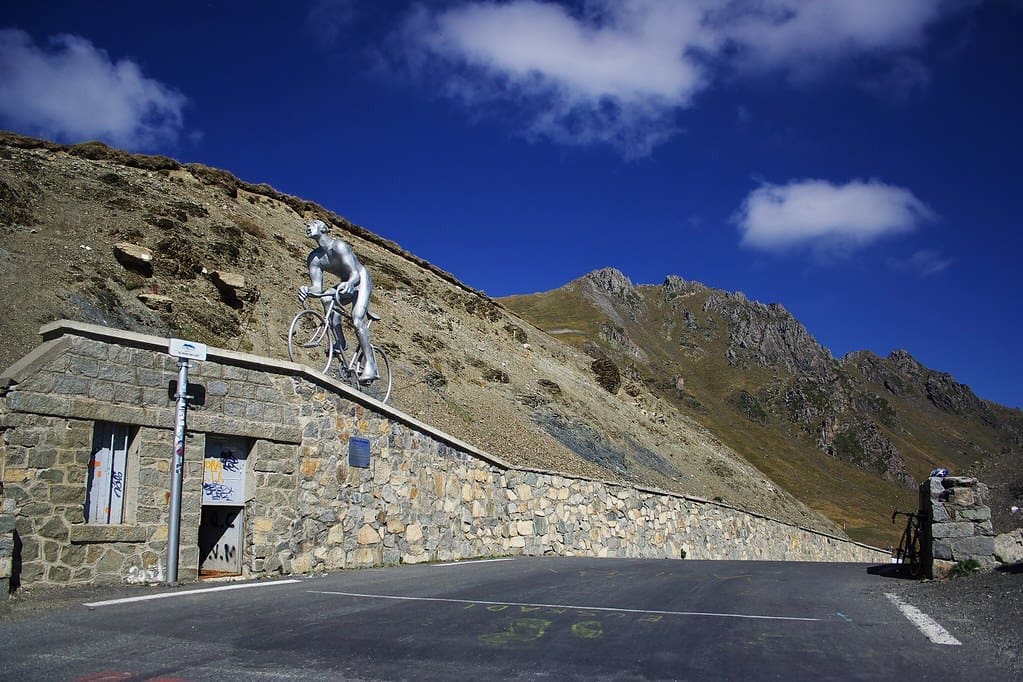
Where the 2026 race will be decided
The Col du Tourmalet is the obvious answer, but the race should not be reduced to one climb alone. Stage 1 can remove sprinters from contention for stage wins later in the race, stage 2 should split the general classification, and stage 3 gives teams a tactical route back into the contest.
The Tourmalet will almost certainly create the biggest time differences. Its length and reputation make it the race’s central test, and it gives the 2026 edition a genuine mountain identity. Riders who can sustain high climbing power for a long period will have the best chance of taking control.
The descent and finish into Bagnères-de-Bigorre may be just as important as the climb itself. A rider who attacks near the top but loses rhythm on the way down could see the move neutralised. Equally, a confident descender can turn a small summit advantage into a race-winning margin.
The final day is the insurance policy against a predictable race. Nay to Jurançon should be difficult enough to encourage movement, especially if the general classification is separated by seconds rather than minutes. After two days of racing and one major mountain stage, recovery will also become a factor. Riders who went too deep on the Tourmalet may struggle to respond to repeated attacks.
-
 Photo Credit: quentinphotographiebe
 -
 Photo Credit: Getty


What type of rider does the route favour?
The 2026 route favours a climber who can handle more than just long gradients. The Tourmalet is the key test, but the race also demands positioning, descending, recovery and tactical awareness. A rider who relies only on one big mountain effort may still be vulnerable if the race becomes chaotic on the opening or final day.
The ideal contender is a strong climber with enough punch for rolling terrain and enough composure to manage a short stage race. There is limited time to recover from mistakes, and bonus seconds or small splits could become important if the Tourmalet does not create huge gaps.
Sprinters have one clear opportunity on stage 1, though it may depend on how selective the road to Mourenx becomes. Puncheurs and breakaway riders should look closely at stage 3, especially if the GC teams are tired from controlling the Tourmalet stage.
Tour Féminin International des Pyrénées 2026 route verdict
The 2026 Tour Féminin International des Pyrénées route has a clear sporting balance. It gives the race a grand opening from Saint-Jean-de-Luz, a decisive mountain centrepiece over the Tourmalet, and a final stage to Jurançon that keeps the result alive rather than simply offering a procession.
For a three-day race, that is exactly the right formula. The route is compact, but it has shape. It should reward the best climber, but not without testing their team, their descending and their ability to manage pressure across consecutive days.
The Tourmalet gives the race its headline. The final stage gives it uncertainty. Together, they make the 2026 edition one of the most interesting short stage races on the women’s calendar.

