Bike theft is on the rise across the UK and worldwide. With premium road bikes, mountain bikes, and e-bikes now costing thousands of pounds, cyclists have become prime targets for thieves. Even professional World Tour teams have fallen victim to bike theft. Whether your bike disappears from your garage or vanishes while you’re grabbing coffee, knowing exactly what to do in those critical first hours can make the difference between recovery and permanent loss.
This comprehensive guide covers everything you need to know about reporting a stolen bike, maximising your chances of recovery, and preventing theft in the first place.
Immediate Actions: The First 30 Minutes Matter
Check Your GPS Tracker Immediately
Time is critical when your bike goes missing. Before anything else, check if your bike has tracking capability. Many modern bikes now include built-in GPS trackers in their frames or components, while aftermarket solutions like Apple AirTags can be hidden in bottle cage mounts, computer mounts, or steerer tubes. Dedicated bike trackers from brands like Tile or Samsung SmartTag offer another option, and interestingly, some power meters, including certain 4iiii models, include GPS tracking features that are nearly impossible for thieves to detect or remove.
If the tracker shows your bike is still nearby, you may be able to locate it quickly. However, never confront thieves yourself. Always involve the police if you locate your stolen bike, as confrontations can be dangerous and may complicate legal proceedings.
Report the Theft to Police Right Away
Contact your local police force immediately, even if you think recovery is unlikely. This creates an official record that you’ll need for insurance claims and gives authorities the information they need to act if your bike is recovered. When reporting, you’ll need to provide your bike’s frame number (serial number), make, model, and year, along with any distinguishing features or custom components. Photos of the bike are invaluable, as are details about the approximate value, location and time of theft, and any CCTV footage or witnesses you’re aware of.
Request a crime reference number during this initial report. Your insurance company will require this, and without it, most insurers won’t process your claim. Keep this number safe and include it in all subsequent communications with both the police and your insurance provider.
Register Your Bike on National Databases
Once you’ve reported to the police, immediately register your stolen bike with BikeRegister, the UK’s national bike database that’s regularly checked by police forces across the country. The international Bike Index is another valuable resource, as is any Stolen Bike Registry specific to your area. Don’t overlook local cycling community groups on social media either. These databases and communities create a network of eyes watching for your bike, and many successful recoveries have come from vigilant cyclists or bike shop employees who recognised a stolen bike from these listings.

Gathering Evidence for Your Insurance Claim
Insurance companies require substantial proof before paying out claims, and many cyclists are caught off guard by these requirements. It’s essential to prepare your evidence methodically, as a poorly documented claim can lead to rejection or significant delays in settlement.
Most bike insurance policies will only pay out if you can demonstrate clear proof of ownership through original purchase receipts, invoices, or bank statements. You’ll also need to show evidence of security measures, typically through photos proving you used an appropriate lock rated to Sold Secure Gold or Diamond standard. An accurate valuation is crucial, so gather recent receipts for components and upgrades. Your detailed description should include the frame number, unique features, modifications, scratches, or distinguishing marks, along with the police crime reference number and photos of the bike, ideally taken before the theft occurred.
If your bike was stolen from home, insurers may require evidence that it was stored securely in a locked building or attached to a ground anchor. This is where many claims fall down, as cyclists assume their garden shed provides adequate security when insurers may disagree.
When it comes to choosing bike insurance, Laka offers a refreshingly different approach worth considering. Unlike traditional insurers, Laka operates on a collective model where cyclists share the cost of claims, often resulting in lower and fairer premiums. They’re known for straightforward policies, quick claims processing, and coverage that includes theft both at home and away, making them a popular choice among serious cyclists. Their policies typically don’t require you to use specific lock brands, though they do expect reasonable security measures.
Create a comprehensive theft report documenting the exact time and location you last saw the bike, how it was secured, including the type and brand of lock, weather conditions and lighting at the time, any suspicious activity you noticed, and names of potential witnesses. The more detail you provide, the stronger your insurance claim and the better the police can investigate.
Active Recovery: Finding Your Stolen Bike
Search Online Marketplaces Daily
Thieves often try to sell stolen bikes quickly through online platforms, so checking these sites multiple times per day is essential:
- eBay – Search current listings and completed listings
- Facebook Marketplace and local buy/sell groups
- Gumtree
- Craigslist
- Shpock
- Preloved
- Local cycling classifieds and forums
Facebook Marketplace has become increasingly popular for stolen goods because listings can disappear quickly and sellers can be harder to trace than on established platforms.
When searching, cast a wide net using multiple search strategies:
- Your bike’s specific brand and model name
- Generic terms like “road bike” or “mountain bike” plus your location
- Distinctive component brands (Di2, SRAM AXS, specific wheelsets)
- The bike’s colour combined with the frame material
- Price range matching your bike’s value
Sometimes thieves aren’t sophisticated enough to know what they have, so searching for distinctive component brands can help you find your bike even if it’s been poorly listed.
What to Do If You Find Your Bike Listed
The moment you spot what appears to be your bike online, resist every urge to arrange a viewing and take it back yourself. This could be dangerous, may result in you being accused of theft yourself, and will almost certainly complicate legal proceedings.
If you find your bike listed online:
- Screenshot everything immediately (URL, photos, description, seller details)
- Save all photos to your device
- Note the asking price and location
- Contact the police with your crime reference number
- Share in local stolen bike groups for verification
- Never contact the seller directly
Let the police handle the recovery, as they have the legal authority to investigate and retrieve stolen property.
Engage Your Local Cycling Community
Word spreads quickly in cycling circles, and the community can be your greatest asset in recovery efforts. Alert local cycling clubs and groups, who often maintain their own stolen bike watchlists. Visit bike shops in your area and show them photos of your bike. Many mechanics are immediately suspicious of customers asking for work on high-end bikes they clearly know nothing about, and they may refuse to service a bike they suspect is stolen.
Don’t forget to inform coffee shops and popular cycling destinations, velodromes and track cycling groups if relevant, and social media cycling communities. Many successful recoveries have happened simply because another cyclist recognised a bike from a Facebook post when they saw it locked up outside a cafe or being ridden in an unusual area.
Preventing Bike Theft: Essential Security Measures
Prevention is always better than recovery, and implementing strong security measures both at home and on the road can save you from the heartache and hassle of dealing with theft.
Home Security: Your First Line of Defence
Storing bikes inside your house whenever possible provides the strongest insurance coverage, as it requires forced entry for theft and is often covered under standard home contents insurance. If space is limited, consider wall mounts or ceiling hooks to maximise your storage options. This might seem inconvenient, but it’s far less inconvenient than losing your bike entirely.
For those who must use garage or shed storage, investment in proper security is non-negotiable. Use Sold Secure Diamond-rated ground anchors and secure bikes with heavy-duty chain locks. Ensure the building itself has robust locks on all doors and windows. Consider installing motion-sensor lights and alarms, and never leave garage doors open even briefly while you pop inside. Thieves are opportunistic and can steal a bike in seconds.
When considering insurance, it’s worth noting that standard home insurance often has surprisingly low limits for bikes, typically between £500 and £1,000. For any bike worth more than this, you’ll need specific bike insurance. Laka has become increasingly popular among cyclists for their transparent, collective insurance model that often works out cheaper than traditional policies while offering comprehensive coverage both at home and when you’re out riding. Take the time to document your bikes thoroughly with photos and receipts, and keep frame numbers recorded separately from where you store your bikes. If your house is burgled and your bike documentation is kept with the bike, you’ll lose both.
Digital Privacy: Don’t Advertise Your Bikes
Many cyclists unknowingly broadcast the location of their expensive bikes through social media and activity tracking apps. Strava privacy settings should be your first consideration. Enable privacy zones around your home, setting a generous radius to avoid revealing your exact address to strangers. Set your profile to private or “followers only” and be cautious about accepting follow requests from people you don’t know. Consider hiding your location from non-followers, and think carefully before sharing photos of bikes at your home.
On broader social media, avoid posting photos that reveal your address in the background, don’t share your new bike purchase with house numbers or street names visible, and be wary of geo-tagging bike photos at home. Some cyclists prefer to wait until after a ride to post photos, ensuring they’re not advertising when their home is empty and bikes are unattended.
On-the-Road Protection
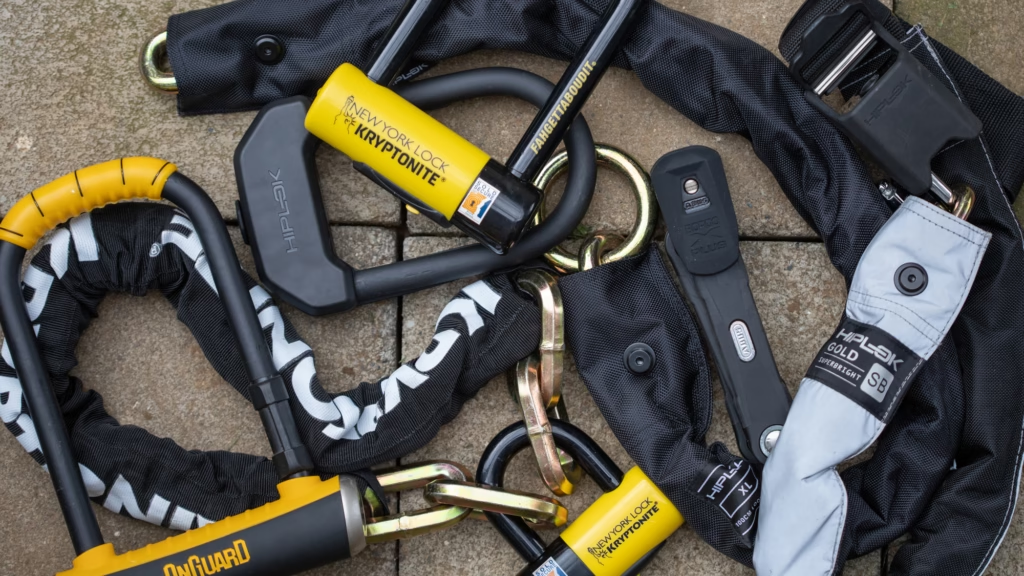
Investing in quality locks appropriate to your bike’s value is fundamental to on-the-road security. Sold Secure Gold or Diamond-rated D-locks are the gold standard, and carrying two locks allows for comprehensive security with one securing the frame and one for wheels. Always lock through the frame and rear wheel to an immovable object, and remove or secure quick-release wheels and saddles if you’re leaving the bike for any length of time.
Best practices when stopping include keeping your bike within sight at all times, choosing busy, well-lit areas with CCTV coverage, and locking your bike even for “just a minute” stops. Never leave bikes on roof racks unattended outside shops or cafes. If you’re planning a cafe stop, try to choose venues with bike racks visible from inside, where you can keep an eye on your pride and joy.
Technology has given us powerful new tools for bike security. Hidden AirTags can be installed in handlebar ends, seat posts, or under bottle cages, with companies like Muc-Off making dedicated mounts that conceal them perfectly. Bike alarms that connect via Bluetooth will sound when your bike moves, alerting you and everyone nearby to the theft attempt. GPS trackers, whether rechargeable or battery-powered, can be hidden in frames and will alert your phone if your bike moves. Smart locks with app connectivity can notify you immediately if someone is tampering with your bike.
What Happens Next: The Insurance Process
Understanding the insurance process can help manage expectations during what is already a stressful time. Most insurance companies require a waiting period before settling theft claims, typically between 28 and 30 days, though this varies by insurer. This allows time for police investigation and potential recovery, as some bikes do turn up within the first month.
During this waiting period, continue searching online marketplaces diligently, maintain regular communication with the police to check for updates, keep your insurer informed of any developments, and document all your search efforts. Some insurers appreciate seeing evidence that you’ve been actively looking for your bike, as it demonstrates the genuine nature of your claim.
If your bike isn’t recovered, insurers typically offer one of several settlement options. Cash settlements are based on current market value, and you should expect depreciation to be factored in. Some premium policies offer “new for old” replacement, providing you with an equivalent new bike regardless of your original bike’s age. Others give you a choice between a cash settlement or a replacement bike. Read your policy carefully to understand which option applies to you, and don’t be afraid to negotiate if you feel the settlement offer is unfair.

Recovery Statistics and Realistic Expectations
The reality is that bike theft recovery rates remain disappointingly low across most regions. However, your chances of getting your bike back improve significantly if you report the theft immediately, have GPS tracking installed, register with BikeRegister before and after the theft, actively search online marketplaces, and have clear proof of ownership ready to present.
Higher-value bikes are sometimes easier to trace due to their distinctive features and components, but they’re also more likely to be quickly stripped for parts or exported overseas. Exotic paint schemes, custom builds, and unusual component choices can actually work in your favour during recovery attempts, as they make your bike more identifiable and memorable.
Final Thoughts: Be Prepared
Bike theft is traumatic and frustrating, but being prepared makes a significant difference. Take action today before you need it. Photograph all your bikes with close-ups of frame numbers and unique features, record frame numbers and component serial numbers in a secure location, and keep purchase receipts and component upgrade invoices organised and accessible. Register your bikes with BikeRegister right now, before theft occurs, as this dramatically improves recovery chances.
Review your insurance coverage honestly and consider whether your current policy adequately covers your bikes’ value. Laka’s transparent pricing and straightforward claims process make it worth investigating if you’re unhappy with traditional insurance options.
Essential preparation checklist:
- ✓ Photograph all bikes (frame numbers and unique features)
- ✓ Record serial numbers in a secure location separate from your bikes
- ✓ Keep all purchase receipts and upgrade invoices
- ✓ Register bikes with BikeRegister now (not after theft)
- ✓ Install GPS tracking on bikes over £1,000
- ✓ Invest in Sold Secure-rated locks
- ✓ Set up Strava privacy zones
The cycling community is strong and vigilant. By taking preventative measures and knowing exactly what to do if the worst happens, you’ll give yourself the best possible chance of keeping your bike safe or getting it back if it’s stolen.