

Women’s cycling has reached a point where the climbing hierarchy is far deeper than it was even a few seasons ago. Demi Vollering remains the obvious reference point, but she is no longer operating in a thin field where one rider can simply dominate every mountain stage by default. The group behind her has grown stronger, younger and more varied.
That is what makes the question interesting. The best climbers in the women’s peloton are not all the same type of rider. Some are pure mountain specialists. Some are stage-race leaders who climb well enough to win Grand Tours. Some are explosive puncheur-climbers, better suited to repeated steep ramps than long Alpine passes. Others are still emerging, but already look capable of changing the shape of mountain stages.
The current answer starts with Vollering, but it does not end there.
Best climbers in women’s cycling right now
The best climber in women’s cycling right now is Demi Vollering, because of her consistency, range and proven record across the hardest stage races. Sarah Gigante is arguably the strongest pure high-mountain climber, while Paula Blasi has forced herself into the top tier after winning La Vuelta Femenina on the Angliru.
The current list of the best climbers in women’s cycling is:
- Demi Vollering – the most complete climber and stage-race benchmark
- Sarah Gigante – the purest high-mountain specialist
- Paula Blasi – Grand Tour winner after her Angliru breakthrough
- Marion Bunel – one of the strongest young climbing talents
- Anna van der Breggen – still elite on selective terrain after her comeback
- Pauline Ferrand-Prevot – won Tour de France Femmes in 2025, but 2026 form isn’t as strong
- Kasia Niewiadoma-Phinney – one of the most reliable uphill racers
- Usoa Ostolaza – now a proven stage-race climber after La Vuelta Femenina
- Evita Muzic – consistent across hard Grand Tour terrain
- Juliette Berthet – dangerous on the steepest summit finishes
- Urška Žigart – an improved climber with strong stage-race balance
- Petra Stiasny – Angliru stage winner with a high mountain ceiling
- Neve Bradbury – one of the best young climbers in the peloton
- Gaia Realini – still one of the purest climbers when on form
- Niamh Fisher-Black – punchy, versatile and strong on repeated climbs
- Marlen Reusser – not a pure climber, but powerful enough to reshape mountain stages
For a simple answer, Vollering remains number one. If the question is about pure climbing on a long summit finish, Gigante may be the closest challenger. If current Grand Tour form is weighted most heavily, Blasi now has to be placed very near the top after winning La Vuelta Femenina on the Angliru.
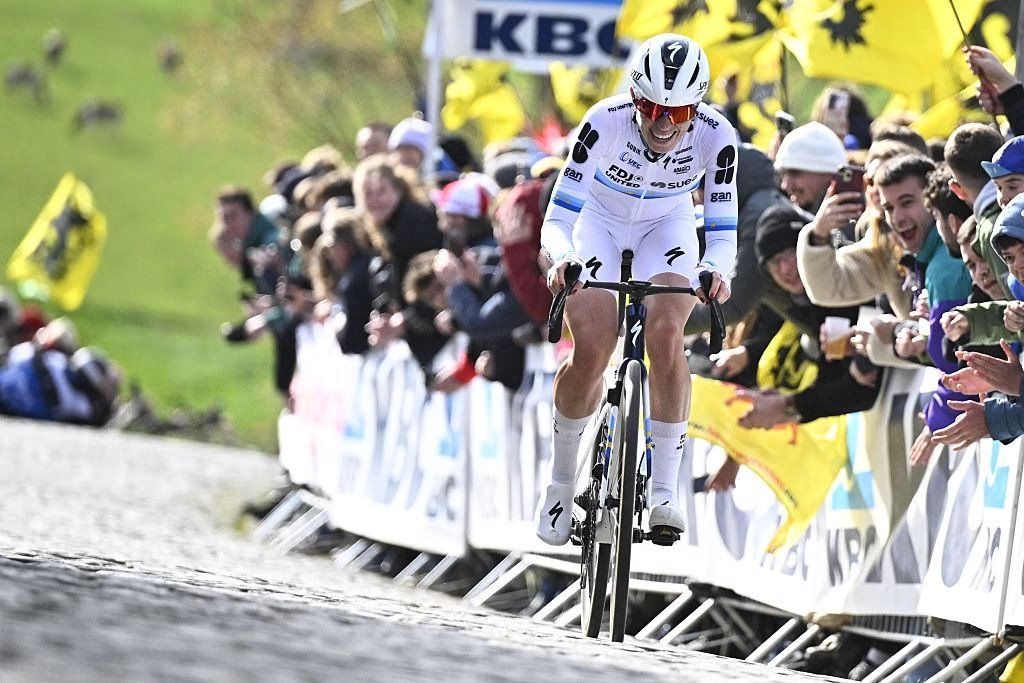
Demi Vollering is still the benchmark
Demi Vollering remains the best climber in women’s cycling right now because she has the broadest and most proven climbing range. She can win on long climbs, survive repeated mountain stages, attack on steep gradients and still finish off races with a fast sprint from an elite group.
That combination is what separates her from most of the peloton. Some riders can match her on certain climbs, and there are riders who can beat her on specific days, but very few have shown the same ability to turn climbing strength into repeated stage-race control.
Vollering’s absence from La Vuelta Femenina also made her status more visible in a strange way. The race became far more open without her. That does not mean she would automatically have won, especially on a climb as extreme as the Angliru, but it underlined how often she shapes the race before it even begins.
Her next major tests will tell us more about whether the gap is narrowing. For now, though, Vollering is still the rider every other climber is measured against.
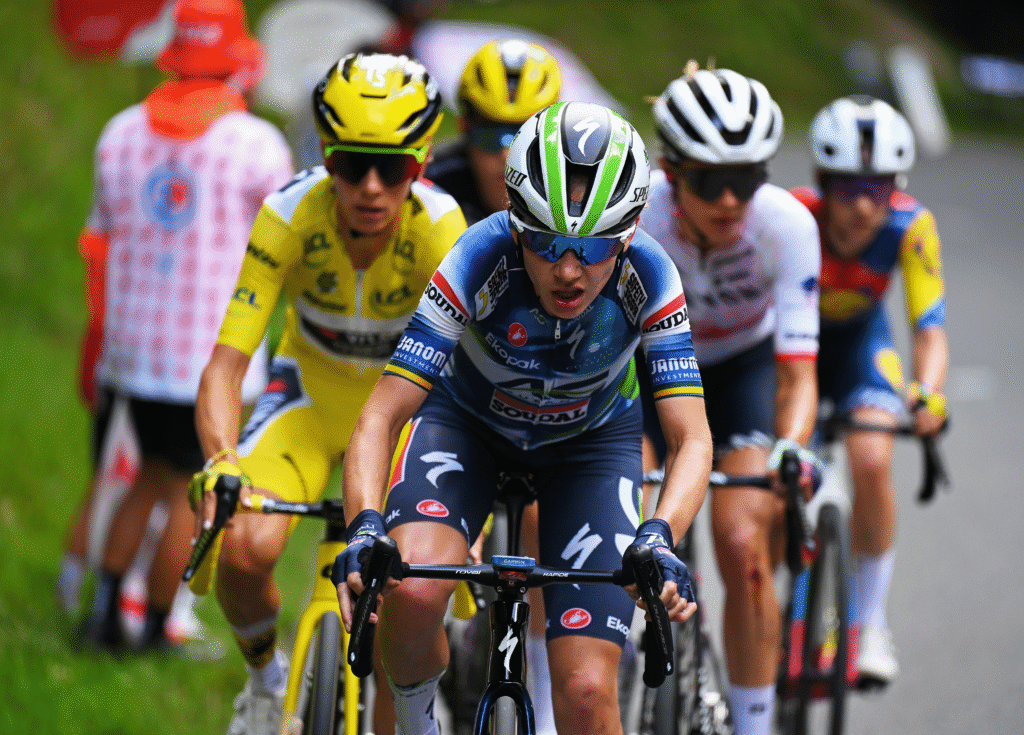
Sarah Gigante is the purest high-mountain climber
Sarah Gigante might be the most natural pure climber in the women’s peloton. When the road gets long, steep and sustained, she has a lightness and rhythm that very few riders can match.
Her climbing is not built around short, repeated accelerations. It is more about sustained pressure. She can settle into a tempo that gradually removes riders rather than blowing the race apart in one move. That makes her especially dangerous on summit finishes where the climb is hard enough to strip the race back to fundamentals.
The challenge with Gigante has always been consistency, positioning and the ability to turn climbing brilliance into full stage-race dominance. On her best days, she looks like a rider capable of winning the hardest mountain stages in the world. Across a full week or a full Grand Tour, the question is whether everything around that climbing strength can hold together.
If it does, she is one of the few riders who can genuinely threaten Vollering on the biggest climbs.
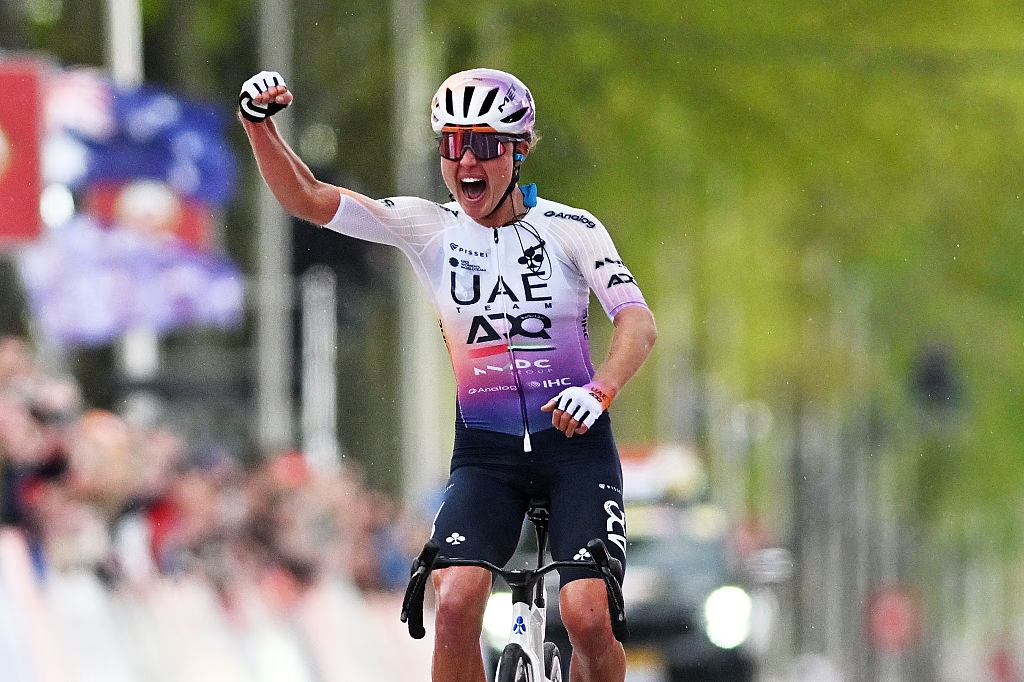 Photo Credit: Getty
Paula Blasi has forced herself into the conversation
Paula Blasi’s La Vuelta Femenina victory has changed her status immediately. Winning overall by overturning Anna van der Breggen on the Angliru is not a minor result. It is one of the clearest possible statements a climber can make.
The important part is not just that Blasi won the race. It is where she won it. The Angliru is a climb that removes tactical disguise. It is steep, unforgiving and mentally brutal. Riders can survive easier summit finishes through positioning, pacing or team support. On the Angliru, weakness gets exposed quickly.
Blasi’s ability to take the GC there marks her out as one of the most important climbing names of the moment. She still needs to show that level repeatedly across different races and terrain, but the breakthrough is now too big to treat as a surprise result.
She has moved from promising climber to proven Grand Tour winner.
 Photo Credit: Getty
Marion Bunel looks like the next major French climbing force
Marion Bunel’s third place overall at La Vuelta Femenina confirmed what had already been clear from her development: she is one of the best young climbers in the peloton.
Bunel is not yet as complete as Vollering, nor as established as some of the older stage-race leaders, but her ceiling is extremely high. She climbs with maturity for her age, handles long efforts well, and looks increasingly comfortable in the rhythm of WorldTour stage racing.
For Team Visma | Lease a Bike, she represents a genuine long-term GC project. That is not always easy in women’s cycling, where the calendar can force young riders into elite company quickly, but Bunel already looks capable of handling that pressure.
Her next step is turning podium-level climbing into wins against the very best. The foundations are clearly there.
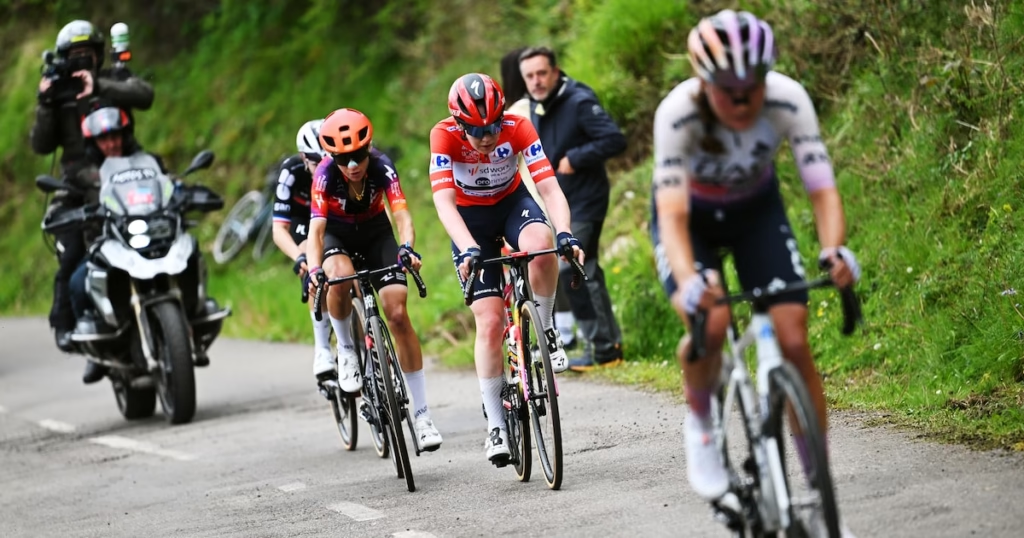
Anna van der Breggen is still a climbing threat
Anna van der Breggen’s return has added another layer to the climbing picture. She may not be the same rider who once ruled almost every uphill finish she targeted, but she remains tactically sharp, efficient and dangerous when a race becomes selective.
Her second place at La Vuelta Femenina showed both sides of the story. She was strong enough to lead the race into the final day, but Blasi was able to take the overall victory on the Angliru. That does not remove Van der Breggen from the climbing elite. It simply shows that the level around her has moved on.
What still makes her dangerous is her understanding of how climbs fit into a race. She does not need to be the lightest or most explosive rider to win. She knows when to follow, when to let others work, when to commit, and when to turn a hard climb into a tactical contest.
That experience keeps her among the most important climbers in the sport, even if the younger generation is beginning to challenge her more directly.
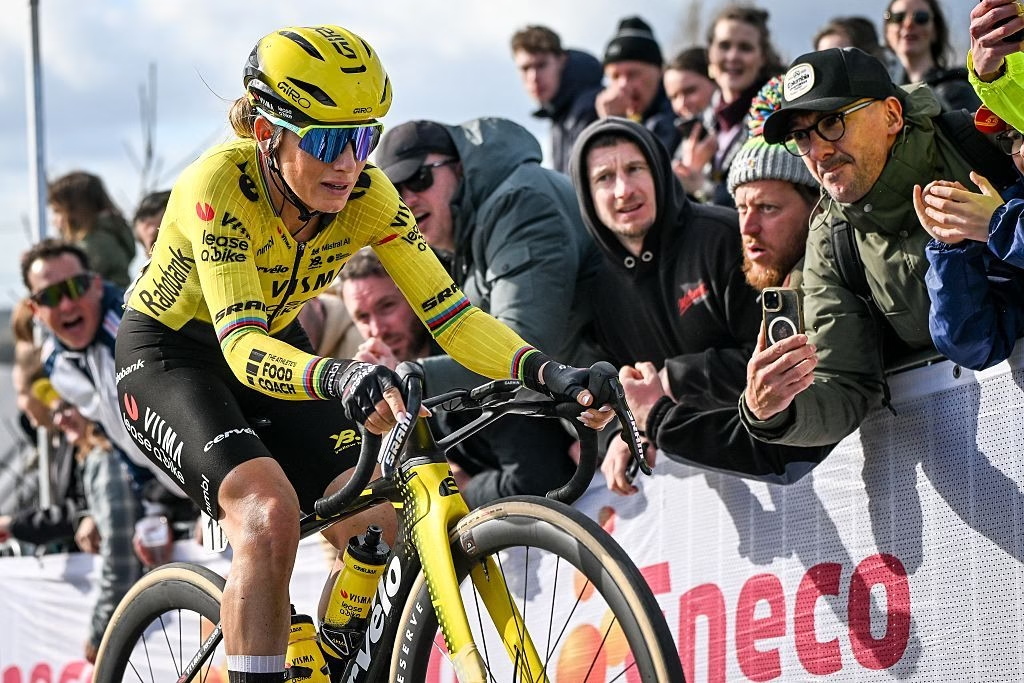
Pauline Ferrand-Prévot still has the engine for the biggest climbs
Pauline Ferrand-Prévot is slightly harder to rank than some of the full-time road specialists, but she absolutely belongs in the conversation. Her off-road background has always given her a huge aerobic engine, strong repeatability and the ability to handle severe gradients without looking technically or physically overawed. The question is not whether she can climb. It is how consistently she can translate that climbing level into elite road stage racing.
At her best, Ferrand-Prévot has the power-to-weight, endurance and race intelligence to trouble almost anyone on a hard mountain day. She may not have the same recent road-stage-race body of evidence as Vollering, Blasi, Bunel or Van der Breggen, but her ceiling is high enough that she cannot be left out. If she gets a clean run at the Giro d’Italia Women or Tour de France Femmes, she is one of the riders who could quickly change the climbing hierarchy from a theoretical list into something much more uncomfortable for the established names.
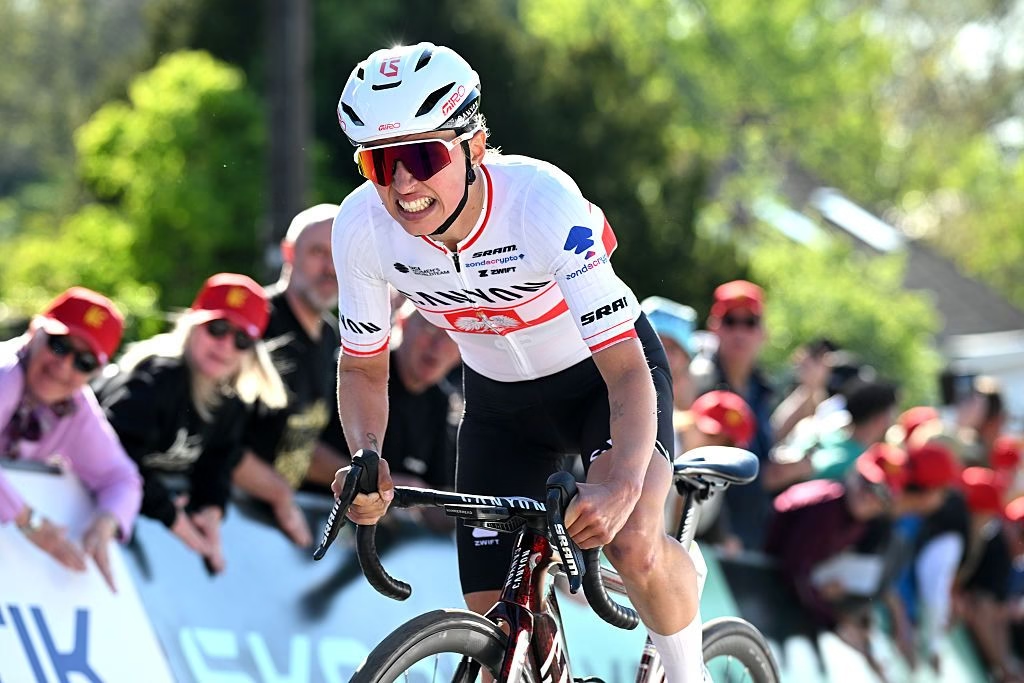 Photo Credit: Getty
Kasia Niewiadoma-Phinney remains one of the most reliable uphill racers
Kasia Niewiadoma-Phinney is not always the first name mentioned when discussing pure climbers, but she belongs in this conversation because of how consistently she performs on hard terrain.
Her climbing strength is tied to aggression and resilience. She is at her best when the race is difficult, repeated climbs have worn down the bunch, and the final selection is made by riders who can keep attacking after several hours of pressure. She may not always have the sustained high-mountain dominance of Vollering or Gigante, but she is a superb climber in real race conditions.
That distinction matters. Not every decisive climb is a clean watts-per-kilo test. Many are shaped by weather, positioning, repeated attacks, descending, team tactics and fatigue. Niewiadoma-Phinney thrives in that mess.
She remains one of the safest picks for any selective stage race or mountainous Classic because she so rarely disappears when the road turns hard.

Evita Muzic continues to build her Grand Tour climbing case
Evita Muzic has become one of the most dependable French climbers in the peloton. Her top-10 overall finish at La Vuelta Femenina fits the broader pattern of a rider who keeps producing when stage races become selective.
Muzic’s strength is not always spectacular, but it is durable. She can survive hard days, keep herself in GC contention and climb well enough to remain relevant when pure sprinters and rouleurs are long gone. That makes her valuable in Grand Tours, where repeated mountain days can be as important as one explosive performance.
The question is whether she can move from reliable high finisher to regular winner on the hardest climbs. She has the engine and experience to stay close. The next step is delivering more decisive attacks against the very top tier.
Even so, in terms of current climbing depth, she is firmly in the second group behind the absolute best.
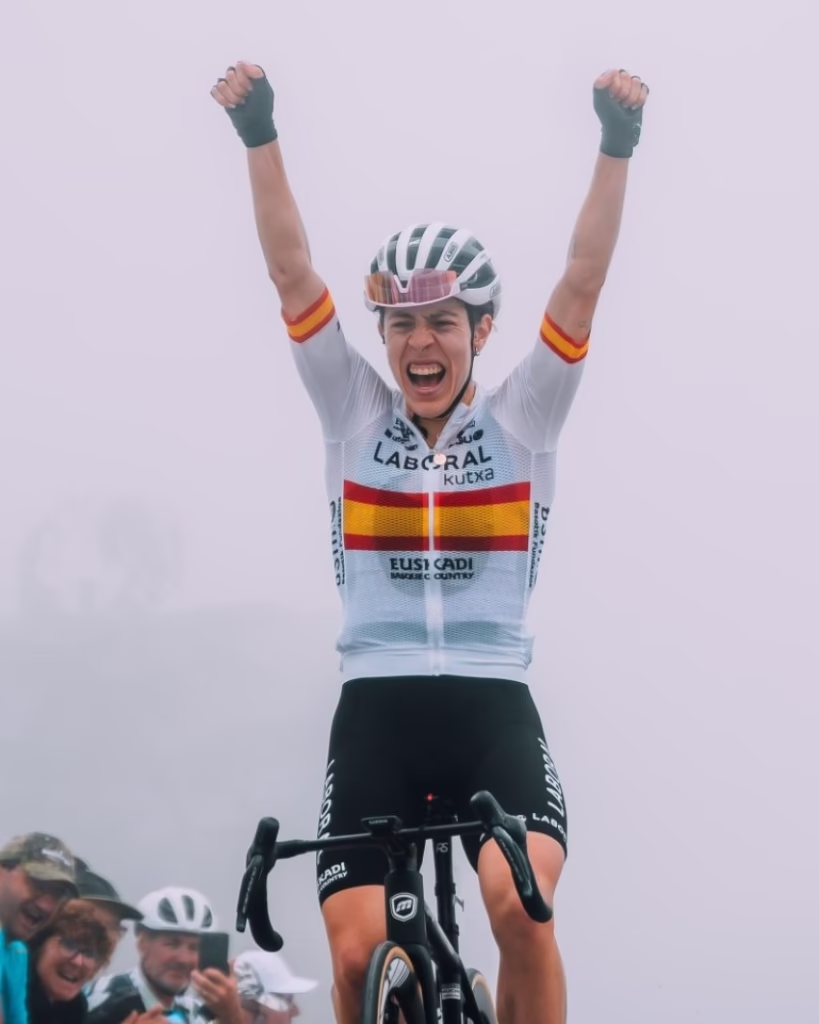
Usoa Ostolaza has become impossible to ignore
Usoa Ostolaza’s fourth place overall at La Vuelta Femenina was one of the strongest climbing performances of the race. It confirmed her as more than a strong Spanish rider on home roads. She is now a genuine stage-race climber with the ability to hold her level across a difficult week.
Her profile is especially useful because she can handle repeated climbing rather than needing one perfect summit finish. That makes her dangerous in races like La Vuelta Femenina and Itzulia Women, where the terrain is constantly awkward and rarely allows easy recovery.
Ostolaza still sits outside the absolute superstar bracket, but she is climbing into a different category. The more selective the race, the more she now has to be treated as a contender rather than an outsider.

Juliette Berthet is a specialist for the steepest days
Juliette Berthet’s rise to fifth overall at La Vuelta Femenina, helped by a third place on the final stage, showed exactly why she belongs in this list. She is not always the most visible rider across a full season, but when a race reaches the steepest terrain, she can be extremely dangerous.
That matters because modern women’s stage racing is increasingly willing to use proper summit finishes. The Angliru changes the type of rider who can compete. It rewards low weight, controlled pacing, and the ability to keep moving when gradients become mentally as well as physically draining.
Berthet fits that kind of challenge. Her next task is consistency, because one exceptional mountain performance needs to become part of a wider pattern. But as a pure climbing threat on severe gradients, she has made her point.
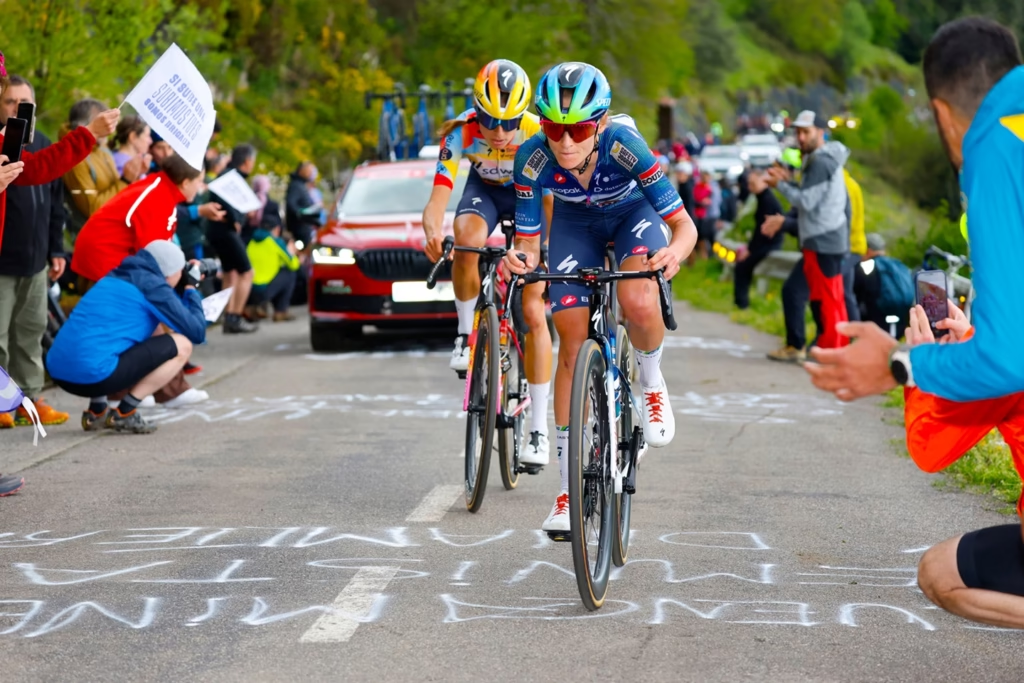 Photo Credit: Getty
Urška Žigart is one of the most improved climbers in the peloton
Urška Žigart’s sixth place overall at La Vuelta Femenina continued her development into one of the more credible climbing names in the women’s peloton. She has long had the physical tools for sustained climbs, and the recent results suggest she is now converting that more regularly into GC performances.
Žigart is especially interesting because she combines climbing ability with time-trial strength. That gives her a broader stage-race profile than riders who can only gain time uphill. In races where a time trial sits alongside summit finishes, that balance becomes extremely useful.
She may still need a marquee mountain victory to move into the very top bracket, but her current trajectory is strong. In a deeper climbing field, she has become a rider who cannot be left off the list.
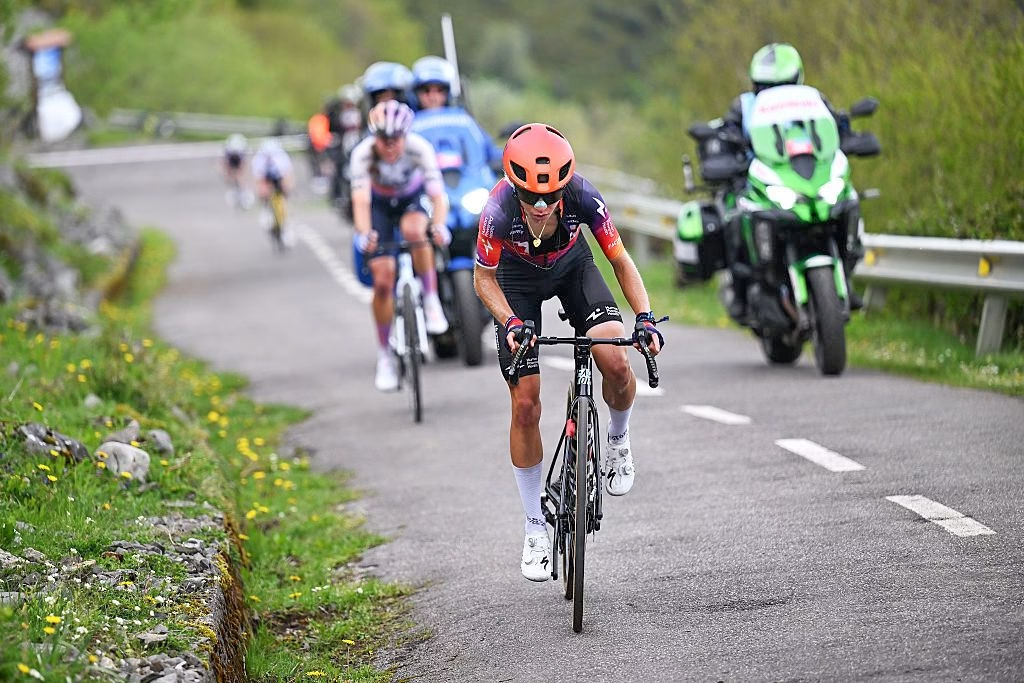
Petra Stiasny has made the biggest single-stage statement
Petra Stiasny’s Angliru stage win at La Vuelta Femenina was one of the standout climbing performances of the season so far. A first WorldTour victory on that climb carries weight because there is nowhere to hide on a finish like that.
Stiasny’s win also gives the climbing hierarchy a useful reminder: the best climbers are not always the most established GC riders. Some riders can produce extraordinary mountain performances even if their overall consistency is still developing.
That is where Stiasny sits for now. She has shown that her top level is extremely high. The next question is whether she can repeat it, then hold it across multi-day races. If she can, she moves very quickly from dangerous outsider to regular contender.
For now, she is one of the most exciting climbing names in the peloton because her ceiling has just become far more visible.
 Photo Credit: Getty
Neve Bradbury still has one of the highest climbing ceilings
Neve Bradbury remains one of the best young climbing talents in women’s cycling. Her best performances have shown a rider who can handle high mountains, recover well and stay competitive when races become genuinely hard.
The reason she belongs in this conversation is potential mixed with proven quality. Bradbury is not just a future name. She has already shown enough at the top level to be considered one of the stronger climbers in the peloton, especially when the road is long and the selection is gradual.
Like many young climbers, the next step is consistency. Producing one major result is different from becoming a rider who is expected to be there every time the race climbs above 1,000 metres. Bradbury is close to that territory, and her best days suggest she can go further.
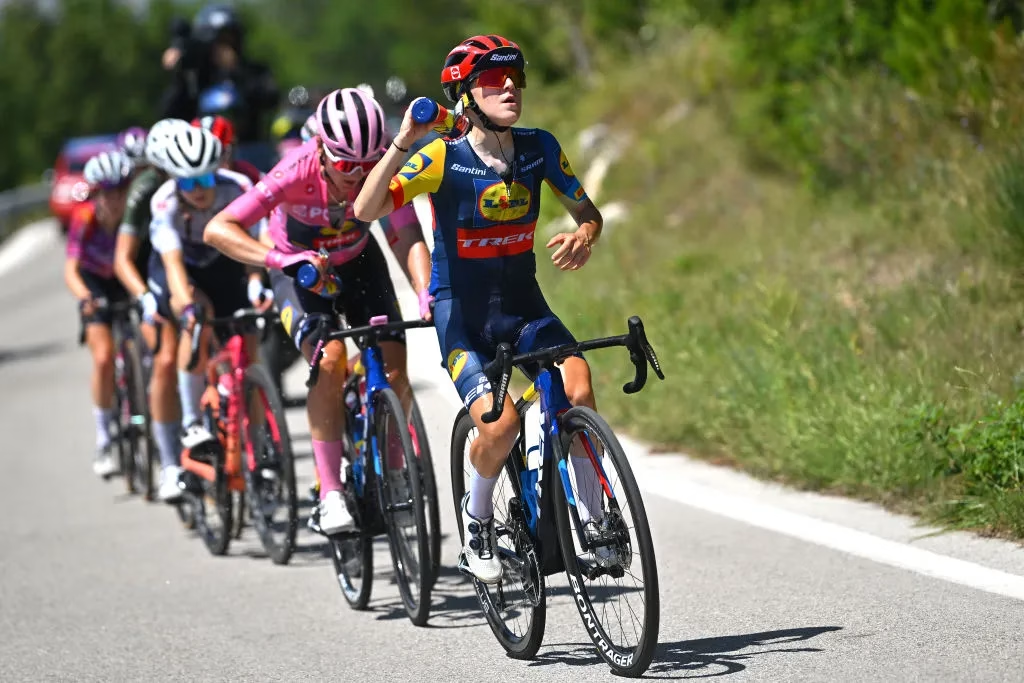
Gaia Realini remains elite, even if the picture is more complicated
Gaia Realini is still one of the purest climbers in the sport. Her size, cadence and ability to dance up steep gradients make her a natural mountain specialist, and when she is at her best, she can climb with almost anyone.
The caveat is current form and race context. Realini has not always looked as dominant recently as she did during some of her earlier breakthrough performances. That does not mean the climbing ability has disappeared. It does mean she belongs in a slightly more cautious category right now.
On the right mountain stage, Realini can still be one of the most dangerous riders in the race. Across a full stage race, she needs the form, positioning and team setup to match that pure climbing talent. If those pieces align, she remains a serious threat.
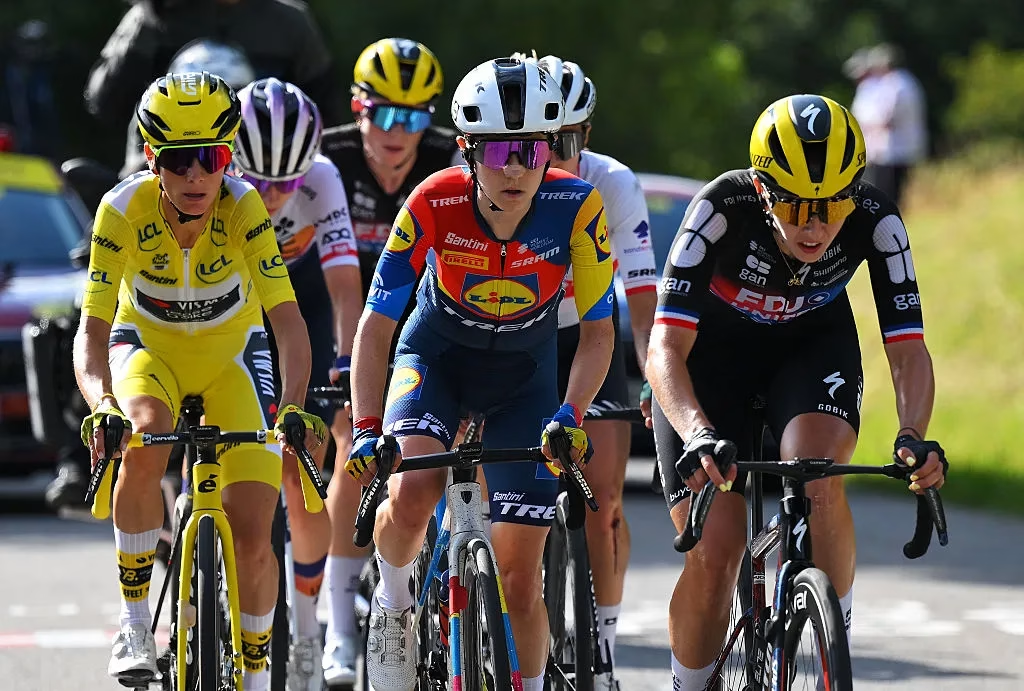
Niamh Fisher-Black remains a high-quality climbing option
Niamh Fisher-Black is another rider whose climbing level can be easy to understate because she is not always framed as a pure mountain specialist. She is punchy, technically strong and comfortable on selective terrain, with enough climbing ability to be relevant in hard stage races.
Her best terrain is often where climbs are repeated, rhythm is broken and the race demands accelerations rather than one long steady effort. That makes her slightly different from Gigante or Realini, but no less valuable in the right race.
As women’s cycling becomes deeper, riders like Fisher-Black matter more. Not every mountain stage is won by the purest climber. Many are won by riders who can climb, attack, descend, position well and sprint from a small group. Fisher-Black fits that modern hybrid model.
 Photo Credit: Getty
Marlen Reusser is not a pure climber, but she changes mountain races
Marlen Reusser is not a pure climber in the traditional sense, but leaving her out completely would miss how modern climbing races actually work. She can change a mountainous race through sustained power, pacing and pressure long before the final climb.
Reusser’s climbing is not about featherweight acceleration. It is about strength. On rolling mountain stages, long drags and hard transitional terrain, she can put riders under pressure in a way that changes the final selection. That makes her particularly dangerous in stage races where climbing is mixed with time trialling and difficult rolling roads.
She may not be the best rider on the steepest final kilometre, but she can help decide who reaches that point with anything left.
-
 Photo Credit: quentinphotographiebe
 -
 Photo Credit: Getty
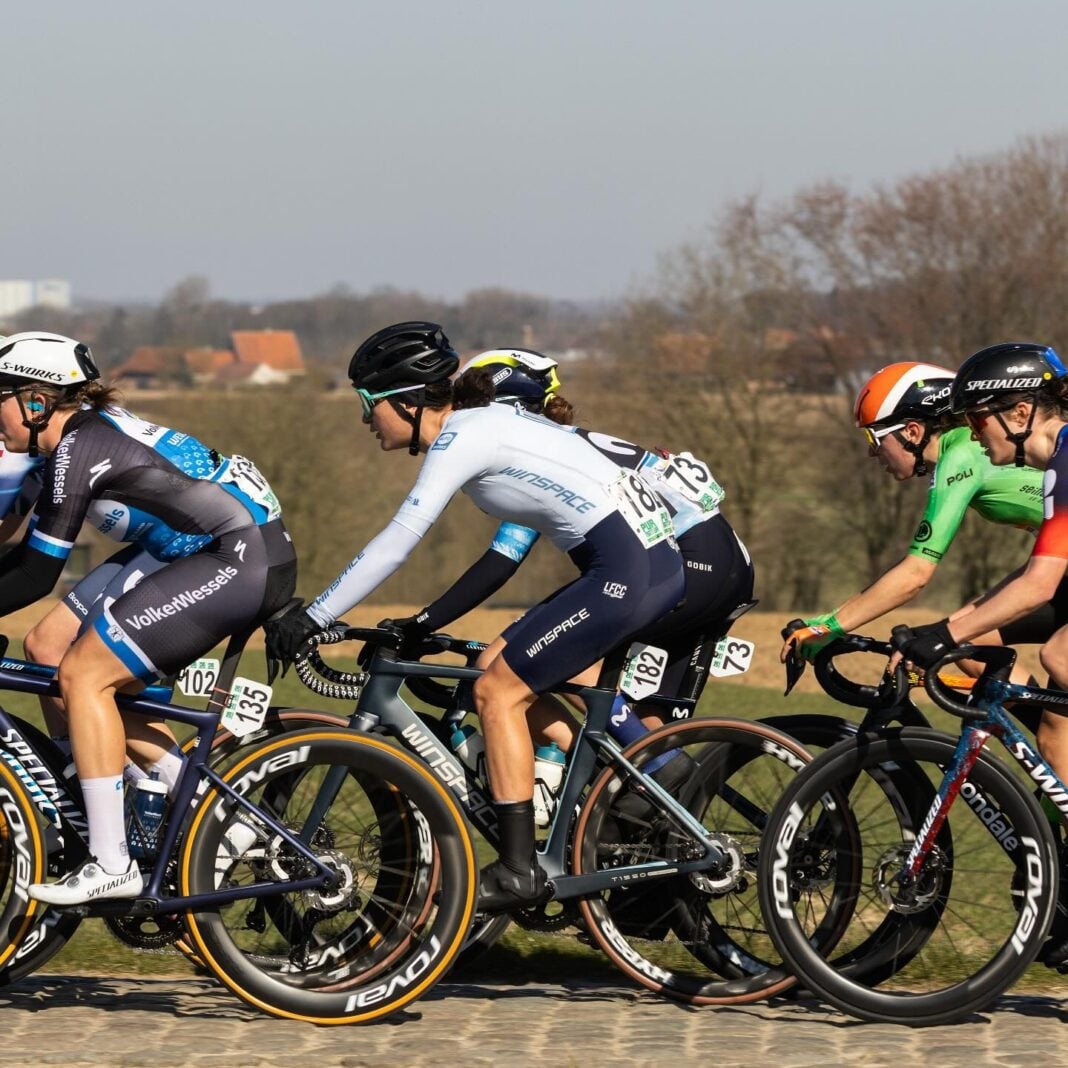
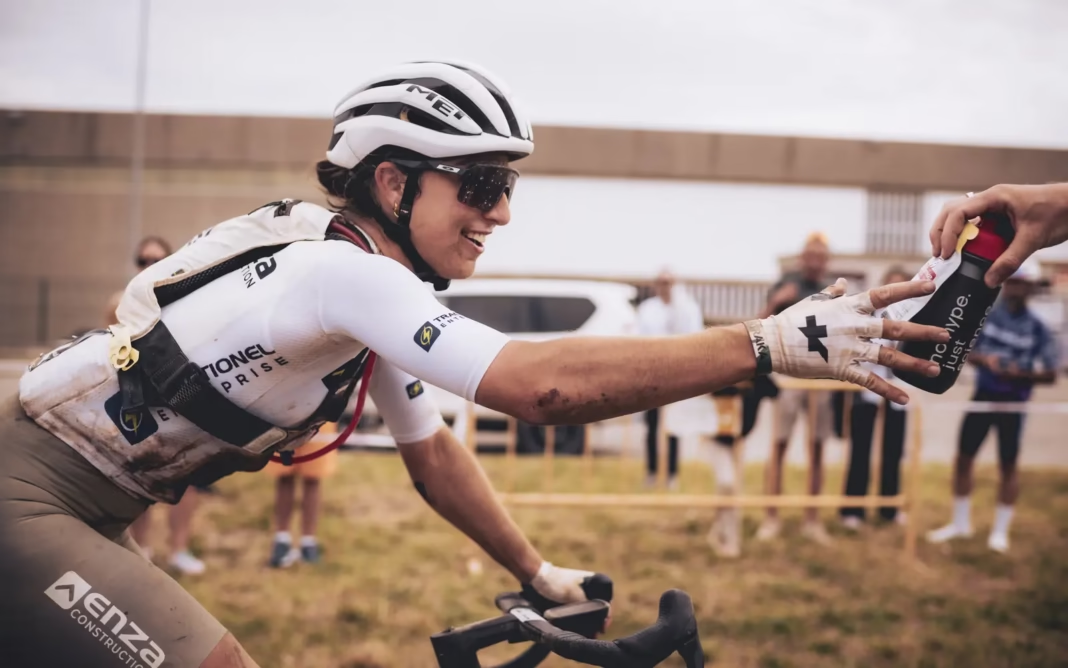
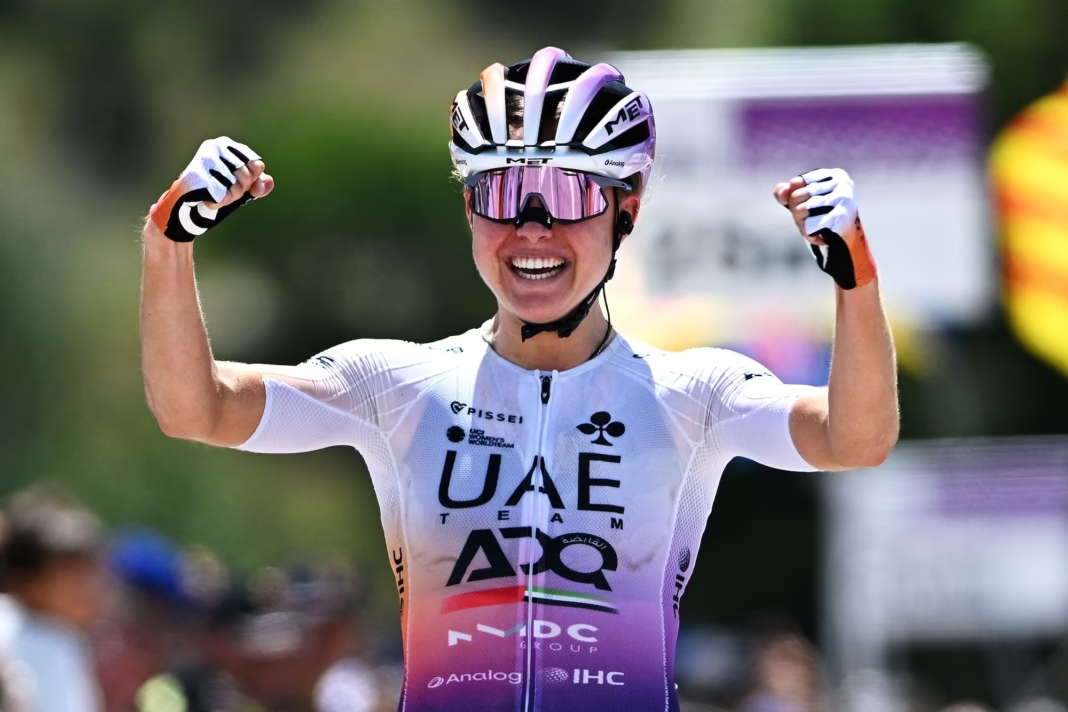
The current climbing hierarchy
The top of the list still starts with Demi Vollering. She is the most complete climber and the rider with the strongest body of evidence across the biggest races.
Behind her, Sarah Gigante has perhaps the clearest pure mountain talent, while Paula Blasi has now joined the elite conversation through a Grand Tour-winning performance on the Angliru. Marion Bunel looks like the strongest emerging French climber, and Anna van der Breggen remains dangerous because of her experience, tactical intelligence and still-high climbing level.
Then comes a deep group of riders who can win or shape major climbing races depending on terrain: Niewiadoma-Phinney, Muzic, Ostolaza, Berthet, Žigart, Stiasny, Bradbury, Realini, Fisher-Black and Reusser.
That depth is the real story. Women’s cycling no longer has a simple climbing pyramid with one or two obvious names and a large gap behind. It has specialists, all-rounders, young talents, returning champions and riders who are discovering their best level on the hardest climbs.
So who is the best climber in women’s cycling right now?
Demi Vollering is still the best climber in women’s cycling right now. Her range, consistency and ability to win on different types of climbs keep her at the top.
But the gap behind her is more interesting than it has been for years. Sarah Gigante may be the most dangerous rider on a pure summit finish. Paula Blasi has just proven she can win a Grand Tour on one of the most feared climbs in cycling. Marion Bunel looks like the next great French climbing project. Anna van der Breggen remains tactically formidable. Kasia Niewiadoma-Phinney, Evita Muzic, Usoa Ostolaza and others make the second line stronger than ever.
The best climbing races are not built around one dominant rider and everyone else waiting for damage limitation. They come when several riders believe they can win, and when different types of climbs create different answers.
Right now, Vollering remains the benchmark. But the mountain picture underneath her is changing quickly.

