
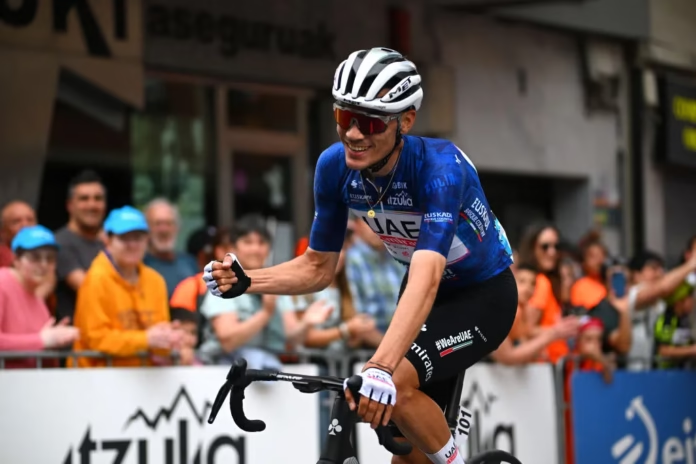
The Tour Auvergne – Rhône-Alpes 2026 arrives with the feel of a serious Tour de France rehearsal. The rebranded race still occupies the familiar early-June position in the calendar, but the 2026 route gives it a particularly sharp identity: an eight-stage WorldTour race with a team time trial in Perreux, then three consecutive uphill finishes at Crest-Voland, Grand Colombier and Plateau de Solaison.
That structure should reward complete squads rather than isolated leaders. The team time trial can open the first significant gaps, the hilly stages give attackers room to shape the race, and the final mountain block should expose which GC riders are genuinely ready for July. For the full terrain breakdown, our Tour Auvergne – Rhône-Alpes 2026 full route guide covers all eight stages in detail.
The startlist also gives the race real depth. João Almeida, Juan Ayuso, Carlos Rodríguez, Oscar Onley, Cian Uijtdebroeks, Mattias Skjelmose, Matteo Jorgenson, Ben Healy, Pello Bilbao, Santiago Buitrago and Isaac del Toro all bring GC quality, while Wout van Aert, Michael Matthews, Julian Alaphilippe, Bryan Coquard and Ethan Hayter ensure the non-mountain days should carry plenty of interest too.
For wider context, our beginner’s guide to Tour Auvergne – Rhône-Alpes 2026 explains how the renamed race fits into the season, while the full start list for Tour Auvergne – Rhône-Alpes 2026 tracks the confirmed riders. UK broadcast details are covered in our guide on how to watch Tour Auvergne – Rhône-Alpes 2026 in the UK.
Alpecin-Premier Tech
Alpecin-Premier Tech arrive with Gal Glivar and Hugo Houle, giving them a squad that looks more suited to opportunism than a full GC campaign. Glivar is the more intriguing long-term climbing card, especially if the race becomes fractured on the middle stages before the final mountain block. He may not be one of the headline names in a field this deep, but the route offers chances for riders who can make the right break before the GC teams fully tighten control.
Houle gives the team experience, durability and road captaincy. On a route with a team time trial and several long, awkward stages, that matters. The realistic target may be a breakaway stage rather than the final top 10, but Alpecin-Premier Tech should still have enough range to be visible across the week.
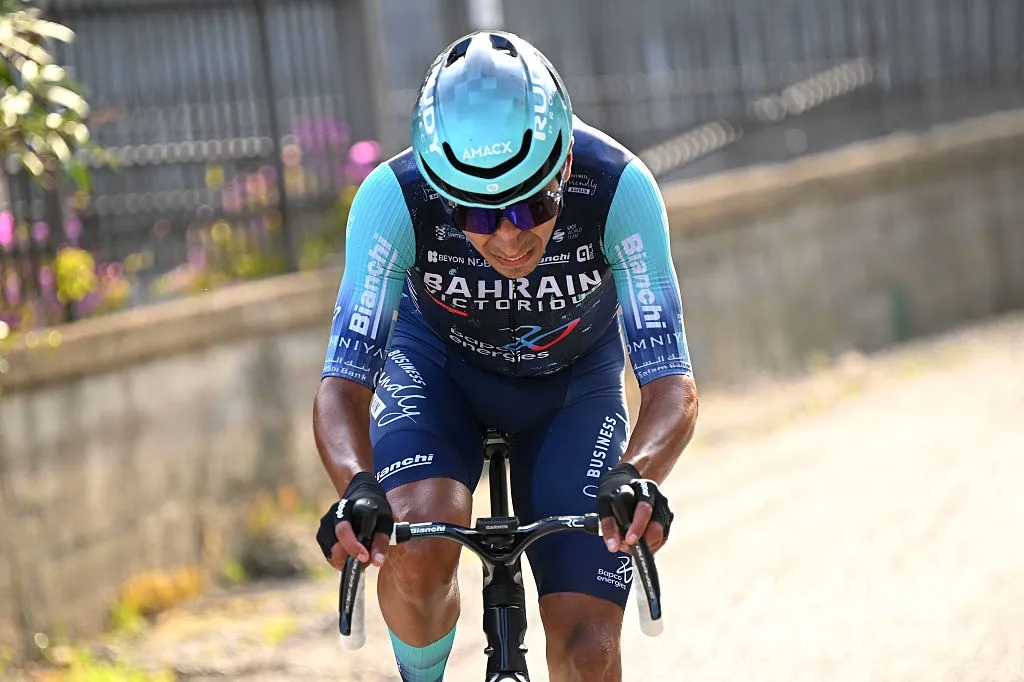
Bahrain Victorious
Bahrain Victorious have one of the most balanced groups in the race, with Pello Bilbao, Santiago Buitrago and Matej Mohorič all listed. Bilbao gives them a proven stage-race option, especially on days where repeated climbing and technical descents reward experience as much as pure climbing numbers. Buitrago is the more natural high-mountain threat and could become the team’s strongest GC card if he handles the team time trial well.
Mohorič changes the complexion of the squad. He may not be the rider they build around for Grand Colombier or Plateau de Solaison, but he is one of the best riders in the field for chaotic terrain. If one of the earlier hilly stages opens up for a long-range move, Bahrain have a rider who can make that kind of day stick.
Caja Rural-Seguros RGA
Caja Rural-Seguros RGA have Jan Castellon, which points towards breakaway ambitions rather than GC control. In a race this stacked with WorldTour GC leaders, the Spanish ProTeam will need to be selective about where they spend energy.
The best opportunities may come before the final three stages. Once the race reaches Crest-Voland, Grand Colombier and Plateau de Solaison, the strongest teams should take over. Caja Rural’s week will likely be judged on visibility, aggression and whether they can place a rider into a move on one of the more open transition stages.
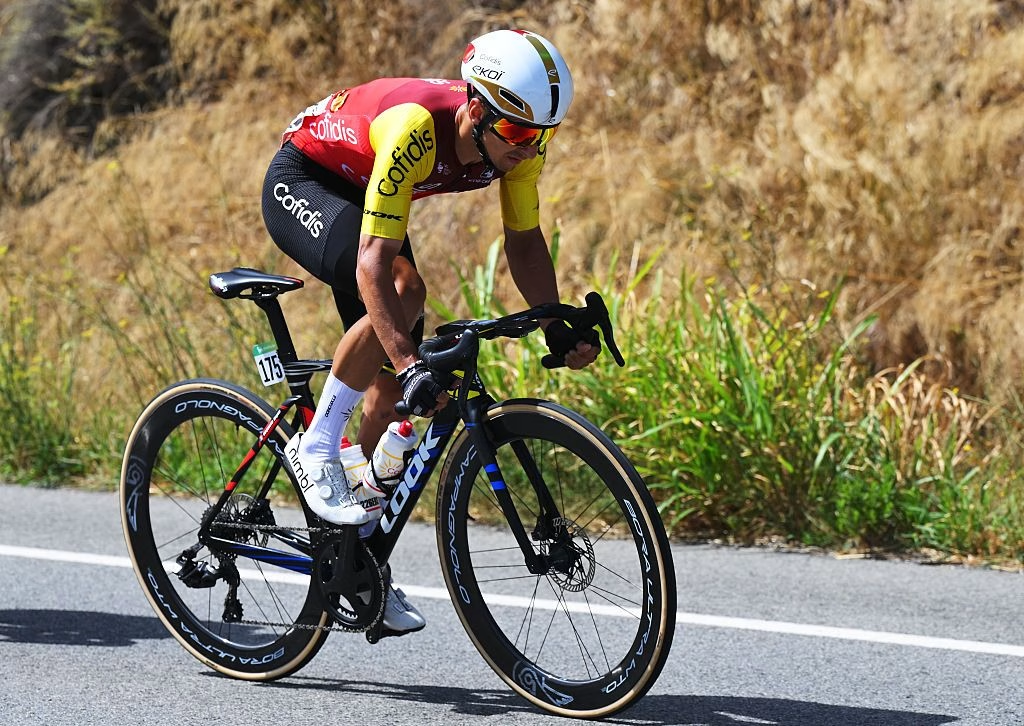
Cofidis
Cofidis bring Bryan Coquard, Louis Rouland and Benjamin Thomas, which gives them a useful mix for the faster and more tactical stages. Coquard should be their main option if the race produces reduced sprints, particularly before the mountains take over. He will need the climbs to be controlled rather than savage, but the less severe stages look much closer to his range than the final weekend.
Benjamin Thomas is the rider who gives Cofidis more tactical elasticity. He can time trial, survive hard terrain and contribute strongly in the team time trial. Rouland adds another French option for breakaways. Cofidis may not have an obvious podium GC contender, but they have enough intelligence and variety to come away with a result if the race briefly escapes the GC script.
Decathlon CMA CGM Team
Decathlon CMA CGM Team have one of the most interesting line-ups in the race. Léo Bisiaux, Aurélien Paret-Peintre, Matthew Riccitello and Paul Seixas give them youth, climbing quality and several possible routes into the top 10.
Seixas is the name that will attract plenty of attention. A race with a team time trial and three uphill finishes is a demanding test, but it is also the kind of environment where a young French climber can measure himself against the next level. Riccitello brings a similar climbing profile and could be dangerous if the race becomes selective before the final climbs.
Aurélien Paret-Peintre gives the squad proven French stage-race experience. He may be the stabilising presence around the younger riders, especially across the final three stages. Decathlon do not necessarily need to nominate one leader immediately. Their strength may come from having multiple riders who can stay close and then let the road decide.
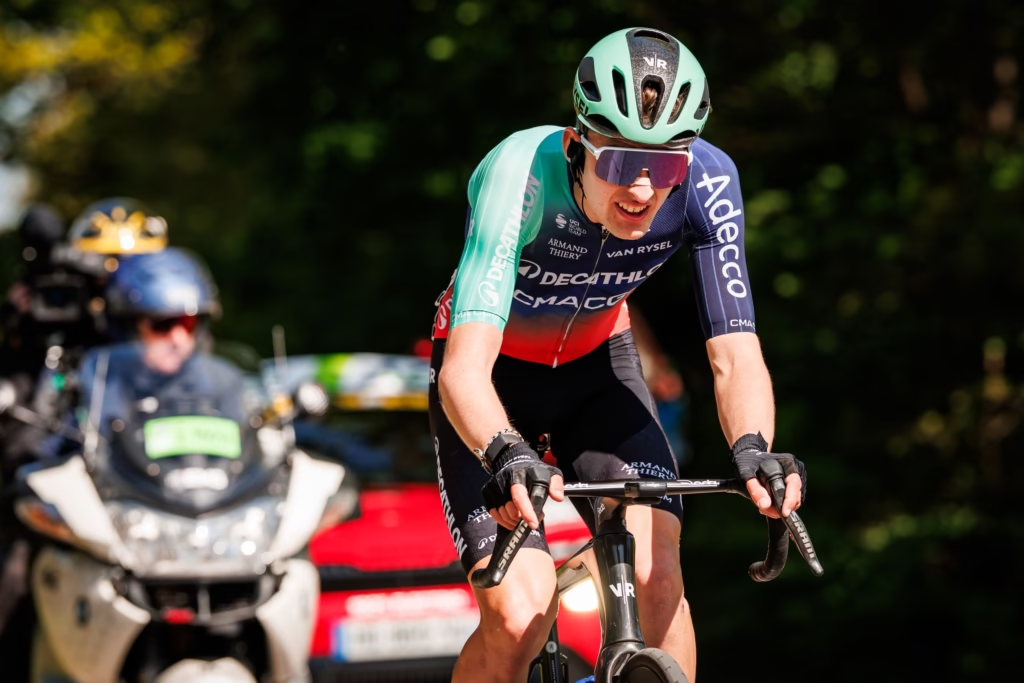
EF Education-EasyPost
EF Education-EasyPost have a sharp and aggressive trio in Alex Baudin, Ben Healy and Georg Steinhauser. Healy is the obvious headline rider because this race offers the kind of terrain where his attacking style can create real problems. He may not want a purely controlled GC race, but if there are stages where hesitation appears between the favourites, he is exactly the sort of rider who can take advantage.
Steinhauser adds climbing depth and has the engine for hard mountain days. Baudin gives the team another useful French option in a race where local motivation and stage hunting can matter. EF’s best pathway may be to refuse a passive GC race. If they wait for the biggest teams to dictate every mountain stage, they risk being outgunned. If they attack early, they can force others to make decisions.
Groupama-FDJ United
Groupama-FDJ United line up with Clément Berthet, Guillaume Martin-Guyonnet and Rudy Molard, giving them a distinctly French core for a major home stage race. Berthet looks like the most natural GC option. He climbs well enough to be relevant in the final block, and a race of this type could suit him if he can avoid time loss in the team time trial.
Molard gives the squad experience and tactical calm, while Martin-Guyonnet adds another young French presence. Groupama-FDJ United may not have the same obvious star power as UAE Team Emirates-XRG, Lidl-Trek, Netcompany INEOS or Team Visma | Lease a Bike, but they should be active. A stage win from a breakaway and a solid GC placing would both be realistic ambitions.
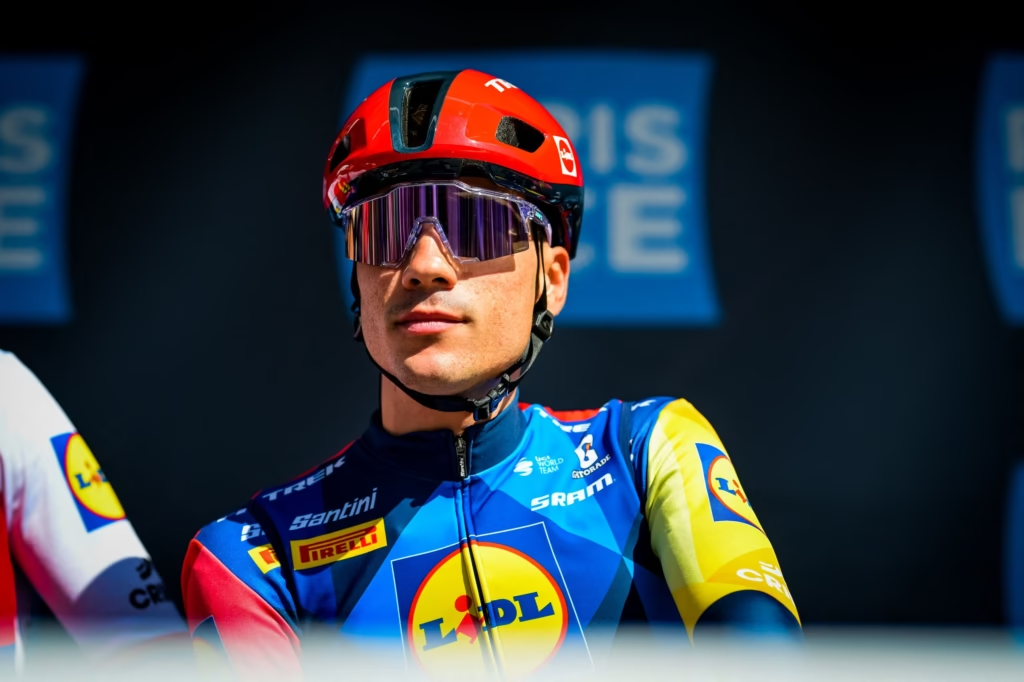
Lidl-Trek
Lidl-Trek may have the strongest dual-leader structure in the race, with Juan Ayuso and Mattias Skjelmose both listed alongside Toms Skujiņš. Ayuso gives them a genuine overall contender, especially with three summit finishes to close the race. If he arrives in form, he should be one of the riders expected to challenge for the podium.
Skjelmose gives the team a second high-level GC card and could be particularly dangerous if the race is still close after the team time trial. He is punchy enough for the earlier selective stages and climbs well enough to remain relevant deep into the mountains. Skujiņš is a valuable third piece because he can support, attack and handle complicated terrain. Lidl-Trek have the depth to shape the race, not just react to it.
Lotto-Intermarché
Lotto-Intermarché have Baptiste Veistroffer and Georg Zimmermann. Zimmermann is the more obvious stage-hunting option, especially on lumpy terrain where the pure GC teams may allow a strong breakaway to go. He has the durability to handle a long, difficult week and enough climbing strength to stay in the game on selective days.
Veistroffer gives the squad another useful option, but the team’s ceiling may depend on how aggressive they are before the final weekend. Once the race reaches the hardest summit finishes, the top GC squads should become difficult to disrupt. Lotto-Intermarché’s best chance is likely to come by anticipating rather than waiting.
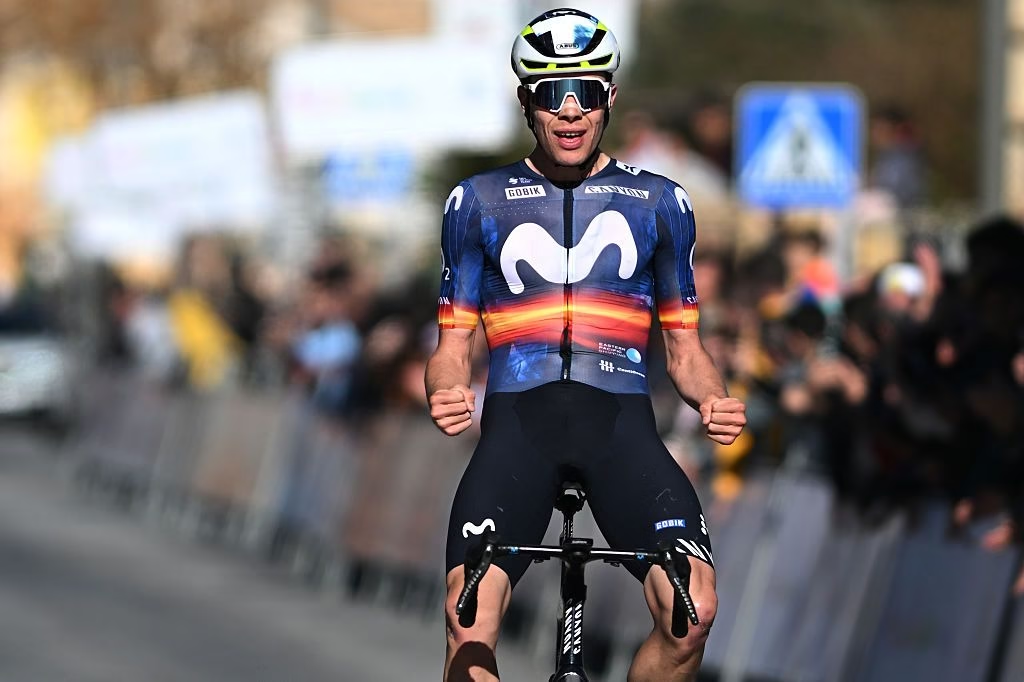
Movistar Team
Movistar Team bring Pablo Castrillo, Iván Romeo and Cian Uijtdebroeks, a line-up that gives them a clear GC direction. Uijtdebroeks is the obvious overall candidate. The route suits a steady climber who can recover across repeated mountain stages, and the final block gives him the terrain to move up if he stays close through the team time trial and earlier stages.
Castrillo gives Movistar another aggressive option. He can be dangerous from breakaways and may be useful if the race becomes tactical before the final climbs. Romeo’s time-trial strength could be valuable in the team time trial, and that stage may be especially important for Movistar’s GC hopes. Uijtdebroeks can climb with the best, but the team will need to protect him from unnecessary losses before the high mountains.
Netcompany INEOS
Netcompany INEOS have a formidable group with Dorian Godon, Oscar Onley, Carlos Rodríguez and Kévin Vauquelin. Rodríguez is the established Grand Tour-level name and should be viewed as one of the main contenders for the overall. The final three uphill finishes suit him well, especially if the race becomes a test of repeated climbing rather than one explosive day.
Onley gives the team another serious climbing option and could be more than a protected lieutenant. His progression has made him a strong candidate for races where steep summit finishes decide the standings. Vauquelin adds punch, time-trial ability and French relevance, while Godon brings strength for the earlier stages and team structure.
The challenge may be leadership clarity. Netcompany INEOS have several riders who can justify protection, which is a strength if managed well and a complication if the race splits unexpectedly. If they get the hierarchy right, they should be one of the most influential teams of the week.
The Tour de France relevance is also obvious here. Rodríguez and Onley are both riders who could use this race as a direct form check before July, which gives the squad’s performance added weight beyond the final standings. The wider July context sits in our Tour de France hub.
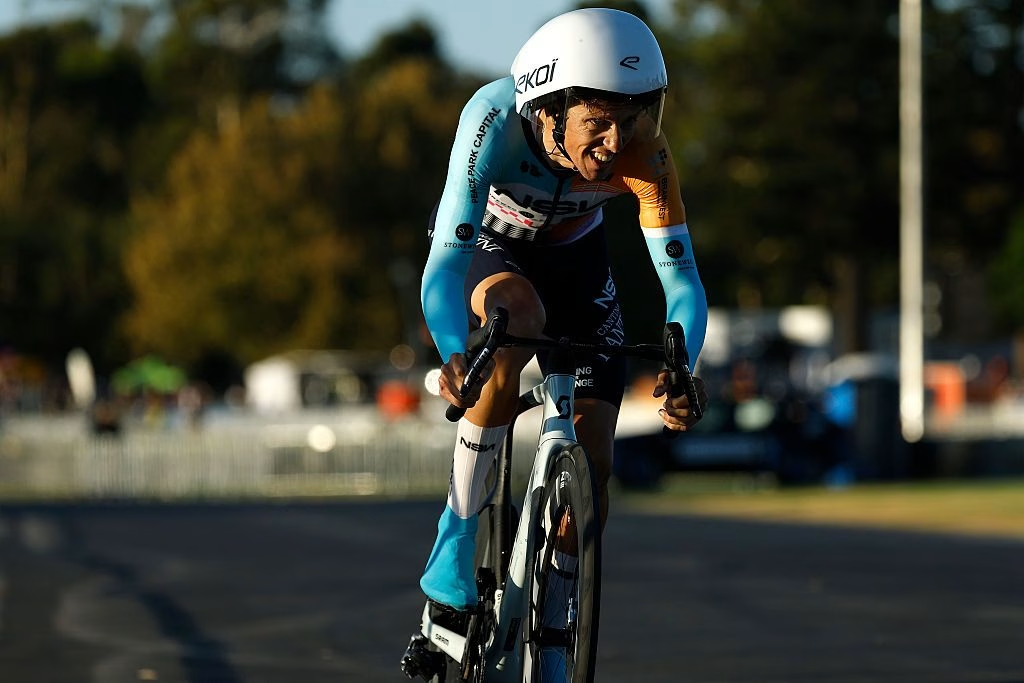 Photo Credit: Getty
NSN Cycling Team
NSN Cycling Team have George Bennett and Hugo Hofstetter, giving them two very different routes into the race. Bennett is the climbing card, although the depth of this GC field means a top overall placing would require a very strong week. He may be more dangerous if given some freedom on a mountain stage rather than tied only to a defensive GC plan.
Hofstetter is the faster option for reduced finishes and stages where the sprinters survive enough climbing to contest the result. The team may need to be opportunistic, because the pure sprint chances are limited and the mountain days are stacked with elite climbers. Their best race could come from splitting ambitions: Hofstetter for the earlier finishes, Bennett for the mountains.
Red Bull-BORA-hansgrohe
Red Bull-BORA-hansgrohe bring Daniel Martínez and Maxim Van Gils, a pairing that gives them both climbing depth and punchy aggression. Martínez is the more obvious GC rider. He has the mountain ability to be relevant on Crest-Voland, Grand Colombier and Plateau de Solaison, and he should be treated as a serious podium threat if he reaches the final block in good position.
Van Gils gives the team a different weapon. He can target punchier stages, bonus seconds and difficult finishes where the pure climbers may not have total control. That combination gives Red Bull-BORA-hansgrohe tactical flexibility. They do not need to ride one fixed race every day. Martínez can wait for the mountains, while Van Gils can make the earlier stages more complicated.
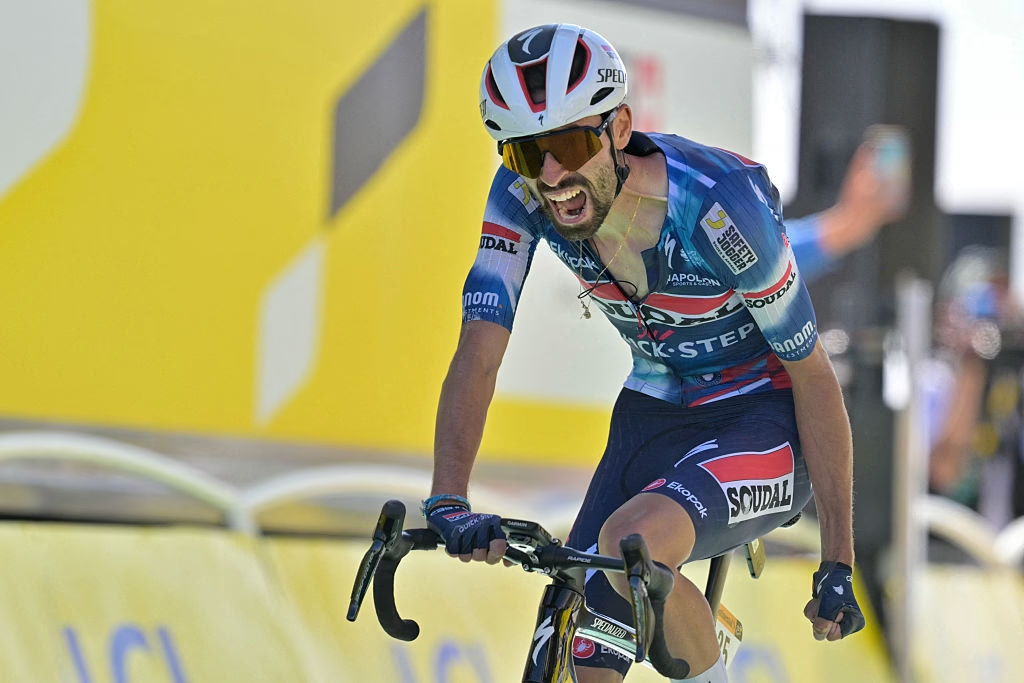 Photo Credit: Getty
Soudal Quick-Step
Soudal Quick-Step arrive with Ethan Hayter, Junior Lecerf and Valentin Paret-Peintre. It is a line-up with real stage potential. Hayter is the obvious rider for faster finishes and rolling stages, especially if the race produces a reduced sprint or a technical finale. The team time trial should also suit his skillset.
Lecerf is the developing GC and climbing option. A route this hard may be a demanding assignment, but it also gives him a chance to test himself against a high-quality field. Valentin Paret-Peintre adds another French climber who could be dangerous from the right breakaway. Soudal Quick-Step may not control the race in the mountains, but they have several ways to chase a stage result.
Team Jayco-AlUla
Team Jayco-AlUla have Michael Matthews and Luke Plapp, giving them a strong mix of stage-hunting and GC ambition. Matthews is well suited to hard, reduced finishes before the race reaches the summit-finish sequence. He does not need a flat sprint to win. In fact, a harder day that removes the pure sprinters can put him in a much better position.
Plapp is the more interesting overall question. His 2025 Giro d’Italia stage win came from a huge solo effort, and his ability to sustain power on hard terrain makes him a genuine threat if the race opens up. The team time trial should also suit him. If he climbs consistently across the final three days, he could become one of the more dangerous riders outside the most obvious GC favourites. His Giro breakthrough is covered in our report on Luke Plapp’s solo stage 8 win at the 2025 Giro d’Italia.
Team Picnic PostNL
Team Picnic PostNL have Alexy Faure-Prost, which points towards development, breakaways and selective stage opportunities. The race is extremely hard for a lightly represented squad, especially with so many major GC leaders present.
The best pathway is likely aggression before the final mountain block. Faure-Prost will need to choose the right day, because once the favourites begin racing for overall time, it becomes harder for smaller teams to impose themselves. A breakaway on one of the middle stages may be the most realistic opening.
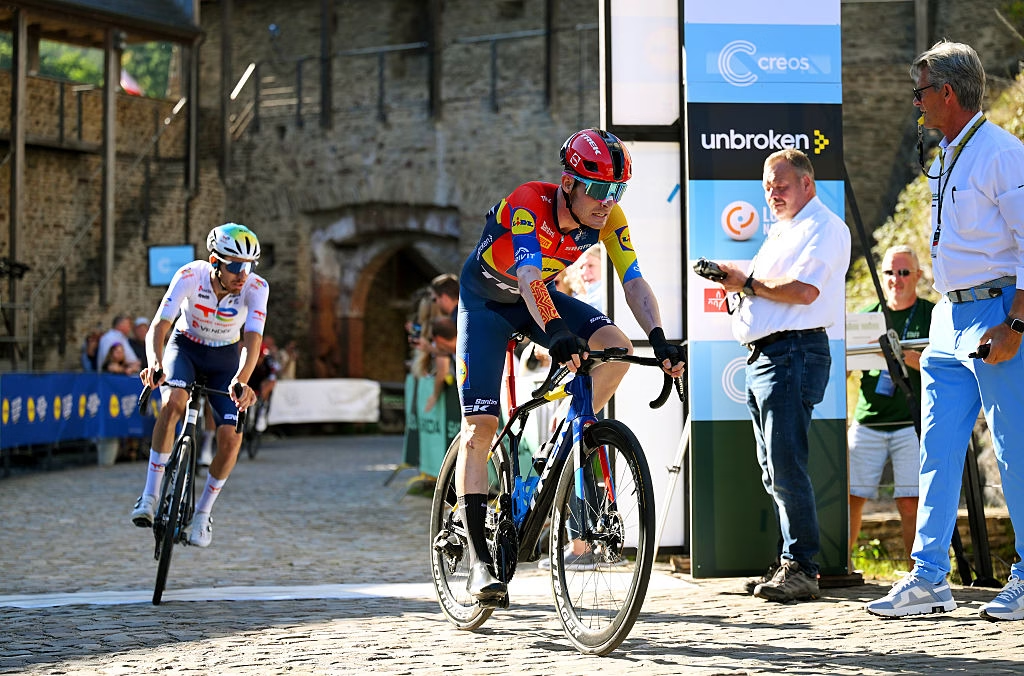
Team TotalEnergies
Team TotalEnergies bring Mathieu Burgaudeau and Jordan Jegat, a pairing that gives them good options for breakaways and rolling stages. Burgaudeau is the rider with the punch for reduced finishes and tactical days, while Jegat gives the team a stronger climbing profile.
This could be a productive race for TotalEnergies if they are proactive. They are unlikely to control the biggest mountain stages, but they do not need to. Their best chance is to place riders into moves before the GC teams decide the race has become too important to allow freedom.
Team Visma | Lease a Bike
Team Visma | Lease a Bike have a fascinating line-up with Bruno Armirail, Matteo Jorgenson and Wout van Aert. Jorgenson should be their GC leader and one of the main overall contenders. The route suits him because it asks for more than just climbing. The team time trial, long early stages, tactical transitions and final mountain block all reward a rider who can handle a complete week.
Van Aert gives the team a major additional weapon. He can target stages, contribute heavily in the team time trial and support Jorgenson deep into difficult terrain. He also changes how other teams have to race, because he is too dangerous to let go easily on many profiles.
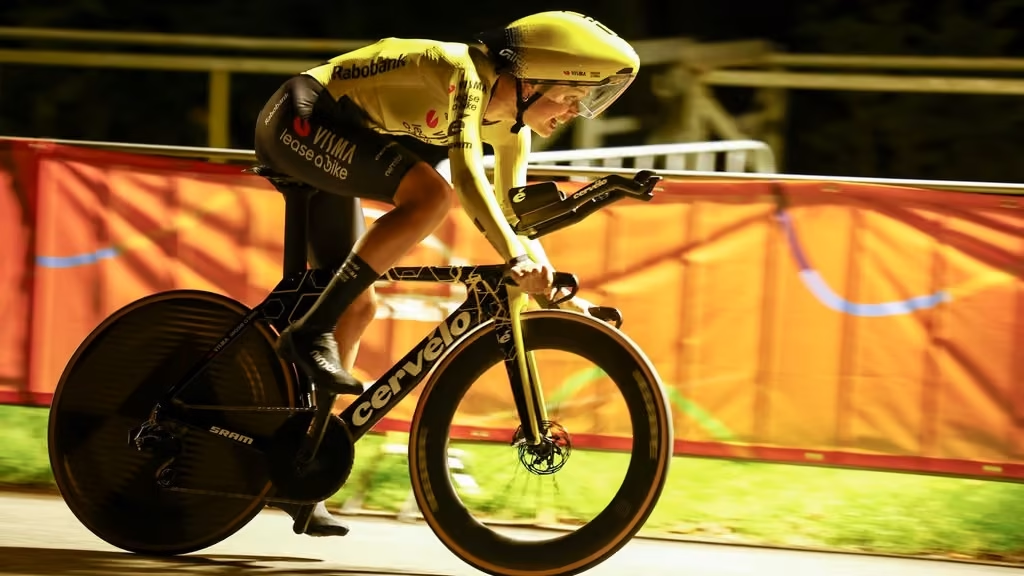
Armirail adds time-trial strength and engine-room support. Team Visma | Lease a Bike may not have the deepest mountain line-up on paper, but the quality of Jorgenson, Van Aert and Armirail makes them one of the most important teams in the race.
 Photo Credit: Getty
Tudor Pro Cycling Team
Tudor Pro Cycling Team bring Julian Alaphilippe, Matteo Trentin and Yannis Voisard, which gives them a strong stage-hunting identity. Alaphilippe is still the headline name, and this route gives him several possible openings. The hardest summit finishes may be beyond his best GC range, but hilly stages, technical finales and breakaways all suit his instincts.
Trentin brings experience, positioning and sprint strength for reduced groups. Voisard is the climbing option and could become important if Tudor commit to a mountain breakaway. This team should not be judged solely on GC. Their best week probably involves racing aggressively and trying to win a stage before the pure climbers lock down the final weekend.
UAE Team Emirates-XRG
UAE Team Emirates-XRG have one of the strongest squads in the race, with João Almeida, Benoît Cosnefroy, Isaac del Toro and Pavel Sivakov. Almeida is an obvious GC leader. His strength is consistency, pacing and resilience across hard stage races, and the final three summit finishes should suit a rider who can keep producing day after day.
Del Toro gives UAE another high-ceiling option. He has the climbing ability and confidence to shape the race if given freedom, and he may also provide a second GC threat if Almeida is marked closely. Sivakov adds further climbing support and could be a protected rider in many other line-ups. Cosnefroy gives the team a punchier option for earlier stages and reduced finishes.
UAE Team Emirates-XRG should be one of the teams expected to influence the overall race. The question is not whether they have enough talent, but how they distribute it across Almeida’s GC challenge, Del Toro’s ambition and possible stage opportunities.
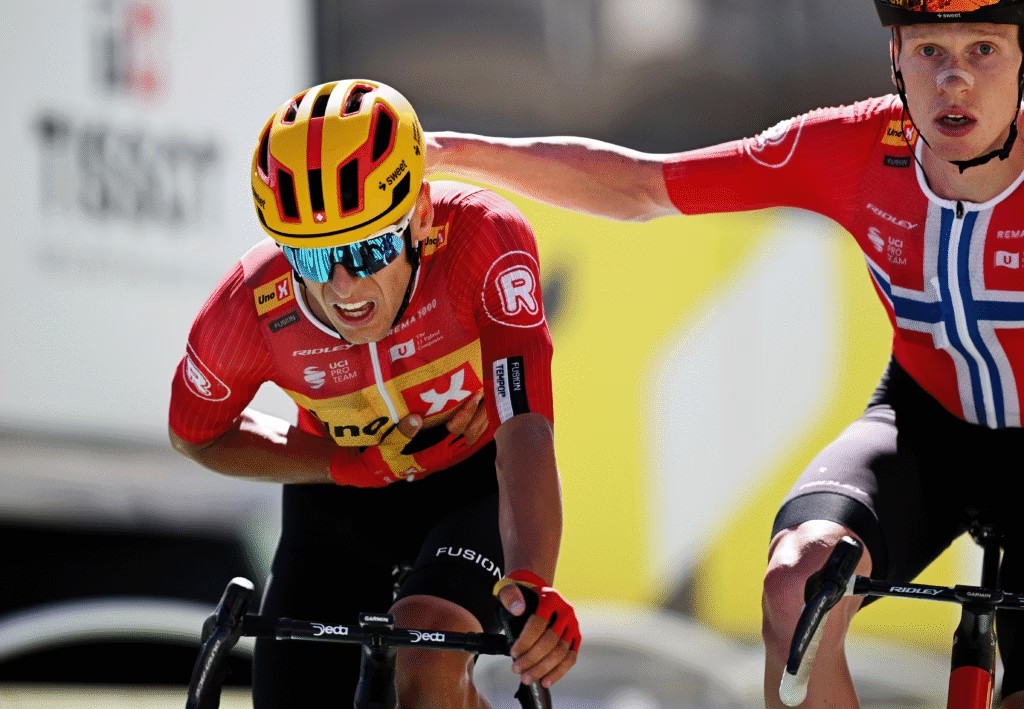 Photo Credit: Getty
Uno-X Mobility
Uno-X Mobility list Anthon Charmig and Tobias Halland Johannessen, giving them a strong Scandinavian climbing core. Tobias Halland Johannessen is the main name to watch. On his best days, he has the climbing sharpness to follow strong groups and the aggression to take opportunities when the race breaks open.
Charmig gives the team another climber who can be useful in breakaways or support. Uno-X may not have the depth of the biggest WorldTour squads, but they can make the race uncomfortable if they attack at the right time. Their best hope is likely a stage result or a strong GC ride from Tobias Halland Johannessen if he stays consistent through the final mountains.
XDS Astana Team
XDS Astana Team have Harold Tejada, and he gives them a clear climbing option. Tejada is the sort of rider who can become more visible as the race gets harder, especially if he finds the right breakaway or manages to stay close enough in GC to matter on the final climbs.
The challenge is team depth. Against squads like UAE Team Emirates-XRG, Lidl-Trek, Netcompany INEOS and Team Visma | Lease a Bike, Astana may struggle to control the race around him. That can also be freeing. If Tejada is allowed to race opportunistically, a mountain stage or high GC placing within the second tier of contenders is realistic.
-
 Photo Credit: Cor Vos
 -
 Photo Credit: Zac Williams/AusCycling
Tour Auvergne – Rhône-Alpes 2026 team-by-team guide summary
The strongest GC teams on paper are UAE Team Emirates-XRG, Lidl-Trek, Netcompany INEOS, Team Visma | Lease a Bike, Bahrain Victorious and Red Bull-BORA-hansgrohe. Almeida, Ayuso, Rodríguez, Jorgenson, Buitrago, Bilbao, Martínez, Skjelmose and Onley give the race serious depth, while Uijtdebroeks, del Toro, Healy, Riccitello, Seixas, Lecerf and Tobias Halland Johannessen add another layer of intrigue.
The team time trial could be the first major separator, especially for squads with strong collective engines. After that, the race should gradually move towards the climbers, with the final three uphill finishes likely to decide the overall. That gives the Tour Auvergne – Rhône-Alpes 2026 a familiar but compelling shape: early positioning, mid-race opportunity, then three days where the strongest climbers should finally be exposed.
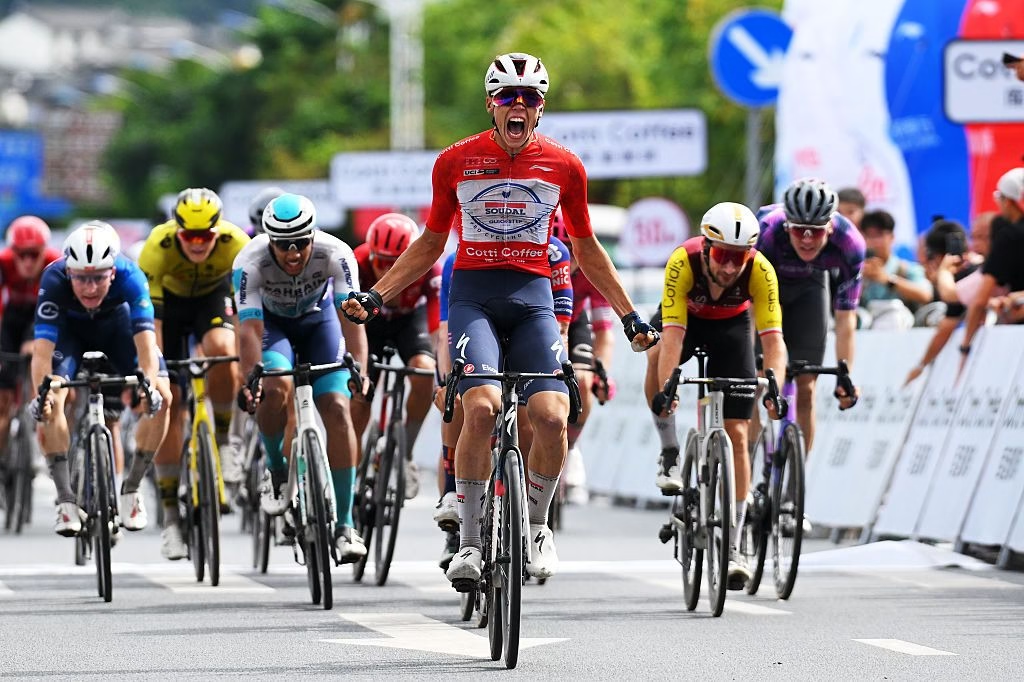
For stage hunters, the race still offers plenty. Van Aert, Matthews, Alaphilippe, Mohorič, Healy, Coquard, Hayter, Van Gils, Cosnefroy and Burgaudeau all give the non-GC days real quality. The overall winner may come from the final mountain block, but the race should be lively long before Plateau de Solaison.

