
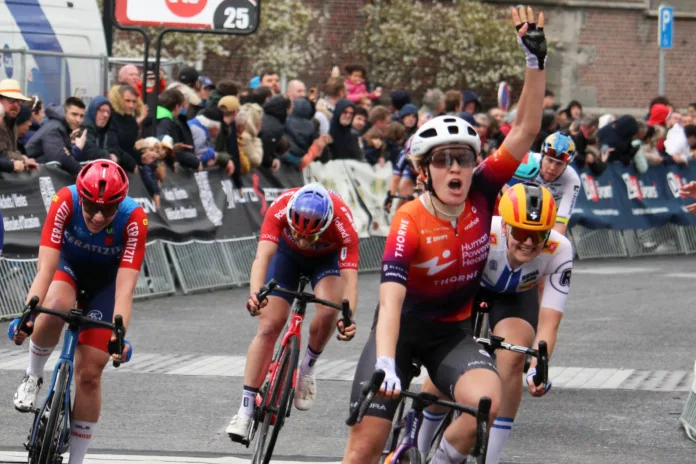
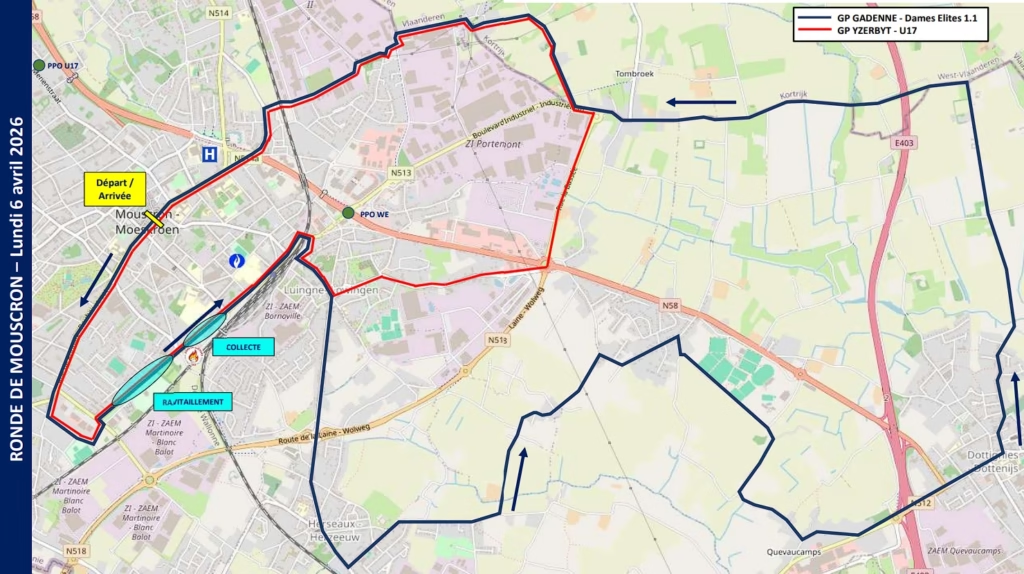
Ronde de Mouscron rarely needs much encouragement to turn messy. The roads are typically exposed, the racing is stop-start, and the finale has a habit of arriving with just enough fatigue in the legs to make positioning decisions feel irreversible. It is the sort of 1.1 that can look predictable on paper and then refuses to behave once the bunch hits the business end.
If you want a refresher on how this race tends to unfold, our 2025 Ronde de Mouscron race preview still gives the clearest feel for the terrain and the type of finale Mouscron tends to produce.
The sprint-first favourites: if it stays together, it gets fast
The most straightforward route to winning Mouscron is still the simplest: keep enough teammates deep into the finale, survive the frantic run-in, and launch a clean sprint.
Susanne Andersen is the headline act in that scenario. She reads messy finales well, she is comfortable fighting for position, and she is at her best when the finish is slightly dirtier than a pure drag race.
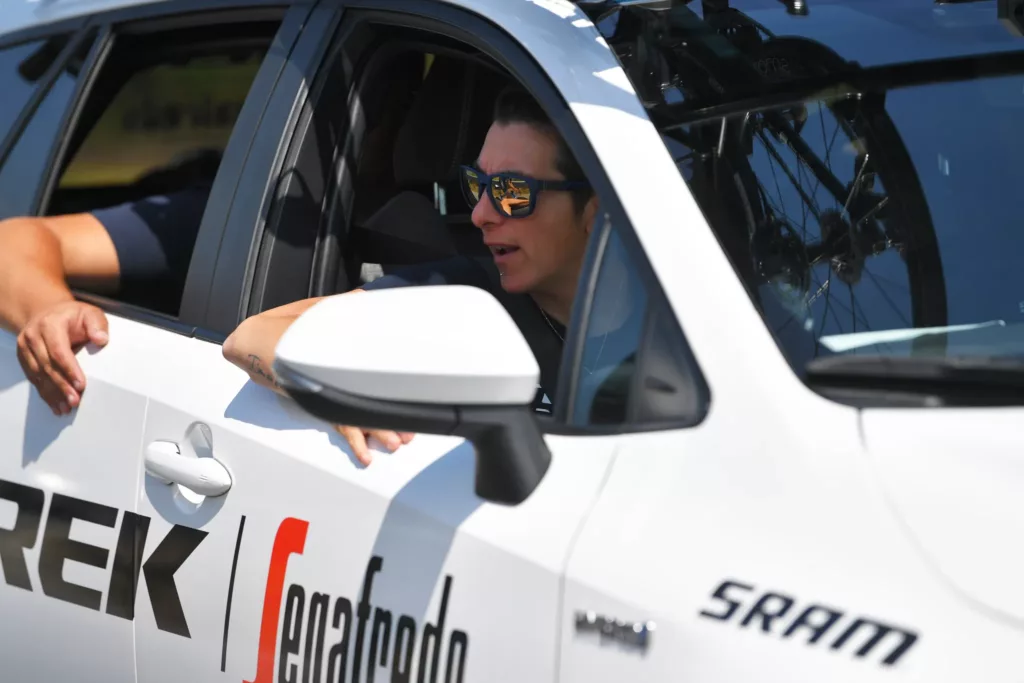
Lidl-Trek, meanwhile, look built for the “reduced bunch sprint” version of Mouscron. Fleur Moors has the punch and composure for a selective sprint if the race fractures late, while Clara Copponi gives them a more classic fast-finisher option if the final kilometres are controlled.
VolkerWessels are worth a close look in any sprint reading too. Scarlett Souren is one of those riders who can benefit from a hard, nervous day rather than be punished by it, and Amber van der Hulst can also get a result too. There is some hype about Florien Bolks but she is likely to be used in a leadout again.
The opportunists: when Mouscron turns into a race of moves
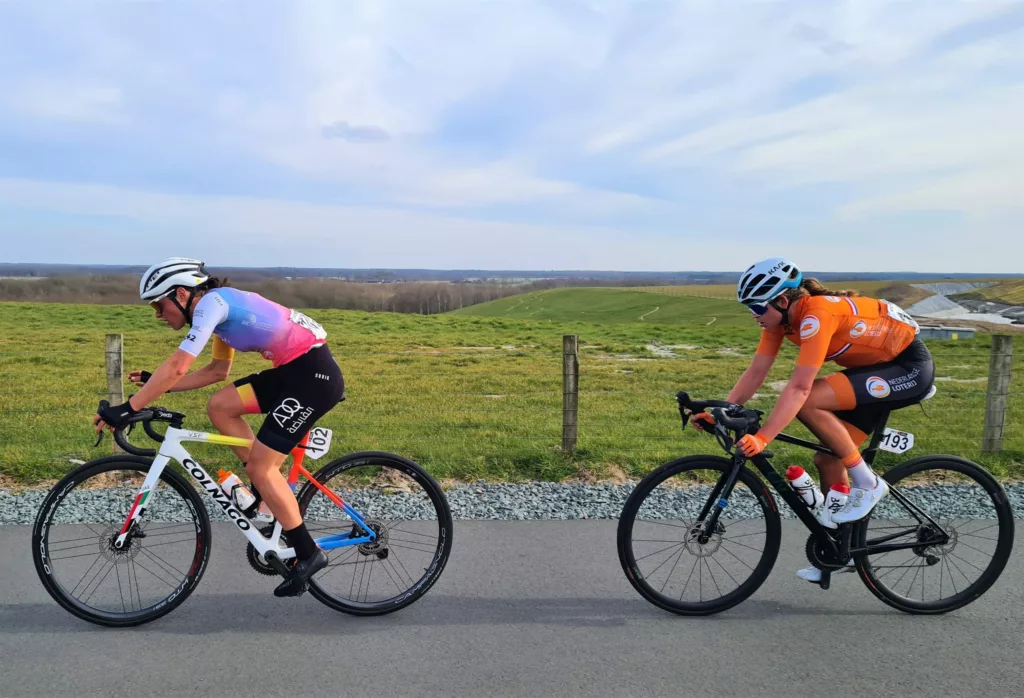
Mouscron often becomes a race where one decision, usually made with 10km to go or less, flips the script. If the bigger sprint teams hesitate or lose riders, the winner can come from the group that decides not to wait.
That is where riders like Nicole Steigenga and Marith Vanhove come into play. If the elastic keeps snapping, these are exactly the profiles who can surf the chaos and still have something left to commit late.
The riders who can make a result without a perfect finish
Not every contender needs a clean sprint or a solo move. Some riders achieve their result by repeatedly being in the right group when the race splits.
Olga Wankiewicz sits firmly in that bracket. She can ride through chaos, cope with repeated accelerations, and still finish strongly at the end of a rough day. Ginia Caluori is another name that fits Mouscron’s profile well. She is resilient in the churn, and often better when the race is attritional rather than tidy.

The British angle: Eilidh Shaw to watch
On the British note, Eilidh Shaw is exactly the sort of rider to watch in Mouscron because the result can come down to timing and positioning rather than pure top-end speed. If she is still there late, she is not a passenger.
If you want broader context on the kind of racing environment British riders have been navigating on the Conti and ProTeam tiers this season, this piece on Frankie Hall’s early-season 2026 breakthrough is a useful reference point for how quickly opportunity can open up when riders hit form early.
How this race is likely to be won
-
 Photo Credit: Cor Vos
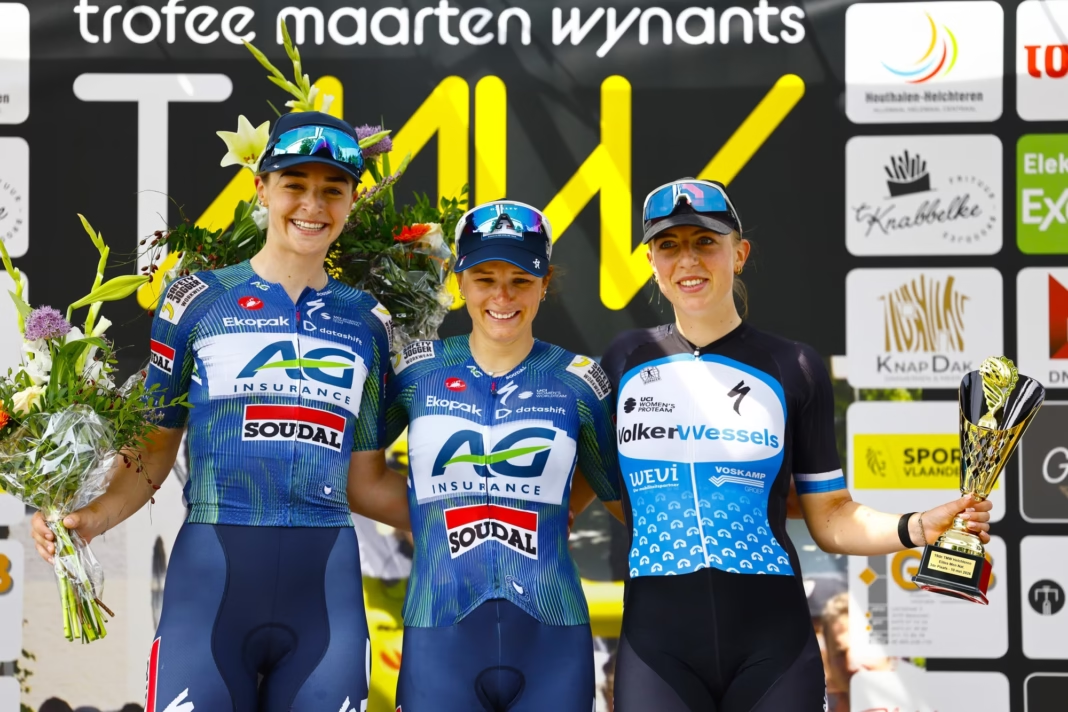
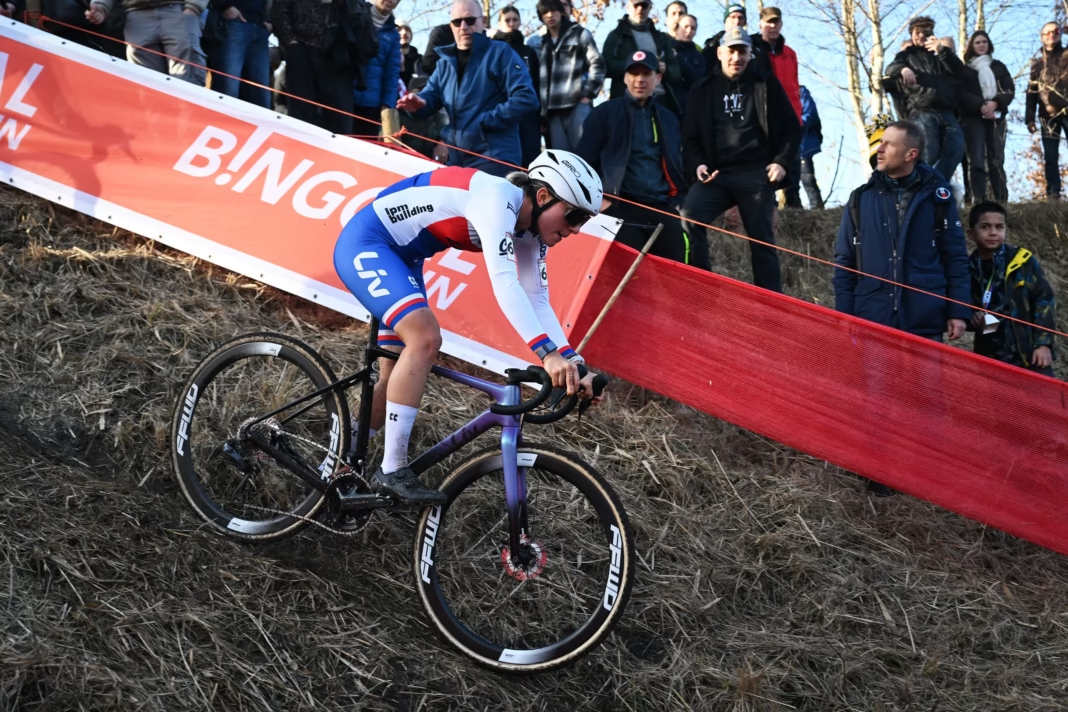
Mouscron usually resolves itself in one of two ways. Either a bigger group reaches the line and the best sprinter who still has a team left wins, or the late moves force a reduced finish where timing matters as much as speed.
If it stays together, Andersen, Moors and Copponi sit near the top of the list. If it becomes a race of moves and repeated selections, keep your eyes on the riders who stay calm when the bunch stops being a bunch, and on the teams willing to turn uncertainty into a weapon.

