
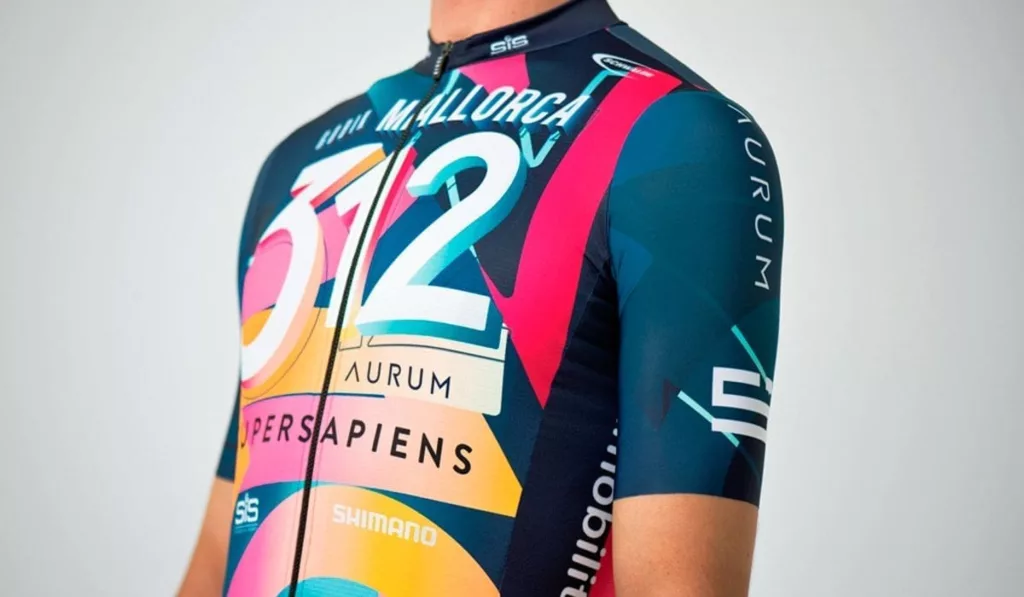
Mallorca 312 is a long-distance road event based in Platja de Muro, with mountain roads, sustained climbing and a substantial amount of time in the saddle. The next edition is scheduled for 24 April 2027. Choose your target around the riding you can prepare for, then build a plan that includes travel, food, equipment and the time spent stopped.
This is the event-planning guide. For the training build-up, use our Mallorca 312 training guide. Completing a shorter route well is a better goal than committing to 312km without the endurance, pacing or time margin to enjoy it.
Choose the distance using the correct edition
The 2026 event offered 312km, 226km and 167km routes. Those are useful reference points, but check the final 2027 routes, regulations and course guide before booking around a particular distance or cut-off. A date announcement does not confirm that every detail from the previous edition will remain unchanged.
Compare the total ascent and intermediate controls, not just the headline kilometres. Mountain riding can make the opening part slower than your usual flat-road average. Time spent waiting at the start, filling bottles and dealing with clothing also affects the margin you have later.
Travel and the days before the ride
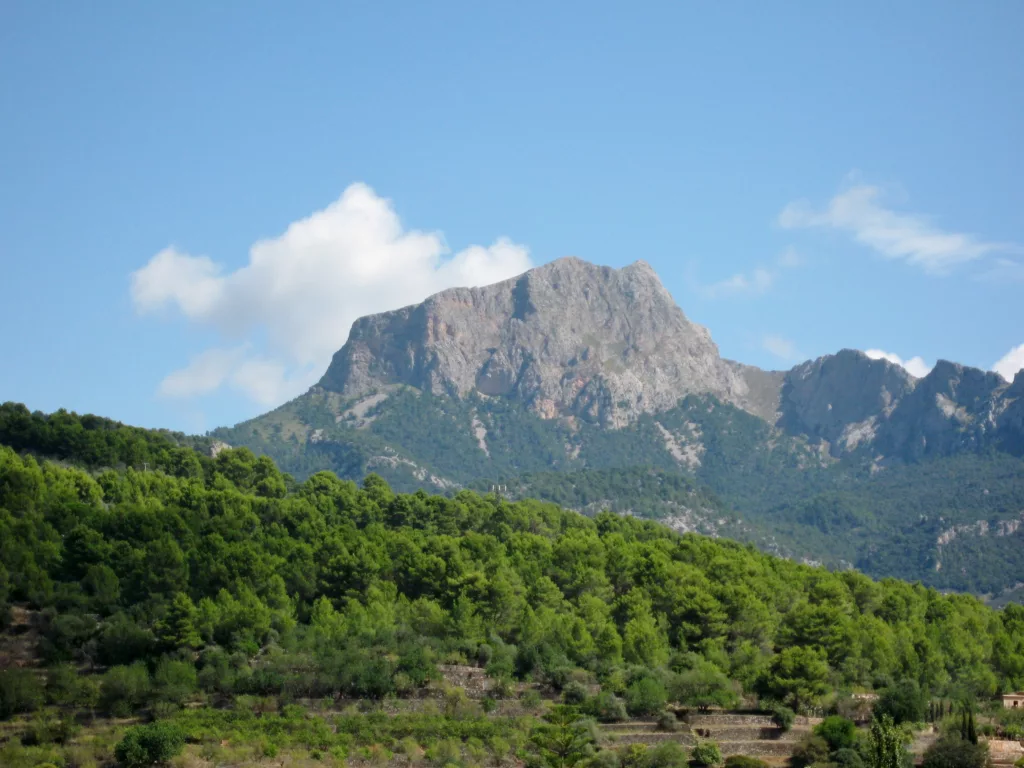
Allow time to collect your entry materials, assemble or collect the bike and do a short shakedown ride. Check the current collection requirements rather than assuming someone else can pick up your number. If hiring, confirm the frame size, gearing, pedals and collection arrangements well in advance.
Stay close enough to make the early start manageable, or establish how you will reach it with the bike. A long transfer on event morning adds another opportunity for delays. Plan breakfast around the start and the food you already tolerate, rather than copying another rider’s routine.
Check tyres, brakes, chain, gears and luggage attachments before travelling. Leave time for repairs instead of discovering a worn tyre at the last minute. Our tyre and valve guide is useful if you are using an unfamiliar pump or hire bike.
Pace the whole day
Keep early climbing controlled and avoid treating every passing group as one you must follow. A brief effort above your sustainable pace can be repeated surprisingly often in a large field. Choose a group whose speed and riding behaviour suit you, and leave room on descents.
Road closures during an event do not remove bends, surface defects, other participants or the need to follow marshals. Check the rules for what happens if you miss a control or are overtaken by the end-of-event vehicle. Do not assume closed roads and support remain available indefinitely.
Food, bottles and planned stops
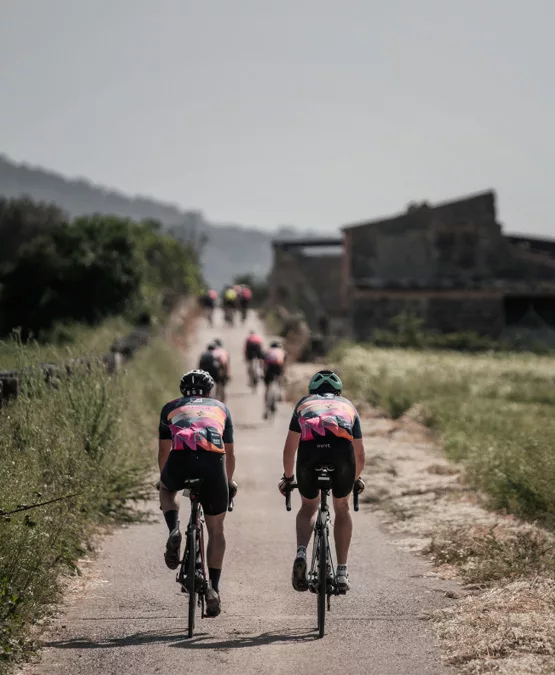
Practise your food plan on long training rides. Add together the carbohydrate in drinks, gels and solid food so you know what you are actually consuming. Carry familiar supplies for the first part and establish where you can refill, without relying on a particular product being available at every stop.
Our beginner’s cycling nutrition guide explains the basics. Feed stations are useful, but repeated unplanned stops can consume a large part of your time allowance. Decide what you need before arriving, refill and eat, then move clear of the route before checking clothing or equipment.
Clothing, cover and recovery
-
 Photo Credit: Cor Vos
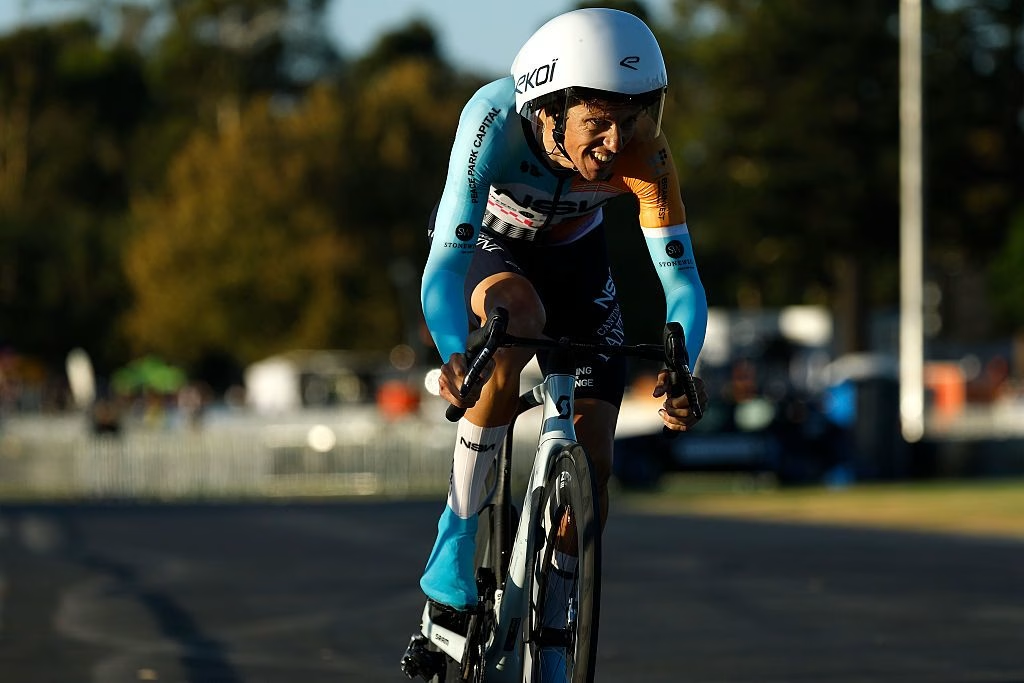
Prepare for a cool start and a warmer afternoon, while allowing for wind or rain in the mountains. Choose layers you can carry once removed. Use familiar shorts and contact points; new kit belongs on a rehearsal ride, not its first test over an entire event.
Check cycling and travel insurance for the event and the bike you are taking. After the finish, allow time to eat, change and recover before driving or packing. If your holiday also includes Sa Calobra, give that ride its own weather and fatigue assessment rather than automatically adding it the next morning.

