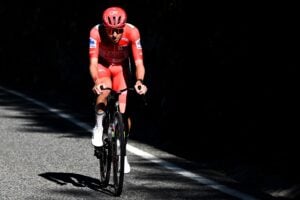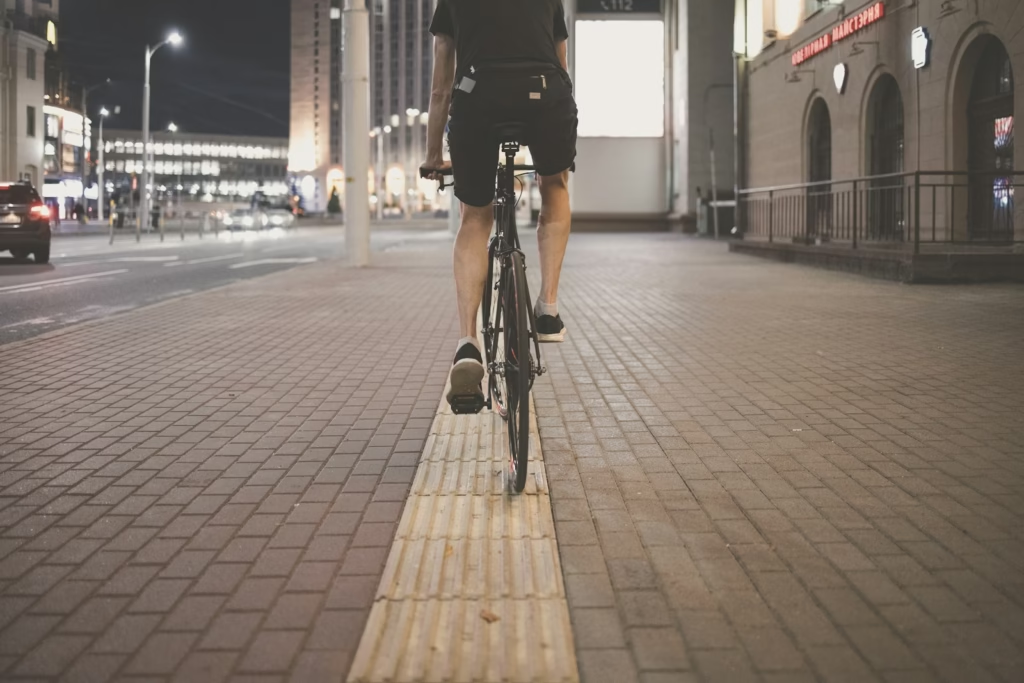
Riding through the darker months adds a different character to the daily commute. Roads feel quieter, the air sharper, and the familiar route takes on a new shape under streetlights. But darkness also increases risk. Visibility drops, reaction times tighten, and both cyclists and drivers rely more on predictable behaviour. With the right preparation, though, a dark commute can feel controlled, smooth and even enjoyable.
This guide sets out how to stay safe when daylight is limited, covering lights, visibility and the choices that make your route safer and easier to manage.
Lights that let you see and be seen
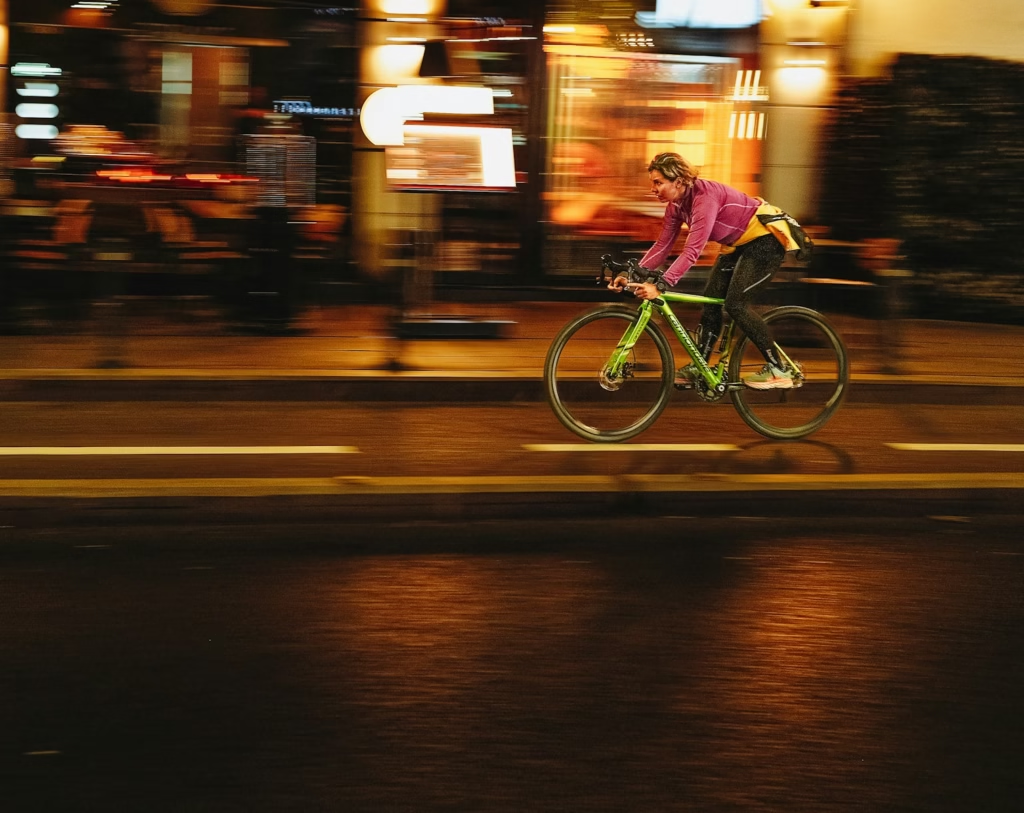
Lights are the foundation of safe winter commuting. They do two jobs: illuminate your route and make you visible from a distance. Relying on a single cheap set often leaves you under-prepared when the weather turns or batteries fade.
Choose the right front light
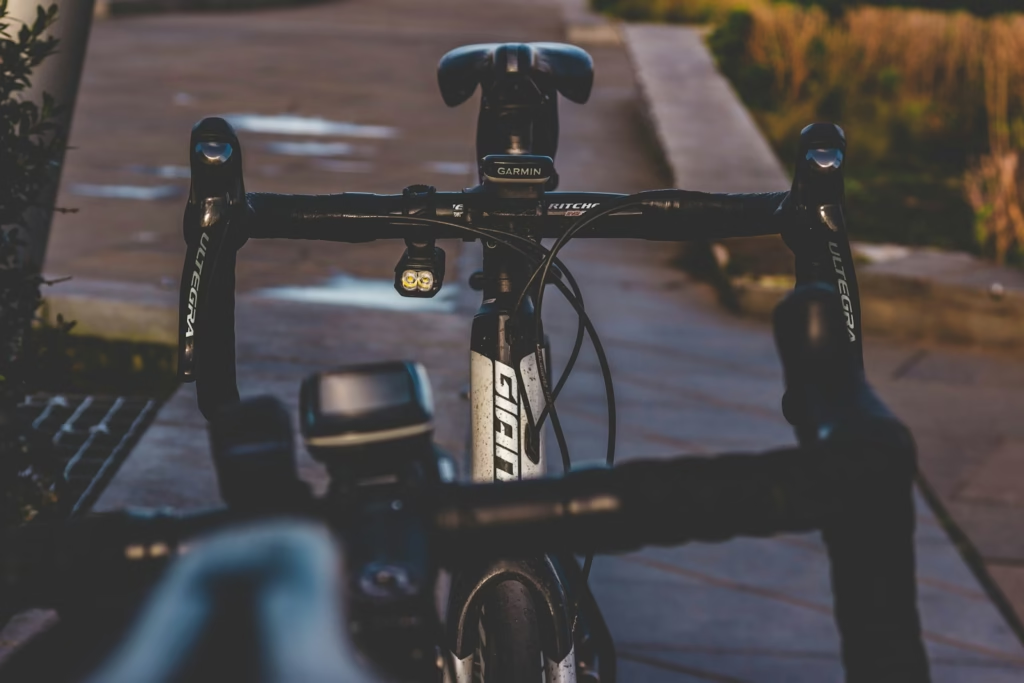
For unlit lanes or poorly lit cycle paths, you need a light designed to let you see the road surface clearly. A model rated 400 lumens or higher works well for most riders, while rural or fast descents may require more power. The beam pattern matters as much as brightness. A wide, even spread helps you spot potholes, gravel and wet leaves early.
For well-lit urban routes, a lower-powered front light is often sufficient as long as it provides clear visibility to other road users.
Rear lights for visibility
A strong, dependable rear light is essential. A steady mode helps drivers judge distance, while a flashing mode cuts through visual clutter in traffic. Many riders use both simultaneously. Mounting one on your seatpost and one higher on your bag or helmet increases visibility from different angles.
Redundancy matters
Batteries fail more often in cold weather. A commuting setup feels far safer when you run backup lights. Even a small, inexpensive secondary light can turn a potential problem into a minor inconvenience.
Charge lights overnight or at your desk. Make charging part of the routine, not a last-minute job.
Visibility beyond lights
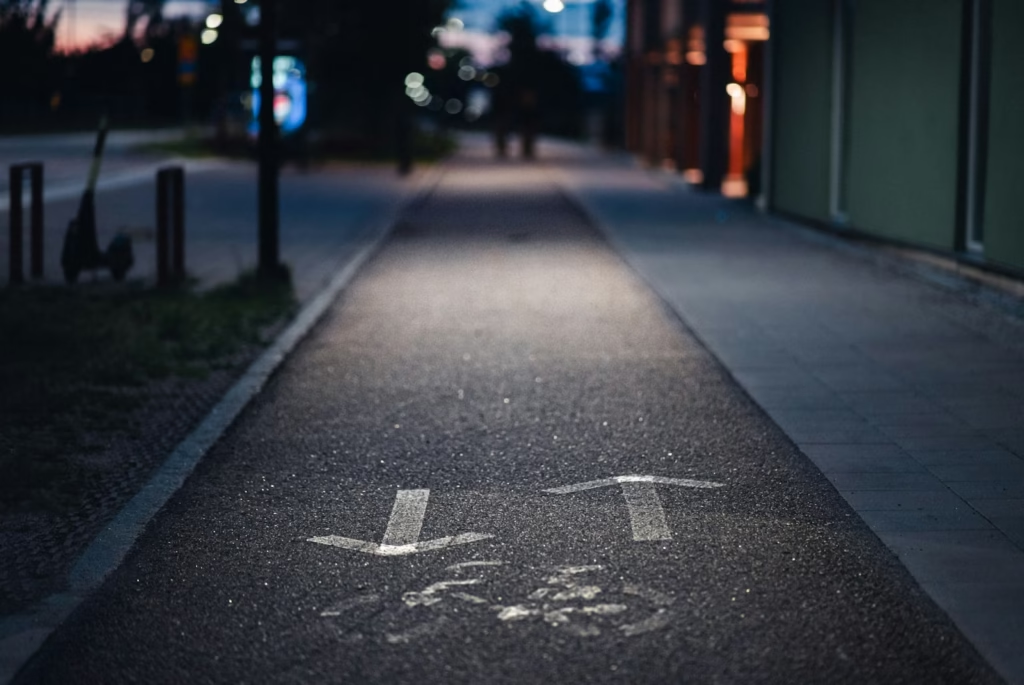
Good lighting is only part of the equation. Drivers rely on contrast, movement and reflection to identify cyclists in low light.
Clothing that works in the dark
You do not need a full high-vis kit, but a small amount of reflective material makes a big difference. Reflective ankle bands are particularly effective because they move with each pedal stroke. Reflective piping on jackets, gloves or bags offers visibility without compromising style.
The most visible commuters are often those with moving reflective elements, not the ones covered in bright colours.
Positioning for visibility
Where you ride on the road can be just as important. Holding a predictable line around one metre from the kerb keeps you out of the gutter, away from road debris and within the natural sightline of drivers. Avoid hugging the edge, especially in darkness, where potholes and uneven surfaces are harder to spot.
At junctions or roundabouts, take the centre of the lane so you are unmissable and drivers can read your intentions.
Route choice when daylight disappears
A route that feels perfect in summer may not be ideal in winter. Darkness changes your perception of speed, road surfaces and the behaviour of other road users. Reassessing your commute for the darker months can make the ride safer and less stressful.
Prioritise well-lit roads
Shifting your route slightly to take advantage of street lighting can transform your confidence. Well-lit roads reveal surface hazards earlier and reduce the risk of surprise movements by pedestrians or drivers.
Avoid fast, narrow lanes
Rural shortcuts that feel efficient in daylight can become risky when visibility drops. If you cannot see far enough ahead to react to oncoming traffic, consider an alternative, even if it adds a few minutes.
Use busier roads strategically
A busier road with consistent lighting and predictable traffic patterns can be safer than a dark, quiet road where drivers are not expecting to see cyclists. Familiarity and predictability matter more than absolute traffic volume.
Test your route at commuting time
Conditions at 5 pm are different from 11 am. Glare from car headlights, wet roads and leaf litter change the feel of the ride. Testing your route at the time you actually commute gives you a reliable sense of the demands.
How to signal clearly in low light
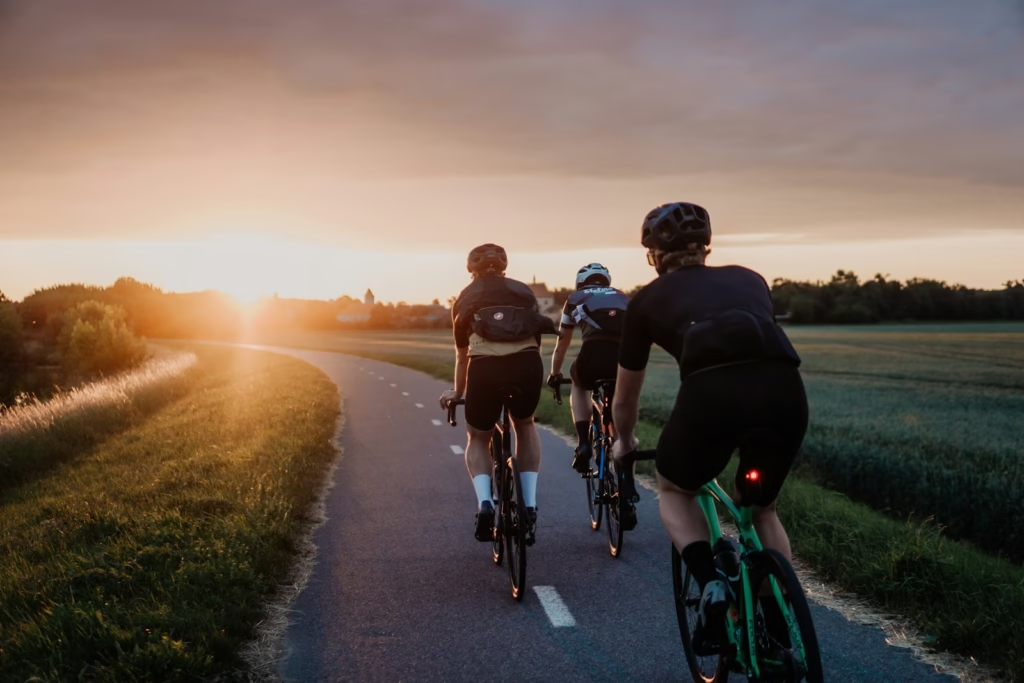
Hand signals are harder to see in the dark. Extend your arm fully and hold the signal longer than you would in daylight. Make movements deliberate rather than quick gestures. If your gloves have reflective patches, even better.
Shoulder checks matter more too. Drivers respond differently when they know you are aware of them.
Managing speed and space
Darkness compresses reaction time. Riding slightly slower than your usual pace is not a weakness; it is smart risk management. Give yourself space to respond to potholes, animals, pedestrians and cars pulling out unexpectedly.
On wet surfaces, braking distances increase. Avoid sudden movements and keep your tyres in good condition. A simple change to winter tyres with better puncture protection can dramatically reduce disruption during the season.
Build a routine that supports safe winter riding
Prepare your kit the night before so you are not rushing out the door with low batteries or missing gloves. Clean and charge your lights regularly, and check tyre pressure each morning with a quick squeeze. Small habits create reliability.
Many riders keep an emergency set of lights, a replacement tube and a thin reflective gilet in their bag all winter. These items weigh almost nothing but cover a wide range of unexpected situations.
Final thoughts
Dark commutes require more thought than summer rides, but with the right lights, clear visibility and smart route choices, they can feel calm, predictable and even enjoyable. The rhythm of pedalling through quiet streets or country lanes in the dark has its own atmosphere. Safety comes from preparation: powerful lights, reflective details, deliberate positioning and choosing roads that support visibility and confidence.
Once these elements are in place, the dark commute becomes another part of your riding routine rather than something to endure. It becomes a reliable, steady way to begin and end the working day.