

The USA and Canada are made for cycling trips that feel bigger than the rides themselves. The scale is the headline. You can spend a week in one valley and still leave roads unridden, or build a multi-base trip that shifts from coast to mountains to wine country without ever repeating the same type of day. Canada tends to deliver the cleanest “big nature” riding: long, quiet highways through mountain parks, lakes, and forests, with climbs that feel steady and honest. The USA offers almost every riding style in one country, from high-altitude climbing in Colorado to coastal endurance routes in California, and from the deep green roads of New England to the wide-open hills of Texas.
This hub is designed to help you choose a base and plan quickly. Start by matching the region to the riding you want, then build your week around a handful of standout routes and climbs. Logistics matter more here than in most European trips, especially for transfers, weather swings, and how remote some of the best roads can be, but get those details right and the riding can be exceptional.
Where to base yourself
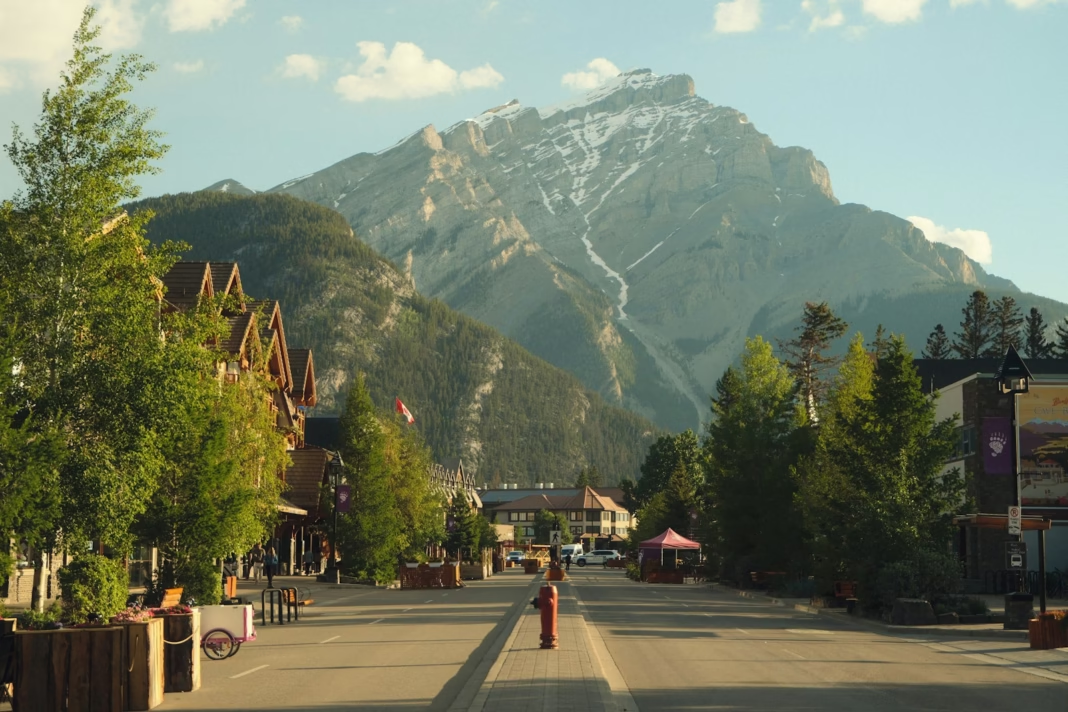
- Calgary, Canmore, Banff, Jasper (Icefields Parkway)
A bucket list Canadian Rockies base, with huge scenery and long days that feel genuinely alpine. Best for riders who want mountains and adventure. - Vancouver and the Sea-to-Sky corridor
A flexible base with coastal riding, climbing, and easy access to longer day routes heading north. - Okanagan Valley (Penticton or Kelowna)
Warm, dry riding with rolling terrain and vineyard landscapes. A strong option for steady mileage with climbs available. - Montreal and the Laurentians
City access with quiet, rolling roads nearby. Ideal if you want variety and culture alongside riding. - Quebec City and Charlevoix
Scenic, often quieter terrain with rolling hills and a travel-first atmosphere, suited to longer exploring rides. - Nova Scotia’s Cabot Trail
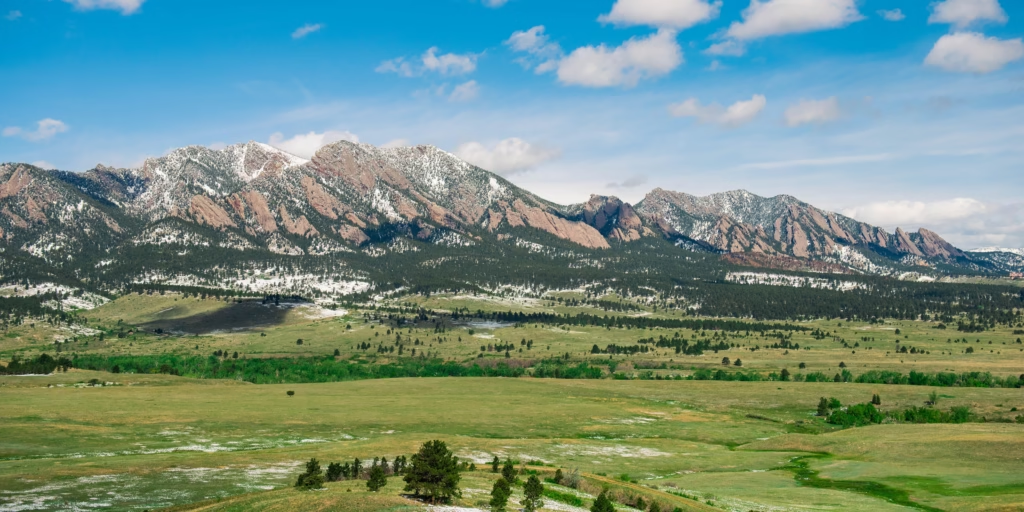
A legendary coastal route with repeated climbing and big views. Best treated as a ride-centred trip rather than a single day out. - Boulder and the Colorado Front Range
A classic American cycling base with altitude, climbing, and a deep riding culture. Great for structured training weeks. - Denver, Golden and nearby climbs
A practical base for a Colorado trip, with quick access to climbs and longer mountain routes. - Tucson and Mount Lemmon (Arizona)
One of the best winter training bases in North America, with a standout long climb and reliable weather. - California Central Coast (Santa Barbara and Santa Monica Mountains)
Coastal endurance riding with climbs inland. A great option if you want sunshine, variety, and strong road quality. - San Francisco Bay Area and Marin Headlands
Iconic terrain with punchy climbs, coastal views, and endless route options for shorter or longer days. - San Diego and inland climbs
Warm-weather riding with hills within reach and plenty of loop options that suit both endurance and harder climbing days. - Asheville and the Blue Ridge Parkway
A standout base for scenic climbing and long, steady days on famous ridge roads. - Vermont Green Mountains
Quiet roads, rolling terrain, and a classic New England feel. Great for steady days and a calmer trip pace. - New Hampshire White Mountains
Strong climbing and scenic routes, ideal for riders who want a mountain feel without big-city logistics. - Hudson Valley and the Catskills (New York escape)
Rolling terrain with plenty of route density, perfect for a long weekend trip from the city. - Portland and the Oregon Cascades
A flexible base for mixed riding, with longer climbing days available once you head towards the mountains. - Seattle and the Washington Cascades
Big scenery and serious climbing, with routes that feel remote once you are away from the urban edge. - Texas Hill Country
Rolling roads and warm-weather mileage, best for steady endurance riding and group trip dynamics.
Best rides and climbs
Big mountains and long climbs
- Icefields Parkway between Banff and Jasper: a dream ride corridor with huge views and a proper expedition feel.
- Colorado Front Range climbs from Boulder and Golden: long mountain roads and altitude days, ideal for building serious form.
- Mount Lemmon from Tucson: a benchmark climb with a long, steady profile that rewards pacing.
- Blue Ridge Parkway routes from Asheville: sustained climbing with scenery that keeps changing through the day.
- Washington Cascades days from Seattle: bigger climbing and more remote-feeling routes once you are deeper into the range.
Coastal routes and scenic endurance riding
- Sea-to-Sky corridor from Vancouver: coastal mountains, longer day options, and a mix of endurance and climbing.
- California Central Coast: sunshine, smooth roads, and climbs in the hills behind the coast.
- Marin Headlands: punchy climbs and iconic views, perfect for shorter rides that still feel like a full experience.
- San Diego inland loops: warm-weather riding with rolling hills and flexible route options.
- Cabot Trail in Nova Scotia: repeated climbs and ocean views, best planned as a highlight of a wider trip.
Rolling terrain and ride density
- Okanagan Valley: steady riding with a wine country feel, ideal for longer endurance days.
- Laurentians from Montreal: quiet, rolling roads that suit a varied week of riding.
- Charlevoix from Quebec City: scenic rolling routes with a travel-first atmosphere.
- Vermont and New Hampshire: classic New England riding, with quiet roads and climbs that add up across the day.
- Hudson Valley and Catskills: excellent route density for long weekends and flexible ride lengths.
- Texas Hill Country: rolling roads and steady tempo riding, particularly suited to group trips.
When to go
- Late spring (April to June): excellent for California, Arizona, Texas, and many lower altitude regions. Mountain regions can still be unpredictable early on.
- Summer (June to August): best for the Canadian Rockies, New England, and the Pacific Northwest, with longer daylight and more reliable conditions.
- Autumn (September to October): a strong all-round window, with comfortable temperatures and quieter roads in many regions.
- Winter: best suited to Arizona, Southern California, and parts of Texas, with high mountains limited by snow and cold conditions.
Logistics
- Getting there: most trips start with flights into a major hub, then a car transfer. Many of these regions are possible without a car, but having one usually unlocks better routes and easier logistics.
- Distances: plan by region rather than trying to cover everything in one trip. Travel time can be the hidden cost in North America.
- Weather swings: altitude and coastal conditions can change quickly. Pack layers even for warm destinations, especially if your rides climb high.
- Road awareness: route choice matters. Prioritise roads known for good cycling, and avoid high-speed corridors where alternatives exist.
- Supplies: some of the best rides are remote. Carry enough food and fluids and identify resupply points before you start.
- Safety: ride with lights for visibility and be cautious at dawn and dusk in wildlife areas. For emergencies in the USA and Canada, call 911.
- Navigation: download offline maps. Signal can be limited in mountains, parks, and rural coastal areas.
