
Watching a women’s stage race becomes much easier once you understand the jerseys. They are not there just to make the peloton look more colourful. Each one marks a classification within the race, rewarding a different kind of performance across several days. Some are based on time, some on points, some on climbing, and some on age or team performance.
The exact colours can change from race to race, but the meanings are usually quite similar. One race may use yellow for the overall leader, another may use pink, orange, red or blue. The important thing is not the colour itself, but the classification behind it. For readers newer to this side of the sport, this sits naturally alongside ProCyclingUK’s broader explainer content such as How women’s cycling team tactics work and race guides like the Beginner’s guide to La Vuelta Femenina 2026.
 Photo Credit: Vuelta a Exetremadura
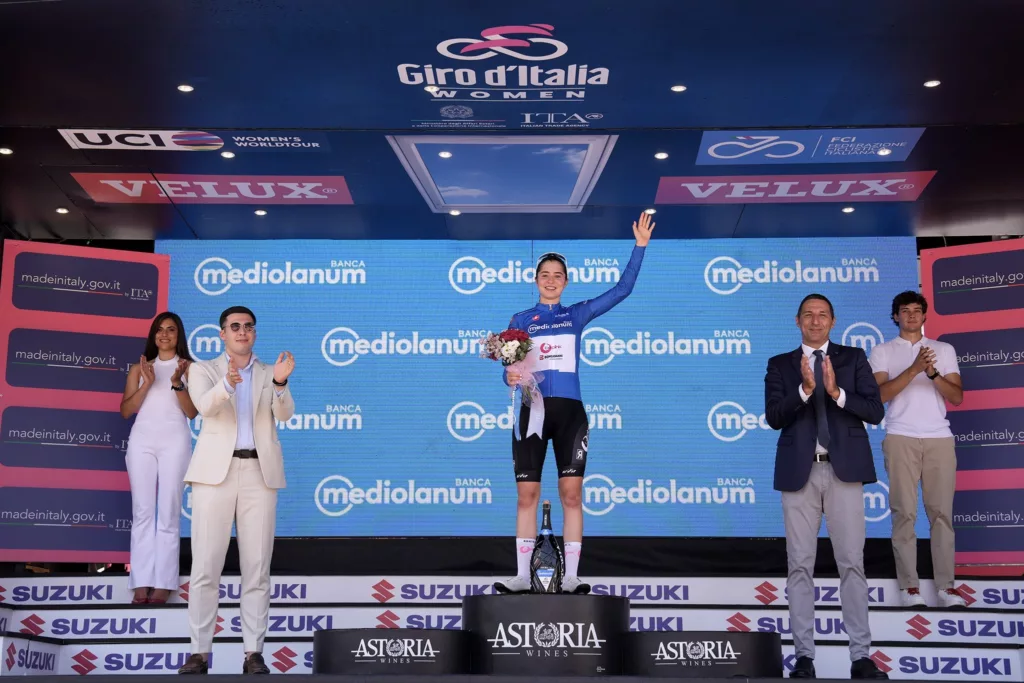
The general classification jersey
This is the most important jersey in the race. It belongs to the rider who has completed all the stages in the lowest overall time.
If a rider finishes every stage in a combined time of 14 hours, 22 minutes and 10 seconds, and nobody else is quicker, she leads the general classification, often shortened to GC. That rider wears the leader’s jersey on the next stage.
This is the jersey that decides the overall winner of the race. At the Tour de France Femmes, that is the yellow jersey. At the Giro d’Italia Women, it is the pink jersey. Other races may choose different colours, but the meaning stays the same.
A rider can take this jersey in different ways:
- by winning a mountain stage and gaining time
- by doing a strong time trial
- by finishing consistently near the front every day
- by collecting time bonuses at stage finishes or intermediate sprints
In most stage races, this is the jersey teams care about most.
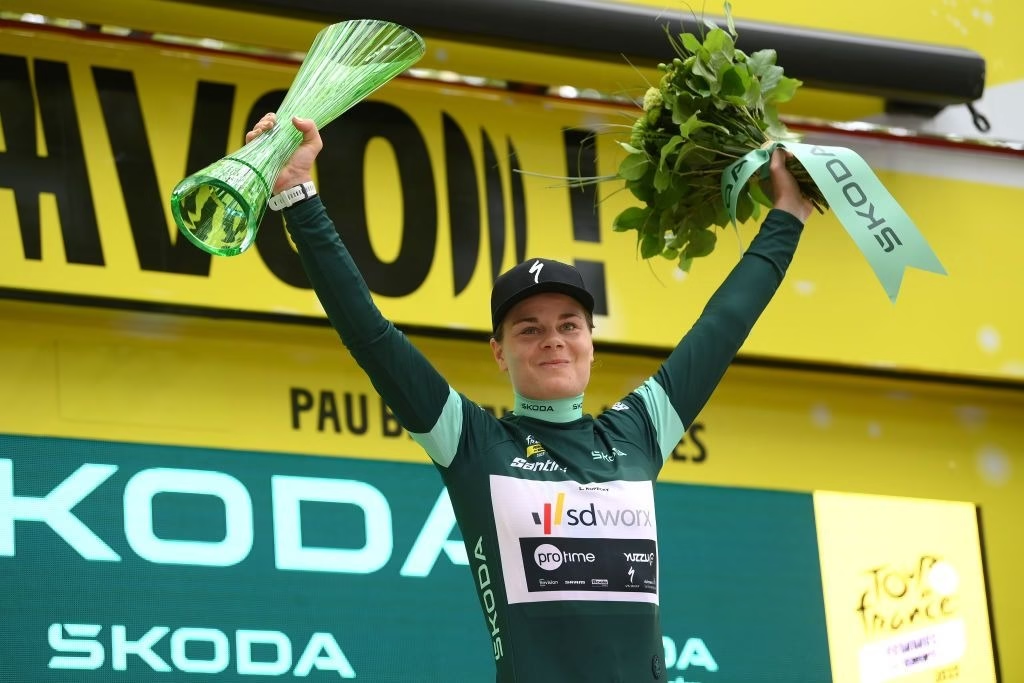
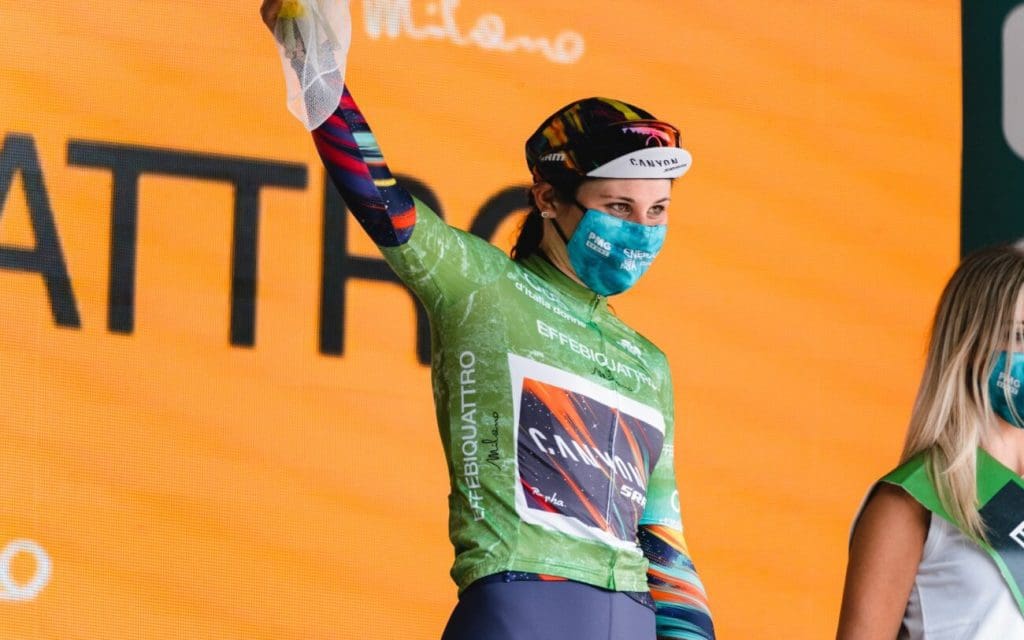
The points jersey
The points jersey usually rewards consistency in stage finishes, especially on flatter days, though it is not always only for sprinters.
Riders score points based on where they finish on each stage, and often at intermediate sprints as well. The exact points system changes from race to race. Some races heavily favour sprint stages. Others spread points more evenly.
This jersey often goes to:
- the best sprinter in the race
- a rider who finishes in the top 10 almost every day
- a versatile rider who scores on mixed terrain
A rider does not need to win lots of stages to lead this classification. Sometimes, second, third and fourth place across multiple stages are enough.
At some races, this jersey is green, but not always. Again, the colour matters less than the meaning.
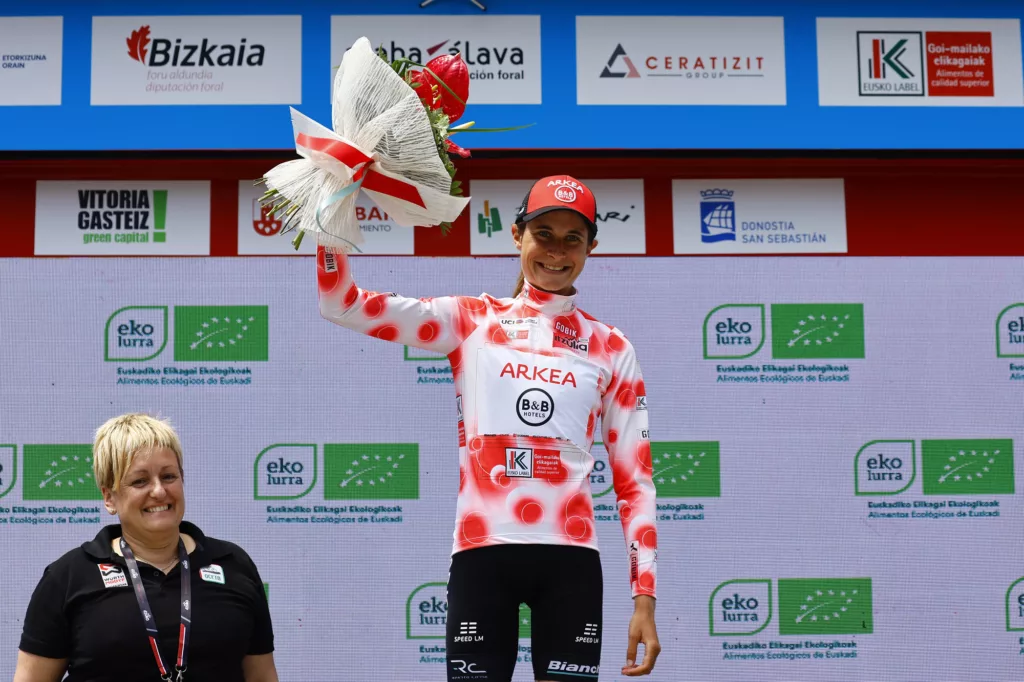
The mountains jersey
This jersey goes to the best climber, based on points scored over designated climbs.
During a stage, certain climbs are categorised, and riders earn points for being first, second, third and sometimes lower over the top. Harder climbs usually offer more points than easier ones.
This classification often rewards:
- aggressive climbers in breakaways
- GC contenders who are also strong in the mountains
- riders targeting specific summit-heavy stages
The mountains jersey can be slightly misleading to new viewers because it does not always go to the strongest climber in the race overall. Sometimes it goes to the rider who has targeted the classification most deliberately and picked up points from breakaways.
In many races, this is the polka-dot jersey or a distinctive climbing jersey, but designs vary a lot.
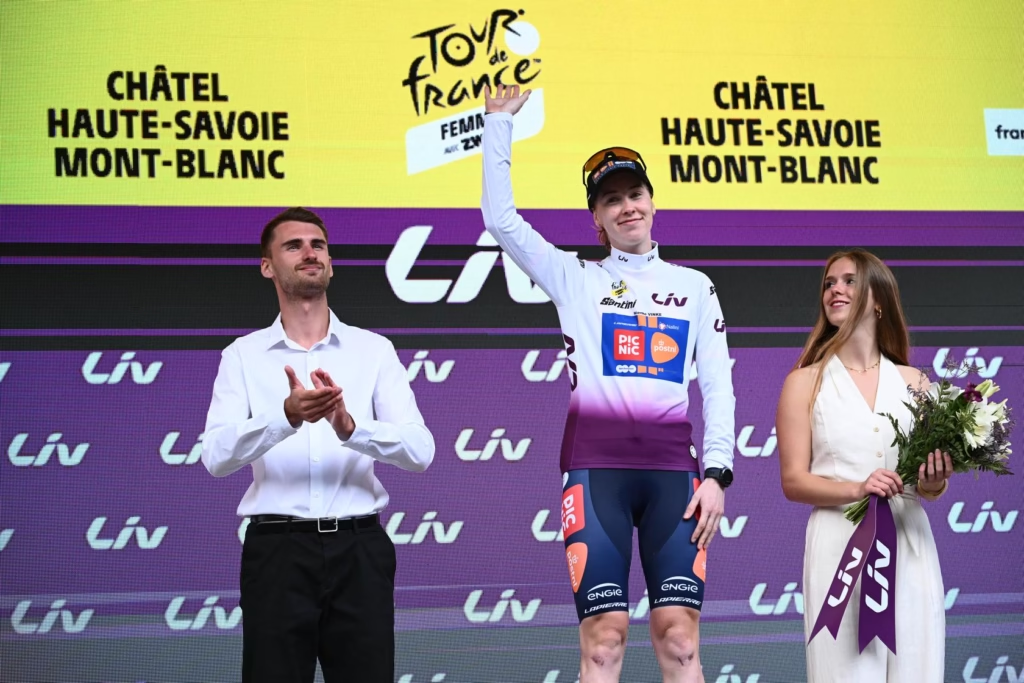
The young rider jersey
This jersey is for the best young rider on overall time, usually under a set age limit defined by the race.
Most often, it works just like the GC, but only for eligible younger riders. So if a 22-year-old and a 30-year-old have exactly the same overall time, the older rider may lead the race overall, while the younger rider leads the young rider classification.
This jersey is useful because it highlights emerging talent without expecting younger riders to beat the entire field outright.
At top-level women’s races, this can often become a real subplot, especially when a young rider is already high up in the overall standings. That is one reason stage races like Itzulia Women and the Tour de France Femmes can be so rich to follow beyond the main overall battle.
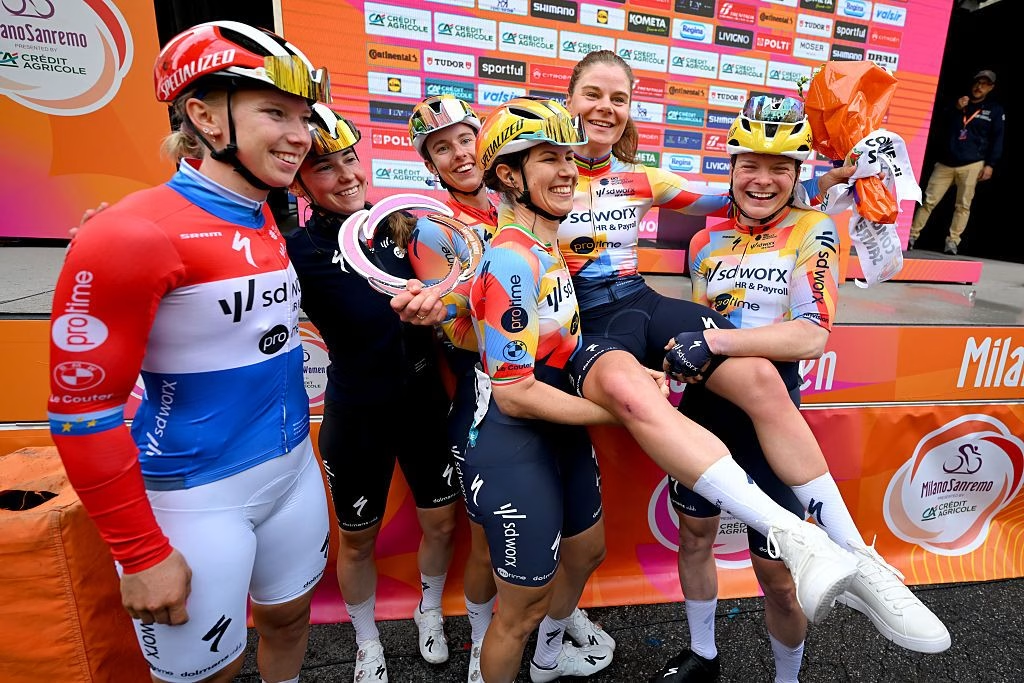
The team classification
This is not always shown as prominently on the road, but it is common in stage races.
The team classification is usually calculated by adding the times of a team’s best three riders on each stage. The team with the lowest combined time leads that competition.
It rewards depth rather than one star rider. A team might not have the race leader, but if it places several riders consistently high on GC stages, it can still lead the team standings.
Some races mark this with special helmet numbers, race numbers or team bib identifiers rather than a jersey.
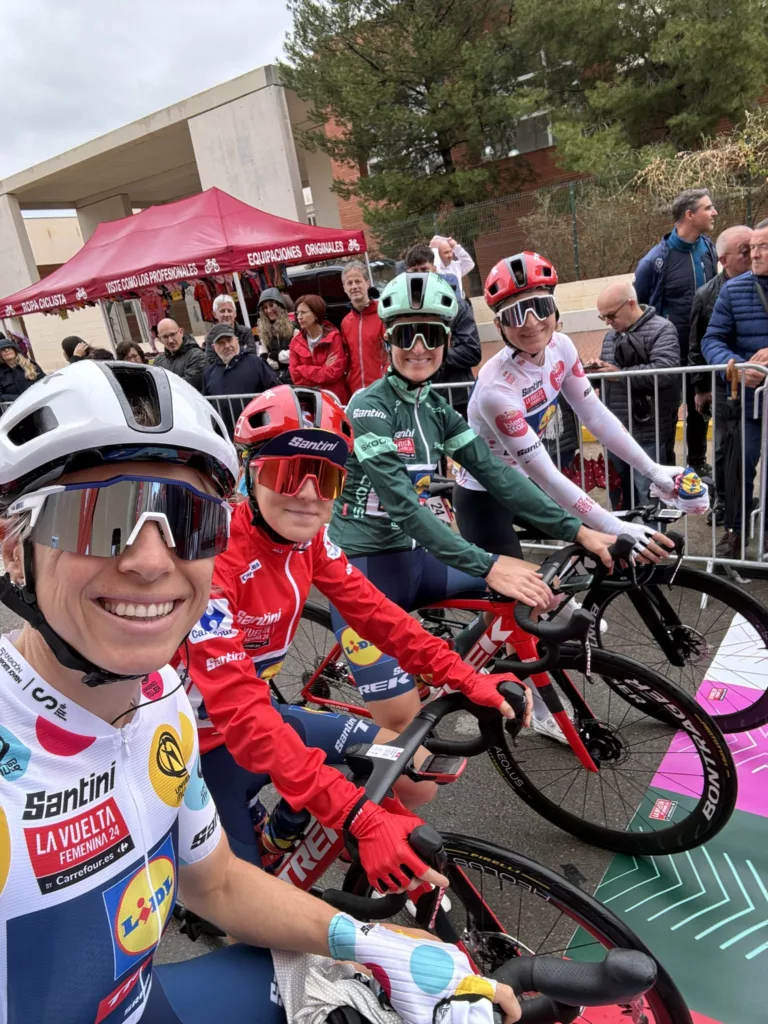
The combination or special classification jerseys
Some races add extra jerseys beyond the standard set. These might include:
- best rider from the host nation
- most aggressive rider
- best placed regional rider
- combination classifications
- intermediate sprint leader
These are less universal and often depend on the race organiser, sponsor or local tradition.
That is why one women’s stage race may have four clear jerseys, while another may have six classifications being talked about on the broadcast.
Why the same rider does not always wear every jersey she leads
This catches new viewers all the time.
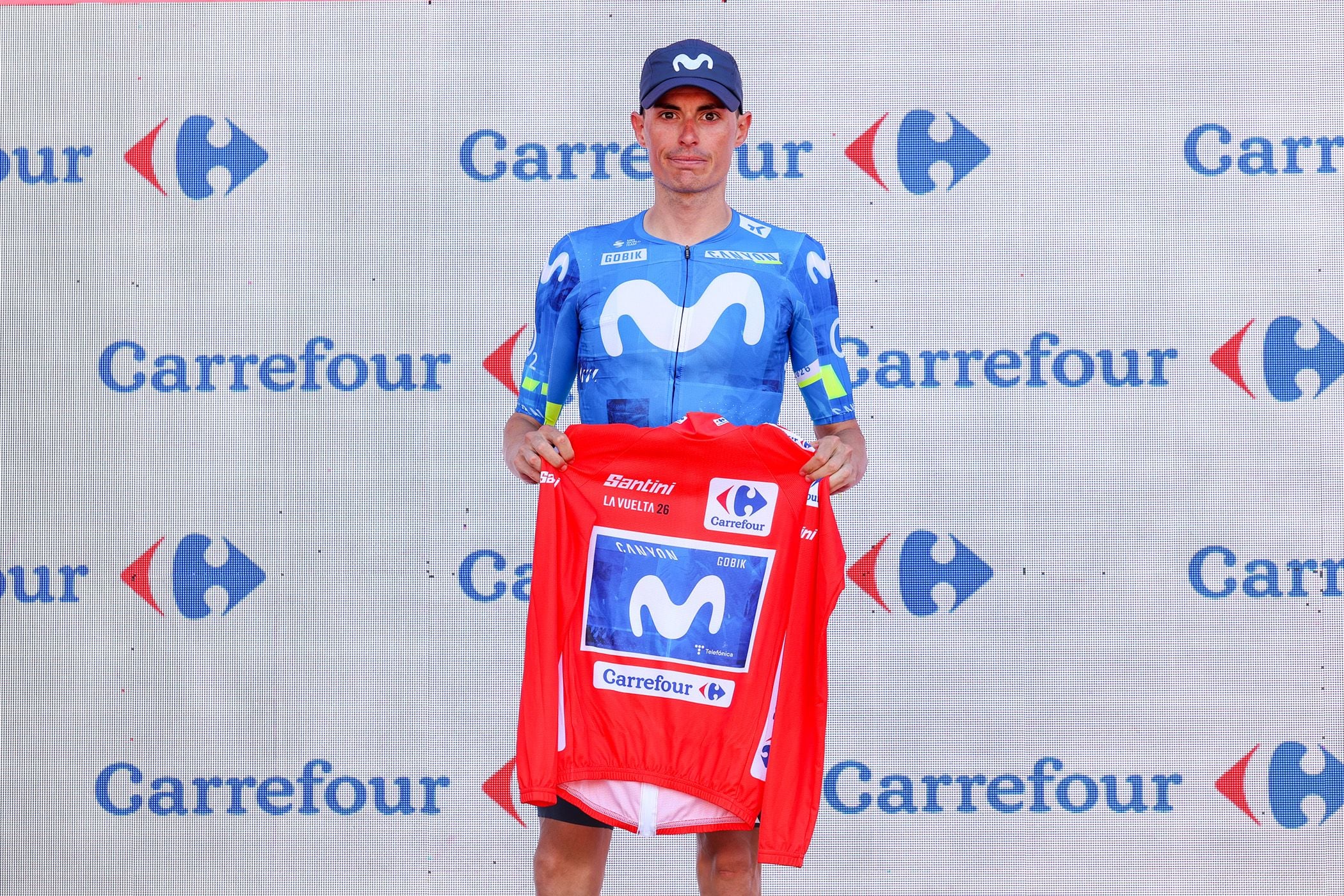
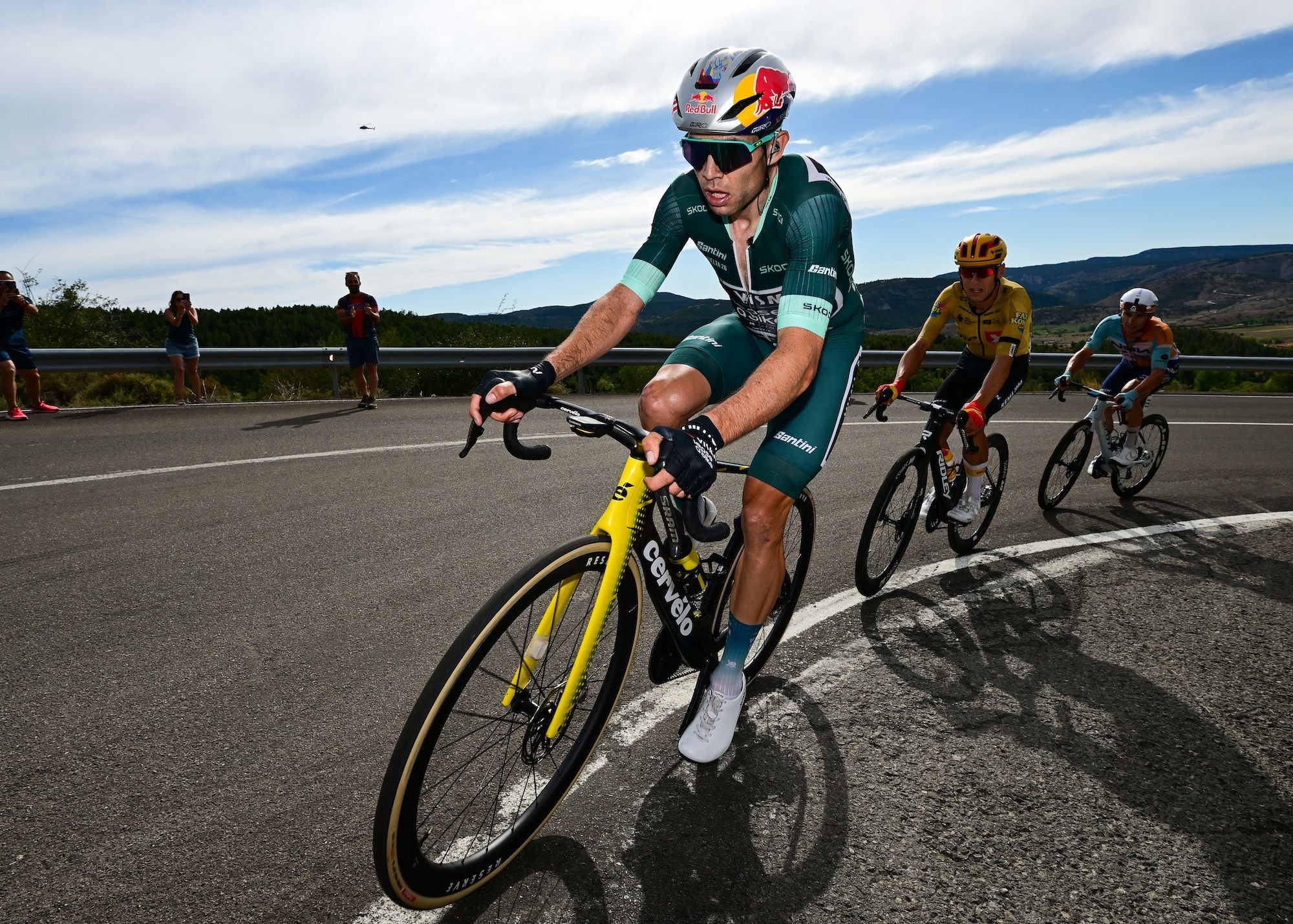
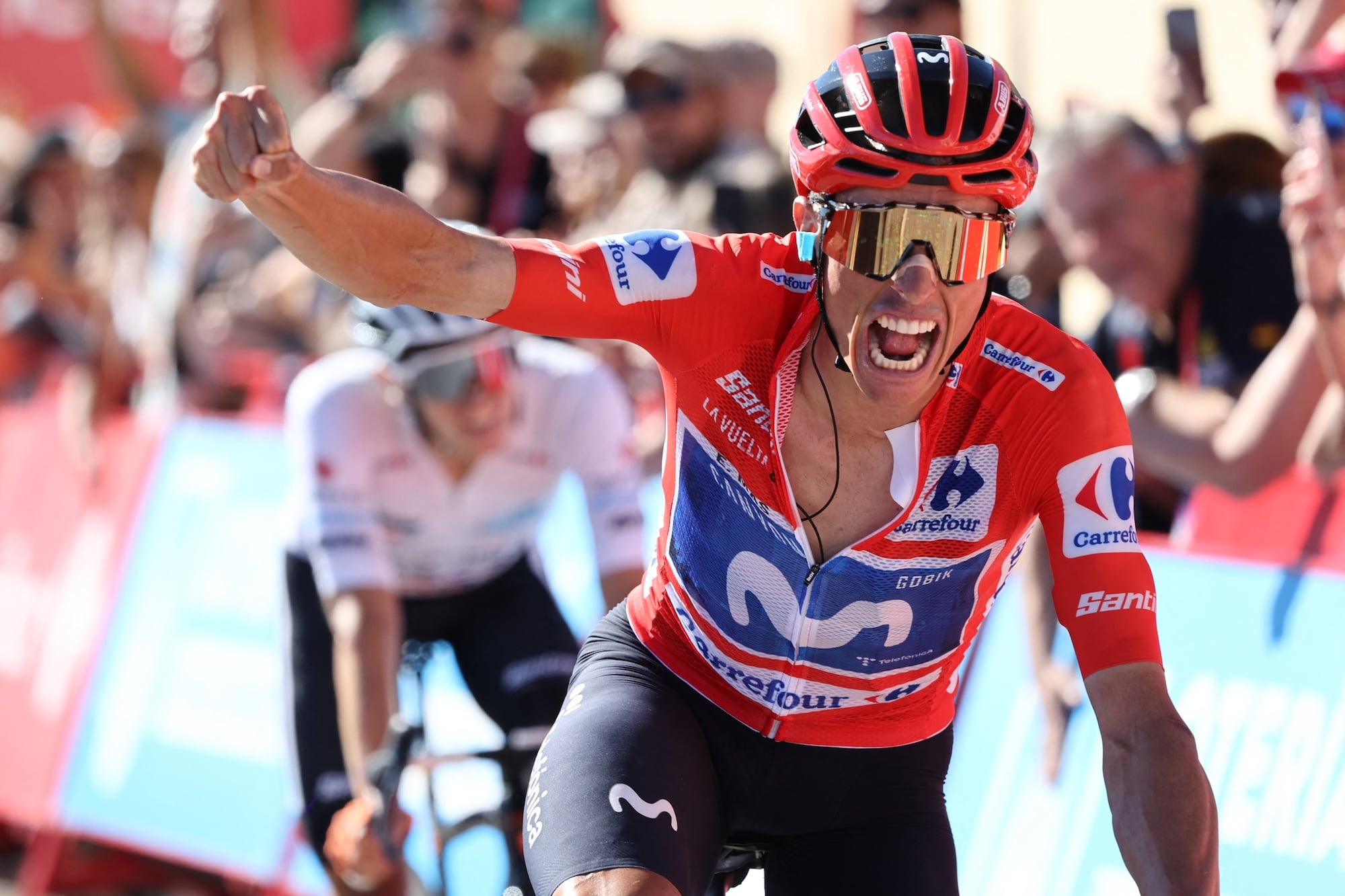
If one rider leads more than one classification, she usually wears only the most important jersey. The next eligible rider in the lower-priority classification then wears that jersey on the road.
For example:
- Rider A leads both GC and points
- Rider A wears the overall leader’s jersey
- Rider B, who is second in the points classification, wears the points jersey during the stage
That does not mean Rider B is actually leading that competition. She is wearing it on behalf of the real leader.
Why jerseys matter tactically
Jerseys are not just ceremonial. They shape how a race is ridden.
A GC jersey can force a team to defend time gaps every day. A points jersey can keep a sprint team active even in a race where they are not chasing the overall title. A mountains jersey can encourage breakaways because riders want to reach climbs first. A young rider jersey can give a developing rider and her team a separate target to defend.
In other words, jerseys create multiple races inside the same race.
That is one reason stage racing is so rich. You are not only watching one contest. You are watching an overall battle, a sprint battle, a climbing battle, a youth competition and often a team fight all happening at once. Pieces like How women’s cycling team tactics work help make sense of how those overlapping goals shape the racing day by day.
The simple version
In most women’s stage races, the jerseys usually mean this:
- overall leader jersey: the rider with the lowest total time
- points jersey: the rider scoring most points from finishes and sprints
- mountains jersey: the rider scoring most points on climbs
- young rider jersey: the best placed eligible young rider on overall time
- team classification: the best team on combined time
The colours change from race to race. The meanings usually do not.
Once you know that, stage races become much easier to follow, because every jersey tells you what kind of battle you are really watching.