Saddle sores are skin problems in the area that contacts the saddle or cycling shorts. The term can describe rubbed skin, irritated hair follicles or a deeper painful lump. Those problems do not all need the same treatment, and riding through them can make an initially small irritation harder to settle.
What causes saddle sores?
Repeated friction, pressure and time in damp clothing can irritate the skin. A poor fit between rider, saddle and shorts can concentrate that load in one place. Follicles may become inflamed, and some sores involve infection, but a sore patch is not automatically a bacterial infection. A persistent or recurring lump needs assessment rather than a diagnosis based on a photograph.
A sudden increase in riding time can expose a problem that was less noticeable on short rides. Saddle height, reach, pelvic movement and the position of the shorts’ pad all deserve attention. Adding a thicker pad or a softer saddle does not necessarily remove the pressure causing the problem.
What to do when a sore appears
Take a break from riding if saddle contact aggravates the area. Gently clean the skin, dry it carefully and change out of sweaty clothing promptly. Do not squeeze, pierce or try to drain a lump yourself. Chamois cream is intended to reduce friction on suitable skin; it is not a treatment for an abscess or a substitute for medical advice.
For a boil, a clean warm cloth may help discomfort. Seek an urgent GP appointment or NHS 111 advice if the surrounding skin becomes hot, painful and swollen, you feel feverish or shivery, or you have diabetes or a weakened immune system. Spreading redness also needs prompt assessment. Redness can be harder to see on darker skin, so warmth, swelling and worsening pain matter too.
Get medical advice for a lump that persists, repeated boils or a sore that is not improving. A clinician can decide whether treatment such as drainage or antibiotics is appropriate. Avoid experimenting with antibiotic or steroid creams without advice, particularly on genital skin.
Shorts, washing and chamois cream
Wear clean, well-fitting cycling shorts with a pad that stays in position. Padded cycling shorts are generally designed to sit directly against the skin; an extra underwear seam can create another rubbing point. Wash shorts after each ride following their care instructions and allow them to dry fully before using them again.
A modest amount of a suitable chamois cream may reduce friction for some riders, but stop using it if it causes irritation. Fragrances and other ingredients can bother sensitive skin. Cream cannot compensate for shorts that bunch up or a saddle position that repeatedly loads a painful spot.
Check the fit before the next long ride
Look for a pattern: does the irritation occur on one side, only after several hours, or when you spend more time in a lower position? A saddle that is too high may encourage rocking, while changes to reach or bar position can alter where pressure falls. Make small, recorded adjustments rather than moving several contact points at once.
Our guide to riding in the drops covers the importance of reaching the controls comfortably. Persistent numbness or genital pain should not be treated as an ordinary saddle sore or something to tolerate. Stop the activity that provokes it and seek professional advice.
Returning to riding
Resume with a shorter ride when the skin has healed and saddle contact is comfortable, following any advice you have been given. Increase time gradually and reassess the fit if the same area becomes sore again. When preparing for an event, build comfort alongside fitness: the Mallorca 312 training guide includes the value of rehearsing equipment and longer rides well before event day.
-
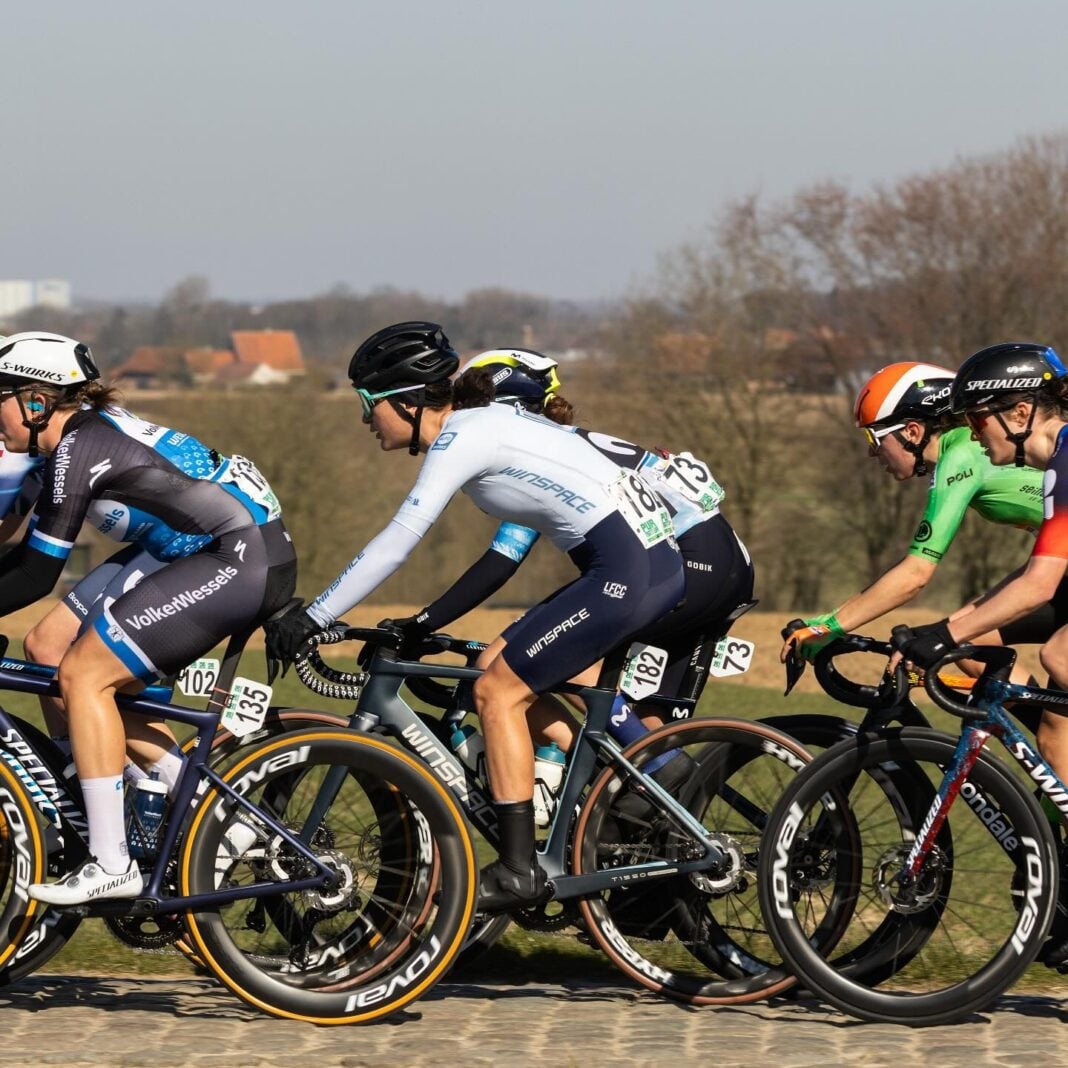
 Photo Credit: quentinphotographiebe
 -
 Photo Credit: Getty