A plant-based diet can support serious cycling, but it does not automatically improve performance simply because it contains more plants. The important questions are the same as for any endurance diet: are you eating enough energy, enough carbohydrate for the work, enough protein for recovery and enough of the micronutrients that can become harder to obtain when animal foods are reduced or removed?
Current research broadly supports the idea that well-planned vegetarian and vegan diets can sustain endurance performance. The caveat is the planning. Vitamin B12, iron, calcium, iodine, vitamin D and omega-3 intake deserve more attention, while very high fibre intake can become awkward around hard training and races.
Can cyclists perform well on a plant-based diet?
Yes. There is no convincing evidence that an adequately planned plant-based diet is inherently worse for endurance performance, and there is equally little reason to claim it is automatically better. Performance still depends on total energy intake, carbohydrate availability, protein, recovery and training.
The natural carbohydrate content of grains, potatoes, rice, pasta, fruit and legumes can make it relatively easy to build a high-carbohydrate diet. The challenge is making sure the volume of food does not become so high that a rider struggles to eat enough energy during heavy training.
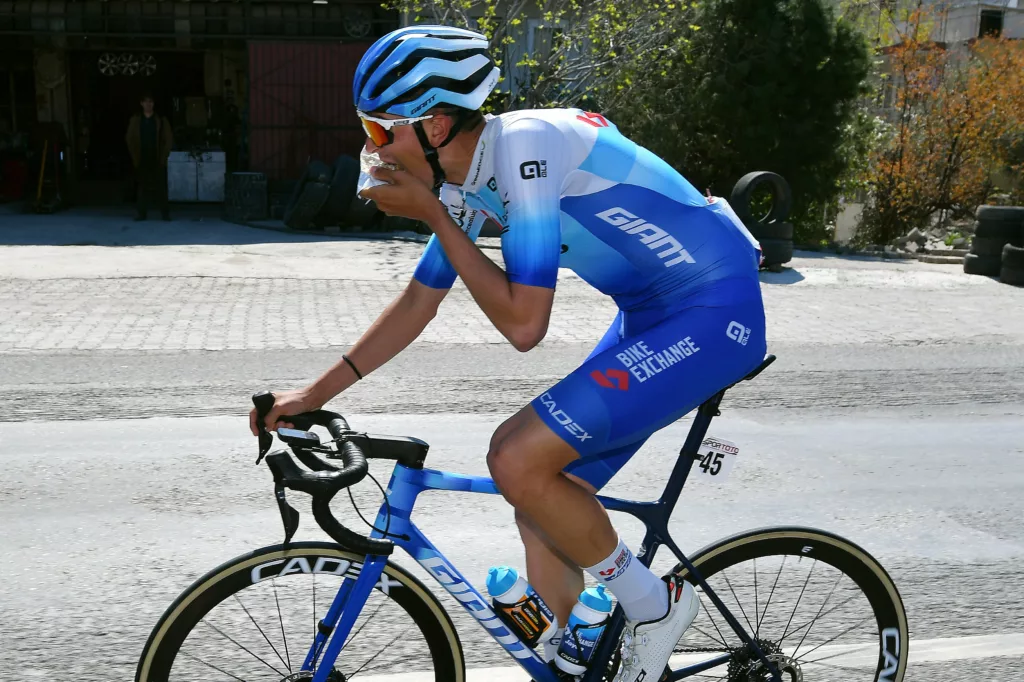
Carbohydrate still does most of the endurance work
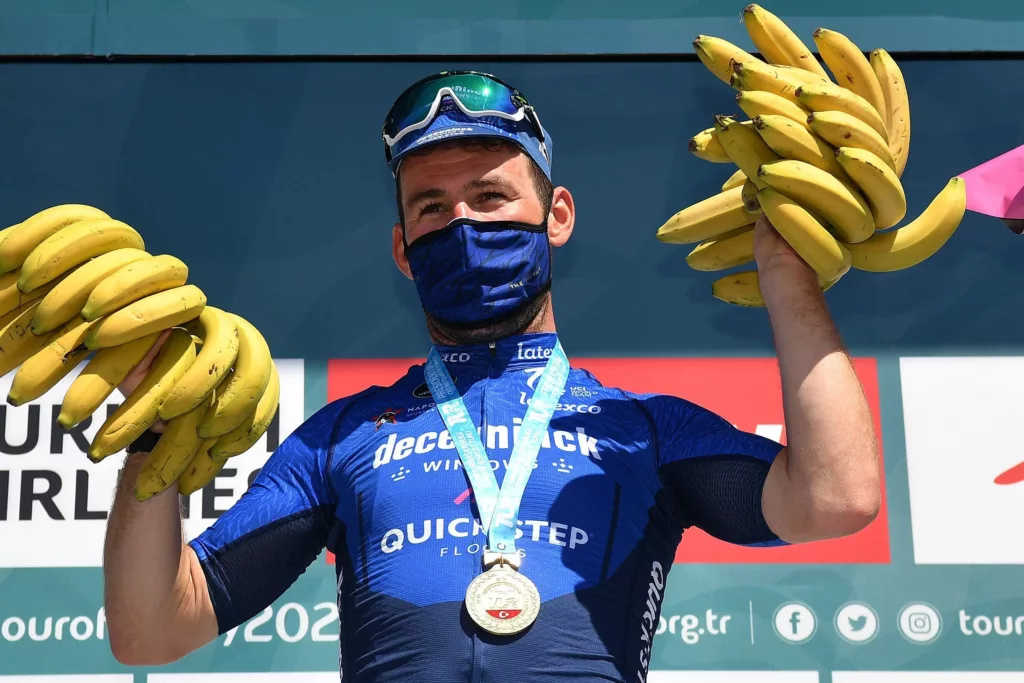
For road cyclists, carbohydrate is the main fuel for harder riding. A plant-based diet provides plenty of sources: rice, oats, bread, pasta, potatoes, bananas, dried fruit and cereals all work.
Race-day food is slightly different from everyday healthy eating. Large amounts of fibre, pulses and raw vegetables can be difficult to digest immediately before and during hard exercise. Lower-fibre carbohydrates often make more sense around racing even if the rest of the diet is built around whole foods.
ProCyclingUK’s guide to cycling gels, bars and drinks covers easier ways to get carbohydrate on the bike when normal meals are not practical.
Protein on a vegetarian or vegan cycling diet
Plant-based riders can meet their protein needs, but variety helps. Soya, tofu, tempeh, beans, lentils, peas, seitan, grains, nuts and seeds all contribute. Combining different foods across the day improves the overall amino-acid profile without requiring every meal to contain a perfect blend.
Endurance athletes benefit from spreading protein through the day rather than saving most of it for one evening meal. A protein powder is not essential, but it can be convenient after training when appetite or time makes a full meal difficult.
Bulk’s current Vegan Protein Powder is one convenient plant-based option if you need to add protein rather than replace normal meals.
Iron needs more attention
Plant foods contain non-haem iron, which is less readily absorbed than haem iron from animal foods. Lentils, beans, fortified cereals, tofu, seeds and leafy greens all contribute, and eating vitamin C-rich foods alongside them can improve absorption.
Do not respond to tiredness by taking high-dose iron without knowing whether you are deficient. Low iron can affect endurance performance, but excess supplementation carries its own risks. Riders with persistent fatigue or other symptoms should discuss testing with a healthcare professional.
Vitamin B12 is non-negotiable for vegans
Reliable vitamin B12 is difficult to obtain from unfortified plant foods. Vegans therefore need fortified foods or an appropriate B12 supplement rather than assuming a varied whole-food diet will cover it.
Vegetarians may obtain B12 from dairy and eggs, but intake still depends on how much of those foods they eat.
Calcium, iodine, vitamin D and omega-3
Fortified plant milks, calcium-set tofu and some green vegetables can contribute calcium. Iodine deserves attention if dairy and fish are absent, while vitamin D can be difficult for almost everyone in northern Europe during winter regardless of diet.
Walnuts, chia and flax provide ALA omega-3 fats. Riders who want a direct source of the longer-chain EPA and DHA fats commonly obtained from oily fish can use an algae-derived supplement.
Recovery food does not need to be complicated
A useful post-ride meal still follows the familiar pattern: carbohydrate to replenish glycogen, protein to support repair and enough total energy to recover from the training load. Rice with tofu and vegetables, pasta with lentils, a bean burrito or oats with soya milk can all do the job.
The main mistake is eating an extremely bulky low-energy meal after a hard ride and assuming healthy ingredients automatically equal adequate recovery.
A plant-based cycling diet should be practical
The strongest version of plant-based sports nutrition is not restrictive for the sake of it. It provides enough fuel for the training, uses convenient lower-fibre foods when required, includes several reliable protein sources and pays attention to micronutrients that become less automatic once animal products disappear.
Done well, there is no reason a vegetarian or vegan diet should prevent a cyclist training or racing effectively. It simply shifts some of the planning.
-
 Photo Credit: Luc Claessen/ISPA
 -
 Photo Credit: Unsplash / Chris Linnett