Winter is where cycling fitness is quietly earned rather than loudly displayed. The rides are colder, darker and often shorter, but they serve a different purpose to summer miles. This is not the season for chasing peak form or personal bests. It is the season for building the foundations that make everything else easier later on.
Get winter right, and spring feels manageable rather than overwhelming. Get it wrong and you spend the early part of the season rebuilding what you lost.
What winter base fitness is really about
Winter base fitness is primarily aerobic. It is about teaching your body to work efficiently at steady intensities, to recover well between rides and to tolerate repeated days on the bike. The goal is durability rather than sharpness.
That means accepting that most winter rides will not feel exciting. Progress shows up in subtle ways: steadier breathing, smoother pedalling and the ability to ride again tomorrow without hesitation. These adaptations take time, but they underpin everything from sportives to racing once intensity returns.
Consistency matters more than any single ride
The biggest threat to winter training is not bad weather. It is inconsistency caused by trying to do too much on the days you ride. One long, heroic session followed by a week of missed rides does very little for base fitness.
A better approach is to lower the bar for individual sessions and raise it for the week as a whole. Three or four steady rides every week will always beat sporadic big days. Shorter weekday rides still count, especially when they are repeated regularly. Weekend rides can be longer when conditions allow, but they should still feel controlled rather than draining.
If you finish most rides feeling like you could have added a little more, you are probably striking the right balance.
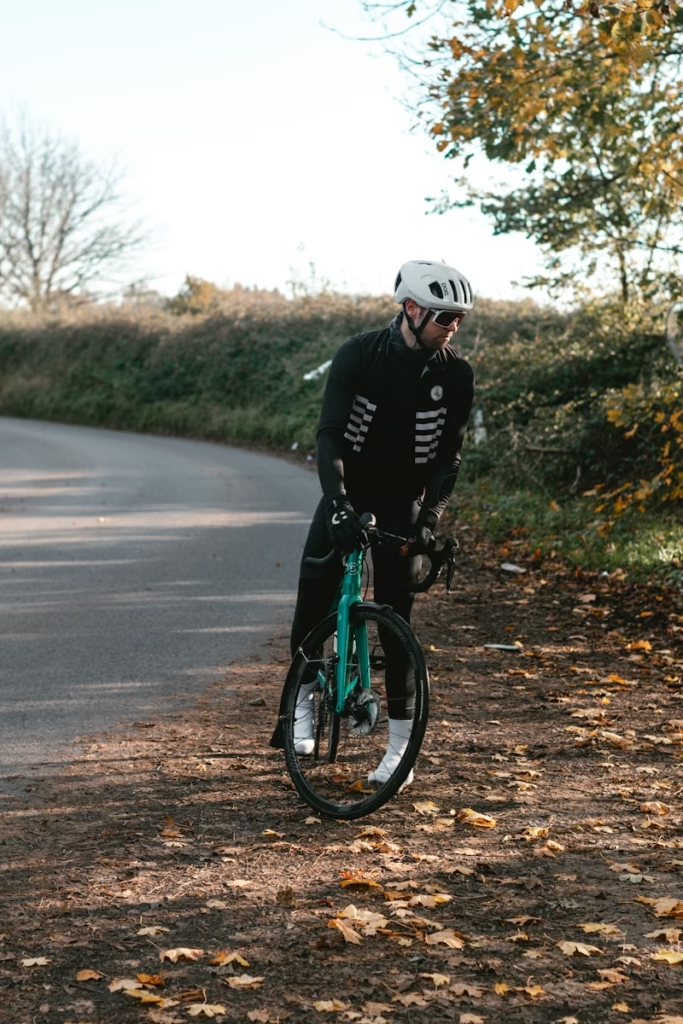
Ride easier than your instincts suggest
Winter base work lives at an intensity that often feels underwhelming. You should be breathing comfortably, able to talk in full sentences and riding without a sense of urgency. It can feel slow, particularly if you are used to chasing numbers, but this is where aerobic fitness is built.
These steady efforts improve how efficiently you use oxygen, how well you burn fuel and how resilient your muscles become to repeated loading. They also place far less stress on your nervous system, which matters when sleep, daylight and general energy levels are already compromised by winter.
The temptation is to push harder to feel productive. Resisting that urge is one of the hardest and most valuable skills winter riding teaches.
Use structure to remove friction
Motivation is fragile on cold, wet and dark evenings. Relying on how you feel on the day often leads to missed rides. Structure removes that decision-making burden.
Decide in advance which days you will ride and roughly how long for. A simple pattern, such as two shorter weekday rides and one longer weekend ride, is often enough. Knowing that a ride is only 60 minutes makes it easier to get out of the door, and those hours accumulate over time.
Indoor training can be useful here, particularly when the weather is genuinely unsafe or daylight is nonexistent. It should be treated as a tool for consistency rather than a replacement for outdoor riding whenever conditions allow.
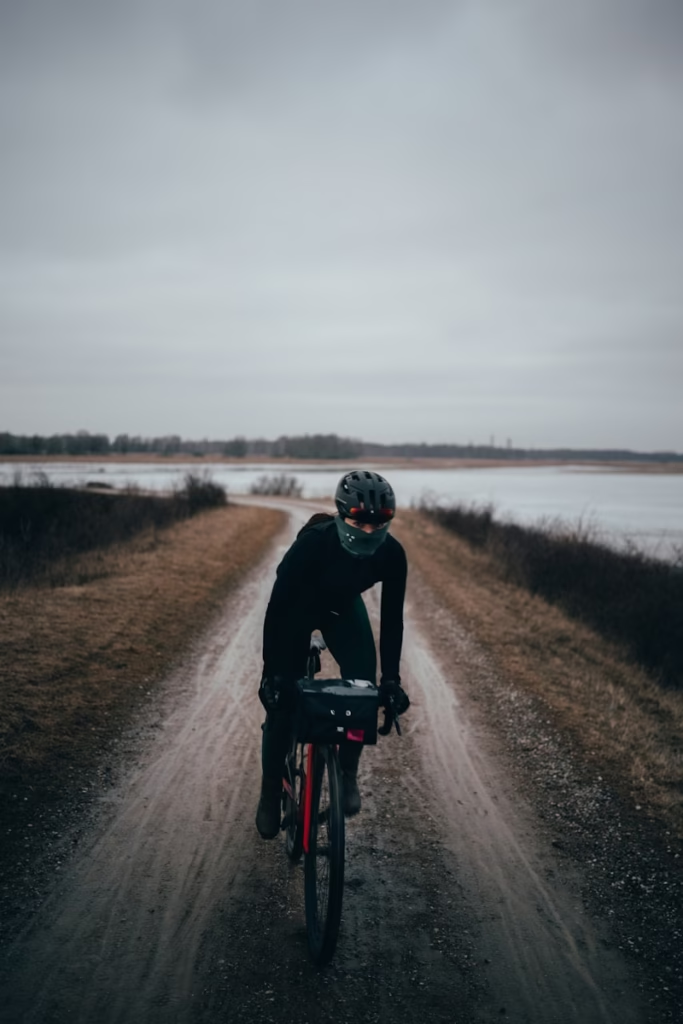
Build strength endurance without forcing it
Winter is an ideal time to develop strength and endurance on the bike. This does not mean grinding massive gears or turning every ride into a test. It means learning to apply steady pressure through the pedals for long periods.
Riding rolling terrain without surging, holding a firm but controlled effort into a headwind, or sitting slightly lower in cadence on gentle climbs all contribute to this. The effort should still feel sustainable. You are training the ability to push steadily, not to strain.
Over time, this pays off by making spring intensity feel less shocking to the system.
One of the quiet dangers of winter training is accumulated fatigue. Because rides are mostly steady, it is easy to assume recovery looks after itself. In reality, winter adds stress elsewhere: colder temperatures, poorer sleep and higher general fatigue.
Pay attention to how you feel day to day. Heavy legs that do not lift, disrupted sleep or a sudden drop in motivation are often signs that you need to ease off slightly. Reducing volume for a few days is far more effective than trying to push through.
Keeping warm after rides, eating properly even after easy sessions and protecting sleep where possible all help keep winter training sustainable.
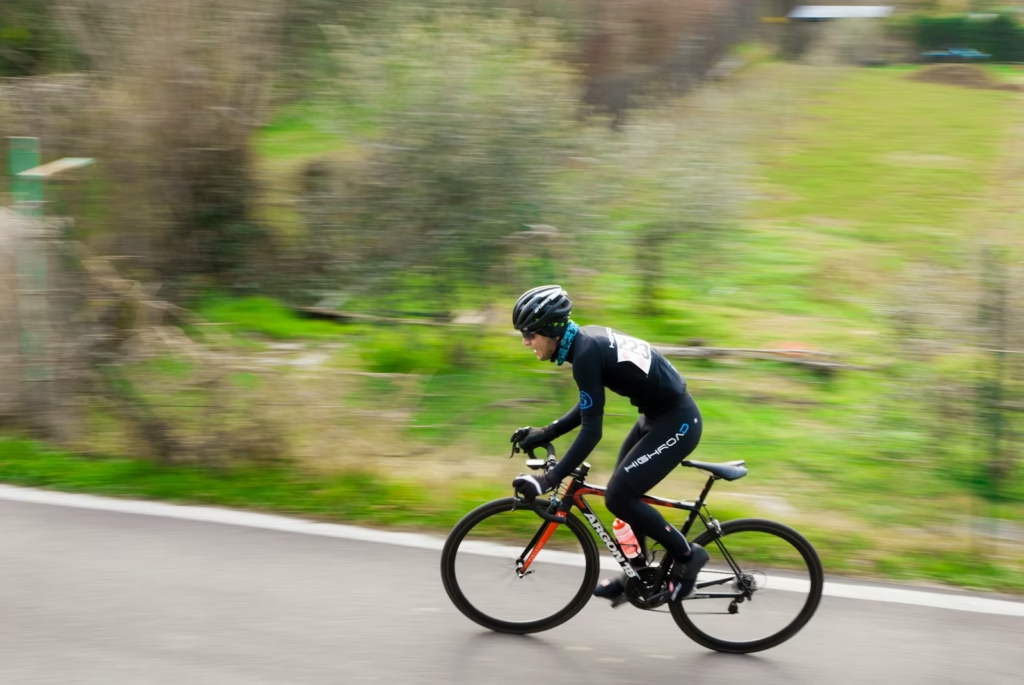
Keep variety without chasing intensity
Winter riding does not have to be monotonous. Variety helps motivation and resilience, as long as it does not turn into unplanned hard efforts.
Changing routes, riding socially at a controlled pace, mixing indoor and outdoor sessions, or simply exploring quieter roads can all keep winter riding fresh. Terrain will naturally introduce small changes in effort, and that is fine. What matters is that intensity remains the exception rather than the rule.
Winter gains are rarely obvious on a single ride. They appear gradually, often without fanfare. Rides start to feel smoother. Back-to-back days feel manageable rather than daunting. You finish longer rides feeling composed rather than depleted.
Perhaps most importantly, when spring arrives, you do not feel like you are starting again. You are already riding, already consistent, already prepared.
Building winter base fitness is an exercise in restraint and patience. It rewards riders who show up regularly, keep effort under control and respect the season for what it is.
Ride steadily. Ride often enough to build rhythm. Let fitness arrive quietly rather than forcing it. Do that, and winter becomes less about enduring the bike and more about preparing yourself for everything that follows.
-
 Photo Credit: Gaetan Flamme