The Setmana Ciclista Valenciana has steadily established itself as one of the most important early-season stage races for general classification riders outside the Women’s WorldTour. What began life as a modest 2.2 event has evolved into a fixture that reliably attracts a deep, high-quality start list and delivers meaningful racing across varied terrain. Its promotion from 2.1 to 2.Pro in 2023 reflected both the sporting level of the race and the growing appetite for early-season stage racing built around climbing and aggressive tactics.
The list of winners explains the race’s appeal. Riders such as Anna van der Breggen and Cecilie Uttrup Ludwig used earlier editions to stamp authority on the season’s opening weeks, while Annemiek van Vleuten remains the only repeat overall winner after dominating the race in 2021 and 2022. In more recent editions, the Setmana has leaned into unpredictability, rewarding well-timed attacks, bonus seconds, and the willingness to race rather than wait for a single decisive summit finish.

The last three editions underline how varied the paths to overall victory can be. Justine Ghekiere claimed a surprise GC win in 2023 after attacking on the final stage in support of her team leader, only to take the race by a single second. In 2024, Marlen Reusser attacked decisively on Stage 2, built a slender advantage, and defended it successfully to the finish. Last year, Demi Vollering asserted control through consistency and strength across the stages, taking the overall title ahead of Reusser and van der Breggen, while sprint finishes still played a role in shaping the final standings through time gaps and bonuses.
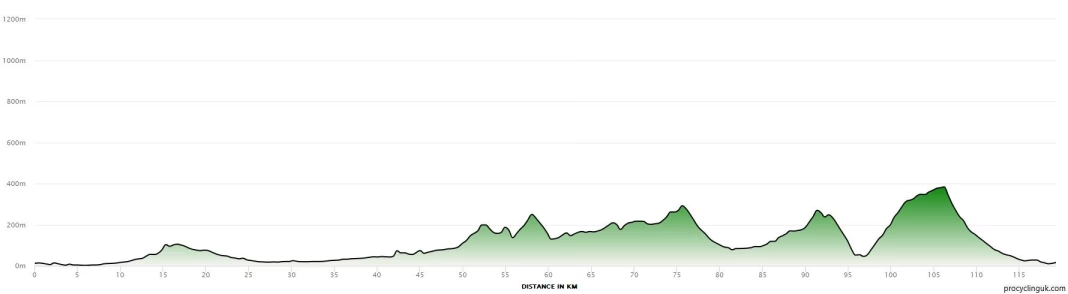
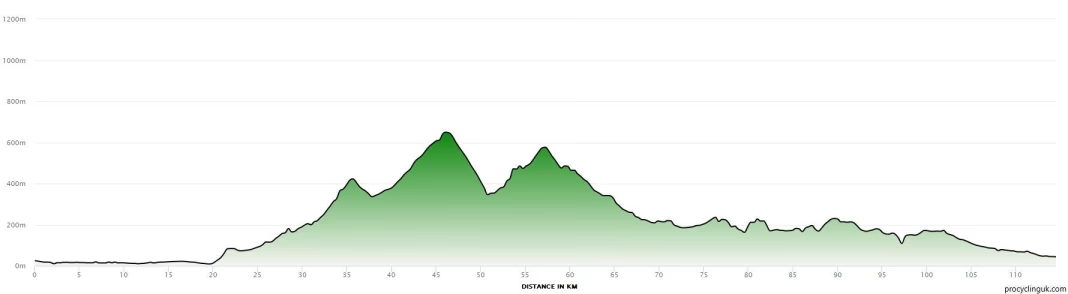
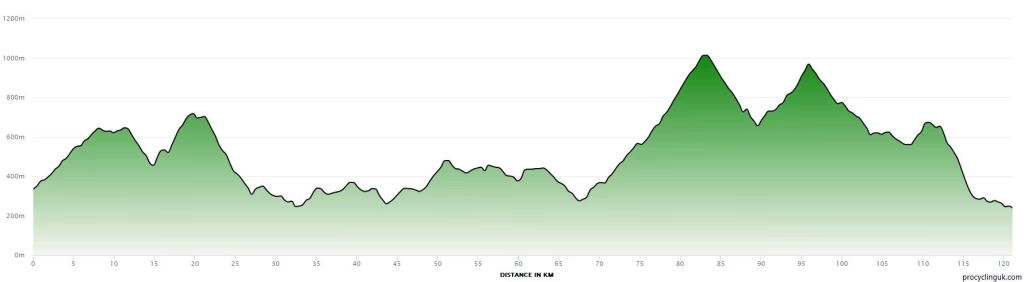
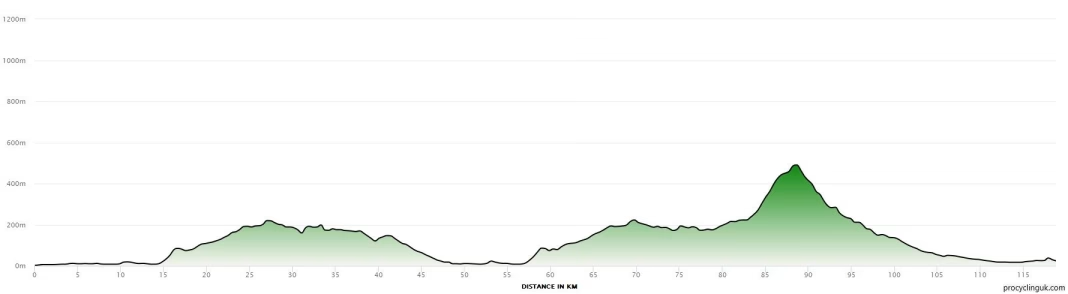
The 2026 route follows that same philosophy. There are no true summit finishes, but there are multiple selective climbs positioned late in stages where decisive moves can be made. The Alto de Barx features on Stage 1, Alto Tudons on Stage 3 stands out as the biggest climb of the race, and L’Oronet returns on the final day as a familiar launchpad for late attacks. With limited opportunities to take large chunks of time, the general classification is once again likely to hinge on timing, aggression, and the careful accumulation of bonus seconds.
Previous Winners
2025
Demi Vollering
2024
Marlen Reusser
2023
Justine Ghekiere
2026 Setmana Ciclista Valenciana stage profiles
Stage 1
Stage 2
Stage 3
Stage 4
2026 Setmana Ciclista Valenciana live TV coverage
Race Dates: Thursday 12th February – Sunday 15th February 2026
Live on Youtube on RD3 Eventos Desportivos
2026 Setmana Ciclista Valenciana startlist

2026 Setmana Ciclista Valenciana Contenders
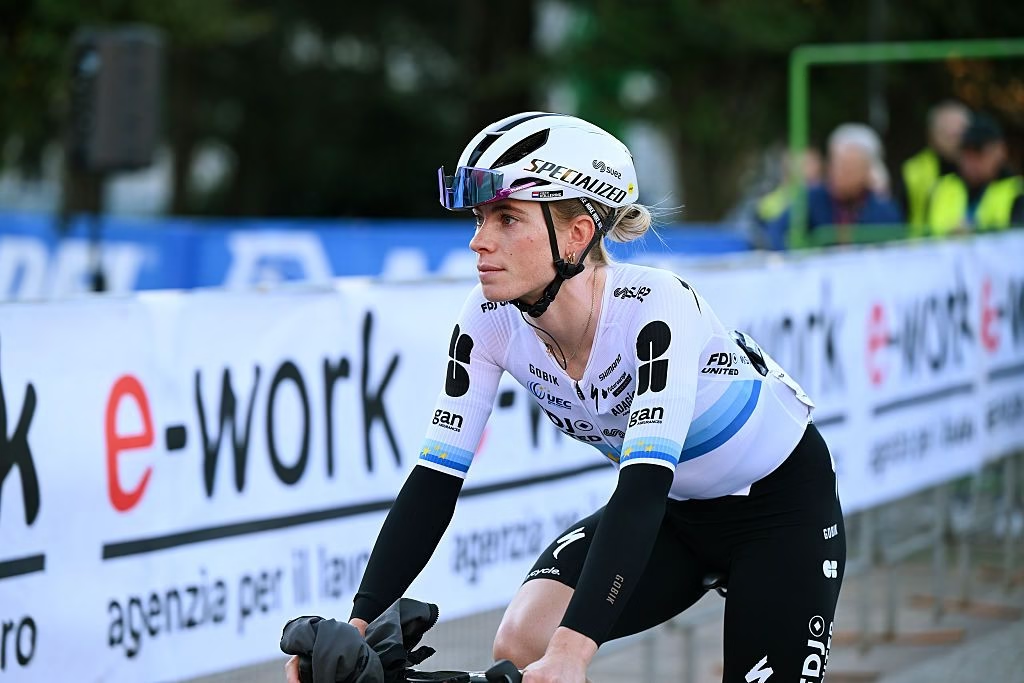
Defending champion status immediately puts Demi Vollering at the centre of the GC conversation, and this race suits her because it tends to be decided by one decisive climbing performance backed up by consistency. The line-up around her is unusually rich for Valenciana, with Evita Muzic as a second climbing card who can still place highly on GC if the race becomes attritional, and Elise Chabbey as the rider who can turn a rolling stage into a winning move when others are watching each other. If the race serves up a reduced sprint, Sofia Bertizzolo has the kick to win from the kind of group that survives after repeated pressure, while Amber Kraak is the obvious engine for forcing selections earlier than rival teams would like. The depth here matters because the team can race aggressively without exposing Vollering too early.
One of the most interesting balances on the startlist sits with Movistar because they have a genuine GC option and multiple stage pathways. The GC line runs through Liane Lippert, who is well suited to Valenciana’s punchy climbing and selective finishes, especially if the decisive day is raced hard enough to leave only the true climbers and puncheurs in contention. Her win at Vuelta CV Feminas will have been a big confidence booster. Stage-wise, Cat Ferguson brings a fast finish that can still work after a hard day, and Valenciana is exactly the kind of race where a rider like her can win when the final group is not large enough for a pure sprint train to dominate. The supporting cast matters because it shapes how early Lippert can be protected, and someone like Sara Martín fits the role of keeping the team positioned before the climbs begin to bite. She also looked strong at the Vuelta CV Feminas too.
If the race turns into a proper climbing test rather than a sequence of reduced sprints, Canyon SRAM have two riders who can make the overall classification meaningful. Cecilie Uttrup Ludwig has an obvious course history, including winning this race in 2017 and finishing 2nd in 2022, which underlines how well the Valencian terrain can suit her when the gradients are irregular and the rhythm is constantly changing. Her 2025 form was very average for the Dane’s high standard though, so it’ll be interesting to see how she gets on in 2026. Alongside her, Antonia Niedermaier gives the team a second serious GC lever, particularly if the decisive stage becomes a steady, sustained climbing effort where patience and pacing decide the gaps. Stage-wise, the most realistic route is through selective days rather than flat finishes, but riders like Agnieszka Skalniak-Sójka can still matter when the racing becomes tactical, and a front group is allowed space.
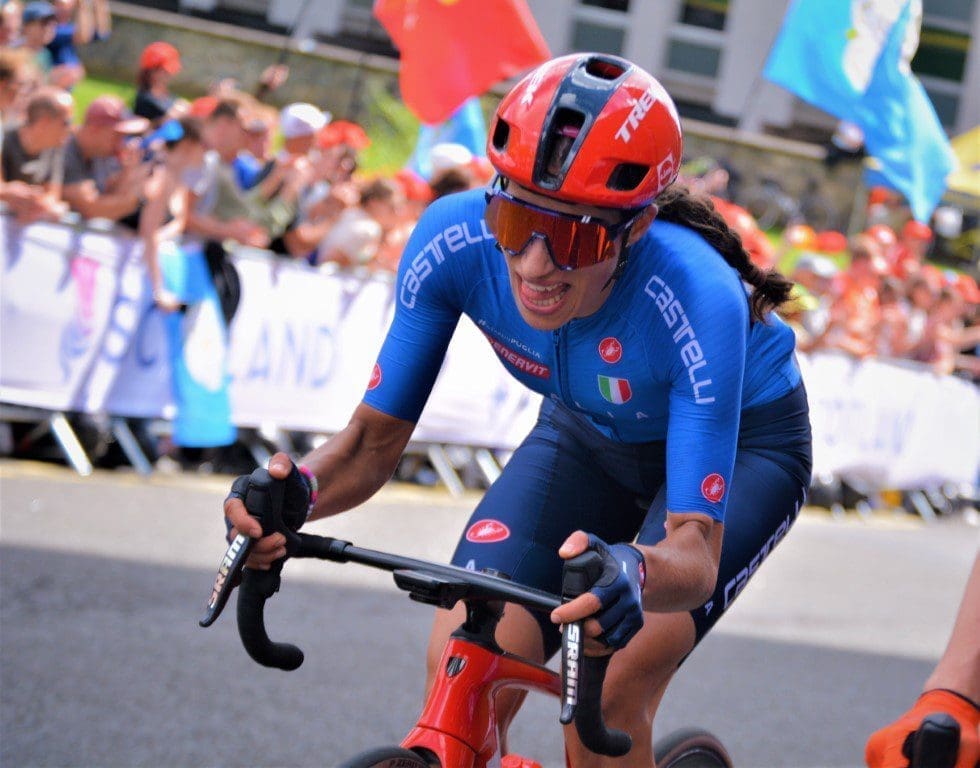
A stage win looks very realistic for Lidl-Trek because Elisa Balsamo has the kind of finish that can still decide a stage even when the bunch has been thinned by repeated climbs. Valenciana often produces exactly that scenario, a group reduced enough that lead-outs fracture, but still large enough for a fast finisher to win if she times it right. The GC story hinges on Gaia Realini, who benefits most if the hardest stage is raced as a pure climbing test that removes the fast finishers entirely. She’s another who needs to brush off her 2025 form and if that happens, Realini becomes a rider who can climb into the top of the overall. While Anna Henderson offers another stage-winning route on a punchy finish where timing and positioning matter more than pure climbing.
A clear early-season GC play comes from EF Education-Oatly through Cédrine Kerbaol, who is well-suited to a race where one decisive climbing day often settles the hierarchy. She has the ability to deliver a measured effort on the key climbs and then hold position across the remaining stages, which can be just as important as attacking once. The stage win angle is more open, but Magdeleine Vallieres is exactly the kind of rider who can influence a rolling stage through aggression rather than waiting for a sprint, especially if the racing is nervy and teams are hesitant to chase.
Liv AlUla Jayco feels built for stage hunting rather than an all-in GC focus, and that can be a very productive approach in Valenciana. Letizia Paternoster is the most obvious finisher if a stage ends with a selective sprint, because she can still deliver speed after a hard day. Caroline Andersson is an interesting name for the stages that are too hard for pure sprinters but not decisive enough to guarantee a GC showdown, a type of terrain where opportunism, timing and the ability to keep pushing after a climb often decide the outcome. Quinty Ton and Jeanne Korevaar add support for keeping the team present when the race splits.
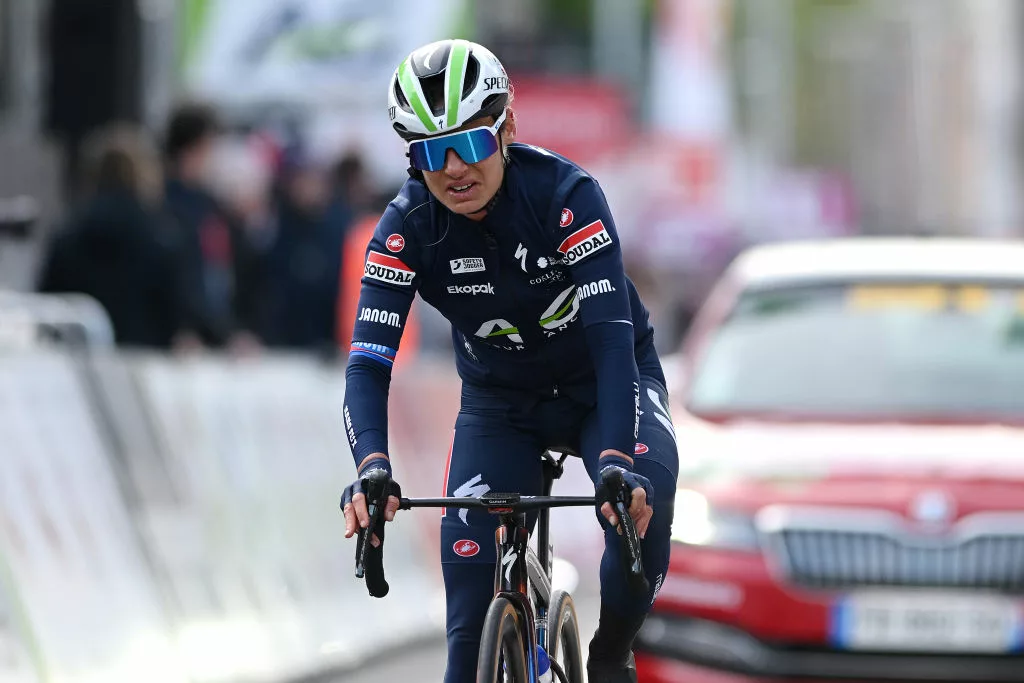
A proven Valenciana profile sits with AG Insurance-Soudal Team because Ashleigh Moolman-Pasio has repeatedly delivered here, and 2nd overall in 2023 remains the clearest proof that this terrain suits her. The key with Moolman-Pasio is that she does not need the race to be wildly selective every day. One properly hard stage can be enough for her to establish position, then the rest becomes about managing effort, staying out of trouble, and taking time where it is available. Urška Žigart adds a genuine second climbing option, which matters if the GC fight becomes tactical, while Letizia Borghesi is the rider who can turn the in-between stages into an opportunity. On days where the climbs are tough but not decisive, Borghesi can still finish fast from a reduced group and pick up a stage result or a strong placing that changes the feel of the team’s week.
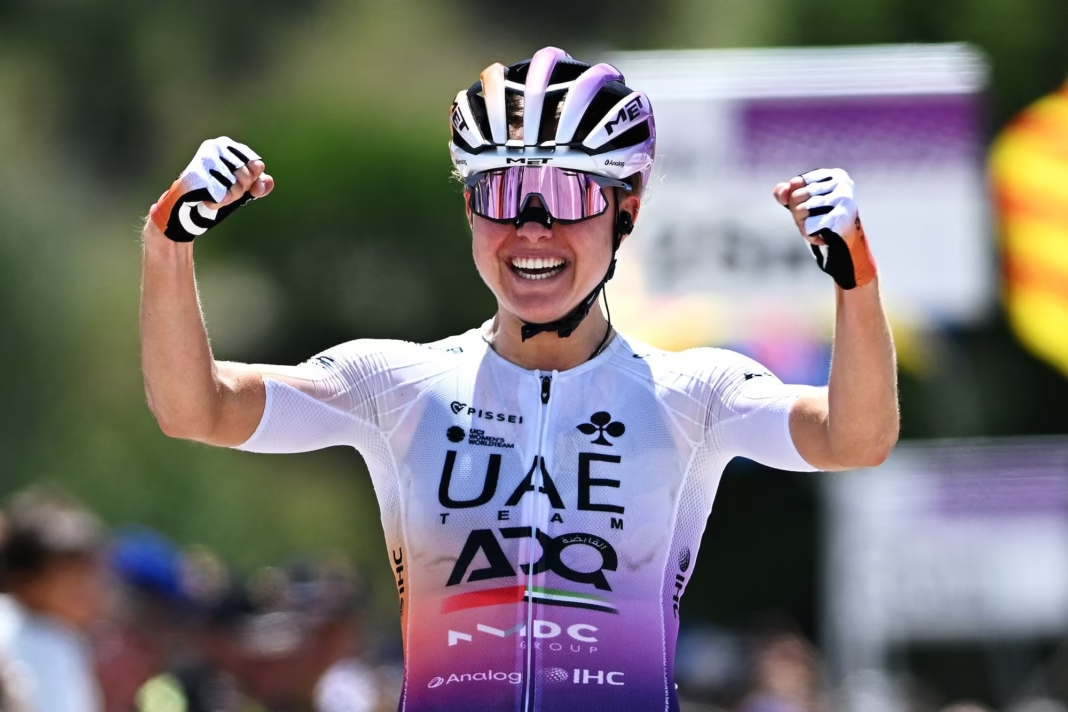
If the race becomes a pure climbers’ fight, UAE Team ADQ have one of the most natural riders for that scenario in Pauliena Rooijakkers in her first race for her new team. Her best days come when the gradients bite, and the race turns into a steady test of endurance rather than a short, punchy battle, and Valenciana can deliver exactly that on the hardest stage. The other interesting name is Maeva Squiban, because she gives the team a second path to success that does not rely on winning the GC outright. If a rolling stage becomes tactical and a strong group gains freedom, double-Tour stage winner Squiban can be the rider who commits early and finishes it off, particularly if the bigger teams are focused on marking each other rather than chasing. That combination, a pure climber for GC and an opportunist for stages, makes the line-up more dangerous than it might look at first glance.
Uno-X Mobility bring a two-pronged climbing threat that can suit Valenciana’s stop-start rhythm, where the strongest teams often try to isolate rivals before the final climb rather than simply ride tempo. Mie Bjørndal Ottestad is the clearest GC leader, a rider who can handle repeated hard days and still deliver when the race finally becomes a climbing test. Katrine Aalerud gives them a second rider who can be relevant on the decisive terrain, and that depth creates tactical options. If Ottestad is marked closely, Aalerud can go earlier, or simply act as the rider who forces others to chase, and Valenciana is one of those races where that kind of pressure can create time gaps even without a summit finish every day.

Home roads often bring extra intent for Laboral Kutxa-Fundacion Euskadi, and this is a line-up that looks built to be visible rather than passive. The GC card is Usoa Ostolaza, especially if the hardest stage is raced as a long, attritional climbing test where steady power matters more than repeated accelerations. In that scenario, Ostolaza can build a result through resilience rather than needing one explosive moment. Stage-wise, the most realistic route is through aggression and timing, and Catalina Soto Campos gives them a finisher who can still deliver when the bunch is reduced, and the sprint is more about who has legs left than who has the purest speed. Her recent win in El Salvador was a strong way to start the season.
There is real GC intent in Team Visma | Lease a Bike’s line-up, because Lieke Nooijen and Viktória Chladonová give them riders who can cope with sustained climbing and still ride with ambition across four days. Valenciana is often won through one key mountain day, but the riders who do well are usually the ones who avoid losing time on the messy, windy, technical approaches too, and this group has the depth to do that. Stage-wise, a rider like Nienke Veenhoven can be relevant if a finish comes down to a more traditional sprint finish and will have taken confidence from her 3rd and 4th place finishes in the UAE Tour Women.
If you want a team built to light up the race rather than simply follow the GC favourites, Fenix-Premier Tech make a lot of sense. Yara Kastelijn is the kind of rider who can turn Valenciana’s irregular climbing into a selection rather than a steady tempo test. When the race is aggressive, she is also the rider who can win a stage by forcing the decisive move rather than relying on a sprint. The other stage angle comes from Xaydee Van Sinaey and Carina Schrempf, two riders who can be competitive when a day finishes from a reduced group, and the sprint is about surviving the climbs first, then timing the final effort.
2026 Setmana Ciclista Valenciana Outsiders

When the bunch is reduced and everyone is tired, VolkerWessels Cycling Team can still find a result because the race often comes down to who has the legs to keep pushing after the decisive climb rather than who has been sheltered all day. Anne Knijnenburg stands out as the rider most likely to cope with the repeated climbing and still be present when the selections are made, while Sabrina Stultiens brings experience for chaotic racing and could be valuable on a day where the front group hesitates and a move is given too much room.
A team with a clear stage-winning route is Team Picnic PostNL, largely because Ella Heremans is the kind of finisher who can profit when Valenciana produces a reduced sprint rather than a full lead-out drag race. If the race becomes tactical on the rolling stages, Audrey De Keersmaeker and Elise Uijen are the names most likely to animate things from distance, either by getting into the right move or by forcing other teams to chase earlier than they want. The rest of the week is about staying present on the decisive climbs, because even stage hunters can end up with a strong GC placing here if the gaps are small and the sprint bonuses are fought over.
A smaller group can still have a real moment at this race, and Cofidis Women Team are well placed for that because they have a rider with proven Valenciana pedigree. Nikola Noskova almost hung with the bigger-name climbs on Jebel Hafeet last week and might be in sort of form to sneak into the top-10 of the GC here. The stage hunt is supported by riders like Julie Bego and Nadia Quagliotto, who can be valuable on the days where a strong break gets space, or where the bunch is whittled down enough that a punchy finish becomes unpredictable.
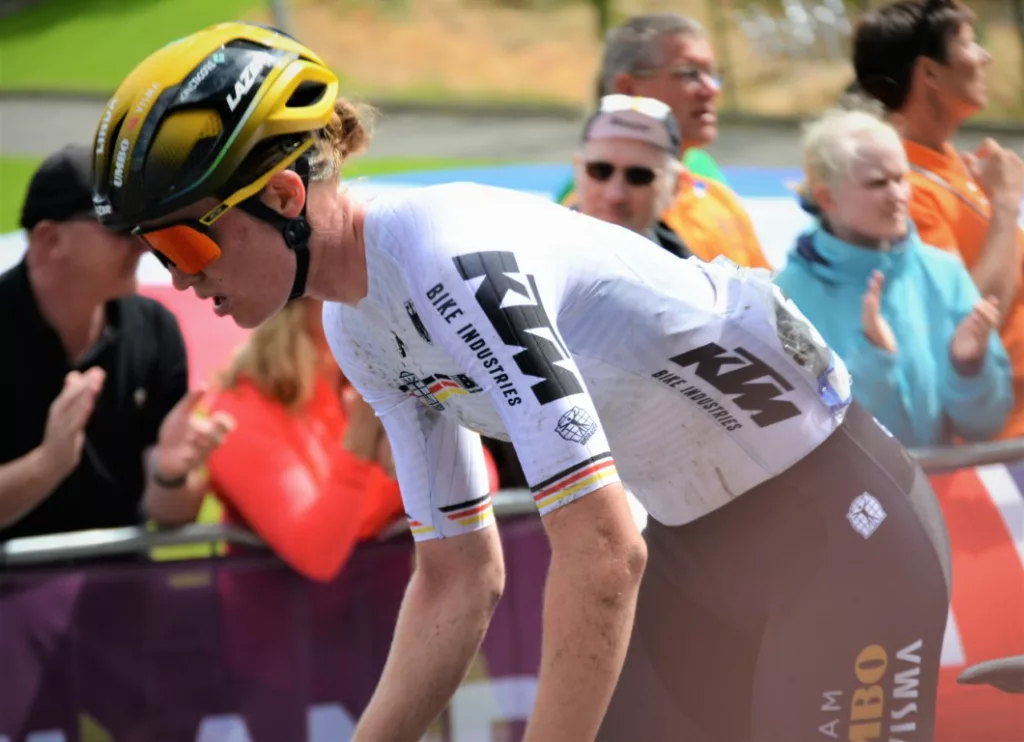
A stage win is probably the cleanest route to a big result for Lotto-Intermarché Ladies, and the reason is that Valenciana can produce those scrappy finales where the last climb softens the bunch, and the sprint is decided by who still has punch rather than who has the best train. Linda Riedmann is the obvious name to build that scenario around, because she can handle hard racing and still finish fast when the group is reduced. If the race turns into a day for opportunists, Romina Hinojosa and Katrijn De Clercq are the riders most likely to lean into a move and force bigger teams to chase, while Marieke Meert is another who can be useful when the race is nervous, and positioning decides which riders even make the front selection.
A straightforward stage target sits with St Michel-Preference Home-Auber 93, because India Grangier and Clara Emond give them realistic options for reduced sprints and punchy late-race scenarios where the biggest teams have burned through their lead-outs on the climbs. Emond was 6th on the uphill finish at the Trofeo Marratxi-Felanitx recently. Valenciana often creates those scrappy finales, not always a clean bunch finish, but a group that has been thinned by repeated pressure.
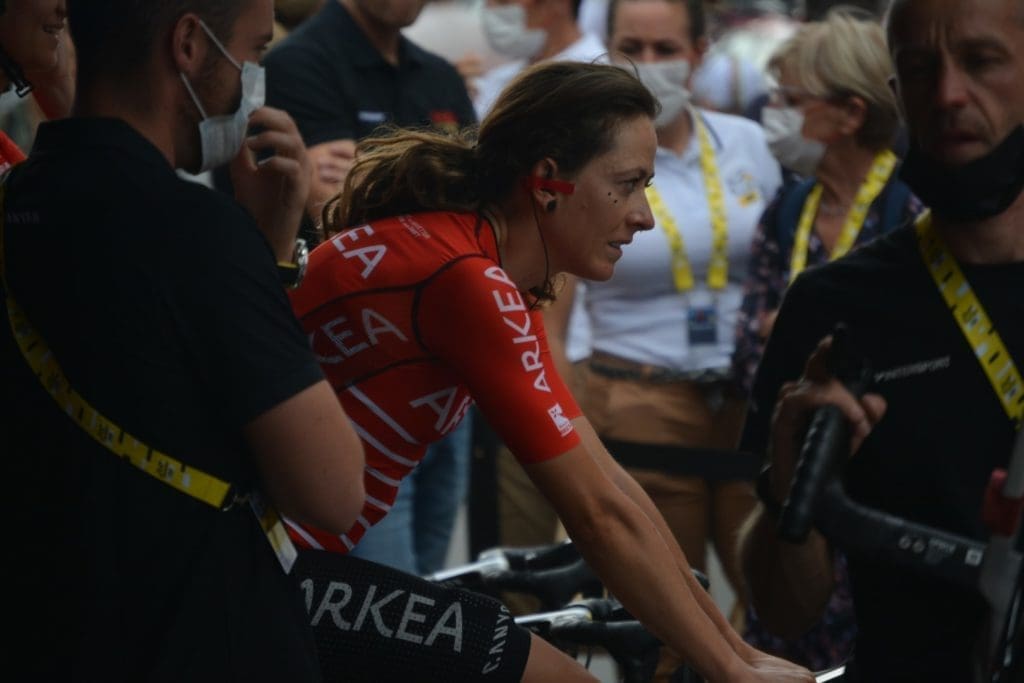
It is harder for Ma Petite Entreprise to dictate the shape of the race, but Valenciana often rewards teams who commit to one clear plan on the right day. If a rolling stage is allowed to breathe and a break gains space, riders like Noémie Abgrall and Morgane Coston are the types who can be active, especially when the big GC teams are content to control rather than chase aggressively. The most realistic stage pathway is not a sprint from a large group, but a late move that goes clear after the final climb, with Ilona Rouat and Clémence Latimier also fitting that opportunistic profile if the day becomes tactical.
Vini Fantini-BePink look best suited to opportunistic racing across the week, because Valenciana can offer days where a committed break can survive if the GC teams are focused on each other. Fariba Hashimi is a rider who can be active on the climbs and still push on when the race fractures, and that makes her a sensible name for the stages that are too hard for pure sprinters but not hard enough to guarantee a GC showdown. Silvia Milesi and Elisa Valtulini give extra depth for aggressive stage hunting, while Sofia Arici and Irene Cagnazzo are more likely to be relevant in scenarios where the finish is messy and reduced, rather than a clean sprint against the fastest teams.
Top 3 Prediction
⦿ Demi Vollering
⦿ Cédrine Kerbaol
⦿ Liane Lippert
-
 Photo Credit: quentinphotographiebe
 -
 Photo Credit: Getty