

Giro d’Italia Women 2026 takes place from Saturday 30th May to Sunday 7th June and, for the first time in the race’s history, runs over nine stages rather than eight. It remains part of the UCI Women’s WorldTour and now sits immediately after the men’s Giro in the calendar, giving the women’s race a much more prominent early-summer slot.
If you are new to women’s cycling, this is one of the easiest races to understand and one of the hardest to win. The basic idea is simple enough: the rider with the lowest accumulated time across the nine stages wins the overall title and takes the maglia rosa, the pink leader’s jersey. But the way the race gets there is what makes it compelling. Some stages suit sprinters, some favour attackers, some are built for climbers, and over more than a week the strongest all-round rider usually rises to the top.
The 2026 edition also looks bigger than usual. The official route includes two summit finishes, an uphill time trial to Nevegal on Stage 4 and a final mountain stage to Sestriere on Stage 8 via the Colle delle Finestre. That gives the race a much sharper GC shape than a typical one-week stage race and makes it a natural companion to the wider Giro d’Italia Women coverage hub.
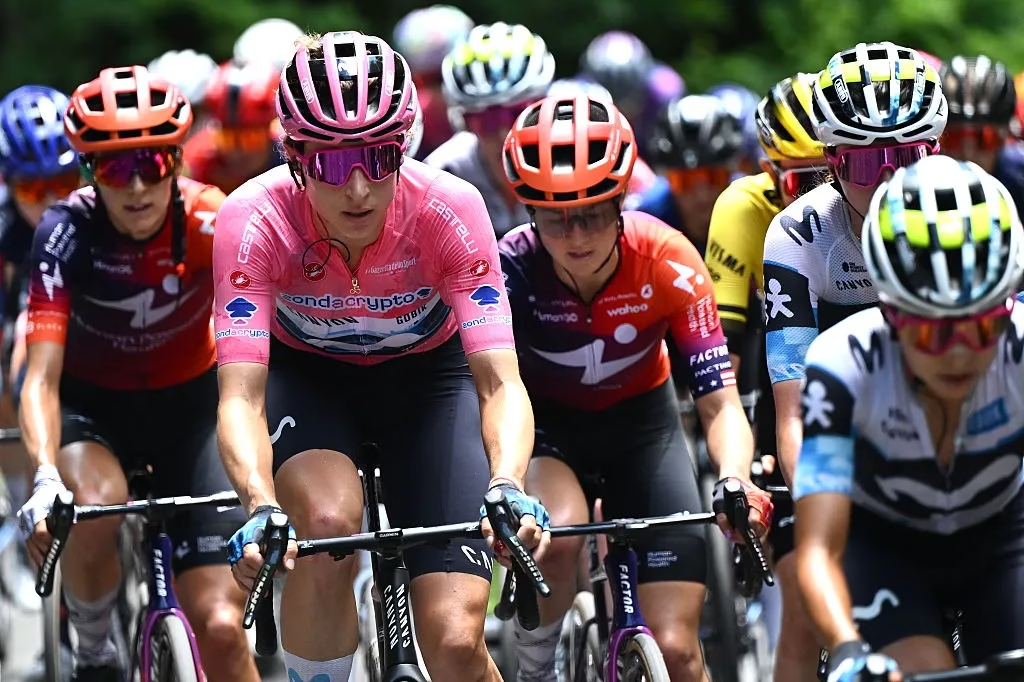
What is Giro d’Italia Women?
Giro d’Italia Women is the biggest women’s stage race in Italy and one of the most important stage races in the entire sport. In simple terms, it is the women’s Italian Grand Tour. Riders race day after day across different kinds of terrain, and the overall winner is the one who loses the least time across the whole event.
It is not exactly the same as the men’s Giro in scale, but it carries the same basic Grand Tour logic. The race rewards consistency, recovery, climbing strength, team support and the ability to avoid losing time on the wrong day. That is why the winner is rarely just the strongest climber or the fastest rider. She usually has to be much more complete than that.
Why is it called the maglia rosa?
The leader of the overall classification wears pink because pink is the signature colour of the Giro. In Italian, the jersey is called the maglia rosa. If you are new to stage racing, this is the easiest thing to track from one day to the next. Whoever wears pink is leading the race overall.
There are other classifications too, including points and mountains, but pink is the one that matters most. When people talk about winning Giro d’Italia Women, they usually mean winning that overall classification.
How long is Giro d’Italia Women 2026?
The 2026 race lasts nine days, from Saturday 30th May to Sunday 7th June. That is an important change because the race expands from eight stages to nine, which gives the organisers more room to create a fuller route and gives the general classification more time to develop properly.
For beginners, that means the race sits in an interesting space. It is longer and more layered than a short three or four-day stage race such as Itzulia Women, but shorter than the men’s Grand Tours. That tends to make it easier to follow without losing the feeling that the overall battle is evolving day by day.
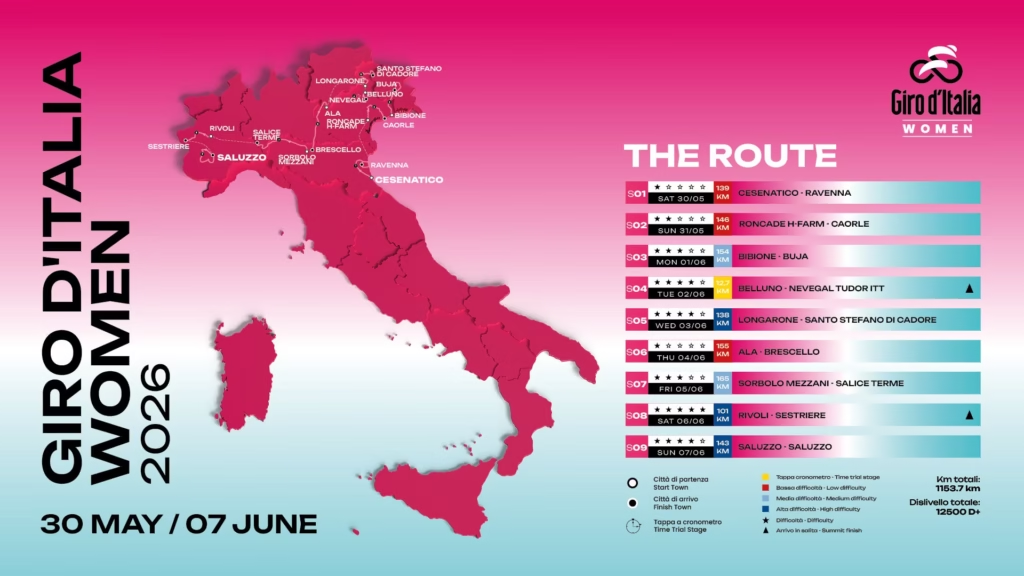
What does the 2026 route look like?
The 2026 route looks serious. The race includes two summit finishes, with Stage 4 finishing on the Nevegal Tudor ITT climb and Stage 8 finishing in Sestriere after the Colle delle Finestre. That gives the edition a very clear high-mountain identity.
That matters because it tells you straight away what kind of rider is likely to win. This does not look like a race that will be decided by bonus seconds or by a single flatter time trial. It looks like a race where the climbers and complete GC riders will have multiple chances to take time.
The race also now sits earlier in the calendar, which changes its place in the season. Instead of being a mid-July event, it comes straight after the men’s Giro and before several other major summer targets, which should make the form and the level of attention around it stronger.
For a fuller stage-by-stage breakdown, the logical next read is the Giro d’Italia Women 2026 full route guide, which explains how the route is expected to shape the overall battle.
What types of stages should you expect?
A stage race like this usually includes a mixture of sprint stages, hilly days, mountain stages and sometimes time trials. The 2026 edition definitely has enough climbing to shape the general classification, but not every day will be for the same type of rider. That is part of the appeal.
On flatter stages, the main question is whether the sprinters’ teams can control the breakaway and bring the race back together for a bunch finish. On hillier stages, the race becomes more unpredictable. On mountain stages, the overall contenders usually come to the front. And on a time trial, each rider races alone against the clock, which can create important time gaps without the help of teammates.
Because the 2026 route includes an uphill time trial and a major summit finish, beginners should expect the race to change shape several times rather than follow one easy pattern all week.
 Photo Credit: LaPresse
Who usually wins a race like this?
The winner is usually a rider who can climb very well, limit losses on flatter or faster days, and stay protected by her team through the nervous sections of the race. In other words, Giro d’Italia Women is usually won by a real stage-race leader, not just by the best specialist in one area.
The race’s recent history underlines that. Elisa Longo Borghini won the overall in both 2024 and 2025, which tells you a lot about the kind of rider who tends to thrive here: strong uphill, tactically reliable and good enough to absorb pressure across a full week.
That should help beginners read the race properly. A rider can win one stage and still have no chance of winning the Giro overall. The overall winner is the rider who stays strongest, smartest and most consistent across the whole route.
How many teams are racing?
The 2026 race has 21 teams on the start list. That includes 14 UCI Women’s WorldTeams, 4 UCI Women’s ProTeams and 3 national teams, which gives the race a strong top-end field while still leaving room for developing squads and different tactical approaches.
For a new viewer, the practical point is that not every team is racing for the same objective. Some teams will be fully committed to the overall classification. Some will be chasing sprint stages. Others will look for breakaways, mountains points or a standout result from a younger rider. Understanding that difference makes the race much easier to follow.
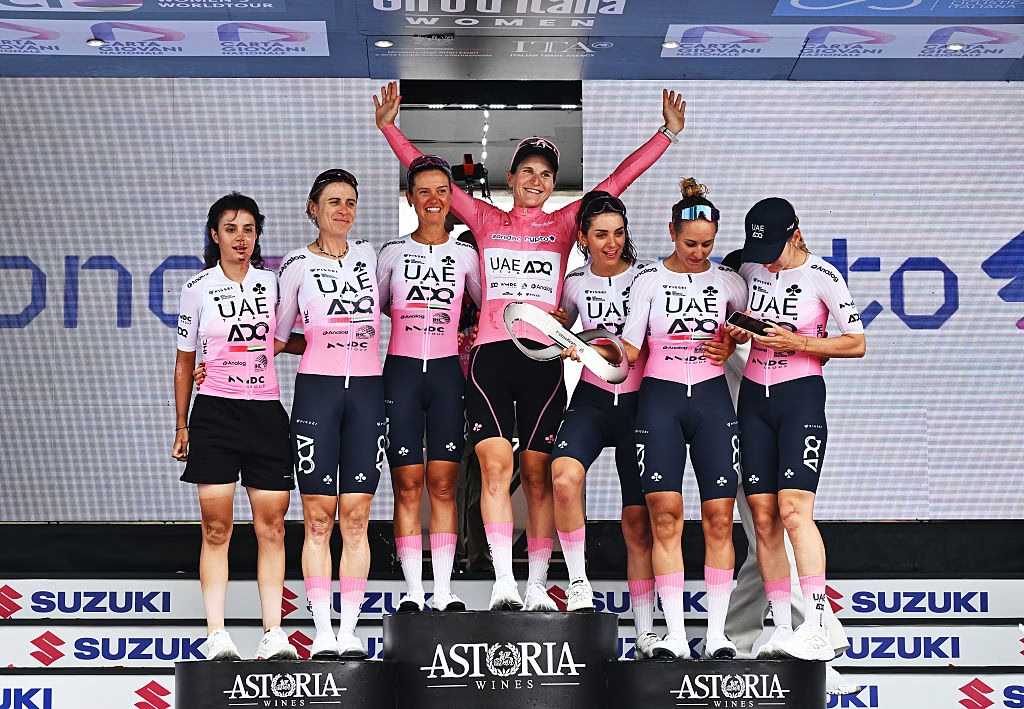
How should beginners watch Giro d’Italia Women?
The easiest way is to keep three things in mind each day: who is in pink, what type of stage it is, and where the most decisive climbing or technical section comes. Once you know those three things, the race starts to make much more sense.
If it is a flatter stage, watch which teams are chasing and whether the breakaway stays within reach. If it is a mountain stage, watch the teammates around the main contenders and notice who starts to lose support first. If it is a time trial, focus on the time gaps and which riders are gaining or limiting losses rather than the head-to-head racing you would see in a normal road stage.
It also helps to remember that the race can be won through patience as much as aggression. Some of the most important moments in a Grand Tour-style race are not flashy attacks. They are the days when one contender loses 40 seconds instead of 4 minutes, or when a rival’s team quietly controls a dangerous stage without looking dramatic.


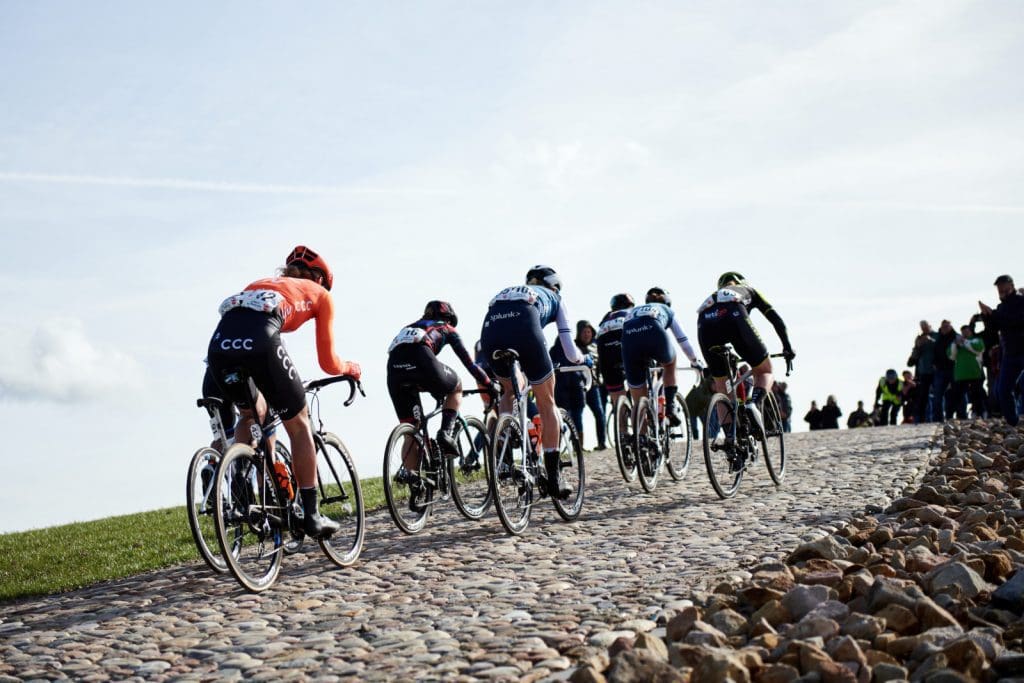
Why Giro d’Italia Women matters
This race matters because it is one of the key stage races that give shape to the women’s season. Alongside Tour de France Femmes and La Vuelta Femenina, it helps define who the best stage-race riders in the world are.
It also has its own identity. Giro d’Italia Women often feels more traditional, more climbing-led and slightly more tactically varied than some newer events. The 2026 route, with its extra day and two major summit finishes, should strengthen that feeling rather than dilute it.
For newer fans, that makes it a very good race to learn from. The logic of stage racing is visible, the jersey hierarchy is clear, and the route is hard enough that the strongest riders should reveal themselves properly by the end.
Beginner’s verdict
Giro d’Italia Women 2026 looks like one of the strongest and most interesting editions yet. It runs from 30th May to 7th June, expands to nine stages, includes two summit finishes and brings the race into a more prominent place in the calendar immediately after the men’s Giro.
If you are new to women’s cycling, the easiest way to think about it is this: it is Italy’s biggest women’s stage race, the rider in pink leads overall, and the winner will probably be the rider who can climb best while staying strong and consistent across the whole week. That is a simple starting point, but it is enough to make the race immediately enjoyable.
Once the road starts rising towards Nevegal and then Sestriere, the race should become even easier to read. By then, the strongest riders usually stop hiding. For the broader context around the race, the main Giro d’Italia Women hub and the 2026 full route guide are the best places to keep following the story.

