
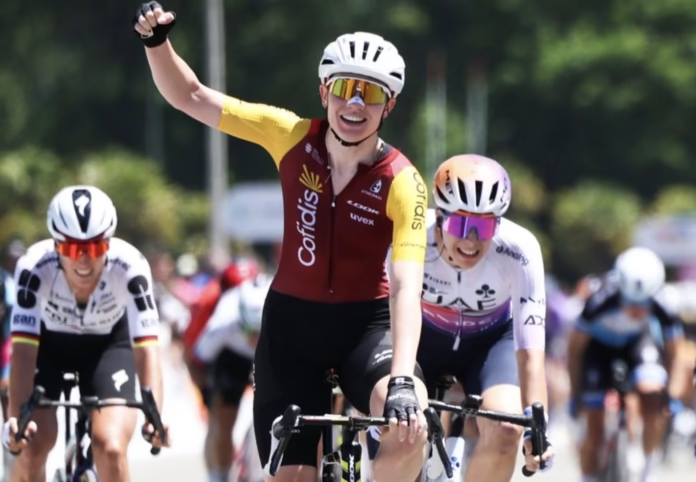
The Tour Féminin International des Pyrénées 2026 reaches its decisive mountain stage on Saturday, 13th June, with stage 2 taking the riders from Arrens-Marsous to Bagnères-de-Bigorre over the Col du Tourmalet. At just 94.9km, it is not a long stage, but distance is not the defining factor here. The race’s queen stage is built around one of the most famous climbs in cycling, and it should reshape the general classification before Sunday’s final stage to Jurançon.
Martina Alzini begins the day in the leader’s jersey after winning stage 1 in Mourenx ahead of Federica Venturelli and Marie Le Net. The Italian gave Cofidis Women Team the perfect start, but stage 2 is a very different test. The Tourmalet should shift the race away from fast finishers and towards the pure climbers, stage-race specialists and riders who can descend well after a long high-mountain effort.
This is the stage where Paula Blasi, Usoa Ostolaza, Juliette Berthet, Dominika Wlodarczyk, Julie Bego and Karoline Perekitko have to show where they really stand. The opening day allowed the GC riders to stay safe and avoid mistakes. Stage 2 offers far less room to hide.
For wider race context, see our Tour Féminin International des Pyrénées 2026 full route guide, full start list for Tour Féminin International des Pyrénées 2026, Tour Féminin International des Pyrénées 2026 contenders preview and Tour Féminin International des Pyrénées 2026 stage 1 report.
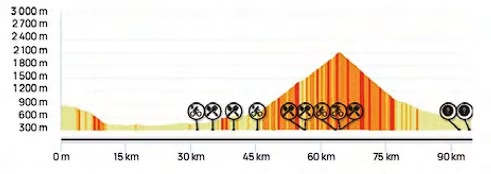
Tour Féminin International des Pyrénées 2026 stage 2 route
Stage 2 runs from Arrens-Marsous to Bagnères-de-Bigorre over 94.9km. The defining feature is the Col du Tourmalet, which gives the race its major climbing test and should decide whether the overall contest remains open on Sunday or already has a clear leader.
The route is short enough to encourage aggressive racing, but the Tourmalet changes how the stage has to be managed. Teams cannot simply wait and hope the final kilometres solve everything. The climb is long, famous and hard enough to force selection well before the finish, while the descent and run-in to Bagnères-de-Bigorre mean that climbing strength alone may not be enough.
That final point matters. This is not a summit finish. The decisive gaps may be created on the Tourmalet, but they still have to be defended afterwards. A rider who goes clear over the top will need to descend confidently, hold position through the valley and avoid giving back time before the finish.
That gives stage 2 a different tactical shape from a pure uphill finish. The strongest climber should be at an advantage, but the winner may need more than one skill.
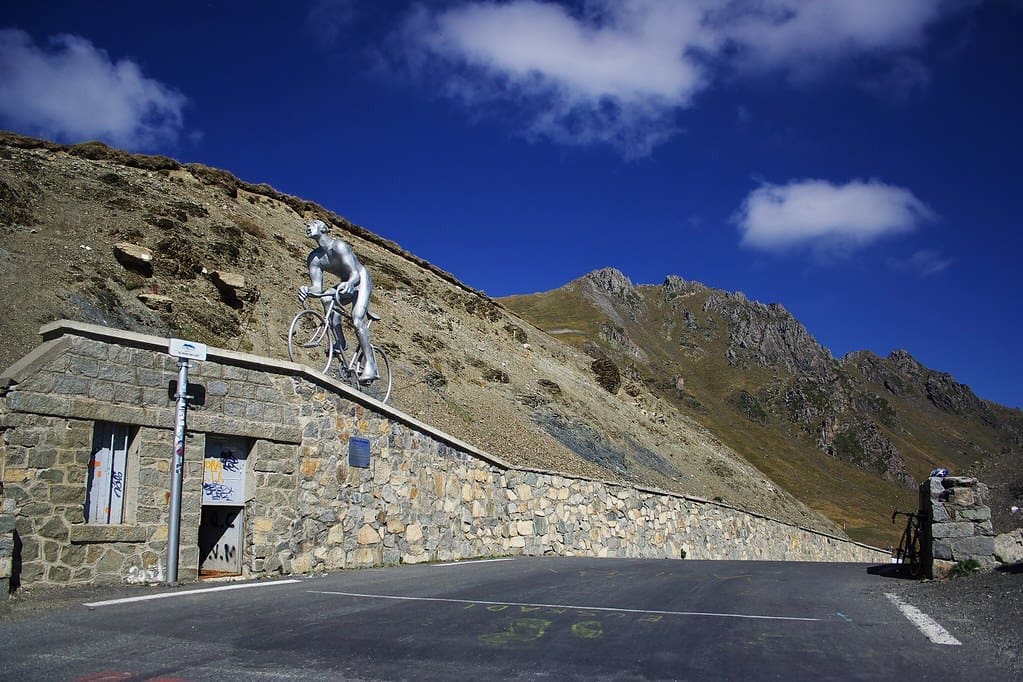
Why the Tourmalet changes the race
The Col du Tourmalet is not just another climb. It carries weight because of its Tour de France history, its length, its altitude and the way it tends to strip races down to the strongest riders. Even in a women’s ProSeries race over a shorter distance, it gives the stage immediate status.
The opening stage to Mourenx was about positioning, sprint timing and avoiding problems. Stage 2 is about climbing hierarchy. Riders who looked comfortable on Friday may be under pressure within a few kilometres of the Tourmalet. Teams with depth will try to keep numbers around their leaders as long as possible, but this is the sort of climb where support can disappear quickly.
For the general classification, the Tourmalet is likely to be the most important climb of the race. Sunday’s final stage to Jurançon is punchy and awkward, but it is unlikely to offer the same sustained climbing platform. If a rider wants to win this race through pure climbing strength, Saturday is the day to do it.
The question is not whether the Tourmalet will create selection. It is how early the strongest teams decide to make it hurt.
GC picture after stage 1
Martina Alzini leads the race after her stage 1 win, with Federica Venturelli 2nd and Marie Le Net 3rd. That gives the opening GC a sprint-stage shape, but stage 2 should quickly pull the climbers back into the centre of the race.
Venturelli’s 2nd place on stage 1 is particularly useful for UAE Team ADQ. She already has a strong position near the front of the overall standings, while Paula Blasi and Dominika Wlodarczyk give the team two climbing options for the queen stage. That makes UAE Team ADQ one of the most important squads on stage 2.
FDJ United-SUEZ also begin the day in a strong place. Marie Le Net was on the stage 1 podium, Franziska Koch finished 4th, and Juliette Berthet remains their most obvious GC card for the mountain test. The team have enough presence near the top of the early standings to influence how the race is controlled before the Tourmalet.
Laboral Kutxa-Fundación Euskadi will look towards Usoa Ostolaza. She has the strongest race history in the field and knows how to win in this event. Stage 2 is exactly the type of day where that matters.
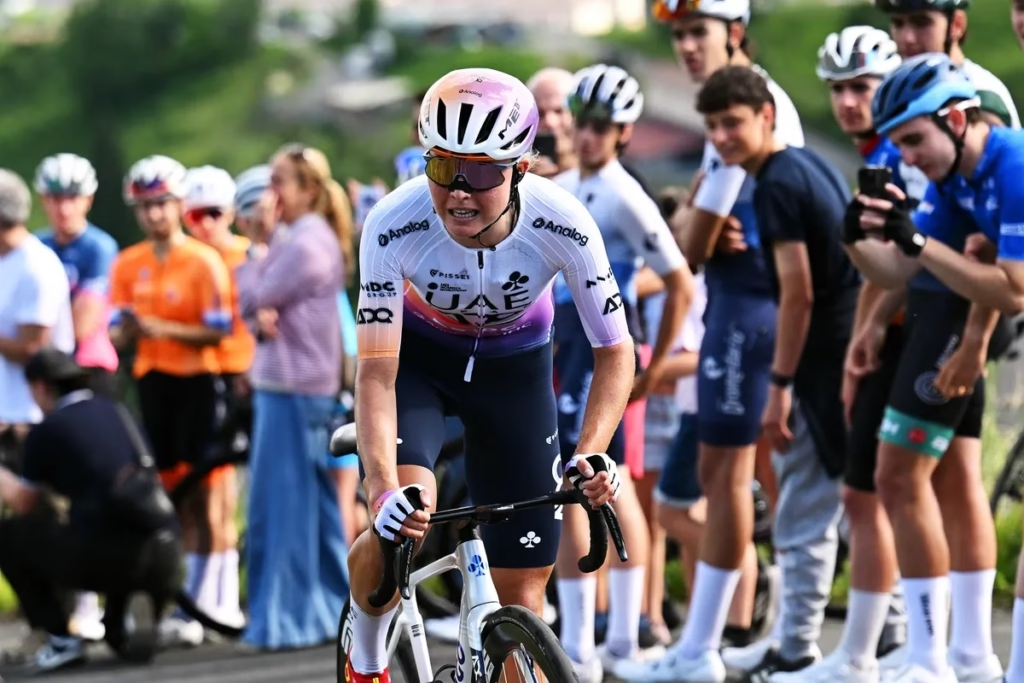 Photo Credit: Getty
Paula Blasi
Paula Blasi starts stage 2 as one of the riders everyone will watch. Her 2026 season has already changed the way she is viewed, and after winning La Vuelta Femenina, she carries a level of expectation that would have seemed ambitious not long ago.
The Tourmalet gives her the right sort of stage to make that status count. Blasi is not here simply to follow. She has the climbing form and confidence to take control of the race if she is strong enough on the decisive slopes. The shorter distance could also suit her, because it places the emphasis on a sharp mountain effort rather than a long day of attrition.
UAE Team ADQ’s advantage is depth. Venturelli’s strong stage 1 result gives the team a rider already high on GC, while Wlodarczyk offers another climbing option. That means Blasi should not be isolated immediately if the race becomes tactical.
The challenge is expectation. After her Vuelta breakthrough, she will be marked more closely. If she attacks on the Tourmalet, everyone will understand the danger.
Usoa Ostolaza
Usoa Ostolaza is the rider with the best Tour Féminin International des Pyrénées record in the field. She has won this race twice, has stage-winning history here, and knows how to turn a Pyrenean mountain stage into a decisive GC move.
That experience makes her especially dangerous on stage 2. The Tourmalet is a climb where judgement matters. A rider has to know when to stay seated, when to follow, when to let others panic and when to commit. Ostolaza has enough history in this race to understand those rhythms better than almost anyone.
Laboral Kutxa-Fundación Euskadi should race around her. The team also have Yuliia Biriukova as a useful second option, but Ostolaza is the obvious leader on a stage like this. If she is close to her best, she can win the stage and take control of the race.
Her biggest advantage is that the route fits her identity. A selective Pyrenean stage, a major climb and a GC battle over three days all point towards Ostolaza being central.

Juliette Berthet
Juliette Berthet is one of the steadier podium contenders. She may not carry the same narrative momentum as Blasi or the same race history as Ostolaza, but she has the climbing consistency to stay close if the front group thins down gradually.
FDJ United-SUEZ begin stage 2 with options. Marie Le Net and Franziska Koch were both prominent on stage 1, while Berthet can focus on the general classification. That team structure could be useful if the early part of the stage is controlled and the race only fully opens on the Tourmalet.
Berthet’s ideal stage is one where the favourites mark each other until deep on the climb. If the race becomes explosive from distance, she may have to respond to repeated moves. If it becomes a sustained climbing test, she can ride her own tempo and aim to limit losses or take advantage of others fading.
A stage win may be difficult if Blasi or Ostolaza are at their best, but Berthet is firmly in the podium conversation.
Dominika Wlodarczyk
Dominika Wlodarczyk gives UAE Team ADQ another serious mountain option. That matters because stage 2 is unlikely to be controlled by one rider alone. If Blasi is marked, Wlodarczyk can either support her deep into the climb or become a tactical card in her own right.
Wlodarczyk’s presence also gives UAE Team ADQ insurance. If the Tourmalet produces a small group and Blasi is isolated, having another teammate nearby can change the dynamic. It can allow UAE Team ADQ to avoid chasing everything personally and force other teams to respond.
The key will be how the team uses its strength. With Blasi, Venturelli and Wlodarczyk all relevant in different ways, UAE Team ADQ should be one of the few teams able to shape the stage rather than simply react to it.
Wlodarczyk may not be the headline favourite, but she could be one of the most tactically important riders on the road.
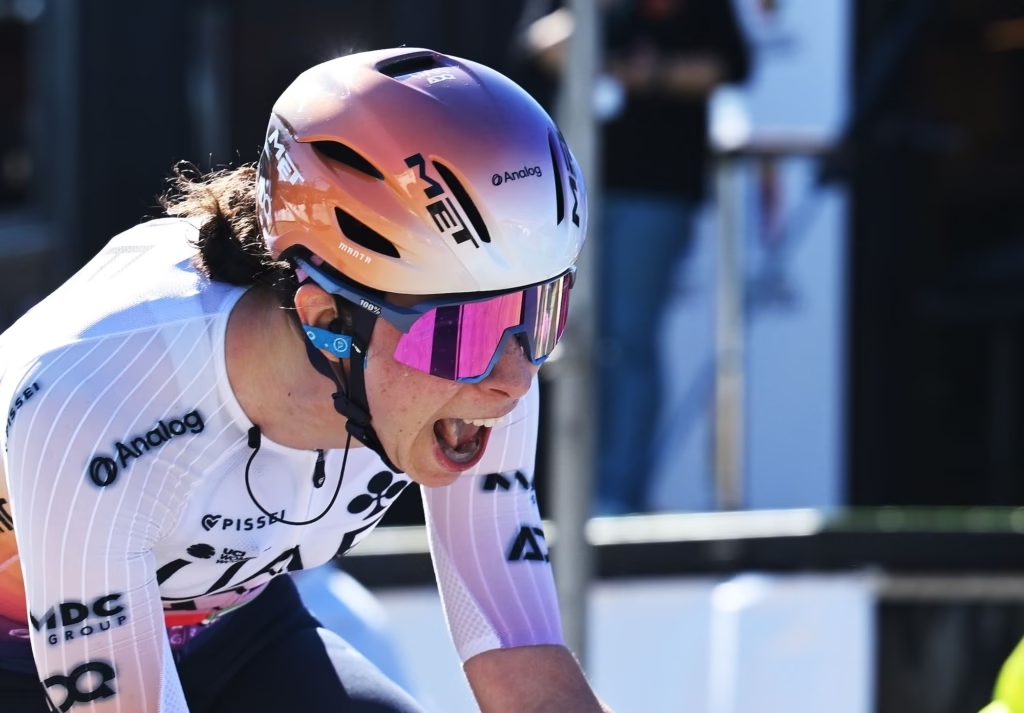
Federica Venturelli
Federica Venturelli’s 2nd place on stage 1 gives her an excellent early GC position. Stage 2 will tell us how far she can carry that advantage once the race reaches the Tourmalet.
Venturelli is still developing as a stage-race rider, but her opening-day result was more than useful. It gives UAE Team ADQ another card and means the team start the queen stage with multiple riders placed well. That can alter how rivals approach the stage, especially if the early GC remains close.
The question is whether she can stay with the best climbers once the Tourmalet becomes selective. If she can, she becomes a genuine GC threat. If not, she may still play an important support role for Blasi or Wlodarczyk.
Either way, her stage 1 performance has made her central to the stage 2 storyline.
Julie Bego
Julie Bego is one of the more interesting riders for stage 2 because she combines climbing potential with the kind of profile that can improve quickly in races like this. Cofidis Women Team already have the leader’s jersey through Alzini, but Bego may be their more natural option once the road rises.
That creates a tactical question for Cofidis. Do they try to defend Alzini’s lead for as long as possible, or do they allow Bego to ride her own GC race when the Tourmalet begins to bite? The most likely answer is that the team will protect the jersey early, then shift naturally towards the climber if the race becomes selective.
Bego does not need to dominate the stage to have a successful day. Staying close to Blasi, Ostolaza and Berthet would move her into a strong overall position before Sunday. If the favourites hesitate, she could also use the climb as a platform for a more ambitious move.
She is not the safest pick for the win, but she is one of the riders with the most to gain.

Karoline Perekitko
Karoline Perekitko should be watched carefully on a stage that could reward riders prepared to climb aggressively. Winspace Orange Seal have had success in this race before, and Perekitko has the profile to be relevant if the front group becomes selective but not completely reduced to the obvious favourites.
Her best route may be to follow rather than initiate. If Blasi, Ostolaza or Berthet force the main selection, Perekitko can aim to stay in that group and then use the descent and final kilometres to secure a strong placing. If she is still present over the top of the Tourmalet, she becomes dangerous.
This is also the kind of stage where a rider just outside the main favourite group can move onto the podium. The race is short, so one good mountain day can define the entire GC.
Eglantine Rayer
Eglantine Rayer is another rider who could benefit if stage 2 becomes a hard but controlled climbing test. She has the ability to stay in the conversation on a mountain stage, especially if the race is not blown apart too early.
Rayer’s challenge is the depth of the field. Blasi and Ostolaza have the clearest winning profiles, while Berthet, Wlodarczyk, Bego and Perekitko all have strong claims. But if the Tourmalet produces a wider selection rather than an immediate one-on-one battle, Rayer can stay close enough to matter.
For her, the priority should be positioning before the climb and avoiding unnecessary efforts early. A top-five stage result would put her in a strong place before the final day.

What can the stage 1 leader do?
Martina Alzini starts in the leader’s jersey, but defending it over the Tourmalet will be extremely difficult. That does not diminish what she achieved on stage 1. Cofidis Women Team won the opener, took the jersey and gave themselves a strong start to the race. Stage 2 simply asks a completely different question.
Alzini’s realistic task is to defend as long as possible, help shape the early race if needed, and then see how far she can survive once the pure climbers begin to apply pressure. If the stage is ridden conservatively, she may hold on longer than expected. If the Tourmalet is raced hard, the jersey should pass to one of the GC climbers.
Cofidis may also have to think about resources. Protecting Alzini and keeping Bego in a good position are not necessarily the same job once the climb begins. The team’s best overall result may depend on switching focus at the right moment.
Can the stage be won on the descent?
The Tourmalet should create the selection, but the stage finishes in Bagnères-de-Bigorre rather than at the summit. That opens the door to a more complex finish.
A rider who crests the Tourmalet alone will still have work to do. The descent can reward confidence, technical control and the ability to recover while still riding fast. A small chasing group can also cooperate if several GC riders have been dropped behind, but it can lose time if everyone starts thinking about bonus seconds, the stage win or Sunday’s final stage.
That means the strongest climber is not guaranteed to win. A rider can attack near the top, descend well and hold the gap. A group can come back together after the summit. Someone can also lose the race through caution on the descent after climbing well.
This is what makes stage 2 so appealing. It is not a simple summit-finish equation. The Tourmalet is the obvious decisive point, but the race may still be alive after the top.
-
 Photo Credit: Getty
 -
Photo Credit: Unipublic/Naike Ereñozaga


Stage 2 tactics
UAE Team ADQ have the most interesting tactical position. Blasi is the headline favourite, Venturelli is well placed after stage 1, and Wlodarczyk gives the team another climbing card. They can ride aggressively if they want to make the race difficult, or they can let others carry responsibility while using their numbers later.
Laboral Kutxa-Fundación Euskadi have the clearest single leader in Ostolaza. Their task is simpler: keep her safe, place her well before the Tourmalet, and allow her to use her climbing strength when the race reaches the decisive section.
FDJ United-SUEZ have Berthet for GC and useful stage-race depth around her. They may not need to attack first, especially if UAE Team ADQ and Laboral Kutxa-Fundación Euskadi are expected to make the race. Their best plan may be to keep Berthet calm and close until the final part of the climb.
Cofidis Women Team begin with the leader’s jersey, but their tactical balance is more complicated. Alzini deserves protection as the race leader, yet Bego may become the better mountain option. How Cofidis manage that transition could define their day.
Stage 2 prediction
Stage 2 should decide most of the Tour Féminin International des Pyrénées 2026 general classification. The final stage to Jurançon can still create changes, but the Tourmalet is the climb most likely to produce the biggest gaps.
Paula Blasi has the form and confidence to win, and UAE Team ADQ have enough depth to make the race difficult before the decisive slopes. But Usoa Ostolaza’s record in this race is hard to ignore. She has won the overall twice, has stage-winning history here, and knows how to turn a Pyrenean climbing stage into a race-winning move.
The descent to Bagnères-de-Bigorre complicates the finish, but the stage should still be decided by the riders who climb the Tourmalet best.
Prediction: Usoa Ostolaza to win stage 2 and move into the race lead, with Paula Blasi and Juliette Berthet close behind.

