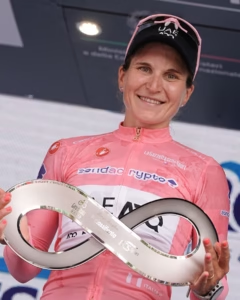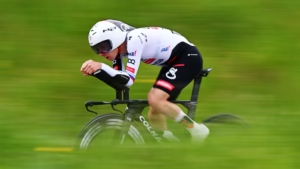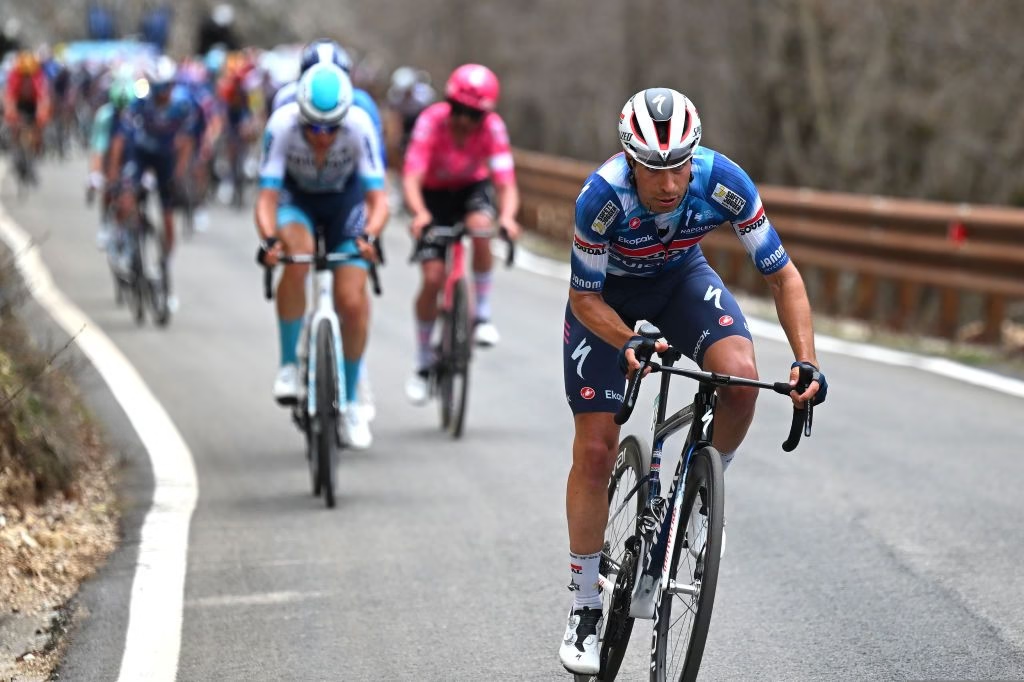
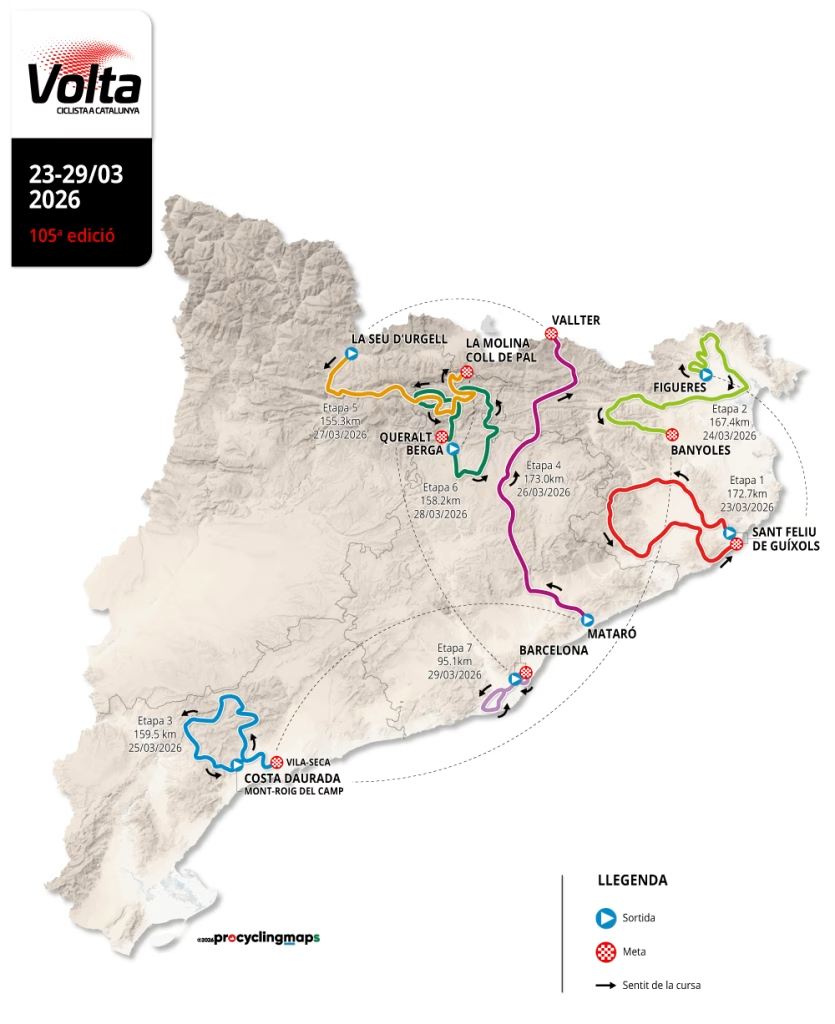
Volta Ciclista a Catalunya 2026 has the sort of startlist that immediately tells you this race matters. Jonas Vingegaard, Remco Evenepoel and João Almeida all line up for a route that starts with three stages unlikely to create major GC gaps, then turns sharply upward with summit finishes at Vallter, Coll de Pal and Queralt before the usual explosive final day in Barcelona.
That route shape matters for any team guide because it creates a very clear split in priorities. Some teams arrive built almost entirely around the general classification. Others have brought climbers and opportunists for the mountain stages, the transitional days, and the final Barcelona circuit. A few are here to win the race. A few are here to test where they really stand before bigger targets later in the year.
The first three stages should not settle much on paper, but they still matter. Catalunya rarely gives away free days, and the route has enough awkward terrain early on to punish teams that switch off. Then the race changes properly. Vallter should establish the first real hierarchy, Coll de Pal looks like the queen stage, Queralt is hard enough to reopen what looks settled, and Barcelona should stop anyone feeling safe too early.
If you want the broader route picture first, the Itzulia Basque Country 2026 full route guide gives useful context for the next major Spanish stage race of the spring, while the Men’s Dwars door Vlaanderen 2026 route guide shows how quickly the calendar pivots back towards the Classics after this. Catalunya sits in that interesting middle ground where Tour contenders, climbers and all-rounders can all justify being here.
Why the 2026 route matters so much
The opening three stages are officially flatter days, but that slightly undersells how awkward Catalunya can be even before the high mountains arrive. Sant Feliu de Guíxols always has enough bite to tempt aggressive riders, Banyoles is rarely a completely free sprint if teams decide to press on, and the Costa Daurada stage could easily become a day where positioning and crosswinds matter more than the label suggests.
Then the race changes properly. Vallter brings the first summit finish at altitude, Coll de Pal is the hardest mountain day of the week, Queralt revives one of the race’s toughest modern summit finishes, and Barcelona closes everything with seven ascents of Montjuïc in a short final stage that rewards aggression as much as control.
That should produce a race where the pure climbers and stage-race leaders gradually take control, but not necessarily in a straightforward way. Teams with multiple GC cards have a real advantage here because Coll de Pal and Queralt both look hard enough to reward layered attacks rather than one clean test of strength. Just as importantly, the final Barcelona stage remains dangerous enough that a close overall can still be destabilised on the last day.
Red Bull-BORA-hansgrohe
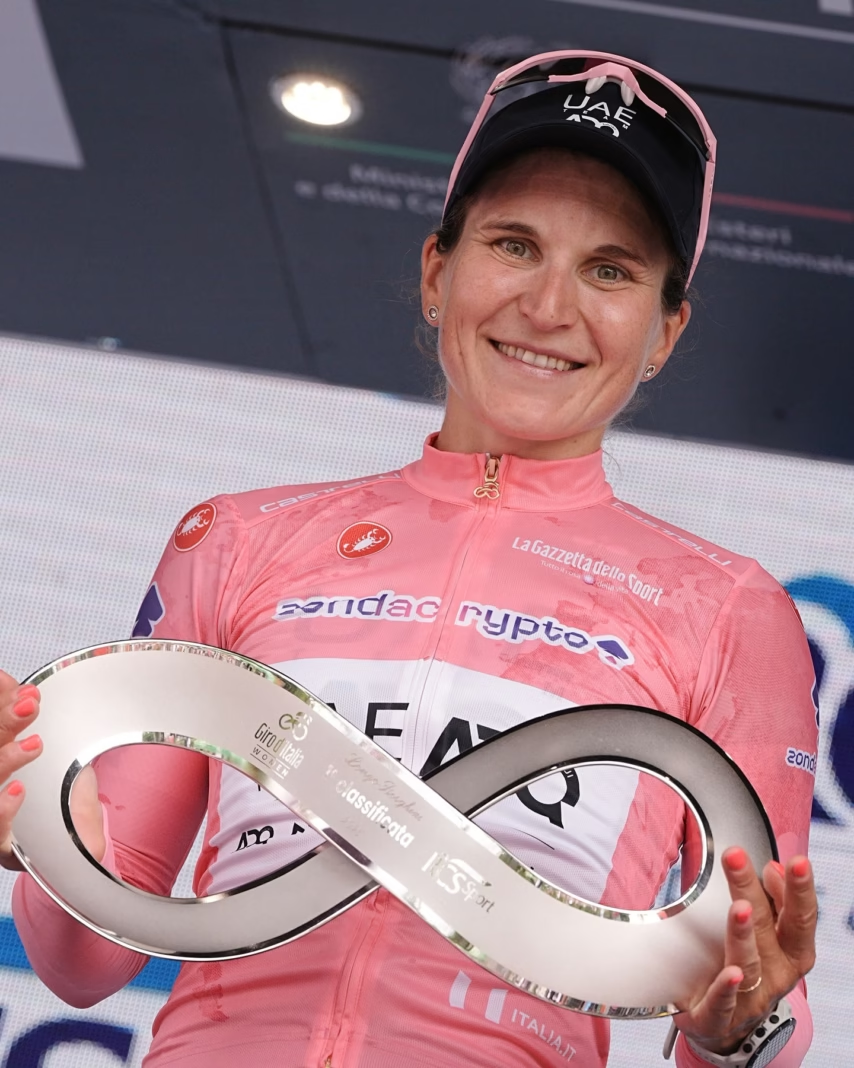
Remco Evenepoel is the obvious headline here, but this is one of the more interesting teams in the race precisely because the hierarchy is not quite as simple as the biggest name on the startlist might suggest. If Evenepoel is in the condition he wants, Red Bull-BORA-hansgrohe have one of the most direct routes to winning the race. The route gives him enough time to settle in early, then enough climbing to make his superiority count if he has it.
But the deeper strength of the team is what makes them so dangerous. Florian Lipowitz is no longer just a useful climbing lieutenant. He is a serious week-long stage race rider in his own right. Jai Hindley remains a Grand Tour winner, Daniel Martínez gives them another rider who can still matter deep into the mountains, and Mattia Cattaneo adds more stability in the terrain before the summit finishes.
That leaves them in a very strong position tactically. They can ride a clear team around Evenepoel if he looks best, or they can make the race awkward for everyone else if the week becomes more complicated than that.
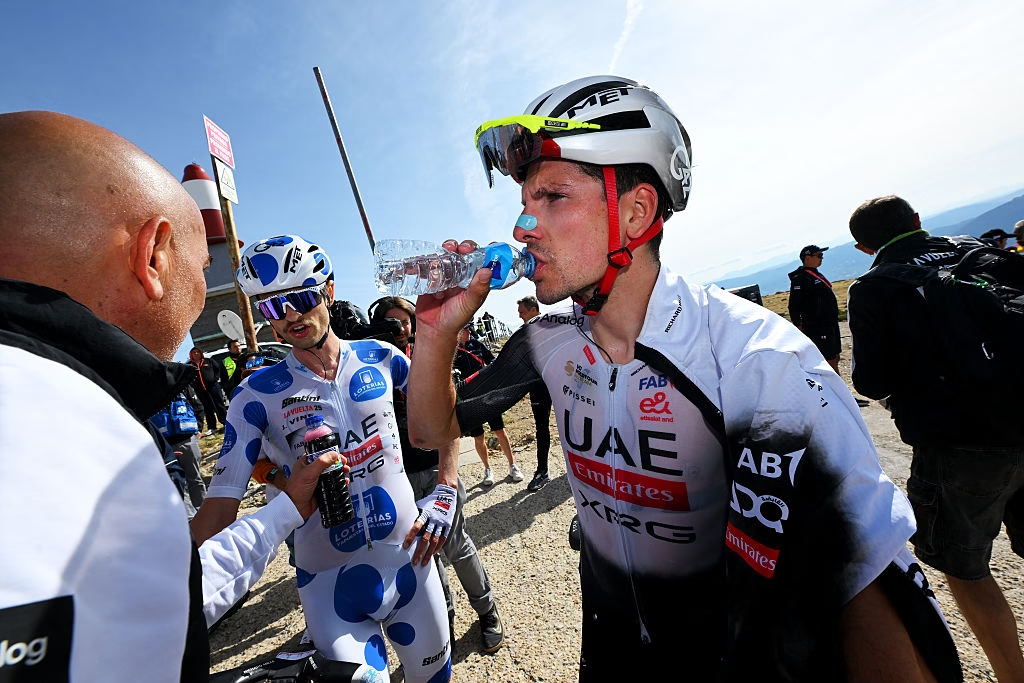 Photo Credit: Getty
UAE Team Emirates-XRG
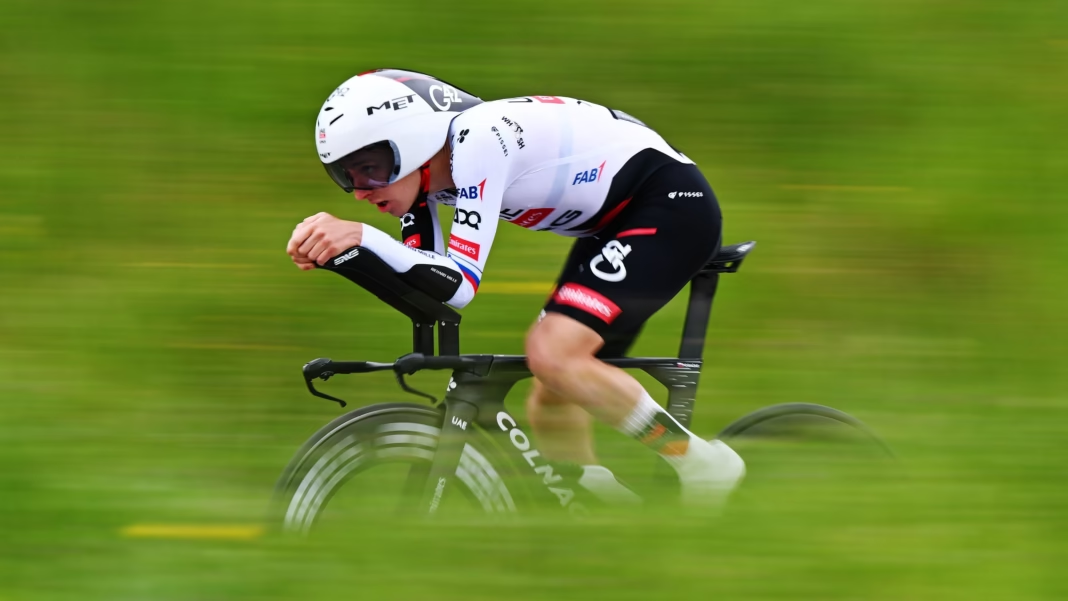
João Almeida looks a particularly natural fit for this race. Catalunya often rewards riders who can absorb repeated hard mountain stages without dramatic bad days, and that is one of his great strengths. He may not always be the most explosive uphill rider in the field, but across a week like this he is exactly the kind of rider who keeps pressure on everyone else simply by still being there.
The bigger strength of UAE Team Emirates-XRG is that the team around him is strong enough to do more than ride passively for one leader. Jay Vine can be devastating if a mountain stage opens early. Brandon McNulty gives them another credible all-round card. Marc Soler is exactly the sort of rider who can turn a controlled mountain day into something stranger and less comfortable. Ivo Oliveira and Filippo Baroncini provide support on the trickier flatter and rolling days, while Adrià Pericas adds local interest and another ambitious rider in a home race.
This may not be the team with the single biggest favourite on the startlist, but it is one of the teams most capable of making the race complicated.
Team Visma | Lease a Bike
This is one of the clearest overall victory squads in the race. Jonas Vingegaard arrives as one of the central favourites and the route suits him extremely well. Once the race reaches Vallter, and especially when it gets to Coll de Pal, there should be nowhere for weaker climbers to hide. If he is near his expected level, he has to be one of the men everyone else is racing around.
What makes Team Visma | Lease a Bike even stronger is that the team around him is full of riders who can keep the race under pressure. Sepp Kuss remains one of the most valuable mountain domestiques in the sport. Wilco Kelderman and Bart Lemmen add more climbing support. Davide Piganzoli and Jørgen Nordhagen bring an interesting mix of youth and ambition, while Bruno Armirail can help control the awkward transitional stages before the race turns uphill.
This is a team that can control the race if it needs to, but it also has enough depth to attack with numbers. On a route like this, that matters.
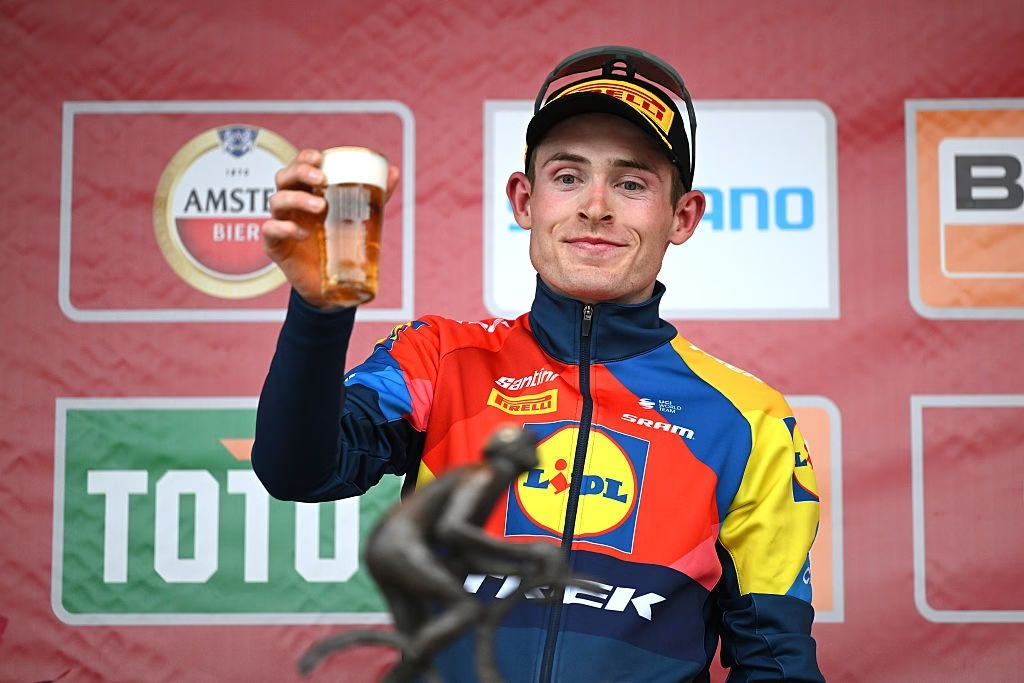 Photo Credit: Getty
Lidl-Trek
Lidl-Trek have brought one of the most flexible GC teams in the race. Mattias Skjelmose is the obvious leader on recent trajectory, but Giulio Ciccone remains one of the purest climbers in the field, Carlos Verona is exactly the sort of stage-race road captain you want in Catalunya, and Tao Geoghegan Hart plus Sam Oomen give them even more depth on the tougher days.
That flexibility could matter a great deal once the race reaches stages 5 and 6. If Skjelmose looks strongest, Lidl-Trek can rally behind him. If the race becomes more open or tactical, they have enough riders to attack, cover moves, or force other teams into awkward decisions. Derek Gee-West is one of the less established names here, but in a race like this that sometimes matters less than simple climbing legs.
They may not have the single most obvious favourite, but they are one of the teams most likely to have someone still fully alive deep into every mountain stage.
XDS Astana Team
XDS Astana do not arrive with the same top-end overall threat as the biggest teams, but they do have enough climbing depth to be relevant across the week. Lorenzo Fortunato is the obvious focal point because Catalunya’s summit finishes should suit him, especially if he is allowed to race aggressively rather than ride conservatively for a distant GC placing.
Cristian Rodriguez gives them another rider who can survive well uphill, while Henok Mulubrhan is the sort of rider who can still be relevant when the race gets selective without becoming completely explosive. Martin López adds more climbing support, and Thomas Silva plus Anton Kuzmin give them options for visibility across the week.
This looks more like a team built to win a stage from a break or sneak a respectable overall placing than one built to dictate the race, but that can still add up to a very good Catalunya.
Soudal Quick-Step
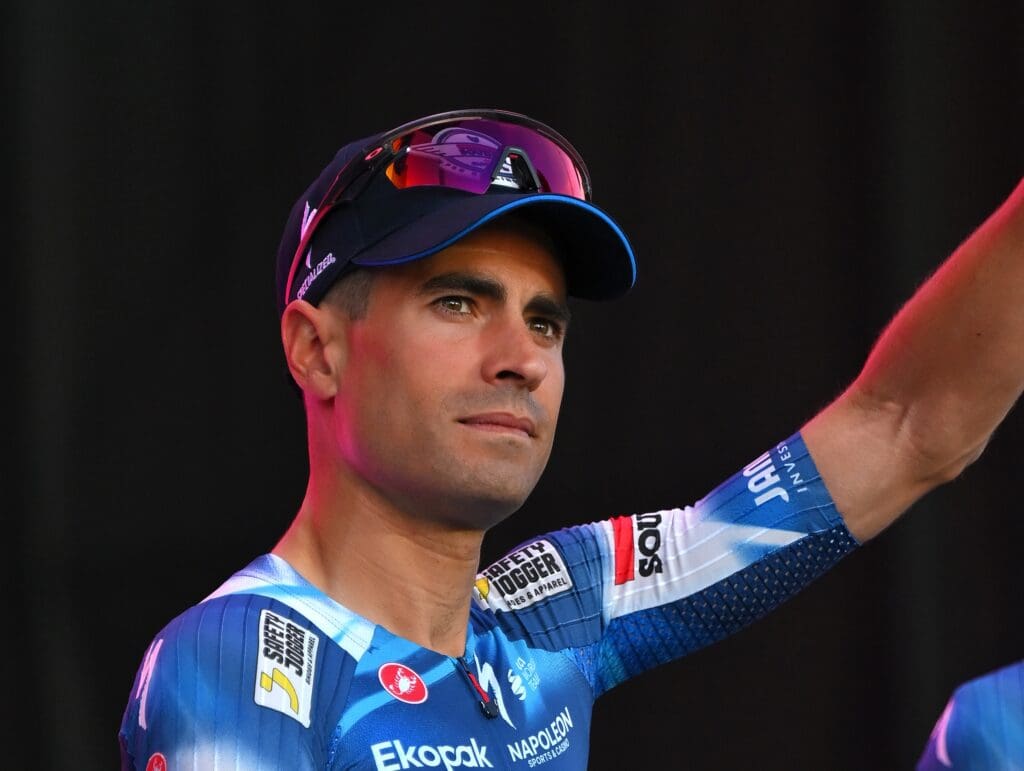
Mikel Landa in Catalunya always makes sense. The race suits him, the terrain suits him, and there is usually enough climbing for him to turn from outsider to genuine contender very quickly. He may not be the most fashionable name in this field, but he remains exactly the sort of rider who can quietly climb onto the podium if others crack around him.
The more interesting angle is the support structure around him. Junior Lecerf is still in the phase where every serious stage race feels like a clue to something bigger, and this is a meaningful test for him alongside Landa rather than against him. Valentin Paret-Peintre and Filippo Zana both give the team further climbing depth, while Pascal Eenkhoorn can help on the more awkward transitional days before the mountains.
Soudal Quick-Step are not as stacked as the very strongest teams here, but they have enough quality to matter throughout the week.
Decathlon CMA CGM Team
Felix Gall gives this team its ceiling in Catalunya. On a route with three summit finishes, he has to be taken seriously. The question is less whether the terrain suits him and more whether the support around him is strong enough to keep him in the fight deep into the week.
That support is where the team becomes interesting. Matthew Riccitello and Johannes Staune-Mittet are both riders you can imagine climbing very well in this race, even if not yet at the absolute top level. Léo Bisiaux and Noa Isidore add more youth and more future-facing intrigue, while Antoine L’Hote and Callum Scotson can help steady the team across the earlier part of the week.
Decathlon are not just racing for this week. They are also learning how much of their next generation is already ready for this level.
INEOS Grenadiers
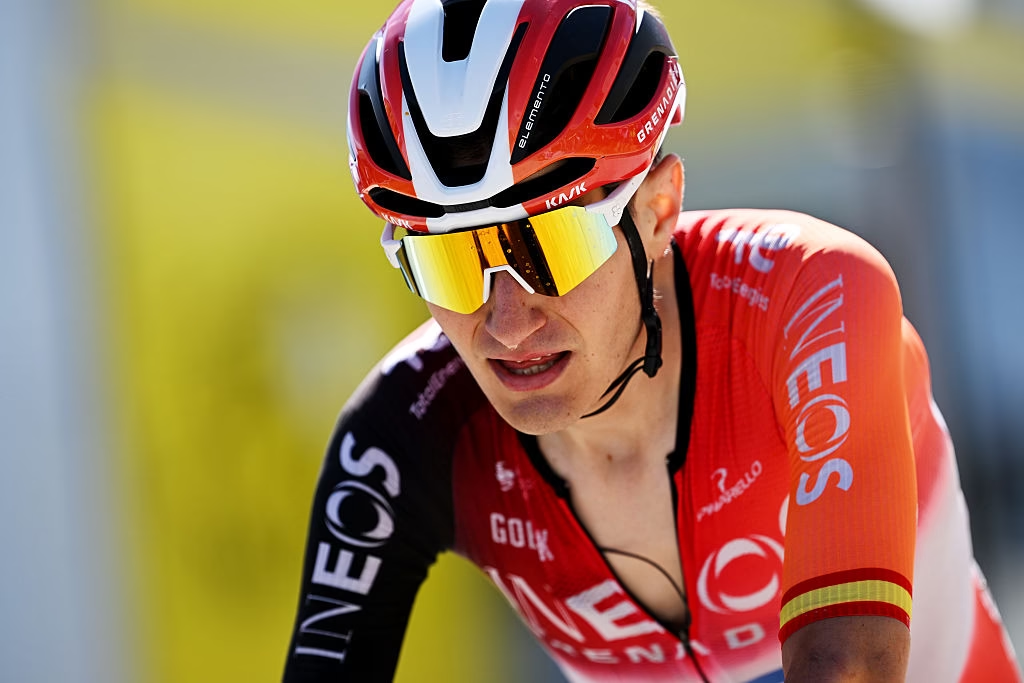
INEOS Grenadiers have brought a team that feels more interesting than a straightforward hierarchy might suggest. Carlos Rodriguez remains the more established GC rider and the safer card over a week like this, but Oscar Onley’s rise makes the team much more difficult to read cleanly. He is no longer simply a promising climber. He is a rider who increasingly looks ready for the sharp end of serious stage races.
Laurens De Plus adds important climbing support, while Bob Jungels and Victor Langellotti bring useful experience and versatility on the terrain before the summit finishes. Dorian Godon is the outlier in profile, but on a race route that is not full gas uphill every day, riders like him can still play a useful role early in the week.
The challenge for INEOS is not a lack of quality. It is deciding whether this becomes a clearly led team or a slightly more fluid one. Catalunya should tell us quite a lot about that.
Alpecin-Premier Tech
This is not the sort of Alpecin-Premier Tech line-up built around a clear GC threat. Instead, it looks more like a team using Catalunya as a chance to race aggressively where possible and learn a lot. Francesco Busatto is probably the most interesting name in that sense, because he has the kind of punch and climbing range that can make him dangerous on the less straightforward days.
Henri Uhlig and Senna Remijn also fit that mould of riders who could benefit from a race where the opening stages are not pure sprint days and the final Barcelona stage can favour attackers and puncheurs. Ramses Debruyne, Johan Price-Pejtersen and Luca Vergallito all add more developmental flavour to the line-up.
A high GC looks unlikely, but a visible week is entirely possible if they pick their moments well.
Bahrain Victorious
Bahrain Victorious look dangerous because they have two riders who can both aim high overall in different ways. Santiago Buitrago is the more rounded, reliable week-long stage racer. Lenny Martinez is the more explosive wildcard, the rider who can make a mountain stage look different if his legs are right and the rhythm suits him.
That combination matters on a route like Catalunya’s. One rider can ride the percentages, the other can attack them. Afonso Eulálio and Jakob Omrzel add more climbing depth, while Rainer Kepplinger and Nikias Arndt bring useful support in very different parts of the race.
They do not need to choose their path too early, and that could make them awkward for others to control.
Uno-X Mobility
Uno-X Mobility have brought a team that does not scream overall contention, but it does look capable of taking advantage if the race opens in strange ways. Andreas Leknessund is still the obvious stage-race anchor, while Anthon Charmig gives them another rider who should enjoy Catalunya’s hillier and mountainous days.
Magnus Cort is the real swing factor. If one of the first three stages becomes selective without completely falling apart, he is exactly the sort of rider who can win it. He also gives the team a tactical reason not to ride the early part of the week passively. Anders Skaarseth and Martin Urianstad Bugge add more aggression, while Tobias Svarre and Jonas Hvideberg can support on the less selective terrain.
Catalunya is often at its most interesting when teams like Uno-X decide the route profile is only a suggestion. This team has the ingredients to do that.
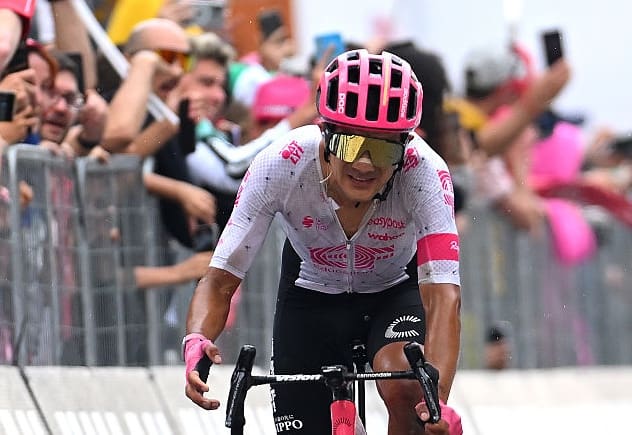
EF Education-EasyPost
Richard Carapaz gives EF Education-EasyPost immediate gravity. On a route like this, with three hard summit finishes and enough uneven terrain to reward instinct, he is always worth serious attention. He may not be the most predictable week-long rider in the field, but that unpredictability can become an advantage when the race needs someone to stop riding to script.
Georg Steinhauser and Alexander Cepeda both add real climbing support, while Darren Rafferty and Markel Beloki are the sort of younger names who could still become relevant if the race turns attritional early. Michael Leonard and Noah Hobbs are less likely to shape the GC, but over a week like this teams still need more than climbers alone.
This is not the deepest team in the race, but it is one of the teams most likely to race with imagination if Carapaz senses weakness around him.
NSN Cycling Team
NSN Cycling Team arrive as one of the more unusual squads in the race, but they have enough experience to avoid being dismissed. George Bennett and Jan Hirt both know how to survive hard mountain weeks, while Alexey Lutsenko brings another layer of unpredictability if he is allowed to race aggressively rather than defensively.
Ethan Vernon and Jake Stewart are better known for faster finishes, which makes the overall balance of the team especially interesting on a route where the opening stages are not completely closed to tougher sprinters. Brady Gilmore and Pier-André Côté add more range.
A huge GC result would surprise, but they have enough riders to be seen throughout the week and that matters in a race like this.
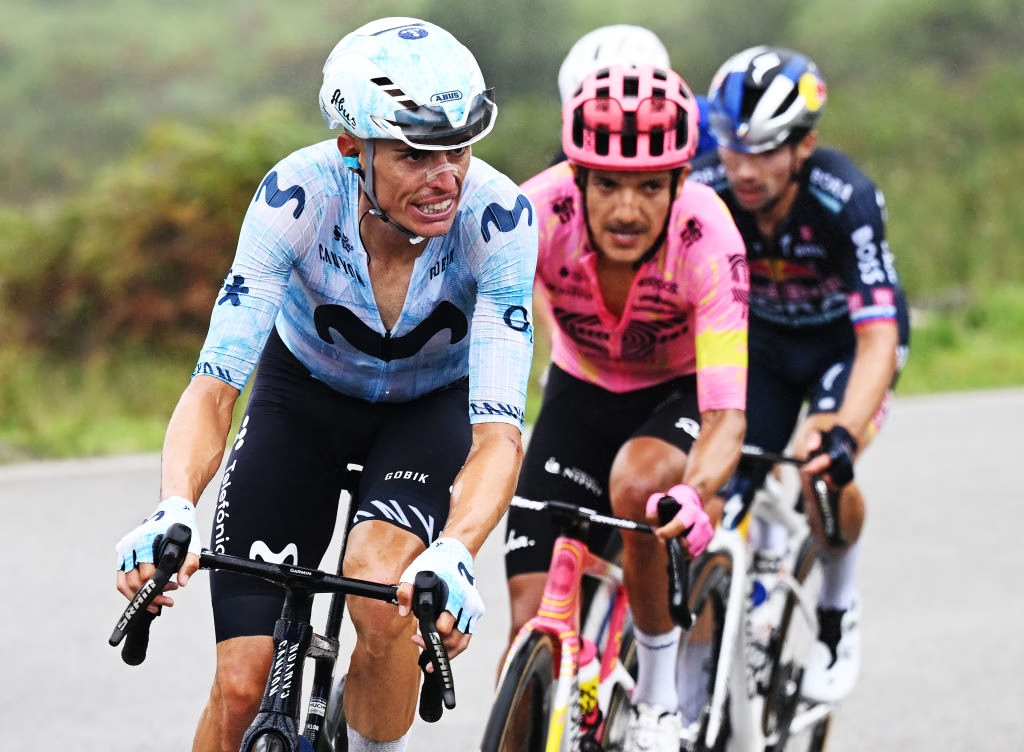
Movistar Team
Enric Mas is always a serious rider to watch in Catalunya, particularly on a route with this much climbing and a final Barcelona stage that still rewards riders who can handle short, repeated uphill efforts. He is not always the rider who takes a race by the throat, but he is one of the best in the field at staying in the argument.
Cian Uijtdebroeks is the more interesting long-term angle. This is exactly the sort of week where riders of his profile need to learn how to hold their level across repeated mountain tests. Einer Rubio and Nairo Quintana give the team even more climbing depth, which could matter if Movistar decide they do not want to ride purely around Mas. Pavel Novak and Michel Heßmann add more depth to a roster that looks quietly strong.
They are not quite as stacked as the absolute top teams, but they have enough quality to keep appearing on the major days.
Team Jayco-AlUla
Ben O’Connor gives Team Jayco-AlUla a real overall presence. Catalunya suits the kind of rider who can survive a hard week without needing to dominate every summit finish, and that has often been his route to major results. If he is climbing well by stage 4, he should be one of the more durable riders in the race.
Paul Double is one of the more intriguing names on the whole startlist, especially in a race where his climbing progression can be measured against a very strong field. Koen Bouwman adds stage-hunting quality and mountain experience, while Felix Engelhardt and Rudy Porter give the team more support on the tougher terrain.
Jayco are not one of the squads with overwhelming depth, but they have enough climbing quality to matter.
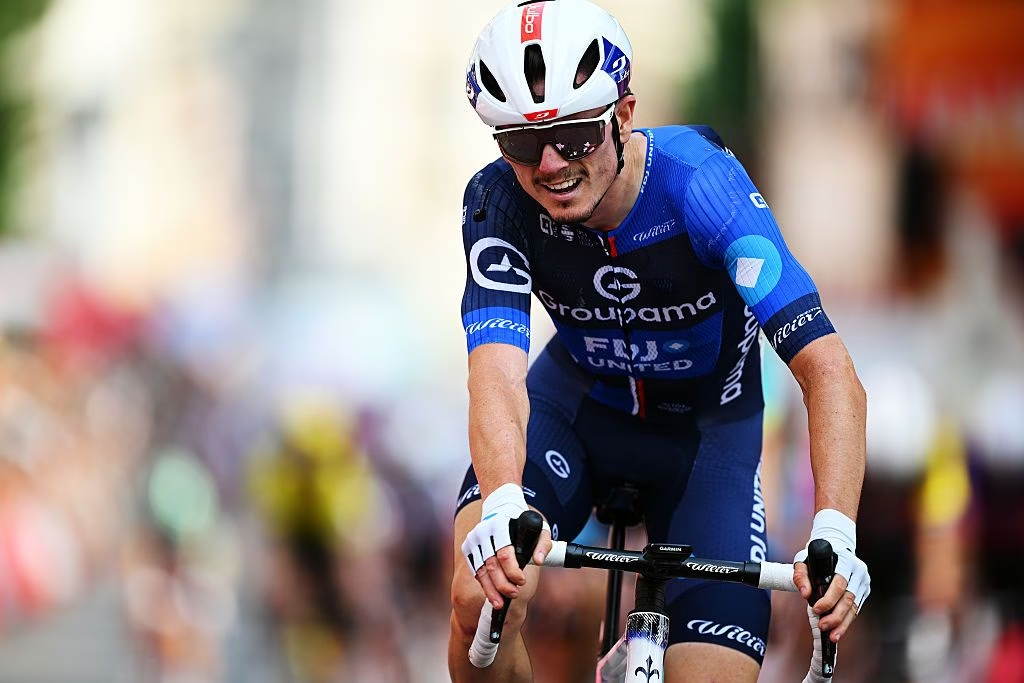
Groupama-FDJ United
David Gaudu is still the obvious name here, but Guillaume Martin-Guyonnet makes this team much more tactically interesting than it might first appear. Both riders can aim high overall in different ways, and both are exactly the sort of climbers who can benefit if a race becomes a little more complex than pure wattage on the final climb.
Rudy Molard remains one of the most reliable road captains in the sport, which matters in a week where positioning and pacing can easily be misjudged before the big mountain stages arrive. Brieuc Rolland, Maxime Decomble and Josh Kench all add more depth, even if the real story is still how long Gaudu and Martin-Guyonnet can stay close enough to the best for the team to become tactically relevant.
Groupama-FDJ United do not look quite elite enough to control the race, but they do look smart enough to exploit it.
Lotto-Intermarché
This is a young-looking team for a race of this level, and that shapes expectations. Reuben Thompson is the name that stands out most in GC terms, while Simone Gualdi gives the team another rider who should be comfortable once the terrain gets more selective.
Toon Aerts is the real outlier in profile, which alone makes the team a bit more interesting. Liam Slock and Baptiste Veistroffer add more youth and more reasons to expect aggressive racing rather than conservative survival. Matthew Fox and Mathieu Kockelmann round out a roster that looks developmental but not passive.
Lotto-Intermarché are not here with an obvious podium candidate, but they do have enough youth and curiosity in the line-up to make a visible week possible if they pick the right stages.
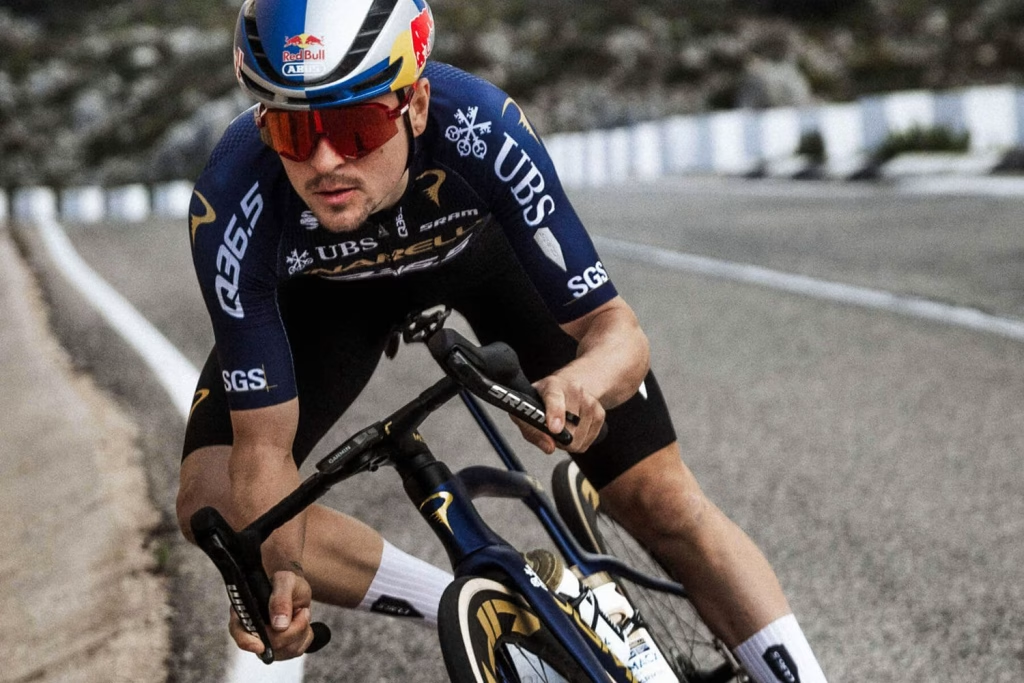
Pinarello-Q36.5 Pro Cycling Team
Tom Pidcock is one of the riders who can change the feel of a race simply by deciding not to ride it in the expected way. Catalunya’s route gives him several opportunities to do that. The mountain stages are hard enough for him to target, the opening days are awkward enough for him to animate, and the final Barcelona stage looks almost purpose-built for a rider of his explosiveness.
Damien Howson and David de la Cruz give the team real stage-race support, while Harm Vanhoucke and Marcel Camprubí add more climbing range. Sam Bennett is unlikely to be central on this route, but his presence still gives the team another angle if one of the early stages becomes less selective than expected. David González is another rider who can make himself useful on awkward terrain.
Pidcock may not be the safest GC pick here, but he could be the most entertaining rider in the race if he chooses to make it hard.
Caja Rural-Seguros RGA
Caja Rural-Seguros RGA are exactly the kind of team that can turn Catalunya into a more interesting race than the favourites want. They know the roads, they will want visibility, and they have enough climbing talent to make that realistic. Sebastian Berwick is the standout in pure uphill terms, while José Félix Parra and Julen Arriola-Bengoa also give them credible breakaway options.
Abel Balderstone, Jaume Guardeño and Sergi Darder all add local texture and more incentive to race with conviction rather than caution. A big GC would be asking a lot, but that is not really the point here. The point is to be present when the race opens in a way the bigger teams do not fully control.
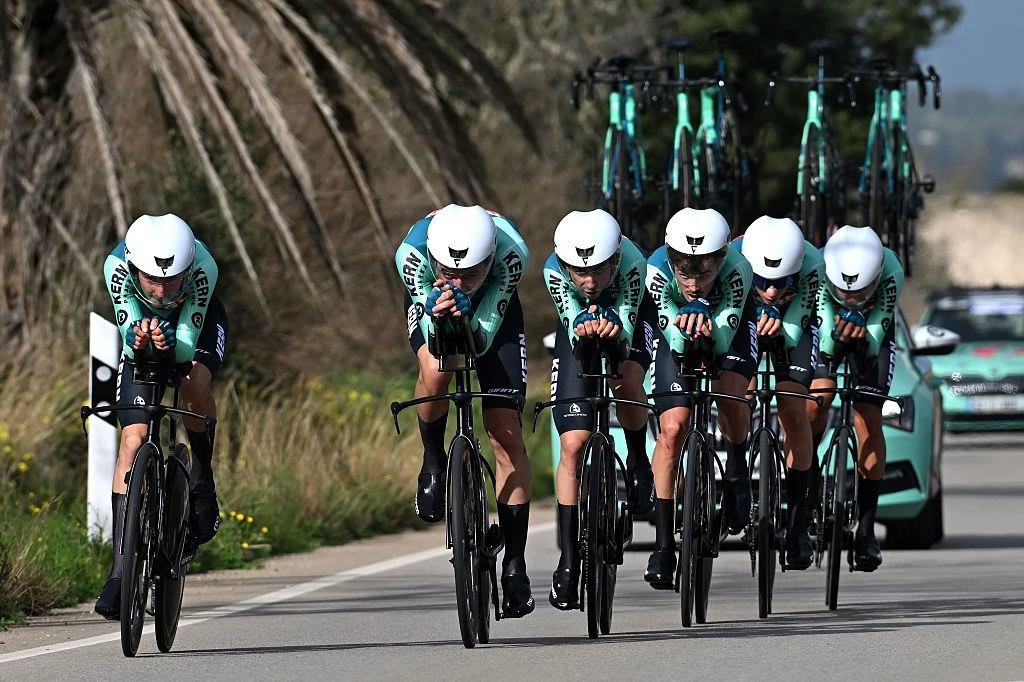
Equipo Kern Pharma
Equipo Kern Pharma bring enough climbing quality to matter on the hard days, especially if the race allows strong breakaways enough freedom. Urko Berrade is a rider worth watching in that context, while Ivan Sosa remains a rider whose best level is still high enough to shape a mountain stage if the opportunity is there.
Jorge Gutiérrez, Mats Wenzel and Diego Uriarte all give the team additional options on a week where the mountains should define the narrative. This is a team that should get stronger as the route gets harder. The key question is whether they can get themselves into the right move before the major teams shut things down.
Euskaltel-Euskadi
Euskaltel-Euskadi know exactly what this race means and exactly how visible a good week here can be. Mikel Bizkarra remains the obvious climbing card, while Jon Agirre and Jokin Murguialday give them other riders who can chase mountain-stage exposure.
Yago Aguirre, Samuel Fernández Heres and Unai Aznar round out a team that will almost certainly look for opportunities rather than sit quietly in the race. A GC result at the top end would be a surprise, but Catalunya has long rewarded teams that race with conviction in front of their own crowd. Euskaltel-Euskadi are one of the teams most likely to try that.
Burgos Burpellet BH
This is a route that could give Burgos Burpellet BH a decent week if they hit the right moves. Merhawi Kudus has the climbing background to be relevant once the race goes uphill in earnest, while Sergio Chumil and Jesús Herrada both give the team riders who can make awkward days count.
José Manuel Díaz and Mario Aparicio strengthen the team further in the kind of terrain where a hard breakaway can survive longer than the favourites want. They are unlikely to control anything, but that also gives them freedom. On a route with three major summit finishes and a short, hard final day, that freedom can become an asset.
Modern Adventure Pro Cycling
Modern Adventure Pro Cycling are the clear outsiders in pure headline terms, but that does not make them irrelevant. Stefan de Bod and Tyler Stites both have enough experience to guide the team through a race like this, and Riley Pickrell plus Mark Stewart bring enough engine and ambition to look for opportunities on the more awkward stages.
Byron Munton, Kieran Haug and Samuel Florez give the line-up more variety, even if the ambitions are necessarily different from the biggest teams here. For squads like this, Catalunya is about picking moments wisely. The route is too hard for passive survival to mean much. A good breakaway, a visible stage, or a surprising ride on one of the mountain days would all count as success.
Final verdict on the Volta Ciclista a Catalunya 2026 startlist
This looks like a genuinely strong Volta a Catalunya field, and the route should do it justice. Vingegaard, Evenepoel and Almeida give the race obvious headline gravity, but the more important point is that the supporting cast is rich enough to stop the week from becoming a simple duel. Red Bull-BORA-hansgrohe, UAE Team Emirates-XRG, Team Visma | Lease a Bike, Lidl-Trek, Bahrain Victorious, Movistar and INEOS Grenadiers all have enough climbing strength to shape the race in different ways.
That should make the mountain block decisive, but not necessarily straightforward. Vallter can establish the first real hierarchy. Coll de Pal should be the hardest test of the week. Queralt could punish anyone who empties themselves too early. Then Barcelona still sits there, short and dangerous, waiting to punish a fragile lead.
Catalunya often works best when it is allowed to keep asking questions right to the final day. The 2026 route and startlist suggest that is exactly what this edition should do.