
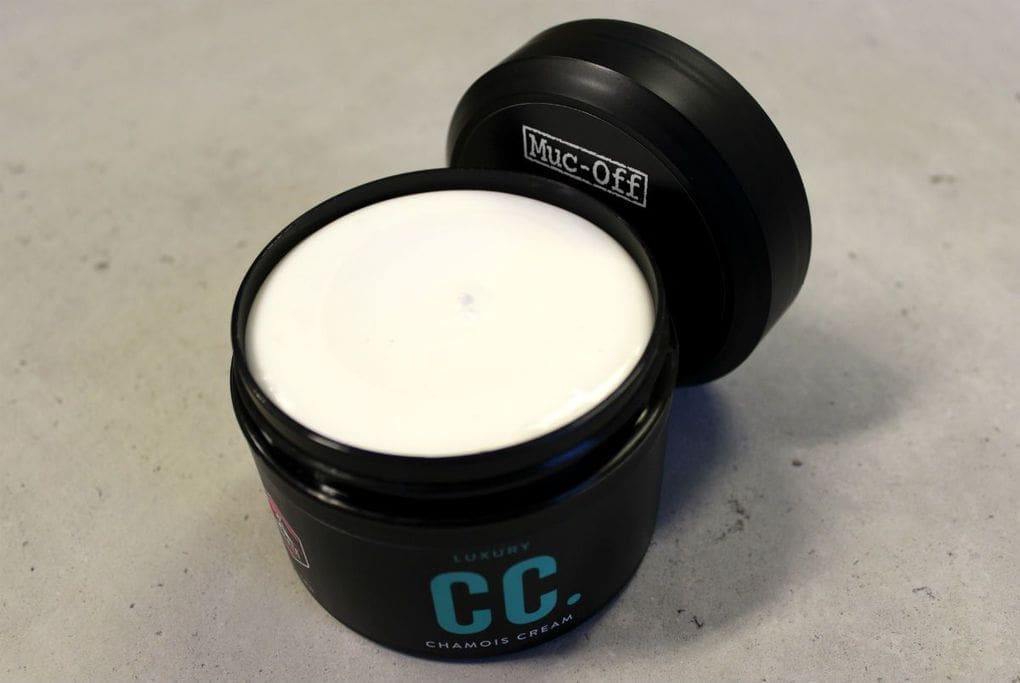
Chamois cream is not essential for every cyclist, but it can make a noticeable difference on long rides, hot days and multi-day events. Its job is simple: reduce friction between your skin and the pad in your cycling shorts so repeated pedalling does not turn into chafing.
Modern cycling shorts use synthetic pads rather than the leather chamois that gave the product its name, but the basic problem has not disappeared. Sweat, heat, pressure and movement can still irritate the skin, particularly once a ride moves beyond the distance you normally cover.
What does chamois cream actually do?
Chamois cream creates a lubricating layer between skin and clothing. That reduces rubbing around contact points and can make long periods in the saddle more comfortable.
Some formulas also include moisturising, cooling or skin-care ingredients. Do not assume every cream is antibacterial or that it can prevent every saddle sore. Fit, hygiene, saddle position and well-fitting bib shorts still matter more than any cream.
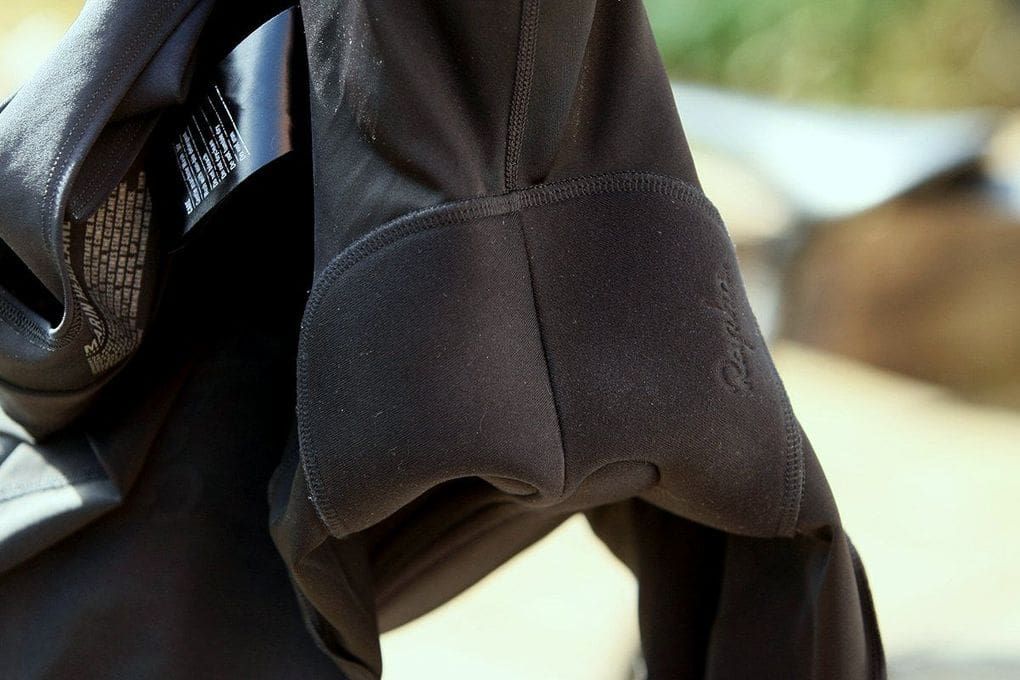
Where should you apply chamois cream?
Apply it to the areas where you know rubbing occurs. For most riders that means the inner thighs, groin crease and the skin that sits against the main contact areas of the chamois pad.
You do not need to cover a huge area or apply it to sensitive tissue simply because the product is called chamois cream. Start with the places that normally feel sore after a long ride and use enough to create a thin lubricating layer.
Skin or chamois pad first?
Both methods work. Applying cream directly to the skin is usually the easiest because you know exactly where your own pressure and rubbing points are. It also avoids putting on bib shorts with a large cold patch of cream already sitting in the pad.
Applying a smaller amount to the chamois itself can still be useful, especially before a very long ride. Some riders use both methods, but more product is not automatically better.
How much chamois cream should you use?
There is no exact amount because rider size, ride duration and product consistency vary. A small fingerful spread across the main friction points is enough for many normal rides. Longer events may justify more.
If your shorts feel saturated before you have even left the house, you have probably used too much. The goal is lubrication rather than filling the pad with cream.
When should you apply it?
Apply chamois cream shortly before getting dressed or immediately before the ride. Muc-Off’s current Luxury Chamois Cream guidance, for example, recommends applying it to the skin and chamois around five minutes before riding.
For an all-day sportive or very long audax, carrying a small sachet or travel pot can be useful if you know you normally develop hot spots later in the ride.
Do you need chamois cream for every ride?
No. Plenty of riders are comfortable without it on normal training rides. It becomes more useful when duration, heat or repeated days in the saddle increase.
If you need large amounts of cream for every short ride, investigate the underlying setup as well. Poorly fitting shorts, a worn-out pad, saddle height or saddle shape can create rubbing that cream only masks.
Chamois cream and your first sportive
A first sportive is exactly the kind of event where riders discover small comfort problems after several hours. Use your chosen cream on training rides beforehand rather than introducing it for the first time on event morning.
The same applies to bib shorts. ProCyclingUK’s guide to choosing bib shorts for a first sportive explains what matters in the pad, straps and fit.
Current chamois creams worth considering
Assos Chamois Crème is one of the long-established options and remains widely available. Check current Assos Chamois Crème availability on Amazon UK.
Chamois Butt’r is another familiar choice and is available in several formulas, including versions aimed at sensitive skin. Compare Chamois Butt’r options on Amazon UK.
Muc-Off Luxury Chamois Cream remains a current product and is designed for direct application to skin or the pad before riding. Check Muc-Off Luxury Chamois Cream on Amazon UK.
Morgan Blue Soft Chamois Cream remains another established European option. Check current Morgan Blue chamois cream availability.
Can chamois cream prevent saddle sores?
It can reduce friction, which is one factor in skin irritation, but it cannot solve every cause of a saddle sore. Clean shorts, a suitable saddle, good bike fit and getting out of damp kit quickly after a ride all matter.
If a sore becomes painful, swollen, infected-looking or keeps returning, stop treating it as a simple equipment problem and seek medical advice. Riding through a worsening skin lesion can make a minor issue much harder to settle.
Wash your bib shorts after every ride
Chamois cream is not a substitute for clean kit. Wash bib shorts after use and let them dry fully before wearing them again. Reusing damp or dirty shorts is an easy way to combine friction with an unfriendly environment for the skin.
The practical answer
-
 Photo Credit: Cor Vos



For short comfortable rides, you may never need chamois cream. For long sportives, hot weather, stage events or repeated days in the saddle, it is a cheap way to reduce one of cycling’s least glamorous problems.
Apply a sensible amount to the skin where you normally rub, test the product before an important event and remember that persistent discomfort usually deserves a look at your shorts, saddle and position as well.

