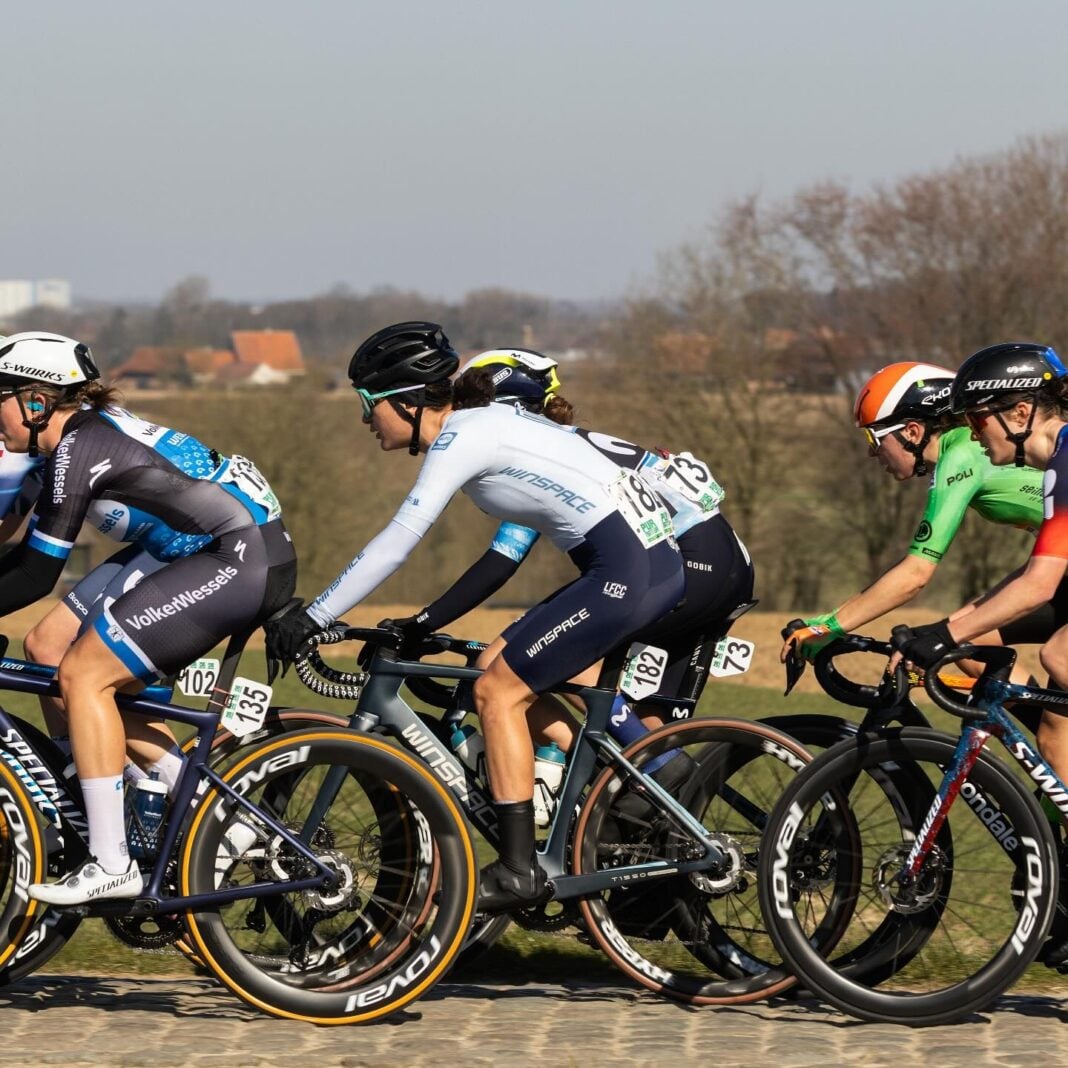
Cycling insurance can cover very different problems: a stolen bicycle, crash damage, a claim made against you or specified injuries. Start with the loss you want to protect against, then check the policy wording. A low premium is little use if the bike’s value, your storage arrangements or the riding you do falls outside the cover.
What does each type of cover do?
| Cover | What it is for | Important distinction |
| Theft and accidental damage | Loss of or damage to the insured bike | Wear, servicing and mechanical failure are commonly treated differently from insured accidents. |
| Public liability | Covered claims by others for injury or property damage | It does not automatically pay to replace your own bicycle. |
| Personal accident | Benefits for injuries or outcomes defined in the policy | It is not a promise to pay for every bruise, treatment bill or day off work. |
| Travel and event cover | Risks associated with a trip or specified event | Bike cover, medical expenses and cancellation may require separate policies or extensions. |
Check existing insurance first
Read the cycle section of your home insurance, including any away-from-home extension. Check the single-bike limit, whether the bicycle must be named on the policy and whether accidental damage is included. The answer can change when a bike is in a shed, communal store, vehicle or railway station.
Membership benefits also need checking individually. British Cycling states that its membership does not insure theft of or damage to your own bike. Liability benefits and legal assistance should not be mistaken for comprehensive bicycle insurance. Check the current membership level and terms rather than relying on an old benefits summary.
The theft conditions matter
Before buying, check the required lock rating, what counts as an immovable object, unattended time limits and any overnight restrictions. Policies may treat private garages, shared hallways and cycle hangars differently. Choose cover whose conditions you can actually follow at home and at work.
Keep the frame number, purchase evidence, photographs and receipts for significant upgrades. Retain evidence of the lock too. Ask the insurer what it will accept for a second-hand bicycle before a claim occurs; a seller’s brief message may not provide every detail required.
Compare costs on the same basis
Get quotes for the same bike value and activities, then compare the excess, settlement basis and limits on accessories. Check whether replacement is new-for-old, whether depreciation applies and how an unusual or discontinued bike would be valued. A headline monthly figure may not tell you the full annual cost or cancellation terms.
Laka is one provider you can include in a comparison through this existing referral link. Compare its current terms with other providers rather than assuming any one policy is the best fit for every rider. The referral link is a commercial link, not evidence that a claim will be covered.
Racing, sportives, holidays and e-bikes
Tell the insurer about racing, timed events, overseas trips and any business use. Do not assume a sportive is classified in the same way by every insurer, or that event entry insurance replaces travel medical cover. If you are planning Mallorca 312, check the event and destination against both your bike and travel policies.
For an e-bike, confirm that the motor, battery and declared use are eligible. In Great Britain, an electrically assisted pedal cycle must meet the applicable EAPC requirements to be treated as a conventional cycle. A modified or non-compliant machine can fall under different legal and insurance requirements.
Before accepting a quote
Read the exclusions and claims procedure, save the policy documents and get unclear points answered in writing. Cover should reflect the bike you own and the way you use it, whether that is a folding bike for commuting or a gravel bike for longer trips. Revisit the insured value and details after expensive upgrades or a change in storage.
-
 Photo Credit: quentinphotographiebe
-
 Photo Credit: Getty