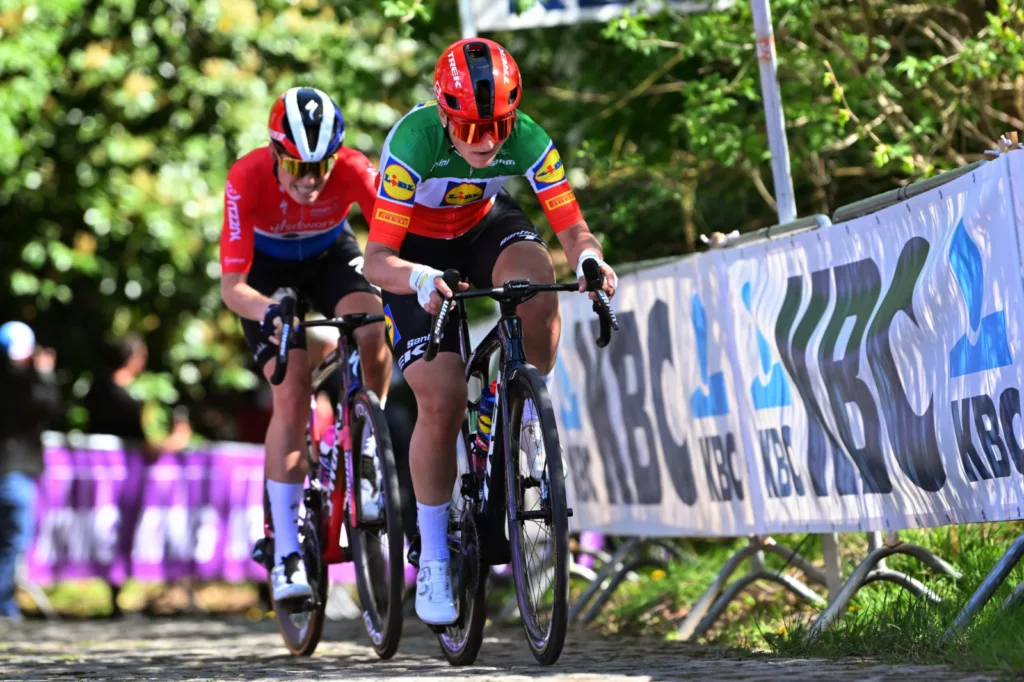
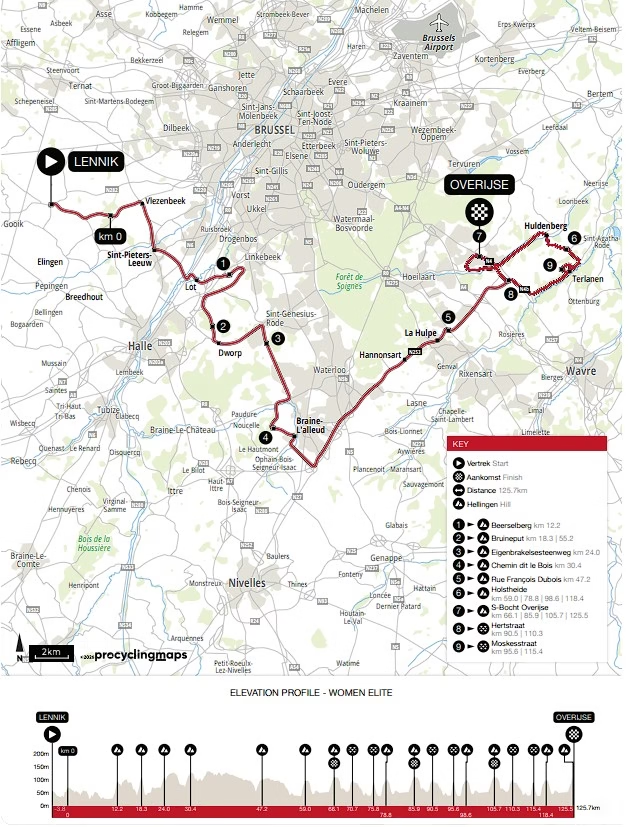
Brabantse Pijl Women 2026 takes place on Friday 17th April and once again uses the kind of route that makes this race such an effective bridge between the cobbled Classics and the Ardennes block. Starting in Lennik and finishing in Overijse after 125.7km, the course builds from a rolling opening phase into a finale of repeated local laps packed with short climbs, awkward rhythm changes and constant positioning pressure.
That is why Brabantse Pijl Women so often feels harder than its distance alone suggests. The route does not rely on one decisive mountain or one famous cobbled sector. Instead, it keeps riders under strain for long enough that the strongest and sharpest usually surface by the final lap. If you want the wider race background before getting into the road-by-road structure, ProCyclingUK’s beginner’s guide to Brabantse Pijl Women 2026 and history of Brabantse Pijl Women work well alongside this route guide.
From Lennik to Overijse
The race begins on the Markt in Lennik before heading towards Overijse through a rolling opening section that includes climbs such as Beerselberg and Bruineput. This phase is not usually where the race is won, but it does shape the day more than it might first appear.
The roads ask for concentration straight away. Teams need to protect their leaders, hold a good position and avoid wasting matches too early. Brabantse Pijl Women often becomes stressful long before the television pictures make it seem decisive, and that opening stretch plays a part in that. There is rarely much room to relax, and the constant undulation starts softening the field before the circuits begin.
That early tension is one of the reasons this race works so well in the calendar. It does not feel like a soft lead-in to the Ardennes. It feels like a race that demands seriousness from the start, which is also why it has become such a useful pointer for the next phase of spring. ProCyclingUK’s women’s spring races guide helps place Brabantse Pijl within that wider sequence.
The first pass through the key finishing terrain
Before the local laps fully begin, the riders already tackle Holstheide and S-Bocht Overijse for the first time. That first pass matters because it gives the bunch an early look at the terrain that will define the result later in the afternoon.
Holstheide is one of the route’s most important features, not because it decides the race in one single move, but because it takes something out of the legs every time it appears. S-Bocht Overijse then starts to frame the finale. It is not a summit finish in the usual Ardennes sense, but it is close enough to the line, and comes late enough in the race context, to favour riders who can still produce a sharp effort after a hard day.
That first trip through Overijse also starts to expose who is comfortable and who is already moving the wrong way. A rider hanging on there can quickly find the race becoming very long once the laps begin properly.
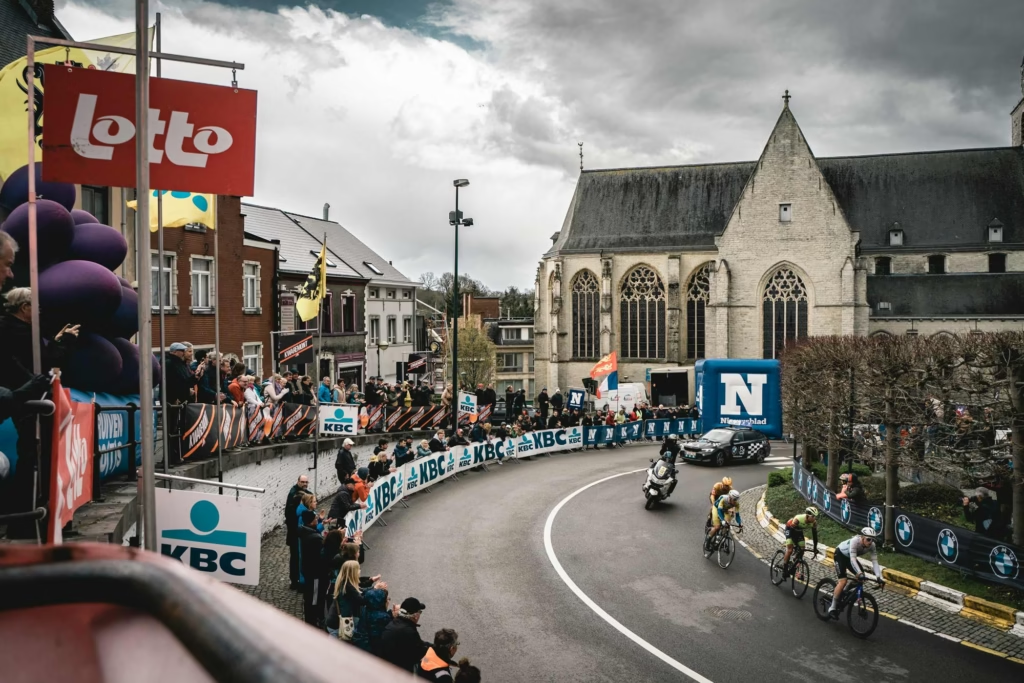 Photo Credit: Brabantse Pijl
The local laps are where Brabantse Pijl Women really comes to life
The decisive part of Brabantse Pijl Women 2026 is built around three local laps in and around Overijse. On each circuit, the riders face Hertstraat, Moskesstraat, Holstheide and S-Bocht Overijse. That sequence is what gives the race its identity.
This is the key to understanding Brabantse Pijl Women. The route is not built around one legendary climb where everything is expected to happen. It is built around repeated damage. Riders are asked the same sort of difficult questions again and again, and the answers become harder to give each time.
Moskesstraat is usually the road people look at first, and with good reason. The cobbled surface combined with the uphill gradient means it can force real splits, especially once the race has already started to stretch. Positioning there is crucial. A rider who enters too far back can lose contact very quickly, while a rider who hits it near the front with good timing can turn a hard race into a selective one.
Hertstraat and Holstheide then add to that pressure. Neither needs to be the outright killer on its own. Their value comes from where they sit in the lap structure and what they ask of riders who are already under fatigue. By the last circuit, even a small change of pace on one of these climbs can expose riders who looked fine an hour earlier.
This sort of repeated circuit pressure is also what makes Brabantse Pijl Women a useful race to read ahead of the Ardennes. A rider who is strong here is often showing exactly the kind of punch and resilience needed for the next set of races. For that broader context, ProCyclingUK’s history of La Flèche Wallonne Femmes and history of Liège-Bastogne-Liège Femmes help show where this race sits in the progression of the spring.
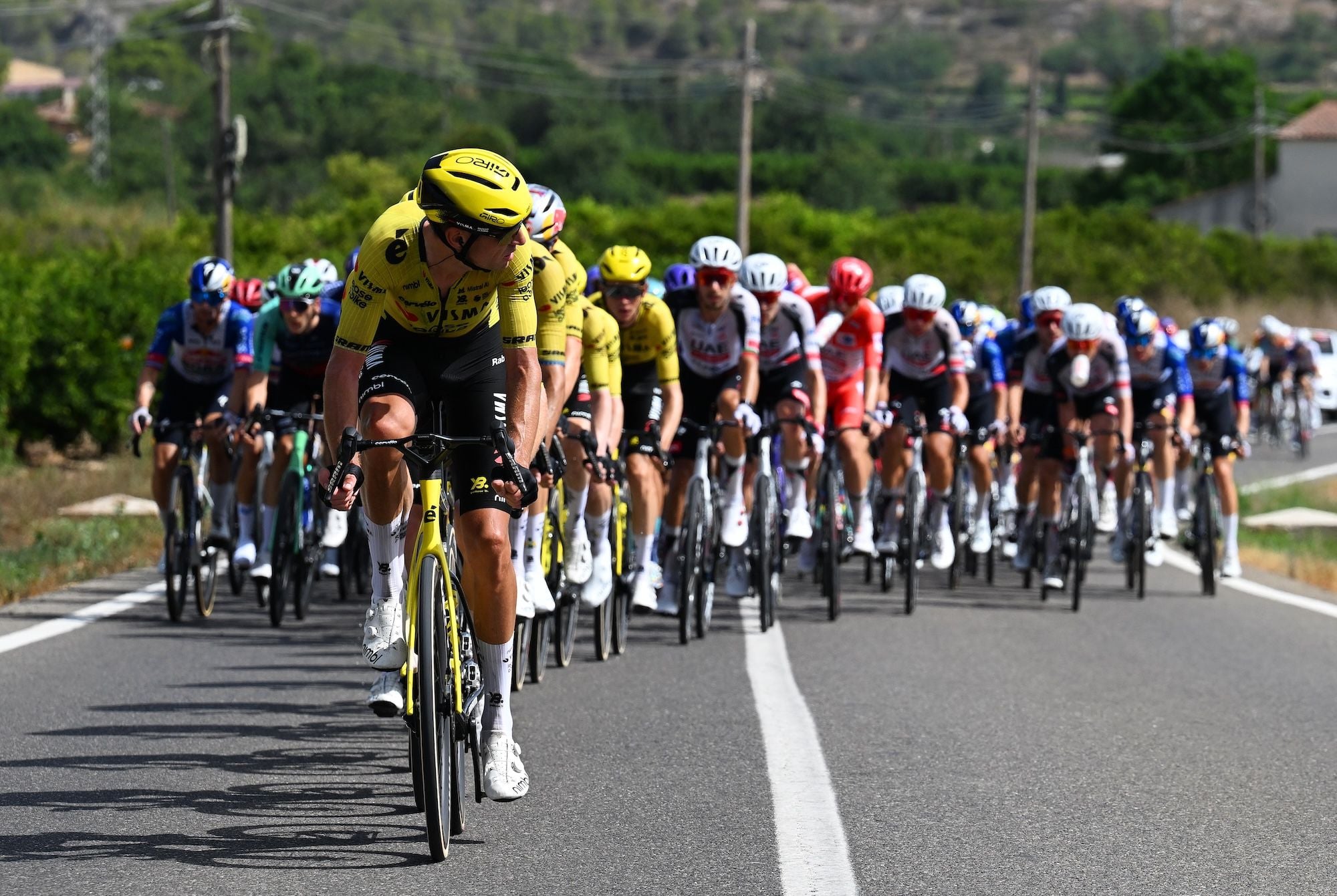
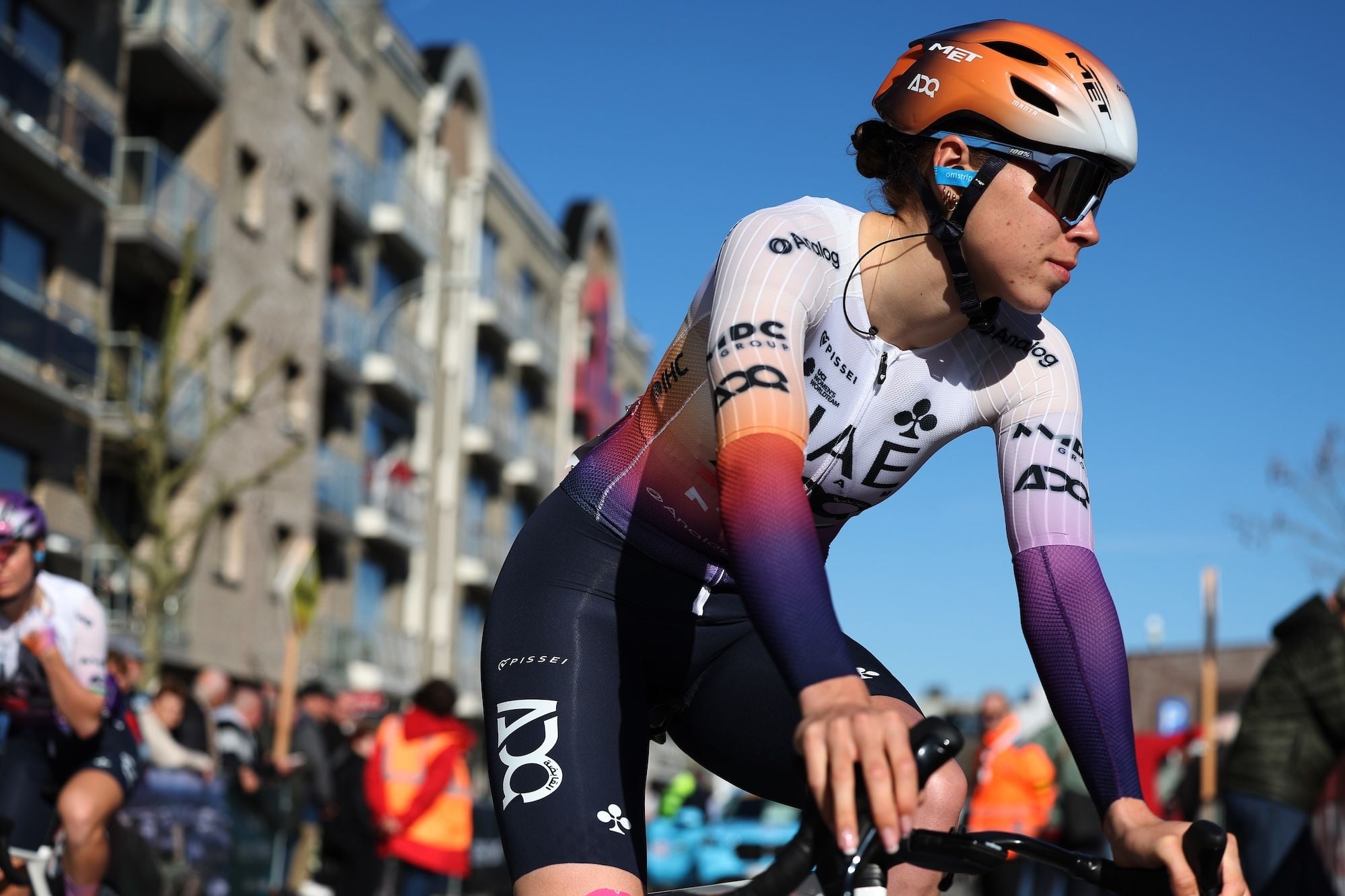
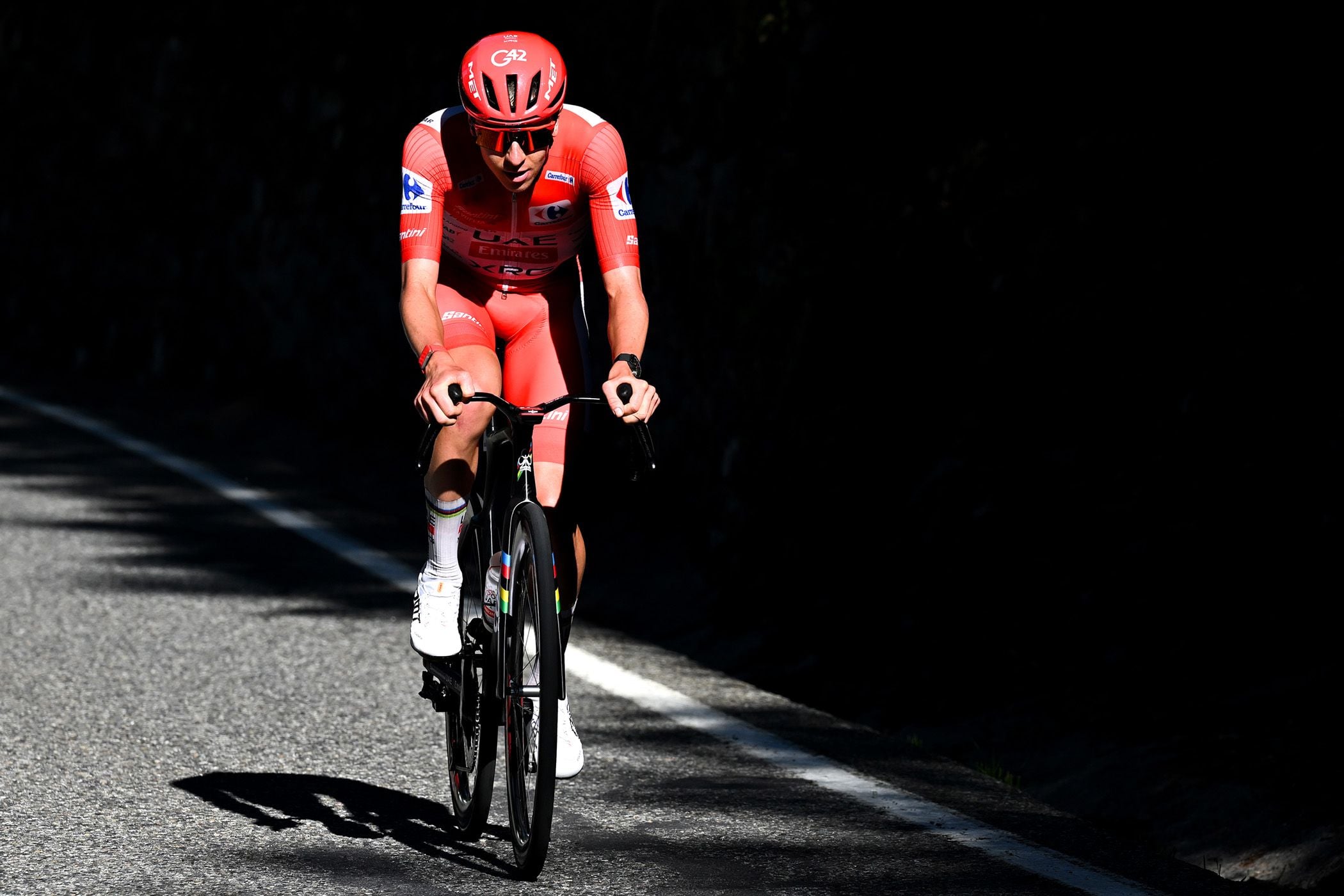
Why this route favours puncheurs more than pure sprinters
Brabantse Pijl Women has always occupied an interesting place on the calendar because it does not fully belong to the cobbled world, but it is not yet a true high-mountain Ardennes race either. The 2026 route keeps that same identity. The climbs are short, sharp and repeated, and the race is normally shaped by riders who can cope with that constant stop-start intensity.
That usually points towards puncheurs and strong all-rounders rather than pure sprinters. A fast finisher can still win here, but only if she can survive the repeated climbing and still arrive at the final S-Bocht in good enough shape to contest the finish. Equally, a pure climber is not always at an advantage because the route is too jagged and too tactical to be reduced to one long uphill effort.
This is why Brabantse Pijl Women often produces such interesting winners and such varied racing. The route leaves room for different types of rider, but only within a demanding athletic profile. You need to climb these ramps well, position expertly, and still make the right decision late on.
That same balance is one reason Brabantse Pijl often stands out in the women’s calendar. It can reward aggression, but it also punishes impatience. ProCyclingUK’s guide to the Women’s WorldTour gives the wider structural context for how races like this fit into the season, even though Brabantse Pijl itself sits just outside that top tier.
The key sectors to watch
If you are following the race as it unfolds, the main roads to focus on are Moskesstraat, Holstheide and S-Bocht Overijse.
Moskesstraat is where the race can become most visibly selective. Its cobbled surface and uphill drag make it one of the best places for forcing errors and stretching the group.
Holstheide matters because it returns again and again. Repeated efforts there can slowly wear riders down even if the race does not explode immediately.
S-Bocht Overijse is central because it frames the finish. It is close enough to the line to reward timing and punch, and it makes it harder for a larger group to arrive together in perfect order.
Together, those roads give Brabantse Pijl Women its distinctive feel. The difficulty is layered rather than theatrical. The route keeps applying pressure until only the most complete riders are left with a realistic chance.
What kind of race should this produce?
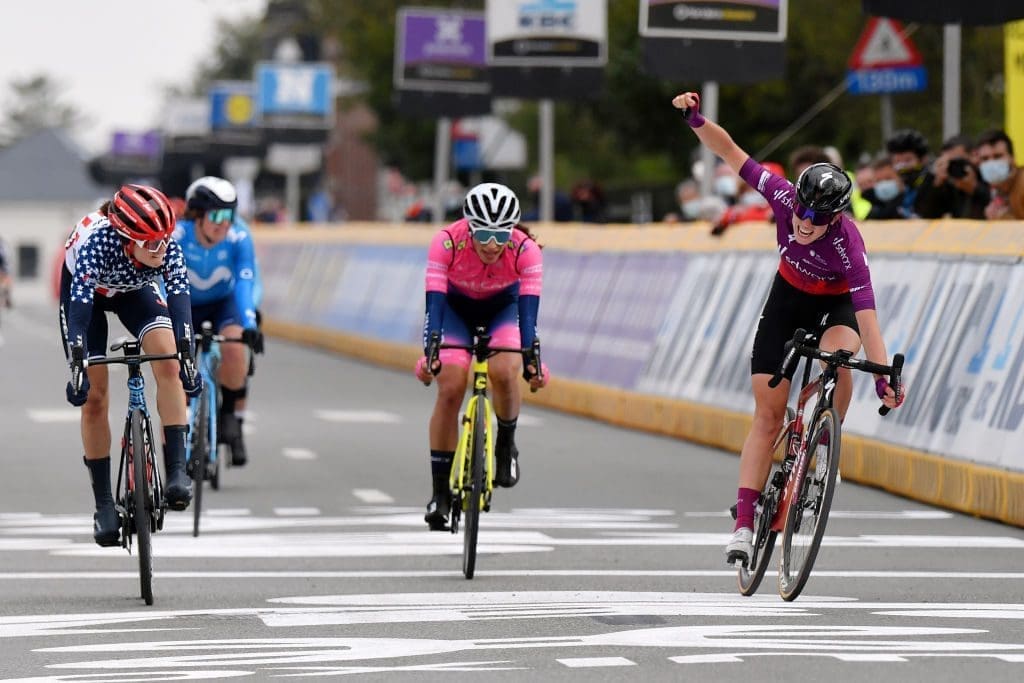
This route usually points towards a reduced-group finish or a late solo move rather than a full sprint. The repeated climbs and technical nature of the circuits tend to make the race selective enough that only a relatively small front group survives into the closing kilometres. The finish in Overijse, coming after the final S-Bocht, further discourages the idea of a straightforward bunch sprint.
That does not mean the strongest attacker automatically wins. Brabantse Pijl Women can still become tactical if several favourites mark one another too closely. But even in those editions, the route usually ensures that only riders with real punch and endurance remain in contention.
In that sense, the 2026 course does exactly what this race should do. It continues the transition from the northern spring towards the Ardennes without losing its own personality. It rewards riders who are versatile, tough and tactically alert, and it gives the race a finale that is selective without becoming predictable.
For readers following that wider spring transition, ProCyclingUK’s Amstel Gold Race Women history guide is another useful companion piece, because that race often follows naturally in the conversation about which riders are carrying form forward from Brabantse Pijl.
Final thoughts on the Brabantse Pijl Women 2026 route
The 2026 route does not need reinvention because the current formula already works. Lennik to Overijse, then repeated laps featuring Hertstraat, Moskesstraat, Holstheide and S-Bocht, gives Brabantse Pijl Women a clear identity and a strong place in the calendar. The race should once again favour puncheurs, aggressive all-rounders and riders who can stay calm through a tense, attritional finale.
For anyone following the spring as a whole, this is one of the more revealing route guides on the calendar. Brabantse Pijl Women often shows who has the sharpness for what comes next, while still being a demanding target in its own right.