
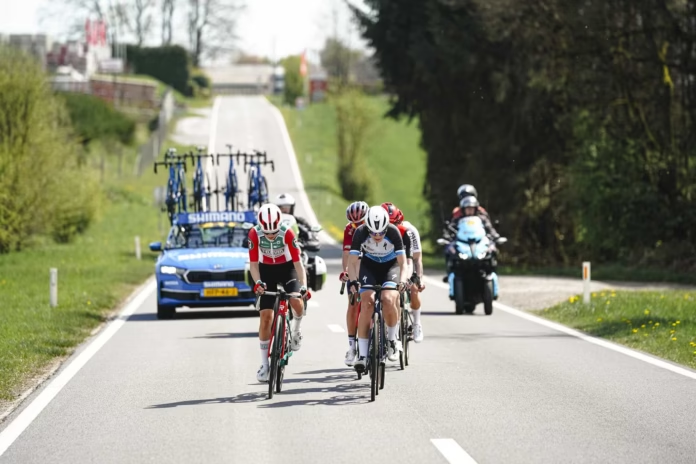
Laura Molenaar has confirmed that gastrointestinal problems forced her to abandon the 2026 Tour de France Femmes during Stage 2.
The VolkerWessels rider was listed among the four riders who did not finish Sunday’s stage from Aigle to Geneva, but no explanation was initially available. Molenaar has now said she was unable to keep food down and eventually had no energy left to continue.
“Unfortunately, my Tour came to an early end,” Molenaar wrote. “I had to abandon due to gastrointestinal problems.”
The Dutch rider added that she attempted to continue but her condition made completing the stage impossible.
“I gave everything I had, but I simply couldn’t keep any food down and eventually had nothing left to give.”
Molenaar’s withdrawal was a Stage 2 DNF
Molenaar’s exit should be recorded as a Stage 2 DNF rather than a Stage 3 DNS.
She started Sunday’s stage to Geneva but abandoned before reaching the finish, meaning she was already out of the race before Stage 3 began on Monday.
A DNF applies when a rider starts a stage but does not finish. A DNS is used when someone completes the previous stage but does not start the next one.
Molenaar had initially been included in the Tour de France Femmes abandons list after Stage 2 with the reason for her withdrawal awaiting confirmation. Her own update now establishes gastrointestinal problems and an inability to retain food as the cause.
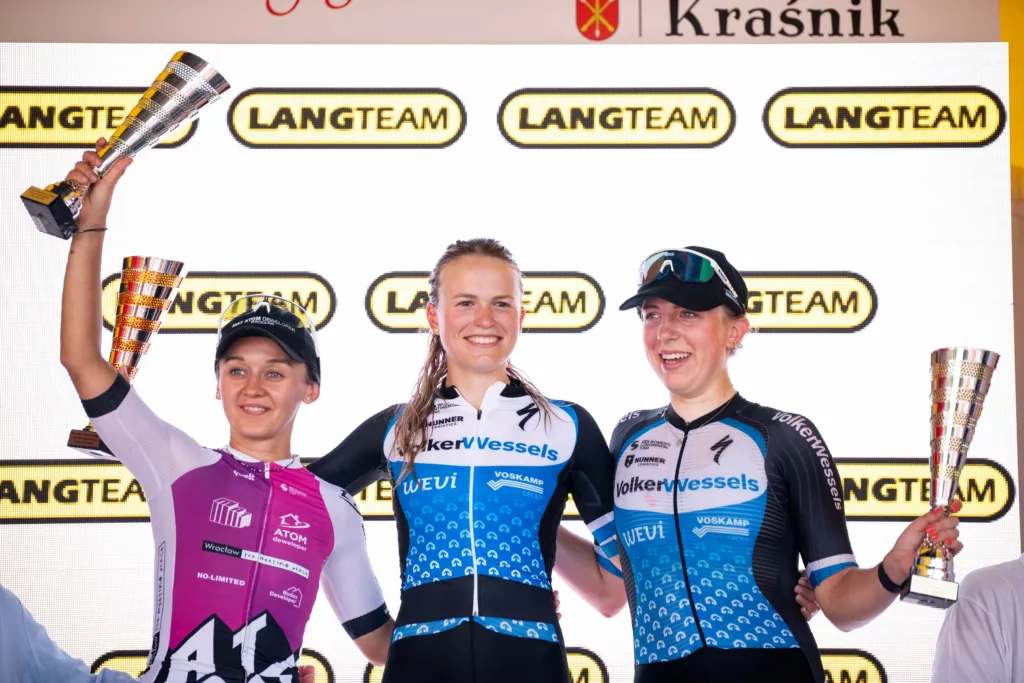
Unable to take on food during a demanding stage
Gastrointestinal problems can bring a rider’s race to an abrupt end because eating and drinking are essential during stages lasting several hours.
Once Molenaar was unable to keep food down, continuing became increasingly difficult regardless of her underlying fitness. A rider can rely on stored carbohydrate for only a limited period before power output begins to fall sharply.
The conditions on Stage 2 increased that challenge. The 147.9km route contained five categorised climbs and was raced in temperatures above 30°C, increasing the need for regular fluid, carbohydrates and electrolytes.
Trying to continue without replacing that energy can create a rapid decline in performance. Gastrointestinal distress can also make hydration more difficult, especially when it is accompanied by nausea or vomiting.
Molenaar’s account suggests she continued until her available energy was exhausted rather than leaving the race at the first sign of discomfort.
VolkerWessels reduced to six riders
Molenaar’s departure leaves VolkerWessels with six riders for the remainder of the Tour.
She had been selected as one of the team’s versatile options for breakaways and rolling stages. Her endurance and willingness to race aggressively could have been particularly useful on the hilly road to Poligny and during the transitional stages later in the week.
VolkerWessels remain represented by riders including Eline Jansen and Maud Rijnbeek, who were both active during the opening weekend. The team started as one of seven Women’s ProTeams in the 147-rider field, as detailed in our guide to how many riders and teams are competing at the 2026 Tour de France Femmes.
Molenaar’s withdrawal does not leave the team as severely reduced as Lotto-Intermarché, who lost three riders during the same stage, but it removes an experienced option before the race reaches its first sustained mountains.

A proven stage-race winner
Molenaar arrived at the Tour with previous success in shorter stage races.
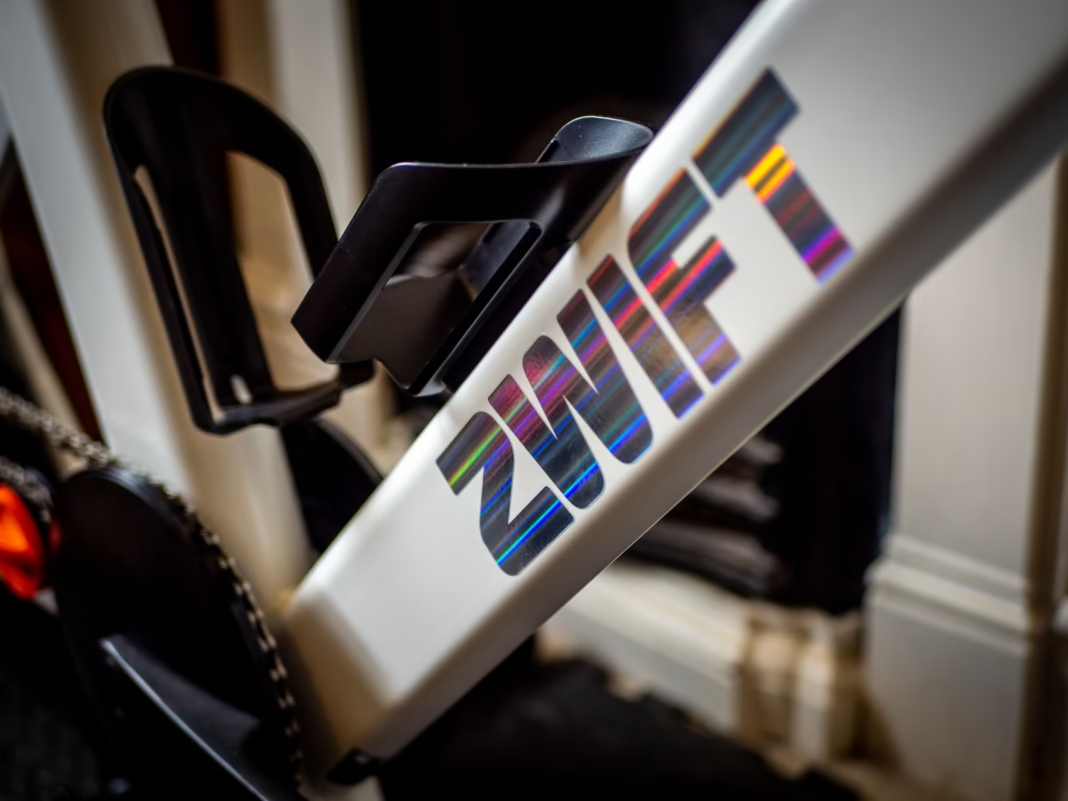
Her most notable result came at the 2024 Tour de Pologne Women, where she used a decisive solo attack to win Stage 2 before securing the overall classification for VolkerWessels.
That victory showed the qualities the team hoped she could bring to the Tour: endurance, tactical aggression and the ability to turn a rolling stage into a winning opportunity.
The history of the Tour de Pologne Women covers how Molenaar’s victory helped establish the modern version of the Polish race after its return to the calendar.
Her Tour ended before the route provided a comparable opportunity.
Molenaar thanks supporters after early exit
Molenaar thanked those who had supported her during the opening days and acknowledged the disappointment of leaving the team so early.
“It wasn’t the way I imagined this race would go, but sometimes your body makes the decision for you,” she wrote.
She added that although it was difficult to leave the squad, she expected her teammates to continue performing strongly during the remainder of the week.
Her confirmed diagnosis completes another part of the Stage 2 withdrawal picture. The day also saw Marieke Meert abandon after crashing, Elisabeth Ebras stop because of pain around her glute and Sterre Vervloet leave with serious heat-related symptoms.
The sporting story ended with Lorena Wiebes winning for a second consecutive day, as covered in the Tour de France Femmes 2026 Stage 2 report, but the number and variety of withdrawals showed how demanding the opening weekend had already become.
For Molenaar, the immediate priority is recovering from the gastrointestinal problems that brought her Tour to an end after less than two full stages.

