Running a WorldTour cycling team is an annual commitment measured in millions of euros. For 2026, the reported average budget is about €33 million for a men’s WorldTeam and €5.7 million for a women’s WorldTeam. Those figures pay for a season of riders, staff, travel, vehicles and competition, not a licence purchased once or a stack of expensive race bikes.
The difference is substantial, but averages hide as much as they reveal. Leading men’s squads have resources approaching or exceeding €50 million, while other licensed teams operate with much less. The women’s top division is growing rapidly from a smaller base. A useful comparison starts with what the figures count, then follows the money through salaries, racing, travel, equipment and the commercial arrangements that fund it.
What the 2026 WorldTour budget figures actually show
Financial figures presented at a UCI WorldTour seminar in December 2025 give an unusually good view across cycling’s top divisions. Reports based on those disclosures put the combined 2026 budgets of the 18 licensed men’s WorldTeams at approximately €620 million to €630 million. The typical annual budget was around €33 million by average and €28 million by median, showing how the largest operations pull the average upwards.
For the 14 Women’s WorldTeams, reported combined budgets reached approximately €80 million for 2026, compared with around €70 million a year earlier. Dividing that figure across 14 teams produces an average of roughly €5.7 million. That increase is meaningful for a sport in which professional staffing, minimum employment provisions and better infrastructure have expanded markedly.
| Division | Teams | Combined 2026 budgets | Average | Median |
|---|---|---|---|---|
| Men’s WorldTeams | 18 licensed | €620m–€630m | €33m | €28m |
| Women’s WorldTeams | 14 licensed | ~€80m | ~€5.7m | ~€5.7m |
One much larger figure needs particular care. Some 2026 reports placed the men’s total above €660 million because the UCI’s financial application information covered 20 applicants, not only the eventual 18 WorldTour licence holders. The 18-team estimate of about €620 million to €630 million is the fairer comparator. Combining the two groups produces a misleading growth claim.
None of these figures means that every organisation has a bank account containing its quoted budget on 1 January. Teams forecast sponsor income, equipment support and spending over an entire season. Exact arrangements are usually private and can differ considerably by team, contract and business structure.
Where a cycling team’s money goes
The biggest cost is people. Published UCI divisional figures attribute around 73 per cent of men’s WorldTeam spending to personnel and 65 per cent of women’s spending. Competition accounts for about 15 and 18 per cent. The remaining share covers vehicles, general operations and other expenses. A professional cycling outfit is a travelling workforce as much as it is a collection of fast riders.
Those percentages are divisional averages, not a published balance sheet for any particular team. They are especially useful because they correct the impression that professional cycling is mostly a matter of buying expensive bicycles. A support staff of coaches, performance specialists, physiotherapists, mechanics, soigneurs, logistics coordinators and managers has to be paid throughout the year.
Applying the reported men’s 73 per cent personnel share to an illustrative €33 million operating budget would imply around €24 million allocated to riders and staff together. Competition expenses at 15 per cent would be close to €5 million. This is an illustration of the published proportions, not a claim about the accounts of an identified team.
For women, applying the reported 65 per cent personnel share to a notional €5.7 million budget gives roughly €3.7 million for riders and staff combined. The same ratio cannot reveal what the highest-paid rider earns, how many employees are full-time or what equipment a sponsor supplies in kind.
Rider salaries are only part of the personnel bill
WorldTour squads need a group large enough to cover a season of overlapping races, but the strongest riders cannot be everywhere at once. Alongside established leaders, teams maintain experienced road captains, development prospects, sprinters, climbers and helpers who provide different tactical roles. The cost is not merely the headline contract of a Grand Tour favourite.
A rider’s remuneration can involve salary, social costs, insurance, bonuses and, depending on their employment status, additional arrangements. The UCI has regulatory requirements for registered top-level teams, including financial guarantees and salary provisions, but a minimum salary is not a standard rate paid across the whole roster. In many teams the differences between contracts are considerable.
A rider’s pay cheque attracts most of the attention, but mechanics, soigneurs, physiotherapists, coaches, sports directors and logistics personnel make it possible to race. Some work at events, others at a service course, and many travel for weeks at a time. When budgets rise, the increase may pay for more expertise and staff continuity rather than a new marquee signing.
Some roles are shared across men’s and women’s projects within a larger organisation; others are contracted separately. This makes comparisons based on team name alone difficult. A women’s team attached to a major men’s structure may receive facilities, technical staff or purchasing power that do not appear as a simple cash contribution in a newspaper budget estimate.
Racing, travel and the hidden logistics
Professional road racing covers a sprawling calendar rather than one destination. A team might race in Australia during January, Belgium and Italy in the spring, the major European stage races through summer and distant one-day races later in the year. Flights, hotels, meals, freight, vehicles and equipment movement can turn a nominally short race into an expensive operation.
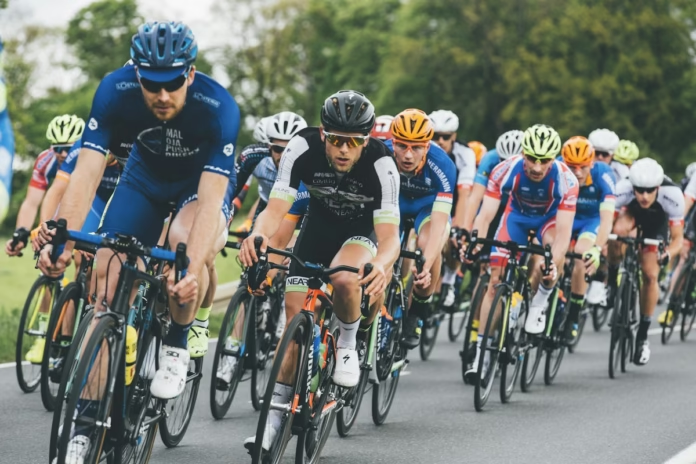
 Photo Credit: Markus Spiske / Unsplash
The race calendar is not a single journey that can be booked far in advance. A Grand Tour programme requires multiple bikes, wheels and spare parts, coordinated hotels, team cars and a rotating staff. Teams also send separate groups to overlapping events, which stretches the same resources across different countries. A low-cost-looking weekend race can be a major logistics job.
Racing calendars also overlap. A squad contesting one Grand Tour may simultaneously send a smaller group to another event. That means additional mechanics, directors and equipment, not simply extra entry fees. Team management has to choose where to deploy resources, especially when budgets cannot support every race at full strength.
Competition expenses accounted for around 15 per cent of men’s and 18 per cent of women’s WorldTeam budgets in the published category breakdown. Vehicle spending was reported at roughly 3 per cent and 7 per cent respectively. The higher share in women’s budgets does not necessarily mean that every women’s team spends more on vehicles in absolute terms; it reflects a smaller total budget and different cost structures.
Bikes, kit and sponsor support are not all cash spending
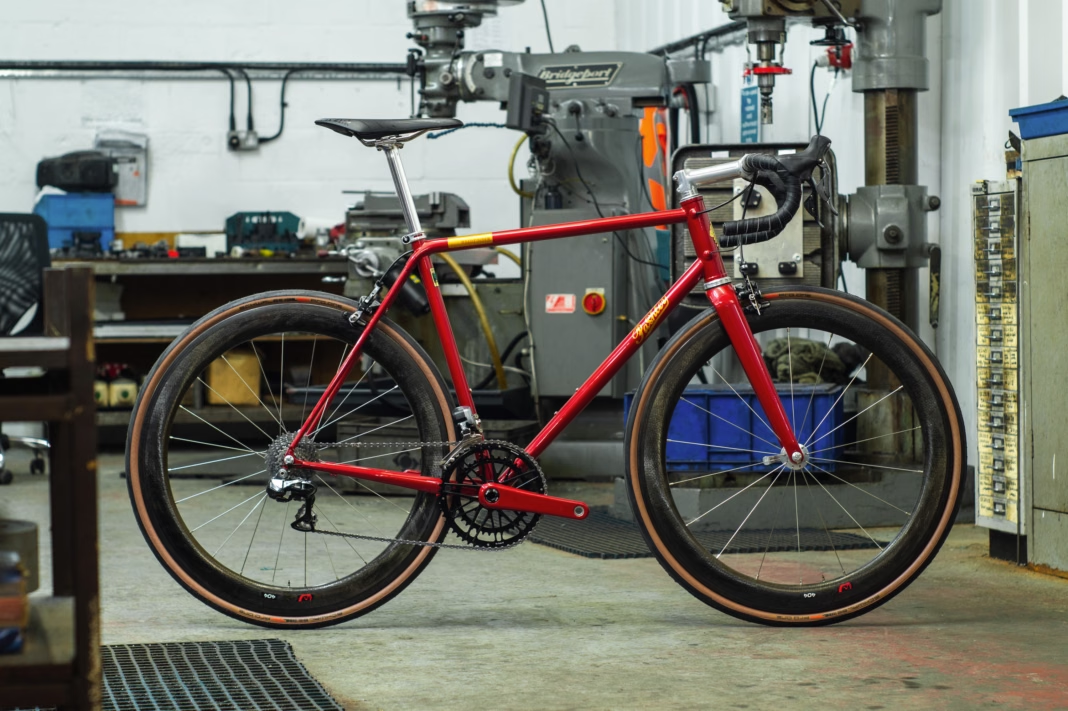
Retail bicycle prices make dramatic headlines, but they are the wrong way to estimate WorldTour spending. Technical sponsors commonly provide frames, groupsets, wheels, clothing or nutrition under commercial agreements. That reduces some direct costs while creating obligations around equipment testing, promotion and sponsor visibility. The financial value of in-kind support is not necessarily equivalent to cash.
Teams still employ mechanics and maintain stock, pay to move equipment, manage breakages and keep fit and measurements consistent across bikes. Training camps require accommodation, performance monitoring and equipment that works away from the regular service course. Even where a supplier provides much of the hardware, the people and systems needed to use it are not free.
Sponsor deals may cover the team name, apparel, equipment, vehicles or services. A title sponsor normally provides a large share of the resources that make the operating model possible, while technical suppliers can lower cash costs in exchange for advertising rights and product development feedback. Our guide to how professional cycling teams make money explains that commercial structure in greater depth.
The result is that headline budgets are not identical to a household spending list. A team with excellent access to in-kind equipment may achieve more with a smaller cash outlay in that category, while another may bring more services in-house. Comparing apparent spending without looking at what is supplied by partners is a poor measure of efficiency.
Why sponsorship makes the business fragile
Professional cycling’s revenue model is unusual. Spectators line public roads without buying admission tickets, and the racing organiser normally controls the primary television product. The team races in a highly visible global competition, but it does not receive the sort of direct gate income or standard central television distribution that makes up large portions of other professional sports’ finances.
Reports of WorldTour finances put sponsorship at roughly 87 to 90 per cent of team income, depending on the dataset. That concentration matters more than an individual sponsor logo. When a backer leaves, the team can lose a large share of its future operating resources even if riders have contracts to fulfil. Our explainer on team sponsorship and revenue follows the commercial side of the problem.
The UCI’s licensing system assesses financial and sporting criteria, and teams must demonstrate that they can meet their obligations. Licensing is not a guarantee that all teams will survive forever. Our WorldTour promotion and relegation explainer sets out how sporting ranking and licence processes interact.
The top end is more resilient because large sponsors, global visibility and successful riders reinforce each other. Even there, spending more does not buy an automatic Grand Tour victory. The cost of recruiting a leading rider can itself rise as rival teams bid for talent, contributing to a widening gap between the wealthiest organisations and those trying to compete with less.
How women’s WorldTour finances compare
Women’s WorldTour budgets have increased rapidly, with the reported divisional total roughly doubling from around €42 million in 2023 to approximately €80 million for 2026. That growth supports more professional employment, stronger staffing and an expanded calendar, but the gap against the men’s licensed WorldTeams remains very wide.
The men’s and women’s figures should not be read as a judgement of sporting worth. They describe commercial capacity. A team operating on €5.7 million must make sharper choices about staffing, travel and programme breadth than a rival with many times that amount, even when its athletes face the same demands of international racing. Our guide to the women’s WorldTour teams sets out the competitive landscape.
The women’s structure also includes a second professional tier and Continental squads with radically different commercial circumstances. Comparing an established WorldTeam with a smaller Continental programme can conceal the genuine growth at the top of the sport. See our guide to women’s race qualification for how access and status work.
An extra million euros can mean something different in a €5 million operation than it does in a €50 million one: additional full-time support, secure contracts for young riders, more reliable travel arrangements or the freedom to race a second calendar without stretching existing staff. The practical consequences of the funding gap are therefore as important as the headline ratio.
What a budget figure can and cannot tell you
A team budget is an estimate of resources allocated over a season, not a published price tag for buying that team. It can include commercial services, wages, operations and benefits supplied by sponsors. The treatment of equipment, shared services and different legal entities makes like-for-like comparison imperfect.
The mean is also not the same as the typical team. With a few well-funded men’s squads pushing upwards, the median budget of about €28 million is noticeably below the mean of roughly €33 million. That difference matters when someone asks what it would cost to build a reasonably competitive rather than a dominant WorldTour organisation.
Assess what a figure includes, which season it describes and how many licence applicants or registered teams were counted. Treat unverified claims that one named squad has a particular total with caution, especially when they omit whether sponsor-provided equipment was valued in the calculation.
For a broad 2026 estimate, think roughly €33 million for the average men’s WorldTeam and €5.7 million for the average women’s WorldTeam. Then ask what is included, how many squads were counted, and whether the estimate reflects actual costs or sponsor-provided value. Those details, not an eye-catching number by itself, show what a team can afford to do on the road.
-
 Photo Credit: Getty