A Women’s WorldTour rider finishing in October may be racing in Australia again by January, with barely three months between seasons. Between those dates are recovery, medical reviews, contract discussions, equipment changes and a gradual return to structured training. For riders targeting the spring Classics, the winter is not a gap in the job. It is when much of the following season is prepared.
There is no single winter shared by every rider in the women’s peloton. A rider who finished the Tour of Guangxi may need a different break from someone whose final race was in August. A cyclocross specialist can spend the winter competing rather than resting, while a rider changing teams may have practical commitments before the new contract begins. The important distinction is between time away from racing and time away from professional responsibilities.
When does the women’s road cycling season actually finish?
The Women’s WorldTour spans most of the calendar year. In 2026 it began in Australia in January and ran through to the Tour of Guangxi on 18 October. The last major European races occurred weeks earlier, and some riders ended their seasons before the Asian events. That means there is no universal date on which every professional cyclist goes on holiday.
A Classics specialist may have raced heavily in March and April, while a Grand Tour leader builds towards the Giro d’Italia Women and Tour de France Femmes avec Zwift. Others race the late-summer and autumn programme. The timing and intensity of the season determine how much recovery a rider needs and when it is sensible to resume more demanding work.
Teams review the year’s racing load alongside training data, travel, illness and injury. A rider who has spent months trying to return from a crash needs a different plan from one who has completed a successful full calendar. Our review of the 2026 women’s season illustrates the range of objectives riders have pursued, from one-day Classics to stage-race general classifications.
Why proper rest comes before winter training
After the last race, many riders take a deliberate period away from structured cycling. That can involve days without the bike, short easy rides for enjoyment or other activities that have little to do with performance targets. The aim is to recover physically and mentally from the demands of a long racing calendar. It is not necessarily a complete absence of movement.
British Cycling’s training guidance recommends recognising fatigue and taking restorative time off before performance begins to stagnate. That principle is especially relevant to riders whose racing year involved repeated altitude camps, international travel and sustained periods of restricted personal time. A coach may use the break to reset expectations rather than simply reduce training hours for a few days.
There is no reliable standard of exactly two weeks, three weeks or any other fixed number for every professional woman. The appropriate duration depends on how the season went, the athlete’s health and the next competition target. Treating a rider’s social-media holiday as evidence that she has abandoned training would be a mistake. Equally, a steady stream of uploaded rides does not establish that recovery is being managed well.
Mental recovery can matter as much as sore legs. A professional rider may have spent much of the year away from home, managing race-day pressure, selection decisions and contract uncertainty. Time with family, friends and interests outside the sport can help restore motivation. A winter plan that looks excellent on a spreadsheet is less useful if the rider returns to January already tired of racing.
Medical reviews, health and the end-of-season debrief
Medical and performance staff can use the quieter weeks to review injuries, health and the stresses of the racing year. The precise tests and services vary between teams and are not public information. The purpose is to understand what happened during the season and identify issues before the training load rises again.
This can include a discussion of illness, persistent pain, recovery, sleep, nutrition and psychological stress. Women’s sport also has specific health considerations that deserve individual attention, including menstrual health and adequate energy availability. Those topics should be handled by qualified practitioners, not reduced to a general claim that every rider needs the same supplement, calorie target or training restriction.
The Cyclists’ Alliance discussion of rider health and wellbeing is relevant because conditions off the bike affect the ability to race sustainably. Team resources and access to appropriate care are not evenly distributed throughout the professional pyramid. A rider at a well-resourced WorldTeam can have a different winter experience from someone negotiating an uncertain contract at a smaller squad.
A debrief also reviews sporting decisions. Did the planned race calendar leave enough time to recover between blocks? Was the rider used in a role that suited her strengths? Were repeated travel demands avoidable? Answers shape the next season as much as a power test or an individual race result.
Building the winter training programme
Training resumes progressively after the recovery period, not at the intensity of a major stage race. Coaches can start with consistent endurance riding and general conditioning, then add greater volume and more demanding sessions as the rider adapts. There is no single winter template: a sprinter, a time-trial specialist and a climber may share a team jersey but need different priorities.
The early phase often focuses on building a durable aerobic base and re-establishing a routine. Riders may spend longer periods at relatively controlled intensities rather than trying to recreate race-winning efforts in every session. Later blocks can introduce sustained threshold work, repeated high-intensity efforts and sessions tailored to the demands of specific races.
Strength training is another common component. British Cycling recommends using winter to establish a gym routine and then reducing the load as racing approaches. The purpose is not simply to lift heavier weights. It can help develop robustness, address weaknesses and prepare the body for the forces encountered during sprinting, climbing and repeated accelerations. The exact exercises and loads should reflect individual experience and medical advice.
Training data can guide decisions, but it is only part of the picture. Power, heart rate and perceived effort help coaches assess how a rider responds to work. A high functional threshold power number is not a guarantee of success in a bunch sprint or a technical descent. Our guide to women’s professional cycling power figures explains why isolated numbers need context.
Training camps, equipment and nutrition
A winter training camp combines riding in more predictable conditions with the practical work of bringing a squad together. Teams may choose locations in Spain or other relatively mild regions, although the destination and timing depend on budget, travel requirements and individual programmes. Not every athlete spends the entire winter abroad, and indoor training remains a useful option when weather or logistics make outdoor work difficult.
A team camp is also a practical meeting point. New riders can meet mechanics, nutritionists, coaches and teammates. Staff can check bike fit, clothing and equipment, while sporting directors explain expectations for the coming season. A rider joining a new sponsor’s equipment programme may need time to adapt to a different frame, saddle or cockpit before racing begins.
Nutrition changes with the workload, but winter is not a sensible excuse for indiscriminate restriction. Riders still need sufficient energy to support training, recovery and health. Longer endurance rides require fuelling, and gym sessions add another demand. The amount and timing of food are individual matters rather than a universal winter diet for professional women.
During a Grand Tour, fuelling decisions are closely tied to repeated race efforts and short recovery windows. Our explanation of what Tour de France Femmes riders eat covers those demands. The off-season is different, but the principle that athletes need adequate energy does not disappear because there is no race number pinned to a jersey.
Contracts, transfers and team responsibilities
The end of the racing season often overlaps with the transfer market and preparations for a new employer. That period may involve negotiations, medical or administrative checks and equipment planning. The timing of a transfer announcement does not necessarily mean the new team has already become the rider’s employer or registered racing squad.
Contracts and registration are governed by formal rules. A team announcement, the start date of a new agreement and UCI eligibility are separate milestones. Our guide to cycling transfers and contracts explains why the familiar 1 August announcement convention should not be confused with a universal prohibition on signing earlier.
For riders without a confirmed deal, the winter can be particularly stressful. Professional opportunities depend on team budgets, licence status and roster decisions. The finances of professional cycling teams affect whether a rider receives a renewal or needs to find a new employer. That uncertainty can overlap with training plans and make a straightforward recovery period harder to arrange.
Some riders also have obligations to personal sponsors, media partners and team campaigns. Photo sessions, kit launches, interviews and community events may be concentrated outside the racing season. Those activities are work, even if they appear more relaxed than a stage race.
Do some riders race cyclocross or track instead?
For road riders who also race cyclocross, winter may bring more competition rather than less. Cyclocross can form a substantial winter programme, while some athletes pursue track events or other disciplines. The decision depends on the rider’s specialism, contracts, injury history and objectives. For a dedicated cyclocross racer, winter is the main season rather than a training interlude.
Cyclocross racing involves repeated accelerations, running sections and technical handling that differ from the demands of most road events. It can offer variety and competitive intensity, but a full winter of races also carries fatigue and crash risks. The road team and athlete need to consider whether those demands support or compromise the next road season.
Riders developing towards the Women’s WorldTour may have different winter priorities again. A young athlete moving up from a development programme might be adjusting to longer training camps, more international travel and professional expectations. Our guide to reaching the Women’s WorldTour explains the progression and why a first contract does not automatically produce the same programme as an established team leader.
How teams decide when to start racing again
A rider’s first race of the new year should serve her main objectives, not simply fill the earliest available calendar slot. A rider aiming for the Tour Down Under needs to be prepared in January, while someone targeting the cobbled Classics can build more gradually towards March and April. Others may not race until later because of injury, illness, personal circumstances or a deliberately different schedule.
The race programme is a balance between fitness, opportunity and recovery. Starting too early can leave a rider short of freshness for the main objective; waiting too long can mean arriving without enough competitive rhythm. Teams also need to allocate leaders and support riders across overlapping events. The guide to how a cyclist’s race calendar is decided explores those decisions.
A training camp does not necessarily mean every participant will share the same racing schedule. Some riders are preparing to lead, others to support, and some are returning cautiously after a difficult season. Team announcements of provisional programmes should be read as plans that may change with health, selection and form.
For the rider, the first race is the end of a long preparation process rather than the beginning of work. By then the off-season has already involved recovery, medical attention where needed, contract administration, equipment adjustments and a series of increasingly specific training blocks. The absence of race results in November and December tells us very little about how much professional work is taking place.
-
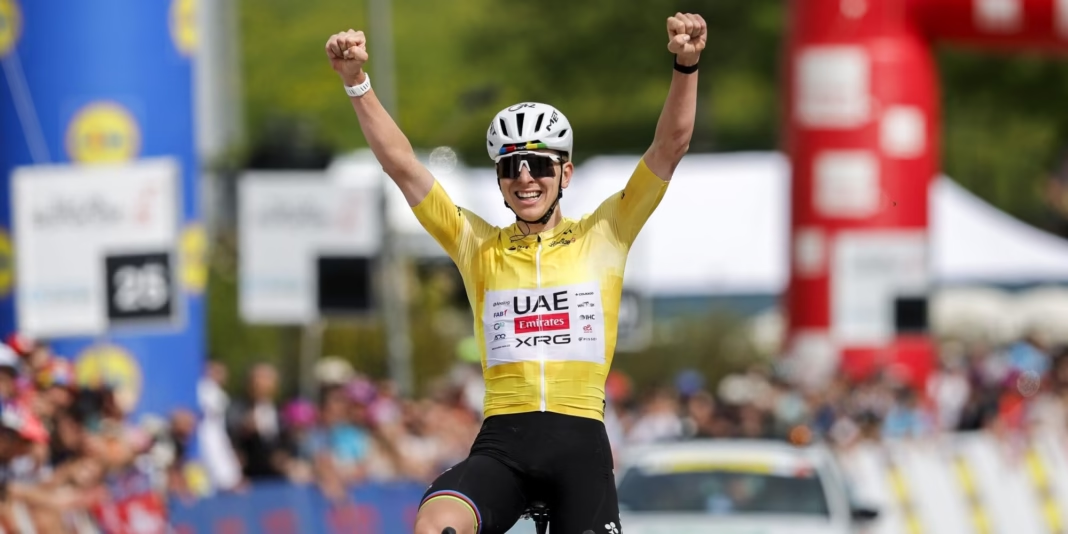
 Photo Credit: Cor Vos
-
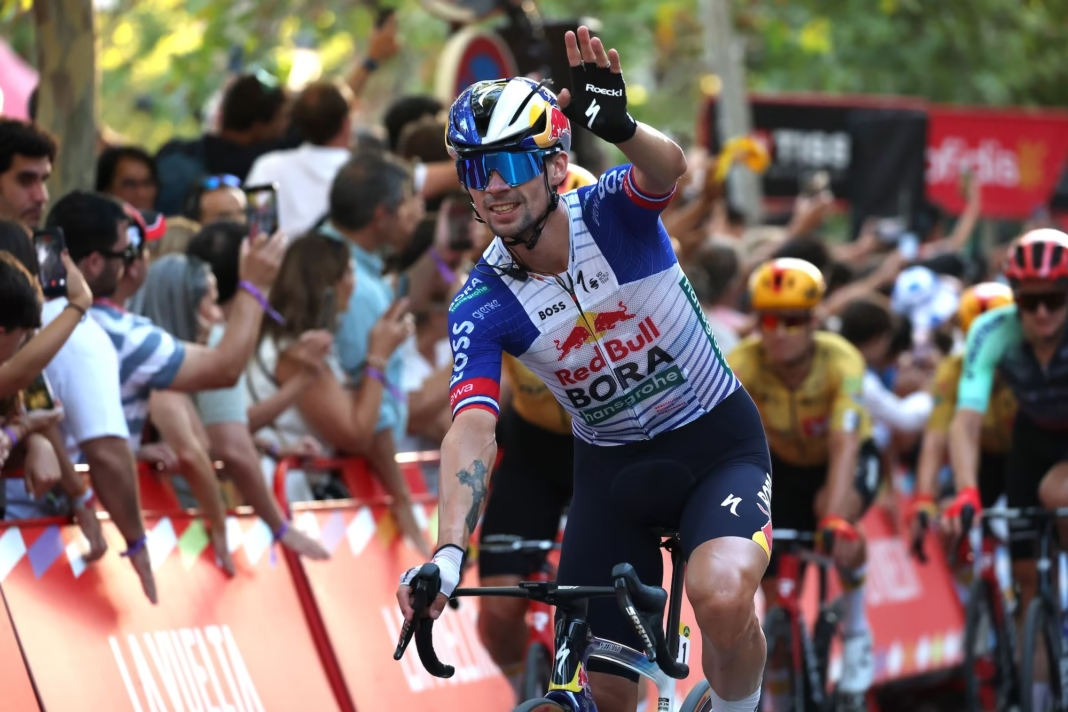
 Photo Credit: Getty
-
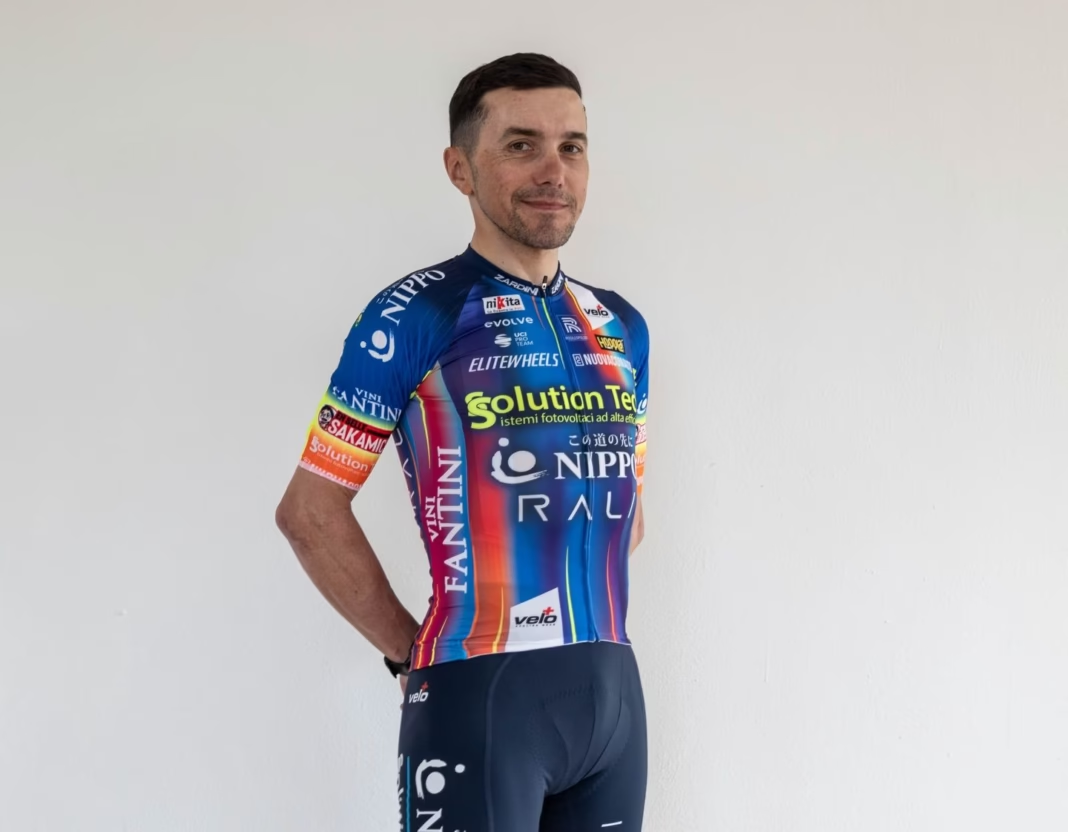
 Photo Credit: Solution Tech-NIPPO-Rali (team-supplied image)