
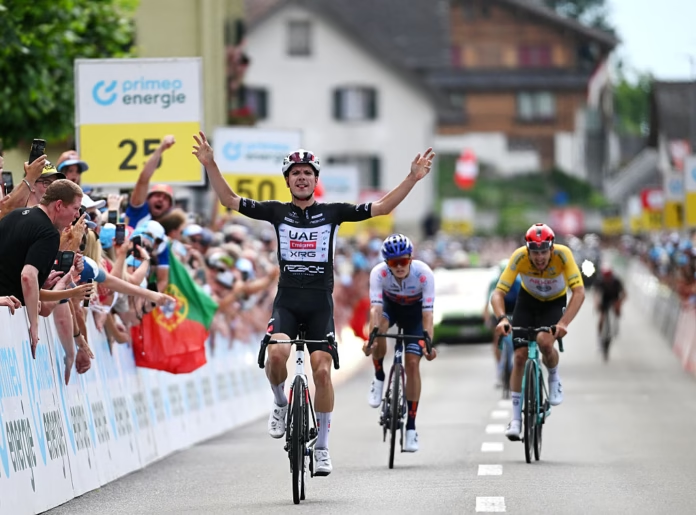
The Men’s Tour de Suisse has always occupied a slightly unusual place in cycling. It is not a Grand Tour, but it has often felt like the closest thing to one in miniature: a demanding week of mountains, time trials, weather changes, technical roads and shifting ambitions just before the Tour de France.
First held in 1933, the race became Switzerland’s national stage-race showcase and one of the most important preparation events for July. Its identity has never been only about warm-up miles. The Tour de Suisse has repeatedly been hard enough to expose weakness, polished enough to attract the world’s best, and unpredictable enough to create its own story rather than simply serving the Tour de France.
The early years and the rise of a national race
The Tour de Suisse began in the 1930s, at a time when national tours were central to cycling’s identity. The Tour de France and Giro d’Italia already carried huge prestige, but smaller stage races across Europe gave countries their own cycling theatre. Switzerland’s terrain made it an obvious home for a serious stage race.
From the start, the race had natural drama built into it. Switzerland’s geography made flat procession difficult. Even before modern route design, the roads, valleys, mountain passes and weather could shape the race quickly. It was a place where all-rounders had to be alert, climbers could find opportunity, and riders who could handle changes in rhythm had an advantage.
The inaugural edition was won by Austrian rider Max Bulla. That first winner gave the race an international character immediately, and the Tour de Suisse would continue to sit between Swiss national pride and wider European prestige. It was a Swiss race, but never only for Swiss riders.
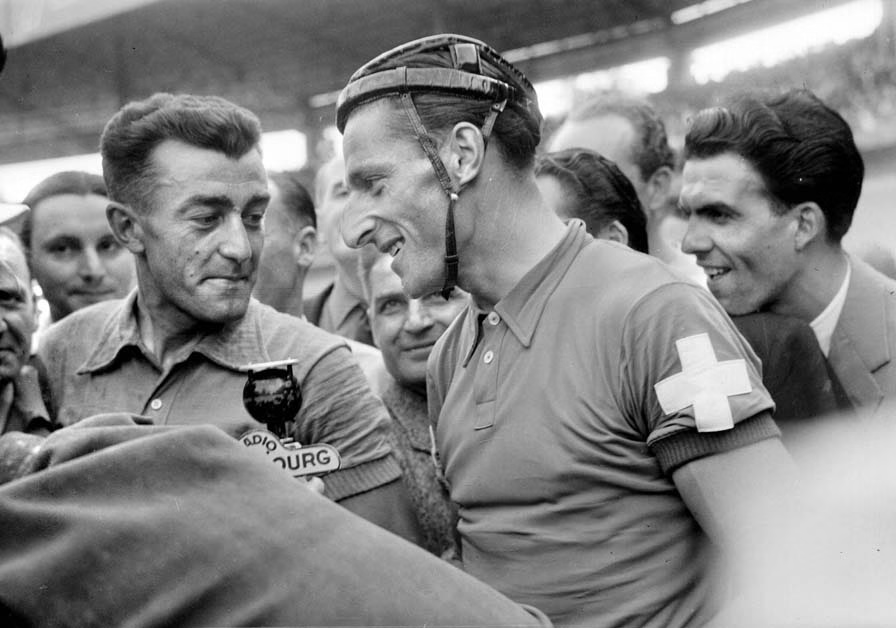 Photo Credit: Roger Viollet/Getty
The golden age of Kübler and Koblet
The 1950s gave the Tour de Suisse one of its defining eras. Ferdinand Kübler and Hugo Koblet were not just successful Swiss riders, they became symbols of different ways to race.
Kübler was the fighter, forceful and expressive, a rider associated with aggression and visible effort. Koblet was the stylist, elegant, smooth and devastating against the clock. Their contrast gave Swiss cycling a rivalry with personality as well as results.
That period matters because it gave the Tour de Suisse more than a place on the calendar. It gave it mythology. A stage race becomes part of cycling history when riders and roads begin to define each other, and the Kübler-Koblet era did exactly that.
Koblet’s time-trial strength and Kübler’s attacking force also foreshadowed one of the race’s long-term themes. The Tour de Suisse has often rewarded complete riders rather than narrow specialists. To win, a rider usually needs climbing strength, recovery, tactical sense and an ability to manage time-trial or rolling terrain. Switzerland rarely gives a winner an easy route through the week.
Pasquale Fornara and the race’s record books
No rider has won the Tour de Suisse more often than Pasquale Fornara, whose four overall victories remain the benchmark. That record says something important about the race. Repeated success in Switzerland requires more than one peak week. It demands adaptability across editions, because the route can change significantly from year to year.
Fornara’s record has survived through eras of very different cycling. That makes it more impressive. The Tour de Suisse has been won by climbers, time triallists, Tour de France contenders, Giro specialists and riders using the race as a major season target in its own right. To sit above them all in the winners’ list gives Fornara a special place in the race’s history.
The record also reflects the era before the modern Tour de France build-up became quite so specialised. Riders could target multiple stage races across the season without every performance being judged solely by what it meant for July. That gave events like the Tour de Suisse their own weight.
A race for Tour contenders, but not only Tour contenders
The Tour de Suisse’s place in June has made it one of the sport’s most important pre-Tour de France races. Alongside the race now known as Tour Auvergne – Rhône-Alpes, it has often acted as the last major form test before July. Yet the two races have never felt identical.
The French June race has often been treated as the more direct Tour rehearsal, especially because of its Alpine terrain and French setting. The Tour de Suisse can be slightly more varied. It can include high mountains, rolling stages, time trials, short explosive climbs, technical finishes and weather that changes the mood of the race quickly.
That variety is why the race has attracted different kinds of winners. Some have used it as a stepping stone to Tour de France success. Others have made it a major objective because the Tour itself was not built around them. A rider can win the Tour de Suisse without being the best Tour de France contender, but they rarely win it without being a serious stage racer.
For many teams, that has made it valuable. It tests leaders, but it also tests support structures. A team that cannot protect a rider through Swiss roads, climbs and time trials is unlikely to feel fully reassured before July.
Swiss identity and international prestige
Part of the Tour de Suisse’s appeal is that it has never lost its Swiss identity. The race moves through landscapes that look and feel distinct: Alpine passes, lakeside towns, tidy valleys, rolling farmland, mountain resorts and city starts. It is a race where place matters.
At the same time, its prestige has always depended on international relevance. Swiss riders gave the event emotional weight, especially in the Kübler and Koblet years, but the race became important because it consistently drew major foreign names too.
That balance is central to its history. The Tour de Suisse is local enough to feel rooted, but international enough to matter beyond Switzerland. It is not simply a national tour serving domestic cycling. It is a high-level stage race that tells us something about the wider season.
The modern WorldTour era
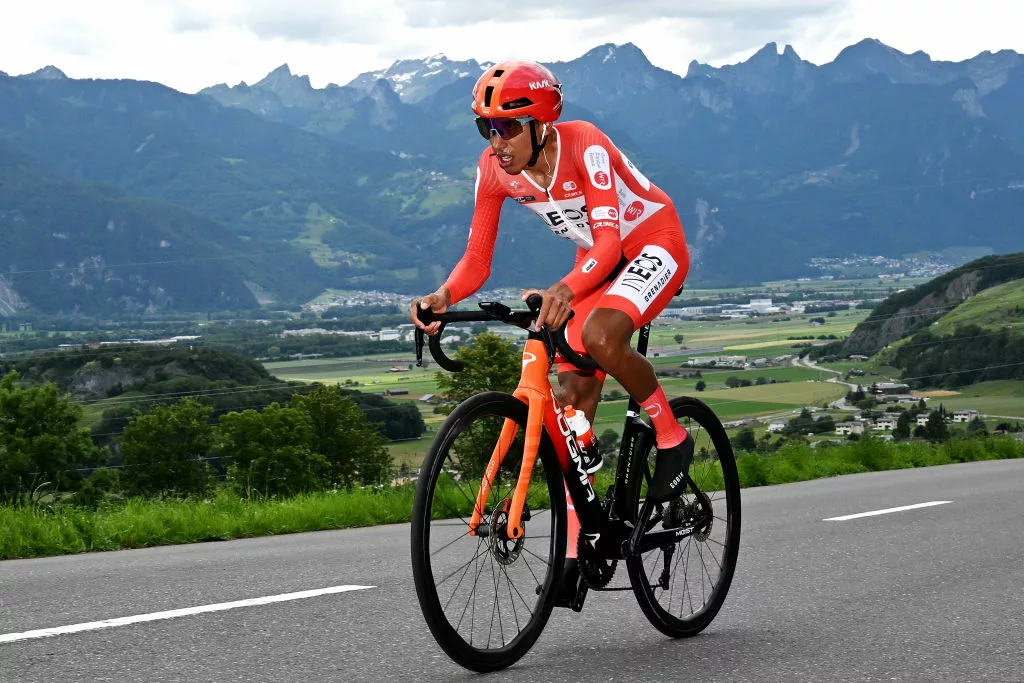
In the modern era, the Tour de Suisse has remained a key WorldTour race, though its role has evolved. Riders now arrive with more specific goals. Some are sharpening Tour de France form. Some are chasing a major one-week GC result. Some are hunting stages. Some are returning from injury or testing condition after the Giro d’Italia.
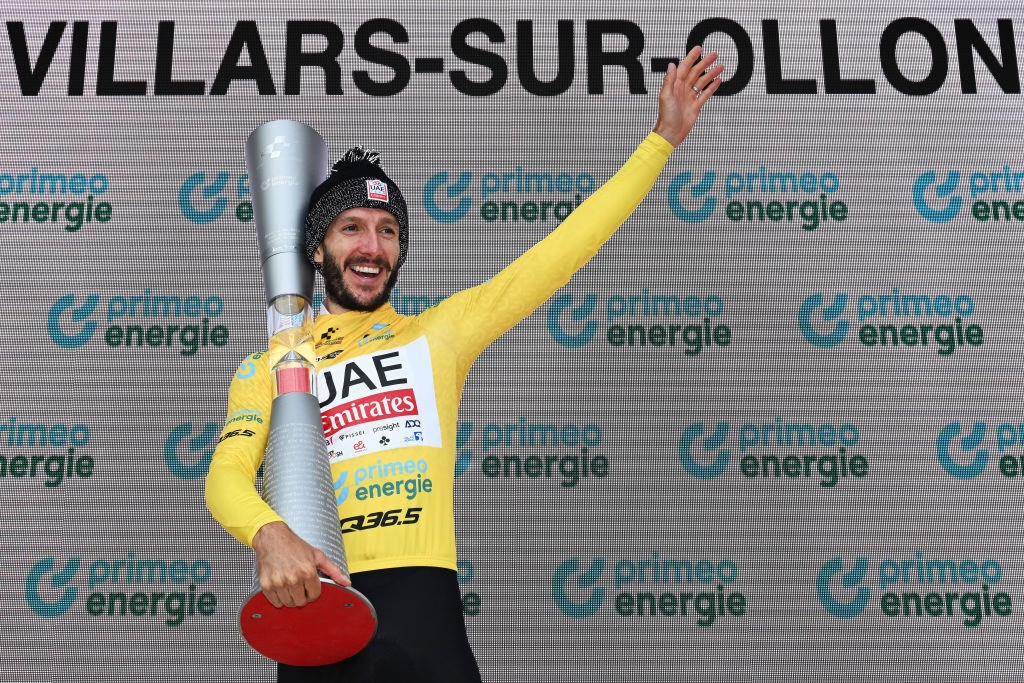
Recent editions have shown that variety clearly. Geraint Thomas won in 2022 before finishing third at the Tour de France. Mattias Skjelmose took the 2023 title. Adam Yates won in 2024, and João Almeida followed in 2025 after a race that again combined climbing, time trialling and team strength.
The race’s modern identity remains close to its historic one. It is a preparation race, but not a soft one. Riders can arrive thinking about July, yet still find themselves exposed by the Swiss roads if their condition is not ready.
The tragedy of Gino Mäder
Any modern history of the Tour de Suisse has to acknowledge the death of Gino Mäder in 2023. Mäder crashed on the descent of the Albula Pass during stage 5 and died the following day from his injuries. It was a devastating moment for the race, for Swiss cycling and for the wider peloton.
The tragedy changed the emotional meaning of that edition and remains part of the race’s recent history. It also intensified discussion around safety, descending, route design and the responsibilities of organisers in modern professional cycling.
The Tour de Suisse has always been shaped by mountains, and mountains bring risk as well as beauty. Mäder’s death was a reminder that the sport’s spectacle can never be separated from the riders’ vulnerability. For a race so closely associated with Alpine roads, that legacy remains deeply felt.
The women’s race and a changing Swiss event
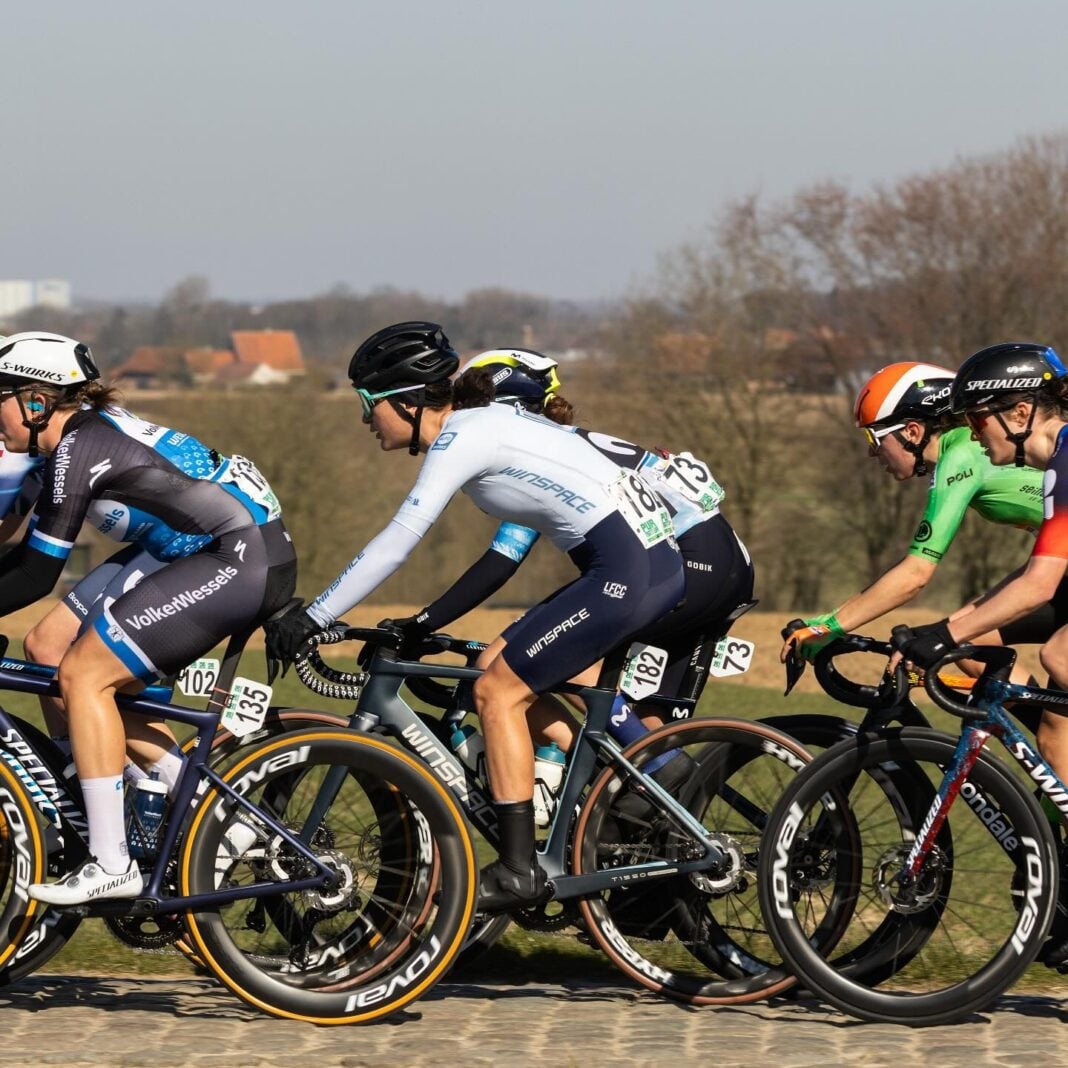
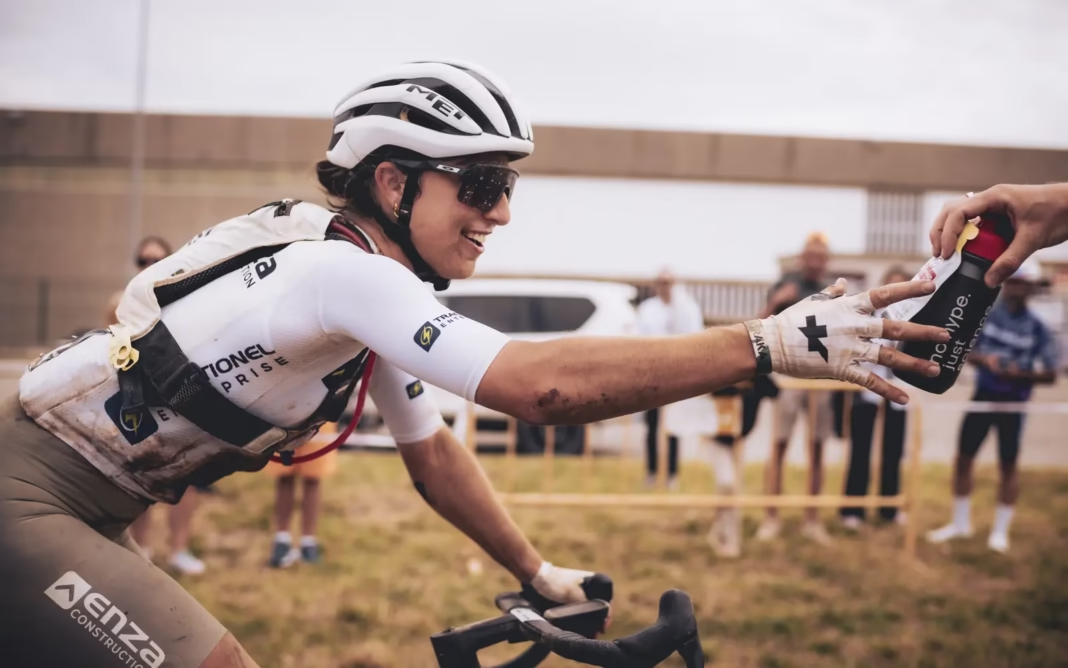
The modern Tour de Suisse story is no longer only about the men’s race. The Tour de Suisse Women has become an increasingly important part of the Swiss cycling calendar, building its own identity around compact stages, climbing, technical roads and the same unpredictable Swiss terrain that has long defined the men’s event.
That matters because the future of the Tour de Suisse is increasingly shared. The modern race is no longer simply a men’s June fixture with a women’s event attached around it. The two races are becoming part of a broader Swiss cycling platform, with the women’s race giving the country another important place in the top-level road calendar.
For 2026, the men’s race also takes on a different shape. Instead of the traditional longer format, the Men’s Tour de Suisse 2026 is set across five stages, running in parallel with the women’s race across the same host towns and broadly similar route design. That shorter structure changes the rhythm. It can make the race sharper, more compressed and less forgiving, even if it loses some of the older eight-day identity.
-
 Photo Credit: quentinphotographiebe
 -
 Photo Credit: Getty

Why the Tour de Suisse still matters
The Tour de Suisse matters because it continues to test one of the hardest things in cycling: readiness. A rider can arrive with strong training numbers, a good altitude camp and a polished team plan, but Swiss racing quickly asks whether that preparation works under pressure.
The race is rarely one-dimensional. A flat day can be made stressful by weather or positioning. A mountain stage can be decided by pacing rather than one wild attack. A time trial can undo a week’s climbing work. The routes often ask riders to be complete rather than merely impressive in one area.
That is why the race remains a credible indicator before July. Winning the Tour de Suisse does not guarantee a successful Tour de France, and struggling there does not automatically end a rider’s hopes. But it is one of the last places where form is tested in public before the season’s biggest race.
The race’s place in cycling history
The Men’s Tour de Suisse has endured because it has never been just a warm-up. It has its own winners, rivalries, tragedies, records and atmosphere. Kübler and Koblet gave it a golden Swiss rivalry. Fornara gave it a record that still stands. Modern winners have used it either as a launchpad for July or as a major victory in its own right.
Its identity is built on tension between preparation and prestige. Riders come because it helps them get ready for the Tour de France. They race hard because winning in Switzerland still counts.
That is the race’s lasting strength. The Tour de Suisse sits in June, but it is never merely waiting for July. It has always asked its own questions: who can climb, who can time trial, who can recover, who can handle Swiss roads and who can keep control when the race becomes harder than a preparation event is supposed to be.

