The 2026 Vuelta a España distributed €1,116,210 in prize money across stage results, the final general classification, jersey competitions, team prizes, intermediate sprints, mountain primes and combativity awards. Enric Mas received the biggest single payment, €150,000 for winning the general classification, while every stage victory was worth €11,000.
Mas ultimately earned €175,930 from his results across the race, combining the overall victory with a stage win, other stage placings and payments for wearing the red jersey. The headline figures show why the Vuelta remains financially smaller than the Tour de France and Giro d’Italia, even though its stage-win prize is almost identical.
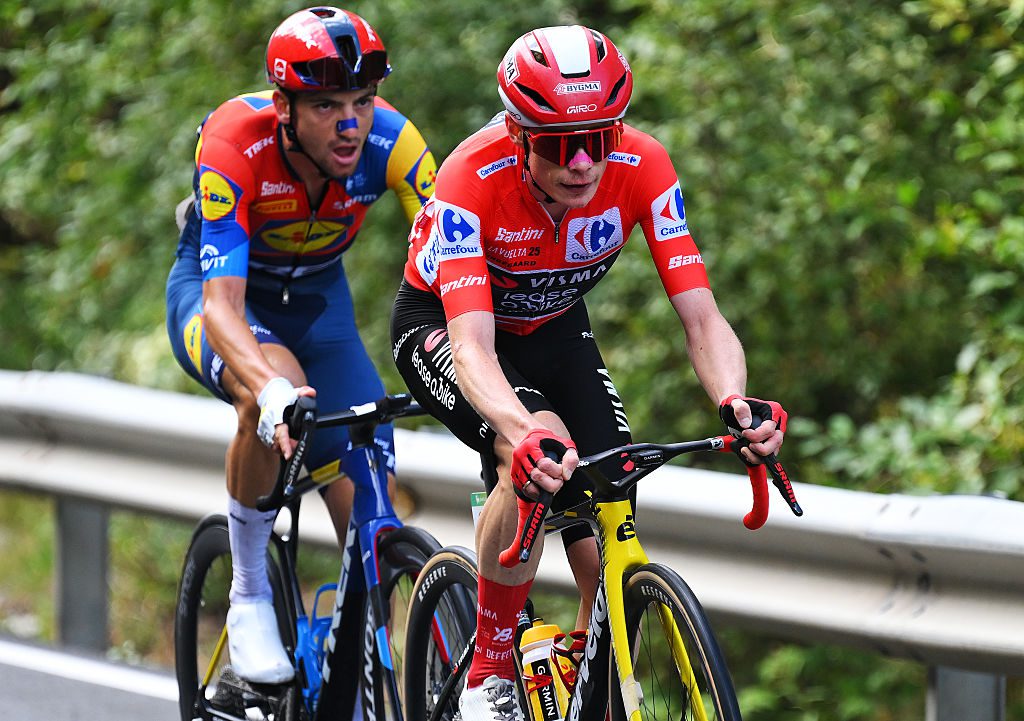
Vuelta a España 2026 prize money at a glance
| Prize | 2026 amount |
|---|---|
| Total Vuelta prize pool | €1,116,210 |
| Overall winner | €150,000 |
| Second overall | €57,985 |
| Third overall | €30,000 |
| Stage winner | €11,000 |
| Points classification winner | €11,000 |
| Mountains classification winner | €13,000 |
| Best young rider | €11,000 |
| Team classification winner | €12,500 |
The €150,000 GC prize is the largest single award. The gap to second place is substantial, while the rewards become much smaller deeper into the top 20. Stage wins remain comparatively valuable: a rider winning one day of the Vuelta receives €11,000 regardless of whether that victory comes in a sprint, time-trial, breakaway or mountain finish.
How much does the Vuelta winner get?
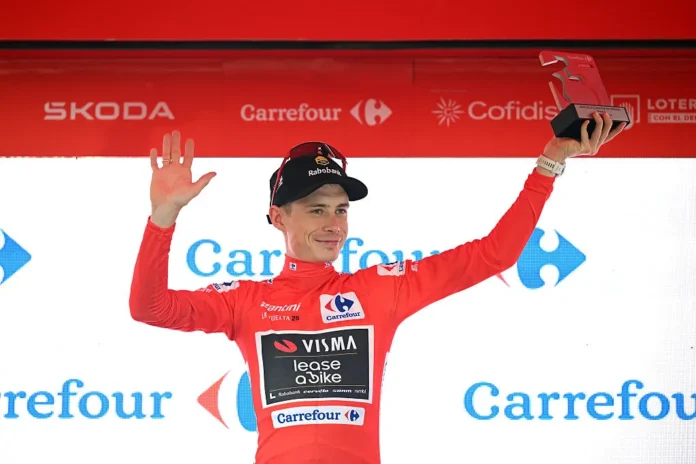
The winner of the 2026 Vuelta a España receives €150,000 for finishing first in the final general classification. Enric Mas collected that amount after winning his first Grand Tour and becoming the first Spanish winner of the Vuelta since 2014.
The GC prize is only one part of what a race winner can earn. Mas also won a stage, finished second once, recorded several other paid stage placings and wore the red jersey for 13 stages. Those additional results lifted his individual total to €175,930. You can read more about his career on our Enric Mas profile.
| Final GC position | Prize money |
|---|---|
| 1st | €150,000 |
| 2nd | €57,985 |
| 3rd | €30,000 |
| 4th | €15,000 |
| 5th | €12,500 |
| 6th | €9,000 |
| 7th | €9,000 |
| 8th | €6,000 |
| 9th | €6,000 |
| 10th-20th | €3,800 each |
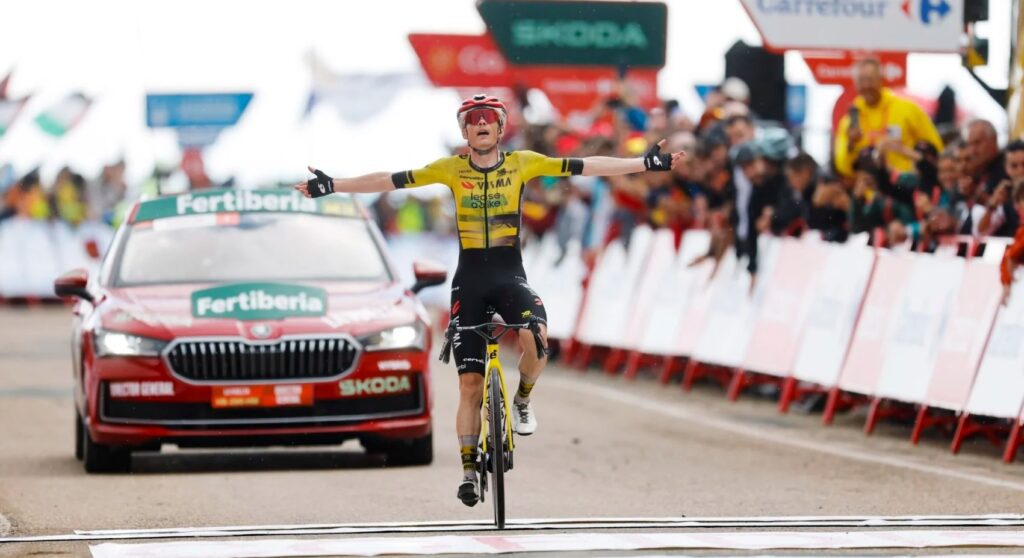
How much does a Vuelta stage winner get?
A stage victory at the Vuelta is worth €11,000. The top 20 riders on each stage receive prize money, with €5,500 for second and €2,700 for third. That means teams without a realistic GC contender can still build a useful prize total by targeting breakaways, sprints and mountain stages.
| Stage position | Prize money |
|---|---|
| 1st | €11,000 |
| 2nd | €5,500 |
| 3rd | €2,700 |
| 4th | €1,500 |
| 5th | €1,100 |
| 6th | €900 |
| 7th | €900 |
| 8th | €650 |
| 9th | €650 |
| 10th-20th | €360 each |
Across 21 stages, stage placings account for a large share of the Vuelta’s overall prize money. A rider can also stack rewards: a stage winner who is leading a classification may collect the stage prize, a daily jersey payment and other bonuses from the same day.
Points, mountains, youth and team prizes
The final secondary classifications are worth considerably less than the red jersey, but they still add to a rider or team’s accumulated prize total. The mountains classification pays the most of the three individual secondary jerseys, with €13,000 for the final winner. The points classification and best young rider competition each pay €11,000 to the winner, while the leading team receives €12,500.
There are also payments during the race for wearing classification jerseys, taking points at intermediate sprints and mountain summits, winning team classifications on individual stages and earning combativity awards. These smaller sums are one reason the final prize totals for individual riders can be noticeably higher than their headline final-classification award.
 Photo Credit: Getty
How Vuelta prize money compares with the Tour and Giro
The Vuelta remains third of the men’s Grand Tours for prize money. The 2026 Tour de France distributed €2,302,800 in direct prizes and bonuses, more than twice the Vuelta total, while the Giro d’Italia awarded €1,642,860.
| Race | 2026 total prize pool | GC winner prize | Stage win prize |
|---|---|---|---|
| Tour de France | €2,302,800 | €500,000 | €11,000 |
| Giro d’Italia | €1,642,860 | €265,668 | €11,010 |
| Vuelta a España | €1,116,210 | €150,000 | €11,000 |
The difference is most obvious at the top of the general classification. The Tour winner receives €500,000, more than three times the Vuelta winner’s €150,000. The Giro sits between them at €265,668 when its regular and additional winner prizes are combined. Stage wins are much closer: €11,000 at both the Tour and Vuelta, with the Giro paying €11,010.
For a full breakdown of the French race, see our Tour de France 2026 prize money guide.
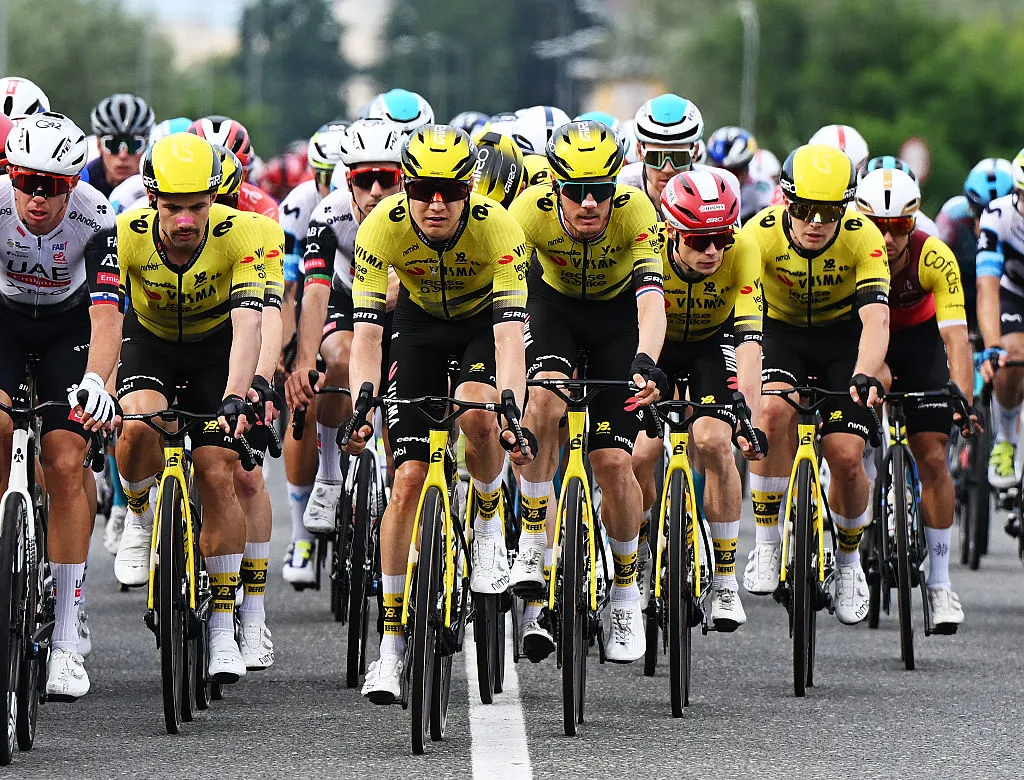
Do riders keep their Vuelta prize money?
Prize money in professional cycling is normally treated as a team reward rather than personal income for the rider named on the results sheet. Teams generally pool race winnings and divide them between riders and staff according to their own internal arrangements.
That reflects how Grand Tour results are produced. A GC winner depends on domestiques controlling breakaways, setting tempo in the mountains, fetching bottles and protecting position. A sprinter relies on riders guiding them through the final kilometres, while stage hunters often need teammates to help create or control the right breakaway.
The official prize money is also only a small part of the financial value of success. Winning the Vuelta, a stage or a major classification can affect sponsorship exposure, contract negotiations and a rider’s market value far more than the cheque attached to the result itself. The €150,000 winner’s prize is therefore significant, but the sporting and commercial value of winning a Grand Tour is much larger.