

The 2026 men’s Tour de Pologne is a north-to-south race in the most literal sense.
The 83rd edition of the Polish WorldTour race starts on the Baltic coast in Gdynia on Monday 3 August and finishes seven days later with an individual time trial at the Wieliczka Salt Mine on Sunday 9 August. The route runs from Pomerania and the Baltic Sea through western Poland, then into Lower Silesia, Karpacz, Kocierz and finally the Bukowina Tatrzańska climbing block before the closing time trial.
It is a route with three broad phases. The opening three stages should favour sprinters, strong classics riders and breakaway opportunists. Stages 4, 5 and 6 then turn the race into a climbing contest. Stage 7 gives the overall contenders one last test against the clock at Wieliczka.
It also gives Poland a strong stage-race double in 2026, with the women’s race continuing its own development after stepping up in status. Our Tour de Pologne Women 2026 full route guide explains how the women’s event fits into that wider Polish racing picture.
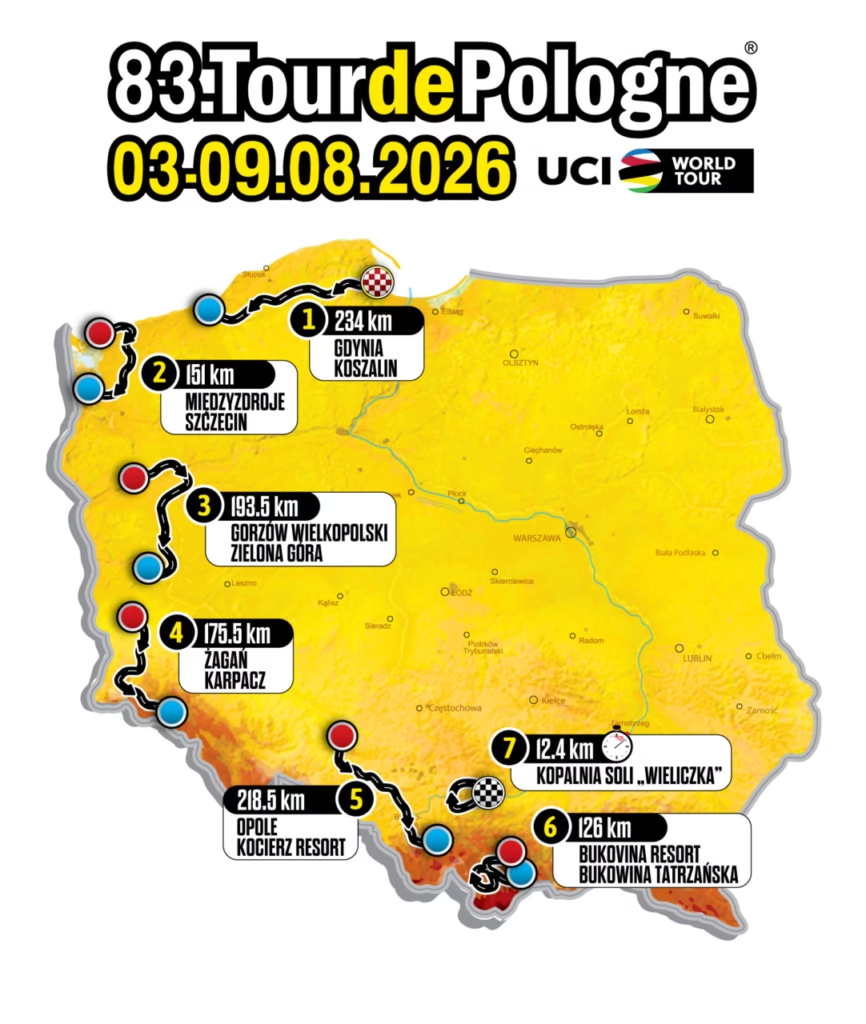
Tour de Pologne 2026 route at a glance
| Stage | Date | Route | Distance | Likely winner type |
|---|---|---|---|---|
| 1 | Monday 3 August | Gdynia to Koszalin | 234km | Strong sprinter / classics rider |
| 2 | Tuesday 4 August | Międzyzdroje to Szczecin | 151km | Sprinter |
| 3 | Wednesday 5 August | Gorzów Wielkopolski to Zielona Góra | 193.5km | Sprinter / reduced sprint |
| 4 | Thursday 6 August | Żagań to Karpacz | 175.5km | Punchy climber / GC rider |
| 5 | Friday 7 August | Opole to Kocierz Resort | 218.5km | Climber / breakaway |
| 6 | Saturday 8 August | Bukovina Resort to Bukowina Tatrzańska | 126km | Climber / GC rider |
| 7 | Sunday 9 August | Wieliczka Salt Mine ITT | 12.5km | Time trial specialist / GC contender |
The race organisers describe the 2026 edition under the slogan “North-South”, which fits the map and the race design: a coastal start, a long journey through the country, and a decisive mountain-and-time-trial finish in the south.
What kind of race is the 2026 Tour de Pologne?
This is not a route built around one decisive summit finish.
Instead, the 2026 Tour de Pologne should reward a rider who can survive long stages, handle punchy climbing, recover quickly, and still produce a strong short time trial on the final day. That makes it a difficult race to control. Sprinters have chances early, but they have to get through the opening stage’s length and rolling terrain. Climbers get a proper block from stage 4 to stage 6, but they cannot ignore the closing time trial.
The final GC should be shaped by three moments: the Orlinek finish in Karpacz on stage 4, the Kocierz Resort finale on stage 5, and the Bukowina Tatrzańska queen stage on stage 6. The Wieliczka Salt Mine time trial then gives a late advantage to riders who can keep their climbing losses small and finish the week with power.
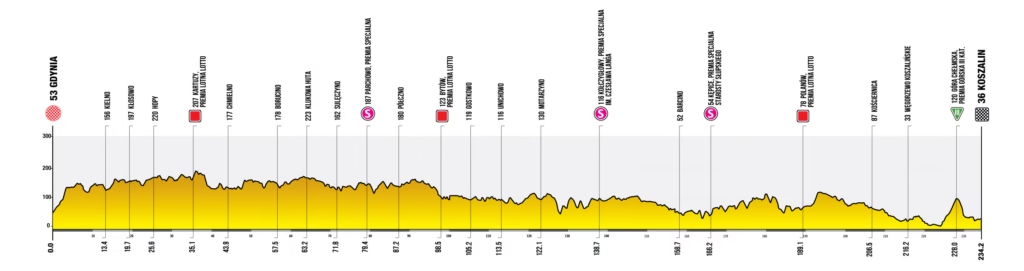
Stage 1: Gdynia to Koszalin, 234km
The race begins with the longest stage of the week.
Stage 1 starts in Gdynia, which is celebrating its centenary, and heads over 234km through Pomerania and Kashubia to Koszalin. The official route description points to hilly terrain and more than 2,000 metres of elevation gain, which makes this much more demanding than a standard opening sprint stage.
The race also starts with points and secondary classifications immediately in play. There are LOTTO Sprint Primes in Kartuzy, Bytów and Polanów, Special Primes in Parchowo, Kołczygłowy and Kępice, and a third-category PZU Mountain Prime on Góra Chełmska just 6km from the finish.
That late climb is the detail that could complicate the day. A pure bunch sprint is still possible, but after 234km and a climb so close to the line, the race may favour a tougher fast finisher or a reduced group.
Stage 1 verdict
The first yellow jersey could go to a sprinter, but this is not a soft start. The distance, rolling terrain and late Góra Chełmska climb make it a day where a strong one-day rider may have just as much chance as a pure sprinter.
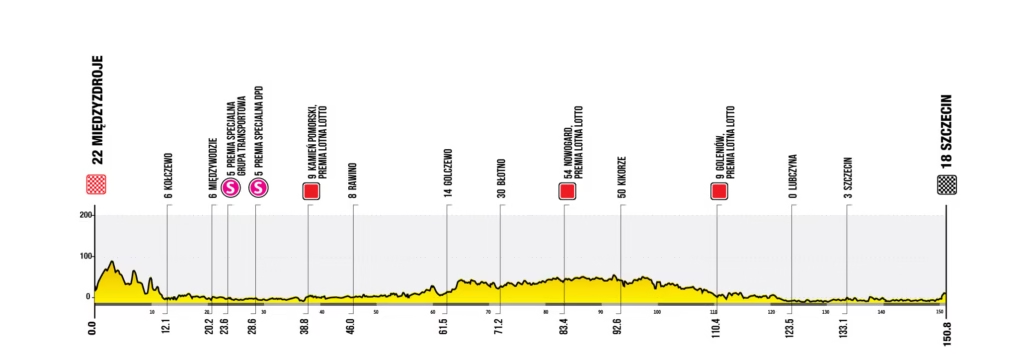
Stage 2: Międzyzdroje to Szczecin, 151km
Stage 2 should be the clearest sprint opportunity of the opening block.
The race starts again near the Baltic Sea, this time from Międzyzdroje, before heading to Szczecin over roughly 151km. The stage should favour the fastest riders in the peloton. Before the finish, the route includes LOTTO Sprint Primes in Kamień Pomorski, Nowogard and Goleniów, plus a Grupa Transportowa Special Prime.
This is the stage where sprint teams should want full control. The distance is much shorter than stage 1, the terrain is less selective, and the points classification will already have begun to take shape after the long opener.
Stage 2 verdict
This is the best early chance for the pure sprinters. The main tension will be whether a breakaway can build enough room before the sprint teams settle into the chase.
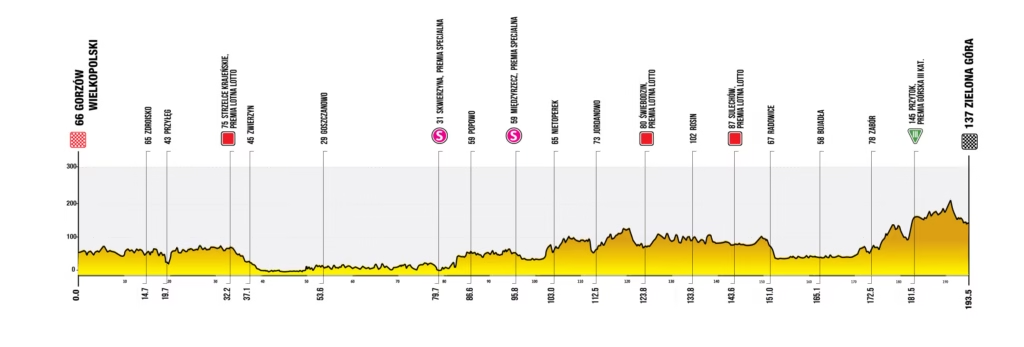
Stage 3: Gorzów Wielkopolski to Zielona Góra, 193.5km
Stage 3 continues the southward journey into the Lubuskie region.
The route runs from Gorzów Wielkopolski to Zielona Góra over 193.5km. There are three LOTTO Sprint Primes on the route, in Strzelce Krajeńskie, Świebodzin and Sulechów, with Special Primes in Skwierzyna and Międzyrzecz. There is also a Mountain Prime in Przytok near the finish.
That late climbing detail means this may not be quite as straightforward as stage 2. A bunch sprint is still plausible, but a late climb near Zielona Góra gives attackers something to work with and creates the possibility of a reduced finish if the race is ridden hard.
Stage 3 verdict
Likely a sprint or reduced sprint, but not guaranteed to be clean. This is a day where positioning late could matter, especially if the Przytok climb disrupts the chase.
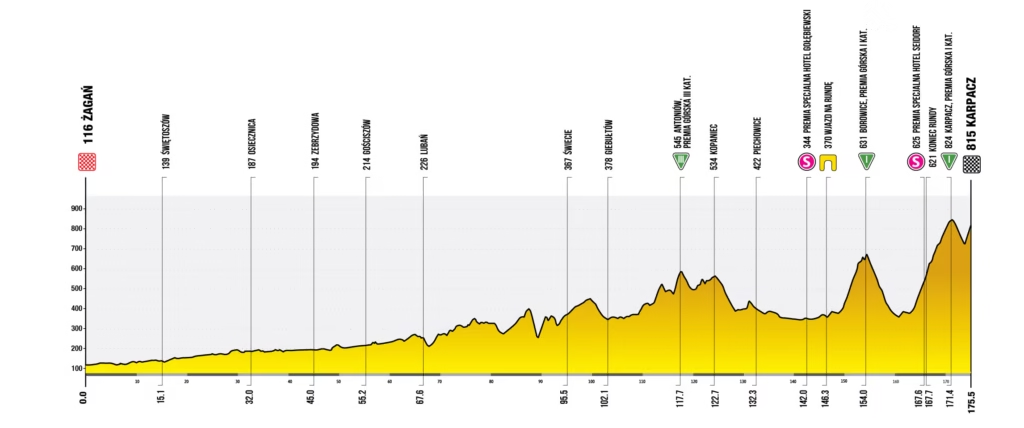
Stage 4: Żagań to Karpacz, 175.5km
Stage 4 is where the GC race should properly begin.
The route starts in Żagań and finishes at Orlinek in Karpacz, a familiar and iconic Tour de Pologne finish. It is the first truly mountainous challenge of the 2026 race, with rising terrain through Lower Silesia, three PZU Mountain Primes in Antoniów, Borowice and Karpacz, and two Special Primes backed by DPD and Hotel Seidorf.
The final wall at Orlinek is the stage’s key feature. It is a finish with Tour de Pologne history, and the sort of climb that suits punchy climbers rather than pure diesel engines.
This stage should expose the riders who came to Poland with GC ambitions. The climbs are not Grand Tour-sized, but the repeated rising terrain and sharp finish make it the first day where the overall contenders have to race each other directly.
Stage 4 verdict
The Karpacz finish should create the first meaningful GC gaps. It suits punchy climbers, explosive stage racers and riders who can handle a hard final ramp after a long day.
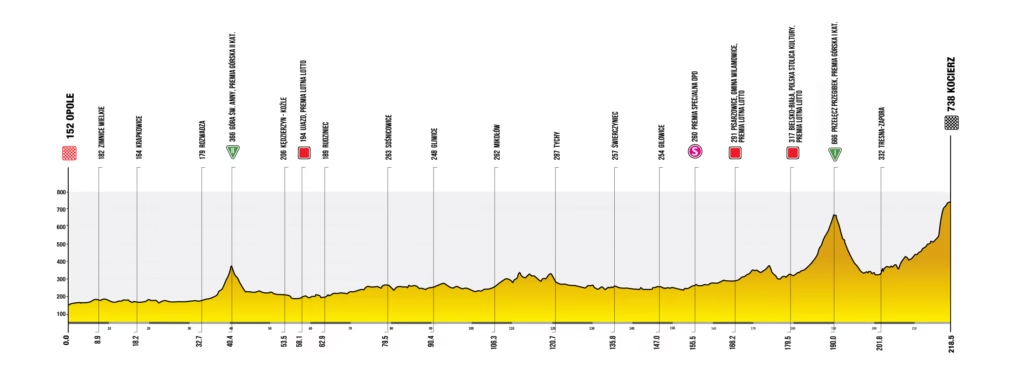
Stage 5: Opole to Kocierz Resort, 218.5km
Stage 5 keeps the climbing pressure on, and does it over another long distance.
The race runs from Opole to Kocierz Resort over 218.5km. It is almost 220km and packed with climbs late on, with intermediate primes in Ujazd, Pisarzowice and Bielsko-Biała, plus a DPD Special Sprint. The final section includes climbs over Góra Św. Anny and Przegibek Pass before the closing ascent to Kocierz Resort.
This stage matters because of its length as much as its profile. Riders who handled Karpacz may still suffer here if the race becomes attritional. It is also a strong breakaway stage if teams are unwilling to control such a long day before the Bukowina queen stage.
Stage 5 verdict
Kocierz Resort should be a GC day, but it may also suit a strong climbing breakaway. The distance makes it dangerous, especially for riders trying to defend a small lead after Karpacz.
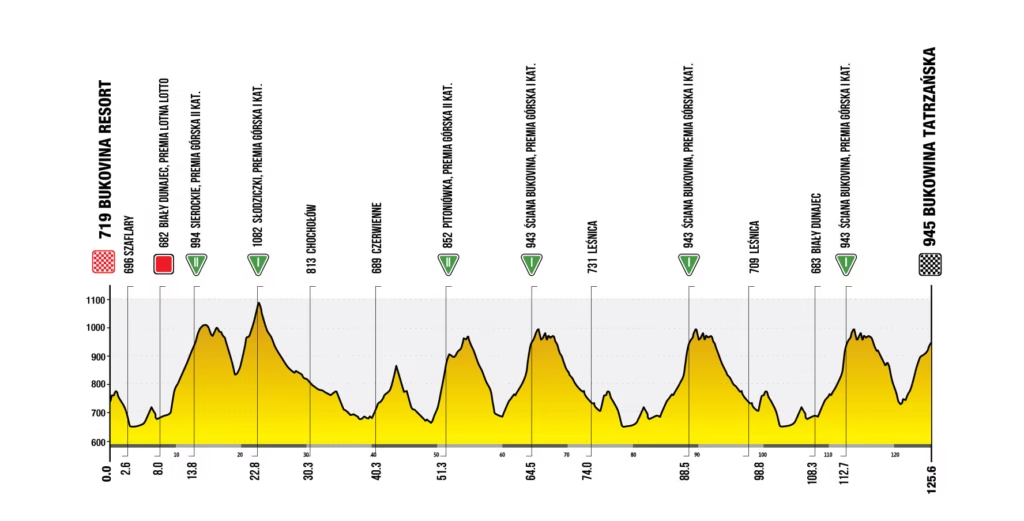
Stage 6: Bukovina Resort to Bukowina Tatrzańska, 126km
Stage 6 is the queen stage.
It is short at 126km, but that only makes the racing more concentrated. The route starts at Bukovina Resort and finishes in Bukowina Tatrzańska, with repeated climbing that could turn the general classification upside down.
The stage includes an early LOTTO Sprint Prime in Biały Dunajec before the race enters the Tatra climbing terrain. The key features are PZU Mountain Primes in Sierockie, Słodyczki and Pitoniówka, followed by laps over the BUKOVINA Wall in Gliczarów, listed as a first-category climb and tackled three times. The finish in Bukowina Tatrzańska is also on a climb.
This is where the climbing specialists have to commit. The repeated BUKOVINA Wall ascents should make the stage difficult to control, and the short distance may make the racing more aggressive from earlier than usual.
Stage 6 verdict
This is the stage most likely to decide the race before the time trial. A climber who wants to win overall needs to take time here, because the final day gives time triallists one last chance.
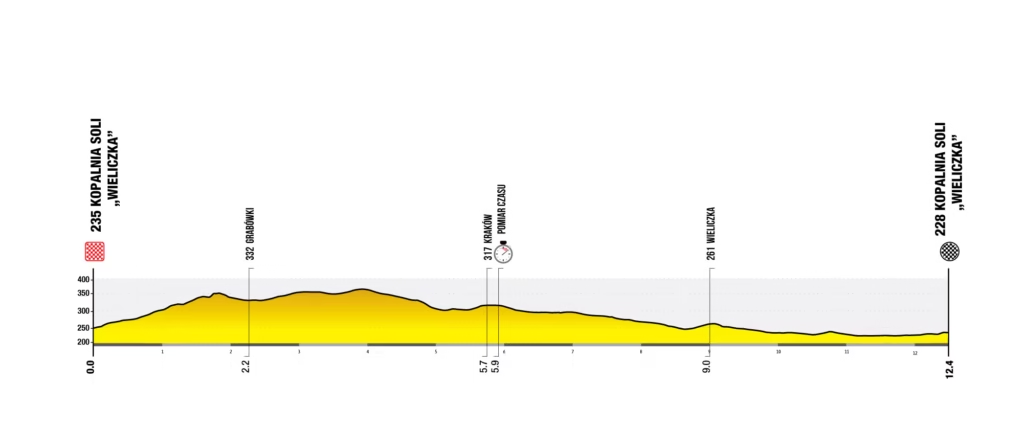
Stage 7: Wieliczka Salt Mine ITT, 12.5km
The race finishes with a short individual time trial at the Wieliczka Salt Mine.
The route is 12.5km, with the start and finish both at the Wieliczka Salt Mine. It begins with a climb of just over 1.5km, then moves into flatter and slightly descending terrain back towards the finish.
That makes it a short but awkward GC decider. It is not long enough for a pure time trial specialist to destroy the race completely, but it is long enough to punish climbers who are poor against the clock. It also keeps the whole race alive until the final day, especially if the gaps after Bukowina are small.
Stage 7 verdict
The final time trial keeps the whole race honest. Climbers cannot simply build a few seconds in Bukowina and assume it will be enough. The winner will likely need to climb well and time trial well.
Where will the Tour de Pologne 2026 be won?
The most important stages are 4, 5, 6 and 7.
Stage 4 to Karpacz should create the first real hierarchy. Stage 5 to Kocierz Resort adds fatigue and another climbing finish. Stage 6 in Bukowina Tatrzańska is the queen stage and the best chance for climbers to open meaningful gaps. Stage 7 then tests whether those gaps are enough.
That gives the race a neat but demanding structure. Sprinters and breakaway riders get the opening half. GC riders take over from Karpacz onwards. Time triallists get the final say.
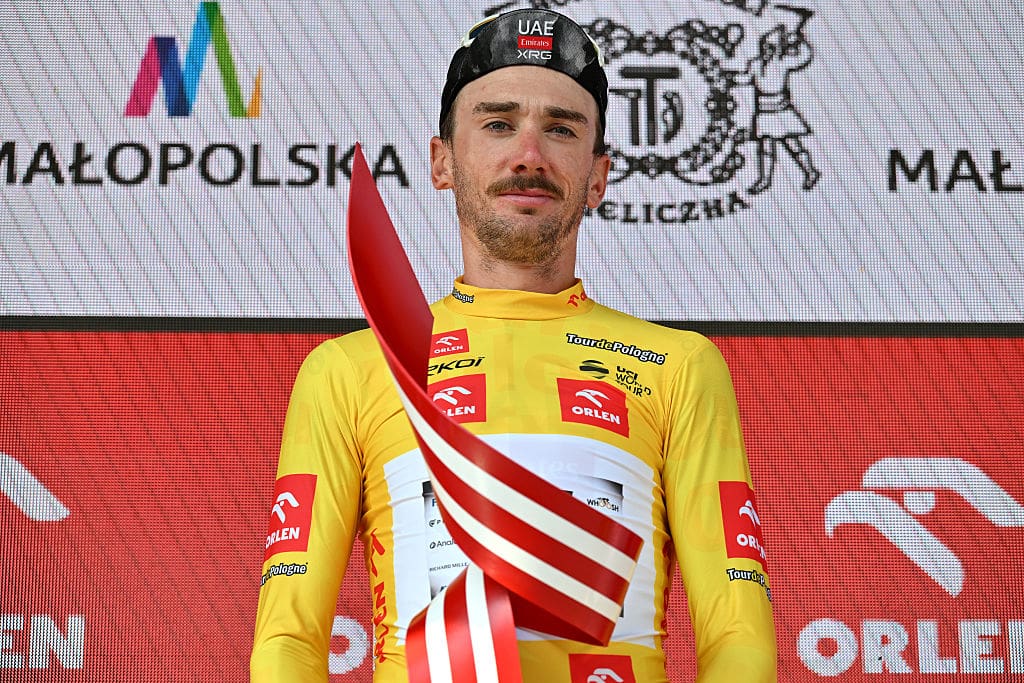
Best stages for sprinters
The sprinters’ best chances are stages 2 and 3.
Stage 2 from Międzyzdroje to Szczecin is the most obvious sprint day. Stage 3 to Zielona Góra could also finish in a bunch sprint, although the late Mountain Prime near Przytok makes it slightly more complicated. Stage 1 could still end in a sprint, but 234km and a late climb near Koszalin make it much less predictable.
| Sprint rating | Stage |
|---|---|
| Best sprint chance | Stage 2, Międzyzdroje to Szczecin |
| Good sprint chance | Stage 3, Gorzów Wielkopolski to Zielona Góra |
| Possible reduced sprint | Stage 1, Gdynia to Koszalin |
Best stages for GC riders
Stages 4, 5, 6 and 7 are the GC block.
Karpacz opens the contest. Kocierz keeps pressure on. Bukowina Tatrzańska is the queen stage. Wieliczka finalises the gaps. That means no overall contender can afford a bad day from Thursday onwards.
| GC importance | Stage |
|---|---|
| First big GC test | Stage 4, Żagań to Karpacz |
| Attritional climbing day | Stage 5, Opole to Kocierz Resort |
| Queen stage | Stage 6, Bukovina Resort to Bukowina Tatrzańska |
| Final GC decider | Stage 7, Wieliczka Salt Mine ITT |
Best stages for breakaways
Stages 1, 5 and 6 look like the most interesting breakaway days.
Stage 1 is very long and rolling, which gives attackers a chance if sprint teams hesitate. Stage 5 is long, hilly and potentially hard to control. Stage 6 is short and mountainous, meaning the breakaway can work if GC teams allow riders up the road before the BUKOVINA Wall laps.
Stage 4 could also produce a breakaway fight, but because it is the first clear GC day, the overall teams may keep the race tighter.
What makes the 2026 route different?
The 2026 route feels more balanced than a pure climbing race.
There is a real opening section for fast riders. There is a serious mountain block. There is a short final time trial. The route does not hand the race to one rider type. A pure sprinter can win stages but not the race. A pure climber can make time in Bukowina but may lose it at Wieliczka. A time trial specialist needs to survive Karpacz, Kocierz and Bukowina before the final day.
That balance is what should make the race interesting. The overall winner will probably be a versatile stage racer rather than a specialist.
For a wider look at how the race has developed, our brief history of Tour de Pologne Women covers the newer women’s event, while the men’s race remains one of Poland’s longest-running international cycling fixtures.


How to watch the Tour de Pologne 2026
The race is scheduled for 3-9 August 2026.
As a WorldTour race, it should sit in the main post-Tour de France summer block, when stage racers, sprinters and riders building towards late-season targets often reset their calendars. The mix of sprint stages, climbing days and a closing time trial should make it more than a straightforward post-Tour form race.
The women’s race has also continued to build its place on the calendar, with the Tour de Pologne Women stepping up to ProSeries level and giving Polish cycling a stronger two-race platform.
Tour de Pologne 2026 route verdict
The 2026 men’s Tour de Pologne has a simple shape, but not a simple race.
It starts with length, coastal roads and sprint chances. It then moves south into increasingly selective terrain, with Karpacz, Kocierz and Bukowina Tatrzańska providing the main climbing tests. It ends with a short time trial at the Wieliczka Salt Mine, which means the race can stay open until the final day.
The key stage is likely to be stage 6 in Bukowina Tatrzańska, because the BUKOVINA Wall laps give climbers their clearest chance to take time. But the final winner may be decided by how those gaps survive the 12.5km time trial the next day.
This is a race for a complete rider: strong enough to climb, sharp enough on punchy finishes, resilient enough across long stages, and fast enough against the clock when the race reaches Wieliczka.

