
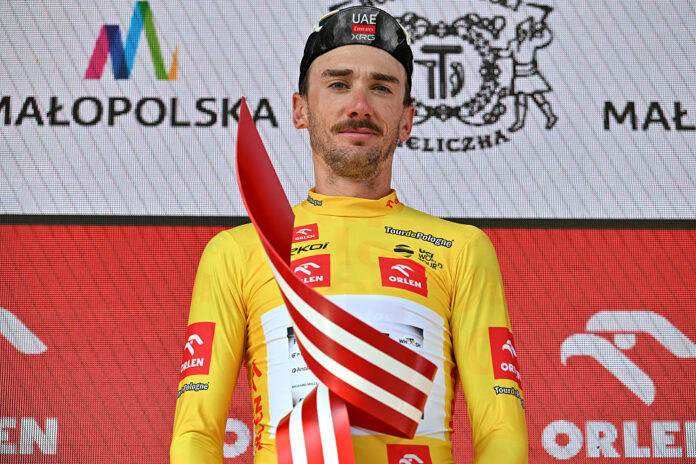
The men’s Tour de Pologne is one of cycling’s oldest national stage races, but it has never had a simple identity. It has been a domestic showcase, an amateur-era proving ground, a post-communist rebuild, a WorldTour race and, increasingly, a late-summer form guide for riders targeting the final part of the season.
First held in 1928, the race is Poland’s most important men’s stage race and one of the major fixtures in central and eastern European cycling. It does not have the Grand Tour scale of the Tour de France, Giro d’Italia or Vuelta a España, but its long history gives it a different kind of weight.
The Tour de Pologne has survived war, political change, shifting race calendars and the professionalisation of modern cycling. Its modern version now sits inside the men’s WorldTour calendar, where it offers a very different test to the Grand Tours and one-day Classics.
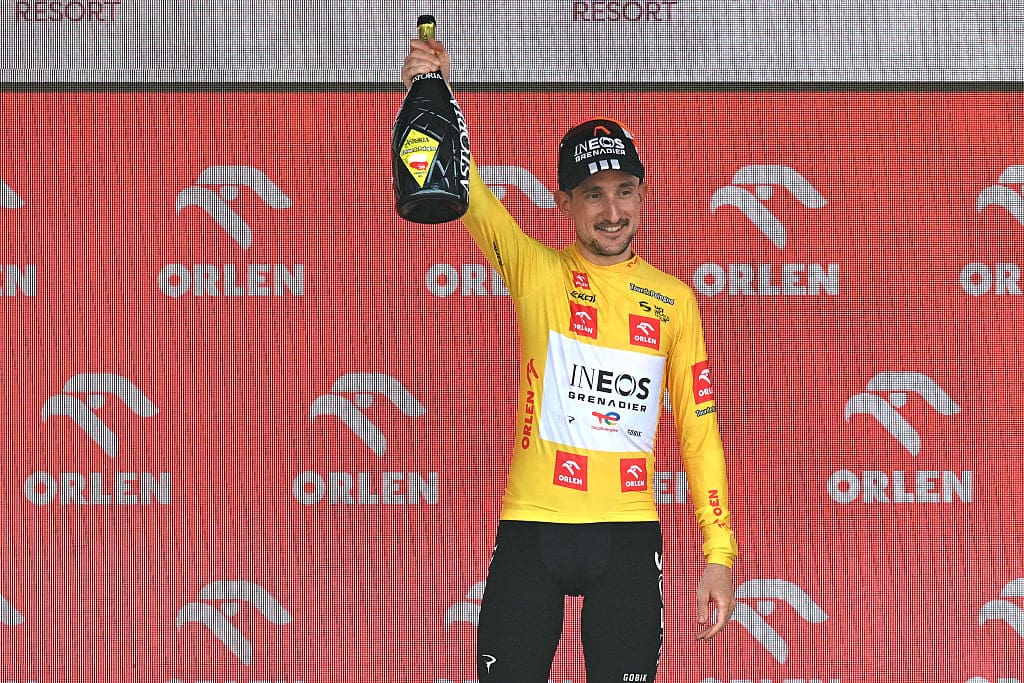
Tour de Pologne at a glance
| Detail | Men’s Tour de Pologne |
|---|---|
| First edition | 1928 |
| Original name | Wyścig Dookoła Polski |
| Country | Poland |
| Race type | Men’s professional stage race |
| Modern status | UCI WorldTour |
| Usual calendar position | Summer, often after the Tour de France |
| Typical route character | Sprint stages, rolling terrain, punchy climbs, mountain finishes and time-trials |
| Key modern figure | Czesław Lang |
The early years: a race built around national identity
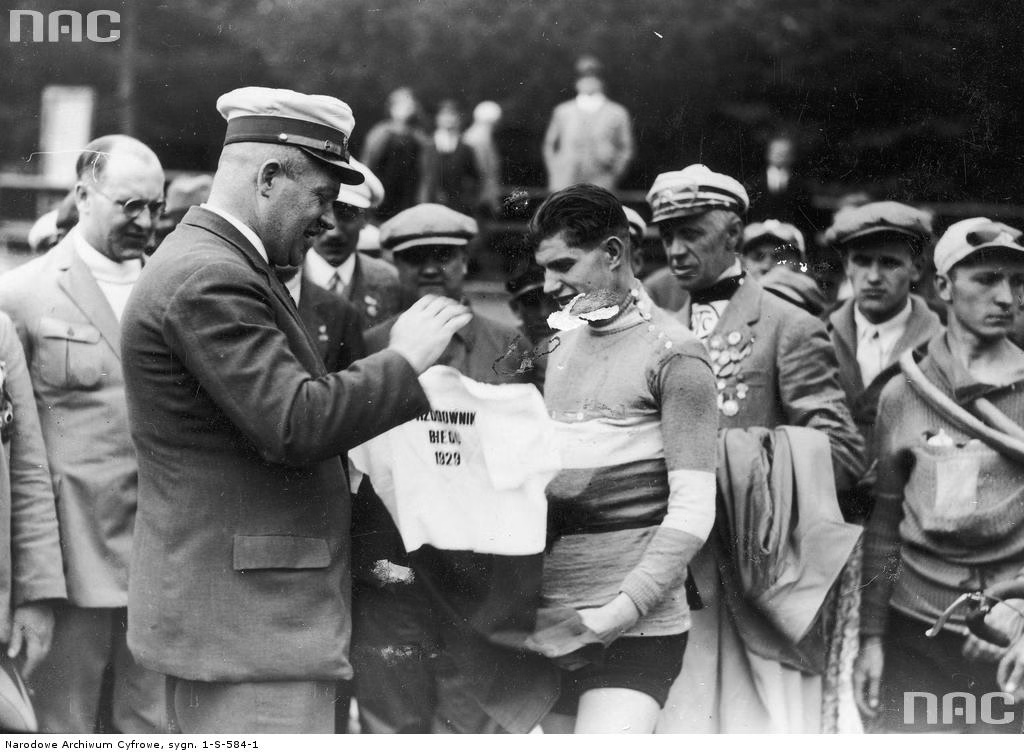
The first Tour de Pologne took place in 1928, at a time when stage racing was becoming a powerful way for countries to tell stories about landscape, endurance and national identity. Like many early stage races, it was not just a sporting contest. It was also a rolling map of the country.
The early editions were shaped by long distances, variable roads and a much more basic support structure than riders have today. Racing across Poland in the interwar years meant dealing with rough surfaces, mechanical problems and the physical toll of repeated days in the saddle.
Feliks Więcek won the first edition, beginning a winners’ list that would later include many of Poland’s strongest riders. In its early form, the Tour de Pologne was largely a domestic race, important inside Poland but not yet the globalised event it would become many decades later.
War, interruption and post-war recovery
The Second World War interrupted the race, as it did so much of European sport. When the Tour de Pologne returned after the war, it did so in a very different country and a very different cycling world.
Post-war Poland rebuilt its sporting structures under communist rule, and cycling became part of a broader Eastern Bloc sporting system. The race continued, but its place in the sport was different from the big professional races of western Europe.
It sat more naturally inside the amateur and state-supported system that shaped Polish and eastern European cycling for decades. That gave the race a specific character. It was not a professional WorldTour-style event. It was a hard, nationally important stage race in a part of Europe where amateur cycling could still produce exceptional riders.
The amateur era and Polish strength
For much of the post-war period, the Tour de Pologne was dominated by Polish riders. That reflected the race’s calendar, its geography and the sporting system around it. Foreign riders did appear, but the event remained strongly tied to Polish cycling culture.
The race also sat near the orbit of the Race of Peace, the huge amateur stage race that was central to cycling in the Eastern Bloc. For riders from Poland, Czechoslovakia, East Germany and the Soviet Union, races like these carried prestige that is sometimes underestimated when cycling history is told only through the Tour, Giro, Vuelta and the western European Classics.
In this period, the Tour de Pologne helped develop and showcase Polish riders who were strong, durable and tactically sharp across stage-race terrain. It was a race of national importance, but also a sign of how cycling could look different outside the professional structures of France, Italy, Belgium and Spain.
Czesław Lang and the modern rebirth
The biggest shift in the race’s modern history came in the 1990s, after the political changes that transformed Poland and much of eastern Europe.
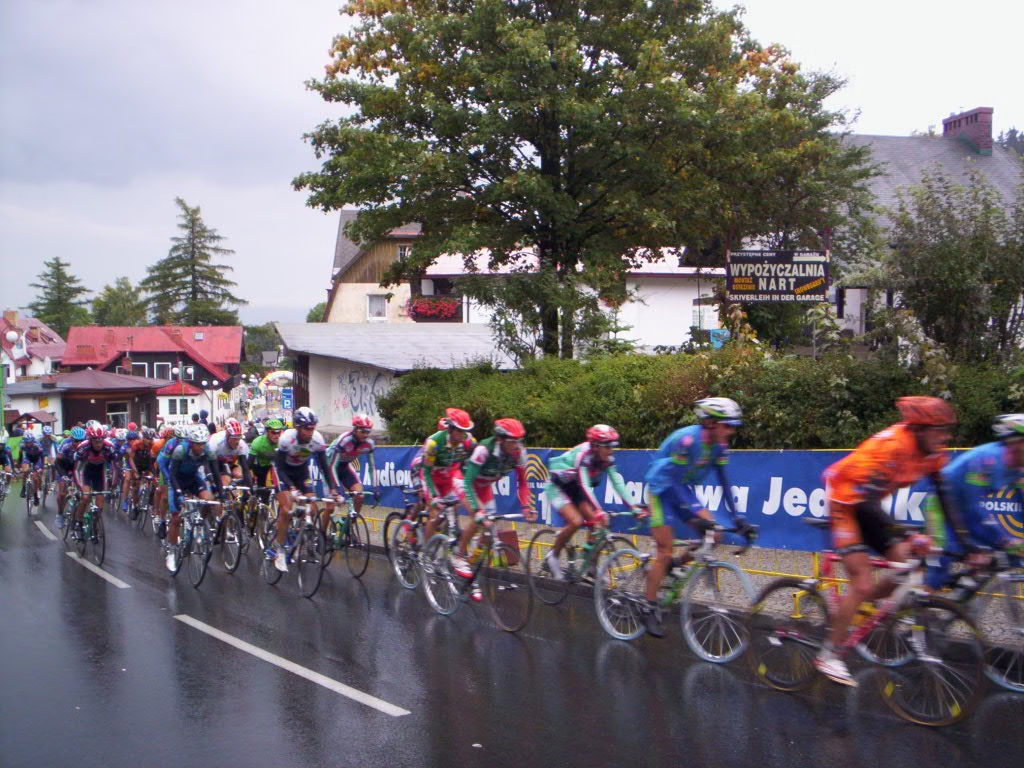
Czesław Lang, the former Polish rider and Olympic medallist, became the key figure in reshaping the Tour de Pologne. His role as race organiser helped move the event from its older domestic and amateur-era identity into the professional international calendar.
That transformation mattered. The race needed stronger organisation, international teams, reliable sponsors, television coverage and a route that could appeal beyond Poland. Lang’s work gradually turned the Tour de Pologne into a more modern stage race, one capable of attracting WorldTour teams and recognised names.
This period is central to understanding the race today. Without that post-communist rebuild, the Tour de Pologne could easily have remained a respected historic event with limited international reach. Instead, it became one of the most important races in central and eastern Europe.
Joining cycling’s top tier
The Tour de Pologne took a major step forward when it joined cycling’s top-tier calendar in the 2000s. Its elevation placed it alongside the biggest stage races and one-day events in the sport, giving it a new level of visibility and competitive depth.
That did not turn it into a Grand Tour. Nor did it make it a natural rival to Paris-Nice, Tirreno-Adriatico or the Critérium du Dauphiné. Its identity remained distinct. The Tour de Pologne became a WorldTour race with its own place in the calendar: short, intense, varied and often unpredictable.
Its timing has helped define its modern role. Coming after the Tour de France, it can attract riders returning to racing, riders building towards the Vuelta a España, younger talents seeking WorldTour opportunities, and teams looking for stage wins after the season’s biggest July pressure has eased.
That makes it part of the important post-Tour block, alongside races such as the men’s Donostia San Sebastián Klasikoa, where riders often carry form from July into August before resetting for the Vuelta and late-season one-day races.
What kind of race is the Tour de Pologne?
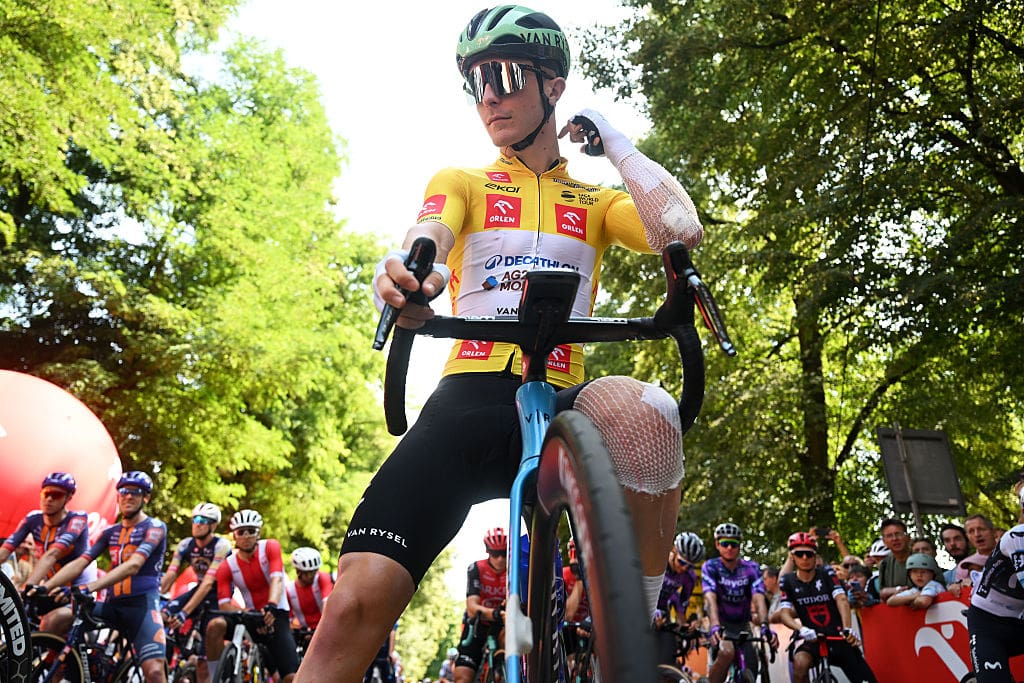
The modern Tour de Pologne is rarely one-dimensional.
It usually combines sprint stages, rolling days, punchy climbs, selective uphill finishes and, in some editions, a decisive time-trial. The route often avoids the very high Alpine-style climbs seen in the Grand Tours, but that does not make it easy. Poland’s terrain can produce nervous racing, short climbs, technical finishes and repeated accelerations that suit riders with power as much as pure climbing ability.
The southern stages are often the most important, especially when the route moves towards the Tatra foothills and areas around Zakopane or Bukowina Tatrzańska. These stages have helped give the race its modern sporting identity: hard enough to split the general classification, but open enough that puncheurs, climbers and all-rounders can all believe they have a chance.
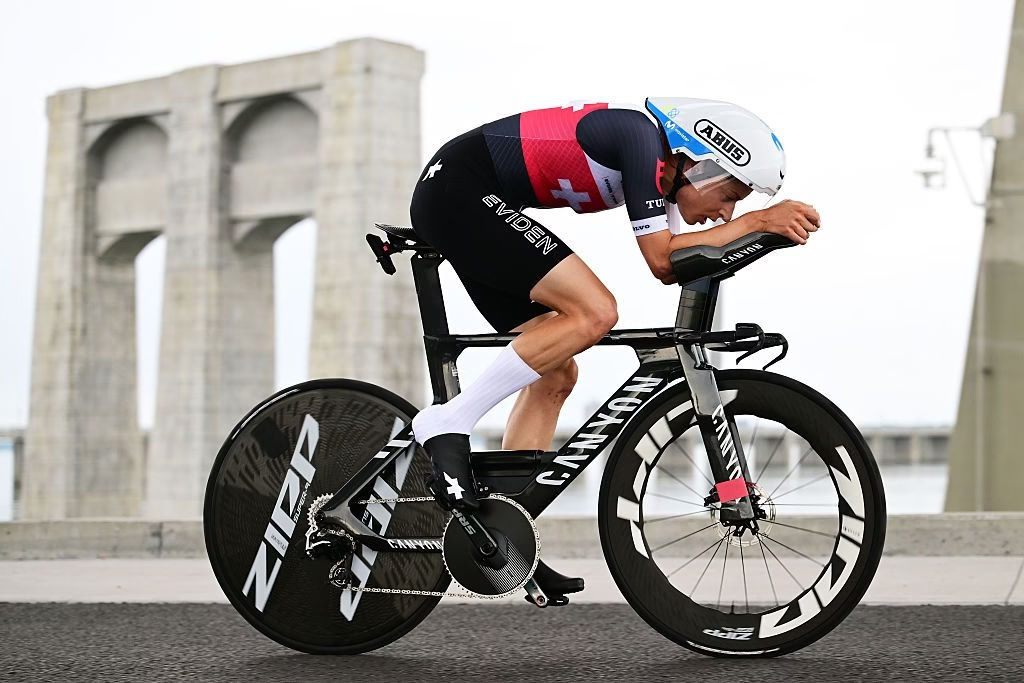
That balance is one reason the race has produced varied winners. It can suit a rider with Grand Tour climbing pedigree, but it can also reward strong time-triallists, punchy stage racers or riders who time their form perfectly after July.
For the current race shape, the beginner’s guide to men’s Tour de Pologne 2026 explains how the modern event works, what kind of riders it suits and why it matters in the WorldTour calendar.
Polish winners and modern significance
For Polish cycling, victories in the Tour de Pologne have always carried special meaning. The race is not just another WorldTour event on home roads. It is the country’s biggest cycling stage, with crowds, media attention and national pride attached to it.
Rafał Majka’s victory in 2014 was especially important because it came during the race’s modern WorldTour era. Michał Kwiatkowski’s 2018 overall win also carried huge symbolic weight, with one of Poland’s most successful modern riders winning the country’s biggest race.
Those victories helped reconnect the modern, global version of the Tour de Pologne with its national roots. The race may now belong to the WorldTour calendar, but it still matters most deeply in Poland.
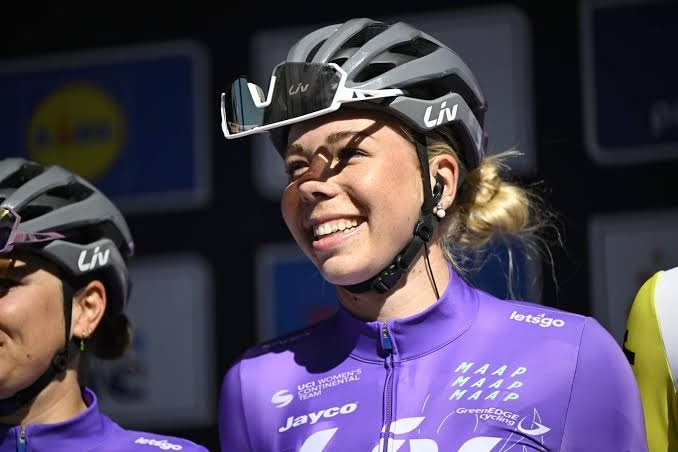
That national importance also explains why the revived women’s race has drawn attention. The history of the Tour de Pologne Women is very different from the men’s event, but both races show how the Tour de Pologne name has become central to Poland’s place in international cycling.
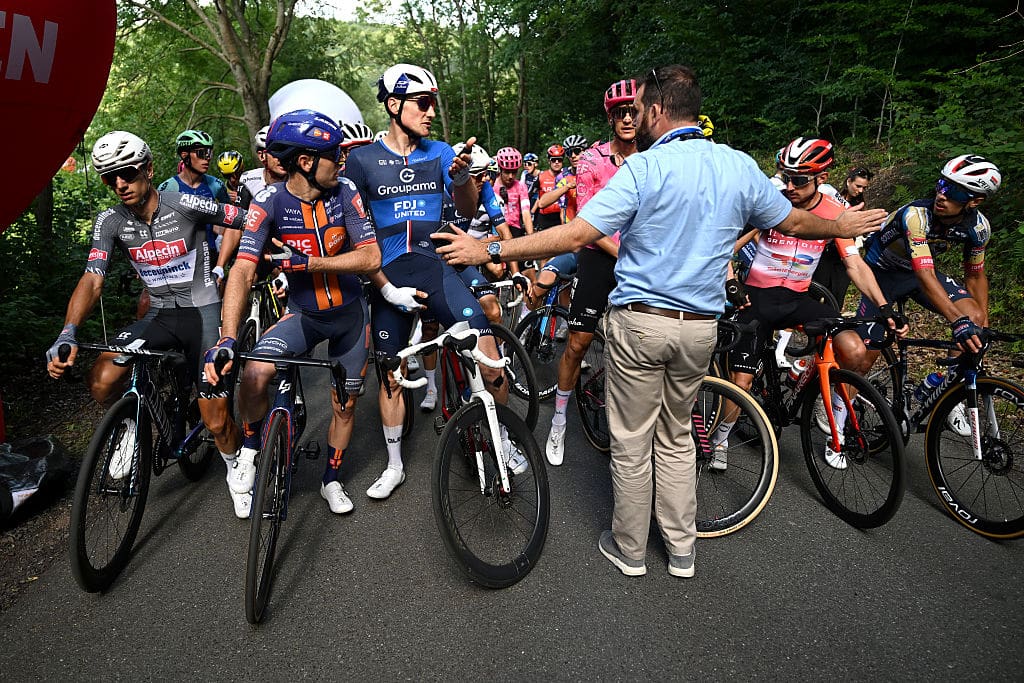 Photo Credit: Getty
Recent years: prestige, danger and scrutiny
The Tour de Pologne has also been marked by difficult moments in recent years.
The death of Bjorg Lambrecht after a crash during the 2019 race was a tragedy that touched the whole cycling world. A year later, Fabio Jakobsen’s horrific crash in Katowice brought intense scrutiny of finish design, barriers and downhill sprint finishes. Both incidents became part of wider conversations about safety in professional cycling.
That is now part of the race’s modern history too. The Tour de Pologne has had to balance spectacle with responsibility. Fast finishes, technical roads and high-speed racing can create drama, but they also demand careful route planning and serious safety standards.
The race’s reputation today is therefore layered. It is historic, prestigious and valuable, but it has also been shaped by moments that forced cycling to think harder about risk.
Why the Tour de Pologne still matters
The men’s Tour de Pologne matters because it gives central and eastern Europe a major place in the WorldTour calendar. Cycling’s top tier is still heavily shaped by France, Italy, Belgium, Spain and the Netherlands. Poland’s race offers something different: different roads, different crowds, different cycling history and a different sporting culture.
It also matters because it is useful. Teams can use it to rebuild after the Tour de France, prepare for the Vuelta, test young riders, chase WorldTour points or give leaders a shorter stage-race target. Riders who win in Poland usually need more than one weapon. They need positioning, recovery, climbing strength, timing and the ability to handle unpredictable racing.
That is why the Tour de Pologne has remained relevant. Its history is long, but its modern value is practical. It sits in a useful part of the season and asks questions that are different from the Grand Tours.
The growth of the Tour de Pologne Women 2026 route also gives the wider event family more importance. The men’s race has the deeper history, but the women’s race is now adding another layer to Poland’s stage-racing identity.

A race with past and purpose
The men’s Tour de Pologne has travelled a long way from its 1928 beginnings.
It began as a national stage race in a young sporting landscape, survived interruption and political change, lived through the amateur era, and was rebuilt into a modern WorldTour event. Its story is partly about Polish cycling, partly about European history and partly about the way professional cycling has expanded beyond its traditional heartlands.
Today, it remains a race with a clear place in the calendar. It is not the biggest stage race in the world, and it does not need to be. Its value lies in its history, its national importance, its route variety and its ability to produce sharp, unpredictable racing at a point in the season when opportunities matter.
Tour de Pologne history FAQs
When was the first men’s Tour de Pologne?
The first men’s Tour de Pologne was held in 1928.
Who won the first Tour de Pologne?
Feliks Więcek won the first edition of the Tour de Pologne.
Is the Tour de Pologne a WorldTour race?
Yes. The modern men’s Tour de Pologne is part of the UCI WorldTour.
Who transformed the modern Tour de Pologne?
Czesław Lang played the central role in modernising and internationalising the race after Poland’s political transition in the late 20th century.
What type of race is the Tour de Pologne?
It is a one-week stage race that usually includes sprint stages, rolling terrain, punchy climbs, selective uphill finishes and sometimes a time-trial.
Why is the Tour de Pologne important?
It is Poland’s most important men’s cycling race and one of the biggest WorldTour events in central and eastern Europe.

