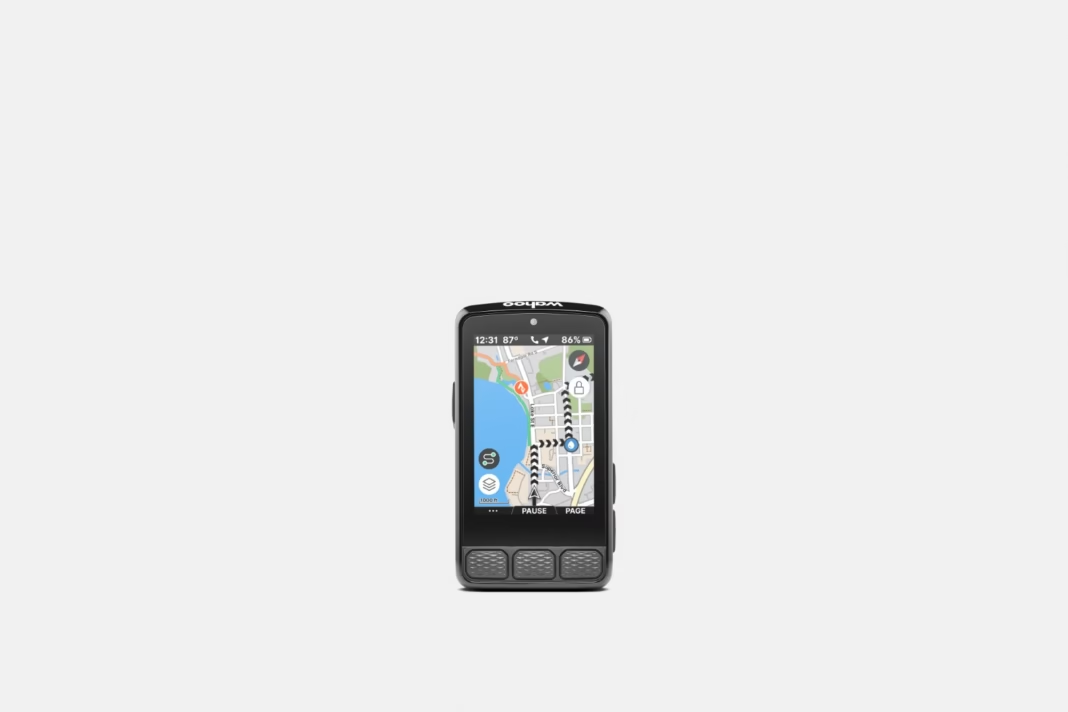
The Garmin Edge 550 and Edge 850 are remarkably similar GPS bike computers. They have the same 2.7-inch colour screen, the same claimed battery endurance and much the same navigation and training platform. What separates them is the way you interact with that platform. The 550 uses buttons, while the 850 adds a touchscreen, speaker and a handful of functions that could be useful on every ride or almost never used.
UK listings checked for this comparison showed the Edge 550 at £349 and the Edge 850 at £439, both in stock at Sigma Sports. That £90 gap is more useful for deciding between them than comparing recommended retail prices of £379.99 and £469.99. Prices are snapshots and can change. This article compares the exact 550 and 850 models, not the previous-generation 540 and 840.
The assessment combines official specifications, UK retailer information and independent published testing. ProCyclingUK has not tested the two computers together, and reported riding impressions below belong to the publications that carried out those tests.
Garmin Edge 550 vs Edge 850 specifications
| Specification | Edge 550 | Edge 850 |
|---|---|---|
| UK price checked | £349 at Sigma Sports | £439 at Sigma Sports |
| Display | 2.7in LCD, 420 × 600 | 2.7in LCD, 420 × 600 |
| Controls | Buttons only | Touchscreen and buttons |
| Claimed battery | 12h demanding / 36h saver | 12h demanding / 36h saver |
| Weight | 110g | 113g |
| Storage | 32GB | 64GB |
| Audio | Beeper | Speaker, voice prompts, digital bell |
| Additional functions | Core maps, training and GroupRide | On-device route creation, address search, Garmin Pay |
Neither model has an inherent advantage in screen size, satellite technology or the breadth of Garmin’s training ecosystem. Both support multiband positioning, detailed mapping, ClimbPro, GroupRide, road hazard alerts and connected sensors. The 850’s advantages are mostly about making those features more convenient to reach. That is an important distinction when the cheaper computer is already expensive.
Touchscreen or buttons on the bike?
The Edge 550 is controlled entirely with physical buttons. There are reasons to like that, particularly with winter gloves, in heavy rain or when you want to change a page by feel. A button gives tactile feedback without requiring a precise tap on a small screen. If your usual routine is loading a route before leaving home, starting the recording and checking your data pages, the 550 can do the job without demanding much interaction.
The problem comes when you need to pan around a map or work through menus. Cyclingnews rode with the Edge 550 for close to 2,000 miles and praised its bright screen and quick operation, but found the buttons small and a little vague. BikeRadar’s review likewise highlighted fiddly button navigation. These are not complaints about the accuracy of the GPS; they concern the everyday experience of getting information out of it.
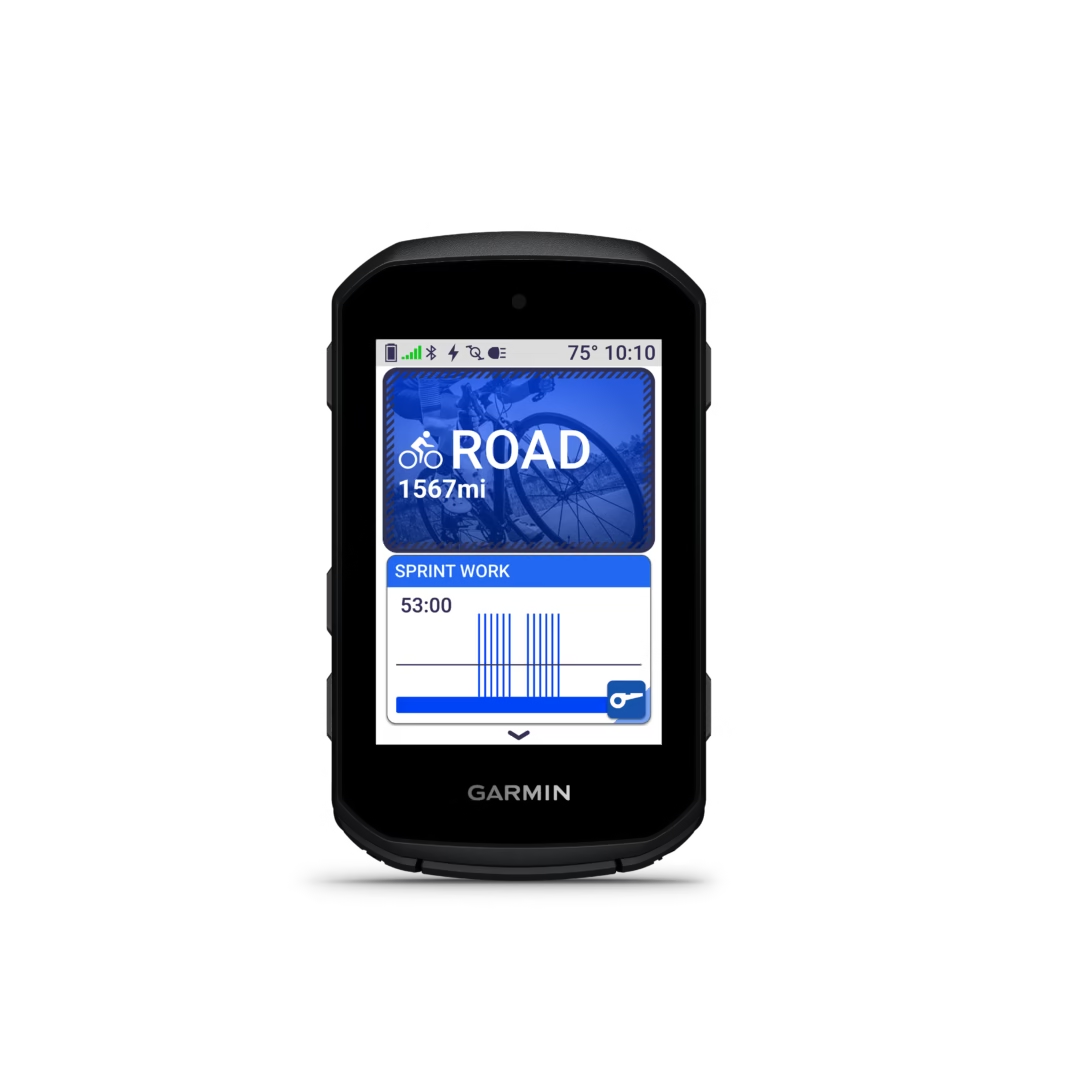 Photo Credit: Garmin
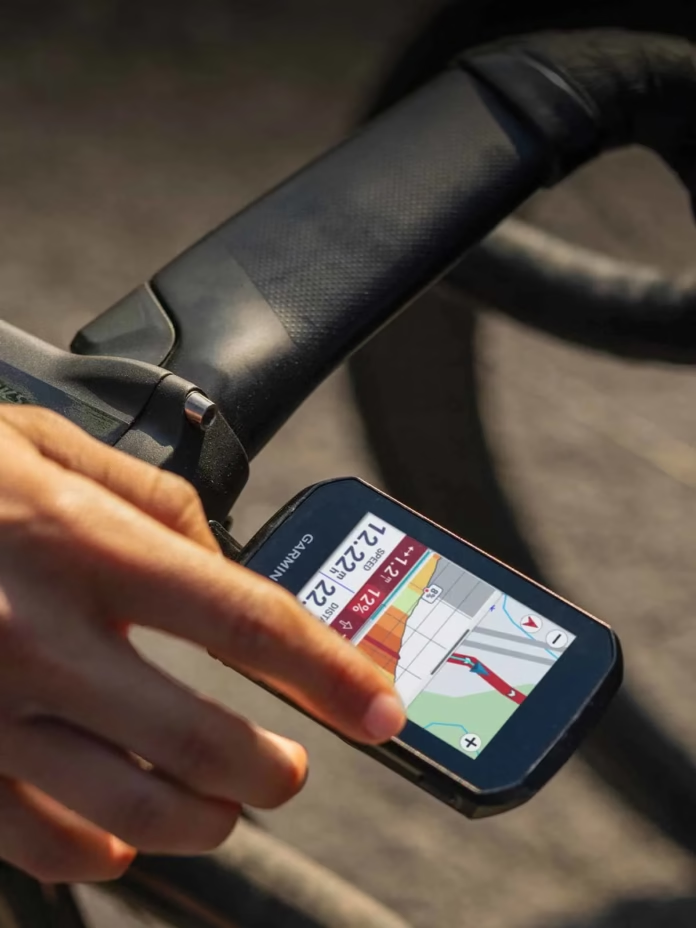
The Edge 850 keeps the physical buttons and adds touchscreen gestures. That makes a difference when dragging a map, choosing a destination or adjusting a setting on the move. Cycling Weekly found the 850 responsive and polished during independent testing. It is easier to justify the premium if you regularly explore unfamiliar roads and have to make decisions at junctions. If you almost never touch the map after pressing start, the benefit is smaller.
Having both control methods also matters. Touchscreens can be convenient when stationary and less appealing with thick gloves or heavy rain. The 850 does not require you to abandon buttons in those conditions. The 550, conversely, cannot offer touch control when the buttons become frustrating. That asymmetry is arguably the most persuasive reason to pay more.
Navigation and creating routes
Both models show the same amount of map on their 2.7-inch, 420 × 600 displays. They offer turn-by-turn directions, rerouting, ClimbPro and mapping for road, gravel and trail use. A rider who creates routes on a laptop or phone and sends them to Garmin Connect will get broadly comparable guidance from either unit. The 850 is not a larger-screen navigation computer in disguise.
The 850 adds on-device route creation and address search. If you want to find a station, café or hotel midway through a ride without using your phone, that is valuable. You can also construct a point-to-point course directly on the unit. These are not features every rider needs, and planning a complex route is still easier on a bigger screen, but they give the 850 a practical advantage when the plan changes.
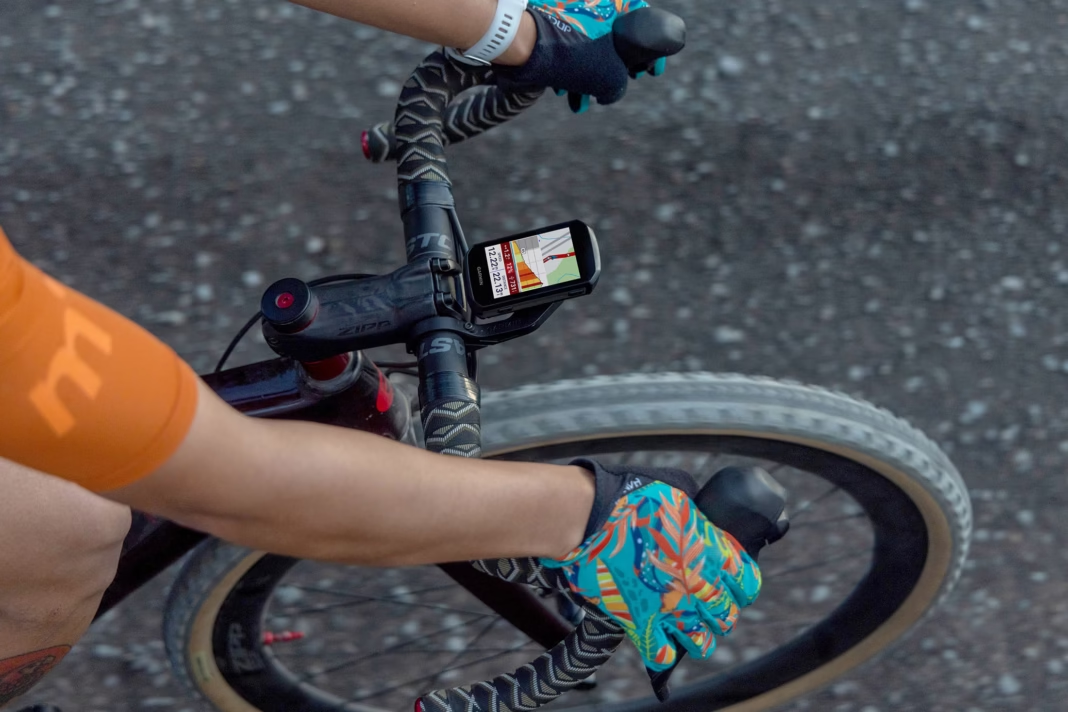 Photo Credit: Garmin
The 550 is better viewed as a computer for riders who arrive with a route ready to follow. It can still navigate and recalculate if you miss a turn. What it lacks is the 850’s more flexible approach to choosing a new destination directly from the head unit. For commuting or familiar training loops, that may not matter. For touring and exploratory riding, it might be the deciding factor.
Training features and sensor compatibility
The core training tools are effectively shared. Both work with compatible heart-rate monitors, power meters, cadence sensors and smart trainers, and support structured workouts and Garmin Cycling Coach. Smart fuelling prompts can use ride demands and environmental information to suggest carbohydrate and fluid intake. Some advanced metrics require compatible sensors; neither computer can estimate genuine power data from GPS alone.
Garmin’s connected features include GroupRide, incident detection, LiveTrack and road hazard reporting, subject to the relevant phone connection and service requirements. Both can also show alerts from compatible Varia radar devices. Riders who mainly want a training dashboard or radar display should not assume the Edge 850 measures anything more accurately because it costs more. The added convenience comes from control and audio rather than a fundamentally different training engine.
The 850’s built-in speaker provides spoken navigation prompts and a digital bike bell. The 550 has a simpler beeper. Voice guidance can reduce the number of times you look down at the bars, although wind and traffic can make audible prompts difficult to hear. Garmin Pay is another 850-only extra, but its usefulness depends on having a supported card and bank. Neither feature should be mistaken for a core performance advantage.
Battery life is the same on paper
Garmin claims up to 12 hours in demanding use and 36 hours in battery saver mode for both models. These are manufacturer figures, not results from identical independent test conditions. Brightness, navigation, connected accessories, satellite settings, temperature and rerouting all affect actual runtime. The brighter display comes at the cost of shorter claimed endurance than the older Edge 540 and 840.
Cycling Weekly reported around 12 to 18 hours from the Edge 850 in its testing, depending on use. Cyclingnews considered the Edge 550’s battery a limitation, although not a deal-breaker for ordinary rides. Neither result proves that the touchscreen model drains more quickly than the button-only model. The more important point is that riders doing audax, long gravel events or multi-day touring should examine battery needs before choosing either.
For a two- to five-hour ride, either unit should be practical with sensible charging habits. For an all-day route with constant navigation, bright display and multiple sensors, it is worth carrying charging options or comparing longer-lasting competitors. Our GPS computers from £250 to £500 guide looks at alternatives beyond these two Garmin models.
Storage, weight and weather protection
The Edge 850 has 64GB of internal storage, twice the 550’s 32GB. That is useful if you keep many map regions available for international travel, but extra storage does not make satellite positioning more accurate. Riders who stay mostly in the UK may never need the additional capacity. Both devices measure 54.6 × 92.2 × 16.8mm, and the 3g weight difference between them is insignificant.
Both have an IPX7 water-resistance rating and USB-C charging. They are compact head units, but neither is particularly small once mounted in front of the handlebars. Check clearance around lights and other accessories. The bright display is a welcome upgrade for readability, yet the same screen on both models means there is no reason to buy the 850 simply to see larger numbers or a wider map.
How the independent reviews compare
Cyclingnews’ extended Edge 550 review found a capable, fast computer with an excellent display, while criticising its buttons and reduced battery endurance. BikeRadar’s independent assessment reached a similar conclusion about button operation. Cycling Weekly was more enthusiastic about the 850’s interface and mapping, but still highlighted battery compromises and occasional sensor reconnection problems after sleep. Those reports used different rides, firmware and accessories, so the battery figures should not be treated as a controlled head-to-head result.
The consistent theme is more useful than a single score: both are sophisticated GPS units, and the 850 makes that sophistication easier to use when navigation becomes complicated. There is no credible basis for claiming the 850 has superior GPS accuracy, longer endurance or better power-meter compatibility merely because it sits higher in Garmin’s range.
Which should you buy?
Buy the Edge 550 if you normally plan routes before leaving, prefer physical controls and want Garmin’s mapping and training platform for less money. At the checked £349 listing, it offers the same core functionality and claimed battery endurance as the 850. Its weak point is the button-driven interface, not its ability to record a ride.
Buy the Edge 850 if you often change routes, navigate unfamiliar areas, want spoken prompts or prefer touchscreen map control without losing physical buttons. The additional £90 buys useful flexibility, on-device route planning, more storage and Garmin Pay. It does not buy a larger screen or longer battery life.
Check the current Edge 550 listing and Edge 850 listing before deciding. Our Edge 850 review examines that model in more depth, while the Edge 550 versus Wahoo BOLT 3 comparison explores a different value question.