
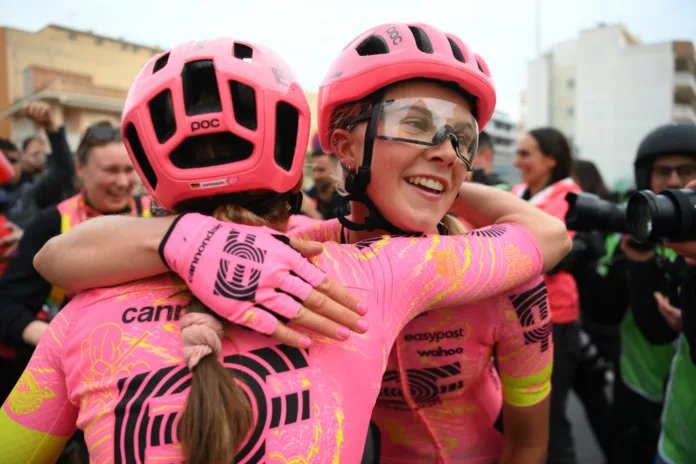
Kim Cadzow has announced that she is stepping away from professional cycling at the age of 24, bringing an early end to a career that took her from starting the sport at 19 to racing at the Olympic Games only three years later.
The New Zealander said cycling had stopped being her “happy place” and had increasingly begun to feel like punishment.
“I don’t feel old enough to say I’ve retired, but I can say I won’t be returning,” Cadzow wrote in announcing her decision.
It closes a short but striking career in which she became a New Zealand road and time trial champion, won a professional stage race, finished inside the top 10 at Liège-Bastogne-Liège and La Vuelta Femenina, and represented New Zealand at the Paris Olympics. Her progression through that period is documented on the Kim Cadzow rider page.
Cycling had stopped being enjoyable
The decisive factor was not results or a lack of opportunities.
Cadzow said she had considered several alternatives, including continuing purely as a time trial specialist, and had also spent a brief period with New Zealand’s track programme. None changed how she felt about riding.
“I’ve played over many situations in my head, just riding time trial, and I was so lucky to have had the opportunity to join the NZ track team for a brief stint,” she wrote.
“But riding my bike was no longer my happy place, and it felt everyday more and more like punishment. I love sport, it’s my life and I never wanted to walk away hating it.”
That explains why Cadzow has chosen not to describe the announcement simply as retirement.
At 24, she would ordinarily still be approaching the years in which a stage racer begins to reach her best level. Instead, she has decided that continuing because of what her career might become is not enough reason to remain in the sport.
From taking up cycling at 19 to the Olympics three years later
Cadzow’s progression was unusually fast.
She came into cycling after a background in triathlon and only began concentrating seriously on the bike at 19. Within a few seasons she had reached the top level of the sport and earned selection for New Zealand at the 2024 Paris Olympics.
Looking back on that rise, Cadzow said reaching the Olympics three years after taking up cycling was already far beyond what she had imagined possible.
“While my career was short, taking up cycling at 19 and making the Olympics 3 years later was more than I ever could have dreamed,” she wrote.
Her Olympic appearance came only months after a breakthrough spring in which she had begun to establish herself as one of the most interesting young stage-racing prospects in women’s cycling.
 Photo Credit: Flaviano Rossola
2024 established Cadzow as a major stage-racing prospect
Cadzow’s strongest breakthrough came in 2024, her first season with EF Education-Cannondale.
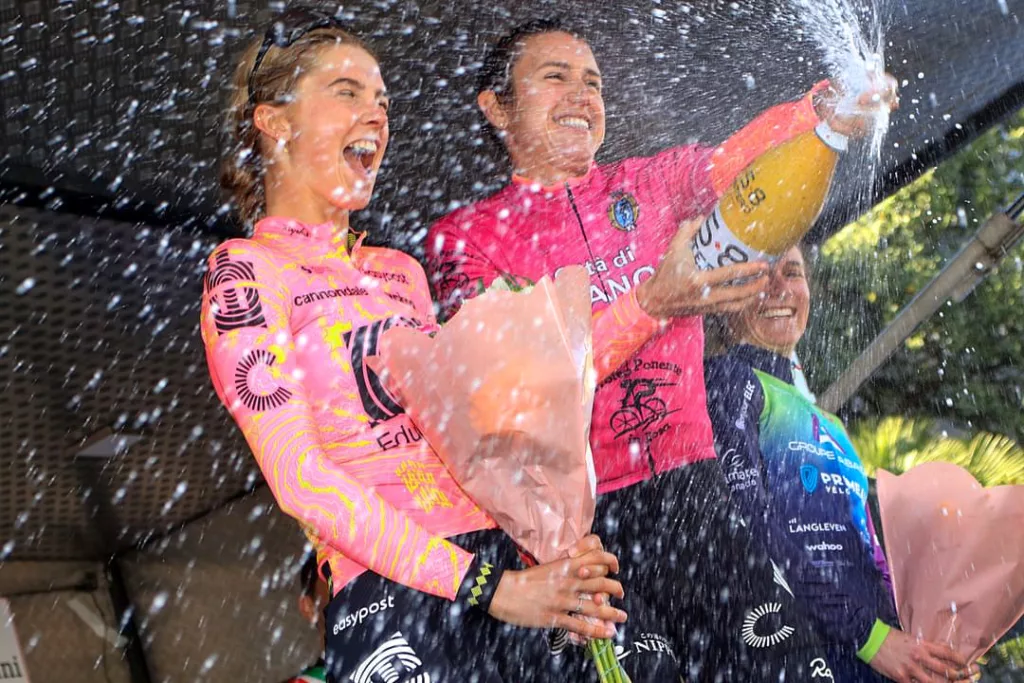
She opened the year as New Zealand time trial champion before taking a major early-season victory at the Trofeo Ponente in Rosa. Cadzow attacked from distance to win Stage 1 at Pietra Ligure and take the race lead, a performance covered at the time in Kim Cadzow takes Stage 1 and GC lead at Trofeo Ponente in Rosa.
She went on to win the overall classification, before confirming that the result was not an isolated breakthrough.
Sixth at Liège-Bastogne-Liège Femmes followed later in the spring, while Cadzow also finished eighth overall at the Tour de Suisse Women and 10th at La Vuelta Femenina.
Those results showed that her climbing and time trial ability could translate into genuine stage-race potential rather than simply individual performances.
EF responded by extending her contract during that breakthrough season, with Cadzow saying at the time that her development had happened more quickly than she expected. The move was covered in Kim Cadzow extends contract with EF Education-Cannondale after stellar season.
Her rise had already started before EF
Cadzow’s progress had been clear before joining the EF structure.
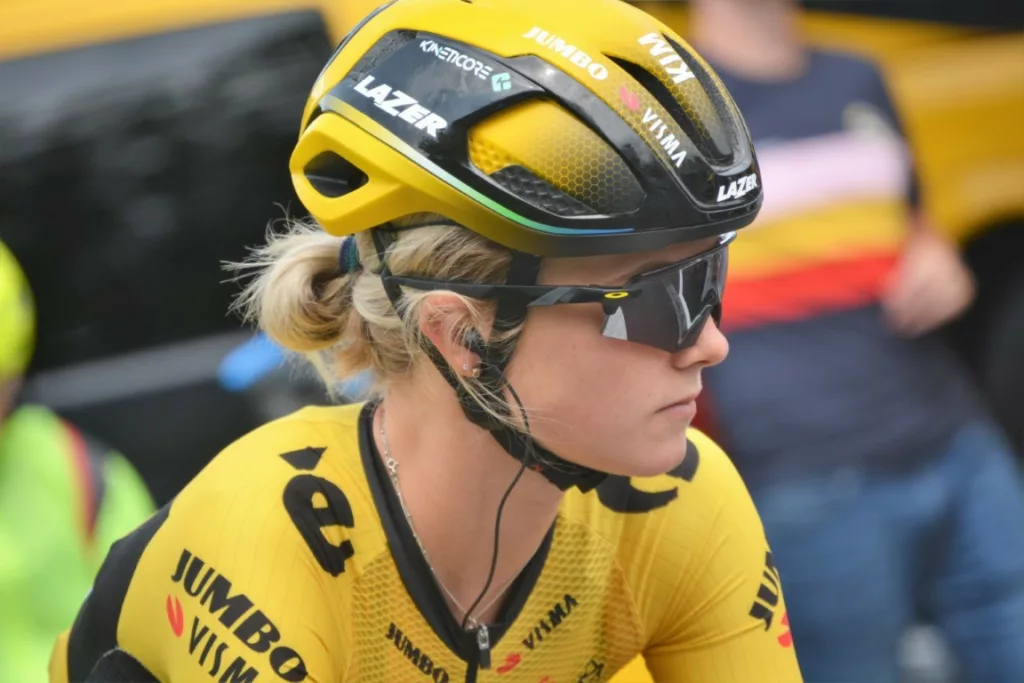
She raced for Team Torelli in 2022 before moving to Jumbo-Visma for 2023, where her climbing performances helped establish her as a rider capable of developing towards major stage races.
She then left Jumbo-Visma early to join the newly created EF Education-Cannondale project for 2024.
At the time, the move looked like an opportunity for Cadzow to receive greater freedom and continue a progression that had already taken her from a late entrant to cycling into one of New Zealand’s leading young riders. Her signing was covered in Kim Cadzow joins EF Education-Cannondale for the 2024 season.
That decision quickly paid off with the strongest results of her road career.
National titles followed
Cadzow also became one of New Zealand’s leading riders against the clock.
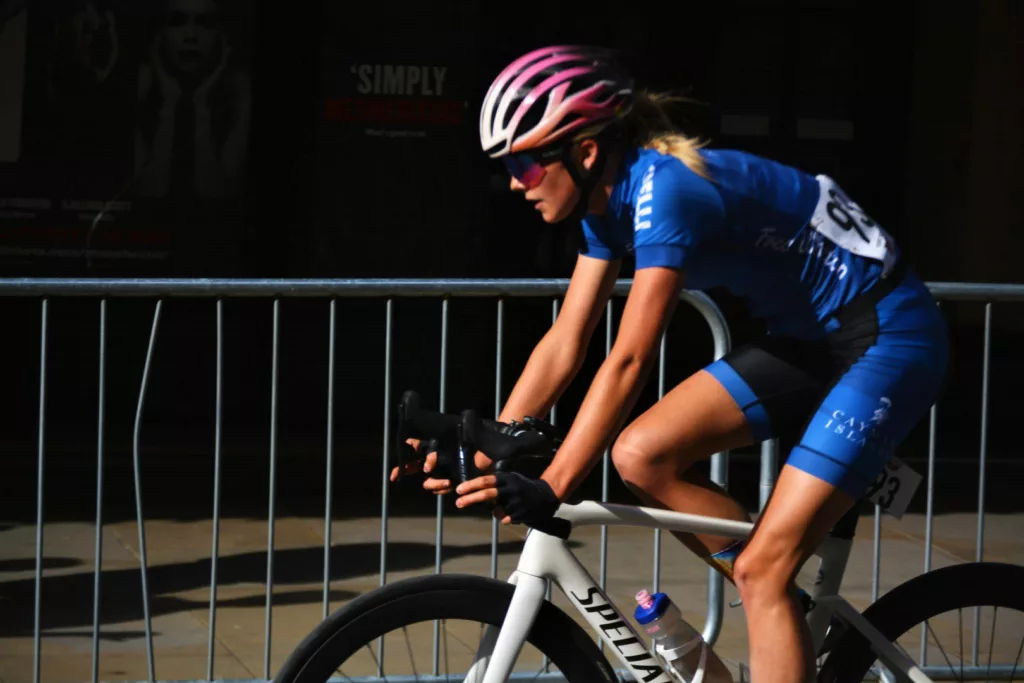
She won the national time trial title in 2024 and successfully defended it in 2025, while also adding the New Zealand road race title in 2025.
That combination underlined what had made her such an interesting stage-racing prospect.
She could climb, produce high-level performances against the clock and increasingly compete over several days rather than relying on one specific race situation.
At an age when many riders are still establishing themselves in the professional peloton, Cadzow had already built the foundations of a potentially much longer career.
The Tour de France Femmes was another step in her rise
Cadzow was also selected for the Tour de France Femmes in 2024 as part of a strong EF-Oatly-Cannondale squad.
The selection followed the Paris Olympics and placed her alongside riders including Kristen Faulkner, Noemi Rüegg, Alison Jackson and Magdeleine Vallieres. The team announcement is covered in EF-Oatly-Cannondale announce team for the 2024 Tour de France Femmes.
It was another indication of how quickly her career had accelerated.
Only a few years after taking up cycling, Cadzow was moving between the Olympics, the Tour de France Femmes and leadership opportunities in major stage races.
That trajectory makes her decision to stop particularly striking.
-
 Photo Credit: Getty
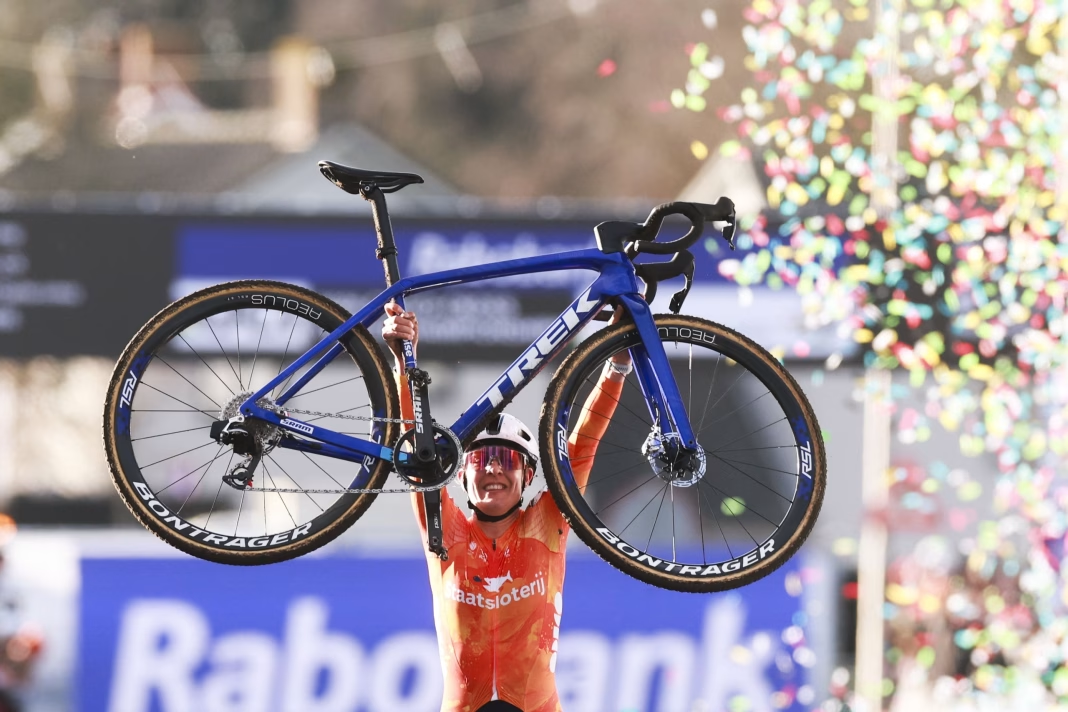
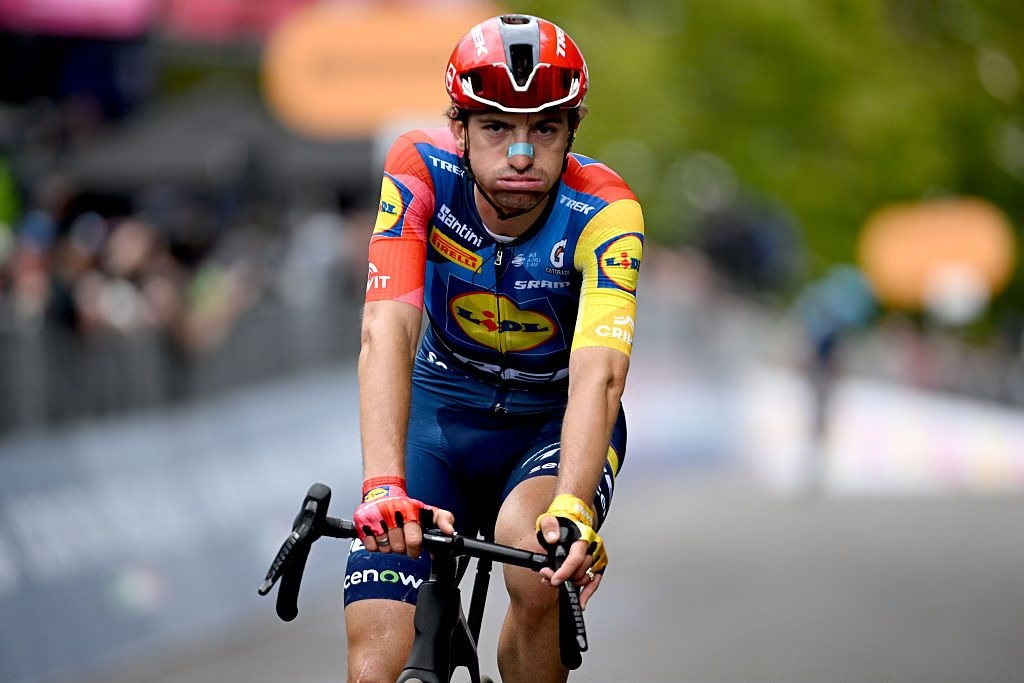

Representing New Zealand mattered most
For all of the professional results, Cadzow’s announcement placed the greatest emotional weight on representing New Zealand.
“Nothing compared to wearing the fern on my back,” she wrote.
Her Olympic selection had been one of the clearest markers of how rapidly she had progressed from a late arrival to cycling into an international-level rider.
The national jersey also became a recurring part of her career through her time trial and road titles.
That appears to be how Cadzow wants to remember the sport rather than allowing professional racing to become something she increasingly resents.
A career that ends much earlier than expected
Cadzow leaves professional cycling at an age where the usual question would have been how far she could progress.
The results already gave plenty of reasons to wonder.
A top six at Liège, top 10s in major stage races, national titles, a professional stage-race victory and an Olympic appearance all arrived within only a few years of taking up the sport.
There was an obvious pathway towards becoming one of New Zealand’s leading stage racers through the second half of the decade.
Cadzow has decided not to follow it.
The significant part of her announcement is that she is stepping away before dissatisfaction with professional cycling becomes dislike for riding altogether.
Her final message was directed towards younger riders rather than the professional peloton she is leaving.
“To all those young riders out there… hold your friends close and your family closer,” Cadzow wrote. “Build a circle around you of support and lean on them, because once you are done that’s who you will have standing by your side.”
At 24, Cadzow leaves with a career far shorter than expected when she emerged in 2024, but one that still took her from novice cyclist to Olympian and national champion in barely a few years.

