
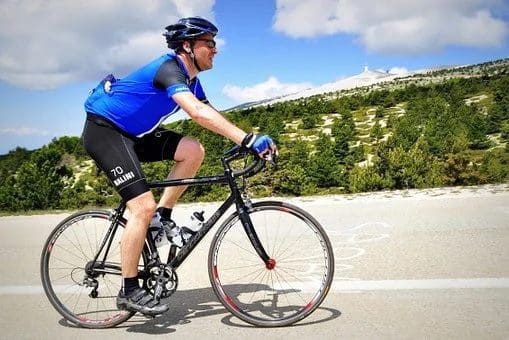
The toughest sportives in the UK are not always the longest. Distance matters, but the hardest events usually combine climbing, steep gradients, rough weather, remote roads and poor timing of the worst sections. A 100-mile ride in the Lake District can feel far harder than a flatter 150-mile day. A Highland sportive can be made savage by wind and isolation. A Welsh mountain event can become a war of attrition once the climbs start stacking up.
For most riders, the UK’s hardest sportives fall into three categories. There are brutal climbing events like the Fred Whitton Challenge and Dragon Ride. There are ultra-distance days such as Chase the Sun. Then there are remote, exposed or multi-day challenges where the route itself is only part of the difficulty.
This guide ranks the toughest UK sportives by overall challenge, rather than just distance. The key factors are climbing, gradients, route design, weather exposure, remoteness, pacing difficulty and how much fitness a rider needs simply to finish in reasonable shape.
If you are choosing your next big event, this is not just a list of famous names. It is a guide to what makes each ride hard, who it suits, and what kind of preparation you need before entering. For a broader calendar overview, see our UK sportive guide and our guide to the best UK sportives to ride in 2026.
Toughest UK sportives at a glance
| Rank | Sportive | Why it is hard |
|---|---|---|
| 1 | Fred Whitton Challenge | Lake District passes, savage late gradients, Hardknott and Wrynose |
| 2 | Dragon Ride Dragon Devil | Huge distance, Welsh mountain climbs, over 4,500m of ascent |
| 3 | Chase the Sun UK North | Around 200 miles, coast-to-coast distance, daylight pressure |
| 4 | The Bà Sportive | Remote Highland roads, Bealach na Bà, weather exposure |
| 5 | Dartmoor Classic Grande | Long, lumpy, steep Dartmoor terrain and repeated climbing |
| 6 | Tour of Wessex | Multi-day fatigue, repeated distance, cumulative climbing |
| 7 | Dragon Ride Gran Fondo | Long Welsh mountain sportive without the full Dragon Devil load |
| 8 | Étape Loch Ness | Closed roads, Highland exposure and Fort Augustus climb |
| 9 | Moor to Sea Extreme | Dartmoor distance, climbing and rougher endurance feel |
| 10 | Peaks Tour long route | Peak District gradients, repeated climbs and little rhythm |
How we ranked the hardest UK sportives
Ranking sportives is not as simple as sorting by distance. A 200-mile event is clearly hard, but so is a shorter ride that loads its steepest climb near the end. The Fred Whitton Challenge is not the longest event in Britain, yet many riders still treat it as the benchmark for one-day UK sportive difficulty because of where the hardest climbs appear and how steep they are.
The main difficulty factors are:
| Difficulty factor | Why it matters |
|---|---|
| Distance | Longer rides create fuelling, pacing and fatigue problems |
| Climbing | Total elevation gain decides how much repeated effort is required |
| Gradient | Very steep ramps can force riders over threshold or off the bike |
| Timing of climbs | A hard climb after 90 miles is very different to the same climb after 10 |
| Road surface | Narrow, rough, technical roads increase fatigue and risk |
| Weather | Wind, rain, cold or heat can change the event completely |
| Remoteness | Fewer easy bailout options make pacing and preparation more important |
| Event format | Multi-day or sunrise-to-sunset formats add extra pressure |
The hardest UK sportives are usually the ones that punish mistakes. Poor gearing, underfuelling, bad pacing, weak descending or overconfidence early in the day can all become expensive once the major climbs arrive.
If you are still choosing between a first major ride and a genuinely severe event, our UK sportive guide is a better starting point before jumping straight into the hardest routes.
1. Fred Whitton Challenge
The Fred Whitton Challenge is still the UK benchmark for a brutally hard one-day sportive. It is based in the Lake District, starts and finishes in Grasmere, and takes riders across a chain of famous passes including Honister, Newlands, Whinlatter, Hardknott and Wrynose.
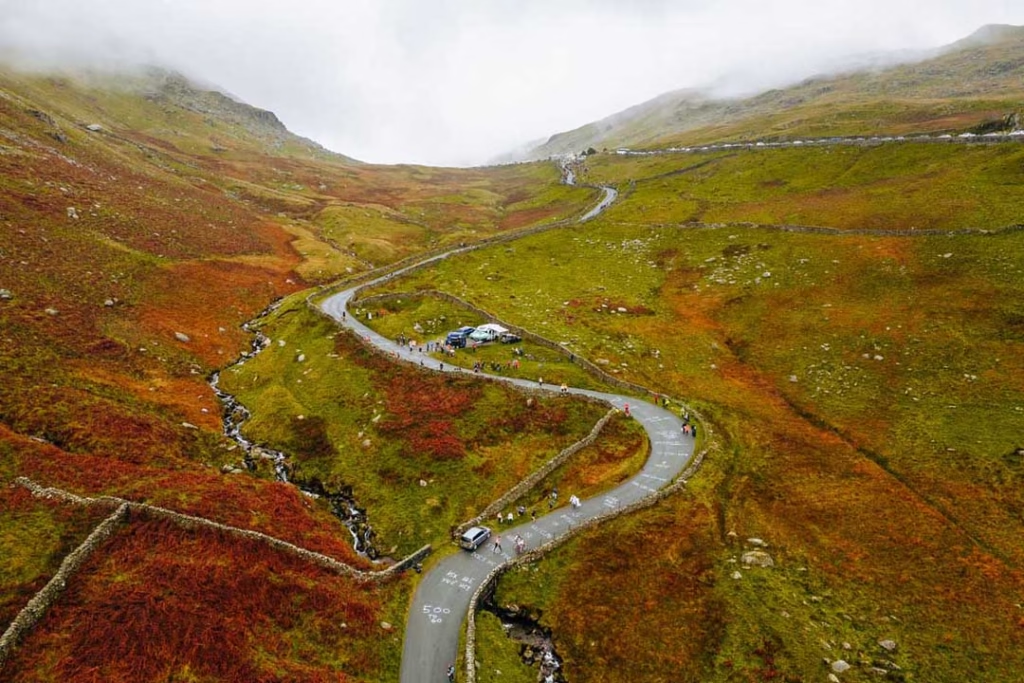
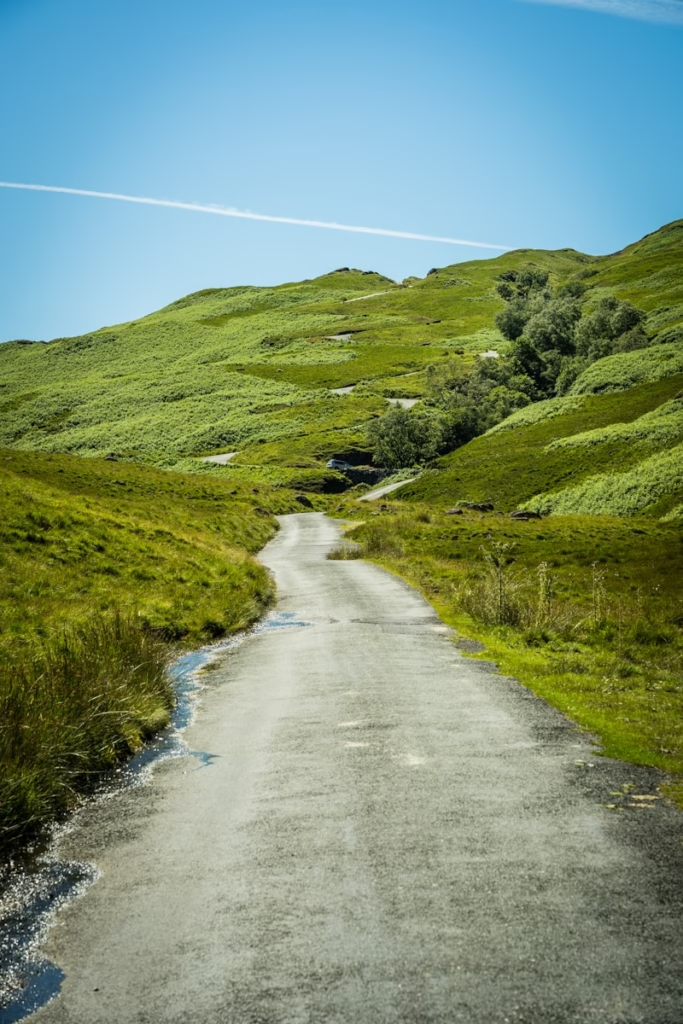
What makes the Fred Whitton so hard is not only the distance or climbing. It is the timing. Hardknott Pass comes brutally late, when riders are already tired, under pressure and often low on strength. Its ramps are infamous, with sections that can force even well-prepared riders to walk if they have paced badly or chosen the wrong gearing.
Wrynose follows soon after, which means the route does not give riders a clean recovery after Hardknott. The final part of the ride is not just a roll home. It is a test of whether you still have enough strength, handling and judgement left to keep moving safely.
For many riders, the Fred Whitton is the hardest sportive in Britain because it combines distance, steepness, reputation and consequence. It is not simply about being fit. You need proper gearing, strong climbing legs, confidence on narrow descents and enough discipline not to burn matches too early.
The organiser’s official Fred Whitton route page lists the adjusted 2026 route at 106.8 miles and highlights the 30% gradient of Hardknott late in the ride. That late placement is exactly why the event has such a fearsome reputation.
Best for: strong club riders, experienced sportive riders, climbers and anyone looking for the UK’s classic one-day climbing test.
For a full breakdown, see our Fred Whitton Challenge complete guide.
2. Dragon Ride Dragon Devil
The Dragon Ride has long been one of the defining UK sportives, and the Dragon Devil route is the extreme version. The Dragon Devil is a near-300km Welsh mountain test with more than 4,500m of climbing, which puts it in a different category to most single-day road events in Britain.
Based around South Wales and Bannau Brycheiniog, the Dragon Ride is hard because the climbs keep coming. The route is not about one single famous pass. It is about distance, repeated climbing, exposed roads and the slow wearing down of the legs. On the longest route, that accumulation is the point.
The Dragon Devil is also difficult because it asks riders to manage a very long day in the saddle. Riders need to eat from the start, climb within themselves and avoid treating early hills like one-off efforts. By the time the later climbs arrive, poor pacing becomes obvious.
Compared with the Fred Whitton, Dragon Devil is more of an endurance monster. The gradients may not have quite the same Lake District brutality throughout, but the sheer distance and climbing load make it one of the hardest UK sportive finishes to earn.
The official Dragon Ride routes page shows the event’s range of routes across Bannau Brycheiniog, from shorter options to the full Dragon Devil challenge. That choice of distances is useful, but the top route remains one of the biggest one-day commitments in the UK sportive calendar.
Best for: very experienced endurance riders, climbers with strong fuelling habits, and riders who want a huge Welsh mountain day.
For more detail, see our Dragon Ride guide.
3. Chase the Sun UK North
Chase the Sun UK North is hard in a very different way. It is not a traditional climbing sportive where the question is how you handle the steepest pass. It is an ultra-distance challenge, with riders crossing from Whitley Bay to Ayr across roughly 200 miles between sunrise and sunset.
That format changes everything. The pressure is not just the route, but the clock. Riders need to keep moving, avoid long stops, eat consistently and manage physical and mental dips across a full day. Even if the gradients are not as severe as the Fred Whitton or Dragon Ride, the distance is enormous.
The hardest part of Chase the Sun is the accumulation. After 100 miles, many riders are only halfway. After 150 miles, small mistakes in pacing, comfort, clothing or fuelling become much harder to ignore. The final hours can become a mental battle as much as a physical one.
This is one of the toughest UK sportives for riders who are comfortable climbing but less experienced at ultra-distance pacing. It rewards patience, organisation and steady endurance more than short bursts of power.
Best for: endurance riders, audax-style cyclists, strong club riders moving into ultra-distance events, and riders who want a sunrise-to-sunset challenge.
4. The Bà Sportive
The Bà Sportive, formerly linked with the Bealach Mor identity, is one of Scotland’s great road cycling challenges. It is built around the Bealach na Bà, the famous Highland climb rising from sea level towards Applecross.
The distance is around 90 miles, which may not sound outrageous next to Dragon Devil or Chase the Sun. But the difficulty is not just the distance. The ride sits in a rugged part of the northwest Highlands, with exposed roads, changeable weather and the kind of scenery that usually comes with a price.
Bealach na Bà is the obvious centrepiece. It is long, dramatic and mentally demanding, especially if the weather turns. Riders need to climb steadily and descend carefully. In poor conditions, the event can feel much harder than the numbers suggest.
This is a sportive where remoteness matters. You cannot treat it like a local loop with feed stops. The conditions, terrain and location all make it feel like a proper Highland day out.
Best for: climbers, confident descenders, riders comfortable in exposed weather, and anyone wanting one of the UK’s most memorable road climbs.
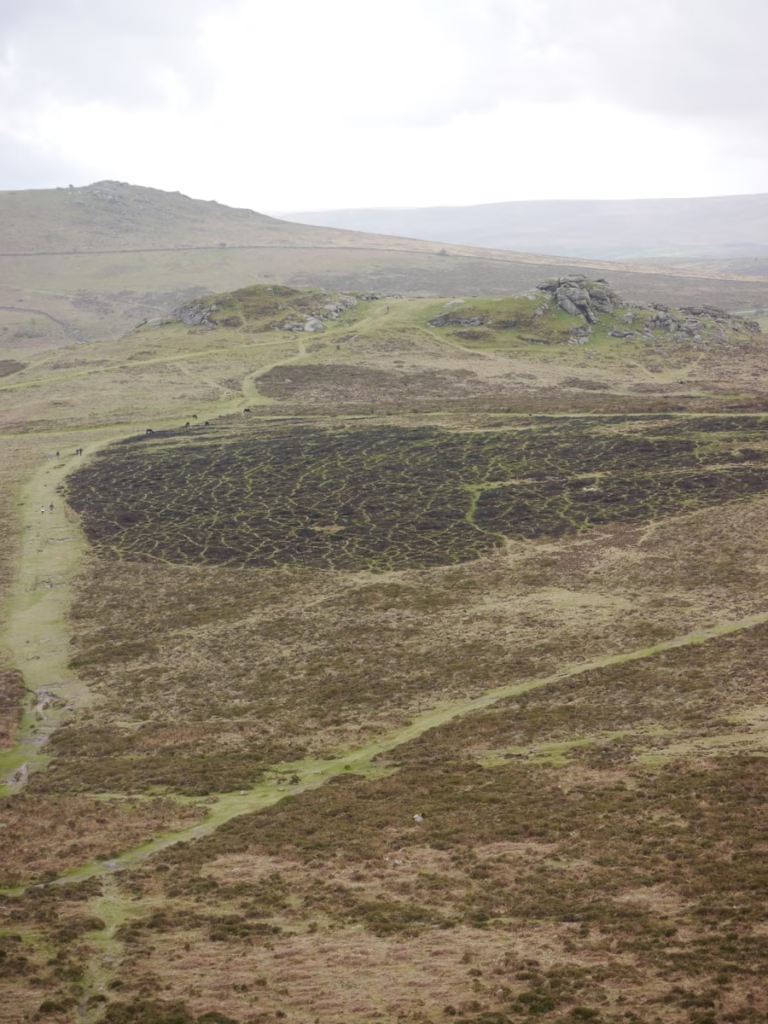
5. Dartmoor Classic Grande
The Dartmoor Classic Grande is one of the hardest sportives in southern England. The Grande route is listed at 107 miles, or 173km, with 2,777m of climbing and gradients up to 20%.
Dartmoor makes a ride hard in a different way to the Lake District. The climbs are often shorter and punchier, but they repeat. The roads can feel heavy, exposed and constantly rolling. There are few long flat sections where riders can fully switch off.
The Dartmoor Classic also punishes riders who underestimate it because it is not in the high mountains. The terrain can be awkward, the weather can change quickly, and the climbing can feel relentless if you are not used to repeated steep efforts.
It is not as extreme as Fred Whitton or Dragon Devil, but it is a serious test. For riders in the south or south-west, it is one of the best ways to experience a proper climbing sportive without travelling to Wales, Scotland or the Lake District.
Best for: strong sportive riders, climbers who handle repeated ramps well, and riders looking for a hard southern UK challenge.
6. Tour of Wessex
The Tour of Wessex earns its place because of format. A single hard sportive is one thing. Backing up day after day is another.
The event is often described as the UK’s multi-stage sportive, with routes across Somerset, Dorset and Wiltshire. Riders can usually choose individual days or take on the full multi-day challenge. It is the cumulative load that makes it hard: ride, recover, eat, sleep, then do it again.
That makes the Tour of Wessex closer to a mini stage-race experience than a normal one-day sportive. You need endurance, but also recovery habits. A rider who can survive one big day may still struggle if the legs are heavy on day two or day three.
It also changes pacing. You cannot ride the first day like it is the only event. The smartest riders keep something back, manage nutrition properly and treat the whole weekend as one long challenge rather than separate rides.
Best for: riders who want a stage-event feel, strong endurance cyclists, and anyone preparing for multi-day cycling trips or alpine challenges.
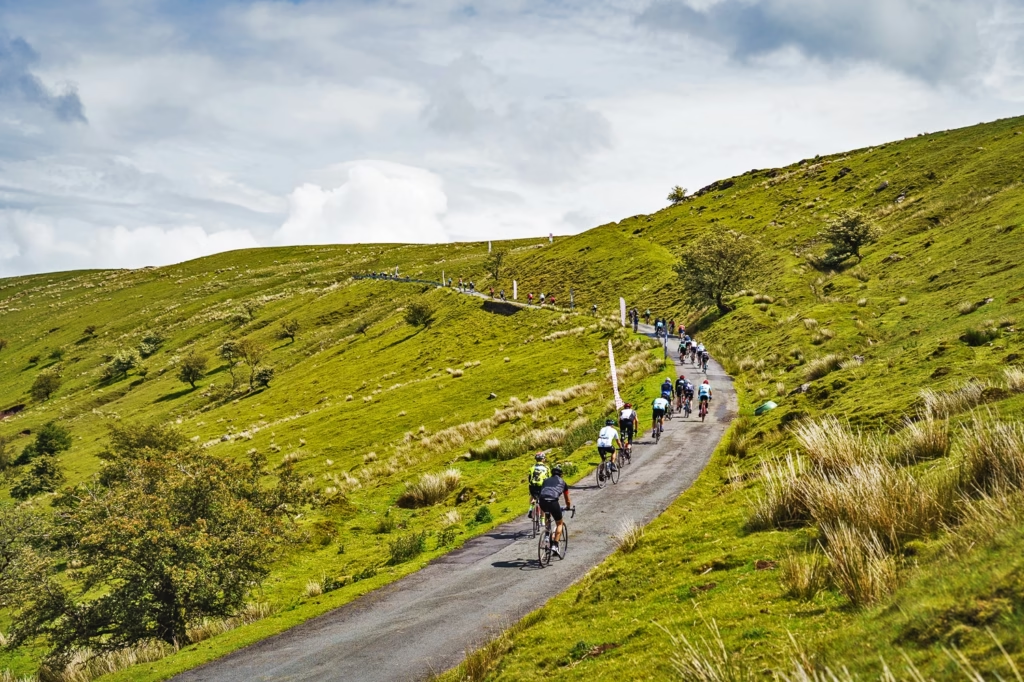
7. Dragon Ride Gran Fondo
The Dragon Ride Gran Fondo sits below the Dragon Devil, but it is still one of the UK’s toughest mainstream sportives. The Gran Fondo is a very long Welsh mountain route, and for most riders it is already an extreme day even before considering the Dragon Devil above it.
This route keeps much of the Welsh mountain identity without pushing into the full madness of the Dragon Devil. Riders still face long distance, repeated climbs and exposed roads. It is not an easy alternative. It is simply less extreme than the longest option.
For many riders, the Gran Fondo is actually the more sensible target. It is long enough to demand proper training, but more realistic than the Dragon Devil if you have limited time to prepare. It still needs climbing endurance, careful fuelling and a patient approach.
The danger is thinking of it as the “medium” option because Dragon Devil exists above it. In most UK sportive calendars, a ride over 200km with serious climbing would be close to the top of the difficulty list.
Best for: experienced sportive riders, riders building towards extreme endurance events, and climbers who want a long Welsh challenge without the full Dragon Devil distance.
For route choice, pacing and climb-by-climb context, see our Dragon Ride guide.
8. Étape Loch Ness
Étape Loch Ness is not the hardest UK sportive by climbing numbers, but it deserves a place because of its closed-road format, Highland setting and Fort Augustus climb. The route is 66 miles, or 106km, around Loch Ness, with around 900m of ascent.
Compared with Fred Whitton or Dragon Ride, the climbing is modest. But difficulty depends on context. The closed roads encourage riders to go fast, the Highland weather can change the feel of the day, and the main climb can sting if you have ridden too aggressively around the loch.
It is a tough event for riders stepping up from flatter sportives, especially because the atmosphere can tempt people into riding above themselves. The route is manageable for well-trained riders, but it is not soft. It asks for endurance, pacing and enough climbing strength to handle the Fort Augustus section properly.
Étape Loch Ness is better described as a hard mass-participation sportive than an extreme one. It is a brilliant challenge, but not in the same category as the Fred Whitton or Dragon Devil.
Best for: riders wanting a big closed-road event, first major sportive challengers, and cyclists looking for a scenic but still testing Highland ride.
For more detail, see our Étape Loch Ness guide.
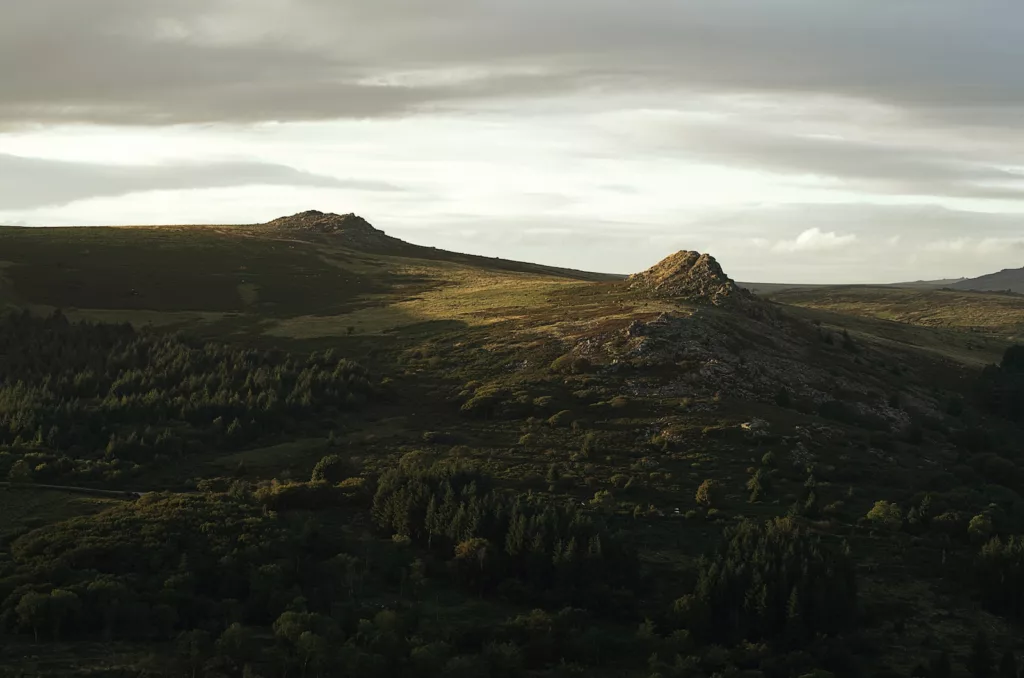
9. Moor to Sea Extreme
The Moor to Sea Extreme route is another Dartmoor-based challenge that belongs in the tough category. The long route is listed at around 110 miles, or 177km, with around 10,000ft of climbing, while the Dartmoor Legend option goes even further.
What makes Moor to Sea hard is the mix of distance and terrain. Dartmoor roads rarely give riders a simple rhythm. The climbing can be irregular, the surfaces can be tiring, and the route demands concentration as well as fitness.
It is the kind of sportive where the numbers tell only part of the story. Repeated short climbs, rolling roads and exposed sections can make the ride feel harder than a simple distance-and-elevation comparison suggests.
It is a strong option for riders who want a tough south-west challenge and prefer a rugged endurance feel over the big-name glamour of Fred Whitton or Dragon Ride.
Best for: experienced riders, Dartmoor regulars, climbers who handle repeated efforts, and cyclists looking for a demanding alternative to the better-known classics.
10. Peaks Tour long route
The Peak District is one of the best places in England for a hard sportive because the climbs are rarely gentle for long. The Peaks Tour long route gives riders a mix of distance, repeated gradients and technical roads through one of the UK’s most punishing cycling landscapes.
The challenge here is rhythm. Peak District riding often means steep climbs, quick descents, narrow lanes and little chance to settle. Riders who are good at steady tempo climbs may still suffer if they are not comfortable with repeated changes in effort.
It is not necessarily the hardest event on this list by headline distance, but the terrain makes it awkward. Poor pacing early in the day can leave riders exposed later, especially if the route uses the sharper edges of the national park.
Best for: riders who like punchy climbs, strong club cyclists, and anyone wanting a hard English sportive without travelling to the Lakes.
 Photo Credit: Getty
What is the hardest sportive in the UK?
The Fred Whitton Challenge is still the strongest answer if the question is about a one-day climbing sportive. It has the reputation, the Lake District terrain, the late brutality of Hardknott and Wrynose, and the kind of route design that punishes even small mistakes.
If the question is pure endurance, Chase the Sun UK North has a strong case because of the 200-mile distance and sunrise-to-sunset format.
If the question is the biggest single-day route by distance and climbing combined, Dragon Ride Dragon Devil may be the hardest because a near-300km ride with more than 4,500m of climbing is a huge commitment.
So the fairest answer is:
| Hardest by category | Sportive |
|---|---|
| Hardest classic one-day climbing sportive | Fred Whitton Challenge |
| Hardest ultra-distance challenge | Chase the Sun UK North |
| Hardest long climbing sportive | Dragon Ride Dragon Devil |
| Hardest Highland road experience | The Bà Sportive |
| Hardest southern England sportive | Dartmoor Classic Grande |
Fred Whitton vs Dragon Ride: which is harder?
Fred Whitton and Dragon Ride are hard in different ways.
The Fred Whitton is shorter than the Dragon Devil, but its difficulty is compressed. The Lake District climbs are steep, narrow and often badly timed. Hardknott and Wrynose late in the ride are what give it its reputation. It is a sharper, more brutal climbing test.
Dragon Devil is more about scale. The distance is enormous, the climbing total is huge, and the day can become a long battle against fatigue. It may not have the same single late horror as Hardknott, but it asks riders to keep going for much longer.
For most riders, the comparison looks like this:
| Category | Harder event |
|---|---|
| Steepest late climbs | Fred Whitton |
| Longest overall day | Dragon Ride Dragon Devil |
| Most famous UK sportive difficulty reputation | Fred Whitton |
| Biggest endurance load | Dragon Ride Dragon Devil |
| Best first extreme climbing target | Fred Whitton |
| Best ultra-long mountain target | Dragon Ride Dragon Devil |
If you struggle with steep gradients, Fred Whitton may feel harder. If you struggle with long-distance fuelling and time in the saddle, Dragon Devil may be worse.
For deeper event-specific preparation, our Fred Whitton Challenge guide and Dragon Ride guide break down the two biggest UK climbing benchmarks in more detail.
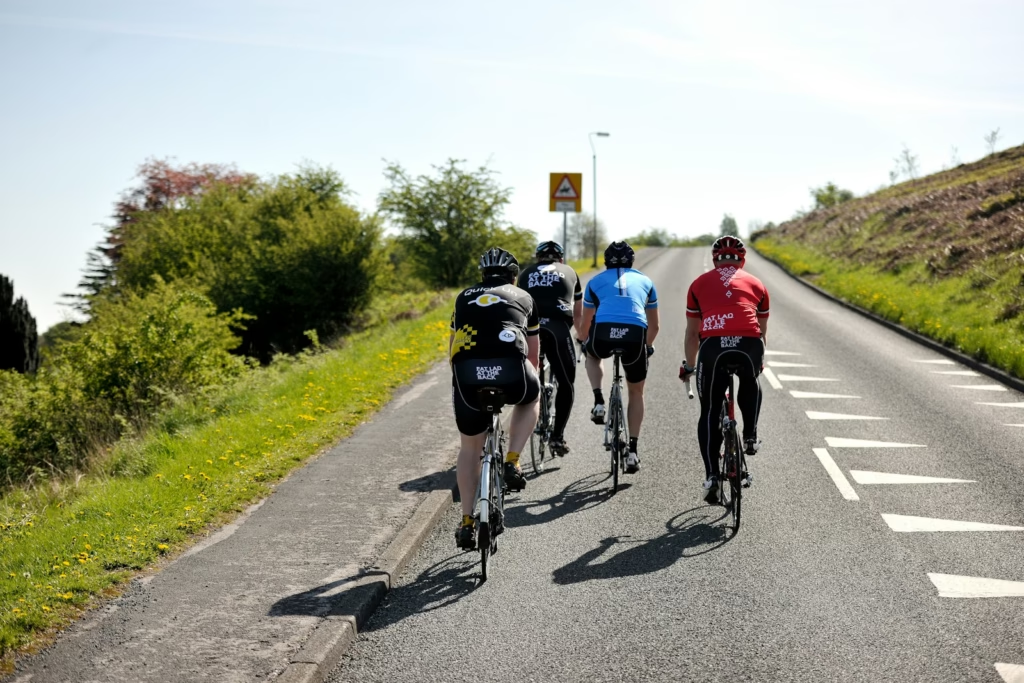
What makes a sportive genuinely tough?
A sportive becomes genuinely tough when the route does more than ask for fitness. It needs to force decisions.
Do you pace the early climbs or follow the group? Do you stop at the feed station or keep moving? Do you use easier gears early or save pride and pay later? Do you eat before you feel hungry? Do you descend safely when tired? Do you carry enough clothing for weather changes?
The toughest sportives expose weaknesses. A rider with good power but poor fuelling can crack. A rider with strong endurance but poor gearing can suffer on steep ramps. A rider with fitness but weak descending can lose time and confidence. A rider who trains only on flat roads can be surprised by repeated climbing.
That is why preparation needs to match the event. Fred Whitton needs steep climbing and low-gear practice. Dragon Ride needs long endurance rides and fuelling discipline. Chase the Sun needs ultra-distance comfort and time-management. The Bà needs weather readiness and confidence on remote roads.
Best tough sportive for first-timers
If you are stepping up to a tough sportive for the first time, do not start with the hardest route on the list. A better progression would be:
| Rider level | Good target |
|---|---|
| First major sportive | Étape Loch Ness |
| First hard climbing sportive | Dartmoor Classic Medio or similar |
| First serious mountain-style UK sportive | Dragon Ride Medio Fondo |
| First elite-level UK climbing sportive | Fred Whitton Challenge |
| First ultra-distance challenge | Chase the Sun |
| First extreme Welsh mountain day | Dragon Ride Gran Fondo or Dragon Devil |
The best first tough sportive is one that stretches you without making the event depend on perfect conditions. If you are not sure you can complete the distance, choose a shorter route option. If you are not sure you can climb steep gradients, practise before entering something like Fred Whitton.
A finish you can build from is more useful than an event that breaks you. Our guide to how to choose your first sportive or charity ride can help with the wider decision if you are still working out what level of challenge fits.

Training for the toughest UK sportives
The hardest UK sportives need more than weekend mileage. You need specific preparation.
For Fred Whitton, train on steep climbs, use low gears and practise climbing when tired. The event is about late-route survival, not just early freshness.
For Dragon Ride, focus on long rides with repeated climbs and proper fuelling. You need to eat consistently across the whole day, not just when you feel empty.
For Chase the Sun, time in the saddle matters most. Practise long steady riding, comfort, lighting, clothing choices and short efficient stops.
For Highland events like The Bà, prepare for weather. That means clothing, braking confidence, descending in wind and staying mentally calm if the conditions are poor.
For Dartmoor and Peak District events, practise repeated short climbs. The effort pattern is different to long alpine climbs because the road keeps changing.
A good training plan should include:
| Training need | Why it matters |
|---|---|
| Long endurance rides | Builds fatigue resistance |
| Hill repeats | Prepares the legs for repeated climbing |
| Steep-gradient practice | Builds confidence for Hardknott-style ramps |
| Fuelling practice | Reduces the risk of bonking |
| Descending practice | Saves energy and improves safety |
| Back-to-back rides | Helps for multi-day or very long challenges |
| Wet-weather riding | Prepares for UK conditions |
| Low-gear testing | Stops you finding out too late that your gearing is wrong |
For riders building towards a big target, our guide to how to set realistic cycling training goals and stick to them is useful because the hardest events need a plan that fits your actual life, not just your ambition.
Gearing for hard UK sportives
Gearing matters more than pride. Many riders overgear themselves for the UK’s hardest sportives and regret it on the steepest climbs.
For Fred Whitton, compact or sub-compact gearing is sensible, especially if you are not a very strong climber. Hardknott is not the place to discover that your easiest gear is still too hard.
For Dragon Ride, you need gears that let you climb efficiently for hours rather than grind every ascent. The goal is to keep the legs working deep into the route.
For Dartmoor and the Peak District, lower gears help with repeated steep ramps. You may only need them for short sections, but those short sections can decide whether you ride smoothly or spike your effort.
The right gear is the one that lets you keep pedalling when tired. In a tough sportive, that matters far more than looking strong early.
Fuelling for the hardest sportives
Most failed sportives are not caused by a lack of bravery. They are caused by pacing and fuelling errors.
On a hard route, you should eat before you feel hungry and drink before you feel thirsty. Waiting until the legs feel empty usually means you are already behind. Long events demand a steady intake of carbohydrates, fluids and salt, adjusted for weather and intensity.
The harder the sportive, the less you should experiment on the day. Test your food, gels, bars, drink mix and café-stop habits in training. Make sure your stomach can handle what you plan to use.
For events like Dragon Ride and Chase the Sun, fuelling is not a detail. It is one of the main performance factors. Our guide to how to fuel your rides is aimed at beginners, but the same principle applies to the hardest sportives: the food and drink plan has to be practised before event day.
-
 Photo Credit: quentinphotographiebe
 -
 Photo Credit: Getty

Toughest UK sportive FAQ
What is the toughest sportive in the UK?
The Fred Whitton Challenge is usually considered the toughest classic one-day sportive in the UK because of its Lake District route, steep passes and the late combination of Hardknott and Wrynose. Dragon Ride Dragon Devil and Chase the Sun UK North are also among the hardest, but for different reasons.
Is Fred Whitton harder than Dragon Ride?
Fred Whitton is usually steeper and more brutal late in the ride. Dragon Ride Dragon Devil is longer and has a much bigger endurance load. Riders who struggle with steep gradients may find Fred Whitton harder, while riders who struggle with distance may find Dragon Devil harder.
What is the hardest Welsh sportive?
Dragon Ride is the best-known hard Welsh sportive, especially the Dragon Devil and Gran Fondo routes. The Dragon Devil is one of the UK’s toughest long-distance climbing sportives.
What is the hardest Scottish sportive?
The Bà Sportive and Bealach na Bà-based events are among the hardest Scottish road sportives because of the climb, remote Highland setting and weather exposure.
What is the hardest sportive in southern England?
The Dartmoor Classic Grande is one of the toughest southern England sportives, with 107 miles, repeated climbing and gradients up to 20%. Moor to Sea Extreme is another serious Dartmoor option.
Can a beginner ride a tough sportive?
A beginner can build towards a tough sportive, but events like Fred Whitton, Dragon Devil and Chase the Sun are not ideal first targets. Start with a shorter sportive, build climbing and endurance gradually, then step up.
How much training do you need for Fred Whitton?
Most riders need several months of structured training, including long rides, steep climbs, descending practice and fuelling work. The key is being able to climb hard late in the ride, not just feeling good early.
What is the best tough sportive for a first big challenge?
Étape Loch Ness, a middle-distance Dragon Ride route or a Dartmoor Classic shorter option can be better first big challenges than jumping straight into Fred Whitton or Dragon Devil.
Final verdict: the UK’s hardest sportives
The toughest sportive in the UK depends on what kind of difficulty you mean. Fred Whitton is the benchmark for steep, savage, one-day climbing. Dragon Ride Dragon Devil is the biggest long-distance mountain-style test. Chase the Sun UK North is the ultra-distance challenge. The Bà Sportive gives riders a remote Highland climb and weather-exposed experience. Dartmoor Classic Grande is the southern England route that can catch out riders who underestimate it.
For most riders, the Fred Whitton Challenge remains the hardest single-day UK sportive to finish well. It has the climbs, the gradients, the timing and the reputation. But Dragon Devil and Chase the Sun are arguably bigger endurance commitments.
The best choice is not always the hardest event. It is the event that matches the kind of rider you want to become. If you want steep climbing, choose Fred Whitton. If you want distance and mountains, choose Dragon Ride. If you want an all-day endurance mission, choose Chase the Sun. If you want scenery, exposure and a famous climb, choose The Bà.
Whichever route you choose, the same rule applies: train for the specific challenge, gear your bike properly, fuel early, pace the first half with discipline, and respect the final climbs more than the opening miles.
For more UK sportive guides, see our sportives archive, Fred Whitton Challenge guide, Dragon Ride guide and Étape Loch Ness guide.

