
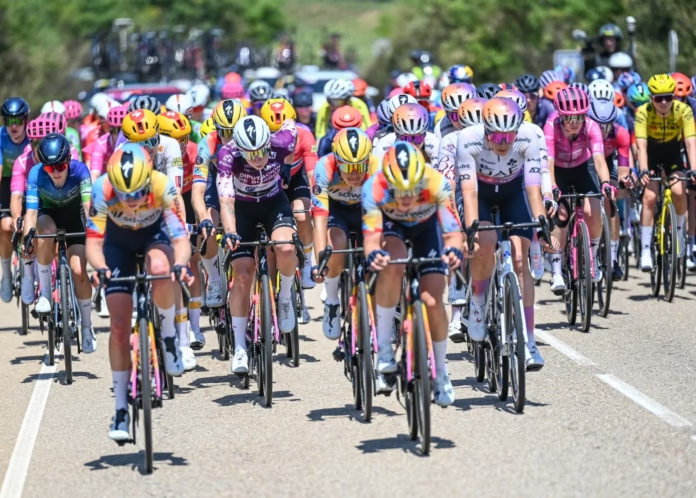
Women’s cycling TV rights are much stronger than they were a decade ago, but they are still not simple. The biggest races now have regular live coverage, especially the Women’s WorldTour, the Tour de France Femmes, Giro d’Italia Women, La Vuelta Femenina and the major Classics. The problem for viewers is that the rights are split by race organiser, country and platform.
There is no single global women’s cycling subscription that covers everything. In some countries, Warner Bros. Discovery’s platforms are the main home of the sport. In others, ASO races sit with a national broadcaster or a separate streaming service. Flanders Classics races can be handled differently again, while some smaller women’s races rely on host broadcasters, race organisers, YouTube streams or regional TV.
This guide breaks down the main women’s cycling TV rights picture by country, with a focus on where fans are most likely to find the biggest races in 2026. For UK viewers, ProCyclingUK’s Giro d’Italia Women 2026 UK viewing guide shows how the new TNT Sports and HBO Max setup works for one of the season’s three major women’s stage races.
Why women’s cycling TV rights are complicated
The easiest way to understand women’s cycling coverage is to think by race owner rather than by race category. The Women’s WorldTour label tells you the sporting level of a race, but it does not automatically tell you where it will be shown.
ASO races include the Tour de France Femmes, Paris-Roubaix Femmes, Liège-Bastogne-Liège Femmes, La Flèche Wallonne Féminine and La Vuelta Femenina. RCS races include Giro d’Italia Women, Strade Bianche Women, Milan-San Remo Women and Trofeo Alfredo Binda. Flanders Classics controls races such as Tour of Flanders Women, Gent-Wevelgem Women, Omloop Het Nieuwsblad Women, Dwars door Vlaanderen Women and Scheldeprijs Women.
That means the same viewer may need different services for different parts of the season. A country might have excellent coverage of the Giro d’Italia Women but different access for the Tour de France Femmes. A Classic may be free-to-air in Belgium but behind a subscription in the UK or the United States. Smaller races may appear on local broadcaster streams even when they are not widely listed on major platforms.
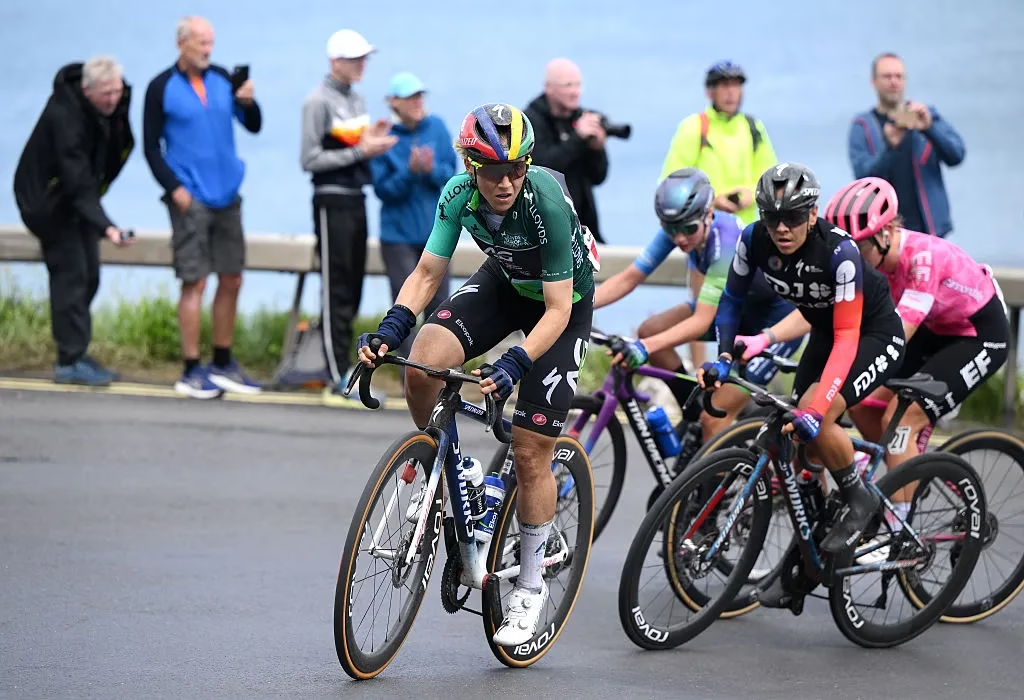 Photo Credit: Getty
United Kingdom and Ireland
For UK and Ireland viewers, TNT Sports and HBO Max are now the main route for most major women’s road cycling coverage. TNT Sports is the linear TV option, while HBO Max is the key streaming platform for cycling after the move away from discovery+ in the UK.
The major RCS races, including Giro d’Italia Women, Strade Bianche Women and Milan-San Remo Women, sit within the Warner Bros. Discovery ecosystem. That usually means TNT Sports on TV where scheduled, with HBO Max as the more flexible streaming option. ProCyclingUK’s Giro d’Italia Women race hub brings together the route, previews and race coverage around one of the key events now available through that route.
ASO races are also generally part of the paid cycling landscape in the UK, including the Tour de France Femmes and the major Ardennes and cobbled Classics. The Tour de France Femmes remains the most visible women’s race for casual viewers, but live access in the UK is no longer built around free-to-air coverage in the way the men’s Tour once was. ProCyclingUK’s Tour de France Femmes hub is a useful starting point for race-specific viewing and route guides.
The basic UK answer is simple: serious women’s cycling coverage now usually means TNT Sports and HBO Max. The detail still needs checking race by race, especially for smaller events, but those are the first places to look.
United States
The United States has one of the most fragmented women’s cycling rights pictures. Viewers often need a mix of HBO Max, Peacock and FloBikes depending on the race.
HBO Max is important for RCS races, including Giro d’Italia Women, Strade Bianche Women, Milan-San Remo Women and other Italian events. Peacock is central for many ASO-owned races, including the Tour de France Femmes and several major French or ASO-linked races. FloBikes has held rights to many Flanders Classics events, which means races such as Tour of Flanders Women, Gent-Wevelgem Women and Omloop Het Nieuwsblad Women can sit there rather than on Peacock or HBO Max.
That makes the US one of the hardest markets for fans who want to watch everything. There is no single service that covers the whole Women’s WorldTour. The practical approach is to check the race owner first: Italian and RCS races usually point towards HBO Max, ASO races usually point towards Peacock, and Flanders Classics races often point towards FloBikes.
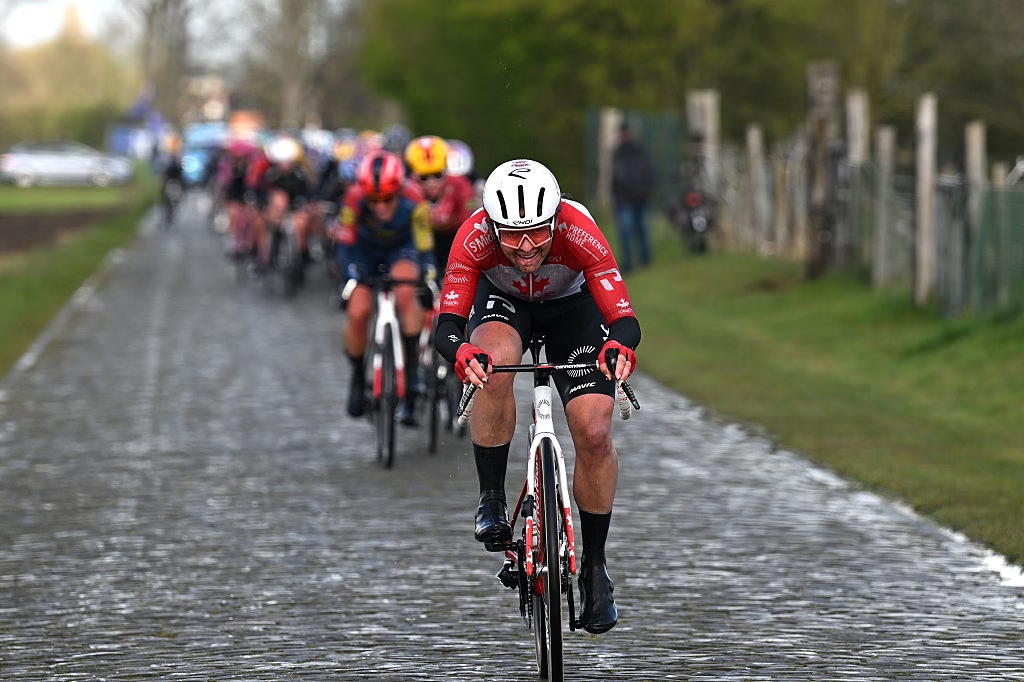 Photo Credit: Getty
Canada
Canada is usually simpler than the United States. FloBikes is the main cycling subscription for many major races, and it often acts as the central home for road cycling coverage in the Canadian market.
That can make things easier for Canadian fans who want broad access across the women’s calendar. Giro d’Italia Women, Classics coverage, stage races and other major events are often routed through FloBikes, although race-by-race checking still matters.
The main limitation is cost and availability. FloBikes is a paid subscription service, and not every smaller women’s race will necessarily appear with the same level of coverage. For the biggest races, though, Canada is generally less fragmented than the United States.
Australia
Australia remains one of the better countries for free women’s cycling coverage because SBS has rights to a strong selection of major races. SBS and SBS On Demand are usually the first places Australian fans should check for the biggest women’s road events.
Giro d’Italia Women has been available through SBS, and many of the major Classics and Grand Tour-level events are also part of the Australian broadcast picture. That makes Australia a strong market for fans who want legal, accessible coverage without needing several separate cycling subscriptions.
There can still be gaps. Not every women’s race is shown, and some smaller events may rely on organiser streams or international coverage. But for the biggest races, SBS remains one of the most valuable free-to-air cycling broadcasters anywhere.
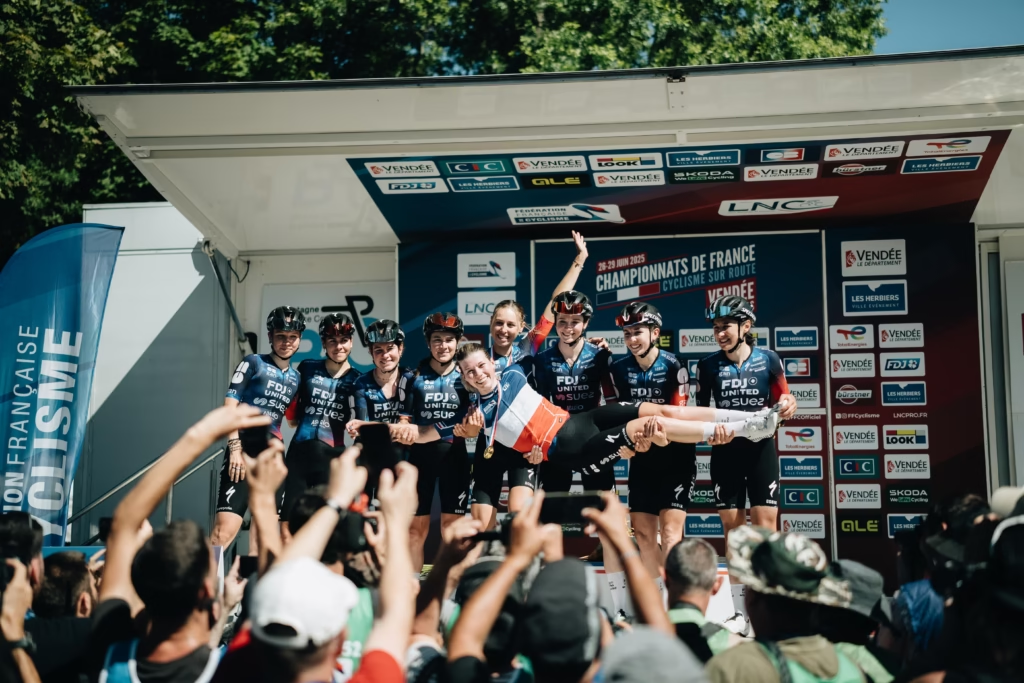
France
France has one of the strongest domestic broadcast positions for women’s cycling, especially around ASO races. France Télévisions is central for the Tour de France Femmes, giving the race a level of free-to-air visibility that is hugely important in its home market.
That domestic visibility matters because the Tour de France Femmes is still the race with the biggest mainstream reach in women’s cycling. French viewers can usually expect strong coverage around the Tour, while other ASO races such as La Flèche Wallonne Féminine, Liège-Bastogne-Liège Femmes and Paris-Roubaix Femmes are also much easier to find than they once were.
Eurosport and Warner Bros. Discovery platforms also remain important in France and across Europe, especially for non-ASO races and broader season coverage. For French viewers, the key split is between national coverage of the biggest home races and subscription coverage of the wider calendar.
Italy
Italy is central to the women’s calendar because of the Giro d’Italia Women, Strade Bianche Women, Milan-San Remo Women and Trofeo Alfredo Binda. Rai is the most important free-to-air name for Italian viewers, while Eurosport and HBO Max also form part of the paid broadcast picture.
For Giro d’Italia Women, Italian coverage is especially important because the race is one of the three biggest women’s stage races of the season. The move of the women’s Giro into a stronger calendar position has made its broadcast identity even more significant. ProCyclingUK’s complete history of the Giro d’Italia Women explains why the race has such a deep place in the sport despite its changing names and structures.
The broad Italian rule is that the biggest home races usually have a domestic free-to-air route, with additional coverage through Eurosport and HBO Max. Smaller Italian women’s races may vary more, so the race website and daily TV listings remain important.

Belgium
Belgium is one of the best countries in the world for watching women’s Classics. VRT and RTBF are major free-to-air broadcasters, and Belgian races often receive strong domestic coverage because cycling is treated as a mainstream sport rather than a niche product.
That is especially valuable for the Flemish Classics. Tour of Flanders Women, Gent-Wevelgem Women, Omloop Het Nieuwsblad Women, Dwars door Vlaanderen Women and other Belgian races are central to the spring calendar, and Belgian viewers are usually well served by public or local broadcast options.
For international races, Belgian viewers may also use Eurosport or HBO Max depending on rights and package availability. But if the race is in Belgium, the domestic broadcaster is often the first place to check.
Netherlands
The Netherlands has a strong cycling audience and good coverage of many major women’s races, especially through Eurosport, HBO Max and public or national broadcasters depending on the event. Dutch riders have been central to modern women’s cycling, which helps sustain mainstream interest around the biggest races.
The Tour de France Femmes, Giro d’Italia Women and major Classics are generally accessible through a mix of subscription and broadcaster coverage, but the exact split can vary. Dutch viewers should usually check Eurosport and HBO Max first for broad season access, then the race organiser or domestic broadcaster for specific events.
For races with Dutch interest, highlights, news coverage and post-race reporting are often strong even when live rights sit behind a subscription.

Spain and the Basque Country
Spain’s women’s cycling coverage has become more important because of La Vuelta Femenina, Itzulia Women, the Navarra races and a growing domestic rider base. La Vuelta Femenina sits within ASO’s major women’s race portfolio, while Basque and Navarra races often have strong regional broadcast support.
RTVE is an important name for Spanish cycling coverage, while Eurosport and HBO Max are also relevant for broader international rights. In the Basque Country, EITB is especially useful for races such as Itzulia Women and Basque-region events, with its Kirolak streams sometimes offering accessible live coverage beyond standard TV.
For UK viewers following Spanish races, ProCyclingUK’s brief history of La Vuelta Femenina gives wider context on how quickly the race has become one of the defining stage races in women’s cycling.
Germany, Austria and Switzerland
In Germany and Austria, Eurosport and HBO Max are usually central to international women’s cycling coverage. Public broadcasters may also carry selected major events or highlights, especially when there is strong national interest, but the main season-long route is generally through the Warner Bros. Discovery ecosystem.
Switzerland is more complicated because domestic broadcasters such as SRF, RTS and RSI can be relevant for Swiss races and major events, while Eurosport and HBO Max provide broader international coverage. That matters especially around Tour de Suisse Women, which has become a more significant race as the men’s and women’s events move towards a more integrated structure.
ProCyclingUK’s Tour de Suisse Women 2026 full route guide explains the shared host-town concept and why the race is becoming a more visible part of the Women’s WorldTour calendar.
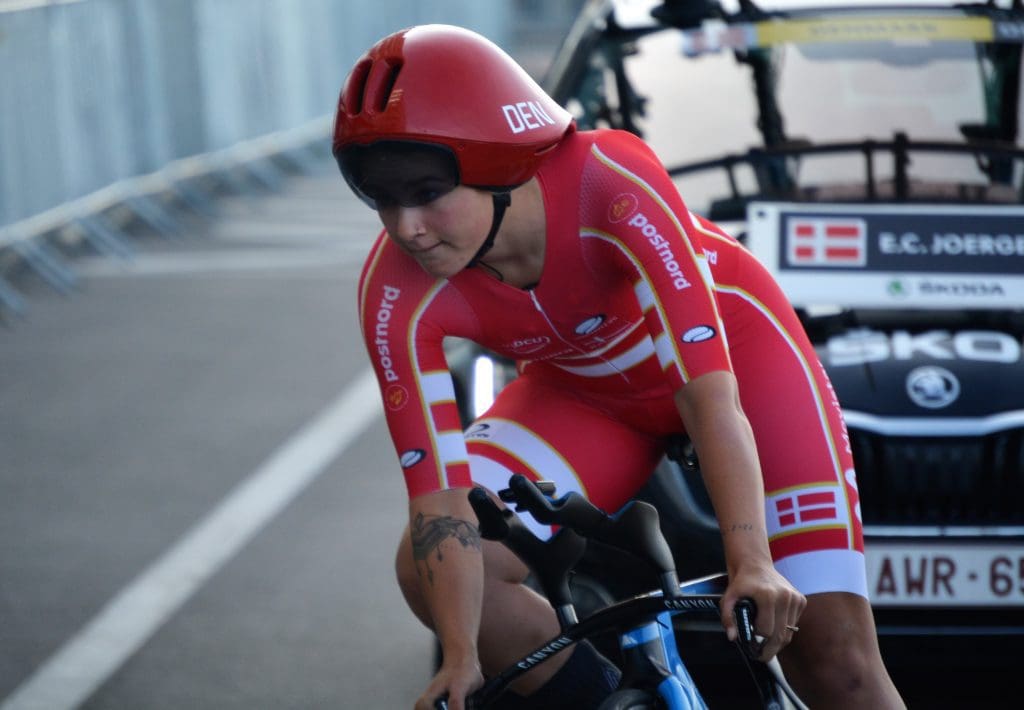
Denmark, Norway and Sweden
Nordic rights can vary by race, but Eurosport and HBO Max are generally important for broad coverage of the women’s calendar. National broadcasters may also pick up selected events, especially when there is strong local interest or a major race has domestic relevance.
Denmark has become more important because of Copenhagen Sprint Women, while Norway and Sweden have long had strong interest in endurance sport and international cycling coverage. Race-by-race checking remains important, but for the biggest women’s races, Warner Bros. Discovery platforms are usually the first place to look.
For Scandinavian fans, the challenge is not always whether the biggest races are available, but whether smaller women’s events receive full live coverage or only highlights.
Portugal
Portuguese viewers usually need to check Eurosport and HBO Max for major international women’s cycling, with local broadcasters more likely to appear around selected races or highlight coverage. Portugal does not have the same depth of domestic women’s race broadcasting as Belgium, France or Italy, so subscription coverage is often the safest route for the Women’s WorldTour.
The biggest women’s races, including the Tour de France Femmes, Giro d’Italia Women, La Vuelta Femenina and major Classics, are the most likely to be available. Smaller races can be less predictable.
Japan
Japan’s cycling rights are often handled through specialist sports broadcasters and streaming platforms, with J Sports a regular name in the road cycling landscape. Coverage of the biggest women’s races can depend on the event and the international rights package.
The Tour de France Femmes is usually the most visible women’s race internationally, while Giro d’Italia Women and the major Classics may depend on the year’s rights arrangements. Japanese viewers should check race-specific broadcaster lists, especially for ASO and RCS events.
Latin America
Across Latin America, women’s cycling coverage is usually more race-specific than country-specific. ESPN and Disney-linked platforms have been relevant for major international cycling in some markets, while local broadcasters may carry selected events depending on rights and demand.
The Tour de France Femmes is generally the easiest women’s race to find because of ASO’s global distribution. Giro d’Italia Women, La Vuelta Femenina and the Classics may require more careful checking by country, especially where rights are not promoted as heavily as men’s races.
For viewers in Latin America, the most reliable approach is to start with the official race broadcaster page, then check the regional version of ESPN, Disney+ or the local sports broadcaster carrying European cycling.
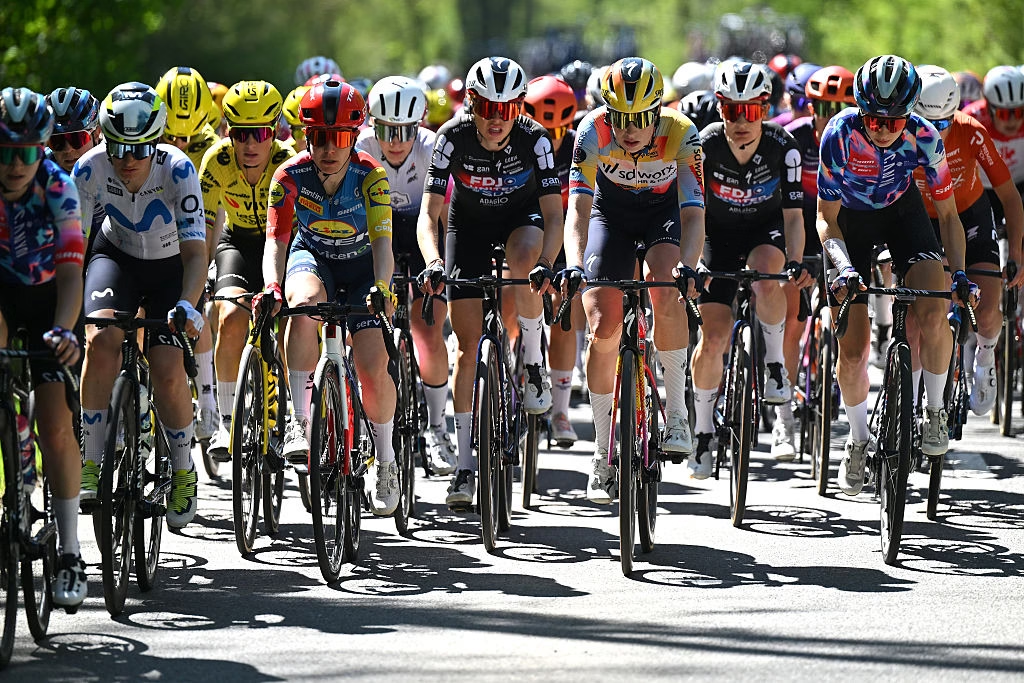
Which races are easiest to watch worldwide?
The easiest women’s race to find globally is usually the Tour de France Femmes. It has the strongest international broadcaster list, the biggest race brand and the clearest mainstream profile. Even in countries where women’s cycling coverage is limited, the Tour is often the race most likely to be available.
The Giro d’Italia Women is also becoming easier to watch, helped by RCS and Warner Bros. Discovery’s wider rights structure. In many markets, it sits alongside the men’s Giro d’Italia in the same broadcast ecosystem, which gives it a stronger platform than many standalone women’s races.
The major Classics are more varied. Paris-Roubaix Femmes, Tour of Flanders Women, Liège-Bastogne-Liège Femmes, Strade Bianche Women and Milan-San Remo Women usually have good coverage, but the platform depends heavily on the country and organiser.
Which women’s races are hardest to watch?
The hardest races to watch are often smaller one-day events, developing stage races and national-level races that do not have consistent international distribution. Some are shown through organiser YouTube channels, regional broadcasters or local federation streams, but coverage can be announced late and may not be easy to find outside the host country.
This is not only a rights issue. Some races still do not have the production budget for full live coverage. Others have a live broadcast window only for the final hour. Some appear on regional TV without a clear international stream. Women’s cycling coverage has improved enormously, but the lower levels of the calendar remain uneven.
-
 Photo Credit: quentinphotographiebe
 -
 Photo Credit: Getty
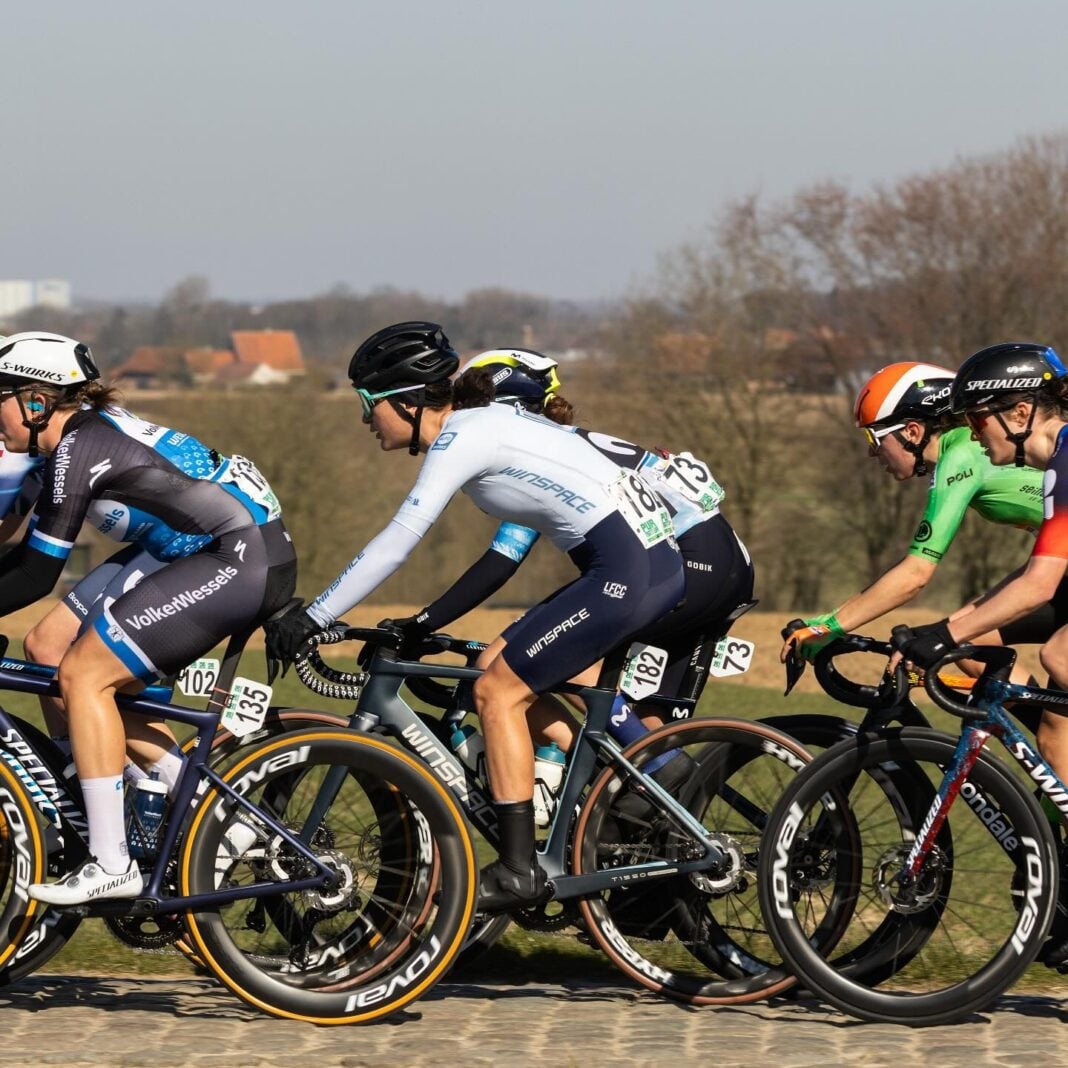

How to check women’s cycling TV rights before a race
The best approach is to check in this order: the race website, the organiser’s social channels, the official broadcaster page, your local sports streaming service, and then the race’s YouTube or regional TV partners. The answer often appears only in the final week before smaller events.
For the biggest races, TV rights are usually clear well in advance. For mid-level races, the live stream may be announced late. For smaller races, the most reliable coverage may be a live tracker, social media updates or delayed highlights.
It is also worth checking whether the women’s and men’s races share a broadcaster. Many of the best-covered women’s events are paired with established men’s races, which helps with production, rights distribution and international listings.
Women’s cycling TV rights verdict
The women’s cycling broadcast picture is better than ever, but it is still fragmented. UK and Ireland viewers should usually start with TNT Sports and HBO Max. US viewers often need HBO Max, Peacock and FloBikes. Canadian viewers should check FloBikes first. Australian viewers are well served by SBS. In much of Europe, Eurosport and HBO Max are central, with public broadcasters playing a major role in France, Belgium, Italy, Spain and Switzerland.
The biggest improvement is that the major women’s races are now much easier to find than they once were. The Tour de France Femmes has global reach, Giro d’Italia Women has a stronger international platform, and the biggest Classics are treated as serious broadcast events rather than add-ons.
The remaining problem is consistency. Fans still have to check race by race, country by country and platform by platform. That is frustrating, but it also reflects a sport that is growing fast. Women’s cycling now has enough demand, value and visibility for broadcasters to compete for it. The next step is making it easier for fans to know exactly where to watch.

