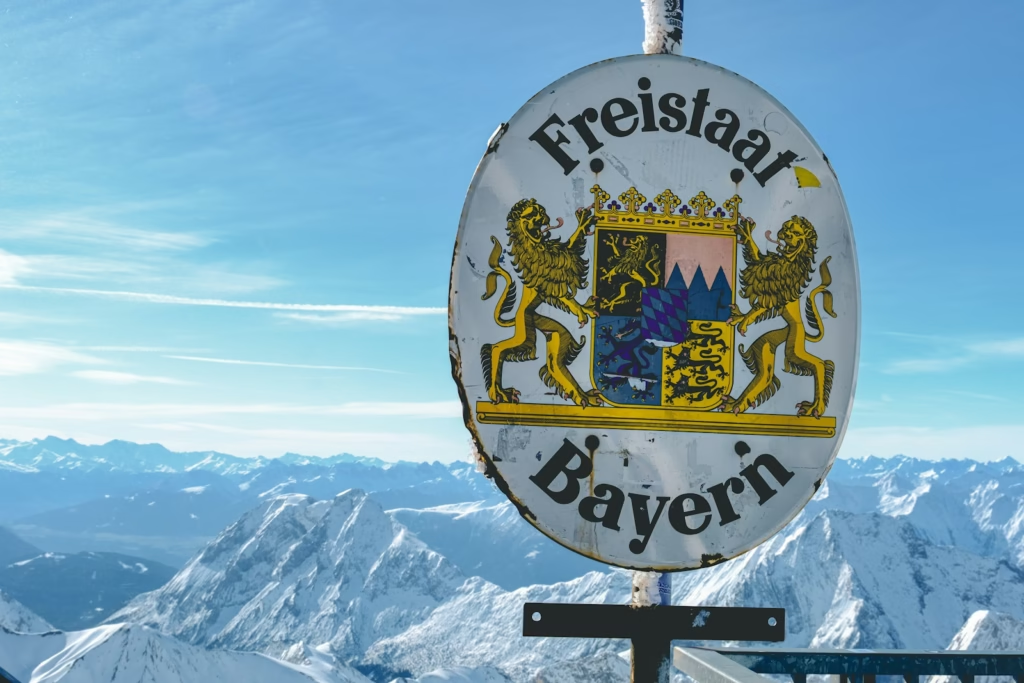
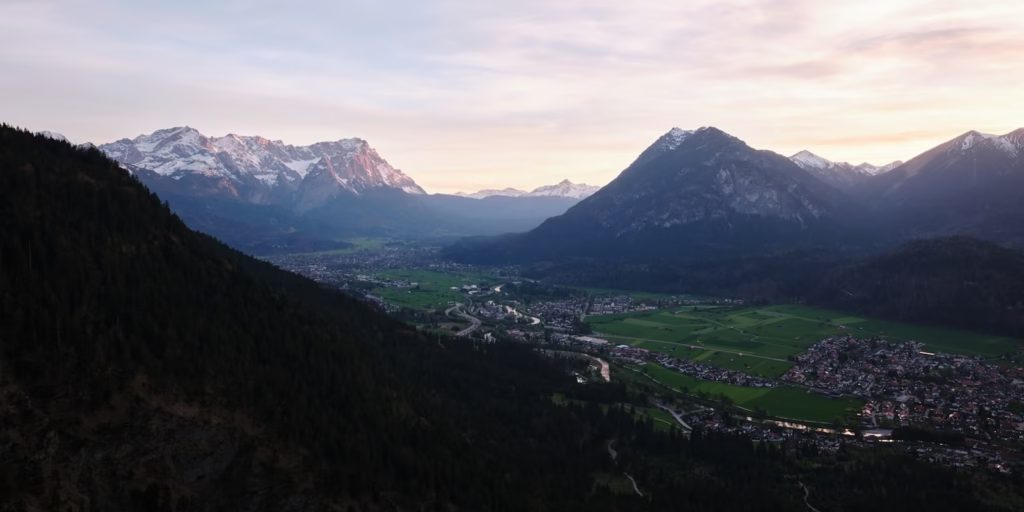
Garmisch-Partenkirchen is one of those cycling places where the scenery does a lot of the work before the ride has properly begun. The town sits beneath the Zugspitze, Germany’s highest mountain, with limestone peaks, forested slopes, open meadows and Alpine valleys all close enough to shape a ride within minutes of leaving the centre.
It is not a cycling destination in the same style as Girona, Mallorca or the French Alps. It feels quieter, more traditional and more weather-dependent. The climbs are not always long in the Grand Tour sense, but the roads have a distinct Alpine character: sharp valley walls, sudden ramps, lake loops, border crossings, clean villages, cowbells, ski lifts and mountain huts. It is a place where a ride can feel like a full Alpine day even without needing a famous race climb.
The Garmisch-Partenkirchen area is especially good because it offers several different kinds of cycling in a small space. You can ride a flat valley loop along the Loisach, climb towards Eibsee beneath the Zugspitze, head across the Austrian border towards Ehrwald or Leutasch, take on longer road loops around Walchensee and Kesselberg, or use gravel and e-bike routes to explore quieter tracks and huts.
That variety is what makes the area special. Garmisch-Partenkirchen is not just a base for one big climb. It is a gateway into the Bavarian Alps, the Tyrolean border roads and the kind of riding where the atmosphere matters as much as the numbers.
For more riding inspiration across Europe, see our Travel & Riding Abroad hub, Cycling in Rest of Europe hub and Cycling in the Black Forest from Freiburg.
Why Garmisch-Partenkirchen is special for cyclists
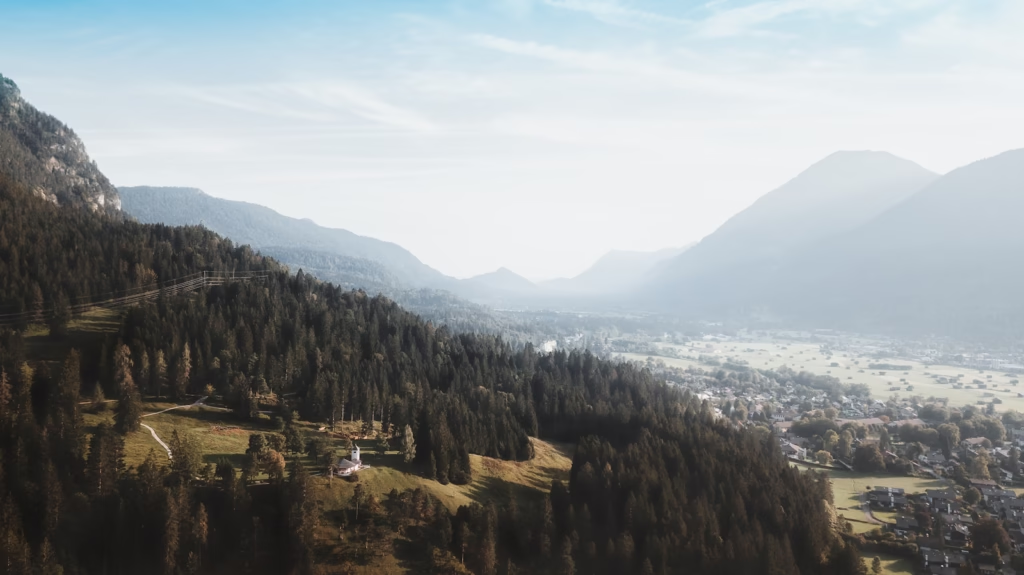
Garmisch-Partenkirchen works as a cycling base because it sits at a meeting point of valleys. The Loisach valley runs north and west, the road towards Mittenwald opens the way east and south, Grainau and Eibsee sit beneath the Zugspitze to the west, and Austria is close enough to turn many rides into cross-border loops.
That gives riders a lot of choice. Beginners can stay on gentler valley paths. Road cyclists can build longer days towards Walchensee, Mittenwald, Ehrwald or Austria. Gravel riders can look for forest roads and mixed-surface links. Mountain bikers and e-bike riders have access to hut routes and steeper Alpine tracks.
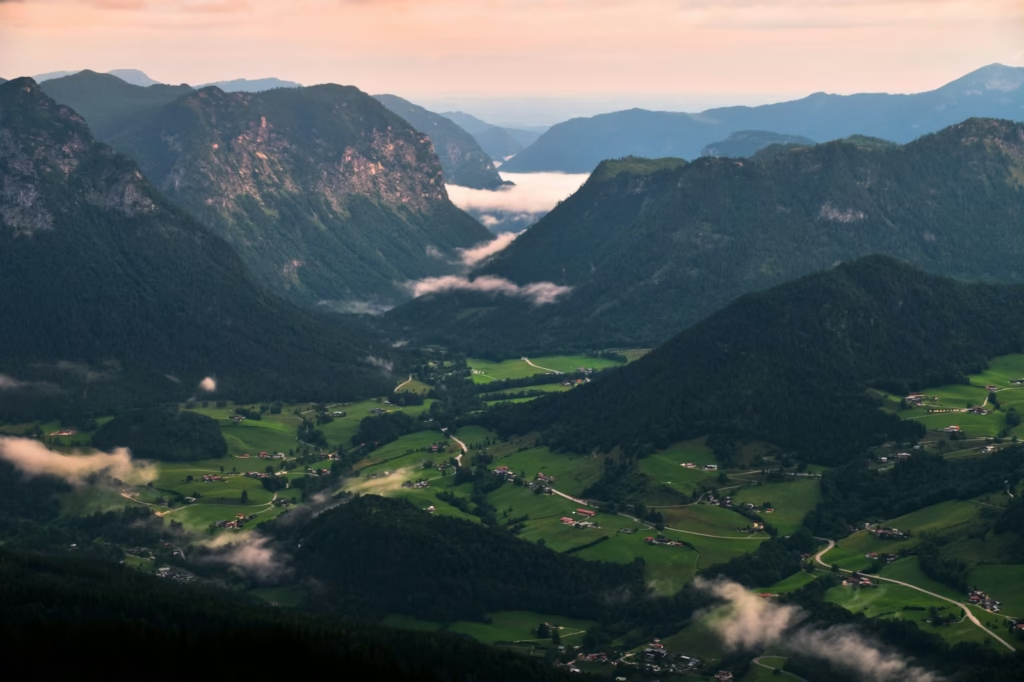
The landscape also changes quickly. One ride can start in town, pass painted Bavarian houses, move through open meadows, run beside a river, climb into forest, then open out to a view of the Zugspitze or Karwendel. The roads do not need to be famous to feel memorable.
The best thing about cycling here is the feeling of being hemmed in by mountains without being trapped by them. There are enough valleys to move through, enough climbs to make the riding serious, and enough cafés, villages and rail links to make a trip manageable.
That makes Garmisch-Partenkirchen a useful contrast with more race-shaped Alpine bases such as Briançon and Serre-Chevalier or Andermatt and the central Swiss passes.
The Zugspitze backdrop
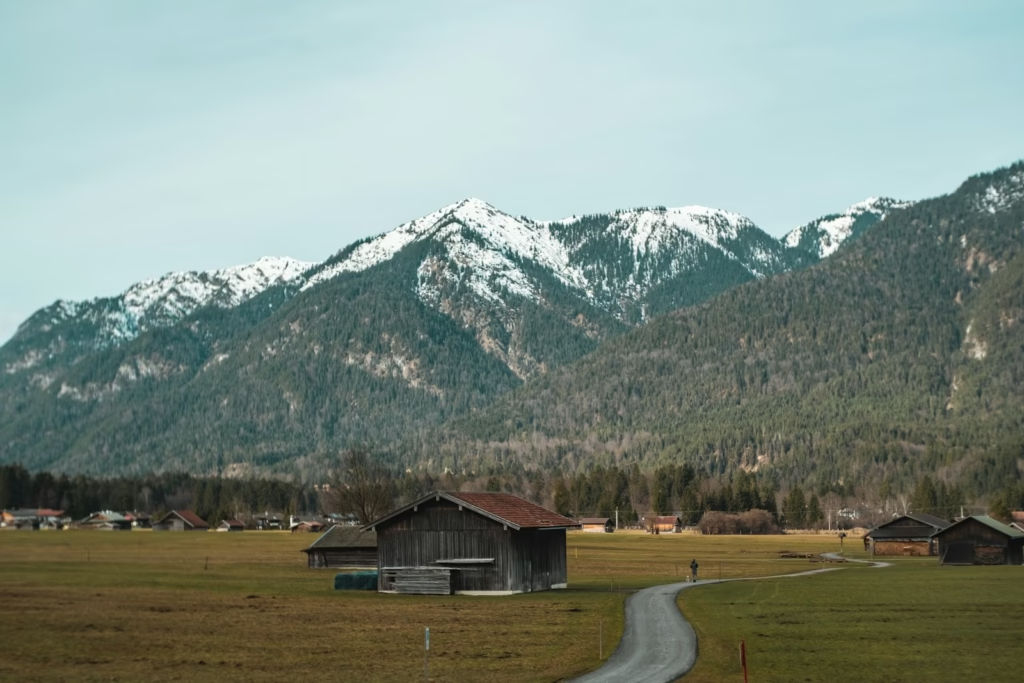
The Zugspitze dominates cycling around Garmisch-Partenkirchen. At 2,962 metres, it is Germany’s highest mountain, and even though you do not ride to the summit by road, it shapes the whole experience of the area.
For cyclists, the Zugspitze is more backdrop than climb. It appears above the valley, behind Grainau, over Eibsee and across open meadows. It gives rides a clear sense of place. You are not just riding through any Alpine town. You are riding under the roof of Germany.
That matters because many rides around Garmisch are not about one famous summit road. They are about the way the mountains frame the route. A gentle spin through the Loisach valley feels different because the peaks are always there. A climb towards Eibsee feels bigger because the Zugspitze is above it. A ride towards Ehrwald or Mittenwald feels like crossing through mountain rooms rather than simply moving along roads.
For visitors, the Zugspitze can also be part of the trip without being part of the ride. The cogwheel train and cable car make it possible to include the summit as a non-riding day, especially if the weather is clear. The official Zugspitze page gives the key visitor information and mountain context.
What the roads are like
The roads around Garmisch-Partenkirchen vary more than many riders expect. Some sections are smooth, wide and fast. Others are narrow, shaded and more technical. Valley roads can feel calm in the morning but busier later in the day, especially in summer and at weekends.
The main roads towards Grainau, Mittenwald, Ehrwald and Kochel can carry traffic, so route choice matters. The best riding often comes from using cycle paths, quieter local roads and planned loops rather than simply following the most direct road on a map.
Surface quality is generally good on road routes, but riders should still expect Alpine realities: wet corners under trees, gravel washed onto roads after rain, cattle crossings, tourists in cars, motorbikes on popular passes, and cold descents if the weather turns.
The area rewards riders who are not obsessed with uninterrupted speed. It is better to ride with the landscape than fight it. Stop for views, pick routes carefully, and avoid treating every road like a closed sportive course. The Bavarian Alps are beautiful, but they are also working roads, tourist roads and mountain roads.
For a broader comparison of European climbing roads, see our features on cycling in Tirol and cycling in Bernese Oberland.
Garmisch-Partenkirchen to Grainau and Eibsee
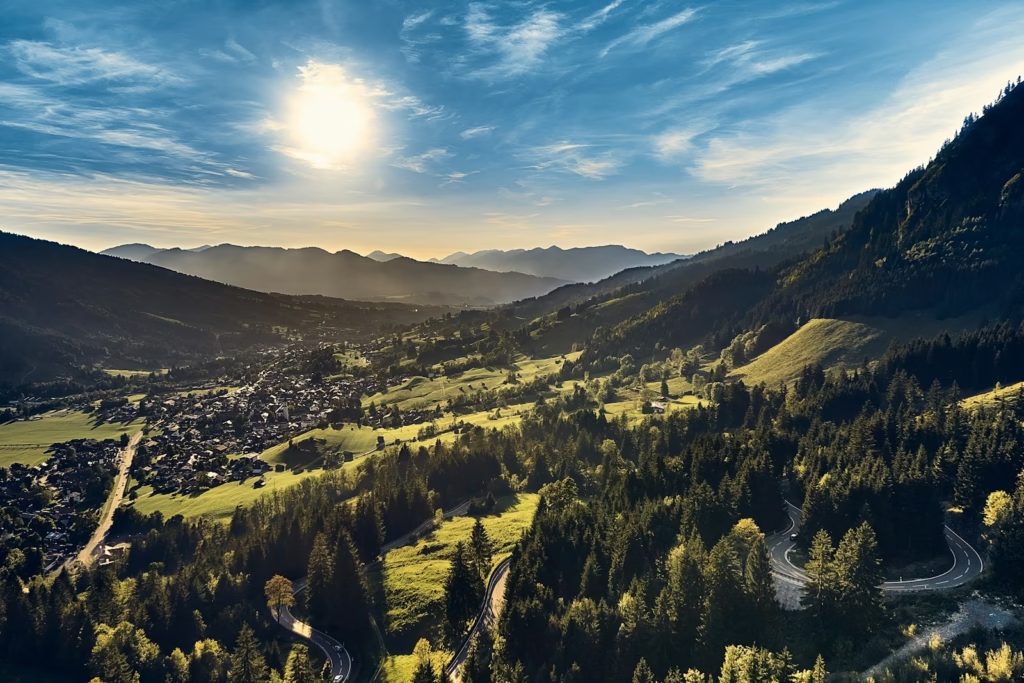
The ride towards Grainau and Eibsee is one of the classic short options from Garmisch-Partenkirchen. It heads west beneath the Zugspitze and gives a clear sense of the region’s mountain scale without needing a huge day.
Grainau is close enough to be part of an easy ride, but the scenery changes quickly. The valley opens, the mountains feel closer, and the Zugspitze becomes more dominant. From there, the road towards Eibsee adds climbing and a more Alpine feel.
Eibsee itself is one of the most scenic places in the area, with clear water and mountain views. It can also be busy, especially in good weather, so this is a ride that works best early in the day. For road cyclists, the climb is not a monster, but it is enough to feel like a proper effort if ridden hard.
This is a good route for riders who want atmosphere more than distance. It can be a short out-and-back, a warm-up ride, or part of a longer loop towards Austria. It is also one of the easiest ways to connect cycling with the Zugspitze without needing to chase a high pass.
The Loisach valley: the easier side of Garmisch riding
Not every ride from Garmisch-Partenkirchen has to be mountainous. The Loisach valley gives the area its gentler side, with river roads, cycle paths and rolling routes north towards Farchant, Oberau, Eschenlohe and Ohlstadt.
This is useful for several reasons. It gives beginners and mixed groups a way to ride in the Bavarian Alps without tackling sustained climbs. It gives stronger riders a recovery option between harder days. It also provides a way to enjoy the mountain panorama without always being in climbing mode.
The official tourism routes through the Loisach valley highlight this side of the area: scenic riding, limited gradients and a calmer rhythm. That makes it ideal for a first day after travel, a family ride, or a relaxed spin before a harder route later in the trip.
The valley also shows another part of Garmisch-Partenkirchen’s appeal. The mountains are dramatic, but the riding does not have to be extreme. You can have a satisfying cycling day here without turning every ride into a test.
This kind of easier Alpine riding sits well alongside other scenic travel bases in our European cycling travel hub, where the appeal is often as much about landscape and route choice as pure climbing numbers.
Mittenwald and the Karwendel feel
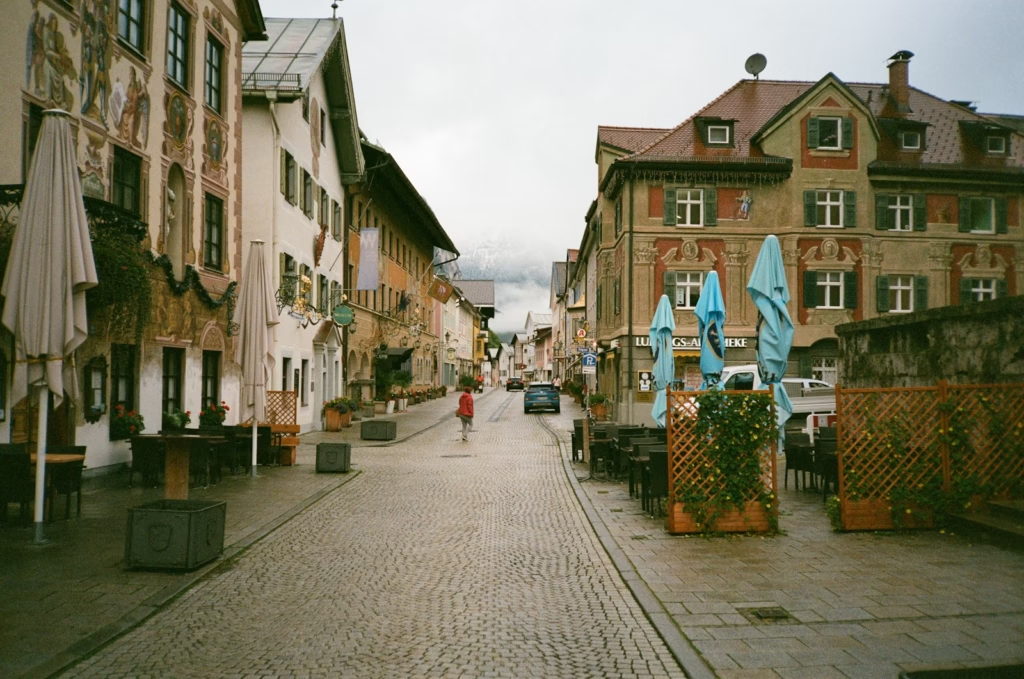
Riding towards Mittenwald brings a different atmosphere. The road south-east from Garmisch-Partenkirchen moves towards the Karwendel, with sharper limestone scenery and a more borderland feel. Mittenwald itself is one of the most attractive towns in the area, known for painted houses, mountain views and its position close to Austria.
For road cyclists, this direction is valuable because it opens up several options. You can ride to Mittenwald and return, continue towards Scharnitz and the Isar source area, or loop towards Leutasch and the Austrian side. The terrain can be rolling rather than brutally steep, but the scenery is full Alpine.
The Mittenwald direction is especially good for riders who like rhythm. It is less about one named climb and more about linked valleys, gradual rises, river roads and mountain walls. It feels like a proper journey, even when the distance is not enormous.
It can also be a good option when bigger climbs are too hot, too wet or too busy. The Karwendel roads give plenty of drama without requiring the kind of high-mountain commitment found further west or south.
The road to Ehrwald and Austria
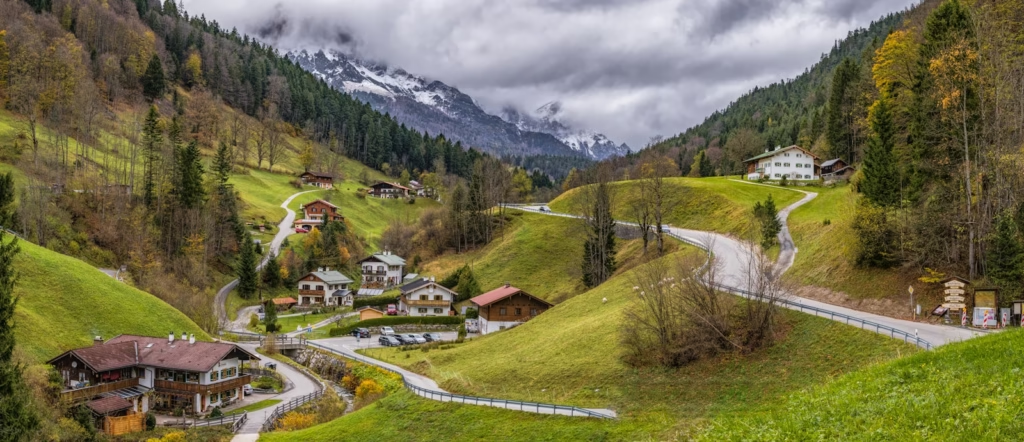
The route from Garmisch-Partenkirchen towards Ehrwald is one of the area’s most obvious cross-border rides. It heads past Grainau and Griesen, then crosses towards Austria, with Zugspitze views and a strong sense of moving through a high Alpine corridor.
This direction is ideal for riders who want a bigger day without needing to build an extreme mountain route. The road has climbing, but the main appeal is the scenery and the sense of transition. You leave Bavaria, move towards Tyrol and see the Zugspitze from another angle.
Ehrwald can be a destination in its own right, or part of a longer loop towards Lermoos, Bichlbach, Leutasch or Mittenwald depending on route choice and fitness. Stronger riders can use this side of the region to build longer Alpine days with significant elevation gain.
It is also a reminder that Garmisch-Partenkirchen is not just a Bavarian cycling base. It is a border cycling base. That changes the atmosphere. One ride can include German valleys, Austrian roads, different village styles and several mountain ranges.
For a deeper look at the Austrian side of this Alpine cycling world, see our guide to cycling in Tirol.
The Liegfeist Mountains road loop
The Liegfeist Mountains route is one of the area’s bigger road-cycling options. The official Garmisch-Partenkirchen tourism route is listed at 122.1km with 1,308 metres of climbing, crossing the border into Austria on well-maintained asphalt roads.
This is the kind of ride that shows what the area can offer to serious road cyclists. It is not just a short scenic spin. It is a long-distance Alpine loop with enough climbing to make pacing matter and enough variety to feel like a proper cycling day.
The attraction is not one single famous climb. It is the accumulation: valley roads, border crossing, Alpine views, rhythm changes, and the need to manage effort over several hours. That makes it a good option for riders who want a memorable day without chasing the hardest possible gradient.
For visitors, it is also a useful benchmark. If you can ride the official Liegfeist Mountains route comfortably, you are well placed to handle most of the road-cycling terrain around Garmisch-Partenkirchen. If it sounds too big, the area has plenty of shorter routes using the same landscape in smaller doses.
Walchensee and Kesselberg
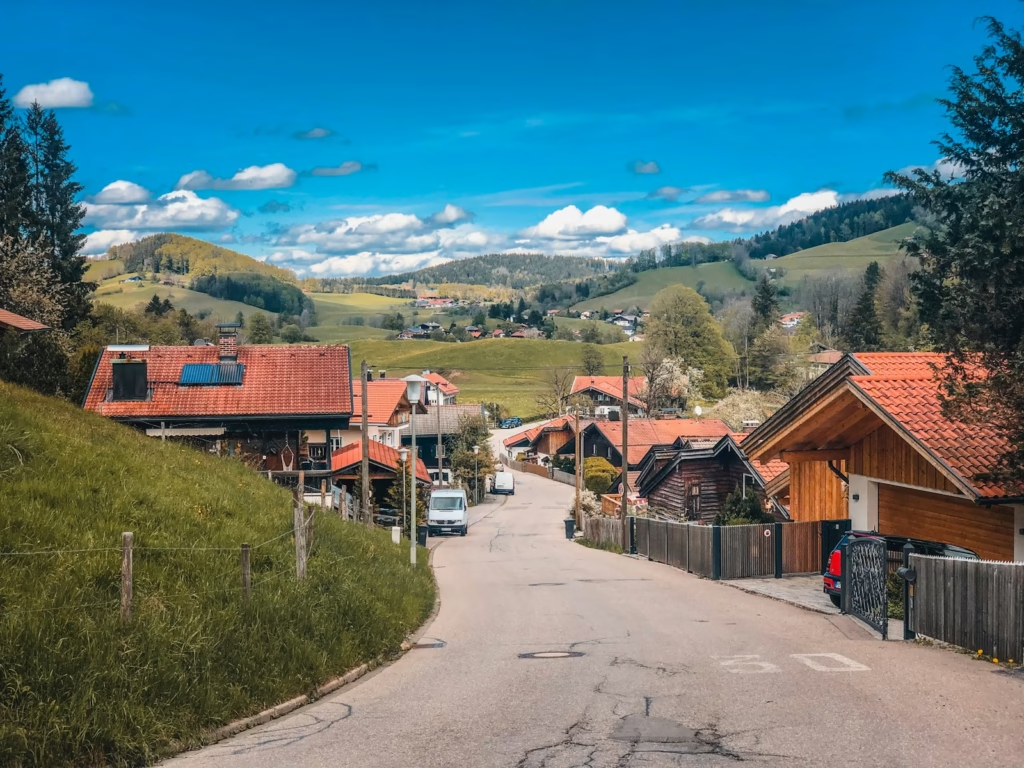
Walchensee is one of the classic road-cycling targets from the Garmisch-Partenkirchen area. The lake itself is spectacular, with clear water, wooded shores and mountain views. The roads around it can feel very different from the immediate Garmisch valley, giving a more open, lake-based Alpine atmosphere.
The Kesselberg climb, linking Kochelsee and Walchensee, is one of Bavaria’s best-known cycling tests. It is not long compared with major Alpine passes, but it has enough gradient, bends and history to feel like a proper climb. It is also popular with motor traffic, especially in good weather, so timing and caution matter.
A Walchensee ride from Garmisch-Partenkirchen can be built as a substantial day. It often involves a mix of larger roads, lake sections, climbing and descending. The scenery is worth it, but it is not the most relaxed option if you are nervous in traffic or descending.
For experienced road cyclists, though, this is one of the routes that makes the region feel special. It combines Bavarian lake scenery with enough climbing to give the ride structure. It is not a soft tourist loop. Done properly, it is a real day out.
Kesselberg: short, sharp and Bavarian
Kesselberg is not a giant Alpine pass, but it has a strong identity. The climb rises from Kochel am See towards Walchensee, using a twisting road that has long been associated with driving, motorbikes and mountain-road culture as much as cycling.
For cyclists, that makes it both attractive and awkward. The gradient is manageable for fit riders, but the road environment needs respect. It can be busy, and it is not a place to switch off. Early starts, quieter days and sensible descending make a big difference.
What Kesselberg offers is intensity. It is compact, scenic and easy to understand. You climb from one lake environment to another, with the reward of Walchensee at the top. The views and bends make it feel more dramatic than its length alone suggests.
If Garmisch-Partenkirchen’s riding is often about broad Alpine atmosphere, Kesselberg gives it a more focused road-climb character. It is one of the clearest “ride this climb” targets within reach of the area.
For riders who like this kind of compact, characterful European terrain, our guide to Limburg and the Amstel Gold region shows how short climbs can still define a cycling destination.
Leutasch and the quiet border roads
The Leutasch valley, across the Austrian border, is one of the best directions for riders who want quieter Alpine roads. From the Garmisch-Partenkirchen area, it can be linked through Mittenwald, Scharnitz or the wider Tyrolean road network.
The appeal here is atmosphere. Leutasch feels less busy than some of the major lake and pass roads, with open valley views, high mountain edges and a calmer riding rhythm. It suits steady endurance riding more than repeated short climbs.
This is also a good area for riders who like cross-border loops. A ride can move from Bavaria into Tyrol, pass through Austrian villages, then return through another valley. That gives the day a sense of travel rather than just training.
Leutasch is not necessarily the hardest riding in the region, but it may be some of the most enjoyable. The roads can feel more spacious, the views are consistently strong, and the traffic pressure can be lower than on the more famous tourist roads.
Partnachklamm, Reintal and the gravel side
Garmisch-Partenkirchen is not only a road-cycling base. The area is excellent for gravel, trekking, e-bike and mountain bike routes, especially for riders who want to move beyond tarmac.
The Partnachklamm and Reintal side is part of that wider riding identity. Some routes are not suitable for a pure road bike, and some sections may require wider tyres, lower gearing or even walking depending on the exact line. But the appeal is clear: forest roads, mountain huts, river valleys and dramatic gorge scenery.
This side of the area is best treated as exploration rather than speed. The surfaces, gradients and pedestrian traffic can vary. It is important to check route access, bike suitability and local restrictions before assuming every path is rideable.
For riders on gravel bikes or e-bikes, though, this is one of the reasons Garmisch-Partenkirchen works so well. The road routes are strong, but the mixed-surface network adds another layer. You can build a trip that includes both café-road loops and quieter mountain tracks.
For a very different kind of gravel and endurance travel inspiration, see our guide to cycling in Hudson Valley and the Catskills.
Eibsee and the lake routes
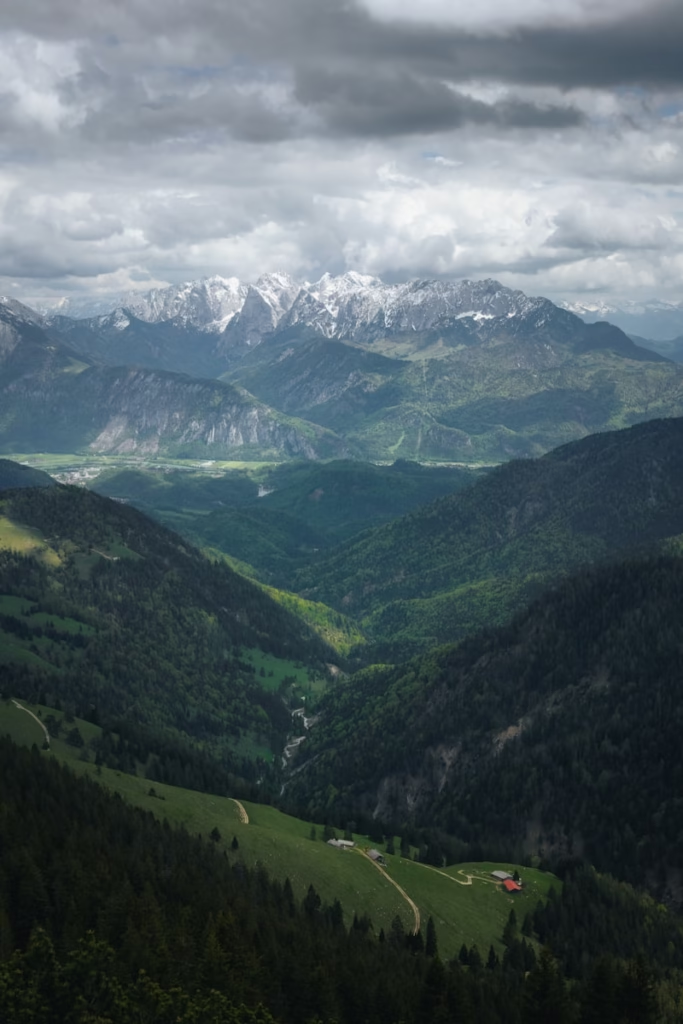
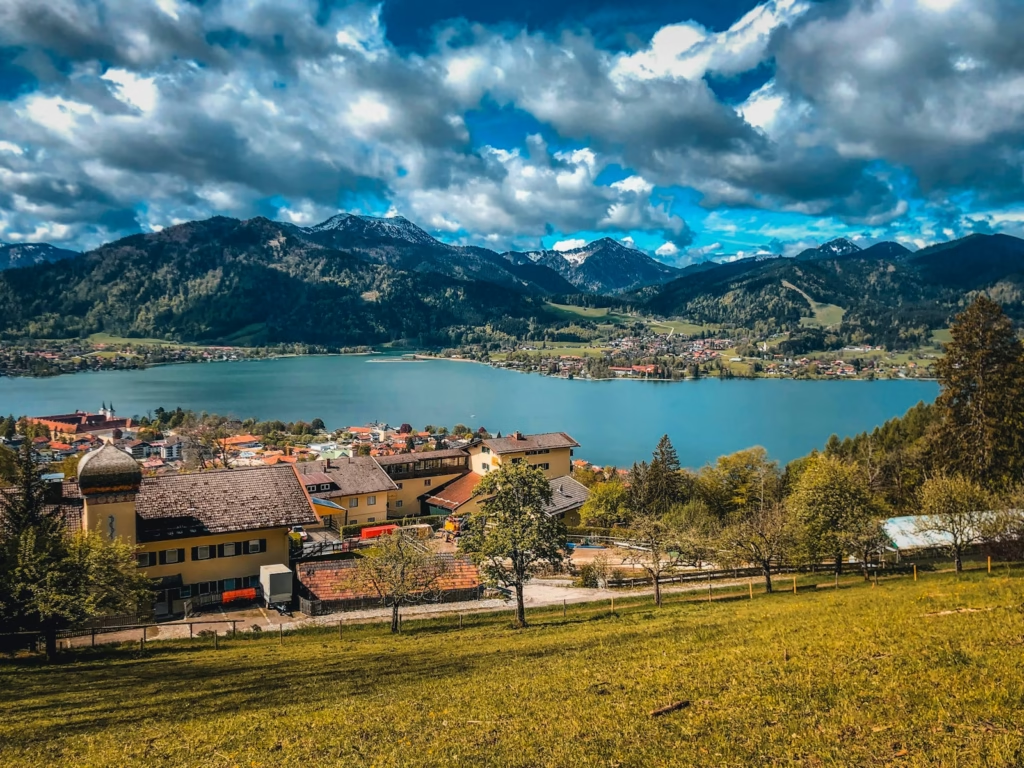
Eibsee is the most famous lake close to Garmisch-Partenkirchen, but it is not the only lake riding experience in the region. Walchensee, Kochelsee, Barmsee and smaller water-side routes all add variety to the area.
Lake rides matter because they change the feel of a cycling trip. After a day of climbing, a route around or towards a lake can feel more relaxed. The roads are often scenic, the stops are obvious, and the views give the ride a natural destination.
Eibsee is the most dramatic because of the Zugspitze backdrop. Walchensee is bigger and can form part of a serious road loop. Kochelsee connects naturally with Kesselberg. Barmsee and the Mittenwald side can fit into easier or mixed rides.
This is one of the biggest advantages of cycling in the Bavarian Alps. The area is not only mountains. It is mountains, valleys, lakes and villages, all close enough to combine within one ride.
That variety gives Garmisch-Partenkirchen a softer edge than some bigger pass-based destinations, closer in mood to the landscape-first appeal of cycling in Aosta Valley than the more famous Tour de France climbs.
What the climbs are like
The climbs around Garmisch-Partenkirchen are varied rather than uniform. Some are short and punchy. Some are steady valley drags. Some are road-bike climbs, while others belong more to gravel, e-bike or mountain bike riding.
Riders expecting the famous long passes of the French Alps may need to adjust. The area does not rely on one Tour de France-style giant. Instead, it offers repeated medium climbs, scenic roads and routes where elevation builds across the day.
That can make the riding deceptive. A route may not include a single terrifying climb, but the repeated rises, false flats and Alpine weather can still make it hard. If you add Walchensee, Kesselberg, Ehrwald or the Austrian side, the metres build quickly.
The best approach is to choose routes by character rather than only by numbers. Do you want a scenic lake climb? Ride towards Eibsee. Do you want a compact road test? Look at Kesselberg. Do you want a longer endurance route? Build towards Liegfeist, Ehrwald or Mittenwald. Do you want quieter mixed surfaces? Explore the gravel and hut routes.
For riders chasing the race-mythology version of Alpine climbing, our Alpine Ascents guide covers several of the better-known high mountain references.
Best climbs and riding areas around Garmisch-Partenkirchen
| Area | Best for | Riding character |
|---|---|---|
| Grainau and Eibsee | Zugspitze views and short climbing | Scenic, accessible, popular |
| Kesselberg | Compact road-climb test | Twisting, busy, rewarding |
| Walchensee | Lake scenery and longer loops | Rolling, scenic, road-bike friendly |
| Mittenwald | Alpine valley riding | Steady, scenic, borderland feel |
| Leutasch | Quieter Austrian roads | Open, calmer, endurance-friendly |
| Ehrwald | Cross-border Alpine riding | Scenic, varied, Zugspitze views |
| Loisach valley | Easier spins and recovery | Flat to rolling, family-friendly |
| Liegfeist loop | Long road-cycling day | 122km, cross-border, sustained |
| Reintal and hut routes | Gravel/e-bike exploration | Mixed-surface, scenic, steeper |
| Murnauer Moos | Gentle nature riding | Open, quiet, less mountainous |
This table sums up why Garmisch-Partenkirchen is such a useful cycling base. It has short scenic climbs, lake routes, border roads, gentle recovery rides and serious all-day loops. The hardest part is not finding a ride. It is choosing the right ride for the weather, legs and bike.
For riders building a wider European travel list, it sits naturally alongside destinations such as the Black Forest, Bernese Oberland and Tirol.
Road cycling in Garmisch-Partenkirchen
Road cycling in Garmisch-Partenkirchen is best when it is planned carefully. The obvious roads are not always the nicest ones, and the nicest routes often use a mix of cycle paths, quieter roads and short connecting sections.
The strongest road options are towards Grainau and Eibsee, Mittenwald and Leutasch, Ehrwald and Austria, Walchensee and Kesselberg, plus longer loops such as the Liegfeist route. These rides can be adapted depending on distance and climbing.
Road riders should be ready for traffic on popular routes. This is a major tourist area, and roads can be busy with cars, buses, motorbikes and camper vans. Early starts make a major difference, especially in summer.
The reward is huge. When the roads are quiet, the riding is superb: clean Alpine air, mountain views, steady gradients, fast valley sections and villages that give natural places to stop. It is the kind of riding where a 70km route can feel richer than a much longer ride somewhere flatter.
Gravel cycling in the Bavarian Alps
Gravel riding around Garmisch-Partenkirchen can be excellent, but it needs more preparation than road cycling. Surfaces can change quickly, and not every scenic track is suitable for every bike.
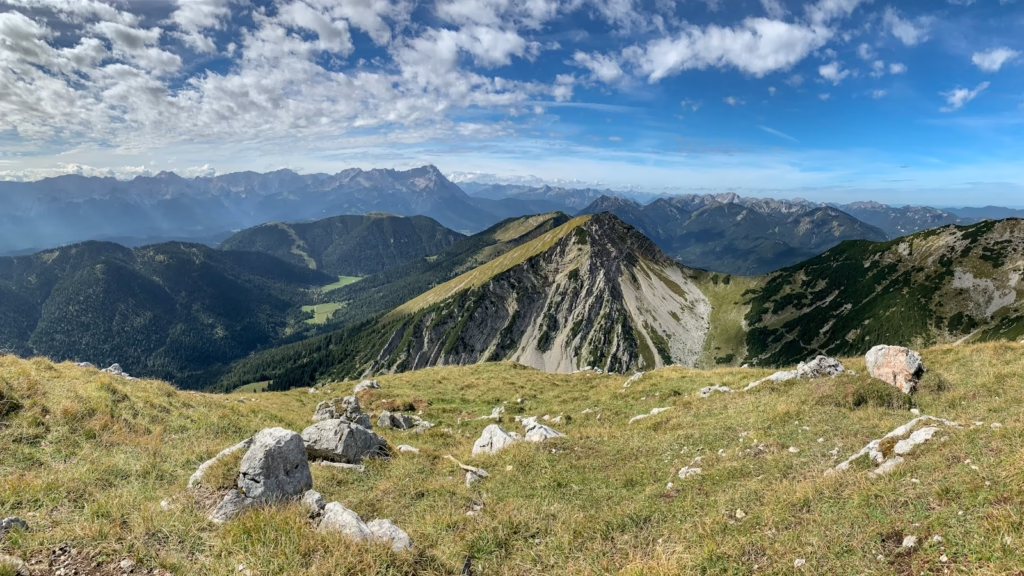
The area around the Zugspitze, Reintal, forest roads and cross-border Tyrolean routes gives gravel riders plenty to work with. Some rides are smooth and manageable. Others include steep ramps, rougher surfaces or sections where a mountain bike might be more comfortable.
This is where tyre choice matters. A light road bike with narrow tyres will limit your options. A gravel bike with sensible gearing and wider tyres opens up more of the region. An e-gravel or e-bike setup can make hut routes and longer mixed-surface days more accessible.
The best gravel rides here are not about speed. They are about reaching quieter places, linking valleys and getting closer to the mountain atmosphere than the main roads allow.
For another example of a destination where the surface and setting shape the ride as much as the headline climb, see cycling in Taroko Gorge and the Taiwan KOM route.
Mountain biking and e-bikes
Garmisch-Partenkirchen has a strong mountain bike and e-bike identity. That is no surprise in a region built around ski slopes, forest roads, huts and Alpine access. For many visitors, an e-bike may actually be the best way to explore the area.
E-bikes make climbs towards huts, lakes and viewpoints more accessible, especially for mixed groups. They also reduce the pressure of trying to turn every ride into a fitness test. In a place like Garmisch, that matters because the landscape rewards looking around.
Mountain bike routes can be more technical, especially where they head into forest, valley or hut terrain. Riders should check route difficulty, access rules and surface type before setting off. Alpine mountain biking is not the same as a gentle towpath ride.
For road cyclists, e-bike and mountain bike culture can be useful too. It means local bike hire, repair options and cycling infrastructure are generally part of the outdoor tourism landscape.
The atmosphere: Bavarian, Alpine and borderland
The atmosphere is one of the strongest reasons to ride in Garmisch-Partenkirchen. The area feels Bavarian, Alpine and borderland all at once.
Bavarian because of the painted houses, church towers, beer gardens, mountain huts, traditional dress and village rhythms. Alpine because of the peaks, ski lifts, weather changes, cowbells and climbing roads. Borderland because Austria is close, and many rides naturally cross or approach the frontier.
That mixture gives cycling here a strong sense of place. It is not anonymous training terrain. A ride might pass through a quiet meadow, a busy ski town, a shaded forest road, a lake shore and an Austrian village in the same day.
The food and stop culture matter too. Café stops, bakeries, huts and beer gardens are part of the riding experience. A Garmisch ride does not need to end with a recovery shake and a spreadsheet. It can end with cake, coffee, dumplings, soup or a beer garden meal under the mountains.
That slower rhythm is part of the appeal. It is a different mood from the volcano roads of Sicily’s Etna region or the race-crowd feel of cycling in Barcelona, but it is just as distinctive.
When to ride in Garmisch-Partenkirchen
The best time for cycling in Garmisch-Partenkirchen is usually late spring to early autumn, with summer offering the broadest access to higher roads and longer daylight. May to September is the safest window for most visiting road cyclists, although conditions can still vary.
Spring can be beautiful, but higher routes may still be affected by snow or cold. Early summer brings green valleys and long days. July and August can be warm and busy, especially around lakes and tourist roads. September may be the best compromise, with cooler temperatures, clearer air and fewer crowds.
Weather is the key variable. Alpine conditions can change quickly. A day that starts warm in the valley can become cold on a shaded descent or high road. Rain can make descents and forested corners more difficult.
For visitors, flexibility is important. Plan a hard route, an easier valley option and a wet-weather alternative. In Garmisch-Partenkirchen, the best cycling trip is the one that adapts to the mountains rather than trying to force a plan through them.
How hard is cycling in the Garmisch-Partenkirchen area?
Cycling here can be easy, moderate or very hard depending on route choice. That is one of the area’s strengths.
A gentle Loisach valley ride can be accessible to casual cyclists. A ride to Grainau or Eibsee gives a manageable taste of climbing. Mittenwald or Leutasch routes can be steady but not extreme. Walchensee and Kesselberg make things more serious. The Liegfeist loop, longer Austrian rides and mixed-surface mountain routes can become genuinely demanding.
The difficulty often comes from accumulation rather than one single climb. Repeated rises, altitude, weather, traffic stress and technical descents all add to the effort. Riders used to flat roads may find the area harder than the headline distances suggest.
The key is to match the route to the rider. Garmisch-Partenkirchen is not only for elite cyclists, but it rewards honesty. Choose the right gearing, carry layers, start early and do not underestimate the effect of the mountains.
For broader context on what makes mountain cycling demanding, see how hard is the Tour de France? and why sprinters suffer in the Tour de France mountains.
Practical tips for riding around Garmisch-Partenkirchen
Start early. This helps with traffic, heat, parking pressure around lakes and afternoon weather changes. It also gives the best light on the mountains.
Plan routes carefully. Use local tourism routes, trusted route platforms and recent rider notes rather than assuming the shortest road is the best road. Some main roads can be busy, while quieter alternatives may be far more pleasant.
Carry layers. Even in summer, descents can feel cold, especially after sweat, rain or cloud. A light jacket or gilet is sensible for longer rides.
Use suitable gearing. The climbs may not all be huge, but repeated gradients can bite. Compact or sub-compact gearing will make the area more enjoyable for most riders.
Watch for motorbikes and tourist traffic. Popular roads such as Kesselberg and lake routes can be busy. Ride defensively and avoid peak times where possible.
Check surfaces if riding gravel. A “bike route” may be fine for e-bikes or mountain bikes but less suitable for a road bike. In the Alps, surface details matter.
Build in stops. Villages, lakes and huts are part of the region’s cycling appeal. A ride here is better when it leaves room for the place itself.
Best rides for a short cycling trip
For a two or three-day trip, it makes sense to mix the riding rather than chasing the hardest route every day.
A good first ride is Garmisch-Partenkirchen to Grainau and Eibsee. It gives the Zugspitze atmosphere, manageable climbing and a clear destination.
A second ride could head towards Mittenwald or Leutasch. This gives a cross-border or Karwendel feel, with more distance and a broader Alpine rhythm.
A third ride could take on Walchensee and Kesselberg if the legs and weather are good. That adds the lake-and-climb character that makes the wider region so rewarding.
For a more relaxed trip, replace Walchensee with a Loisach valley or Murnauer Moos ride. For a harder trip, extend towards Ehrwald, Liegfeist or a longer Austrian loop.
The best Garmisch-Partenkirchen cycling trip is not about ticking off one climb. It is about seeing how many versions of the Bavarian Alps you can fit into a few rides.
Is Garmisch-Partenkirchen good for beginner cyclists?
Yes, as long as beginners choose the right routes. The area has well-developed cycle paths, family-friendly rides and gentler valley options, especially along the Loisach and around flatter local routes.
Beginners should not start with Kesselberg, long Austrian loops or steep hut routes. Those are better left for fitter or more experienced riders. Instead, start with short scenic rides, e-bike routes, valley paths and lake approaches.
E-bikes are a strong option here. They make the landscape more accessible and reduce the stress of gradients. For families or mixed-ability groups, they can turn a difficult area into a very enjoyable one.
The main caution is traffic and navigation. Beginners should avoid busy main roads where possible and stick to signed routes or planned cycle paths. Garmisch-Partenkirchen can be beginner-friendly, but the mountains still demand respect.
Is Garmisch-Partenkirchen good for serious road cyclists?
Yes, but serious road cyclists should understand what kind of place it is. This is not a pure training resort with endless smooth climbs and guaranteed weather. It is a mountain town with varied roads, changing conditions and a mixture of traffic, tourism and Alpine terrain.
The best riders will get a lot from it. The Liegfeist loop, Walchensee and Kesselberg, Mittenwald, Leutasch, Ehrwald and longer Tyrolean extensions can all form serious road days. The elevation builds quickly, and the scenery gives every ride a strong identity.
It is also a good place for riders who like route-building. You can design a recovery day, a threshold climb day, a long endurance loop or a cross-border Alpine ride from the same base.
The limitation is that some of the best riding requires careful timing and route choice. This is not a place to blindly follow main roads at peak tourist hours. Plan well, ride early and the area becomes excellent.
Why the Bavarian Alps feel different from the French Alps
The Bavarian Alps do not feel like the French Alps, and that is part of the appeal.
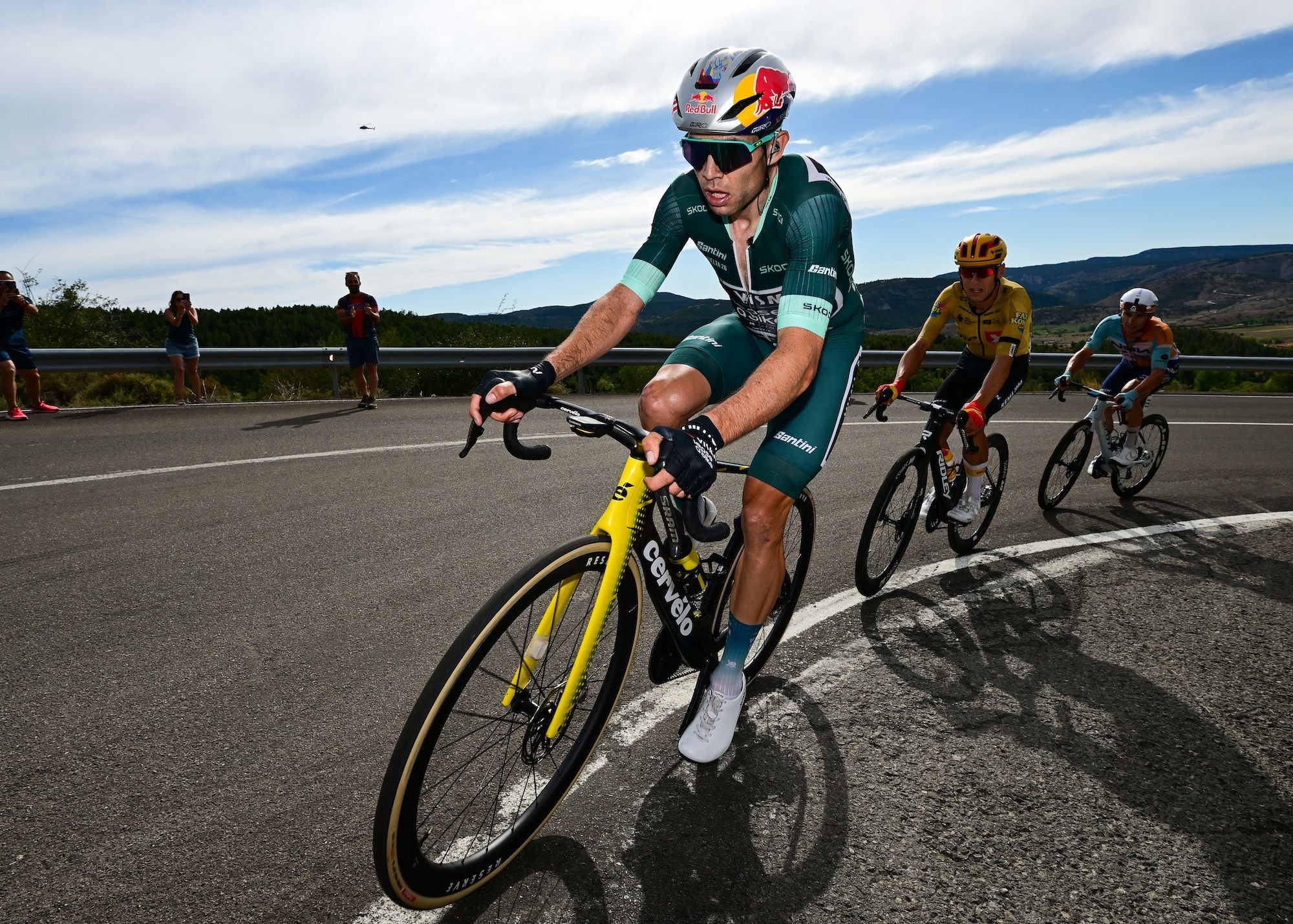
The French Alps are shaped in cycling culture by the Tour de France: Alpe d’Huez, Galibier, Izoard, Madeleine, Croix de Fer. The Bavarian Alps are shaped more by outdoor tourism, ski towns, lakes, huts, border valleys and regional riding culture.
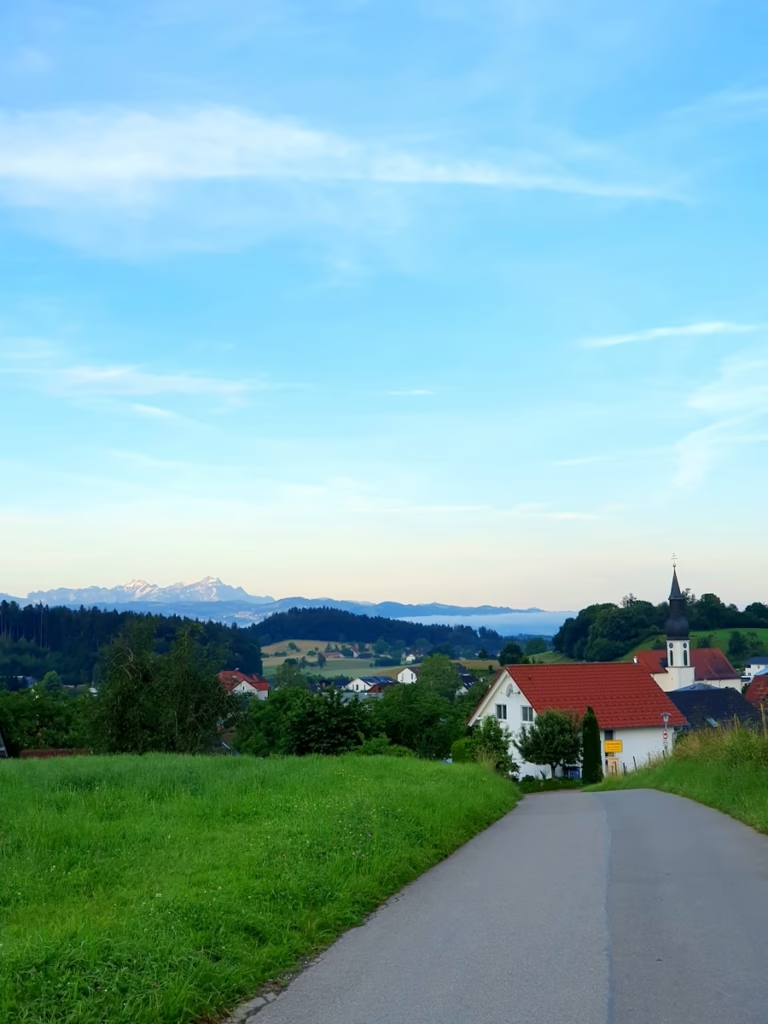
That changes the mood. The climbs around Garmisch-Partenkirchen are less likely to have Tour graffiti, kilometre markers and race mythology. Instead, they have forests, meadows, onion-domed churches, Alpine farms and roads that feel shared between cyclists, hikers, drivers, skiers, e-bikers and motorbikes.
For some riders, that may make the area less iconic. For others, it makes it more interesting. You are not only riding through cycling history. You are riding through a living Alpine landscape.
That is what makes the Garmisch-Partenkirchen area special. The cycling is good, but the place is what makes it memorable.
For the more Tour-shaped version of Alpine cycling, see our guides to cycling in Briançon and Serre-Chevalier, A history of the Col du Galibier at the Tour de France and A history of Alpe d’Huez at the Tour de France.
Cycling in Garmisch-Partenkirchen verdict
Cycling in the Bavarian Alps around Garmisch-Partenkirchen is about variety, scenery and atmosphere. It is not defined by one famous climb or one race. It is defined by the way the roads move between valleys, lakes, forests, villages and the huge presence of the Zugspitze.
The best rides are not always the hardest. A short ride to Eibsee can be as memorable as a long road loop. A gentle spin through the Loisach valley can show the mountains at their best. A cross-border ride towards Ehrwald or Leutasch can feel like a proper Alpine journey. Walchensee and Kesselberg add a sharper road-cycling edge.
This is a destination for riders who like their cycling with a strong sense of place. The climbs matter, but so do the meadows, lakes, huts, weather, villages and mountain views. Garmisch-Partenkirchen gives you all of that in a compact, rideable area.
For road cyclists, gravel riders, e-bike tourists and mixed groups, it is one of the most rewarding cycling bases in the Bavarian Alps.
For more cycling travel features, visit our Travel & Riding Abroad hub, Cycling in Rest of Europe hub, Cycling in the Black Forest from Freiburg and Cycling in Bernese Oberland.