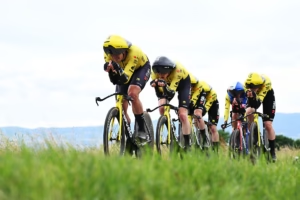
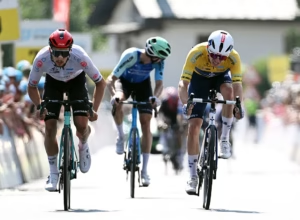
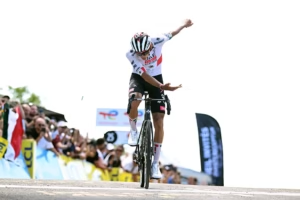
The Tour de France 2026 route has five official summit finishes, but the race’s climbing story is wider than that. Gavarnie-Gèdre, Plateau de Solaison, Orcières-Merlette and Alpe d’Huez twice form the official summit-finish list. Around them sit several uphill or mountain finishes, including Les Angles, Le Lioran and Le Markstein Fellering, which may not all be counted as summit finishes by the organiser but will still shape the race.
That distinction matters. A summit finish is normally the cleanest GC battleground: the road rises to the line, there is no descent afterwards, and any weakness is immediately converted into time loss. But some uphill finishes are more subtle. Les Angles comes after a Pyrenean approach and ends with a short climb. Le Lioran has a rolling mountain-finish character. Le Markstein Fellering arrives after repeated Vosges climbing and a final pass over the Col du Haag before a short run to the finish.
The official five summit finishes still define the route’s hierarchy. Stage 6 to Gavarnie-Gèdre brings the first high-mountain finish after the Aspin and Tourmalet. Stage 15 to Plateau de Solaison gives the race a brutal debut climb before the second rest day. Stage 18 to Orcières-Merlette opens the Alpine trilogy. Stages 19 and 20 then double down on Alpe d’Huez, first by the classic road and then through the Col de Sarenne after the Croix de Fer, Télégraphe and Galibier.
For the full stage-by-stage context, see our Tour de France 2026 full route guide, the Tour de France 2026 route analysis and our guide to the Tour de France 2026 mountain stages ranked by difficulty. The official race overview is also available on the Tour de France 2026 route page.
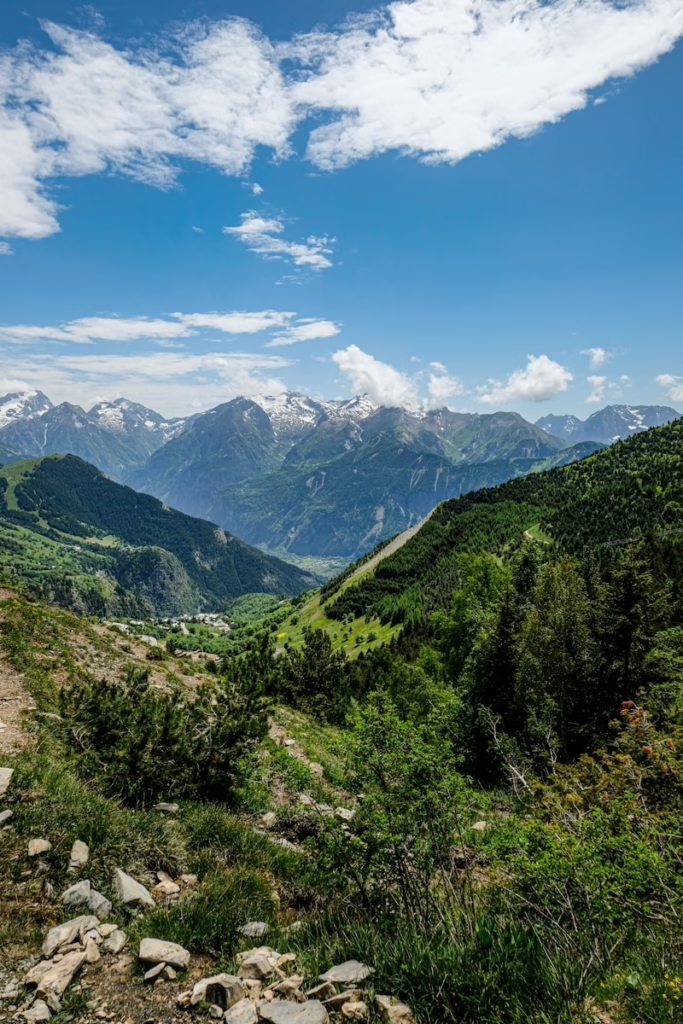
How many summit finishes are in the Tour de France 2026?
There are five official summit finishes in the Tour de France 2026:
Stage 6: Pau to Gavarnie-Gèdre
Stage 15: Champagnole to Plateau de Solaison
Stage 18: Voiron to Orcières-Merlette
Stage 19: Gap to Alpe d’Huez
Stage 20: Le Bourg d’Oisans to Alpe d’Huez
The route also includes several uphill or mountain finishes that are not part of that official summit-finish count. Stage 3 finishes at Les Angles, stage 10 finishes at Le Lioran, and stage 14 finishes at Le Markstein Fellering. Those stages could still create GC gaps, but the organiser’s official route summary separates them from the five listed summit finishes.
That gives the 2026 Tour a layered mountain structure. The first proper summit finish arrives early in the Pyrenees, the middle of the race builds through the Massif Central, Jura and Vosges, and the final Alpine block delivers three summit finishes in four days after the stage 16 time-trial.
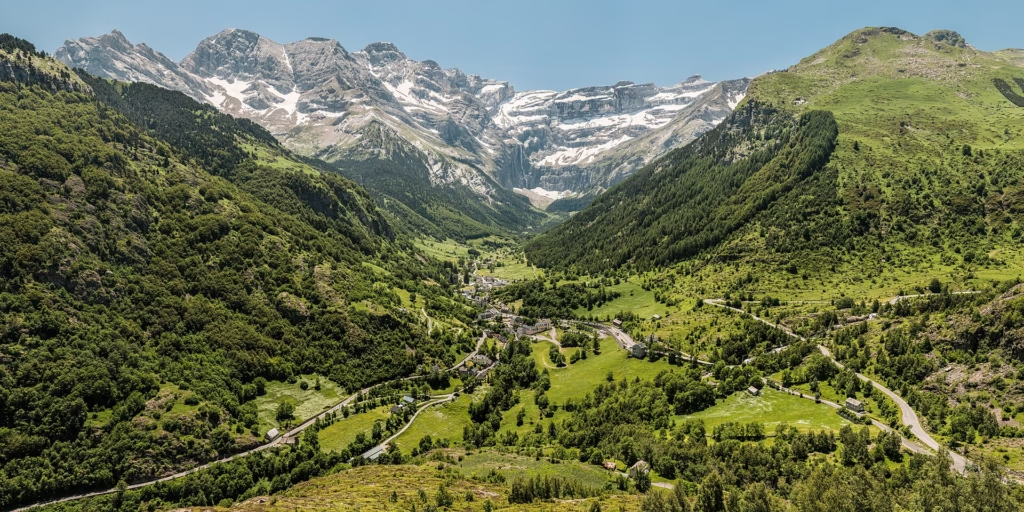
Stage 6: Pau to Gavarnie-Gèdre
Stage 6 is the first official summit finish of the 2026 Tour de France and the first major mountain test of the race. The stage runs from Pau to Gavarnie-Gèdre over 186.2km, with the Col d’Aspin, Col du Tourmalet and the final climb to Gavarnie-Gèdre giving the race its first clear GC checkpoint.
The final climb is 18.7km at 3.7 per cent. That average is deceptive. It is long and rolling rather than brutally steep, which means it may not automatically produce huge gaps if the favourites are evenly matched. The damage could come from the whole sequence rather than the final climb alone.
The key feature is the Tourmalet. At 17.1km and 7.3 per cent, the Tourmalet is the first hors catégorie climb of the race and comes before the final climb rather than at the finish. That makes stage 6 tactically interesting. If the GC teams ride the Tourmalet hard, Gavarnie-Gèdre becomes the end of a long attritional mountain day. If they hold back, the stage may favour a breakaway or a late move from a smaller group.
This is the kind of summit finish where the race could reveal weakness without necessarily settling the hierarchy. A rider who loses 30 seconds here may not be finished, but a rider who looks uncomfortable over the Tourmalet and then struggles on the final climb will immediately raise questions.
For the yellow jersey contenders, the first task is not necessarily to win the stage. It is to avoid being exposed before the race has even reached the second week.
Why Gavarnie-Gèdre matters
Gavarnie-Gèdre matters because of timing. It comes on stage 6, before the race has settled into a predictable pattern. The opening Barcelona team time-trial, Montjuïc finale and early Pyrenean stages mean the GC could already have gaps before the first true summit finish, but this is the day where the climbers must show themselves.
It also gives the Pyrenees a different role from some recent editions. Rather than appearing late as a final battleground, they arrive early as a sorting mechanism. Riders who are undercooked, poorly supported or still recovering from the opening days may be found out quickly.
The climb itself may not be savage enough to blow the race apart, but its setting after Aspin and the Tourmalet means the stage has depth. It could be a day for a breakaway if the favourites hesitate, but it could also become a controlled GC test if one of the major teams wants to draw early blood.
Gavarnie-Gèdre is unlikely to decide the Tour on its own. It may decide who is already in trouble.
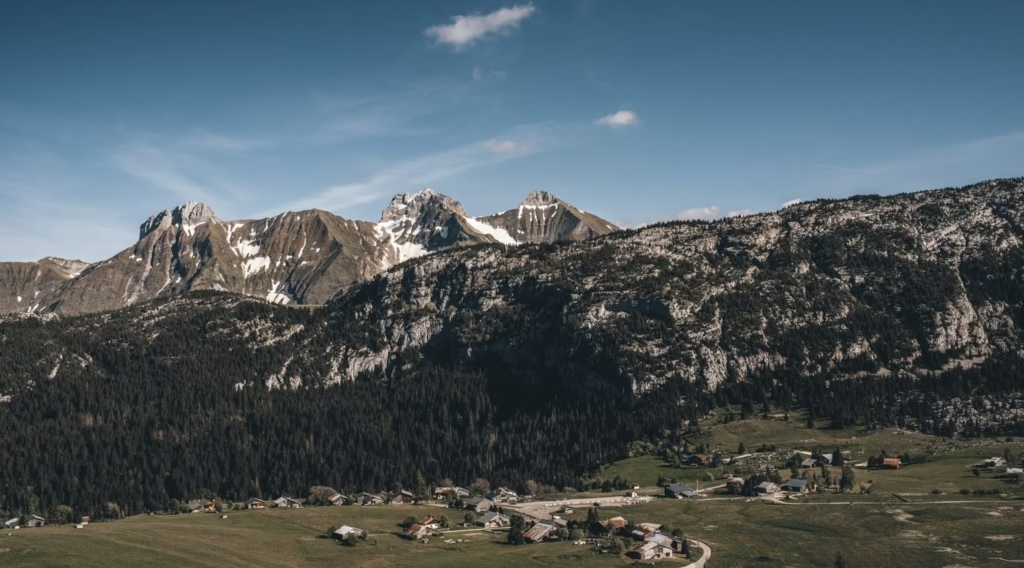
Stage 15: Champagnole to Plateau de Solaison
Stage 15 is the second official summit finish and one of the most important stages before the second rest day. The route runs from Champagnole to Plateau de Solaison over 183.9km, with 3,950m of climbing and a final ascent that is far more severe than Gavarnie-Gèdre.
The final climb to Plateau de Solaison is 11.3km at 9 per cent and is rated hors catégorie. This is the first summit finish on the route where the final climb alone looks capable of creating major GC damage. There is no need for tactical imagination if a rider is stronger here. The gradient is hard enough to force separation through pace alone.
Before that, the stage includes the Côte des Rousses, the Le Salève – Col de la Croisette and the Côte du Mont. The Col de la Croisette is particularly important, at 4.7km and 11.2 per cent. It comes late enough to soften the race before the final climb, and its steepness means teams could begin isolating rivals before Solaison itself.
The stage sits just before the second rest day, which often encourages risk. Riders who are still close on GC may be willing to spend everything, knowing there is no stage the following day. Riders already behind may see this as the first obvious chance to make a major move before the Alpine finale.
Plateau de Solaison is not a famous Tour de France summit in the way Alpe d’Huez is. That makes it more dangerous. There is less mythology, but the numbers are severe, and the climb arrives at a perfect point for a race reset.
Why Plateau de Solaison could be the first decisive finish
Plateau de Solaison could be the first summit finish where the Tour genuinely breaks open. Gavarnie-Gèdre is long but rolling. Solaison is shorter, steeper and more direct. If the strongest climbers want to make a real selection, this is the first finish that gives them the gradient to do it cleanly.
The stage also comes after the race has already built fatigue through Barcelona, the Pyrenees, the Massif Central, the Jura and the Vosges. By stage 15, weaknesses are less likely to be hidden. A rider who climbs poorly here cannot easily blame opening-week nerves or positioning. The Tour will be deep enough for form and recovery to matter.
The placement before the rest day adds another layer. Teams may push harder because they know the next day offers recovery. That can turn a hard summit finish into a full GC confrontation rather than a controlled day of damage limitation.
If the GC is close before stage 15, Plateau de Solaison could create the first real reshuffle. If one rider is already dominant, it becomes a chance to tighten control before the final week.
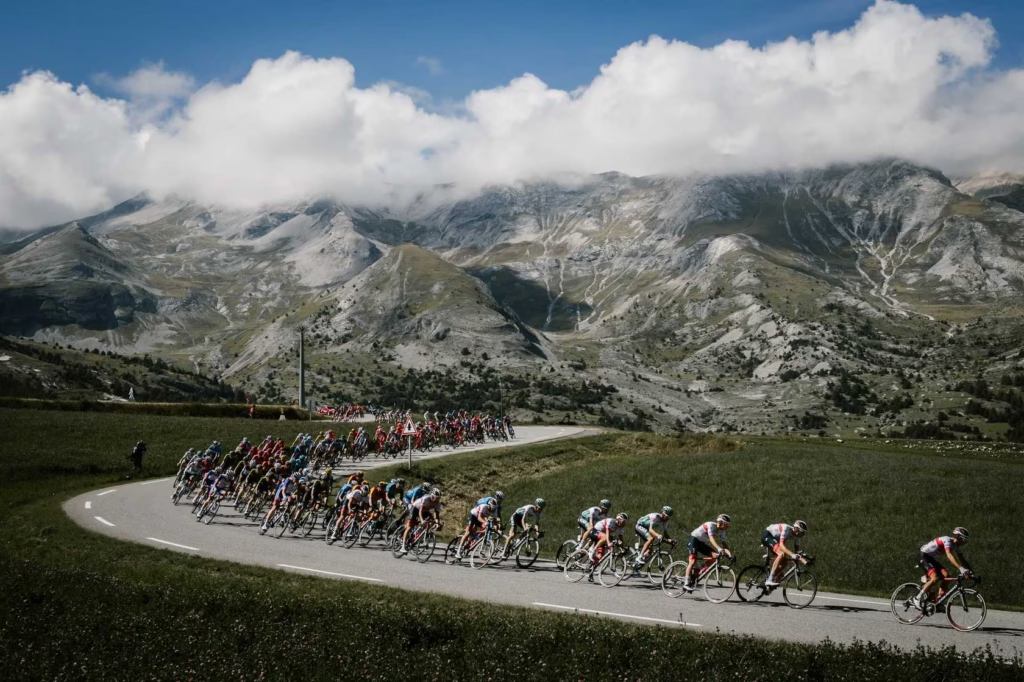 Photo Credit: A.S.O./Pauline Ballet
Stage 18: Voiron to Orcières-Merlette
Stage 18 is the first summit finish after the second rest day and the first part of the Alpine trilogy. The route runs from Voiron to Orcières-Merlette over 185.2km, with 3,900m of climbing and a final first-category ascent to the line.
The final climb is 7.1km at 6.7 per cent. That makes it shorter and less severe than Plateau de Solaison or Alpe d’Huez, but its position in the race gives it significance. It comes immediately after the stage 16 individual time-trial and stage 17’s transition day to Voiron. The GC order may have been reshaped by the clock before the climbers reach Orcières-Merlette.
The earlier climbs on stage 18 include the Côte d’Engins, Côte de Monteynard, Côte des Terrasses and Côte de Saint-Léger-les-Mélèzes. This is a day of accumulated climbing rather than a single brutal final wall. The final ascent should be hard enough for attacks, but the gaps may depend on how aggressively the race is ridden before the foot of the climb.
Orcières-Merlette is the kind of summit finish where riders may test rather than gamble everything. The two Alpe d’Huez stages still follow. Anyone leading the race will want to avoid overextending. Anyone who lost time in the stage 16 time-trial may need to start taking risks.
It is not the hardest summit finish of the Tour, but it is the doorway into the final mountain block.
Why Orcières-Merlette is a tactical summit finish
Orcières-Merlette is important because it forces decisions after the time-trial. If a climber has lost time against the clock, waiting for Alpe d’Huez may be too conservative. If a time-triallist has gained time, the goal may be to defend and survive until the final weekend.
That creates a different tactical mood from Solaison. Stage 18 may not be about the strongest rider simply riding everyone off the wheel. It may be about who needs to race, who can wait, and who wants to test the legs before the double Alpe d’Huez finale.
The final climb is long enough to matter but not so brutal that it guarantees huge gaps. That can produce a tense, watchful finish. A short acceleration could take bonus seconds or a small margin. A full GC collapse is less likely unless a rider is already struggling after the time-trial.
The stage’s real value may be psychological. If a favourite looks comfortable here, they carry confidence into the final two mountain stages. If they look vulnerable, the whole race changes before Alpe d’Huez.

Stage 19: Gap to Alpe d’Huez
Stage 19 brings the first of two consecutive finishes on Alpe d’Huez. The route from Gap to Alpe d’Huez is 127.9km with 3,500m of climbing, making it short, sharp and dangerous. It uses a more traditional approach to the climb, finishing with the classic 13.7km ascent at 8.1 per cent.
Before Alpe d’Huez, the riders face the Col Bayard, Col du Noyer and Col d’Ornon. The Col du Noyer is particularly demanding at 7.2km and 8.5 per cent, while the Col d’Ornon comes late enough to affect positioning before the final valley approach.
The final climb is the classic Alpe d’Huez ascent: 21 hairpins, a relentless opening section, and a rhythm that has decided some of the most famous days in Tour history. It is a climb that rewards both pacing and nerve. Go too hard on the lower slopes and the middle section can feel endless. Wait too long and the chance to create real gaps may disappear.
Stage 19 is short enough to invite aggressive racing, but the following day is even harder. That is the tactical tension. Riders who are behind cannot wait forever. Riders who are close to the lead may want to attack. But nobody can ignore what stage 20 still has in store.
This is not just a summit finish. It is the first half of a two-day Alpe d’Huez examination.
Why the first Alpe d’Huez finish is so important
The first Alpe d’Huez stage matters because it sets the terms for the penultimate mountain day. If a rider dominates stage 19, they may force rivals into desperation on stage 20. If the GC remains close, the final mountain stage becomes even more explosive.
The classic Alpe d’Huez climb is also easier to understand tactically than the Sarenne version that follows. Teams know the road. Riders know the gradients. The crowds, heat, noise and hairpins are all part of the challenge. It is not a climb where a rider can claim ignorance.
Because stage 19 is only 127.9km, it may be ridden at high intensity from the start. A strong breakaway could go clear, but the GC teams are unlikely to ignore the first Alpe d’Huez finish. This is a day where the fight for the stage and the fight for yellow may collide.
If the race is already split by stage 19, this could be a consolidation day for the leader. If the gaps are small, it could be the most nervous summit finish of the race.
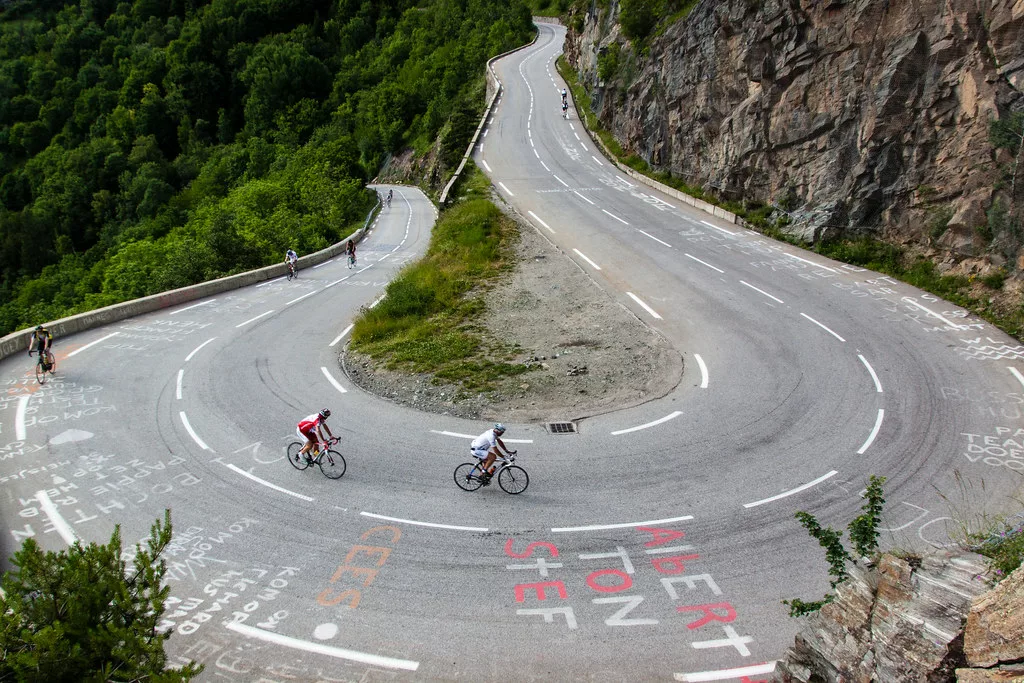
Stage 20: Le Bourg d’Oisans to Alpe d’Huez
Stage 20 is the biggest summit finish of the Tour de France 2026 and probably the queen stage. The route runs from Le Bourg d’Oisans to Alpe d’Huez over 170.9km with 5,450m of climbing on the official stage page, while the organiser’s stage presentation describes the day as pushing beyond 5,600m of vertical gain. Either way, it is the hardest climbing day of the race.
The stage includes the Col de la Croix de Fer, Col du Télégraphe, Col du Galibier and Col de Sarenne before finishing at Alpe d’Huez. That is an enormous final mountain sequence, and it comes on the penultimate day of the Tour.
The key twist is the route into Alpe d’Huez. Rather than using only the classic 21-hairpin road, stage 20 reaches the ski station via the Col de Sarenne. The Sarenne is listed as 12.8km at 7.3 per cent and is rated hors catégorie. It has only been used by the Tour in a very different way before, most notably as a descent in 2013. In 2026, it becomes the road into the final summit finish of the race.
That gives stage 20 a different identity from stage 19. The previous day is the classic Alpe d’Huez test. Stage 20 is the brutal mountain marathon, the one with altitude, accumulated fatigue and the possibility of a race-changing move long before the finish.
If the yellow jersey is still undecided, this is where the Tour will be won.
Why stage 20 is the biggest summit-finish day
Stage 20 is the biggest summit-finish day because it combines everything: distance, elevation, altitude, history, novelty and placement. It comes after three weeks of racing, after the stage 16 time-trial, after Orcières-Merlette, and after the first Alpe d’Huez finish. There is nowhere left to save energy.
The Col de la Croix de Fer is already a major climb. The Télégraphe and Galibier combination adds altitude and fatigue. The Sarenne then gives the race a fresh way into Alpe d’Huez. By the time the riders reach the final section, the stage may already have been broken into fragments.
This is the finish where teams matter most. A leader isolated before the Galibier could be in serious trouble. A team with multiple climbing domestiques can control the pace, place riders up the road or force rivals into chasing too early. A rider who needs to overturn the race may have to attack before the final climb, because waiting until the last few kilometres may not be enough.
The penultimate-day placement makes it even more severe. There is no mountain stage afterwards. The final stage to Paris may include Montmartre, but it is not a GC mountain stage in the same way. Stage 20 is the last true climbing battlefield.
For a deeper look at the final weekend, see our guide to why back-to-back Alpe d’Huez finishes could define the Tour de France 2026 and our Tour de France 2026 queen stage guide. The same route is also being used for L’Étape du Tour de France 2026, underlining how severe the stage is for both professionals and amateur riders.
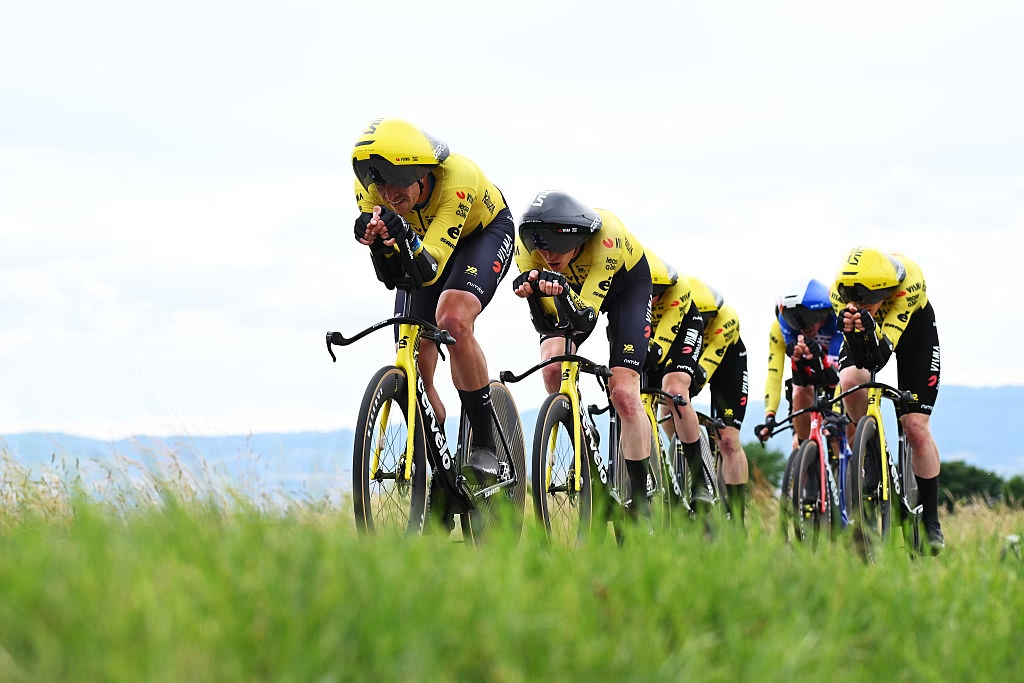
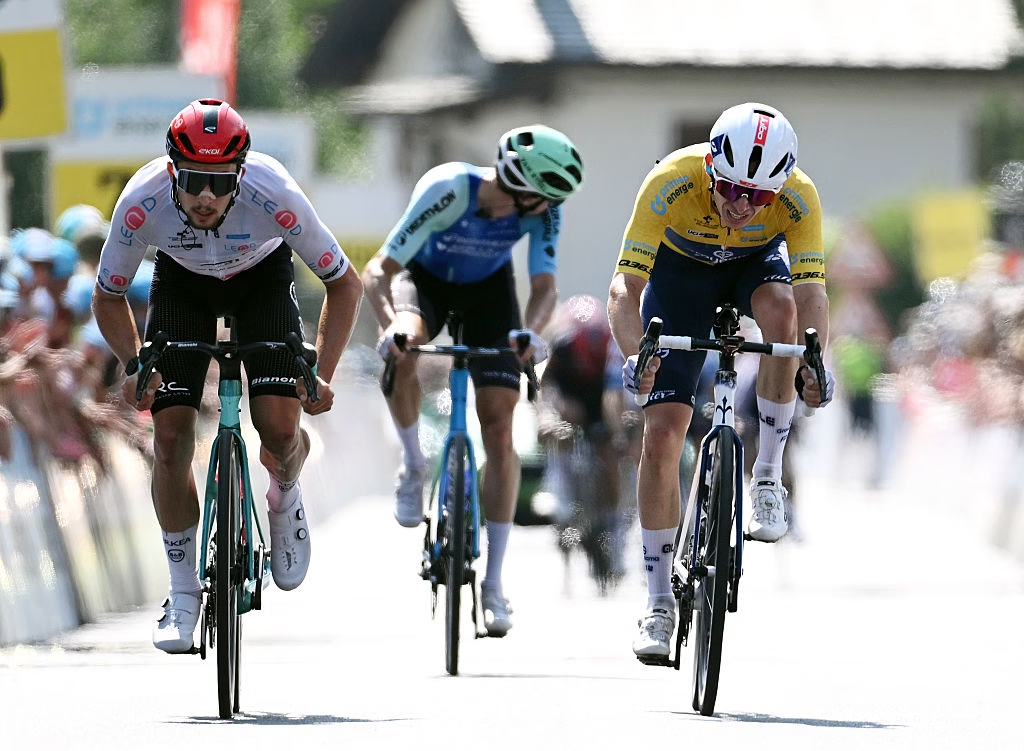
The uphill finishes that are not official summit finishes
The official summit-finish count is five, but the 2026 route includes other uphill finishes that could still matter.
Stage 3 finishes at Les Angles after 195.9km. The final listed climb is 1.8km at 6.5 per cent, and the stage also includes the Col de Toses and Col du Calvaire. It is not listed among the official summit finishes, but it is still an early mountain-resort finish and could create small gaps.
Stage 10 finishes at Le Lioran after the first rest day. It is a mountain stage in the Massif Central and could suit attackers, puncheurs and GC riders willing to move on rougher terrain. It is more of a rolling mountain finish than a pure summit-finish test.
Stage 14 finishes at Le Markstein Fellering after 155.3km and 3,800m of climbing. The final categorised climb is the Col du Haag, 11.2km at 7.3 per cent, before the short run to the line. This is not counted among the five official summit finishes, but it could be one of the most dangerous GC days before Plateau de Solaison.
Those stages are important because they blur the line between summit finish and uphill finish. The Tour is not only decided on roads that end exactly at the top of a categorised climb. It is often decided by accumulated difficulty, poor positioning, a team caught short, or a rider forced to respond when the gradient is already hurting.
Ranking the summit finishes by difficulty
Stage 20 to Alpe d’Huez via Sarenne is the hardest summit-finish stage. It has the most climbing, the hardest approach, the Galibier, the Sarenne and the penultimate-day position. If the Tour is close, this is the most likely stage to decide it.
Stage 15 to Plateau de Solaison is probably the hardest final climb in isolation. The 11.3km at 9 per cent makes it a severe summit finish, and the steep Col de la Croisette before it gives the stage an extra edge. It may be the first summit finish where major gaps are highly likely.
Stage 19 to Alpe d’Huez is third, not because Alpe d’Huez is easy, but because the overall stage is shorter and less loaded than stage 20. The classic climb remains one of the most reliable GC separators in the sport.
Stage 6 to Gavarnie-Gèdre comes next. The final climb is long but rolling, but the stage includes the Aspin and Tourmalet before it. Its difficulty comes from the sequence rather than the last climb alone.
Stage 18 to Orcières-Merlette is the least severe of the official summit finishes in pure climbing terms. The final climb is 7.1km at 6.7 per cent, which should create gaps if the race is hard, but it may not be as decisive as the steeper finishes unless someone is already under pressure.
For a wider hierarchy of all climbing days, see our Tour de France 2026 mountain stages ranked by difficulty.
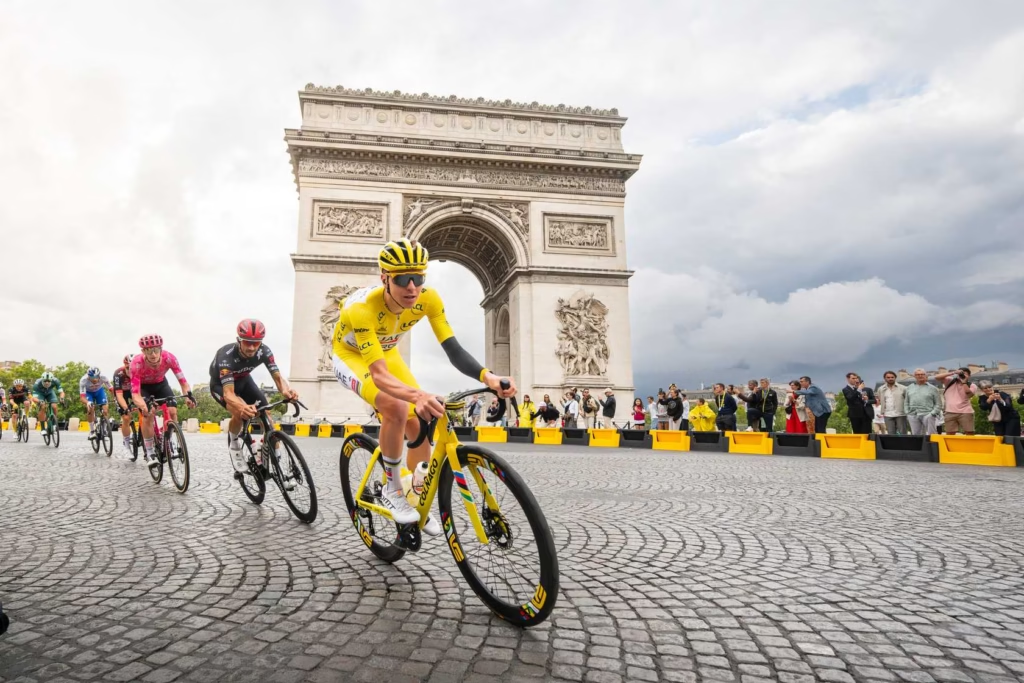 Photo Credit: A.S.O./Charly López
Which summit finish matters most for the yellow jersey?
Stage 20 matters most because it comes last and is the hardest. A rider leading the Tour after stage 19 still has to survive Croix de Fer, Télégraphe, Galibier, Sarenne and Alpe d’Huez. That is a huge final examination.
Stage 15 may be the next most important. Plateau de Solaison comes before the second rest day and has the gradient to reshape the race before the Alpine trilogy. If a contender is weak there, the Tour could become very difficult to recover.
Stage 6 matters because it arrives early. It may not create the biggest gaps, but it can identify who is not ready. Stage 18 matters because it comes after the time-trial and begins the final mountain sequence. Stage 19 matters because it can force the final-day tactics: attack on stage 20, defend on stage 20, or survive on stage 20.
The summit finishes do not work in isolation. They form a chain. Gavarnie-Gèdre introduces the high mountains. Plateau de Solaison gives the race its first brutal uphill finish. Orcières-Merlette restarts the fight after the time-trial. Alpe d’Huez then decides whether the race ends as a controlled defence or a final Alpine explosion.
What kind of rider does this route suit?
The 2026 summit finishes suit a complete climber rather than a rider who specialises in only one kind of ascent.
Gavarnie-Gèdre rewards endurance after a long Pyrenean day. Plateau de Solaison rewards steep climbing power. Orcières-Merlette rewards timing and repeatability after the time-trial. Alpe d’Huez rewards pacing, heat management and the ability to handle pressure. Stage 20 via Sarenne rewards everything: altitude, recovery, team strength, climbing depth and mental resilience.
That should suit riders such as Tadej Pogačar, Jonas Vingegaard and Remco Evenepoel if all arrive in top condition, but the route also leaves space for climbers who can recover well and attack repeatedly. It is not a Tour that can be won with one good mountain day. The summit finishes are spread across the race in a way that demands repeated answers.
It also places huge pressure on teams. A rider can be the strongest climber in isolation and still lose time if isolated before the final climbs. Stage 20 in particular looks like a day where domestiques may decide whether the leader gets to race on his own terms or is forced into survival.
For the broader climbing battle, our Tour de France 2026 climbers guide looks at the riders who could shape the mountain classification as well as the GC race. Our Tour de France 2026 GC favourites ranked also sets out how the main overall contenders match up with this route.
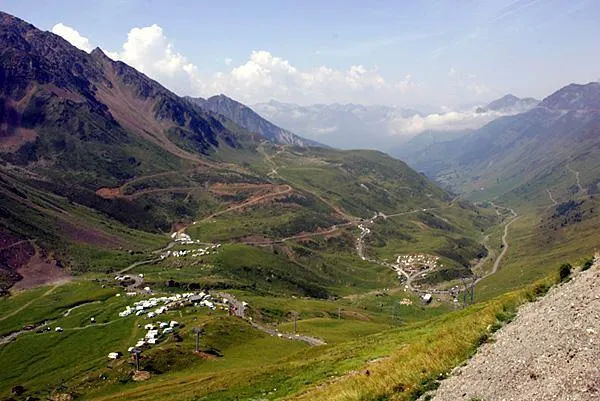
What fans should watch for
The key on stage 6 is how the favourites handle the Tourmalet before Gavarnie-Gèdre. If the race is controlled there, the final climb may be more about positioning and late attacks. If the Tourmalet is ridden hard, Gavarnie-Gèdre becomes much more dangerous.
On stage 15, watch the Col de la Croisette and the approach to Plateau de Solaison. A team that wants to isolate rivals will not wait until the final climb. The steepness before Solaison gives them a chance to break the race earlier.
On stage 18, watch who needs to attack after the time-trial. The final climb may not be the hardest of the race, but it could reveal which riders are desperate and which riders are confident enough to wait.
On stage 19, watch the lower slopes of Alpe d’Huez. The classic climb often makes riders pay for bad pacing early. If a leader is isolated by the first few hairpins, the stage could become much more serious than expected.
On stage 20, watch everything before the finish. Croix de Fer, Télégraphe, Galibier and Sarenne make this a stage where the decisive move may come well before Alpe d’Huez itself. Waiting until the final kilometres may be too late for anyone who needs to overturn the race.
UK viewers can follow the race through our how to watch Tour de France 2026 in the UK guide, while the race-wide hub is available at our Tour de France page.
Tour de France 2026 summit finishes summary
The Tour de France 2026 has five official summit finishes: Gavarnie-Gèdre on stage 6, Plateau de Solaison on stage 15, Orcières-Merlette on stage 18, and Alpe d’Huez on stages 19 and 20.
The hardest final climb in isolation may be Plateau de Solaison, at 11.3km and 9 per cent. The hardest overall summit-finish stage is likely stage 20, with the Croix de Fer, Télégraphe, Galibier, Sarenne and Alpe d’Huez packed into the penultimate day. The most symbolic finish is Alpe d’Huez on stage 19, using the classic climb before the race returns to the mountain through a very different route the next day.
The official summit finishes are only part of the story. Les Angles, Le Lioran and Le Markstein Fellering are not in the organiser’s five-summit-finish count, but they still add climbing pressure across the race. That is what makes the 2026 route so demanding. It does not simply save everything for the Alps. It builds gradually, finds early cracks in the Pyrenees, tests legs in the middle of the race, then asks the yellow jersey contenders to survive one of the hardest final mountain weekends in recent Tour history.