
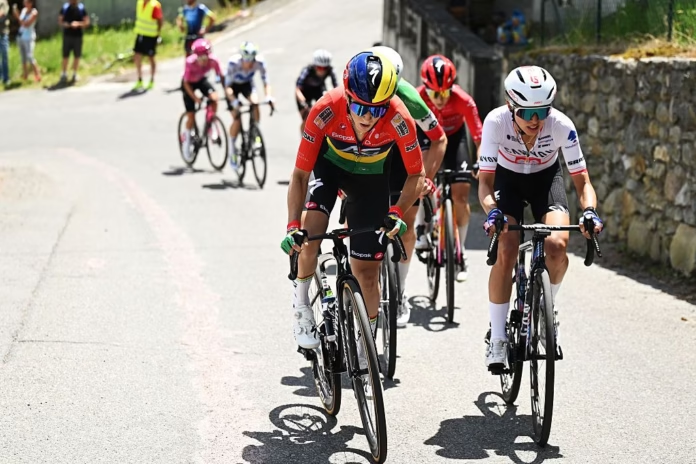
The Tour de Suisse Women 2026 reaches Bad Ragaz on Friday, 19th June, with the race already shaped by two selective opening days and Elisa Longo Borghini’s stage 2 victory in Locarno. After Femke de Vries won from the breakaway on stage 1 and Longo Borghini struck on stage 2, stage 3 gives the peloton a different kind of problem: can anyone bring the race back under control?
Bad Ragaz to Bad Ragaz is 120.3km with 1,330m of climbing, and it is officially the easiest stage of the week. It is listed as a flat stage with a 1/5 difficulty rating, making it the clearest opportunity for the sprinters before the Tour de Suisse Women turns towards the stage 4 time-trial in Aarburg and the final mountain stage in Villars-sur-Ollon.
That does not mean it will be simple. This race has already rewarded aggression, and the start list is full of teams without a guaranteed sprint favourite. A bunch finish is the most obvious outcome on paper, but the stage still has enough climbing and enough tactical uncertainty to give breakaway riders a chance if the sprint teams hesitate.
For wider race context, see our Tour de Suisse Women 2026 full route guide, the full start list for Tour de Suisse Women 2026, our Tour de Suisse Women 2026 contenders preview and our Tour de Suisse Women 2026 stage 2 preview.

Tour de Suisse Women 2026 stage 3 route
Stage 3 starts and finishes in Bad Ragaz, covering 120.3km with 1,330m of climbing. Compared with the hilly stages in Sondrio and Locarno, this is the first day where the sprinters can look at the route with genuine optimism.
The stage is not completely flat, but the climbing is much less decisive than on the opening two days. The main difficulty comes early enough that it should not automatically prevent a sprint finish. Once the peloton has dealt with that first test, the remaining terrain should be manageable if the teams with fast riders are organised.
Bad Ragaz sits in eastern Switzerland, close to the Rhine Valley and surrounded by Alpine scenery, but the women’s route avoids the kind of sustained mountain difficulty that would make this another GC day. That makes stage 3 a potential reset before the race becomes more structured again.
The final kilometres should be about positioning, lead-outs and whether the peloton has been able to keep the breakaway within range. After two days where aggressive racing shaped the result, the sprint teams cannot assume control will happen naturally. They will need to earn it.
Why stage 3 matters
Stage 3 matters because it is the only obvious sprint opportunity in the 2026 Tour de Suisse Women. Stage 1 was too hilly. Stage 2 had late climbs that invited attacks and reduced-group racing. Stage 4 is the Aarburg time-trial, and stage 5 is the final mountain stage in Villars-sur-Ollon.
That makes Bad Ragaz important for a different group of riders. The GC contenders will want a calmer day before the time-trial, but the sprinters and stage hunters will see this as their best chance of the week. If they miss it, they may not get another.
It also comes at a delicate point in the race. Longo Borghini’s win in Locarno has shifted the overall picture towards UAE Team ADQ, while Marlen Reusser remains the rider with the clearest route through the time-trial. Kasia Niewiadoma-Phinney, Cédrine Kerbaol, Kim Le Court, Liane Lippert and others still need to stay alert before the race reaches its decisive weekend.
That should make the GC teams more cautious. They do not need to chase every move, but they cannot afford to let a dangerous rider into a breakaway that gains too much time. The sprinter teams, meanwhile, have to decide whether they are strong enough to control the day without help.
What kind of rider can win in Bad Ragaz?
Stage 3 should favour the fastest riders who have survived the first two days with enough freshness. The route is more forgiving than Sondrio or Locarno, and if the peloton arrives together, this should be the most conventional sprint of the race.
That makes riders with a fast finish and enough resilience to handle rolling terrain the main favourites. It is not a pure motorway sprint stage, but it is close enough to one that teams with sprinters should be willing to commit.
The other route to victory is the breakaway. That may sound ambitious on the easiest stage of the week, but the opening two days have already shown that the Tour de Suisse Women can be hard to control. If the break contains riders who are no longer a GC threat and several teams miss their ideal sprint option, the peloton may hesitate.
Late attacks are also possible if the sprint teams look disorganised. A rider with a strong engine could use the final 10km to take advantage of hesitation, especially if the bigger teams are saving energy for the time-trial.
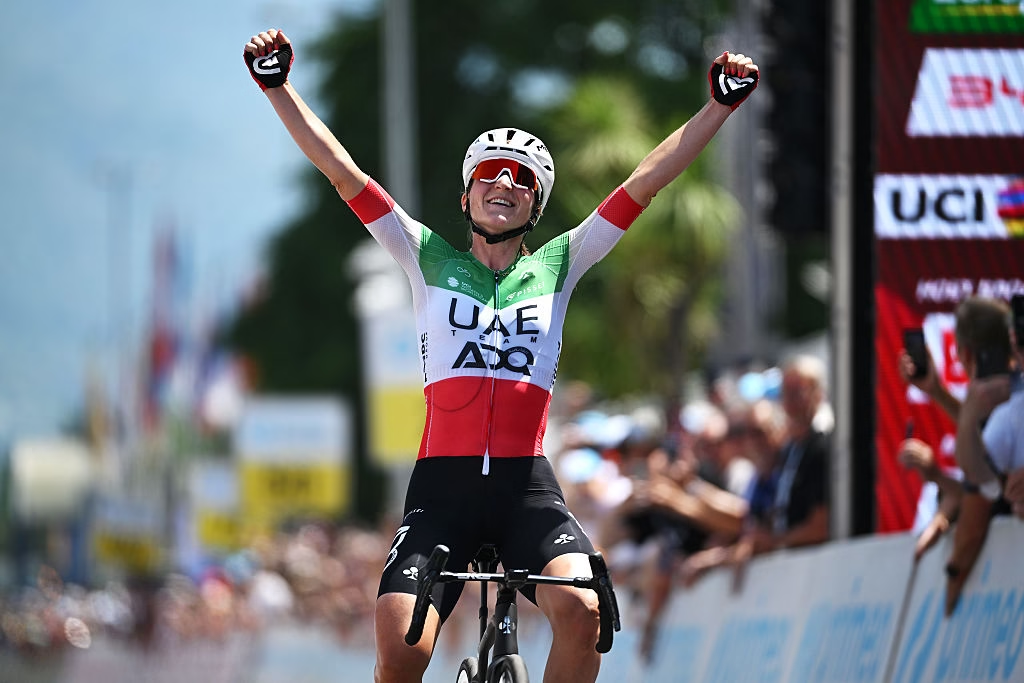 Photo Credit: Getty
Elisa Longo Borghini
Elisa Longo Borghini’s stage 2 win gives UAE Team ADQ a very different race position heading into Bad Ragaz. She came into the Tour de Suisse with strong late Giro d’Italia Women form, and the Locarno victory confirms that she is not just here to ride into shape.
Stage 3 is not the kind of day where Longo Borghini needs to force the issue. Her main priority should be staying safe, avoiding crashes and making sure UAE Team ADQ do not spend unnecessary energy before the time-trial and final mountain stage.
That said, her presence still changes the stage. If she is high on GC, UAE will need to watch dangerous moves. If the race becomes unexpectedly open, Longo Borghini has the experience to stay in the right place. She is unlikely to be the obvious sprint pick in Bad Ragaz, but her stage 2 win means the peloton will now treat every UAE move with more caution.
Marlen Reusser
Marlen Reusser will view stage 3 through the lens of the Aarburg time-trial. Bad Ragaz should not be a day where she needs to attack, but it is a day she must get through cleanly.
The flatter profile helps her in one sense, as it should reduce the chance of a pure climbing selection. Yet sprint days can bring their own risks. Positioning becomes more nervous, teams fight for space, and a crash or split can be more damaging than the route profile suggests.
Movistar’s task should be straightforward. Keep Reusser safe, avoid unnecessary work and reach the time-trial with the race still within range. Liane Lippert gives the team another option if the stage becomes more selective than expected, but this should mainly be a control and protection day for Movistar’s GC favourite.
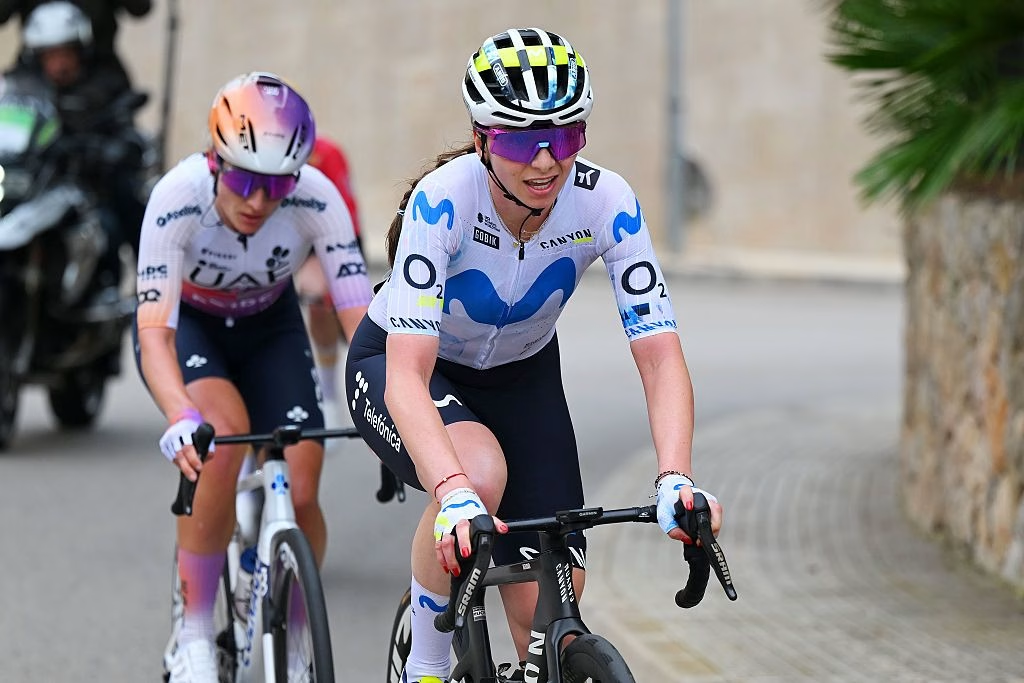 Photo Credit: Getty
Liane Lippert
Liane Lippert may not be the most obvious stage 3 winner if the race comes down to a pure bunch sprint, but she remains relevant if the stage becomes more complicated.
If the peloton controls the break and the finish is fully organised, faster sprint specialists should have the advantage. But if the race becomes stretched late, or if a reduced group forms after rolling terrain, Lippert has the punch and finishing ability to take advantage.
Her role may also depend on how Movistar want to protect Reusser. Lippert can act as a tactical release valve. If a dangerous move goes, she can follow. If the stage becomes more selective, she can give Movistar a stage option without forcing Reusser into a risky sprint.
Kim Le Court
Kim Le Court remains one of the more interesting riders for a stage like this. She has enough punch to survive harder terrain and enough speed to be dangerous if the race finishes from a reduced bunch.
Stage 3 is easier than the first two days, which may bring more pure sprint options back into the picture, but Le Court should still be watched. If the finish is messy or if the group is not completely fresh, she has the kind of sprint that can make the difference.
AG Insurance-Soudal also have broader race interests through Justine Ghekiere and Urška Žigart, but Bad Ragaz looks like a day where Le Court should be their most obvious stage option. The team will need to judge whether to help chase or wait for others to take responsibility.
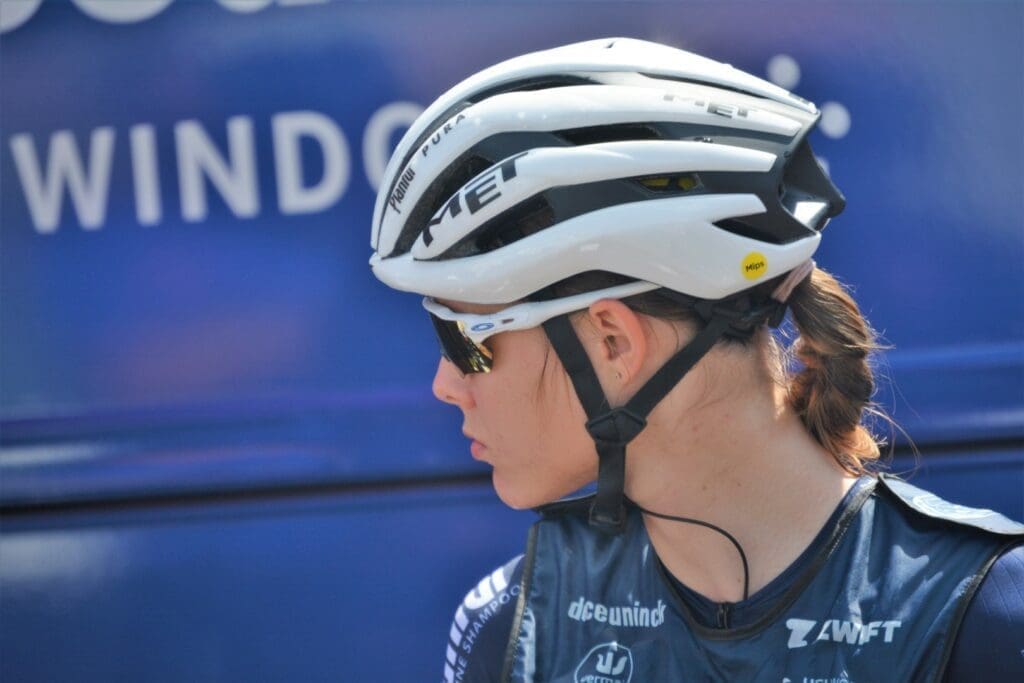
Julie De Wilde
Julie De Wilde could be one of the clearest stage 3 contenders if the race comes down to a sprint. Fenix-Premier Tech have Yara Kastelijn for harder terrain, but De Wilde gives them a faster option on a day that should be less selective.
The question is whether the stage is controlled enough for her to use that finish. After two aggressive opening days, the peloton may be more cautious about giving the breakaway room. That could work in De Wilde’s favour if enough teams are committed to a sprint.
She also benefits from the fact that stage 3 does not look like a day where the main GC contenders should want to spend energy. If the overall teams sit back and the sprint teams organise the chase, De Wilde should be one of the riders aiming at the finish.
Letizia Paternoster
Letizia Paternoster is another rider who should welcome the Bad Ragaz profile. Liv AlUla Jayco have Nadia Gontova for the more selective stages, but Paternoster gives them a much clearer sprint option if the stage comes back together.
Her route to victory depends on the final being controlled. If the stage becomes too attritional or if the breakaway survives, her chances reduce. But if the race arrives in Bad Ragaz in a bunch or sizeable group, she has the speed to be part of the stage-winning conversation.
The first two days may also have removed some freshness from riders who were forced to chase, attack or defend. A sprinter who has managed those stages efficiently could find stage 3 more open than it appears.
Other riders to watch
Ruby Roseman-Gannon is worth watching for Liv AlUla Jayco if the finish becomes more reduced or chaotic. She has the ability to handle rolling terrain and still finish quickly from a smaller group, giving the team another route alongside Paternoster.
Lily Williams could be interesting for Human Powered Health if the stage comes down to a fast finish from a group that has worked hard. Thalita de Jong and Marta Jaskulska are more likely to matter if the race becomes aggressive before the finish rather than a straightforward sprint.
Linda Zanetti gives the Switzerland national team a home angle if the race becomes open, while Sarah Van Dam remains a dangerous opportunist if Team Visma | Lease a Bike try to race aggressively after their stage 1 success through Femke de Vries.
-
 Photo Credit: quentinphotographiebe
 -
 Photo Credit: Getty


Race tactics
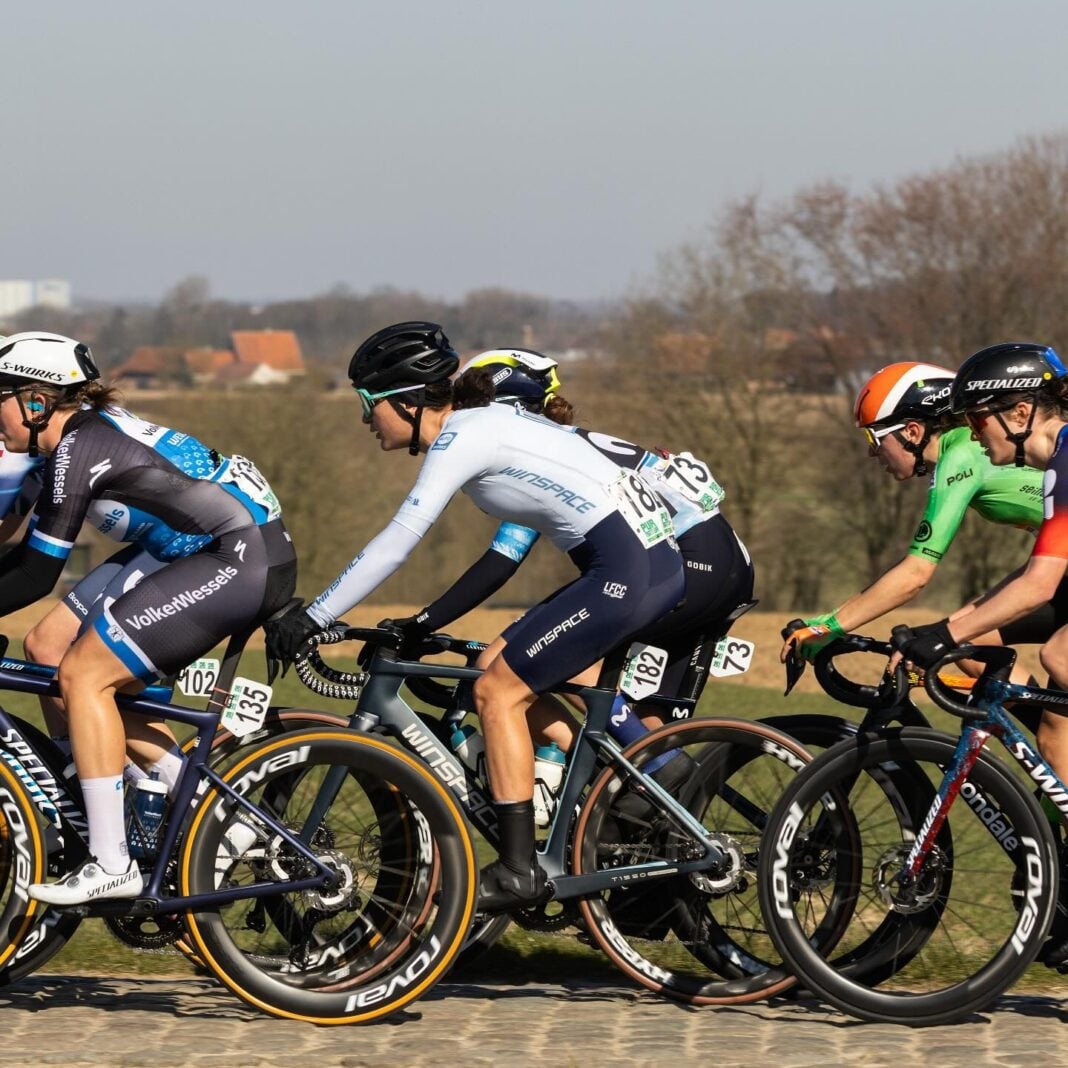
The tactical question is simple: does anyone have enough sprint confidence to control the race?
Stage 3 is the clearest sprint chance of the week, but that does not automatically mean a bunch sprint. The strongest sprint teams are not as obvious as they would be in a flatter WorldTour race, and several squads may prefer to place riders in the breakaway rather than commit to a full chase.
That gives the early move a realistic chance if the composition is right. If the breakaway contains riders far enough down on GC and enough teams are represented, the peloton could hesitate. If the gap is allowed to stretch too far, the chase may become complicated.
UAE Team ADQ and Movistar are unlikely to want a chaotic race, but they may not want to spend all day chasing for other teams either. Canyon SRAM, AG Insurance-Soudal, Fenix-Premier Tech, Liv AlUla Jayco and Human Powered Health may all have different incentives depending on who makes the break and how confident they are in a sprint.
The final 20km should reveal whether the peloton has committed. If the gap is small, the sprint teams should bring it back. If the break still has room, the stage could become another day where the Tour de Suisse Women rewards attackers rather than control.
Prediction
Stage 3 is the best opportunity for a sprint at the 2026 Tour de Suisse Women, but the first two days make it difficult to assume a straightforward bunch finish. The race has already shown that breakaways and aggressive moves can survive if the peloton hesitates.
Still, Bad Ragaz should give the fast finishers their clearest chance. The early climb should not be enough to remove the best sprint options, and the flatter finish should help teams organise if they are committed.
Julie De Wilde looks like one of the strongest fits if Fenix-Premier Tech decide to chase for her. Letizia Paternoster has the speed to win if Liv AlUla Jayco get the finish right, while Kim Le Court remains dangerous if the group is slightly reduced or the sprint becomes messy. Ruby Roseman-Gannon, Lily Williams and Sarah Van Dam all have routes into the stage if the finish is less controlled.

