
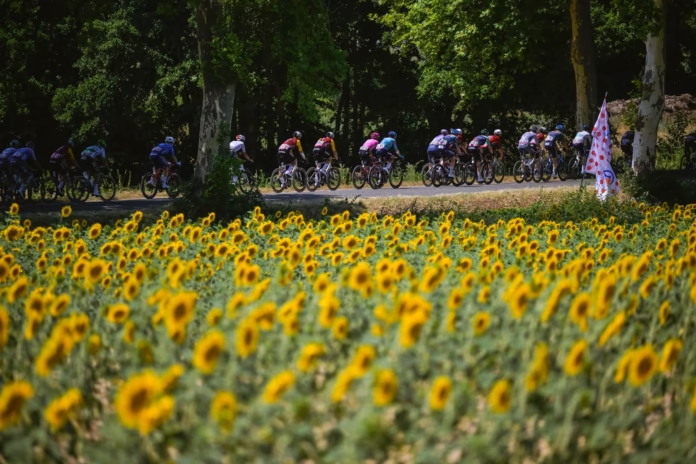
Stage 9 of the Tour de France 2026 was already awkward. Now it has become something more complicated.
The planned 185.5km stage from Malemort to Ussel has been shortened by 30km because of a red heat alert in the Corrèze department, with the race now due to cover 155.5km instead. Temperatures are expected to reach around 38°C at the start in Malemort, 36°C at the finish in Ussel and possibly 41°C near the route during the afternoon.
That changes the day without changing its basic character. This is still a hilly, tiring, breakaway-friendly stage before the first rest day. It is still too hard for a normal sprint and not obviously hard enough for the main GC riders to tear each other apart. But the reduced distance, extreme heat and route change mean the racing could be sharper, stranger and harder to control than the original profile suggested.
For the bigger heat context, our Tour de France heat protocol explainer covers the rule changes already affecting the race, while our wider piece on whether the Tour de France can survive racing in July heat looks at why this is becoming more than a one-stage issue.
Shorter, but not easier
Cutting 30km from stage 9 is significant, but it does not make the day simple.
The original stage was due to run 185.5km, with 3,300m of elevation gain through the centre of France. The shortened version removes an early sector near Brive-la-Gaillarde, reducing the stage to 155.5km, with the start still close to the original schedule and the finish expected earlier in Ussel.
That makes it less of a long grind, but still a serious day in the saddle. The route remains lumpy. The heat remains severe. The stage still comes at the end of a brutal opening block that has already included the Pyrenees, the Tourmalet, Gavarnie-Gèdre and two sprint days raced in oppressive conditions.
The race may be shorter, but the intensity may rise. A reduced stage can sometimes make the opening more explosive, because more teams believe the breakaway is reachable and fewer riders are put off by the original distance.
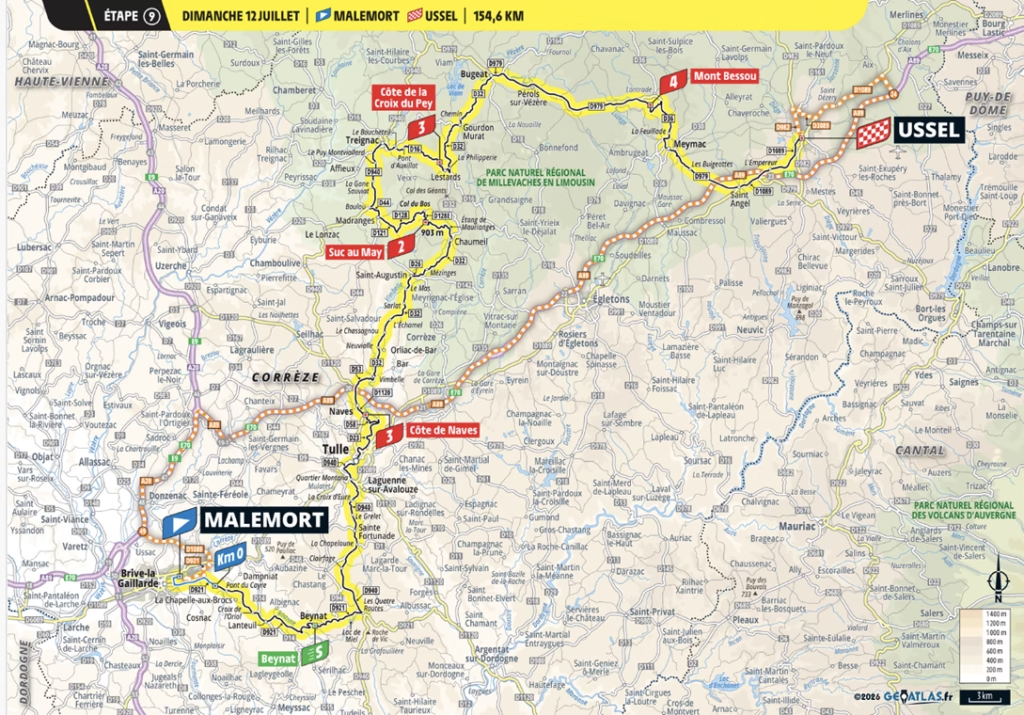
Stage 9 at a glance
| Detail | Updated stage 9 information |
|---|---|
| Date | Sunday 12 July 2026 |
| Route | Malemort to Ussel |
| Original distance | 185.5km |
| Revised distance | 155.5km |
| Distance removed | 30km |
| Original stage type | Hilly |
| Original elevation gain | 3,300m |
| Start time | Around 13:45 CEST / 12:45 BST |
| Expected finish | Around 17:30 CEST / 16:30 BST |
| Main issue | Red heat alert in Corrèze |
| Likely winner type | Breakaway rider, puncheur, climbing rouleur |
This still has breakaway written all over it
Stage 9 remains one of the best breakaway chances of the first half of the race.
The GC teams have little incentive to control all day. Tadej Pogačar is already in yellow after his Tourmalet attack and Gavarnie-Gèdre stage win, and the main overall contenders are more likely to protect themselves than spend energy chasing a stage win in extreme heat. The first rest day follows on Monday, which also changes the psychology. Riders who have been waiting for a chance may see this as the moment to empty the tank.
That remains the most likely pattern. The shortening does not suddenly make it a sprint stage. It probably makes the breakaway fight even more frantic.
Our guide to the best breakaway stages at the Tour de France 2026 explains why this part of the route always looked likely to reward aggressive stage hunters.
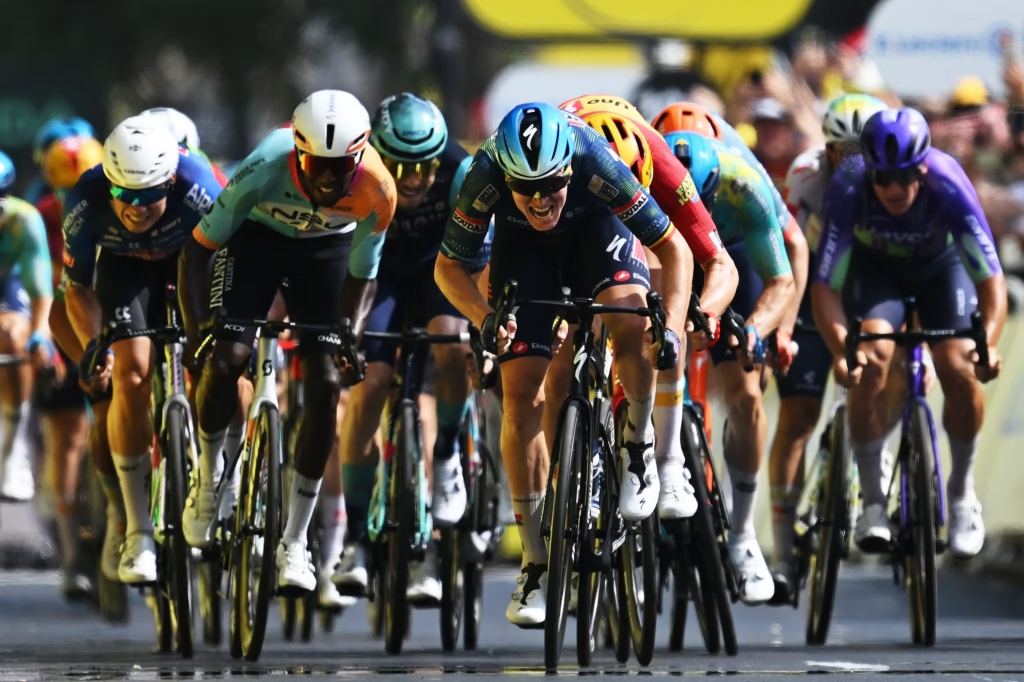
The heat will shape the tactics
The tactical question is not only who has the legs. It is who can use them without overheating.
On a normal hilly stage before a rest day, the breakaway fight could last an hour or more. In these conditions, that becomes dangerous and expensive. Riders who go too deep early may pay badly later, especially if the stage is raced at full intensity from the flag.
That creates an unusual tension.
Some teams will want to get a rider into the move quickly and stop the early chaos. Others may try to make the start hard because a smaller, stronger break gives them a better chance of winning. The peloton may not want a long fight, but every second-tier team knows this is a golden opportunity.
The heat could also discourage long chases. Once the break is gone, there may be very little appetite behind to drag it back unless the composition is dangerous for GC or green jersey points.
This is a red-alert race day, not just a hot one
This is not just a warm summer stage.
Corrèze is under a red heat alert because of exceptionally high temperatures, and ASO has adjusted the route so the race can go ahead under conditions considered compatible with that alert.
A red alert is serious because it is about the wider public-health environment, not simply whether professional cyclists can keep pedalling. Road closures, medical cover, volunteers, police, local residents and spectators all sit inside the same heat risk.
That is why this preview cannot be treated like a normal route adjustment. The race has not been shortened because the stage was too long in sporting terms. It has been shortened because the broader conditions are severe enough to require intervention.
What has been cut from the route?
The reduction removes around 30km from the planned route, with the early sector near Brive-la-Gaillarde cut from the original stage.
That should reduce overall exposure and bring the finish forward, but it does not remove the hilly character of the day. The stage still heads towards Ussel, still sits in rolling central French terrain, and still leaves room for a selective breakaway race.
The important point is that the stage has not been neutralised into a procession. It has been shortened, not softened completely.
 Photo Credit: Getty
The first hour could decide the stage
The opening hour now becomes even more important.
If a large, high-quality break goes clear early, the peloton may sit up quickly. If the first move is too small or misses too many teams, the race could become chaotic as squads keep launching riders into the heat.
That is where the stage may become dangerous tactically. Riders will know this is a rare chance. Sprinters’ teams will not chase. GC teams will not want responsibility. Stage hunters will be desperate to make the move before the rest day.
This is the kind of day where the winner might not be the strongest rider in the race, but the strongest rider in the right break.
That makes team judgement crucial. Miss the move, and the stage is probably gone. Put too many riders into the chase, and the heat may wreck the following days.
Who needs this stage?
Stage 9 is made for teams who have not yet taken enough from the race.
The pure sprinters have already had Pau, Bordeaux and Bergerac. The GC riders have already had their first major mountain test on stage 6. The race leaders will be thinking about control, recovery and staying safe before the first rest day.
That leaves the stage hunters.
Teams without a sprint win, without a GC card or without a realistic jersey target need days like this. They are not going to get many clean invitations from the route. Stage 9 is one of them.
The dynamic is similar to the one outlined in our Tour de France 2026 stage hunters guide: the right rider needs freedom, timing and a team willing to back the move early.
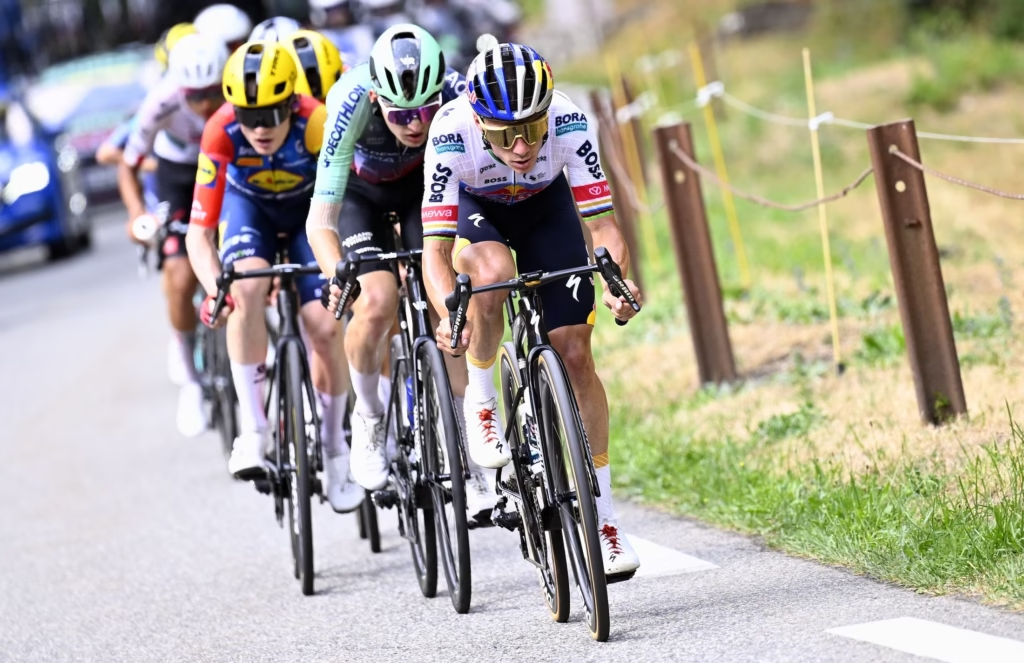 Photo Credit: Getty
Riders who fit the day
This is a stage for the awkward middle category of Tour rider: strong enough to climb, durable enough to survive heat, punchy enough to attack late, but not so high on GC that the peloton refuses to let them go.
| Rider type | Why stage 9 suits them |
|---|---|
| Climbing rouleur | Can handle repeated hills and drive the break |
| Puncheur | Can attack on the final climb or rolling approach |
| Stage hunter | Can make the move without threatening yellow |
| Second-tier GC outsider | May be allowed space if far enough down overall |
| Strong domestique | Could be given freedom before the rest day |
Names such as Pello Bilbao, Richard Carapaz, Ben Healy, Valentin Paret-Peintre, Matej Mohorič, Neilson Powless, Julian Alaphilippe, Marc Hirschi and Mauro Schmid all fit the broad profile if they are given freedom and have survived the first week well enough.
The exact winner may depend less on pre-stage favourites and more on who gets into the right move before the peloton decides the day is gone.
A quiet GC day can still be stressful
This is unlikely to be a full GC day, but it is not risk-free.
The roads are lumpy, narrow in places and likely to be raced in extreme heat. That creates danger even without planned GC attacks. A badly timed mechanical, a crash on a twisting descent or a split caused by teams fighting for position could matter more than the profile suggests.
Pogačar’s UAE Team Emirates-XRG have no need to chase the stage. Visma-Lease a Bike, Red Bull-Bora-Hansgrohe, Lidl-Trek and the other GC teams should have the same priority: keep leaders cool, hydrated and out of trouble.
That does not mean the day will be quiet. It means the GC race may happen through stress rather than attacks.
Our GC and jerseys after Tour de France 2026 stage 7 explains the overall race position after Pogačar’s move into yellow and the reshuffling caused by the Tourmalet stage.
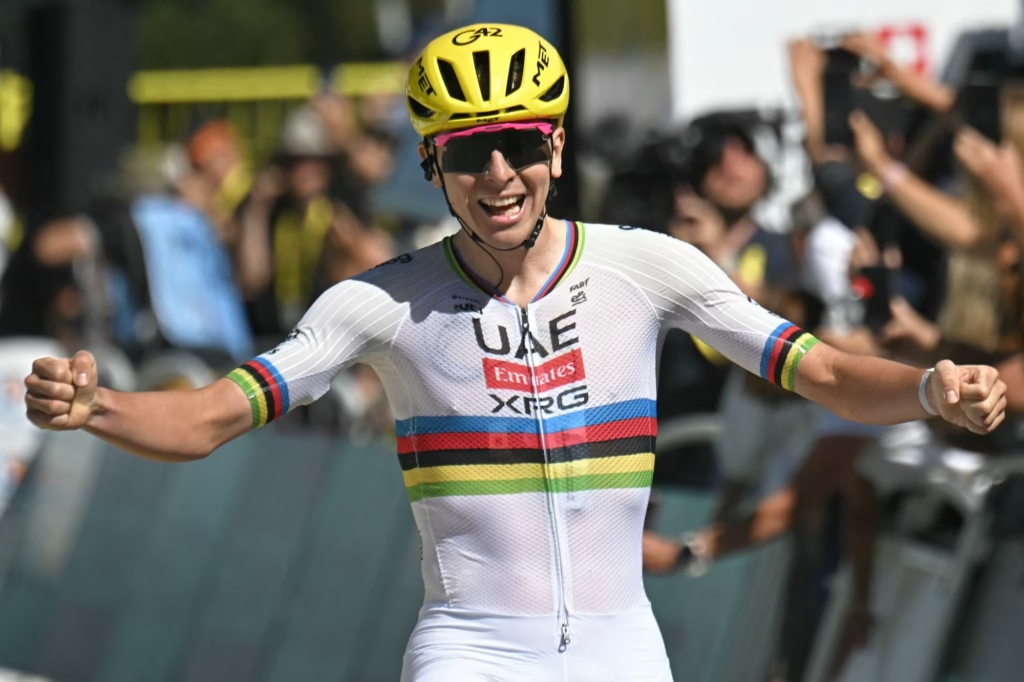
Pogačar has no reason to make this harder
Pogačar does not need stage 9 to prove anything.
His stage 6 win at Gavarnie-Gèdre changed the race. The yellow jersey is on his shoulders, the time gaps already favour him, and stage 9 is not worth overcommitting to in this heat. UAE’s job is to manage the day rather than dominate it.
That means covering obvious threats, keeping support riders around him, and avoiding unnecessary exposure. In this kind of heat, even a rider as strong as Pogačar gains little from making the stage harder than it needs to be.
The same applies to Jonas Vingegaard, Remco Evenepoel, Isaac del Toro, Juan Ayuso, Paul Seixas and the rest of the GC group. There will be harder days later. Stage 9 is about getting to the rest day intact.
Green should stay in the background
The points classification should not be the main story on stage 9.
This is not a pure sprint day, and the revised route does not change that. Mads Pedersen will still want to collect if the opportunity is there, especially given his strong position in the green jersey competition, but the stage is much more likely to be shaped by the breakaway than by the main sprinters.
That matters after the run of sprint days through Pau, Bordeaux and Bergerac. Tim Merlier has found momentum, Olav Kooij has already taken his breakthrough Tour win, Biniam Girmay is placing, and Jasper Philipsen’s wait for a stage victory continues.
But stage 9 is unlikely to be where the pure sprinters settle that argument. Their next major chances come later.
Our Tour de France 2026 sprinters guide and piece on what is going wrong for Jasper Philipsen explain how the fast-men picture has shifted through the first week.
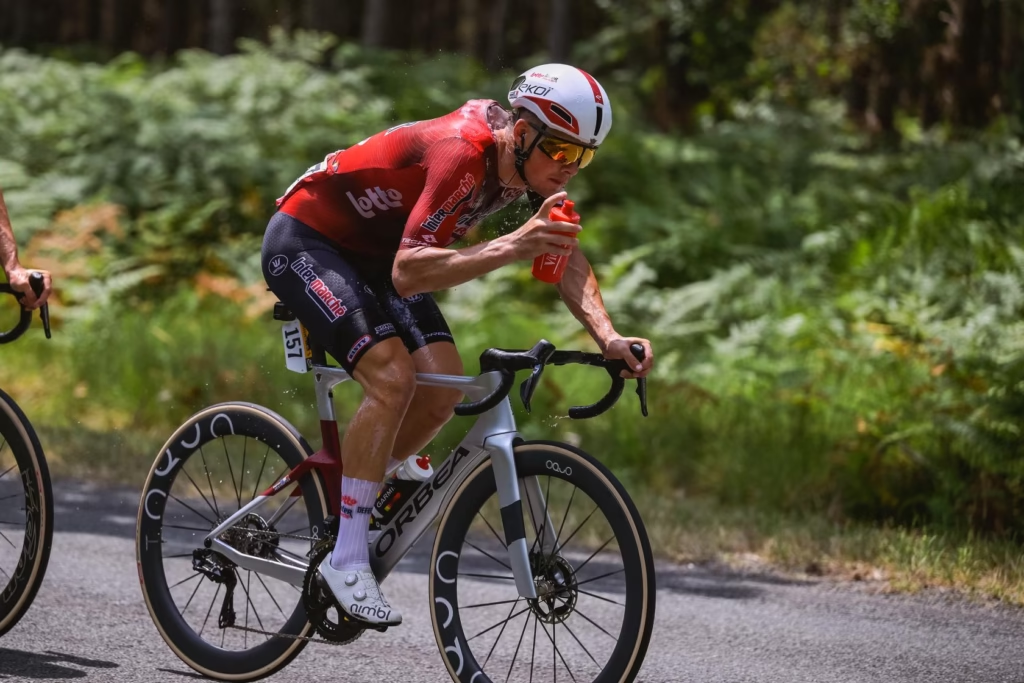
The breakaway has freedom, but also exposure
The breakaway will have one advantage and one problem.
The advantage is freedom. If the peloton lets a move go, the break can settle into its own rhythm and avoid the stop-start stress of the bunch. Riders can organise feeding, choose their effort and work with others who are equally committed.
The problem is exposure. A breakaway rider spends more time in the wind, more time working and often more time fighting for every bottle. On a stage with temperatures close to 40°C, that can become decisive.
This may favour experienced riders over raw attackers. The winner needs power, but also judgement. Attack too early and the heat may destroy the move. Wait too long and a sharper rider may go clear on the final climb or rolling approach.
Stage 9 should reward the rider who understands that this is not only a bike race. It is heat management at race speed.
The shorter route changes the finish, not the character
The shorter distance should bring more riders to the final phase with something left, but not necessarily the sprinters.
That makes the end of the stage harder to predict. A reduced route can create more aggressive racing because riders know they have spent less total time in the saddle. But the heat could pull the other way, forcing riders into caution.
The likely outcome is still a breakaway selection. A group goes clear early, the weaker riders are dropped through the repeated hills, and the strongest attack late, potentially from the final significant climb or on the approach to Ussel.
The finish may not need a huge climb to decide it. By then, the stage will have already done the work.
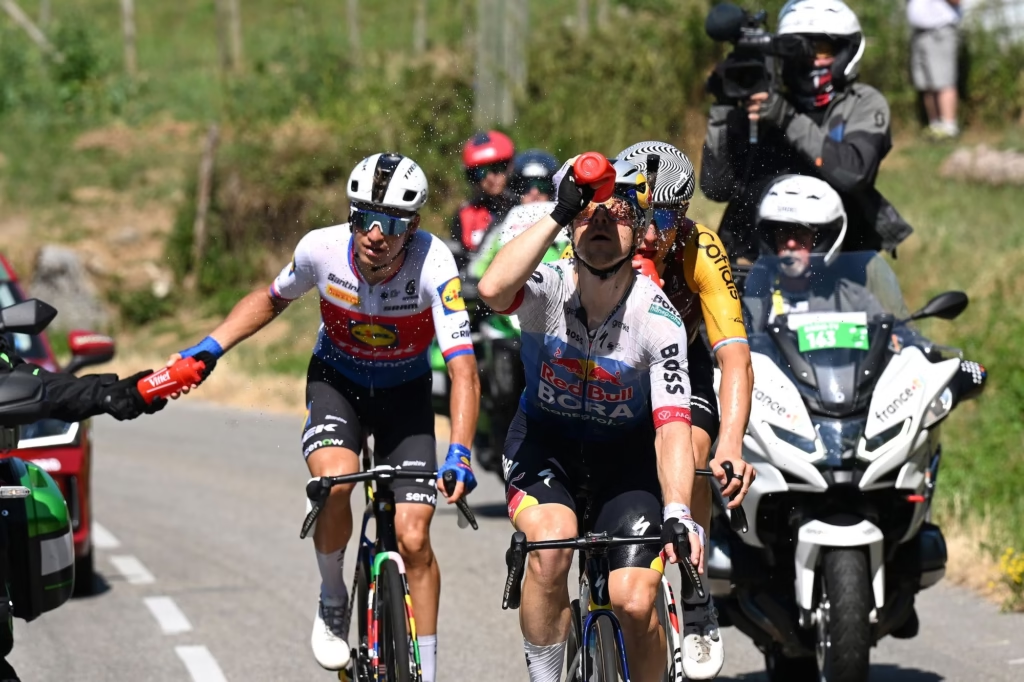 Photo Credit: Getty
The rest day makes this more tempting
Monday’s first rest day in Cantal changes the calculation.
For a rider hunting a stage win, stage 9 is the perfect day to spend everything. There is no stage 10 the next morning. There is time to recover, cool down and reset. That is why breakaway riders may be more willing to go deep, even in the heat.
For GC teams, the rest day creates the opposite logic. They do not need to gamble. A safe finish means a controlled reset before the race restarts.
That contrast should define the stage.
The breakaway riders will race like it is a final exam. The yellow jersey group will race like it is a risk-management exercise.
Our guide to Tour de France 2026 rest days explains why the timing of the first rest day can shape both stage tactics and recovery.
Prediction: breakaway win, GC calm, heat as the main opponent
The shortened stage still points towards a breakaway winner.
The sprinters should not survive the terrain or the stage dynamic in enough numbers to contest the win. The GC teams should not chase unless a dangerous rider gets away. The heat makes a long, organised pursuit less attractive. That leaves the stage hunters.
The winning move may form early, but the decisive attack should come late. Mont Bessou, or the rolling roads around the final phase, look the likeliest places for the strongest rider to split the break and ride clear.
The GC favourites should finish together, unless the heat, road furniture or a crash creates problems.
Contenders for stage 9
| Rider | Why he fits |
|---|---|
| Pello Bilbao | Experienced, smart in breakaways and strong on hilly terrain |
| Richard Carapaz | Aggressive, durable and dangerous if given freedom |
| Ben Healy | Made for hard breakaway racing and long-range attacks |
| Valentin Paret-Peintre | Climbs well and can target a hilly stage from the move |
| Matej Mohorič | Tactical, descending quality and strong in selective breakaways |
| Neilson Powless | Suits rolling one-day-style terrain |
| Julian Alaphilippe | Still a threat if the final becomes punchy |
| Marc Hirschi | Dangerous if the break arrives together near the finish |
| Mauro Schmid | Strong engine and useful on repeated climbs |
| Jasper Stuyven | Powerful enough if the stage becomes more rolling than mountainous |
This is a day where the break composition may matter more than the pre-stage favourite list. The rider who wins may not be the most obvious name at the start, but the one with the right team situation, freedom and timing.
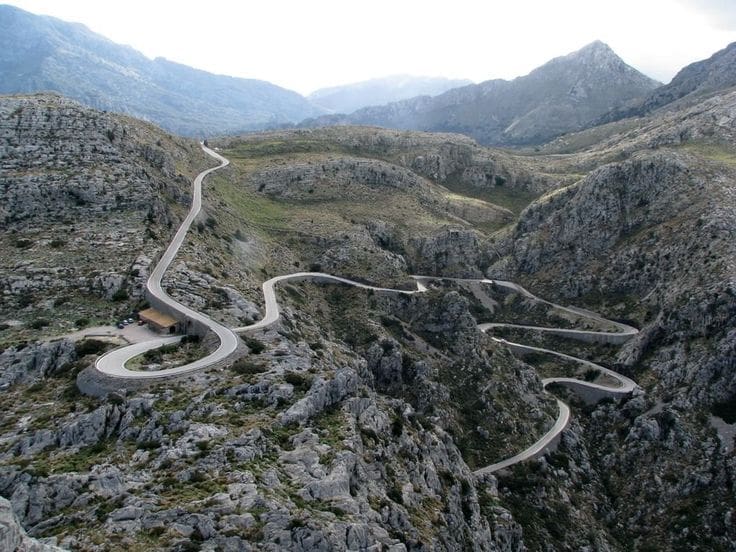

Stage 9 verdict
Stage 9 has been shortened because the Tour is racing inside conditions that can no longer be treated as normal summer heat.
That is the biggest story of the day. The route change is not a tactical adjustment. It is a safety response to a red alert, extreme temperatures and the wider public-health demands of running a Tour stage through Corrèze.
Sportingly, though, the stage still has a clear shape. It is a hilly, awkward, breakaway-friendly day before the first rest day. The distance is now shorter, but the terrain and heat should still make it too hard for the sprinters and too risky for the GC teams to control aggressively.
Expect a fierce fight for the break, a cautious yellow jersey group and a winner from the move. The rider who gets it right will need more than legs. He will need patience, cooling, feeding, tactical timing and the discipline not to burn everything before Ussel.
Stage 9 may be shorter than planned, but it could still be one of the most revealing days of the first half of the Tour.
FAQs
Why has Tour de France 2026 stage 9 been shortened?
Stage 9 has been shortened because of a red heat alert in the Corrèze department, where the stage finishes. The route from Malemort to Ussel has been cut from 185.5km to 155.5km.
How long is stage 9 now?
The revised stage 9 distance is 155.5km, down from the planned 185.5km.
What time does stage 9 start and finish?
The stage is expected to start at around 13:45 CEST, which is 12:45 BST, and finish around 17:30 CEST, or 16:30 BST.
Is stage 9 still a hilly stage?
Yes. The original route was classified as hilly, with 3,300m of elevation gain, and the shortened stage still keeps its breakaway-friendly character.
Will stage 9 be a sprint?
Probably not. The shortened route remains hilly and should favour breakaway riders, puncheurs and climbing rouleurs rather than pure sprinters.
Will the GC riders attack on stage 9?
Major GC attacks are unlikely. The stage is difficult and hot, but it is more likely to be managed by the yellow jersey group while the breakaway fights for the win.
Who are the favourites for stage 9?
Likely contenders include Pello Bilbao, Richard Carapaz, Ben Healy, Valentin Paret-Peintre, Matej Mohorič, Neilson Powless, Julian Alaphilippe and Marc Hirschi, depending on who is allowed into the breakaway.

