
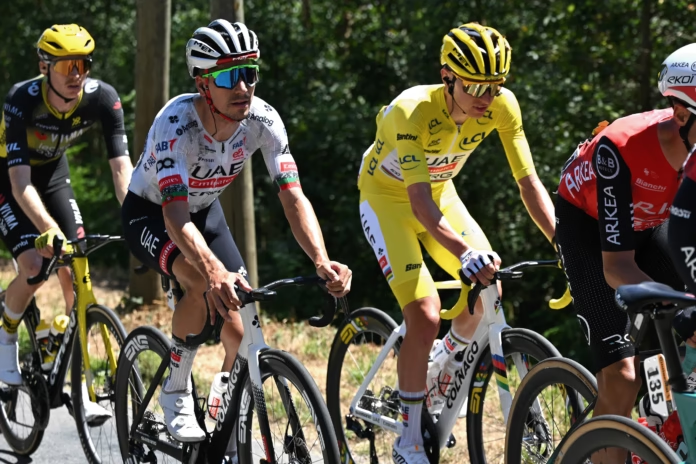
Tour de France riders recover between stages by treating the hours after the finish as part of the next day’s race. The recovery process starts almost immediately, usually before a rider has even left the finish area, and continues through the transfer, team bus, hotel, dinner, massage, sleep and the next morning’s pre-stage routine.
That matters because the Tour de France is not one huge effort. It is 21 separate race days, with only two rest days to break up three weeks of repeated stress. Riders have to recover from sprint finishes, mountain stages, crashes, heat, long transfers, time trials and the mental pressure of racing in the biggest cycling event in the world.
In the 2026 Tour de France, recovery will be especially important because the route gives riders little room to settle. The race starts in Barcelona with a team time trial, climbs early in the Pyrenees, crosses the Massif Central, then builds through the Vosges, Jura and Alps before two consecutive finishes on Alpe d’Huez. Riders who recover badly in the first week may already be paying for it by the time the decisive mountain stages arrive.
For the wider race context, see our Tour de France 2026 full route guide, Tour de France 2026 route analysis and Tour de France 2026 team-by-team guide.
 Photo Credit: Getty
Why recovery matters so much at the Tour de France
Recovery is not just about feeling better. It affects performance, concentration, immune function, injury risk and decision-making. A rider who does not recover properly may lose power, miss positioning cues, make tactical mistakes or struggle to eat enough the next day.
The Tour adds extra complications because the race does not stop at the finish line. Riders may still face podium duties, anti-doping control, media interviews, a long transfer to the hotel and a late dinner before they can properly rest. On mountain stages, the hotel might be hours away. On sprint stages, the physical damage may be lower, but the stress and crash risk can be high.
Recovery also depends on role. A GC leader recovering from a mountain duel has different needs from a sprinter who has survived inside the time cut. A domestique who spent the whole day on the front may be more exhausted than the protected rider they helped. A rider who crashed needs medical care before any normal routine can begin.
The goal is simple: arrive at the next stage with as much energy, muscle function and mental sharpness as possible. That is one reason the Tour is so hard to win, as covered in our explainer on how hard the Tour de France really is.
What happens immediately after the finish?
The first recovery window starts as soon as the rider crosses the line. The exact routine depends on the stage, but the priorities are usually the same: cool down, rehydrate, start refuelling and get off the finish-site chaos as quickly as possible.
Riders are normally met by soigneurs or team staff with drinks, recovery food, towels and sometimes fresh kit. If the stage has been hot, cooling becomes urgent. If it has been wet or cold, riders need dry clothing quickly to avoid getting chilled during interviews or the transfer to the bus.
The first 30 minutes matter because riders have usually finished the stage heavily depleted. They will often take a recovery drink, rice, pasta, a sandwich, yoghurt, fruit, a protein source or another easy-to-digest carbohydrate-rich option. The point is not a perfect meal. It is to start replacing energy before appetite disappears or travel delays the main dinner.
For riders who have to go to the podium, do media or anti-doping control, the team has to manage recovery around those obligations. The yellow jersey, stage winner or classification leaders may have less time to eat and rest than a rider who can go straight to the bus. That daily pressure is part of why overall contenders need more than climbing legs, as explored in our Tour de France 2026 GC favourites ranked.
The team bus: the first controlled recovery space
The team bus is where recovery becomes more structured. Riders shower, change into clean kit, start eating properly and begin the process of switching from racing mode to recovery mode.
The bus is also where the first informal debrief often happens. Staff check who crashed, who is ill, who struggled to eat, who needs medical attention and who may need extra support before the next stage. Riders may talk through the final kilometres, ask for food, review a crash or simply sit quietly after several hours of stress.
Food on the bus is practical rather than glamorous. Rice, pasta, wraps, omelettes, sandwiches, recovery shakes, fruit, cakes and electrolyte drinks are all common recovery options. The goal is to get carbohydrate and protein in quickly, without upsetting the stomach before the main evening meal.
For long transfers, the bus can become part dining room, part recovery room and part mobile hotel lounge. The best teams try to remove decisions from the riders. Food is ready. Drinks are ready. Bags are organised. The rider’s job is to eat, drink, clean up and conserve energy.
Refuelling: replacing what the stage has taken out
Nutrition is one of the biggest parts of Tour recovery. Riders burn huge amounts of energy during stages, especially in the mountains, and they cannot wait until dinner to start replacing it.
The main priority is carbohydrate. Hard racing reduces glycogen, the stored carbohydrate that fuels high-intensity efforts. If a rider starts the next stage with low glycogen, they may feel flat, struggle to follow attacks or fail to recover from repeated surges. That is why post-stage food is usually carbohydrate-heavy.
Protein is also important. It supports muscle repair after repeated damage from long stages, climbs, sprints and crashes. Riders do not need a bodybuilder-style protein load, but they do need regular protein across the recovery window, especially after hard stages.
Hydration is the other pillar. Riders can lose a lot of fluid through sweat, especially in July heat. They need water, electrolytes and sometimes sodium-heavy recovery drinks to replace what has been lost. Teams will monitor body mass, urine colour, sweat rate, temperature and rider feedback to judge how aggressive rehydration needs to be.
The hardest part is appetite. After a mountain stage or a very hot day, riders may not feel hungry. That is where liquid nutrition, simple foods and small repeated portions become important.
Dinner at the hotel
By the time riders reach the hotel, they may already have eaten several times since the finish. Dinner is still vital because it is the main chance to refill energy stores before sleep.
A typical Tour dinner is built around carbohydrates, lean protein, vegetables, fluids and familiar foods that riders know they can digest. Pasta, rice, potatoes, chicken, fish, eggs, soup, bread and simple desserts are all common. The food has to be high quality, but it also has to be repeatable. Riders cannot experiment with heavy, unfamiliar meals when they need to race again the next day.
Team chefs are now a major part of the recovery system. They help control food quality, timing, hygiene and rider preferences. That matters because illness can destroy a Tour campaign quickly. A stomach problem in the second week can be as damaging as a bad day in the mountains.
Dinner also has a psychological role. It gives the team a rhythm. Riders eat, talk through the day, receive instructions for the next stage and begin winding down. In a three-week race, routine is part of recovery.
Massage: why riders still use it
Massage is one of the most visible parts of Tour recovery. Riders lie on treatment tables while soigneurs work through tired legs, backs, shoulders and necks. It has been part of cycling culture for generations.
The purpose is not magic. Massage does not suddenly erase fatigue or refill glycogen. Its value is more practical. It can help riders relax, reduce tightness, manage soreness, identify small issues and create a consistent evening routine. It also gives soigneurs time to check the rider’s condition: cuts, bruising, swelling, saddle sores, muscle tightness and general fatigue.
For some riders, massage is as much mental recovery as physical recovery. It is quiet time away from cameras, race radios and team buses. In a race as noisy as the Tour, that matters.
Massage also helps staff spot problems early. A rider may say they are fine, but a soigneur might notice bruising from a crash, a stiff lower back or signs that a saddle sore is getting worse. Small problems caught early can prevent bigger problems later in the race.

Sleep: the most important recovery tool
Sleep is the most powerful recovery tool riders have, but it can be difficult at the Tour. Transfers, late dinners, hotel changes, adrenaline, caffeine, pain, noise and stress can all reduce sleep quality.
Teams try to protect sleep as much as possible. Riders may use sleep masks, earplugs, familiar pillows, cooling strategies and strict evening routines. Staff try to make hotel logistics as smooth as possible so riders are not wasting mental energy on bags, meals or schedules.
Good sleep helps restore physical and mental function. It supports immune health, decision-making, reaction time and mood. That is important because the Tour is not only a watts contest. Riders have to stay sharp in crosswinds, descents, feed zones, technical finishes and chaotic bunches.
Poor sleep can build across the race. One bad night may not ruin a rider. Several bad nights can become a major problem, especially before mountain stages or time trials. It is one of the hidden reasons why the strongest teams place so much emphasis on logistics, routine and support staff.
Cooling down after hot stages
Heat can make recovery much harder. Riders may finish dehydrated, overheated and unable to eat properly. In those situations, cooling is not just comfort. It helps the body return to a state where it can recover.
Cooling methods can include cold drinks, ice vests, cold towels, fans, shade, cool showers and carefully managed ice baths. Teams use these tools differently depending on rider preference and the type of stage.
A sprinter after a hot flat stage may need rapid cooling before media and transfer duties. A GC rider after a mountain stage may need more careful management because the body is already under heavy stress. The point is to lower thermal strain without creating another shock to the system.
Heat also affects sleep. If riders arrive at a warm hotel room after a hot stage, recovery can be compromised. Good teams think about room temperature, hydration and evening cooling as part of the whole recovery chain.
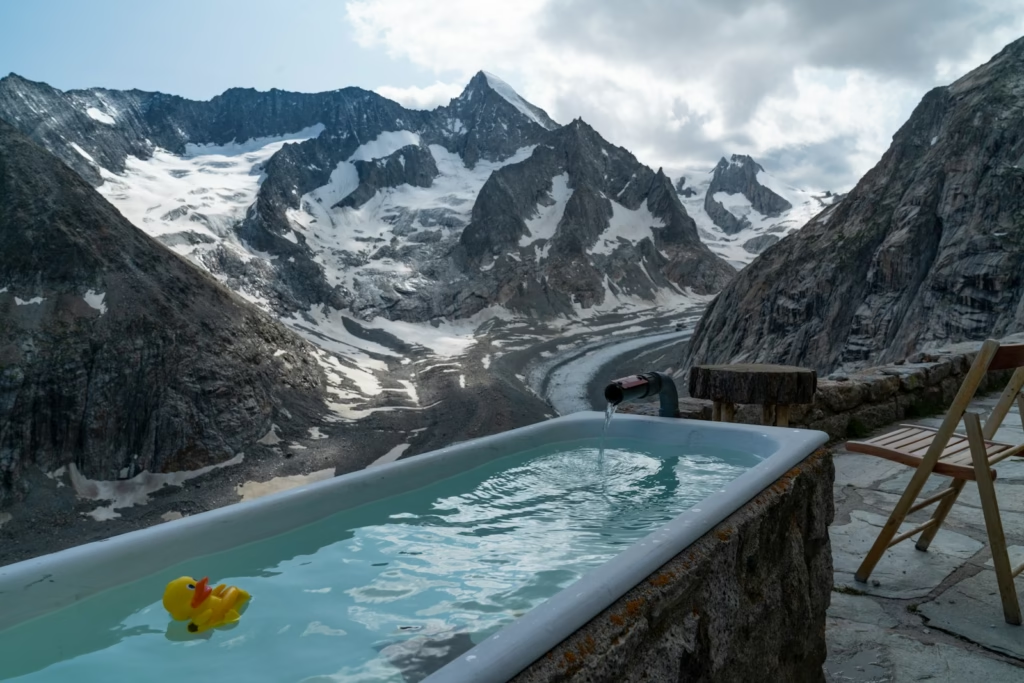
Ice baths, compression boots and recovery gadgets
Modern Tour teams use plenty of recovery tools, but none replaces the basics. Ice baths, compression boots, massage guns, stretching routines and mobility work may all appear in a team hotel, but they sit behind food, fluid and sleep in the recovery hierarchy.
Ice baths can help some riders feel better after very hard or hot stages. Compression boots may help riders relax and reduce the sensation of heavy legs. Light mobility work can help stiffness after long transfers. Breathing exercises or quiet routines can help riders calm down before sleep.
The key is individualisation. Some riders like cold water. Others hate it. Some feel better with compression. Others prefer a walk, massage and bed. Teams will not usually force a recovery tool on a rider if it disrupts their routine or sleep.
The best recovery plan is the one a rider can repeat for 21 days.
Medical checks and treating small problems
Tour recovery is not only about muscles and energy. Riders have to manage the small physical problems that accumulate across three weeks.
Saddle sores are one of the biggest hidden issues. They can make sitting on the bike painful and affect power, positioning and sleep. Teams manage them with hygiene, creams, careful washing, clean kit and sometimes medical treatment.
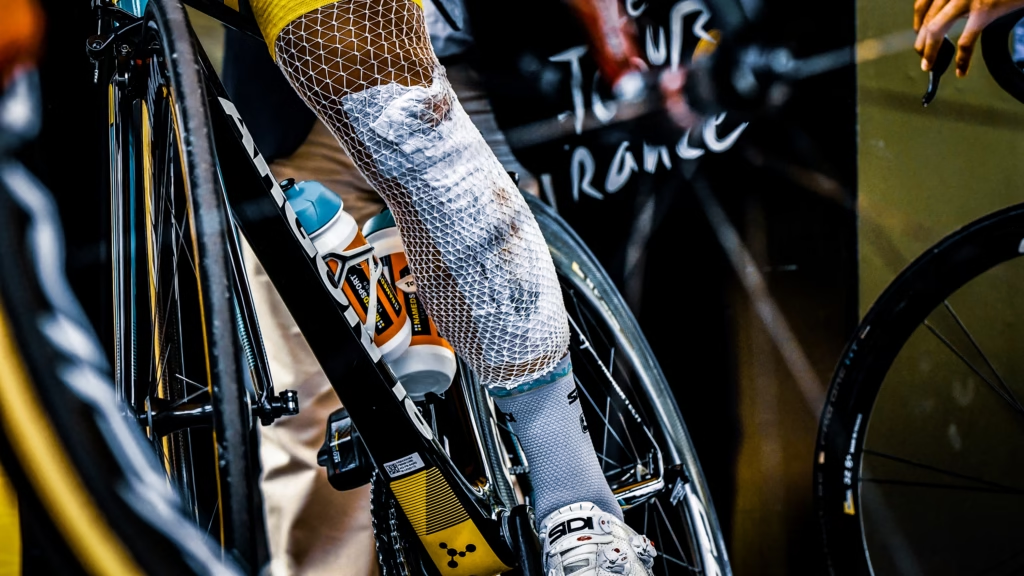
Crashes create another layer. Road rash needs cleaning and dressing. Bruises need monitoring. Stiffness can appear hours after the fall. A rider may finish a stage, feel acceptable on the bus, then wake up the next morning unable to move properly. That is why medical checks continue beyond the finish line.
Illness is another constant threat. Teams are careful around food hygiene, handwashing, air conditioning, shared spaces and exposure to crowds. A minor infection can become a race-ending problem when the body is already tired.
The Tour is won by legs, but it can be lost through small untreated problems.
Mental recovery
Riders also have to recover mentally. A Tour stage can involve five hours of constant stress: fighting for position, avoiding crashes, listening to race radio, reading tactics, following attacks, descending at high speed and dealing with crowds.
Mental fatigue affects physical performance. A rider who is mentally drained may struggle to focus in the final hour, eat properly, sleep well or make calm tactical decisions the next day.
Teams manage this by creating routine and reducing unnecessary decisions. Riders are told what time dinner is, when massage is, when the meeting is, when bags need to be ready and what the plan is for the next stage. The fewer choices they have to make, the more energy they can save.
Some riders want quiet time. Others need a short debrief. Some speak to family. Others avoid phones. Mental recovery is personal, but the principle is the same: switch off enough to be ready to race again.
Recovery during transfers
Transfers are one of the least glamorous parts of the Tour. Riders may finish a stage exhausted, then spend a long time on the bus before reaching the hotel. That time has to be used well.
On the bus, riders eat, drink, shower, change, receive treatment and sometimes nap. Staff use the transfer to get ahead of recovery, because waiting until the hotel would waste valuable hours.
Long transfers can create stiffness, especially after mountain stages. Riders may use compression, change position regularly, stretch lightly at the hotel or take a short walk before dinner. The aim is to avoid arriving late, tight and underfed.
Transfers also affect sleep. A late arrival means later dinner, later massage and later bed. Over three weeks, that can matter almost as much as the difficulty of the stages themselves.
Rest days are not complete rest
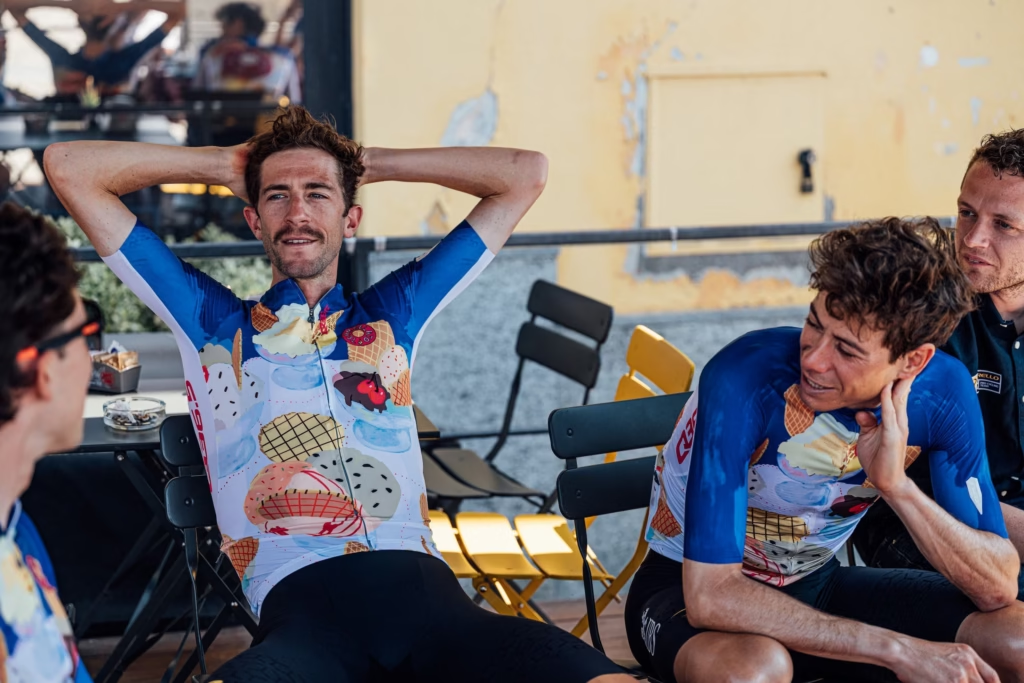
Tour de France rest days are not days off in the normal sense. Riders usually still ride, often for one to two hours, to keep the body moving and avoid feeling blocked the next day. The ride is easy compared with racing, but it is still structured.
Rest days also include press conferences, sponsor commitments, medical checks, extra sleep, massage, laundry, equipment checks and team meetings. For a yellow jersey contender or major star, the rest day can be surprisingly busy.
The goal is to reduce stress without switching the body off completely. Some riders feel worse after a rest day because the rhythm changes. That is why teams manage rest days carefully, especially before the race resumes with a difficult stage.
In the 2026 Tour, the two rest days come before important blocks of racing. How riders handle them could affect the Massif Central, Vosges, Jura and final Alpine stages. The middle of the race is covered in our Tour de France 2026 Massif Central guide, while the final mountain block is explained in our Tour de France 2026 Alps guide.
What happens the next morning?
Recovery continues into the next morning. Riders wake, check weight and hydration, eat breakfast, prepare bottles, receive any medical treatment and review the stage plan.
Breakfast is usually carbohydrate-focused, with foods that are easy to digest: rice, oats, bread, pancakes, pasta, eggs, yoghurt, fruit, coffee and sports drinks, depending on the rider and stage. A mountain day, sprint day and time trial all require slightly different fuelling plans.
The team meeting sets the tactical picture. Who protects the leader? Who goes in the break? Who saves energy? Who works early? Who leads out? Recovery and tactics are linked because a rider’s condition affects what they can do.
On the bus to the start, riders keep eating and drinking. By the time the flag drops, the recovery cycle has already become the next performance cycle.
How recovery differs by rider type
Not every rider recovers from the same kind of effort.
A GC leader may spend the whole day protected, then produce a huge effort on the final climb. Their recovery is built around refuelling, muscle repair, sleep and staying calm under pressure.
A domestique may burn more energy than the leader by riding on the front, fetching bottles, closing gaps and positioning the team. Their recovery needs can be just as high, even if they finish minutes behind.
A sprinter may have an easier day in the mountains if they are riding inside the time cut, but sprint stages bring their own stress: repeated accelerations, dangerous positioning and a maximum-effort finish. Recovery has to restore both power and sharpness. For more on those stages, see our Tour de France 2026 sprint stages ranked and Tour de France 2026 route: best days for sprinters.
A breakaway rider may spend hours above threshold, then have to race again the next day with very little reward. That kind of fatigue can be hard to see from the results sheet but obvious inside the team bus. Our Tour de France 2026 route: best days for breakaways looks at the stages where that kind of effort is most likely.
-
 Photo Credit: Getty
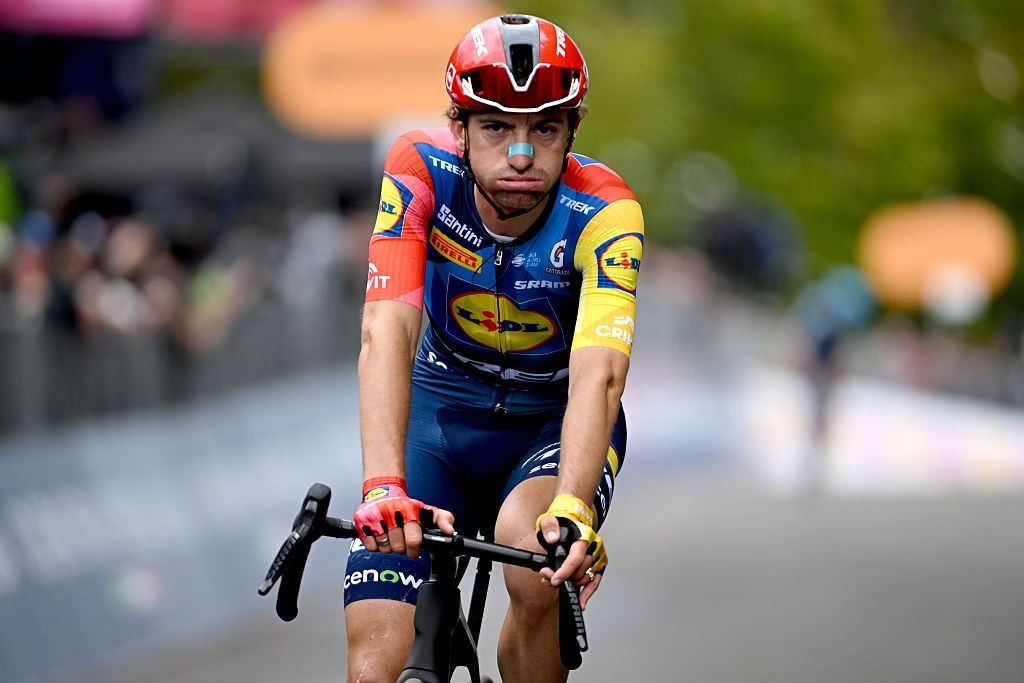

What amateur cyclists can learn from Tour recovery
Most cyclists do not need a Tour-level recovery routine, but the principles still apply.
Eat soon after hard rides. Prioritise carbohydrates after long or intense sessions. Include protein across the day. Rehydrate properly, especially in warm weather. Sleep as well as possible. Do not rely on gadgets before doing the basics.
The biggest lesson is routine. Tour riders recover well because teams remove guesswork. Food is planned. Bottles are ready. Sleep is protected. Training and racing are matched by recovery.
For amateur riders, that might simply mean having a recovery meal ready, changing out of wet kit quickly, drinking enough, doing light stretching if it helps, and not treating every hard ride as permission to neglect sleep. Riders taking on the amateur version of a Tour mountain stage can also see our L’Étape du Tour 2026 complete guide.
Recovery is not a luxury after the ride. It is part of the ride.
Why recovery can decide the Tour de France
The Tour de France is often described through attacks, climbs and time gaps, but recovery is what allows those moments to happen. A rider who looks unbeatable on one mountain stage can lose the race two days later if they fail to recover. A domestique who can repeat hard work every day can be as valuable as a rider who produces one huge performance.
That is especially true on a route like the 2026 Tour. The race starts with pressure in Barcelona, climbs early in the Pyrenees, keeps adding difficulty through the middle of the race and then ends with one of the hardest Alpine sequences of recent years. Stage 20, covered in our Tour de France 2026 queen stage guide, may be as much a recovery test as a climbing test.
There is no single recovery trick that gets riders through that. It is the accumulation of hundreds of small actions: drink, eat, shower, transfer, massage, sleep, wake, eat again, race again.
The best teams make recovery invisible. The best riders make it routine. By the final week, that routine can be the difference between holding the yellow jersey, winning a sprint in Paris or simply surviving to the finish.
For more Tour de France 2026 coverage, visit our Tour de France hub, beginner’s guide to Men’s Tour de France 2026 and how to watch Tour de France 2026 in the UK.

