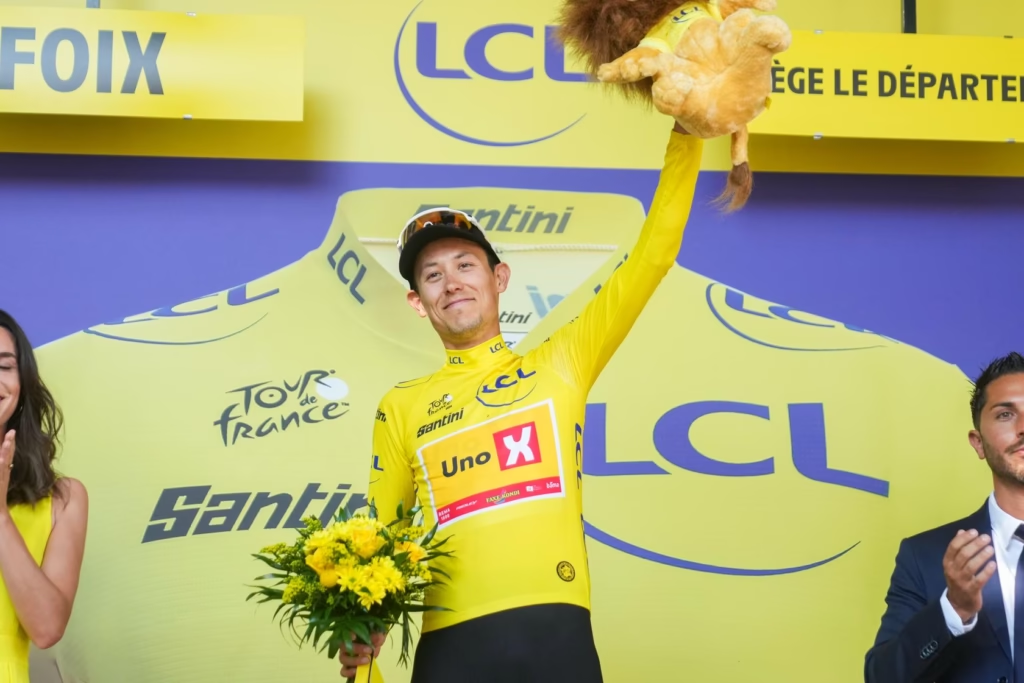
Torstein Træen is not the rider most casual Tour de France viewers expected to see in yellow after stage 4. Yet the Norwegian climber is now leading the biggest race in cycling after a breakaway day to Foix turned the early general classification upside down.
Træen, riding for Uno-X Mobility, took the yellow jersey after finishing in the decisive front group on stage 4, which was won by Mads Pedersen. He now leads the Tour by 28 seconds from Sean Quinn, with Mathias Vacek third at 3:50. Tadej Pogačar and Jonas Vingegaard, the two headline favourites, are both 7:53 behind.
For the full race situation after Foix, see our GC and jerseys after Tour de France 2026 stage 4 update. The stage itself is covered in our Tour de France 2026 stage 4 report.
For many fans, Træen’s name will still feel new. Inside cycling, though, he has been building towards this kind of moment for years. He is a strong climber, a Grand Tour survivor, a former Vuelta a España race leader, a Tour de Suisse stage winner and, most significantly, a rider whose career has already included a serious health scare and a remarkable return.
Torstein Træen profile
| Detail | Torstein Træen |
|---|---|
| Nationality | Norwegian |
| Date of birth | 16 July 1995 |
| Age | 30 |
| Place of birth | Hønefoss, Norway |
| Team | Uno-X Mobility |
| Rider type | Climber / stage racer |
| Major result | Tour de France 2026 yellow jersey after stage 4 |
| Previous Grand Tour leader’s jersey | Vuelta a España 2025 red jersey |
| Notable win | Tour de Suisse stage 4 in 2024 |
A Norwegian climber leading the Tour
Træen’s yellow jersey is a huge result for Uno-X Mobility. The Norwegian-Danish team has spent years trying to grow from a development project into a serious force at the top level, and Træen’s return to the squad for 2026 carried a clear sense of unfinished business.
He was part of the early Uno-X structure before leaving for Bahrain Victorious, then returned to Uno-X as the team stepped up. That makes this yellow jersey more than a personal result. It is also a validation of Uno-X’s long-term approach.
The team has built patiently around Scandinavian riders, attacking racing and gradual development. Putting a Norwegian rider in yellow at the Tour de France is the kind of moment that changes how a project is seen.
Uno-X arrived at the race with a squad built around stage-hunting depth, breakaway options and Tobias Halland Johannessen’s general classification ambitions. That wider team context is covered in our Tour de France 2026 team-by-team guide, where Uno-X stood out as one of the more interesting stage-hunting teams in the field.
How did Træen take the yellow jersey?
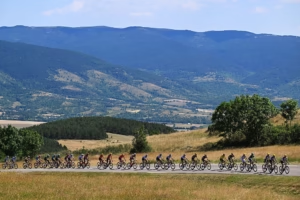
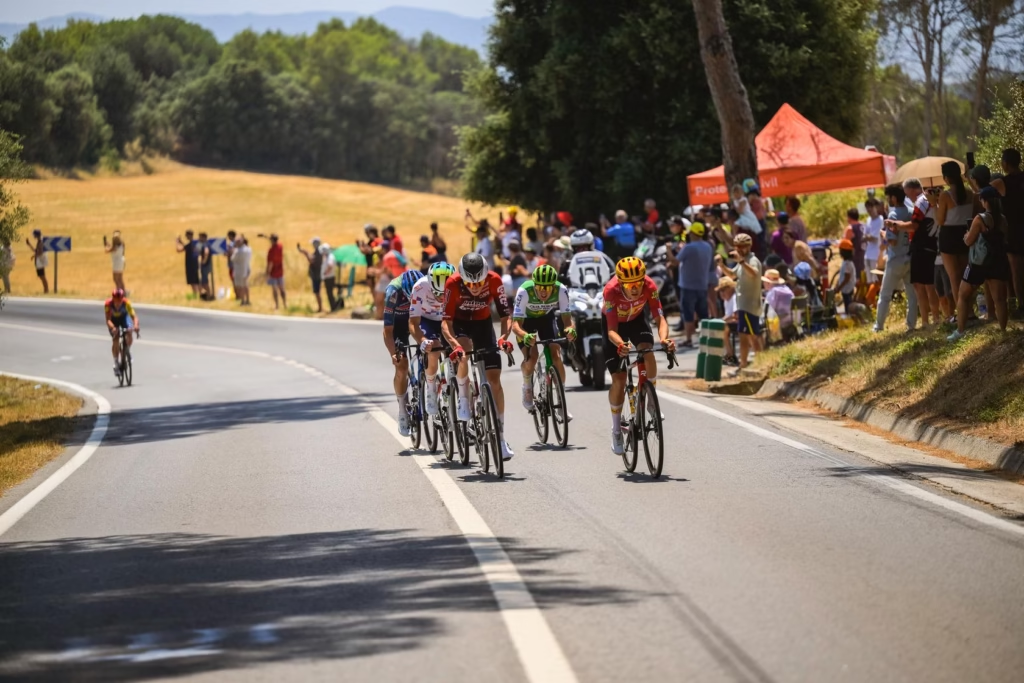
Stage 4 from Carcassonne to Foix was a hot, hilly day that always looked dangerous for the breakaway. A large move formed, the peloton allowed it room, and the stage became far more than a fight for the day’s victory.
Pedersen won the stage for Lidl-Trek, leading home teammate Quinn Simmons in a one-two finish, but Træen’s ride had the bigger effect on the overall race. He finished in the front group and gained enough time to move past Pogačar into yellow.
It was not a random jersey grab. Træen was already far enough down to be given freedom, but strong enough to turn that freedom into a race-changing result. He read the day well, made the right move, survived the climbs and finished with the riders who mattered.
Stage 4 had been flagged as a classic breakaway opportunity before the race reached Foix. Our Tour de France 2026 stage 4 preview highlighted how the route sat between the pure sprint days and the major GC battlegrounds, while our guide to the best breakaway stages at the Tour de France 2026 showed why days like this could reshape more than the stage result.
In a Tour where the first three stages had already put Pogačar and Vingegaard level on time, Træen’s move changed the optics of the race. The favourites remain close together, but the yellow jersey has moved away from their direct fight.
 Photo Credit: Getty
The cancer diagnosis that changed his career
The most important part of Træen’s story came in 2022, when an anti-doping test returned abnormal hormone levels. The result did not reveal doping. It led doctors towards a diagnosis of testicular cancer.
The elevated hCG level detected in the test prompted further medical checks, and Træen underwent surgery. The test effectively became an early warning system, with the cancer caught before it had spread further.
That context matters because it gives the yellow jersey a deeper meaning. Træen is not just a rider who found the right breakaway. He is a rider who had to pause his career, confront a major diagnosis, recover and then rebuild his level at the top end of the sport.
Cycling often talks about resilience too easily, but in Træen’s case the word fits. His career since 2022 has been shaped by a return to normality, then by a steady climb towards his best results.
The Tour de Suisse win that proved his level
Træen’s first WorldTour victory came at the Tour de Suisse in 2024, when he won stage 4 with a solo ride. That result was an important marker. It showed he was not only a dependable climber, but a rider capable of converting a hard day into a major victory.
That kind of result helps explain why his Tour de France yellow jersey should not be dismissed as a fluke. Træen is not a pure opportunist with no climbing background. He has the engine for hard mountain terrain and the experience to handle long stage races.
He is unlikely to be treated as a final yellow jersey contender in the same bracket as Pogačar, Vingegaard or Remco Evenepoel, but that is not the point. The Tour rewards timing as well as reputation, and Træen timed stage 4 perfectly.
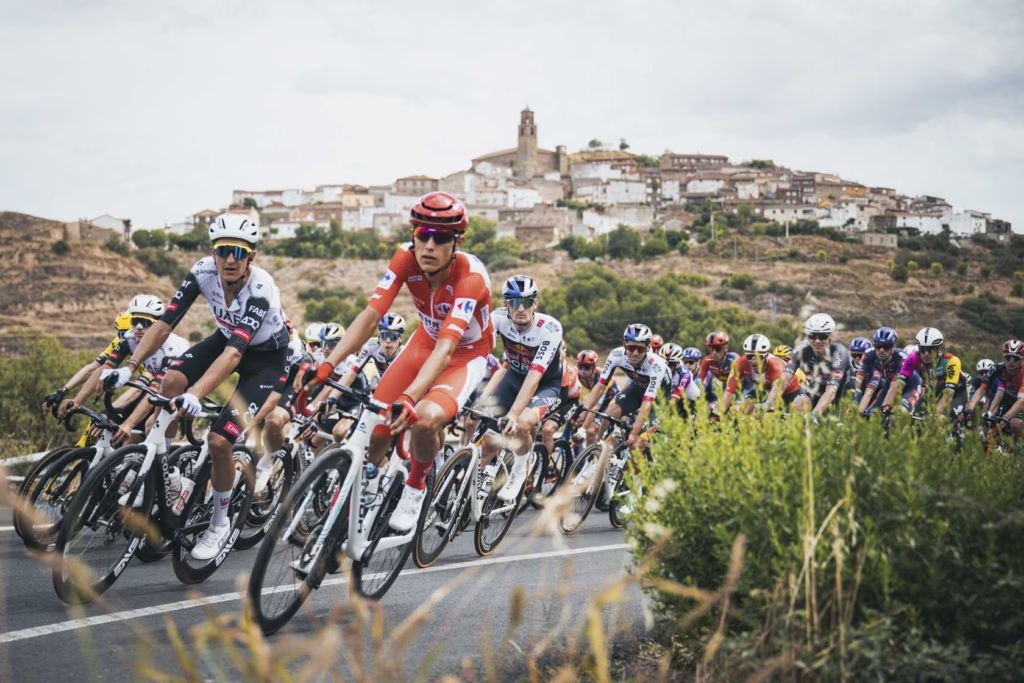 Photo Credit: Unipublic / Cxcling / Antonio Baixauli
Red at the Vuelta, yellow at the Tour
This is also not the first time Træen has led a Grand Tour.
At the 2025 Vuelta a España, he took the red jersey after stage 6 from a breakaway, finishing second on the day behind Jay Vine. He held the lead for several days and went on to finish ninth overall, confirming that he could stay competitive across three weeks rather than simply enjoy one day in the spotlight.
That Vuelta performance now looks like an important stepping stone. It gave him experience of leading a Grand Tour, dealing with the media duties, riding under pressure and defending a jersey with the peloton watching him.
The Tour is a different level of exposure, but Træen is not entirely new to this position. He has already worn a Grand Tour leader’s jersey. Now he has done it at the biggest race of all.
What kind of rider is Træen?
Træen is best understood as a climbing stage racer rather than a punchy one-day specialist or pure breakaway artist. He is not a big sprinter, and he is not a rider built around explosive finishes. His strength is sustained climbing, endurance and the ability to remain effective deep into hard stage races.
That profile matters for what comes next. He did not take yellow on a flat day that will immediately expose him in the mountains. He took it before the Tour returns to serious Pyrenean climbing, and that gives him at least a plausible route to keeping the jersey for more than one stage.
He was already listed among the riders who could shape the race from breakaways in our Tour de France 2026 breakaway specialists guide. Stage 4 showed exactly why. Træen has the climbing base to survive selective terrain, but also the tactical freedom to move in ways the headline favourites cannot.
Can Træen keep yellow?
Træen has a useful buffer. Pogačar and Vingegaard are both 7:53 behind, Evenepoel is at 8:16, and several other GC names are clustered just beyond that. In ordinary Tour de France terms, that is a large margin.
But this is still the opening week. The Tour has the Pyrenees, Massif Central, Vosges, Jura and Alps still to come, and the final yellow jersey contenders will not panic because a breakaway has taken time. They will know that repeated mountain stages can take minutes back very quickly.
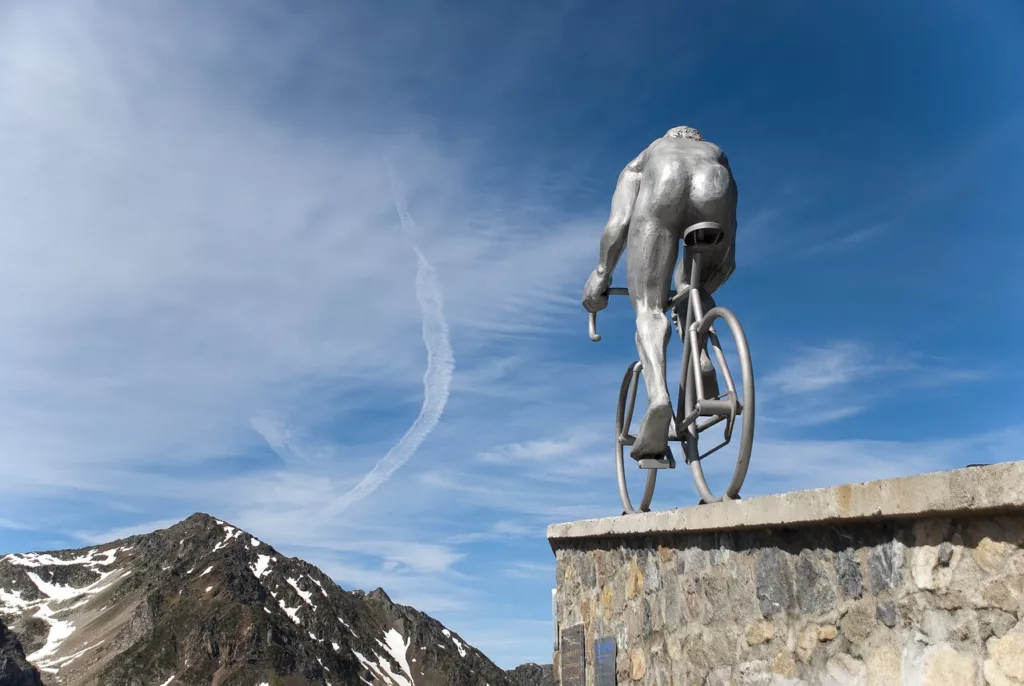
The wider route still gives the favourites plenty of room, as explained in our Tour de France 2026 full route guide. The first real test of Træen’s yellow jersey should come quickly, with stage 6 taking the race to Gavarnie-Gèdre via the Tourmalet.
That stage is one of the key early GC checkpoints in the race. Our Tour de France 2026 Pyrenees guide breaks down why the Pau to Gavarnie-Gèdre route matters, while our guide to the best days for GC attacks at the Tour de France 2026 puts stage 6 near the centre of the first-week yellow jersey battle.
Træen’s realistic target is not necessarily to win the Tour. It is to hold yellow as long as possible, survive the first real GC onslaught and turn this from a one-day headline into a sustained race story.
If he can keep the jersey through the first Pyrenean summit finish, the tone changes. If he loses time heavily on the Tourmalet stage, the jersey may quickly return towards the favourites. Either way, he has already achieved the kind of career moment most riders never experience.
-
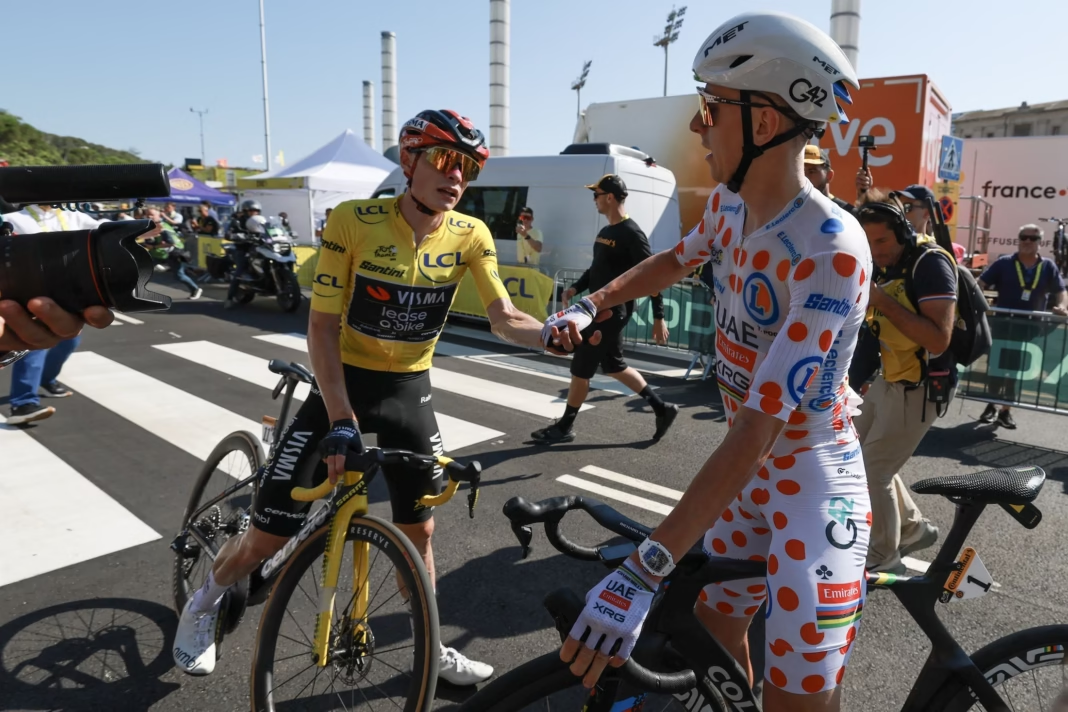 Photo Credit: Getty
What does stage 5 mean for Træen?
Before the Tourmalet test, Træen first has to get through stage 5 to Pau. On paper, that is a sprinters’ day rather than a GC stage. In practice, flat days in yellow can still be stressful.
The yellow jersey has to avoid crashes, stay near the front, manage the extra attention and keep his team calm around him. Uno-X Mobility do not need to control the race in the way UAE Team Emirates-XRG or Visma-Lease a Bike might, but they do need to protect the jersey properly.
Our Tour de France 2026 stage 5 preview explains why the day should favour the sprinters, although the late Côte de Baleix gives the finale a small complication. For Træen, the job is simple: stay safe, avoid splits and make sure the real yellow jersey defence starts in the mountains.
Why this yellow jersey matters
Træen’s yellow jersey matters because it brings together several strands of the modern Tour.
It is a reward for breakaway ambition. It is a breakthrough moment for Uno-X Mobility. It is a major result for Norwegian cycling. It is also a powerful personal story for a rider who came back from cancer and rebuilt his career to the point where he could lead the Tour de France.
It also gives the race a different shape. Pogačar and Vingegaard are still locked together. Evenepoel is still close enough to be a major factor. The young riders remain in play. But yellow is now on the shoulders of a rider outside the expected script.
That is part of what the Tour does best. It gives space for favourites to build their long battle, but it also creates days where a rider like Torstein Træen can turn years of work, recovery and persistence into the most recognisable jersey in cycling.