Stage 6 of the Tour de France 2026 is the first major test of Torstein Træen’s yellow jersey and the hardest day of the race so far.
The route from Pau to Gavarnie-Gèdre is 186.2km long, with 4,100m of climbing, the Col d’Aspin, the Col du Tourmalet and a summit finish in the Pyrenees. After a sprint stage into Pau, the Tour returns immediately to the mountains with a stage that should test the new race leader, the main favourites and the first serious polka-dot jersey contenders.
For the wider shape of the race, our Tour de France 2026 full route guide explains how stage 6 fits into the three-week route, while our Tour de France 2026 Pyrenees guide breaks down the opening mountain block in more detail.
Tour de France 2026 stage 6 route
| Detail | Stage 6 |
|---|---|
| Date | Thursday 9 July 2026 |
| Start | Pau |
| Finish | Gavarnie-Gèdre |
| Distance | 186.2km |
| Stage type | Mountain |
| Climbing | 4,100m |
| Neutralised start | 12:25 CEST / 11:25 BST |
| Expected finish | 17:29-18:05 CEST / 16:29-17:05 BST |
| Main climb | Col du Tourmalet |
| Finish | Category 2 climb to Gavarnie-Gèdre |
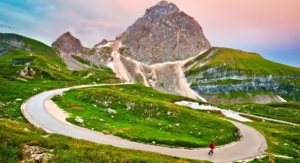
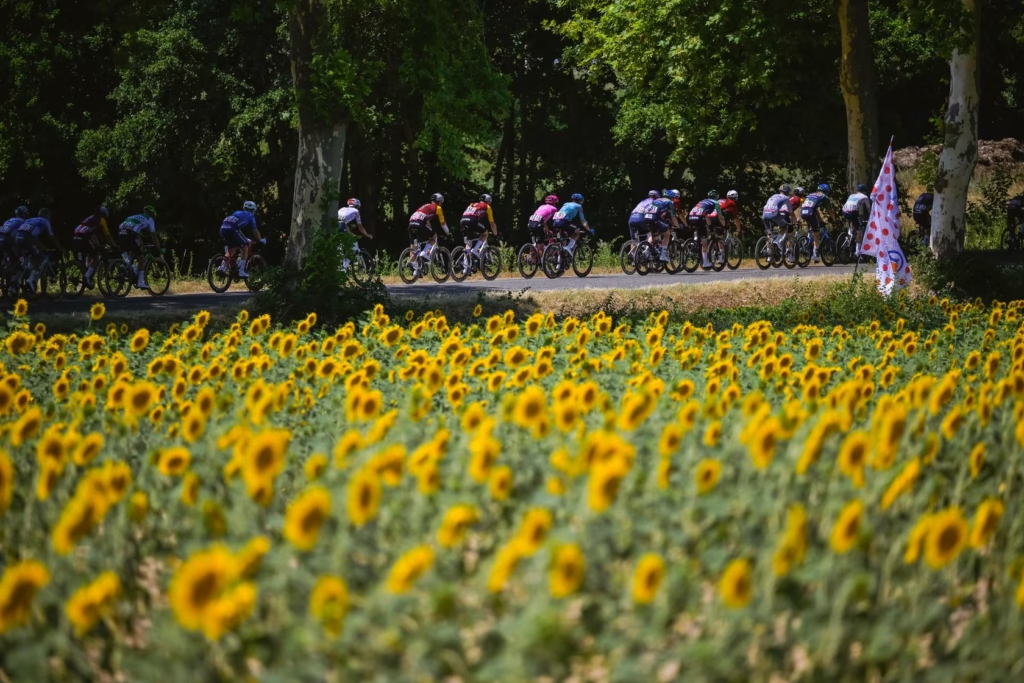
Stage 6 starts in Pau, one of the Tour’s great Pyrenean gateway towns, and heads south towards the high mountains. The early kilometres should allow a breakaway to form, but the real race begins once the route reaches the Col d’Aspin and then the Col du Tourmalet.
This is not just another mountain stage. It is the first official summit finish of the 2026 Tour, as covered in our Tour de France 2026 summit finishes guide. It is also one of the most important early GC days in our ranking of the Tour de France 2026 mountain stages by difficulty.
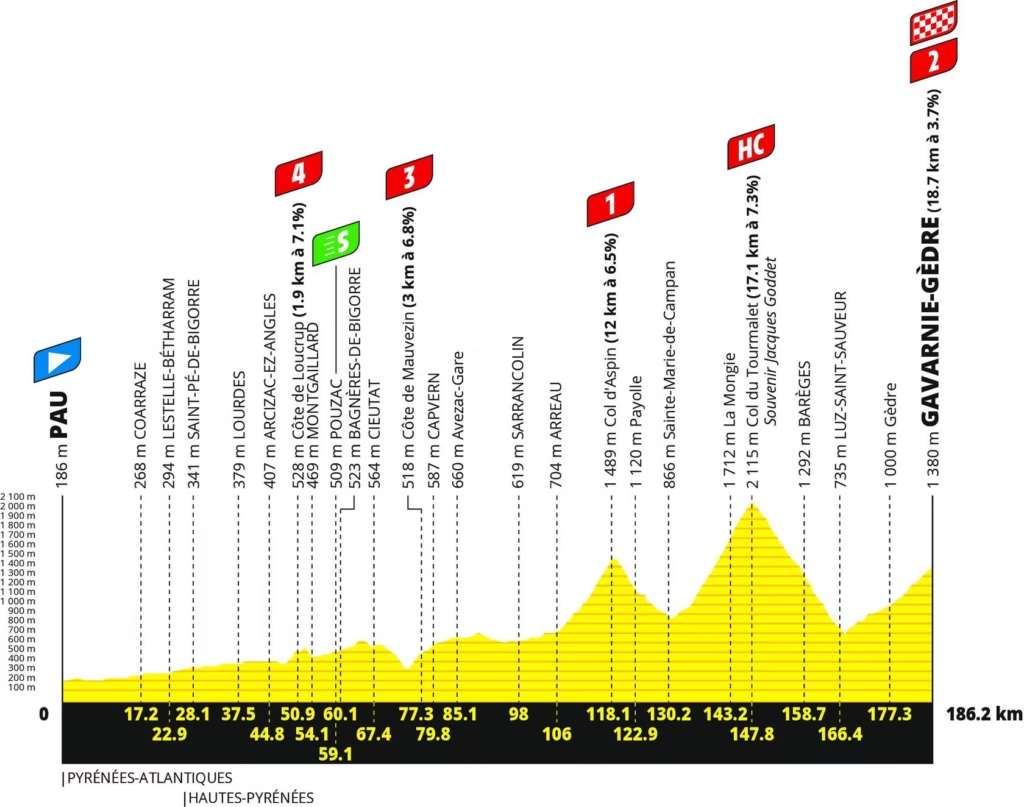
Stage 6 climbs
| Climb | Category | Length / gradient | Position |
|---|---|---|---|
| Côte de Loucrup | 4 | 2km at 7.1% | km 50.9 |
| Côte de Mauvezin | 3 | 3km at 6.8% | km 77.3 |
| Col d’Aspin | 1 | 12km at 6.5% | km 118.1 |
| Col du Tourmalet | HC | 17.1km at 7.3% | km 147.8 |
| Gavarnie-Gèdre | 2 | 18.7km at 3.7% | Finish |
The Côte de Loucrup and Côte de Mauvezin should help shape the breakaway, but they are unlikely to decide the stage. The Col d’Aspin begins the serious part of the day. The Tourmalet is the key climb. Gavarnie-Gèdre is the final test, even if its average gradient looks less severe than the stage profile as a whole.
That sequence is what makes the day so interesting. The final climb alone may not be steep enough to create huge gaps, but it comes after the Aspin and Tourmalet. Riders who are already close to the limit before Gavarnie-Gèdre will find the final 18.7km far harder than the numbers suggest.
Quick answer: what should happen on stage 6?
Stage 6 should be a battle between a strong mountain breakaway and the GC teams testing Torstein Træen’s yellow jersey.
The stage win could go up the road if the favourites hesitate, but the GC battle behind should still matter. The Tourmalet comes 38.4km from the finish, which makes it close enough to damage the race but far enough from Gavarnie-Gèdre to make long-range attacks risky.
The biggest question is not only who wins the stage. It is how much of Træen’s yellow jersey lead survives.
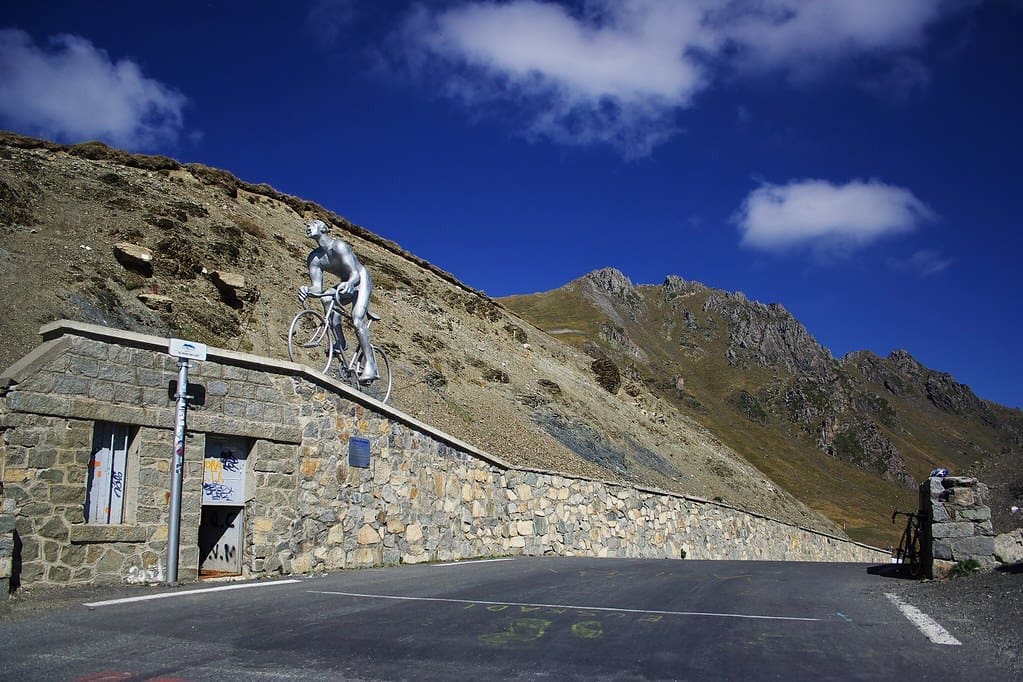
Why the Tourmalet is the key climb
The Col du Tourmalet is not the finish, but it is the climb that gives stage 6 its weight.
At 17.1km at 7.3%, it is long enough and steep enough to expose weakness. It also comes after the Aspin, so riders will not hit it fresh. The summit comes with more than 38km still to race, which creates the tactical question of the day: do the favourites wait for Gavarnie-Gèdre, or do they use the Tourmalet to put Træen and Uno-X Mobility under pressure?
If the final climb were brutally steep, the favourites could afford to wait. Gavarnie-Gèdre is different. It is long and draining rather than savage. That means the damage may need to be done before the final climb, with the Tourmalet used to isolate riders, split domestiques from leaders and force the yellow jersey into a long defence.
That is why stage 6 also appears in our guide to the best GC attack days at the Tour de France 2026. If the big teams want to apply real pressure early in the race, this is the first day that truly invites it.
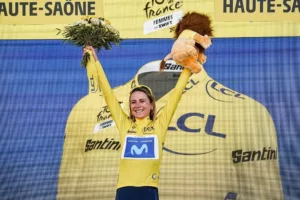
The yellow jersey situation
Træen starts stage 6 with a large but vulnerable advantage. After stage 4, he led Sean Quinn by 28 seconds and Mathias Vacek by 3:50, with Tadej Pogačar and Jonas Vingegaard both 7:53 down.
That unusual GC picture came from the stage 4 breakaway, not from Pogačar or Vingegaard dropping each other. Our stage 4 race report explains how Træen moved into yellow, while our GC and jerseys after stage 4 update shows the full classification picture.
That matters because Træen does not need to match the biggest favourites blow for blow. He can lose time and still remain in yellow. The danger is losing too much too quickly, especially if he is isolated on the Tourmalet and has to chase across the valley before the final ascent.
For anyone still catching up on the maths, our explainer on why Pogačar and Vingegaard are 7:53 down breaks down how the stage 4 breakaway created the new GC picture.
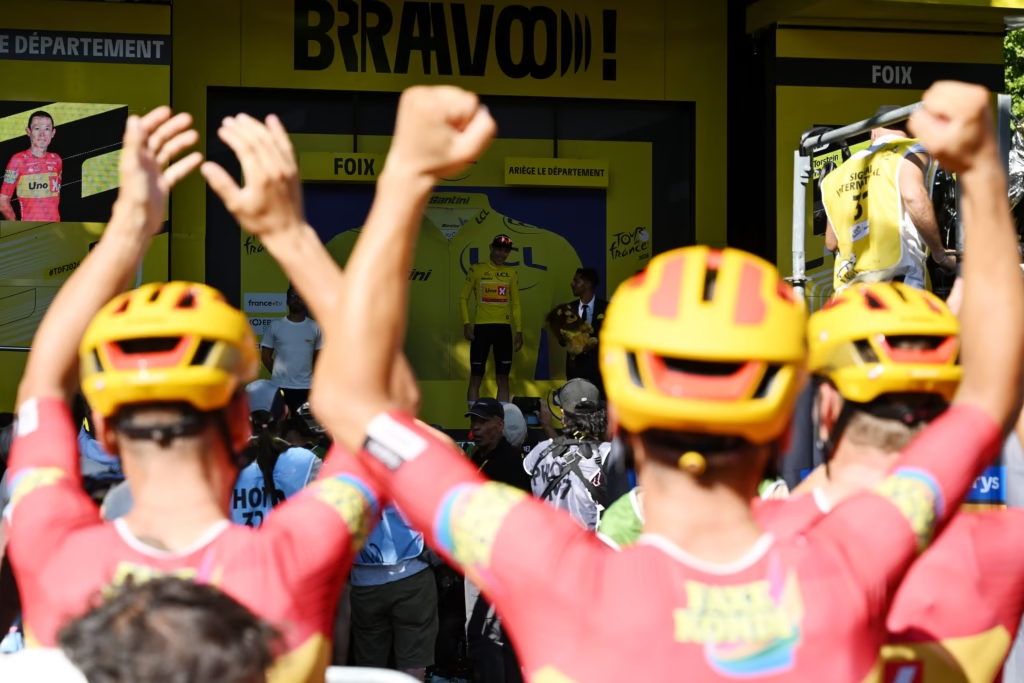 Photo Credit: Getty
What Uno-X Mobility need to do
Uno-X Mobility face a different challenge from the one Træen mastered on stage 4. Then, he gained time by being in the right move. Now, his team have to protect a yellow jersey through the hardest terrain of the race so far.
They do not need to control the whole stage. In fact, trying to do that could be a mistake. UAE Team Emirates-XRG, Team Visma-Lease a Bike, Red Bull-Bora-Hansgrohe and Lidl-Trek have stronger collective mountain depth. Uno-X need to keep Træen positioned, avoid panic and give him support for as long as possible.
The key moment may come before the Tourmalet. If Træen begins that climb too far back or already isolated, the pressure will multiply. If he reaches the Tourmalet in good position and rides within himself, he can afford to let the biggest accelerations go and manage the gap.
Uno-X came into the race as one of the more interesting teams outside the obvious super-squads, with a mix of breakaway strength and climbing ambition. That wider context is covered in our Tour de France 2026 team-by-team guide.
What Pogačar and Vingegaard need from the stage
For Pogačar and Vingegaard, stage 6 is both an opportunity and a trap.
Both are 7:53 behind Træen, but they remain level with each other. That means neither has to take wild risks just to chase the yellow jersey. Their main contest is still against each other, with Remco Evenepoel, Isaac del Toro, Juan Ayuso, Paul Seixas and the next tier of GC riders close enough to matter behind them.
Pogačar has the acceleration to make the final climb dangerous, even if the gradient is not severe. Vingegaard has the sustained climbing strength that can make the Tourmalet an attritional test. If either team wants to expose Træen, the most logical method is not one single late attack. It is a hard tempo on the Aspin, another turn of the screw on the Tourmalet, and then attacks once the group has already been reduced.
The risk is that one favourite ends up helping the other. If Visma makes the race hard and Pogačar follows comfortably, Vingegaard may have spent team energy without reward. If UAE drives the Tourmalet and Vingegaard looks calm, Pogačar may prefer to wait.
That tactical hesitation is exactly what could help the breakaway.
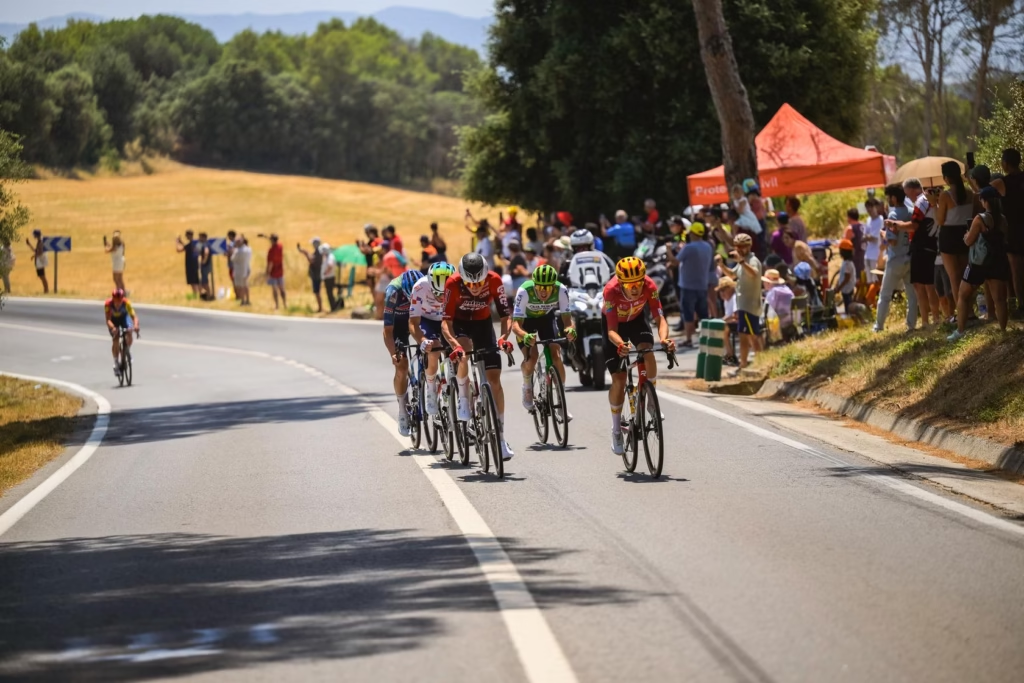
Could the breakaway win stage 6?
Yes. A breakaway win is a serious possibility.
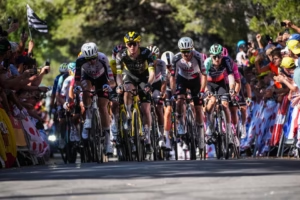
The GC teams may care more about testing Træen than winning the stage. If the right mountain break forms early, with riders far enough down on GC, it could be allowed several minutes. Once that happens, the stage winner may come from the break even while the yellow jersey battle unfolds behind.
The type of rider suited to the break is clear: strong climber, good endurance, not a major GC threat, and able to handle the Tourmalet before the final rolling climb. A pure puncheur will struggle. A heavy rouleur will struggle. This is a stage for genuine mountain legs.
Our Tour de France 2026 stage hunters guide explains why these days can be so valuable for riders who are not in the main yellow jersey fight but still have the climbing level to win from distance.
The polka-dot jersey battle
Stage 6 should also be important for the mountains classification.
The Tourmalet is the first hors catégorie climb of the race and carries a major points reward. The Col d’Aspin also offers valuable points, while the final climb to Gavarnie-Gèdre adds another layer to the competition.
That makes the stage attractive to polka-dot contenders, but also complicated. A rider chasing mountain points may need to go early and commit to the Aspin and Tourmalet. But if the GC teams race hard, the same rider may then have to survive a brutal final 40km.
For Alex Baudin, Alex Molenaar, Nicolas Prodhomme and the other early mountains contenders, this is the first day where the classification can begin to look more serious. Early points on smaller climbs are useful. Tourmalet points are different.
Our Tour de France 2026 climbers guide looks at how the polka-dot jersey battle could develop once the race reaches the bigger climbs.
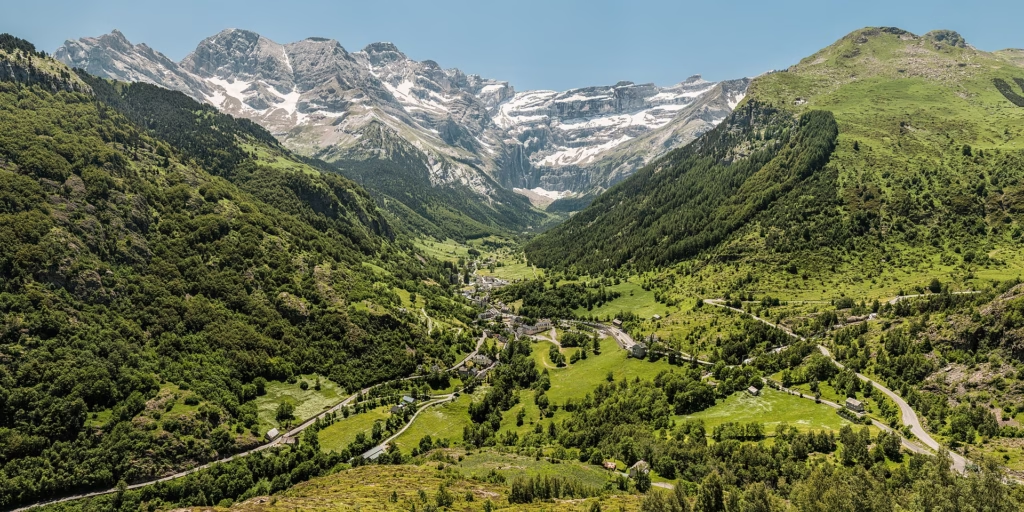
How hard is the Gavarnie-Gèdre finish?
The final climb is deceptive.
At 18.7km at 3.7%, Gavarnie-Gèdre is not a wall. The average gradient suggests a long drag rather than a pure climber’s finish. But after the Aspin and Tourmalet, that kind of climb can become very uncomfortable.
The gradient may also change the racing style. If the favourites arrive together at the bottom, drafting and team support could still matter. A rider with one teammate left may be in a much better position than a rider forced to chase alone. It may also make a breakaway harder to bring back, because the final climb does not offer the same natural selection as a steep summit finish.
The stage could therefore produce two races: one for the win ahead, and one for seconds or minutes behind.
Riders to watch on stage 6
Tadej Pogačar
Pogačar will be watched because he can turn even a moderate final climb into a time-gain opportunity. He does not need the steepest gradients to attack. If UAE make the stage hard before Gavarnie-Gèdre, he has the finishing punch to punish hesitation.
Jonas Vingegaard
Vingegaard’s best chance may be a sustained race rather than a short final burst. The Tourmalet suits his ability to apply pressure over long climbs. If Visma-Lease a Bike decide to race aggressively, the Dane could make stage 6 far harder than its final climb suggests.
Remco Evenepoel
Evenepoel needs to stay close. The Tourmalet and the long finish will test his climbing consistency, but the rolling sections after the summit may suit him if the race becomes tactical. He cannot afford a heavy loss before the Tour leaves the Pyrenees.
Torstein Træen
Træen is the rider under the brightest spotlight. He does not have to win the stage, or even finish with the main favourites, but he must avoid collapse. A controlled loss still keeps his Tour alive. A bad day could put the race back into the expected Pogačar-Vingegaard framework.
For more on why his yellow jersey matters, see our profile on Torstein Træen as the new Tour de France 2026 yellow jersey wearer.
Juan Ayuso and Isaac del Toro
Both UAE riders matter because they give the team options. If UAE want to apply pressure before Pogačar attacks, Ayuso and Del Toro can be central. Their own GC positions also make them more than domestiques.
Paul Seixas
Seixas is still one of the key young rider storylines. A stage like this will show whether he can stay with the Tour’s deeper GC group when the race moves from sharp early tests into full mountain terrain.
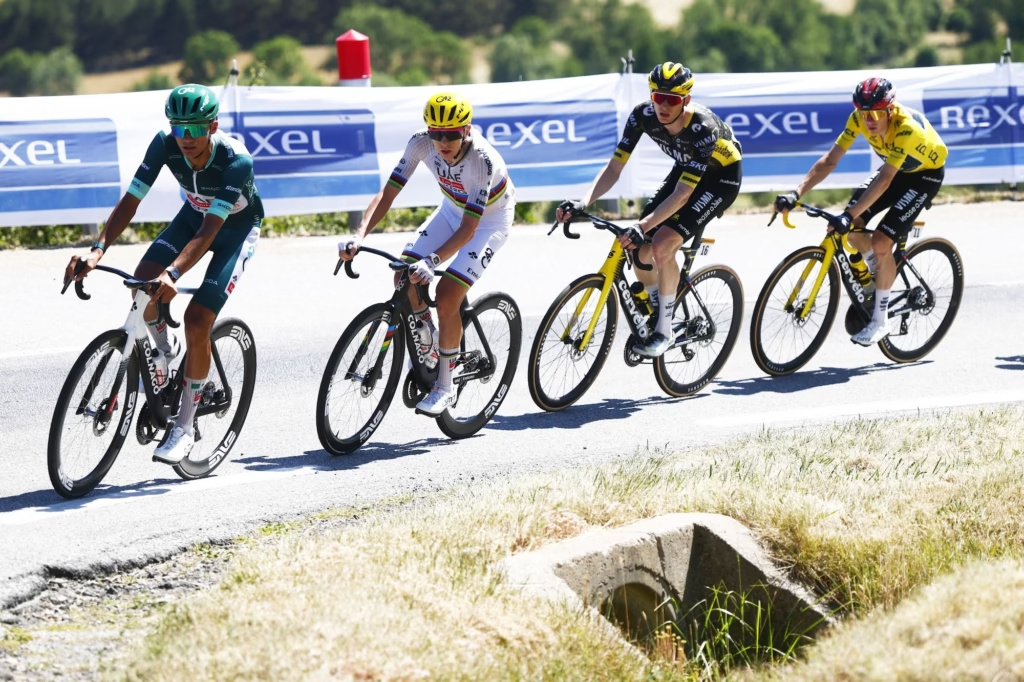
What is the most likely race scenario?
The most likely outcome is a strong breakaway going clear early, while the GC favourites wait until the Aspin and Tourmalet before deciding how hard they want to race.
If the break contains no immediate threat to yellow, it can build a useful lead. Behind, UAE, Visma and Red Bull-Bora-Hansgrohe may prefer pressure rather than chaos. That would still be enough to test Træen. The decisive question is whether any of the favourites attack on the Tourmalet or simply let team tempo do the work.
If the race reaches Gavarnie-Gèdre with the main favourites largely together, the stage may come down to a short GC selection rather than a full explosion. If the Tourmalet is raced hard, the final climb could become a survival test.
What time should UK viewers watch?
The stage rolls out from Pau at 12:25 CEST, which is 11:25 BST. The finish is expected between 16:29 and 17:05 BST.
For the full day, UK viewers should be live before the race leaves Pau. For the main GC action, the key window begins around the Col d’Aspin and runs through the Tourmalet and final climb. Anyone short on time should aim to be watching from around 14:45 BST onwards.
For the wider broadcast picture, our Tour de France 2026 TV schedule and daily start times covers the race stage by stage.
-
 Photo Credit: Getty
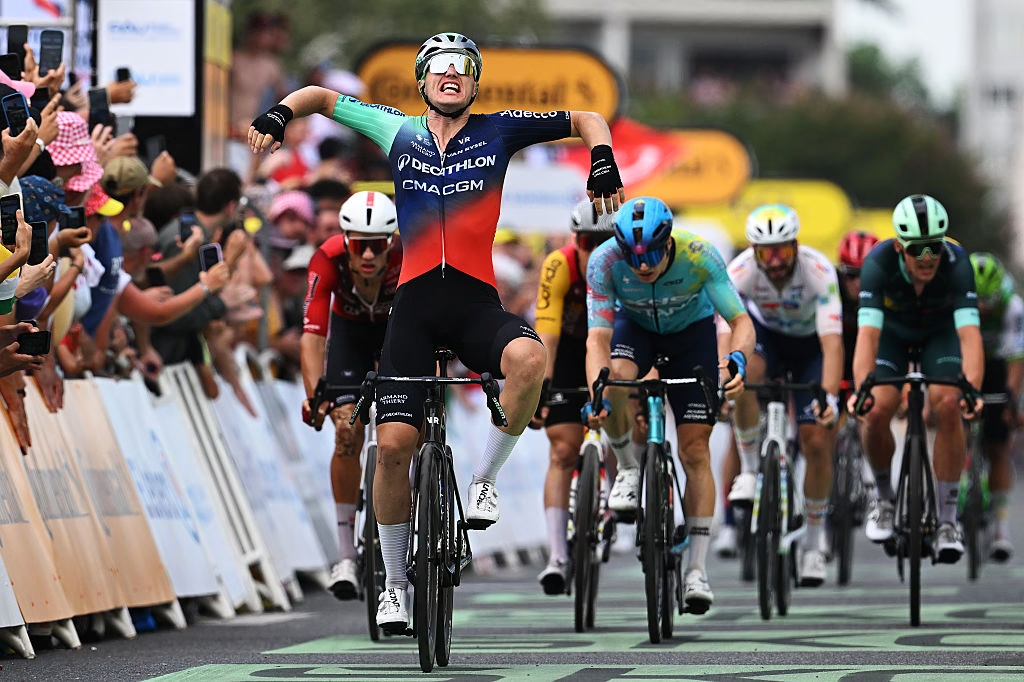
Prediction
This looks like a stage where the breakaway has a real chance of winning, but the GC battle should still take place behind.
The finish is not steep enough to guarantee a major favourite winning from a reduced group, and the Tourmalet is far enough from the finish to make early GC attacks risky. That points towards a mountain breakaway surviving, especially if the strongest teams decide that testing Træen is more important than chasing the stage.
For the yellow jersey, Træen can survive if he limits the damage on the Tourmalet. He has time to lose. The problem is that stage 6 is the first day where losing time in a controlled way may not be entirely in his hands.
The Tourmalet should tell us whether his yellow jersey is a brief surprise or a genuine complication. The stage winner may come from the break, but the real story is likely to be how much of Træen’s lead remains by the time the race reaches Gavarnie-Gèdre.
Expect to see Tadej Pogacar hunt this one down for the win.