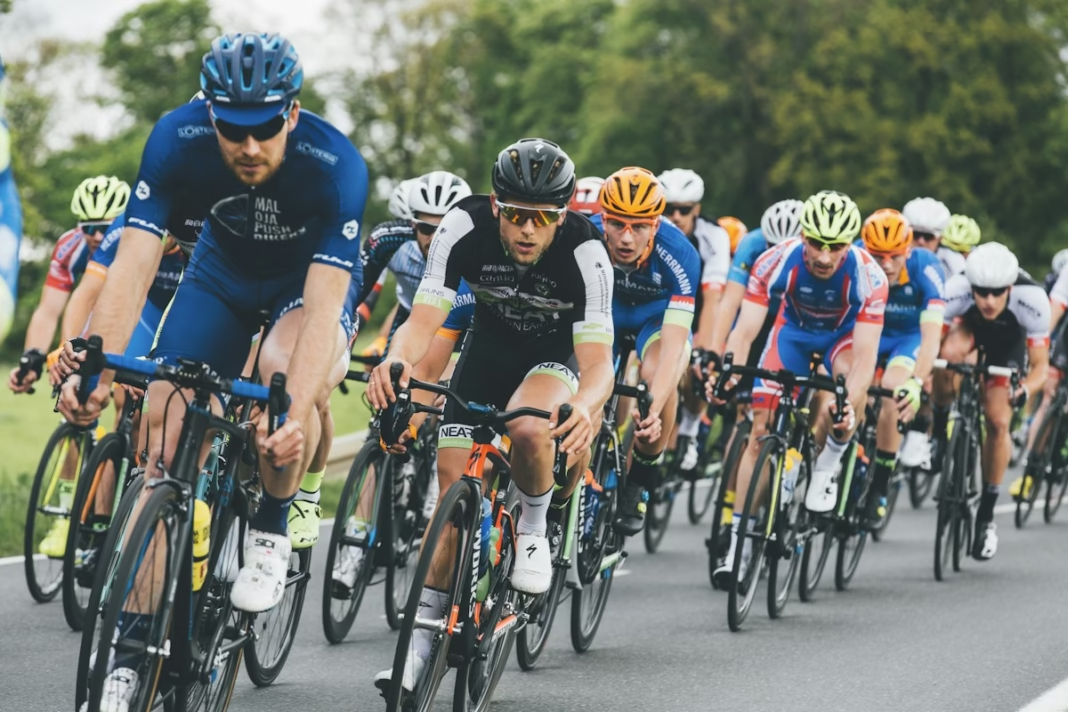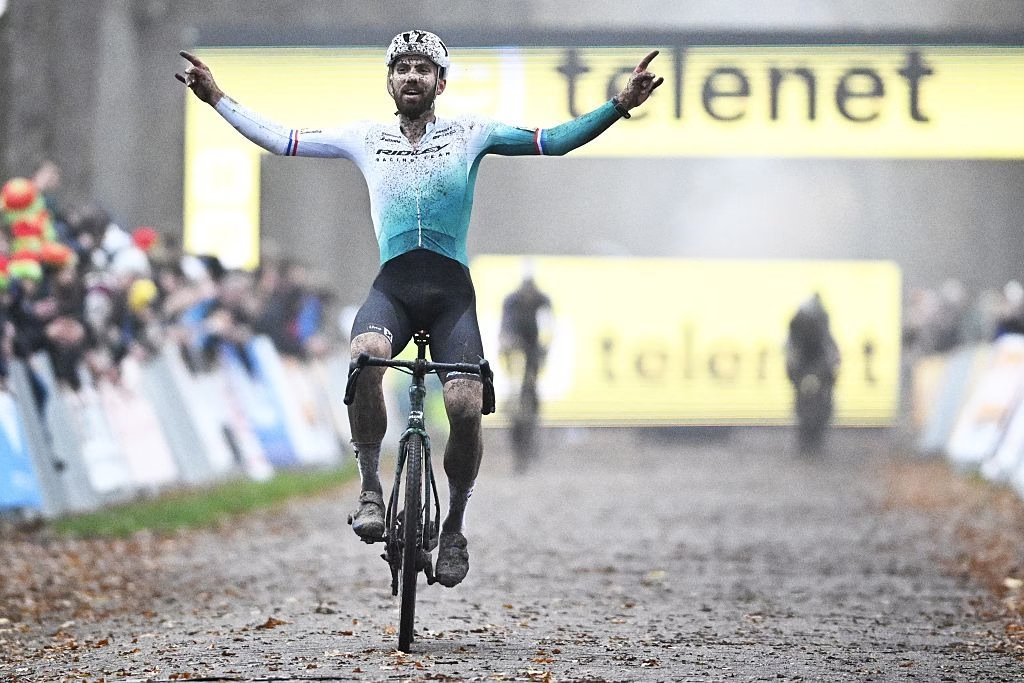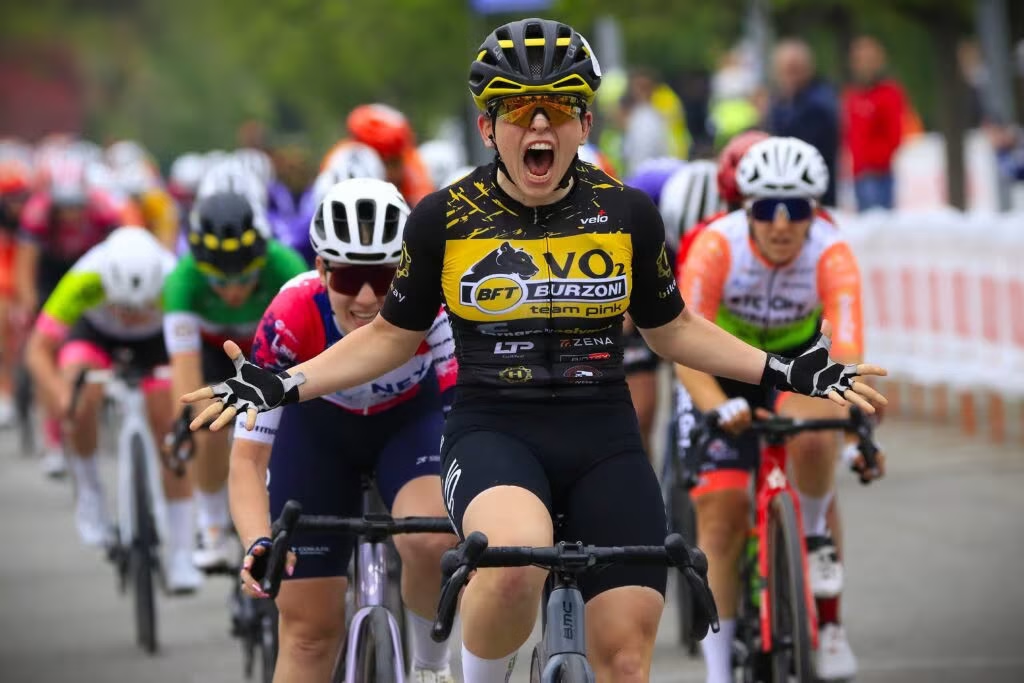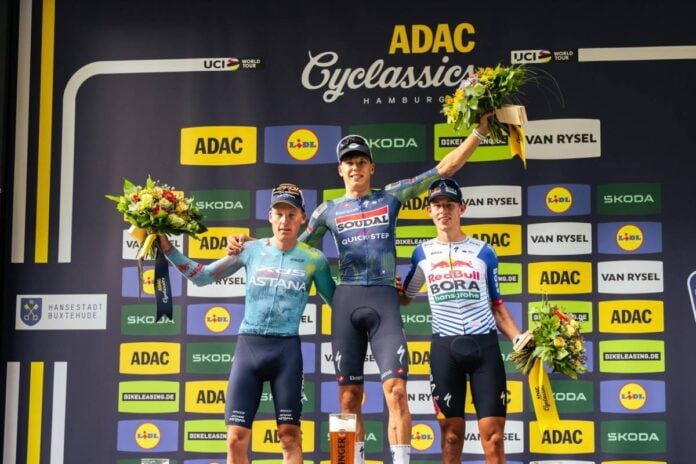
A rider who attacks over the cobbles of Paris-Roubaix in April and one trying to survive the third week of the Tour de France in July need different qualities. The Classics reward repeated accelerations, positioning and resilience after hours of racing. A Grand Tour demands sustained performance over three weeks, recovery between stages and the ability to climb or sprint after thousands of kilometres. Even riders who target both cannot simply hold their spring peak until summer.
Professional teams divide the season into performance windows. Training builds the capacity to race, the Classics provide a first peak, recovery reduces accumulated fatigue and another block prepares the rider for a Grand Tour. The plan depends on the rider’s role. A sprinter chasing stage wins, a general-classification contender and a cobbled Classics leader may share races but not identical preparation.
Why the demands differ
The Classics are not a single discipline. Milan-San Remo can turn on a few minutes of explosive racing after more than 250 kilometres. The Tour of Flanders and Paris-Roubaix place unusual demands on handling, position and repeated accelerations. Liège-Bastogne-Liège rewards climbing endurance and the ability to respond late. Training must prepare riders for the terrain and tactical patterns of their main objectives.
Grand Tours add a different constraint: repeatability. A climber may have the power to win one mountain stage but struggle to reproduce it after two weeks of heat, transfers and previous efforts. Recovery, nutrition, pacing and resistance to fatigue become as important as a single day’s peak numbers. Time trials, crosswinds and sprint stages further complicate the programme.
The distinction is not absolute. A strong aerobic foundation supports both programmes, and riders such as Tadej Pogačar have shown that success across the calendar is possible. What changes is the emphasis and timing. The strongest Classics form in April is not necessarily the form that will win a high-mountain stage in July.
Winter training and the first build
Most riders take a period of reduced stress after the previous season, then progressively rebuild endurance and strength. Winter camps provide uninterrupted training time and allow coaches to assess equipment, aerodynamic position and physical condition. A rider aiming at Opening Weekend may bring high-intensity work forward, while a Tour contender may build more gradually towards summer.
The exact volume varies. A professional recovering from injury cannot copy the programme of a healthy team leader. Coaches consider recent training load, illness, fatigue, travel and the athlete’s response to hard sessions. The aim is not to record the largest number of hours but to arrive at the first important races with enough endurance and enough freshness to race aggressively.
Peter Sagan’s former coach described a programme with three peaks: the Classics, Tour de France and World Championships. His example included a substantial winter base, increased intensity before spring and a deliberate transition after the Classics. It is an illustration of periodisation rather than a template every rider should follow.
Peaking for the Spring Classics
A Classics peak is often a window of several weeks rather than a single race. Teams choose the priority events and arrange race days, reconnaissance and recovery around them. A cobbled specialist may ride preparatory Belgian races to practise positioning and learn how the peloton approaches decisive sectors. An Ardennes leader might race a different schedule, with more emphasis on repeated climbing efforts.
In the final preparation phase, riders often reduce total training volume while retaining intensity. This allows fatigue to fall without losing sharpness. Reconnaissance matters particularly on cobbles: entering a sector too far back can end a winning chance before the strongest riders attack. Fitness alone cannot recover every position lost on a narrow road.
The races themselves create a major training load. Repeated high-intensity days can maintain or sharpen form, but too many can leave a rider depleted. Teams therefore decide when another start provides useful preparation and when rest is more valuable. The choice can be difficult when a rider is winning and wants to keep racing.
The reset after the Classics
After the spring objectives, many riders take several easier days or a longer period of reduced racing. This is not an admission that fitness has disappeared. It gives muscles, immune function and motivation time to recover from a demanding block. Riders who crashed, became ill or raced a particularly heavy programme may need longer than those who finished spring healthy.
Sagan’s coach described a post-Classics break followed by a gradual return through other activities and training, before rebuilding towards the Tour. The important principle is the separation between peaks. A rider cannot keep racing at maximum intensity indefinitely and expect to improve every month.
The next block usually shifts towards the demands of the Grand Tour. Climbers spend more time on long ascents and sustained efforts. General-classification contenders also rehearse time-trial positions and pacing. Sprinters work on the power needed for finishing speed while developing the endurance to survive mountains and remain competitive deep into the race.
Altitude camps and preparation races
Altitude camps are common before major Grand Tours, although not every rider responds in the same way. They allow sustained training away from the disruption of racing and can provide an environment for longer climbing sessions. Coaches must manage the balance between training stimulus and recovery, rather than assuming altitude automatically improves performance.
The Critérium du Dauphiné and Tour de Suisse have often served as preparation races for July. They allow teams to test climbing condition, tactics and equipment against strong opposition. A poor result does not always mean a Tour contender is unprepared, because the training load before the event may have been deliberately high. Equally, winning a preparation race does not guarantee a successful third week in France.
The Giro d’Italia requires a different calendar. A rider aiming for May has much less time to recover after the Ardennes Classics, so teams may shorten the spring programme or avoid some races altogether. The Vuelta a España gives a spring specialist more time to reset and rebuild, but the rider must still account for summer racing and the cumulative demands of the season.
Different plans for sprinters, leaders and domestiques
A sprinter who targets both the Classics and Tour stages might retain a similar emphasis on repeated hard efforts and finishing speed. But the Tour also requires enough climbing durability to reach the final week. Training cannot focus exclusively on peak sprint power. Race selection may favour events that combine fast finishes with sustained fatigue.
A general-classification contender may avoid the roughest Classics because the risk of crashing and losing training time outweighs the benefit. Other leaders deliberately race selected one-day events to sharpen condition. Team objectives and individual risk tolerance matter. A domestique may have to prepare for two peaks even when neither includes a personal opportunity to win.
Teams also manage support riders across the calendar. A rider who works heavily in Flanders may need a break before joining a Grand Tour training camp. Another might be selected for the Giro and later the Vuelta, requiring a different sequence of recovery and racing. The best roster is not simply the eight strongest names on paper but the riders whose preparation fits the specific race.
Nutrition, fatigue and the third week
Training periodisation only works if the rider can absorb the work. Adequate carbohydrate availability supports demanding sessions, while fuelling during races protects performance late in the day. Recovery nutrition, sleep and careful management of travel help riders repeat efforts. Aggressive attempts to reduce body mass at the wrong time can compromise both training quality and health.
In a Grand Tour, recovery is a daily task. Riders eat soon after stages, manage hydration and aim to minimise unnecessary stress. The first week can feel deceptively manageable for a contender, but small deficits accumulate. The third week rewards athletes who have paced themselves and whose teams have managed the load across the full event.
That is also why a spring champion may not be the strongest rider in July. The Classics measure performance in a particular window; the Tour measures it again after a different build and under very different conditions. Success in both requires careful timing, not just exceptional talent.
What a balanced season looks like
Consider a rider targeting Flanders and Roubaix before the Tour. Winter establishes endurance; February and March introduce race-specific intensity and positioning practice; April is the first competitive peak. The rider then takes a recovery block, rebuilds sustained endurance and climbing capacity in May, tests condition in June and tapers into July. That sequence is illustrative, not a fixed calendar.
For a rider whose main objective is the Giro, the same spring programme may be too demanding. For a specialist targeting the Ardennes and Vuelta, a longer summer rebuild is possible. Teams adapt around injury, illness, race invitations and changing leadership. The art of periodisation lies in deciding what not to race as much as in choosing where to peak.
The calendar creates opportunities for versatile riders, but it also imposes limits. The same long-term planning shapes team recruitment and ranking priorities, explored in our WorldTour promotion and relegation guide. A professional who wants to win in April and July needs a plan that protects recovery between those months. Training, racing and rest are not competing priorities. They are the three parts of the same season.
-
 Photo Credit: Markus Spiske
-
 Photo Credit: Getty
-
Photo Credit: Foto Osola