
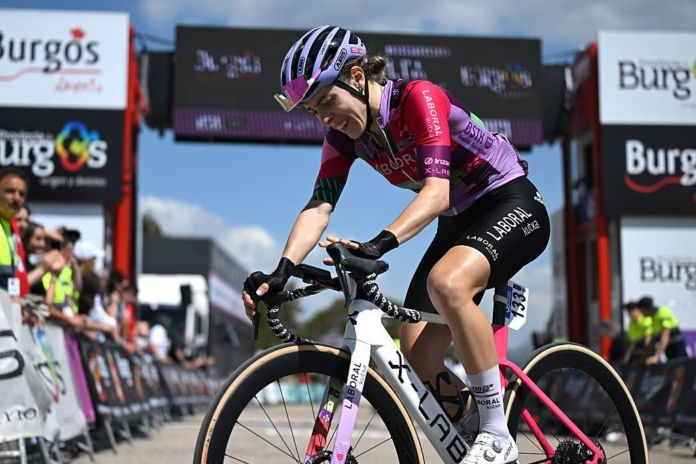
Laboral Kutxa-Euskadi have confirmed their seven-rider squad for the Tour de France Femmes 2026, with Usoa Ostolaza heading the selection for the nine-stage race from Lausanne to Nice.
Ostolaza will be joined by Naia Amondarain, Yuliia Biriukova, Idoia Eraso, Arianna Fidanza, Paula Patiño and Debora Silvestri when the race begins in Switzerland on 1 August.
The squad gives Laboral Kutxa-Euskadi a strong climbing core around Ostolaza, Amondarain, Eraso and Patiño, while Fidanza and Silvestri add options for the flatter and more unpredictable stages.
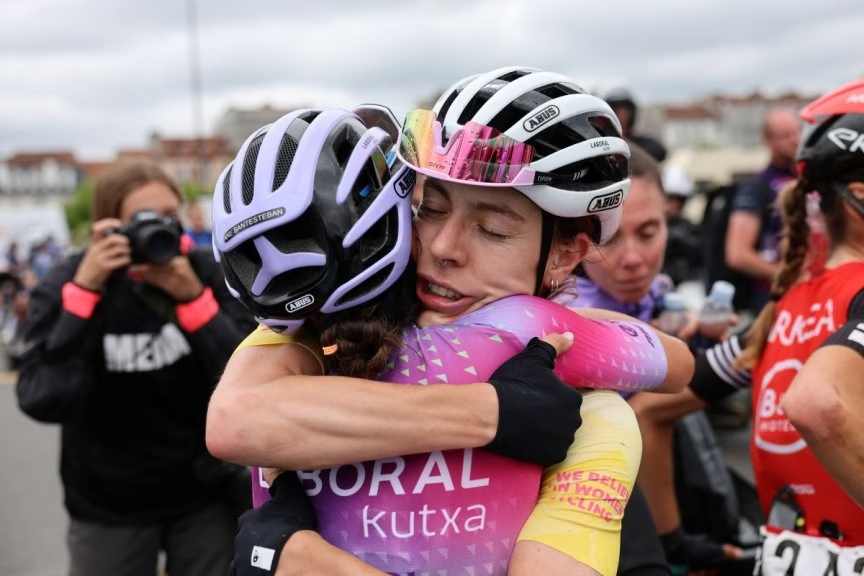
Ostolaza is the obvious focal point
Ostolaza remains the rider most likely to deliver a major result for Laboral Kutxa-Euskadi.
The Basque rider has developed into one of the team’s strongest stage-race options and has already built a sizeable body of results across hilly and mountainous races. Her wider progression can be followed through the Usoa Ostolaza rider page.
Her trajectory has also attracted interest beyond Laboral Kutxa-Euskadi, with Ostolaza linked to a move to FDJ-Suez for next season after continuing to develop as a GC rider. The reported move and what it says about her rise are covered in Usoa Ostolaza close to FDJ-Suez move after strong development at Laboral Kutxa.
For the Tour, she gives the team a rider capable of staying involved on the harder days without forcing the entire squad into a rigid GC strategy. If the overall classification remains realistic, she can be protected. If time is lost, she immediately becomes a dangerous stage-hunting option.
The 2026 route gives the team room to attack
The Tour de France Femmes 2026 route should suit a team prepared to race with that flexibility.
The opening stages in Switzerland provide opportunities for the faster riders before the race moves into more selective terrain. Stages 5 and 6 are particularly interesting for a squad such as Laboral Kutxa-Euskadi because repeated climbing and tactical uncertainty should make them harder for the major GC teams to control.
The decisive mountain tests come later, with Mont Ventoux on Stage 7 and the final mountain stage around Nice. Ostolaza’s climbing strength gives Laboral Kutxa-Euskadi a reason to remain patient if she is still competitive overall, but the team also have enough depth to put riders into moves before those stages arrive.
That balance matters for a squad unlikely to carry the responsibility of controlling the peloton.
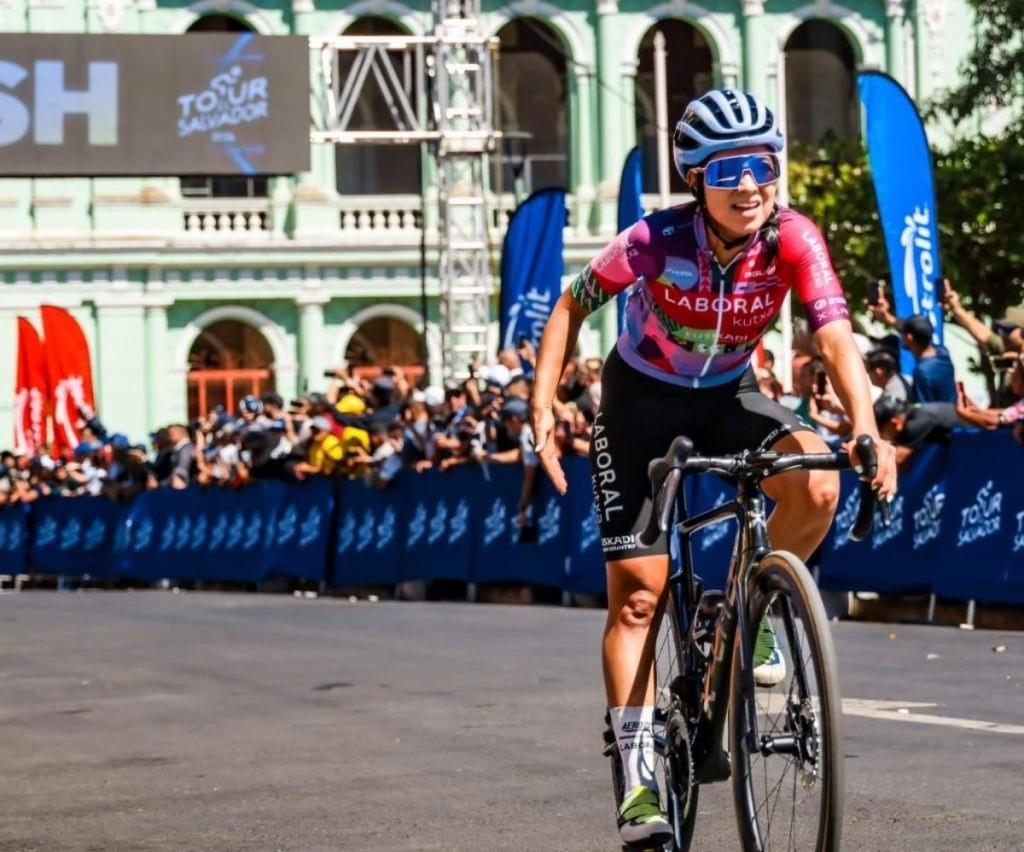
Amondarain, Eraso and Patiño add climbing depth
Naia Amondarain and Idoia Eraso give Laboral Kutxa-Euskadi two more riders comfortable once the road starts climbing, while Paula Patiño brings additional experience for the mountain stages.
That support gives the team more than one way to use its climbing strength. If Ostolaza remains well placed overall, the others can help keep her protected deep into selective stages. If the race opens up, the same riders can be used more aggressively.
This could become particularly valuable during the middle of the race, where the Tour de France Femmes breakaway specialists should have their best opportunities.
Laboral Kutxa-Euskadi do not need to wait for Mont Ventoux to make an impact.
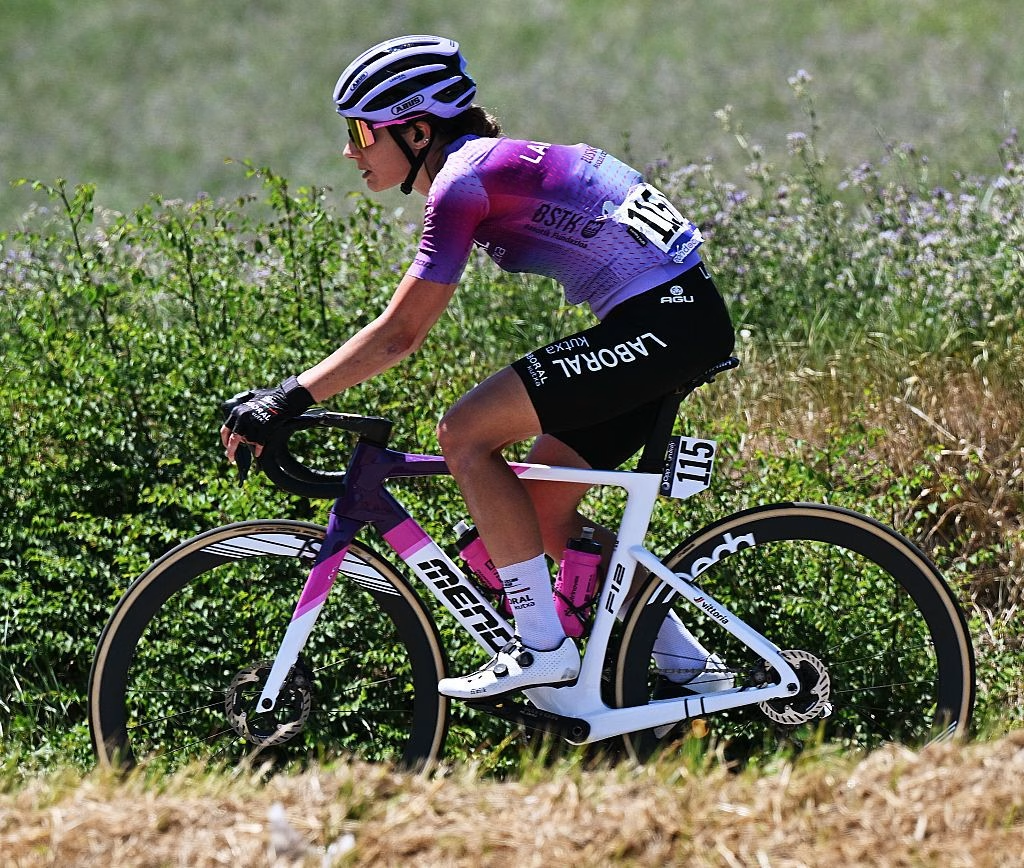
Fidanza and Silvestri give the team faster options
The selection is not entirely built around climbing.
Arianna Fidanza gives Laboral Kutxa-Euskadi another option when the race stays together, particularly on stages where enough climbing has been accumulated to weaken some of the pure sprinters.
Debora Silvestri adds further versatility, while Yuliia Biriukova gives the squad another rider capable of contributing across a range of terrain.
That makes the team more useful tactically than a pure mountain selection. On stages where a sprint looks likely, they can preserve their faster riders. On days where the bunch becomes difficult to control, they have enough climbing strength to put riders into moves.
-
 Photo Credit: quentinphotographiebe
 -
 Photo Credit: Getty

A squad built for stage opportunities as well as GC
The shape of the selection suggests Laboral Kutxa-Euskadi will be most dangerous when the race becomes difficult to read.
They have enough climbing strength to support Ostolaza, enough depth to target breakaways and enough versatility to remain involved on the faster stages. That should be useful across a Tour where the riders to watch are spread across very different specialties.
Ostolaza remains the clearest overall reference point, but the team do not need her GC position to define every decision. If the opening stages or Dijon time trial create significant gaps, Laboral Kutxa-Euskadi can shift towards stage hunting without losing much of their strength.
That freedom may be one of their biggest advantages.
Laboral Kutxa-Euskadi Tour de France Femmes 2026 squad
- Usoa Ostolaza
- Naia Amondarain
- Yuliia Biriukova
- Idoia Eraso
- Arianna Fidanza
- Paula Patiño
- Debora Silvestri
Laboral Kutxa-Euskadi head to Lausanne with Ostolaza as their most obvious result option, but the seven-rider squad is broad enough to avoid becoming dependent on one GC outcome. Amondarain, Eraso and Patiño give the team climbing depth, while Fidanza, Silvestri and Biriukova add the flexibility needed to take opportunities when the Tour becomes harder to control.

