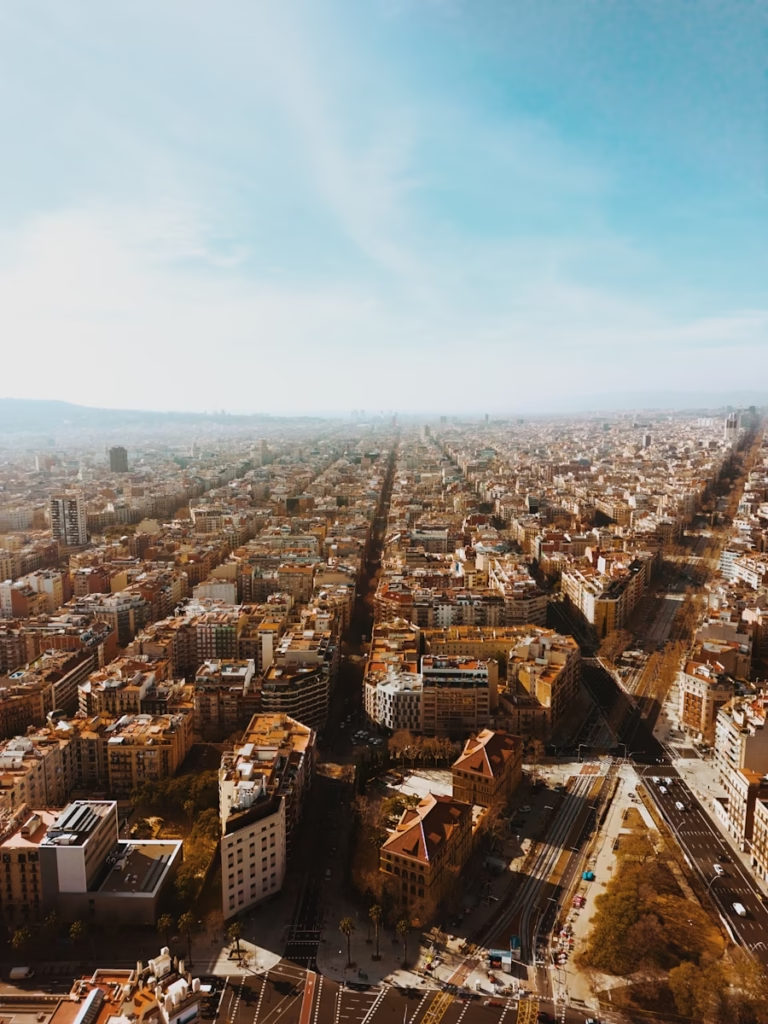
Barcelona is one of the most unusual cycling cities in Europe because the riding changes so quickly. One moment you are on a wide seafront road beside the Mediterranean, the next you are climbing towards Montjuïc, and within a short ride you can be in the wooded roads of Collserola with the city below you. It is not a pure cycling city in the Alpine sense, but it is a brilliant one for variety.
That is why the 2026 Tour de France Grand Départ works so well here. Barcelona gives the Tour a city-centre spectacle, a coastal backdrop and enough climbing to make the opening weekend more than a parade. Stage 1 begins with a team time-trial through the city, while Stage 2 returns to Barcelona for a Montjuïc finale that should immediately test the strongest riders.
For fans, Barcelona is not just a place to watch the Tour. It is a place where you can ride the same kind of roads that shape the race atmosphere: urban climbs, coastal approaches, technical descents and punchy ramps that reward positioning as much as pure power. You do not need to be a climber to enjoy cycling in Barcelona, but you do need to understand how quickly the terrain changes.
That is what makes the city so good. Barcelona can be an easy café spin, a hard climbing day, a coastal ride, a gravel-style exploration of Collserola or a Tour de France weekend base. It is compact, busy, scenic and occasionally chaotic, but it has a cycling character that feels very different from the classic French mountain towns.
For the race context, see our Tour de France 2026 Grand Départ guide, Tour de France 2026 full route guide and Tour de France 2026 in Catalonia: what fans need to know.
Why Barcelona is a good cycling city
Barcelona works for cycling because it has three useful landscapes close together. There is the city itself, with broad avenues, bike lanes and urban climbs. There is the coast, which gives flatter riding and sea views. Then there is Collserola, the hilly natural park that rises immediately behind the city.
That makes it easy to build different kinds of rides without long transfers. A short ride can take in the seafront and Montjuïc. A harder route can head towards Tibidabo, Vallvidrera or Forat del Vent. A longer day can push beyond the city towards the Maresme coast, Montserrat, Garraf or inland Catalan roads.
It is also a city where cycling has several identities. There is everyday transport cycling, tourist riding, road training, gravel-style routes and serious climbing. Those worlds overlap, but they do not always use the same roads. The best riding usually begins once you escape the busiest central streets and find the quieter climbs or coast roads.
Barcelona is not perfect. Traffic can be heavy, junctions can be intense and summer heat can make mid-day riding uncomfortable. But for a cycling trip built around the Tour de France, it offers something few Grand Départ cities can match: proper riding without leaving the urban area.
For planning outside the race bubble, Barcelona Turisme’s cycling routes in and around Barcelona are a useful starting point for understanding how the city links urban riding, coast roads and nearby climbs.
Montjuïc: Barcelona’s Tour de France climb
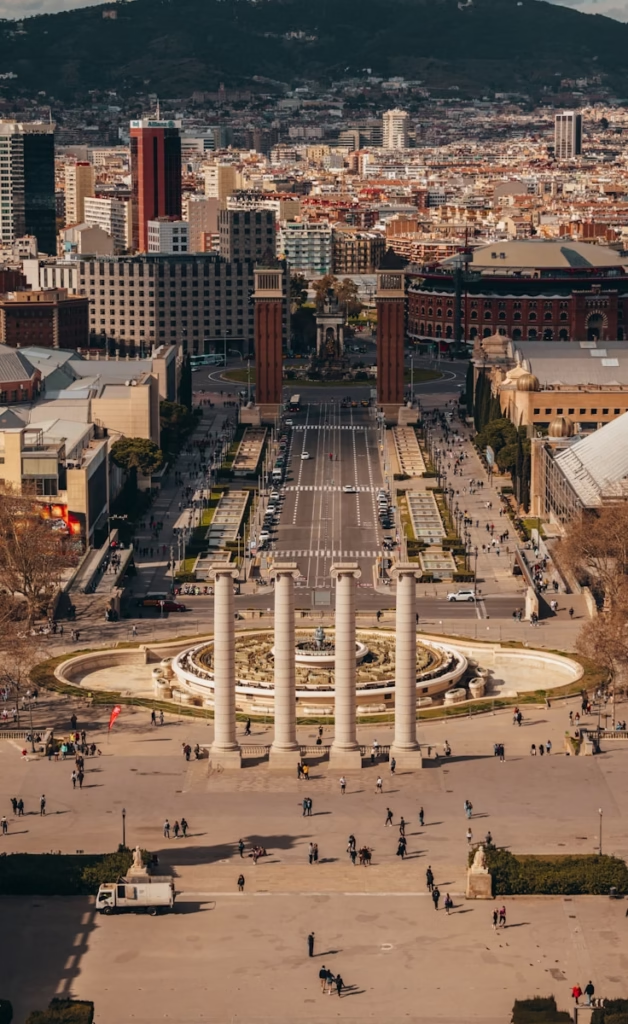
Montjuïc is the obvious cycling landmark in Barcelona. It is not a long climb, but it matters because it rises directly out of the city and has a long connection with sport, racing and major events. The Olympic stadium, the park roads and the views over Barcelona all give it a stage-like quality.
For riders, Montjuïc is punchy rather than mountainous. It is the kind of climb that hurts because of repeated ramps, changes of rhythm and technical turns rather than altitude. You can ride it as a short effort, link it into a city loop, or use it as a repeat-climb session if you want something sharper.
For the Tour, that makes it ideal. A Grand Départ in Barcelona needs recognisable city scenery, but it also needs a sporting edge. Montjuïc gives the route both. It is central, accessible and steep enough to create real selection if raced hard.
That is why Stage 2 of the 2026 Tour is so interesting. A finish around Montjuïc is not a pure sprint finish. It should reward riders who can position well, handle urban roads and accelerate after a hard approach. It gives Barcelona a race-shaping role rather than simply acting as a backdrop.
For more on why the city was chosen, see our feature on why Barcelona is hosting the 2026 Tour de France Grand Départ. For the official race overview, the Tour’s own Grand Départ Barcelona 2026 page confirms the Catalan opening weekend structure.
What Montjuïc is like to ride
Riding Montjuïc is more about rhythm than distance. The climb can be approached from several directions, and each version feels slightly different. Some ramps are short and sharp. Others are steadier, with wider roads and sweeping bends. The hardest sections come when you try to hold speed rather than simply get to the top.
It is a good climb for riders who enjoy repeated efforts. You can ride up, descend, loop through the park roads and climb again without turning it into a full mountain day. That makes it ideal for a short ride before watching the Tour or for anyone staying in central Barcelona.
The road surface is generally urban rather than remote-mountain smooth. There can be traffic, buses, pedestrians and other riders, so it is not a climb to treat like a closed-road race outside event conditions. But early in the morning, it can be one of the best ways to feel Barcelona’s cycling geography.
Montjuïc also gives a sense of why the Tour wanted this city. At the top, the view opens out across the port, the sea, the city grid and the hills beyond. In one place, you can see the three cycling identities of Barcelona: urban, coastal and climbing.
For race-viewing context around the hill, see our best places to watch the Tour de France 2026 in Barcelona.
Collserola: the real riding playground
If Montjuïc is the Tour postcard, Collserola is the everyday playground for serious local riding. The natural park rises behind the city and includes a network of roads, climbs, descents and viewpoints that can turn a short escape from Barcelona into a proper training ride.
The appeal of Collserola is how quickly it changes the feel of the city. From central Barcelona, you can climb towards Vallvidrera, Tibidabo or Forat del Vent and suddenly feel away from the urban noise. The roads become greener, twistier and more suited to sustained riding.
This is where Barcelona becomes a proper cycling base. Montjuïc is fun and symbolic, but Collserola is where you can build a ride. You can climb, descend, link villages, loop back towards the city or drop towards Sant Cugat and return from another side.
For visitors, Collserola also gives a useful test. It is not as intimidating as the Pyrenees, but it is hard enough to expose poor pacing. The climbs are not endless, but they come often. The gradients vary, the roads twist and the heat can make even moderate climbs feel harder than expected.
For fans staying beyond the opening weekend, that matters. Barcelona is not only a Grand Départ host. It is a base for riding before the race moves towards the Pyrenees, covered in more detail in our Tour de France 2026 Pyrenees guide.
Tibidabo: the climb above the city
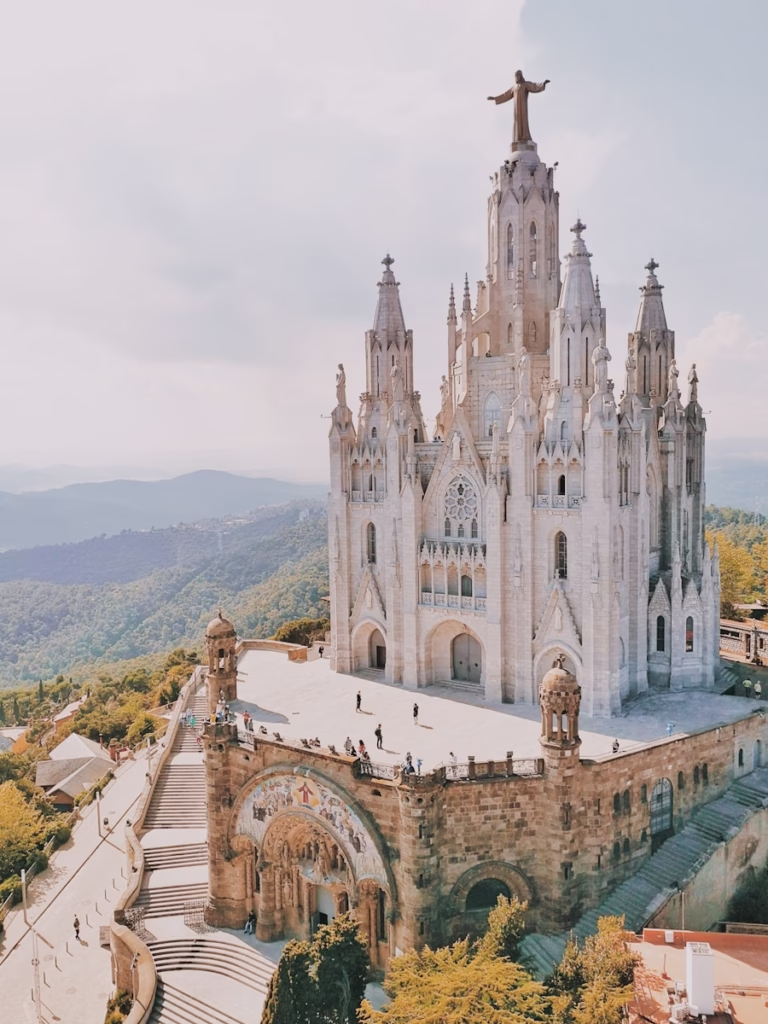
Tibidabo is the climb most visitors notice first because it is visible from across Barcelona. The church and amusement park sit high above the city, making it a natural target for riders who want a clear destination.
The climb towards Tibidabo can be approached in different ways, but the basic attraction is the same: a steady rise from the city into Collserola, with views opening as you gain height. It is a more complete cycling experience than Montjuïc because it feels like leaving Barcelona rather than circling inside it.
Tibidabo is not a Tour de France climb in the traditional sense, but it is a proper local test. The gradient changes enough to keep the effort interesting, and the road network around it allows riders to extend or shorten the route. You can make it a simple out-and-back, or use it as part of a longer Collserola loop.
For Tour visitors, Tibidabo works well as a pre-race or rest-day ride. It gives the sense of climbing above the Grand Départ city without needing a full day in the mountains. Ride it early, descend carefully, and it becomes one of the best ways to understand Barcelona’s relationship with the hills.
Carretera de les Aigües: the panoramic option
Carretera de les Aigües is one of the best-known panoramic routes above Barcelona. It runs along the side of Collserola and gives wide views across the city, the sea and the urban grid below.
It is not a standard road cycling climb in the same way as Tibidabo or Montjuïc. Depending on the section, it can feel more like a mixed-use path or gravel-style route than a pure road ride. That makes bike choice important. A road bike may be fine on some approaches, but wider tyres or a gravel bike can make the experience more relaxed.
The reason to ride it is the view. Few places show Barcelona so clearly as a cycling city. You can see the coast, the dense centre, Montjuïc, the port and the mountains that frame the city. It is less about training and more about perspective.
For fans visiting during the Tour, Carretera de les Aigües is a good option if you want a scenic ride without committing to a hard road route. It also works well for mixed groups, especially if not everyone wants the same level of climbing.
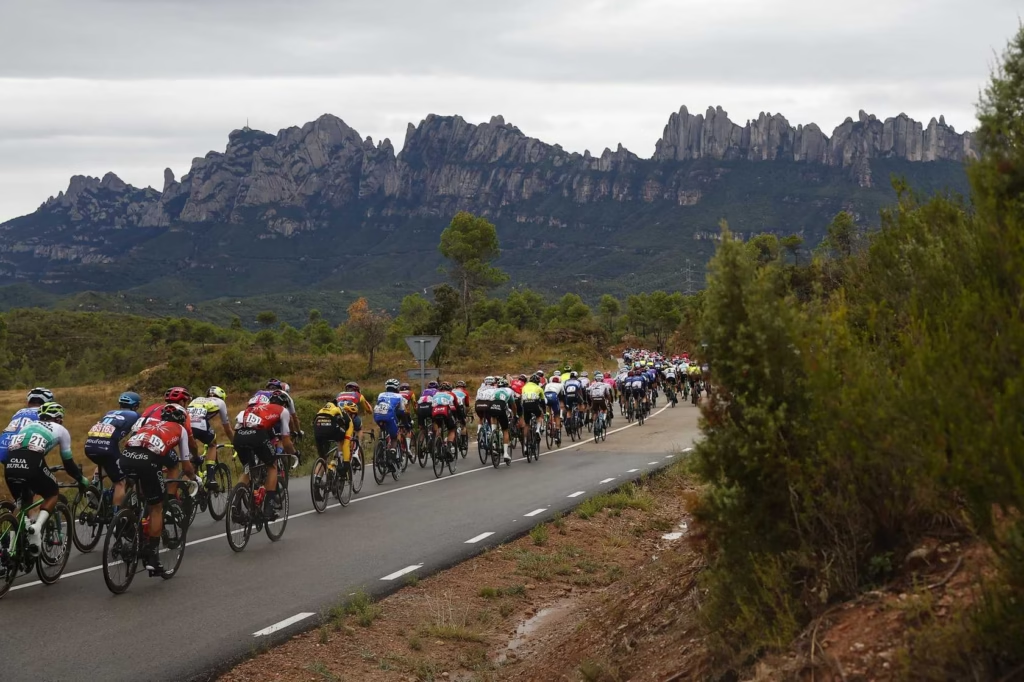 Photo Credit: Sprint Cycling Agency
Coastal riding from Barcelona
Barcelona’s coast is one of its biggest cycling advantages. Heading north or south from the city can give riders flatter kilometres, sea views and a different rhythm from the hills of Collserola.
The immediate city seafront can be busy, especially with pedestrians, tourists and local bike traffic, so it is not always ideal for fast road riding. But as part of a relaxed spin or a way out of the city, it has obvious appeal. It also links well with the Tour atmosphere because the 2026 opening weekend uses Barcelona’s relationship with the sea as part of the Grand Départ identity.
Longer coastal rides can head towards the Maresme coast or south towards the Garraf area, depending on where you are staying and how much distance you want. These routes can be beautiful, but traffic and road choice matter. Not every coastal road is equally pleasant for cycling, and the best routes usually require a little planning.
For Tour fans, the coast is also useful logistically. It gives an easier riding option on days when the city is crowded, roads are closed or you do not want to climb in the heat. A morning coastal spin followed by stage viewing later in the day is a very Barcelona way to experience the Grand Départ.
For the wider opening-weekend fan plan, see our Tour de France 2026 in Catalonia: what fans need to know.
The roads north of Barcelona
Riders looking for longer routes often head north-east towards the Maresme, Girona direction or inland Catalan roads. This opens up more varied terrain, with rolling roads, small climbs and quieter sections once you move away from the densest urban area.
This is where Barcelona starts to connect with Catalonia’s broader cycling culture. The city itself is busy, but the wider region has the kind of roads that explain why so many professional riders spend time in north-eastern Spain. The climate, varied terrain and access to mountains make it a strong riding area.
For a visitor staying in Barcelona, the main question is distance. You can ride from the city, but some riders may prefer to use a train or transfer to start in a quieter area. That can save the stress of navigating urban traffic and leave more energy for the best roads.
The Tour’s 2026 route also points in this direction. After Barcelona and Tarragona, the race heads deeper into Catalonia before moving towards the Pyrenees. That gives fans a reason to think beyond the city if they are planning several days around the Grand Départ.
For more on the Catalan opening, see our Tour de France 2026 Grand Départ guide and how to visit the Tour de France 2026 Grand Départ in Barcelona.
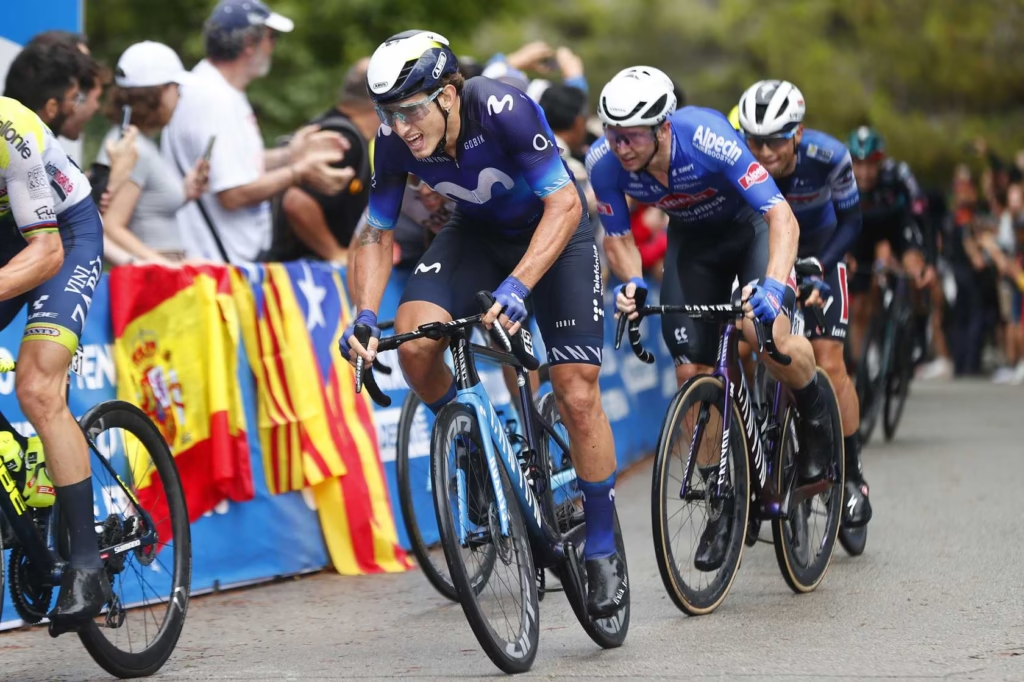
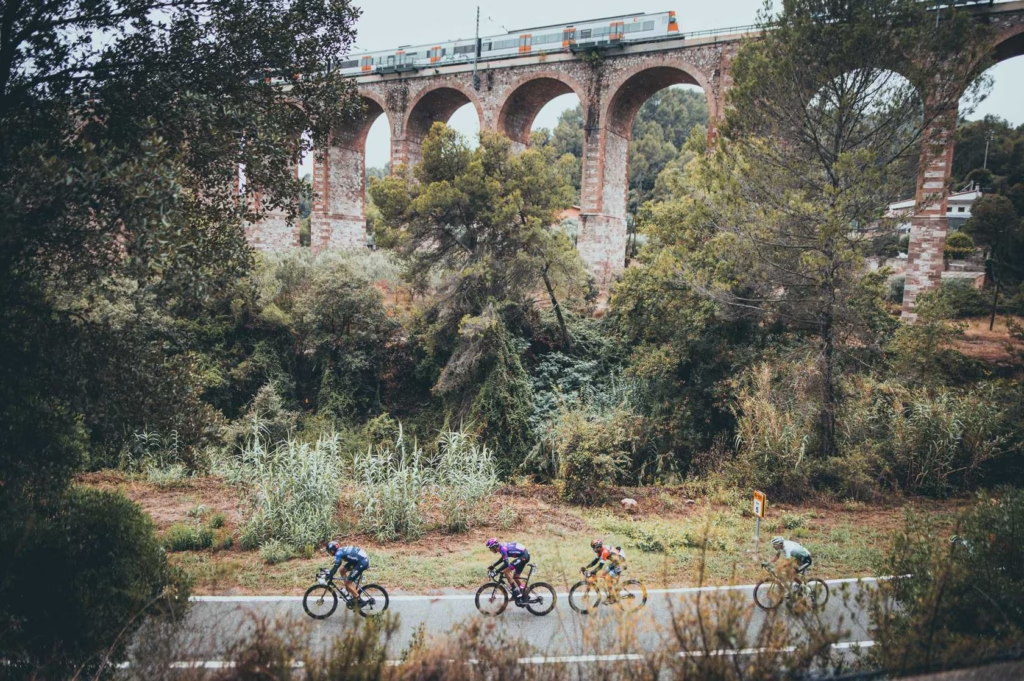 Photo Credit: Unipublic / Cxcling / Antonio Baixauli
The roads south of Barcelona
South of Barcelona, the road towards Sitges and the Garraf coast offers another kind of ride. This is more open, coastal and scenic than the Collserola climbs, with the potential for rolling roads and sea views rather than repeated city climbs.
It is also an area where route choice matters. Some roads can carry fast traffic, and riders need to be careful about which sections they use. But with a planned route, the southern coast can be one of the most rewarding directions from the city.
This is relevant to the Tour because Stage 2 starts in Tarragona and follows the coast before returning to Barcelona. That gives the 2026 Grand Départ a Catalan coastal identity as well as a city one. Fans who ride south of Barcelona will understand that contrast quickly: sea-level roads, exposed sections, rolling approaches, then the sudden bite of Montjuïc at the end.
For riders who like scenic endurance riding more than sharp urban climbs, this may be the better side of Barcelona to explore. For the race implications of that second day, see our Tour de France 2026 route analysis.
Is Barcelona good for climbing?
Barcelona is good for climbing, but not in the way Alpine towns are good for climbing. You do not roll out of the city and immediately start 20km mountain passes. Instead, you get shorter, sharper and more frequent climbs.
Montjuïc is the city climb. Tibidabo and Vallvidrera are the local training climbs. Collserola gives the ride variety. Garraf and the roads beyond the city can add longer rolling terrain. If you want bigger mountain days, you need to travel further into Catalonia or towards the Pyrenees.
That makes Barcelona ideal for riders who like mixed terrain. You can do a short climb-heavy ride before breakfast, a coastal endurance loop, a gravel-style scenic route, or a longer day that links several climbs together.
For Tour de France fans, the climbing is also accessible. You do not need a support car, a remote hotel or a high-mountain transfer to ride something relevant to the race. Montjuïc is right there. Collserola is close. Tibidabo is visible from the city.
Barcelona’s climbs are not about altitude. They are about immediacy. That also makes them a useful contrast with what follows, as the race quickly moves towards the high mountain terrain covered in our Tour de France 2026 summit finishes guide.
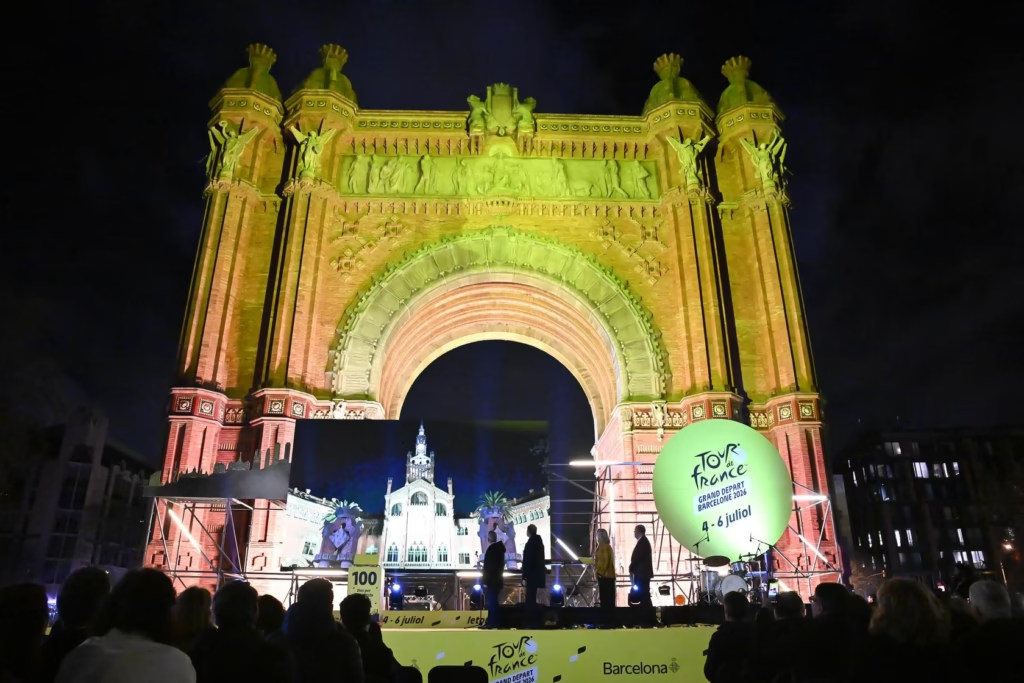
What the Tour de France brings to Barcelona
The Tour de France changes a city. It brings road closures, team buses, sponsor caravans, fans, media, temporary barriers, police planning and a sense of anticipation that builds for days before the first rider rolls down the start ramp.
Barcelona should handle that better than many cities because it already knows how to host major events. But the Tour is different from a stadium event. It moves through the streets, changes traffic patterns and turns normal roads into race infrastructure.
For cycling fans, that is the appeal. You can walk around the city and feel the race arriving. Hotels fill with teams and supporters. The start area becomes a meeting point. The route becomes part of the public imagination. Even people who do not follow cycling closely tend to notice when the Tour is in town.
The 2026 Grand Départ should feel especially strong because Barcelona offers more than a ceremonial start. The team time-trial creates a technical sporting opener, while the Montjuïc finale gives the second stage real punch. The city will not just launch the Tour. It may shape the first yellow jersey battle.
For more race detail, see our Tour de France 2026 route analysis and how the Stage 1 team time-trial could change the Tour de France 2026.
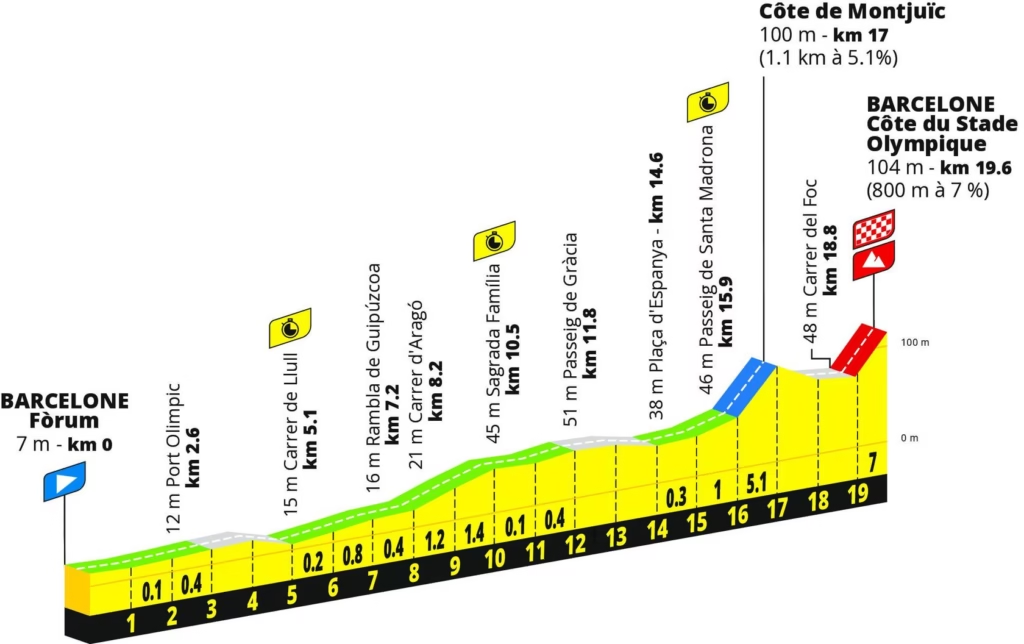
Stage 1: Barcelona team time-trial atmosphere
The opening stage of the 2026 Tour is a team time-trial in Barcelona. That is a major choice. A team time-trial is not simply a prologue with teams. It is a discipline built around formation, pacing, aerodynamics, cornering and collective risk.
In a city like Barcelona, that should look spectacular. The wide roads, seafront sections, landmarks and climb towards Montjuïc give the stage a clear visual identity. For spectators, the team time-trial is also one of the easiest formats to watch in person because riders pass in organised groups at regular intervals.
The noise should build differently from a road stage. Instead of one peloton and a long wait, fans get team after team, each moving at full speed. The best viewing points will likely be where the course slows, turns, climbs or narrows, because that is where the discipline becomes most visible.
For riders, the stage is dangerous in a sporting sense. Time gaps can appear immediately. A team that misjudges pacing or loses a rider before the climb could put its GC leader under pressure before the race has even reached France.
For fans, it is the perfect Barcelona opener: technical, visual and urban. For a full breakdown of the format, see our Tour de France 2026 team time-trial explained.
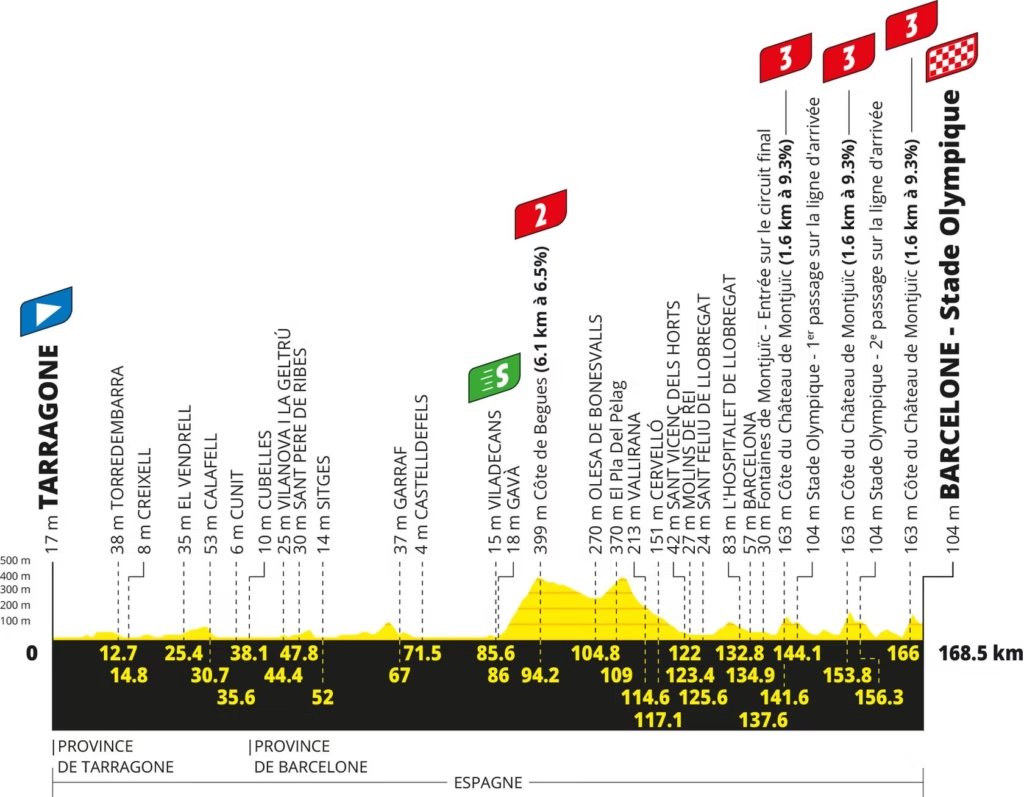
Stage 2: Tarragona to Barcelona and the Montjuïc finish
Stage 2 may be the more emotional Barcelona stage because it returns to the city after a coastal approach from Tarragona and finishes around Montjuïc. This is where the Grand Départ should feel less like an opening ceremony and more like a proper Tour stage.
The route should suit punchy riders, aggressive teams and GC contenders who want to test legs early. It is not a day for pure sprinters if the Montjuïc sections are raced hard. The repeated ramps, positioning battles and city-road pressure should make the final kilometres tense.
For fans, Montjuïc will be the obvious place to watch. It gives climbing, visibility, atmosphere and a clear link to the city’s sporting identity. The downside is that it will be crowded. Anyone planning to watch there will need to arrive early and be prepared for limited movement once closures are in place.
Stage 2 is also the day that could make Barcelona feel like a cycling city to a much wider audience. The team time-trial will be technical and impressive, but a road stage finish on Montjuïc should create the kind of images people remember.
For a wider look at how the opening stages affect the race, see our Tour de France 2026 route: best days for GC attacks and Tour de France 2026 stage hunters to watch.
Best climbs to ride in Barcelona
Barcelona’s best climbs are not all long, but they each give a different version of the city.
| Climb / area | Best for | Riding character |
|---|---|---|
| Montjuïc | Tour atmosphere and short efforts | Urban, punchy, symbolic |
| Tibidabo | Views and a proper city climb | Longer, steadier, scenic |
| Vallvidrera | Collserola access | Local training climb feel |
| Forat del Vent | Quieter climbing and views | Rolling, wooded, less urban |
| Carretera de les Aigües | Panoramic riding | Mixed-use, scenic, relaxed |
| Garraf coast | Longer coastal ride | Rolling, open, sea views |
| Maresme direction | Endurance riding | Coastal and rolling |
| Montserrat | Bigger day outside Barcelona | More ambitious, destination ride |
Montjuïc is the obvious Tour ride. Tibidabo is the obvious city-climbing ride. Collserola is the best everyday riding area. Garraf and Maresme give longer coastal options. Montserrat is more of a full-day target for riders who want a bigger Catalan cycling experience.
The best choice depends on what kind of trip you are planning. For a short Tour weekend, Montjuïc and Collserola are enough. For a longer stay, the coast and inland roads make Barcelona a much richer cycling base.

Best rides for Tour de France fans
If you are visiting for the Tour, the best rides are the ones that connect riding with the race atmosphere rather than trying to do too much.
A short Montjuïc loop is the obvious first ride. It lets you see the key Tour setting, understand the climb and still leave plenty of time for watching the race or exploring the city.
A Collserola loop is the best proper training ride. Ride towards Vallvidrera or Tibidabo, link the roads through the park, then descend back towards Barcelona. It gives climbing, views and enough variety to feel like a real cycling day.
A coastal spin is the easiest recovery option. Keep it relaxed, avoid the busiest pedestrian sections where necessary, and use it as a way to enjoy the city without taking on too much heat or traffic.
A longer ride towards Garraf or the Maresme is best if you have an extra day and want something beyond the Grand Départ roads. This is where Barcelona starts to feel less like a city break and more like a cycling holiday.
For fan logistics, see our how to visit the Tour de France 2026 Grand Départ in Barcelona and best places to watch the Tour de France 2026 in Barcelona.
Practical tips for riding in Barcelona
The most important Barcelona cycling tip is to ride early. Heat, traffic and crowds all build through the day, especially in summer and especially during a major event like the Tour de France. An early ride gives quieter roads and more comfortable temperatures.
Route planning matters. Barcelona has good cycling infrastructure in places, but not every direct route is pleasant on a road bike. The best rides often involve knowing how to escape the city efficiently before enjoying the quieter roads.
Be careful on descents. Collserola and Montjuïc can both include technical sections, traffic, pedestrians and changing road surfaces. These are not closed-road descents unless you are racing on the official Tour route.
Water matters too. Summer riding in Barcelona can be hot, and climbs can feel harder than expected in the middle of the day. Plan stops, carry enough fluid and do not assume a short ride will always feel easy.
Finally, during the Tour, expect disruption. Roads may close early, police controls may change movement and access to key areas may be restricted. Build flexibility into any ride plan during Grand Départ week.
For UK viewers who are not travelling, see our how to watch Tour de France 2026 in the UK guide.

Where to stay for cycling and the Tour
For most fans, staying central is the simplest option. Areas with good access to Montjuïc, the seafront and public transport will make the Tour easier to manage. You do not want to rely on moving across the city by car during road closures.
Staying near Montjuïc can work well for race atmosphere, especially if Stage 1 and Stage 2 viewing are priorities. Staying near the seafront gives easier access to relaxed rides and the opening time-trial setting. Staying closer to the northern or western sides of the city may make Collserola rides easier.
The best choice depends on your trip. If the Tour is the priority, think about walking and public transport first. If riding is the priority, think about how quickly you can reach quieter roads. If both matter, choose somewhere that gives easy access to Montjuïc and a clean route out towards Collserola.
Barcelona is compact enough that you can make most areas work, but Grand Départ week will make convenience much more valuable.
For wider planning, see our how to visit the Tour de France 2026 Grand Départ in Barcelona guide.
Is Barcelona good for beginner cyclists?
Barcelona can be good for beginner cyclists, but route choice is important. The city has cycle lanes and relaxed riding options, but the road-cycling side can quickly become more demanding because of traffic, climbs and heat.
Beginners may be better starting with the seafront, park roads or a guided ride rather than heading straight into Collserola. Montjuïc can be manageable if ridden calmly, but it is still a climb with traffic and turns. Tibidabo and longer Collserola loops are better suited to riders with more confidence.
E-bikes also make sense for many visitors. They open up Montjuïc, viewpoints and some hillier routes without turning the ride into a fitness test. For fans visiting mainly for the Tour, an e-bike can be a good way to experience the city’s cycling geography without arriving exhausted at the roadside.
For road riders, Barcelona is better if you already have some confidence in traffic and descending. For casual riders, it is better treated as a scenic cycling city rather than a place to chase training numbers.
For new fans following the race as much as riding it, see our beginner’s guide to Men’s Tour de France 2026.
Is Barcelona good for serious road cyclists?
Yes, but the best riding is not in the busiest central streets. Serious road cyclists will get the most from Barcelona by using the city as a base and heading quickly towards Collserola, the coast or longer Catalan routes.
Collserola is good for shorter climbing rides and repeated efforts. The coast is better for endurance and tempo riding. Longer routes towards Montserrat, Garraf or the roads beyond the city can turn Barcelona into a proper road cycling destination.
The main compromise is urban access. Unlike a mountain town, you may need to navigate traffic before reaching the best roads. That is why early starts and careful routing matter.
The upside is variety. You can do a climbing session, a city spin, a coast ride and a longer endurance loop from the same base. Add the Tour de France atmosphere in 2026, and Barcelona becomes much more than a host city. It becomes a cycling trip in its own right.
For riders planning a broader cycling holiday around the race, see our Tour de France Grand Départs abroad: a short history and how to visit the Tour de France 2026 Grand Départ in Barcelona.
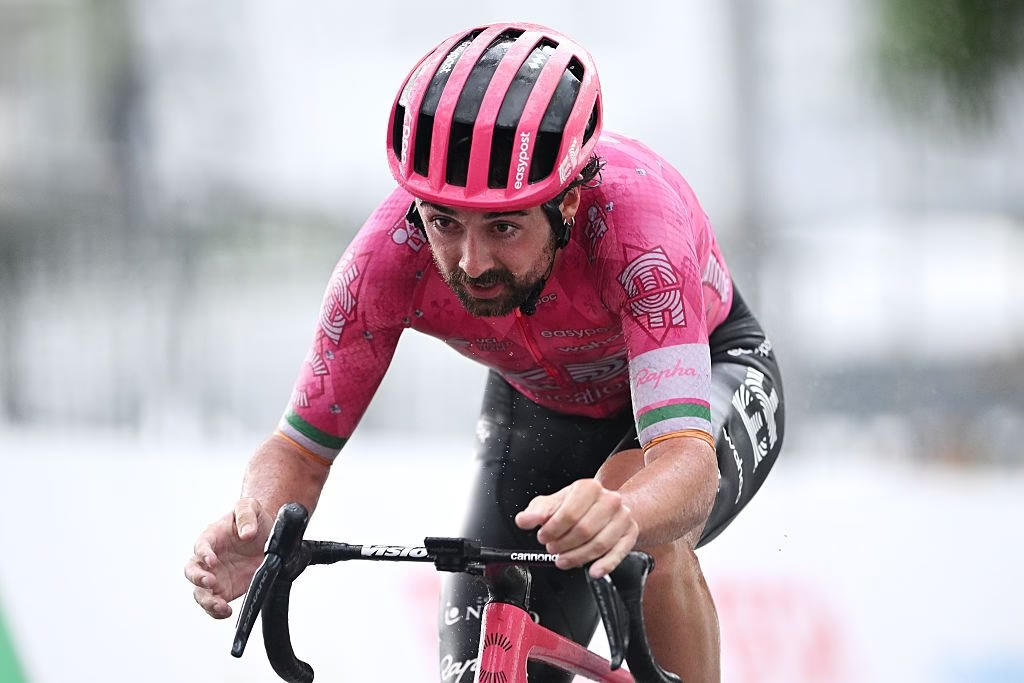
Barcelona and the Tour de France atmosphere
Barcelona should give the 2026 Tour de France one of its most distinctive modern starts. Some Grand Départs are scenic. Some are technical. Some are historic. Barcelona can be all three at once.
The city has the landmarks: Montjuïc, the seafront, the Olympic setting, the urban grid and the Catalan backdrop. It has the roads: fast avenues, short climbs, technical turns and coastal approaches. It has the fan appeal: easy travel, strong tourism infrastructure and enough cycling routes to turn a race weekend into a riding trip.
The best thing about Barcelona as a Tour host is that it does not feel like a neutral stage set. The city’s geography will shape the racing. Montjuïc should matter. The team time-trial should create time gaps. The coastal approach should make Stage 2 visually and tactically different from a normal French opener.
For cycling fans, that is the real attraction. You can ride the climbs, watch the teams, follow the race through the city and still feel the wider Catalan cycling landscape around you.
For the full race picture after Barcelona, see our Tour de France 2026 full route guide and Tour de France 2026 route analysis.
Cycling in Barcelona verdict
Cycling in Barcelona is about contrasts. It is city and coast, short climbs and long views, traffic and quiet hills, Tour spectacle and everyday riding. That makes it a strong cycling destination, especially for fans planning around the 2026 Grand Départ.
Montjuïc will be the headline because of the Tour. Tibidabo and Collserola are the better daily riding tests. The coast gives easier kilometres. The roads beyond the city give Barcelona its depth as a cycling base.
The Tour de France will bring extra attention, crowds and disruption, but it will also show exactly why Barcelona works for cycling. The city is not just hosting the race. It is giving the race a route with shape, atmosphere and an immediate sporting edge.
For more Tour de France 2026 coverage, visit our Tour de France hub, beginner’s guide to Men’s Tour de France 2026 and how to watch Tour de France 2026 in the UK.