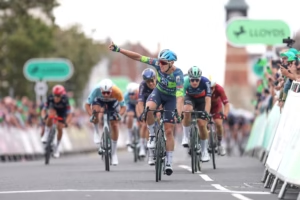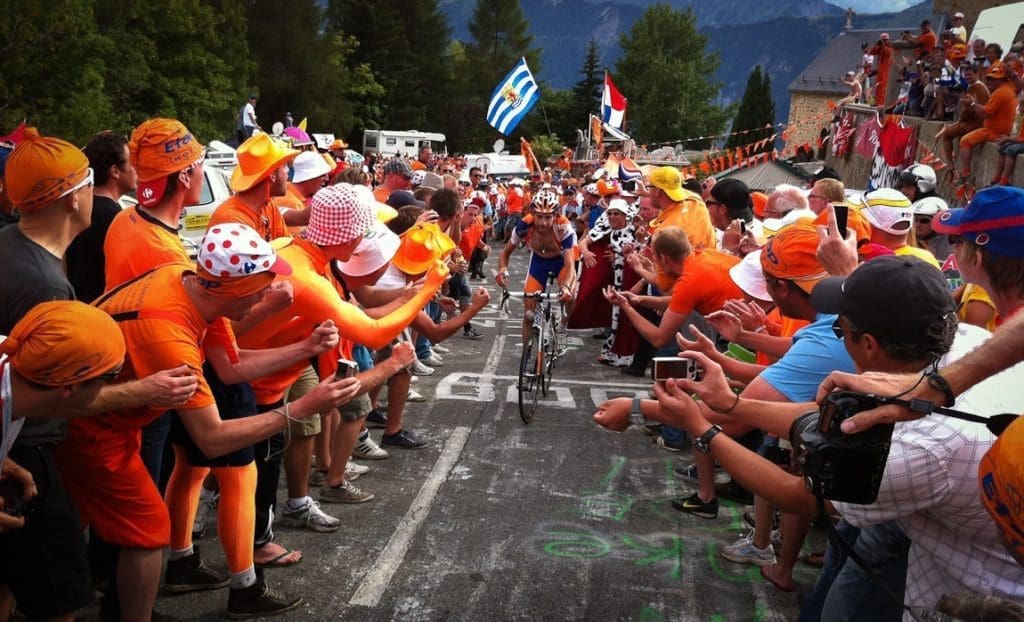
A summit finish in the Tour de France is a stage that ends at the top of a climb. Instead of climbing a mountain and descending afterwards, the riders race uphill all the way to the finish line. That makes the final climb the decisive part of the stage.
Summit finishes are some of the most important days in the Tour because they expose weakness quickly. A rider who cracks near the top cannot use a descent or flat road to recover. If they lose contact, the time gap can grow fast. That is why summit finishes are so important for the yellow jersey, the polka-dot jersey and the biggest stage wins of the race.
They are also easy for new fans to understand. The road goes up, the strongest climbers come forward, the domestiques disappear one by one, and the general classification contenders eventually have to face each other. In a sport that can sometimes feel tactically complicated, a summit finish gives the Tour one of its clearest tests.
The 2026 Tour de France uses summit finishes as a major part of the route. Gavarnie-Gèdre, Plateau de Solaison, Orcières-Merlette and Alpe d’Huez twice form the official summit-finish list, while other uphill and mountain finishes add to the race’s climbing pressure. For the full picture, see our Tour de France 2026 summit finishes guide, Tour de France 2026 mountain stages ranked by difficulty and Tour de France 2026 full route guide.
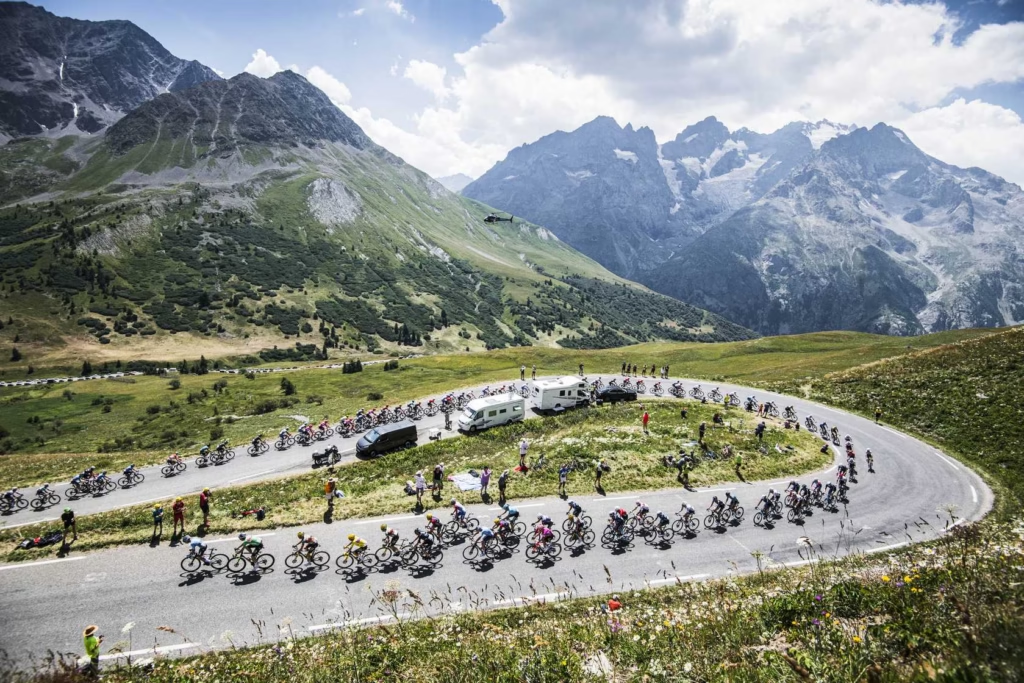
Summit finish meaning in the Tour de France
A summit finish means the stage finishes at or near the top of a climb. The final kilometres go uphill, and the finish line comes before any meaningful descent.
That matters because the climb becomes the final judge of the stage. If a rider is dropped, there is no long downhill chase to get back. If a climber attacks, rivals have to respond on the climb itself. If a GC contender has a bad day, the time loss can be immediate and painful.
Not every mountain stage is a summit finish. Some stages climb huge passes, then descend to a town in the valley. Others finish after a short uphill drag rather than at the top of a major climb. A summit finish is more specific: the stage ends on the mountain.
This is why summit finishes are often used as set-piece moments in the Tour. They give the race a clear climax and usually force the best climbers into direct competition.
For more race basics, see our beginner’s guide to Men’s Tour de France 2026 and Tour de France 2026 route analysis.
Why summit finishes matter
Summit finishes matter because they produce real gaps. In the Tour de France, small differences can decide the yellow jersey. A summit finish can turn a few seconds of weakness into a minute or more.
On a normal mountain stage, a rider who struggles near the top of a climb may still recover on the descent. They might use teammates, chase back in the valley, or limit the damage before the finish. On a summit finish, that safety net is gone. The rider has to keep climbing until the line.
That changes the psychology of the race. Teams know the final climb will decide the day, so they try to position their leaders before it. Domestiques ride hard at the bottom of the climb to reduce the group. Then the strongest riders attack or wait for rivals to crack.
A summit finish is not always the most exciting stage on paper, but it is one of the most honest. The final climb strips away hiding places.
For the wider yellow jersey context, see our Tour de France 2026 GC favourites ranked, Tour de France 2026 dark horses for the general classification and how the Tour de France general classification works.
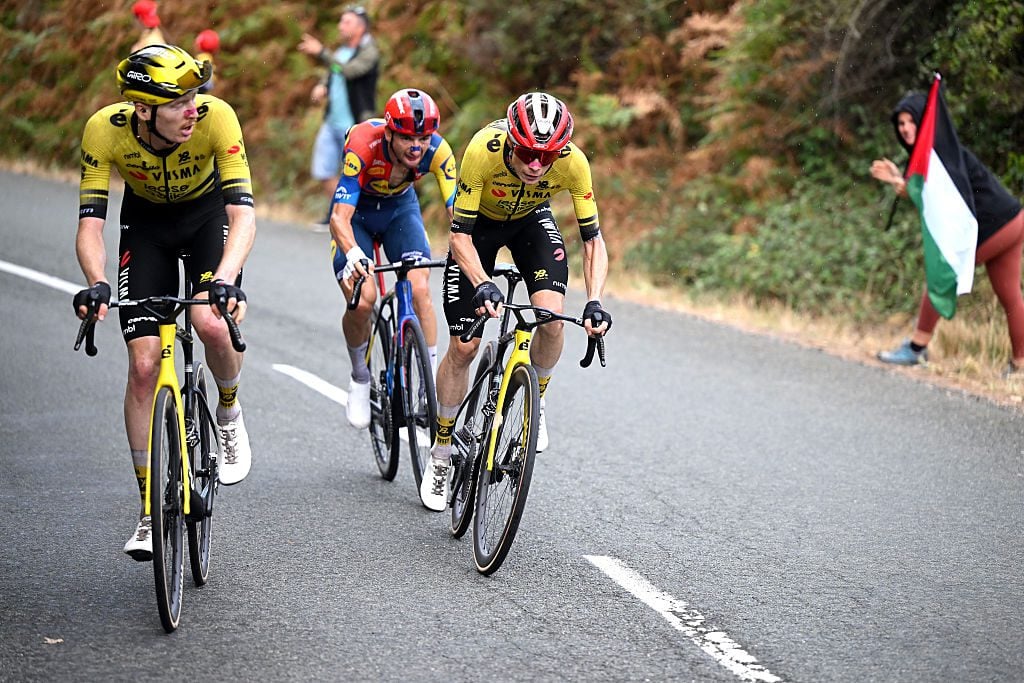
Is every mountain stage a summit finish?
No. Every summit finish is usually a mountain or uphill stage, but not every mountain stage is a summit finish.
A mountain stage can include several huge climbs and still finish after a descent. For example, a stage might cross the Col du Galibier, then finish in a valley town. That can still be a very hard mountain day, but it is not a summit finish if the line is not at the top of the final climb.
This distinction matters tactically. A descending finish gives strong downhill riders and organised chasing groups a chance to come back. A summit finish gives climbers more control because the race keeps going uphill until the finish.
The 2026 Tour shows the difference clearly. Stage 20 includes the Col du Galibier, Col de Sarenne and Alpe d’Huez, with the race finishing on Alpe d’Huez. That makes it a summit finish. The Galibier is hugely important, but it is not the finish. It is the climb that helps set up the final test.
For the Galibier’s wider role, see our history of the Col du Galibier at the Tour de France, Tour de France 2026 queen stage guide and Tour de France 2026 climbs guide.
What happens on a summit finish?
A summit finish usually has a familiar pattern. The early part of the stage may feature a breakaway, especially if the route is hard and the peloton does not want to chase all day. Behind, GC teams try to keep their leaders safe and save energy for the final climb.
As the race reaches the bottom of the last climb, positioning becomes vital. Teams move their leaders towards the front. Domestiques set the pace. The group starts to shrink. Sprinters and heavier riders drop away. Then climbing domestiques begin to disappear too.
Near the top, the race becomes much more direct. The best GC riders either attack or try to follow. A stage hunter from the breakaway may still be ahead, fighting to survive. The yellow jersey group may be racing for time rather than the stage win.
The final kilometre can be brutal. Even small gradients hurt after hours of racing. A rider who looked comfortable 3km earlier can suddenly lose 20 or 30 seconds. That is why summit finishes are so dangerous for the overall contenders.
For more on how those early moves work, see what is a breakaway in the Tour de France? and Tour de France 2026 breakaway specialists to watch.
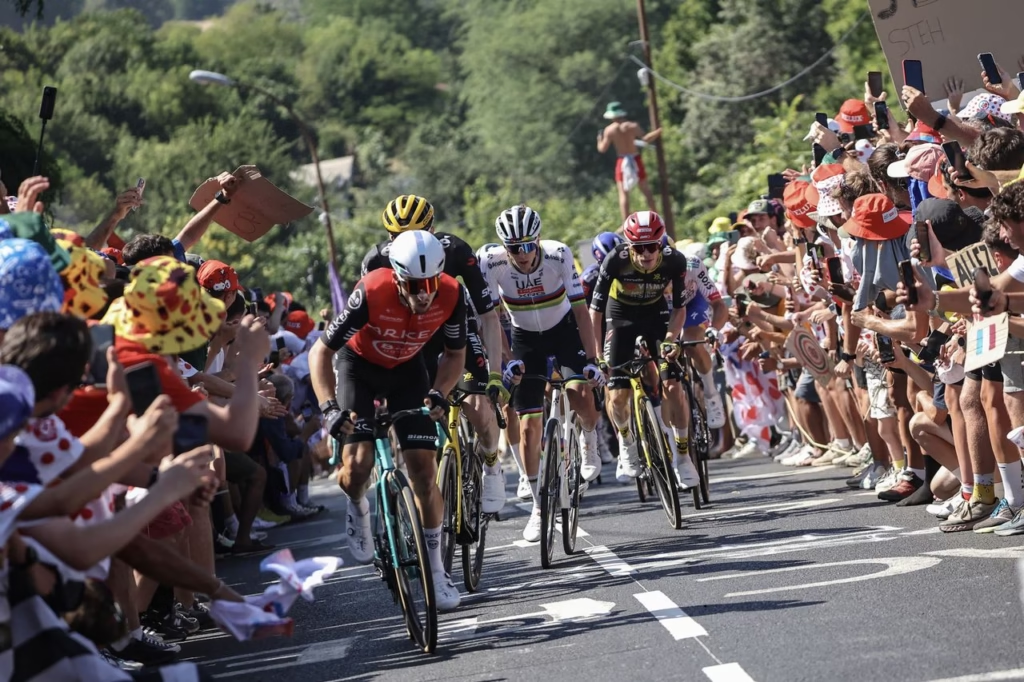
Why summit finishes are important for the yellow jersey
The yellow jersey is awarded to the rider with the lowest overall time. Summit finishes matter because they are among the best places to gain or lose time.
A GC rider can attack on a summit finish and force rivals to respond without help from a descent. If the attack works, the time gap can grow quickly. If the attack fails, the rider may pay for it before the line. Either way, the climb usually reveals who is strongest.
Summit finishes also expose team depth. A strong team can set a hard pace at the bottom of the final climb, dropping rivals’ domestiques and leaving other leaders isolated. Once that happens, the best riders have to chase attacks themselves.
This is why summit finishes often define the shape of the Tour. A rider may not win the yellow jersey on one climb, but they can make the decisive difference there. A bad summit finish can end a podium challenge. A great one can turn a contender into the race favourite.
For the 2026 yellow jersey contenders, see our Tadej Pogačar at the Tour de France 2026, Jonas Vingegaard at the Tour de France 2026 and Remco Evenepoel at the Tour de France 2026.
Why summit finishes are hard for sprinters
Summit finishes are usually survival days for sprinters. They are not racing for the stage win. They are trying to finish inside the time cut and preserve energy for future sprint stages.
Sprinters are built for short, explosive efforts, not long mountain climbs. They carry more muscle mass than pure climbers and are less suited to sustained climbing at high intensity. On summit-finish days, they often form a gruppetto, a group of riders working together behind the main race to reach the finish safely inside the time limit.
The problem is that summit finishes often come after several earlier climbs. By the time sprinters reach the final ascent, they may already be tired, hot, low on energy and far behind the front of the race. The climb then becomes a test of pacing rather than speed.
This is why the green jersey battle is not only about sprinting. A sprinter has to survive the mountains to keep scoring points later in the race.
For more on this, see why sprinters suffer in the Tour de France mountains, how Tour de France time cuts work and our Tour de France 2026 sprinters guide.
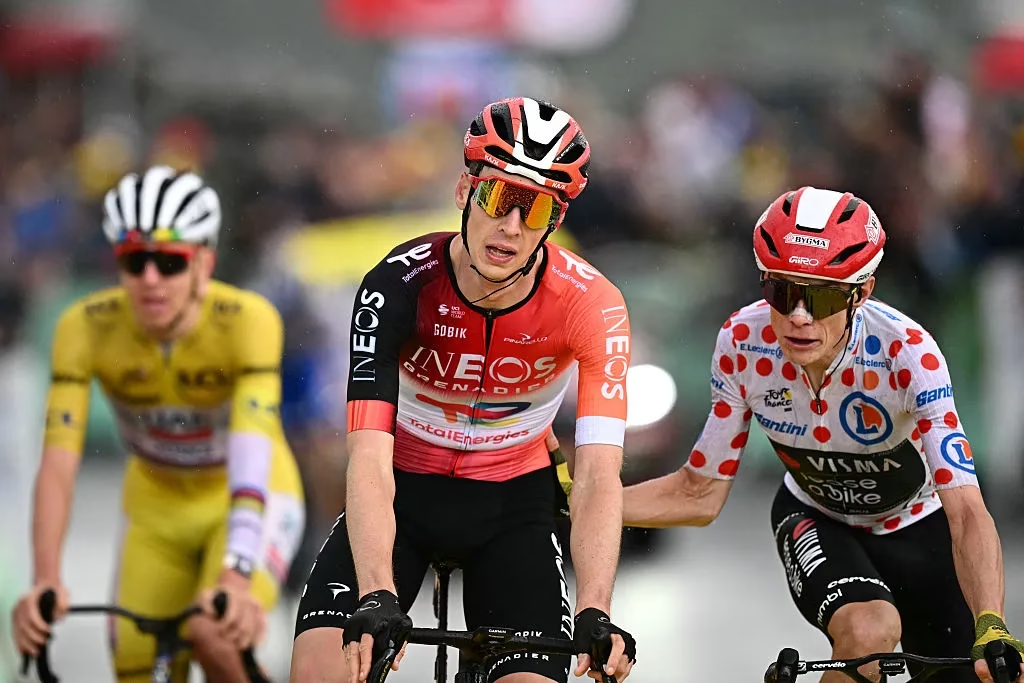
Summit finishes and the polka-dot jersey
Summit finishes are important for the polka-dot jersey because they usually award major mountains classification points. The harder the climb, the more points are available.
This creates two races at once. The GC favourites may be fighting for the stage and overall time, while climbers and breakaway riders are fighting for mountain points. Sometimes those battles overlap. Sometimes a breakaway rider takes points earlier in the stage, while the GC contenders fight for the finish.
A summit finish can make the polka-dot jersey harder for pure breakaway riders because the biggest points may go to the GC favourites. If Pogačar, Vingegaard or another yellow jersey contender wins a summit finish, they may collect a large number of mountain points without specifically targeting the jersey.
That means polka-dot contenders need to be smart. They often have to collect points on earlier climbs, get into repeated breakaways, and choose days where the GC favourites might not chase the stage win.
For the 2026 mountains battle, see our Tour de France 2026 climbers guide, best climbers at the Tour de France 2026 and Tour de France 2026 jerseys explained.
Summit finish vs uphill finish
A summit finish and an uphill finish are similar, but they are not always the same.
A summit finish usually refers to a stage that finishes at the top of a significant climb, often a mountain or major ascent. An uphill finish can be shorter, smaller or less mountainous. It might be a steep ramp in a town, a drag to a plateau, or a short climb at the end of a rolling stage.
Both can create gaps, but they suit different riders. A long summit finish favours pure climbers and GC contenders. A short uphill finish may suit puncheurs, classics riders or strong sprinters who can handle a ramp.
This is why route labels can be slightly confusing. Some stages finish uphill but are not always treated as classic summit finishes. Others are official summit finishes because the finish line sits at the top of a recognised climb.
In 2026, that distinction matters because the race has five official summit finishes, but also other uphill or mountain finishes that can still shape the race. Les Angles, Le Lioran and Le Markstein Fellering may not carry the same official summit-finish status in every classification of the route, but they can still hurt the peloton.
For more on the route shape, see our Tour de France 2026 route analysis, Tour de France 2026 Massif Central guide and Tour de France 2026 Vosges and Jura guide.
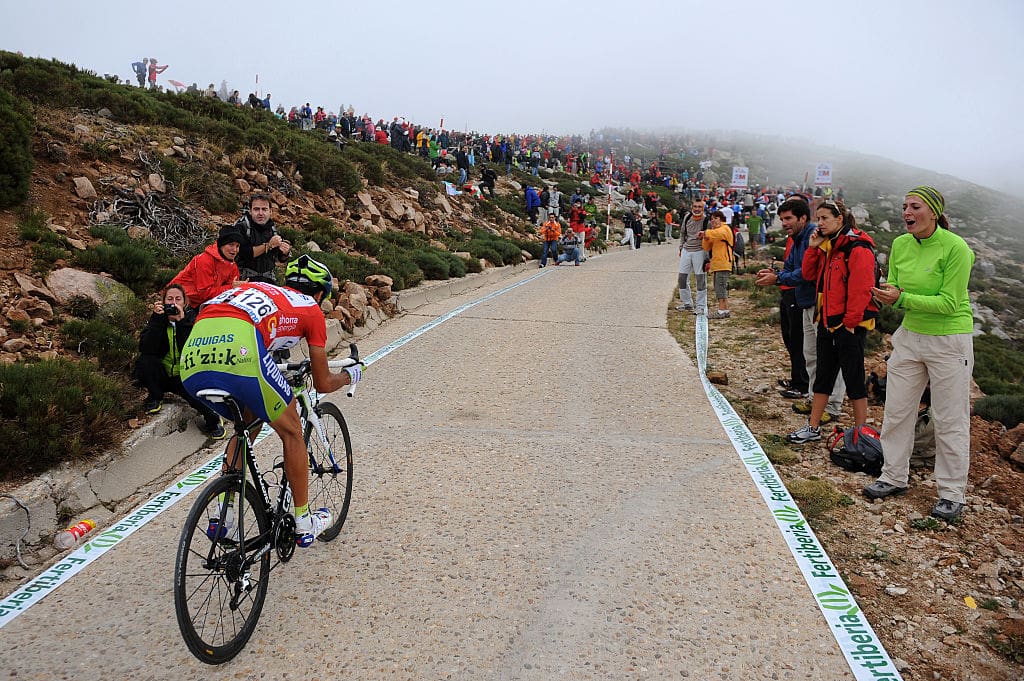
Summit finish vs mountain pass
A mountain pass is a road that crosses over a mountain and descends the other side. A summit finish is when the stage ends at the top.
The Col du Galibier is a classic mountain pass. It is often crossed during a stage, then the race continues down the other side. That can make it decisive, but not in the same way as a finish-line climb. Riders must still descend, regroup or race towards another climb.
Alpe d’Huez is the classic summit-finish climb. The road goes up, the crowds get thicker, the bends count down, and the finish line comes at the top. There is no descent to recover. The damage is counted immediately.
Both types of climb matter. Mountain passes can create long-range attacks and tactical chaos. Summit finishes make the final result more direct. The hardest Tour stages often combine both, using big passes to weaken the race before a summit finish delivers the final time gaps.
That is exactly why Stage 20 in 2026 looks so important. The Galibier is the high pass. Sarenne adds another layer. Alpe d’Huez is the final summit finish.
For the history behind those climbs, see A history of Alpe d’Huez at the Tour de France, Alpe d’Huez: why the Tour still fears the 21 bends and A history of the Col du Galibier at the Tour de France.
Why teams set a hard pace before summit finishes
On summit-finish stages, teams often ride hard before the final climb to weaken rivals. This is not always about attacking immediately. Sometimes the aim is to make the climb harder before the real moves begin.
A strong team might put domestiques on the front early in the final climb. Their job is to ride at a pace that drops weaker riders and removes rival teammates. If the group is reduced to only GC leaders, attacks become harder to control.
This is called setting tempo. It can look less dramatic than an attack, but it can be just as important. A steady hard pace can make the climb impossible for riders already close to their limit.
The best teams use summit finishes to create isolation. If a leader has teammates and rivals do not, they can control the climb, respond to attacks and choose the right moment to strike.
For more on team roles, see how Tour de France teams work, what is a domestique at the Tour de France? and Tour de France 2026 domestiques who could decide the race.
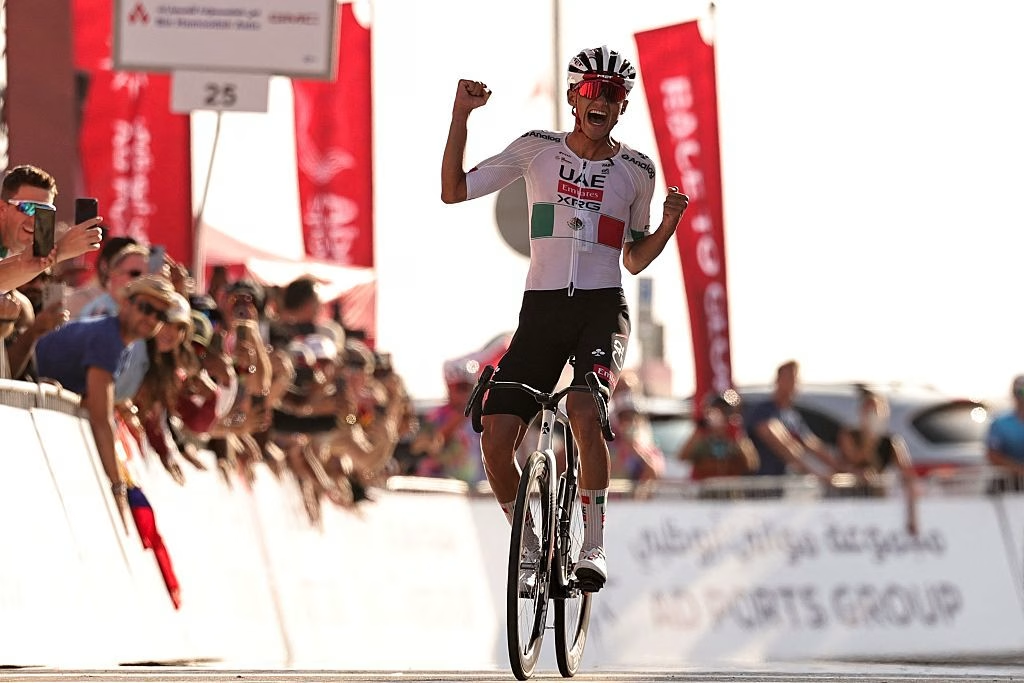
Can a breakaway win on a summit finish?
Yes, a breakaway can win on a summit finish, but it depends on the stage and the GC battle.
If the yellow jersey teams do not want to chase, a strong breakaway can build a large gap before the final climb. If the riders in the break are far behind overall, GC teams may allow them to fight for the stage while the favourites race separately behind.
This often happens when a mountain stage comes after several hard days or when the GC contenders are more focused on each other than the stage win. It can also happen if the breakaway contains strong climbers who can hold off the chase.
The risk is that summit finishes often attract GC action. If the yellow jersey contenders race hard, the breakaway’s advantage can disappear quickly. A five-minute gap can fall fast when the best climbers in the world start attacking behind.
Breakaway wins on summit finishes are special because they require both strength and timing. The rider has to survive the early fight, work in the break, then still climb well enough to finish the job.
For more, see what is a breakaway in the Tour de France?, Tour de France 2026 breakaway specialists to watch and Tour de France 2026 route: best days for breakaways.
What kind of rider wins a summit finish?
Summit finishes usually favour climbers and GC contenders. The longer and steeper the final climb, the more it suits riders who can produce sustained climbing power after several hours of racing.
Pure climbers can win from breakaways, especially if they are allowed freedom. GC contenders win when the race is controlled and the strongest overall riders fight directly for the stage. Occasionally, a puncheur or all-rounder can win on a shorter uphill finish, but the biggest summit finishes usually belong to climbers.
The exact type of rider depends on the climb. A long, steady climb favours riders with controlled pacing and high endurance. A steep, irregular climb can suit riders with repeated accelerations. A high-altitude finish rewards those who cope well with thinner air and long efforts.
In the Tour, the best summit-finish riders are rarely just climbers. They also need positioning, team support, fuelling, patience and the ability to attack when everyone else is already tired.
For the 2026 hierarchy, see our Tour de France 2026 GC favourites ranked, best climbers at the Tour de France 2026 and Juan Ayuso at the Tour de France 2026.
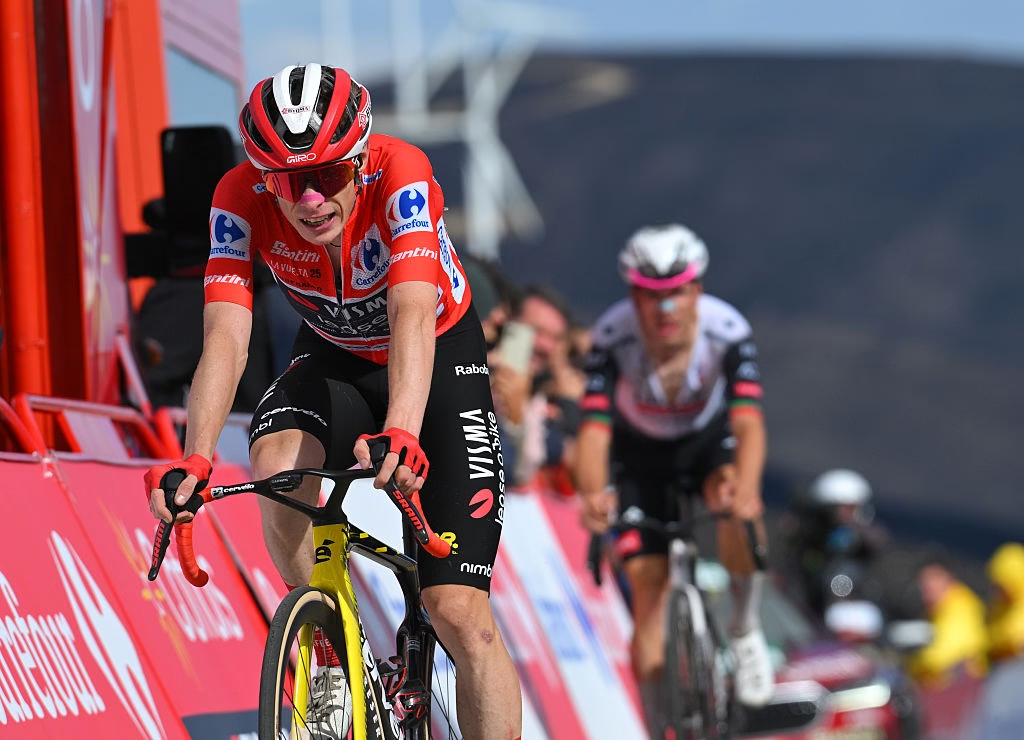 Photo Credit: Getty
Why summit finishes create big time gaps
Summit finishes create big time gaps because riders crack uphill and cannot recover before the line.
On a flat road, a dropped rider may use teammates or drafting to limit the loss. On a descent, a strong downhill rider may regain contact. On a summit finish, the road keeps rising. Every second of weakness is punished.
The final kilometres are often where the biggest damage happens. Riders may have stayed with the group for most of the climb, but once they go over the limit, the gap opens quickly. A rider losing a few metres can suddenly lose half a minute. If they are isolated, the loss can become much bigger.
This is why GC teams study summit finishes carefully. They know which climbs have steep ramps, which have flatter sections, where the road narrows, and where an attack can do most damage.
A summit finish is not always won by the rider who attacks first. It is often won by the rider who judges the effort best.
For more on how climbing speed and fatigue shape those gaps, see how fast do Tour de France riders go? and how hard is the Tour de France?.
Famous summit finishes in the Tour de France
The Tour has many famous summit finishes, and each has its own character.
Alpe d’Huez is the most recognisable, with its 21 bends, huge crowds and long Tour history. It is one of the sport’s great climbing theatres.
Mont Ventoux is more isolated and exposed, with a different kind of atmosphere. When the Tour finishes there, the climb feels less like a stadium and more like a bare mountain test.
The Tourmalet has hosted major summit finishes and carries Pyrenean history. Hautacam, Luz Ardiden, Plateau de Beille, La Plagne and Les Deux Alpes have all shaped important editions of the race.
The Galibier is less often used as a summit finish, but its 2011 finish was historic because it became the highest stage finish in Tour history.
The reason these places endure is simple. Summit finishes create memory. They are where riders attack, crack, win, lose, and become part of Tour history.
For more Tour history, see A brief history of the Men’s Tour de France.
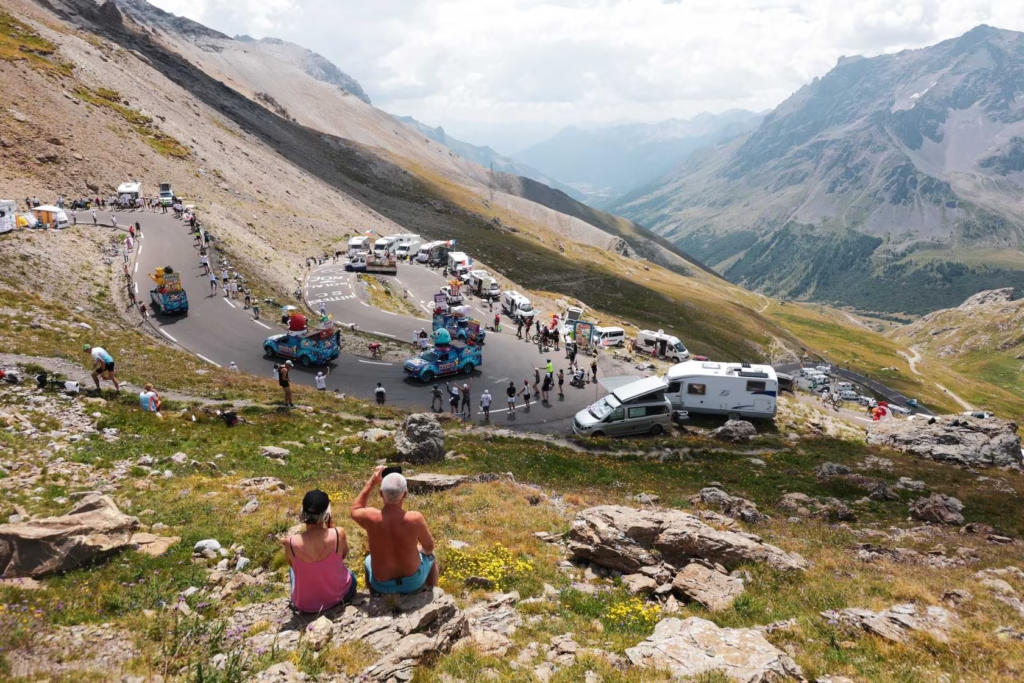
Alpe d’Huez as the classic summit finish
Alpe d’Huez is the classic Tour de France summit finish because everything about it feels made for drama. The climb is long enough to create real gaps, steep enough to hurt, and famous enough to carry pressure before the riders even arrive.
The 21 hairpins give the climb a clear structure. Fans can see the race moving up the mountain. Riders can feel the bends counting down. The finish at the top gives the stage a clean ending: no descent, no regrouping, no hiding.
That is why Alpe d’Huez matters so much in 2026. The route uses it twice, including the queen stage on Stage 20. Back-to-back Alpe d’Huez finishes are unusual enough to give the race a distinctive final-week identity.
The first Alpe d’Huez finish may reveal who is strongest. The second may decide who has recovered, who has cracked, and who still has one final mountain effort left.
For more, see why back-to-back Alpe d’Huez finishes could define the Tour de France 2026, Alpe d’Huez: why the Tour still fears the 21 bends and A history of Alpe d’Huez at the Tour de France.
The 2026 Tour de France summit finishes
The 2026 Tour de France has five official summit finishes. They give the route its climbing backbone and should play a major role in the general classification.
| Stage | Finish | Why it matters |
|---|---|---|
| Stage 6 | Gavarnie-Gèdre | First major summit finish and an early Pyrenean test |
| Stage 15 | Plateau de Solaison | A hard Alpine-style test before the second rest day |
| Stage 18 | Orcières-Merlette | Starts the final Alpine block |
| Stage 19 | Alpe d’Huez | First of two consecutive Alpe d’Huez finishes |
| Stage 20 | Alpe d’Huez | Queen stage and final major mountain showdown |
This is a demanding spread because the summit finishes are not all packed into one part of the race. The first arrives early in the Pyrenees. The final three come in the last week, when fatigue and recovery become just as important as climbing form.
There are also other uphill or mountain finishes around them. Les Angles, Le Lioran and Le Markstein Fellering may not all be treated as official summit finishes, but they can still change the race.
For more detail, see our Tour de France 2026 summit finishes guide and Tour de France 2026 climbs guide.
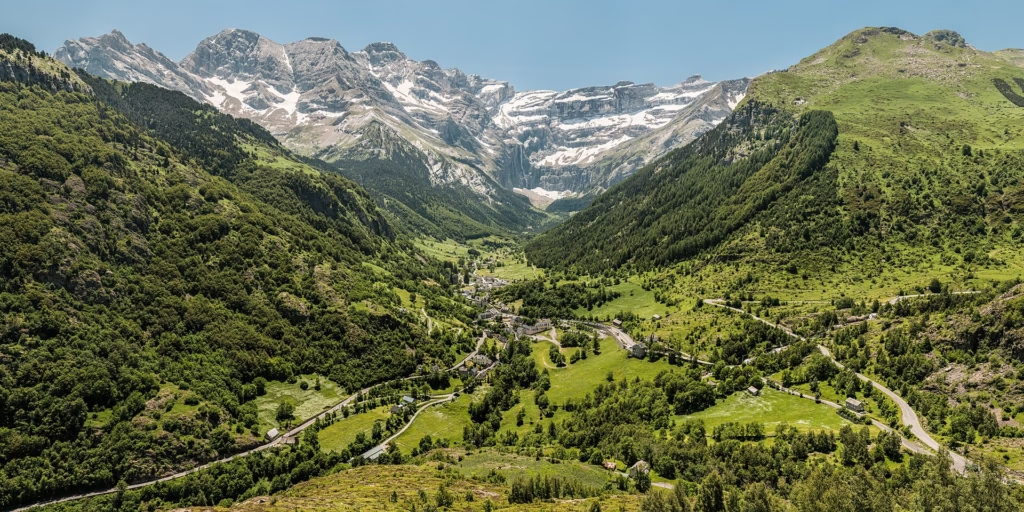
Stage 6: Gavarnie-Gèdre
Gavarnie-Gèdre is important because it gives the 2026 Tour its first official summit finish. Early summit finishes can be especially revealing because riders have not yet settled fully into the rhythm of the race.
The first mountain-top test can expose preparation, team strength and recovery from the opening stages. It may not decide the Tour, but it can show who is already under pressure.
A rider who loses time here is not out of the race, but they may be forced onto the back foot. A rider who gains time can race more confidently through the next block. That makes Gavarnie-Gèdre more than a stage win opportunity. It is the first real climbing checkpoint.
For the wider Pyrenean context, see our Tour de France 2026 Pyrenees guide and Tour de France 2026 route: best days for GC attacks.
Stage 15: Plateau de Solaison
Plateau de Solaison comes at a very different point in the race. By Stage 15, the riders have already absorbed a lot of fatigue, and the general classification should have a clearer shape.
That makes this kind of summit finish dangerous. It comes late enough for weakness to be cumulative, but early enough that riders still have to think about the final week. A contender who cracks here may spend the rest of the Tour chasing lost time.
Plateau de Solaison is also the sort of climb where team support matters. If a leader is isolated too early, the final kilometres can become very difficult. The best teams will try to keep domestiques in position for as long as possible before the favourites take over.
For the stage’s place in the broader middle section, see our Tour de France 2026 Vosges and Jura guide and where the Tour de France 2026 can be won before the Alps.
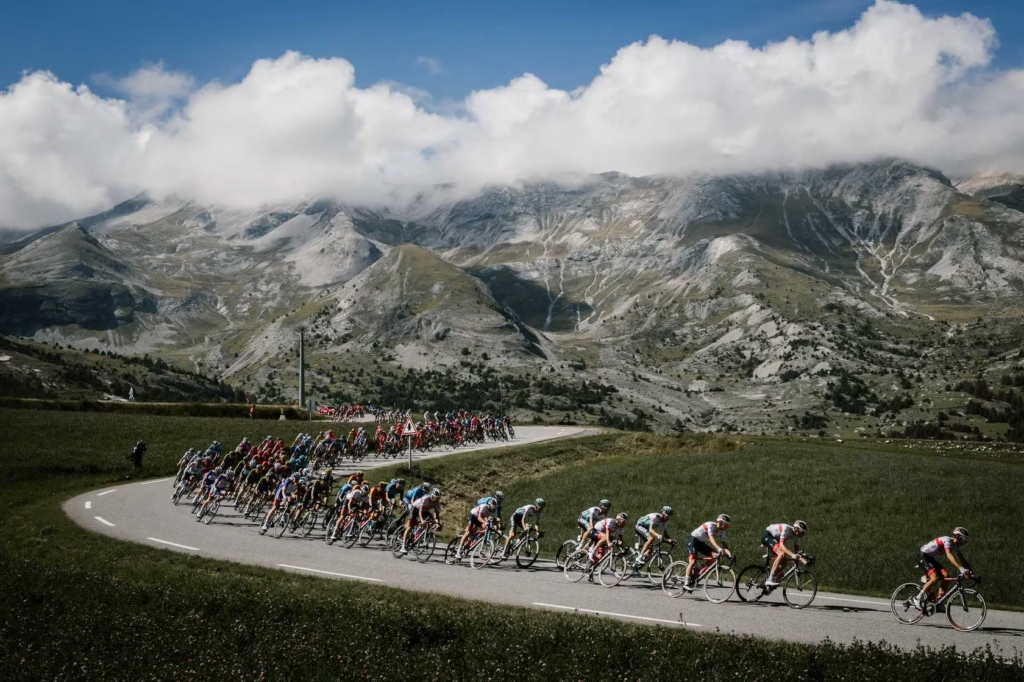 Photo Credit: A.S.O./Pauline Ballet
Stage 18: Orcières-Merlette
Orcières-Merlette opens the final Alpine phase of the 2026 Tour. By this stage, the race is deep into its third week, and every mountain finish carries extra weight.
This summit finish matters because it comes before the back-to-back Alpe d’Huez stages. Riders cannot empty everything too early, but they also cannot afford to lose time. It is a stage where the strongest team may try to test rivals before the final weekend.
Orcières-Merlette can also be a dangerous day for riders who are beginning to fade. The final climb does not need to be the hardest in the race to create gaps. In the third week, a climb only has to arrive at the wrong time.
This is where recovery becomes crucial. The rider who looked strong in week two may not be the same rider in week three.
For more on the final Alpine block, see our Tour de France 2026 Alps guide and how Tour de France riders recover between stages.
Stages 19 and 20: Alpe d’Huez twice
Alpe d’Huez appears twice in the final week of the 2026 Tour, creating one of the most dramatic route features of the race. Stage 19 finishes there from Gap. Stage 20 returns to Alpe d’Huez after a much harder queen stage from Le Bourg d’Oisans.
This is unusual because the same summit finish can mean different things on consecutive days. The first finish may be about testing legs and gaining time. The second may be about survival, recovery and final opportunity.
Stage 20 is especially important because it comes after the Croix de Fer, Télégraphe, Galibier and Sarenne. By the time the riders reach Alpe d’Huez, the stage should already have done serious damage.
A double Alpe d’Huez finish also changes the mental pressure. Riders know they have to face the climb twice. Teams have to decide whether to attack on the first day, save everything for the second, or try to use both.
For the full breakdown, see our Tour de France 2026 queen stage guide and Tour de France 2026 Alps guide.
 Photo Credit: A.S.O./Charly López
Why summit finishes are not always the best stages
Summit finishes are important, but they are not always the most tactically open stages. Sometimes they can become predictable because everyone waits for the final climb.
If the last climb is clearly the hardest point of the day, GC teams may control the stage and discourage earlier attacks. Riders know the finish will be decisive, so they save energy. That can make the stage feel quiet until the final 5km.
By contrast, mountain stages that finish after a descent or valley road can encourage earlier moves. Riders may attack on a pass, use teammates ahead, or try to force rivals into tactical mistakes before the finish.
This is why the best Tour routes mix summit finishes with other mountain designs. Summit finishes give clarity and gaps. Pass-based stages give uncertainty and long-range attacks.
The 2026 route does both. It has official summit finishes, but it also has stages where climbs before the finish could be just as important.
For more on that balance, see our Tour de France 2026 route: best days for GC attacks, Tour de France 2026 route: best days for breakaways and Tour de France 2026 breakaway stages ranked.
How summit finishes affect team tactics
Summit finishes change how teams use their riders. On a sprint stage, teams protect a fast rider and organise a lead-out. On a summit finish, teams protect a climber or GC leader and try to keep them near the front until the final climb.
Climbing domestiques are crucial. Their job is to set tempo, fetch bottles, chase attacks and stay with the leader as long as possible. Once the road becomes too steep or the pace too hard, they drop away. The deeper into the climb they survive, the better for their leader.
Teams may also send satellite riders into the breakaway. If a leader attacks later and reaches a teammate up the road, that teammate can help on descents, valleys or earlier parts of the final climb.
The best summit-finish teams are not just teams with one great climber. They are teams with enough support to control the stage before the leader has to race alone.
For the 2026 squad picture, see our Tour de France 2026 team-by-team guide, full start list for Tour de France 2026 and Tour de France 2026 domestiques who could decide the race.
How summit finishes affect time cuts
Summit finishes can be stressful for riders far behind the front because they often make the time cut harder. The time cut is the maximum time a rider can lose to the stage winner while still being allowed to continue in the race.
On mountain days, the time cut is usually more generous than on flat stages, but summit finishes can still be dangerous. Sprinters, lead-out riders and heavier domestiques may lose large amounts of time on the climbs. If the front of the race is very fast, the riders behind must keep moving.
This is why the gruppetto matters. Sprinters and domestiques often form a large group to pace the climbs together, manage effort and finish inside the limit. They are not trying to win the stage. They are trying to stay in the Tour.
A summit finish makes that harder because the final kilometres keep climbing. There is no easy run-in where dropped riders can recover time.
For more detail, see how Tour de France time cuts work and why sprinters suffer in the Tour de France mountains.
What should beginners watch for on a summit finish?
If you are new to the Tour, watch three things on a summit finish: team numbers, rider position and body language.
Team numbers matter because a leader with teammates still around has more control. If a rider is isolated early, they may be vulnerable to attacks.
Position matters because the front of the group is safer and more efficient. A GC contender caught too far back at the bottom of the final climb may waste energy moving up.
Body language matters because summit finishes reveal suffering. Watch for riders rocking on the bike, losing the wheel, looking behind, or repeatedly asking teammates for help. Those signs often appear before the time gap opens.
Also watch the breakaway. Sometimes the stage win is ahead while the GC battle happens behind. In that case, the broadcast may switch between two races: the fight for the stage and the fight for overall time.
For more simple race language, see our beginner’s guide to Men’s Tour de France 2026 and French cycling terms explained.
Summit finish explained simply
A summit finish is when a Tour de France stage ends at the top of a climb. The riders race uphill to the finish line, with no descent afterwards.
Summit finishes matter because they create time gaps. If a rider cracks on the final climb, they cannot recover on a descent or flat road. That makes these stages especially important for the yellow jersey.
They also matter for the polka-dot jersey, stage hunters and breakaway riders. Climbers can win stages, collect mountain points and change the shape of the race.
The 2026 Tour de France has five official summit finishes, including two consecutive finishes on Alpe d’Huez. That makes climbing and recovery central to the race.
For more Tour de France explainers, visit our beginner’s guide to Men’s Tour de France 2026, Tour de France 2026 full route guide and Tour de France hub.